Jupiter & Venus Conjunction 2022 by Richard Bohner
Whilst CMHASD member views of Venus & Jupiter from the UK were blocked by cloud, two superb images of Venus & Jupiter were captured in the early morning skies of the 28th & 30th April 2022 by member Richard Bohner in Arizona, USA.
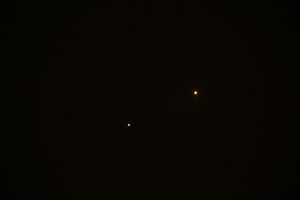
The first image taken on the 28th at 04:30 MST was acquired using a Canon 6D, ISO 500 and an 8 second exposure time. Jupiter is on the left and Venus on the right and only 2.3 degrees apart.
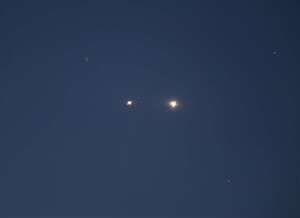
The second image, taken on the 30th at 05:00 MST (using a Canon 6D, ISO 500 and a 6 second exposure time) shows Venus & Jupiter appearing even closer together, in fact very close. The planets were separated by the same angular distance as a full moon: about 1/2 degree!!! Three moons of Jupiter; Ganymede, Io and Callisto can also be seen in the 2nd image.
The Venus-Jupiter conjunction happens about once a year but this year the two planets appeared closer than they usually do. The last time the two planets were closer than this year’s conjunction was in August 2016 but it was more difficult to see since they were closer to the sun. The next time they will get this close is in 2039.
Jupiter & Venus 28th April 2022
Jupiter & Venus 30th April 2022
Although Venus and Jupiter appear next to each other in the sky they are nowhere near each other in space. The actual orbit of the planets is around 430 million miles apart (690 million km) nearly five times the Earth–sun distance!
You can also understand why the ancients called planets wanderers too.
Rainbows – not 1, not 2 but 3! captured by Martin Crow
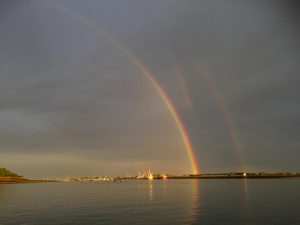
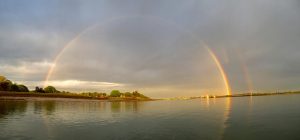
Oh my word, what a fortunate man member Martin Crow was last evening whilst out Kayaking on the river near Burnham on Crouch in Essex. Martin got to witness something very rare and absolutely stunning; 3 rainbows together!!! Two rainbows are often seen by people but 3 rainbows or the beginnings of a 3rd is a rare sight to see.
Luckily Martin captured this special event on his phone, see below and member Honor Wheeler explained the 3rd rainbow ”It’s a reflection of the main rainbow from the water reflecting back into the sky. A reflection bow. Super capture lucky you”.
The Sun by Simon Dawes
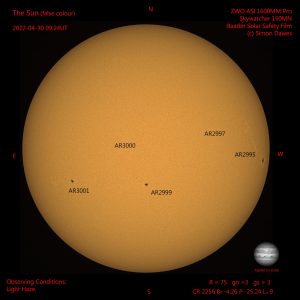
The Sun on the 30th April 2022 taken by Simon Dawes. As you can see the Sun was still ‘active’ re sunspots on that day.
As of today (5th May) we are now up to AR3006 and in the past 24 hours sunspot AR3004 has produced over 18 solar flares (15+ C-class flares and 3 M-flares).
NEVER LOOK AT THE SUN DIRECTLY. Please click here for solar observing safely.
The Sun on the 30th April 2022
Mercury & M45 by Richard Bohner
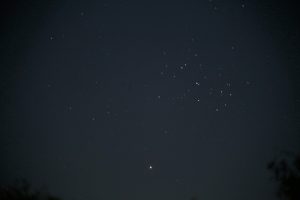
Planet Mercury at the bottom & M45 (The Pleiades) above right taken on the 28th April 2022 at 2015 local time MST in Arizona, USA. Richard acquired this splendid image using a Canon 6D, 400mm tele f2.8, ISO 800 and 12 second exp.
WASP-92b by Simon Dawes
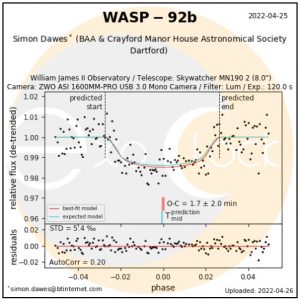
The latest set of observations by Simon for the ExoClock project of the exoplanet WASP-92b which orbits its parent star WASP-92, an F7 star, every 2.17 days.
Deep Sky imaging by Dr. Mike Rushton
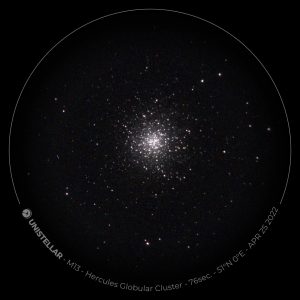
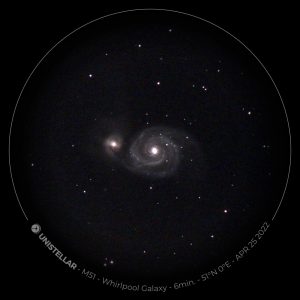
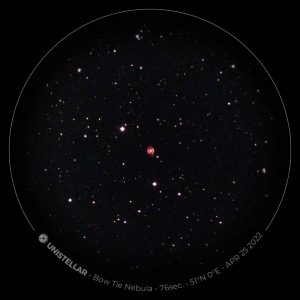
Dr. Mike Rushton took advantage of some clear skies recently (25th April 2022) and took these 3 super deepsky images using his eVscope of Messier 13, Messier 51 and the Bow Tie Nebula.
Messier 13 (M13) also designated NGC 6205 and also called the Great Globular Cluster in Hercules and the Hercules Globular Cluster, is a globular cluster of a several hundred thousand stars in the constellation of Hercules.
Messier 51, known as The Whirlpool Galaxy and as Messier 51a, M51a, and NGC 5194, is a spiral galaxy found in the constellation Canes Venatici, M51 was the first galaxy to be classified as a spiral galaxy and is 31 million light-years away from Earth.
The Bow Tie Nebula also designated NGC 40 and Caldwell 2 is a planetary nebula discovered by William Herschel in 1788. It is composed of hot gas around a dying star. The nebula gets its name from the fact it has an intriguing bow-tie shape.
CMHASD’s 60th Anniversary Dinner
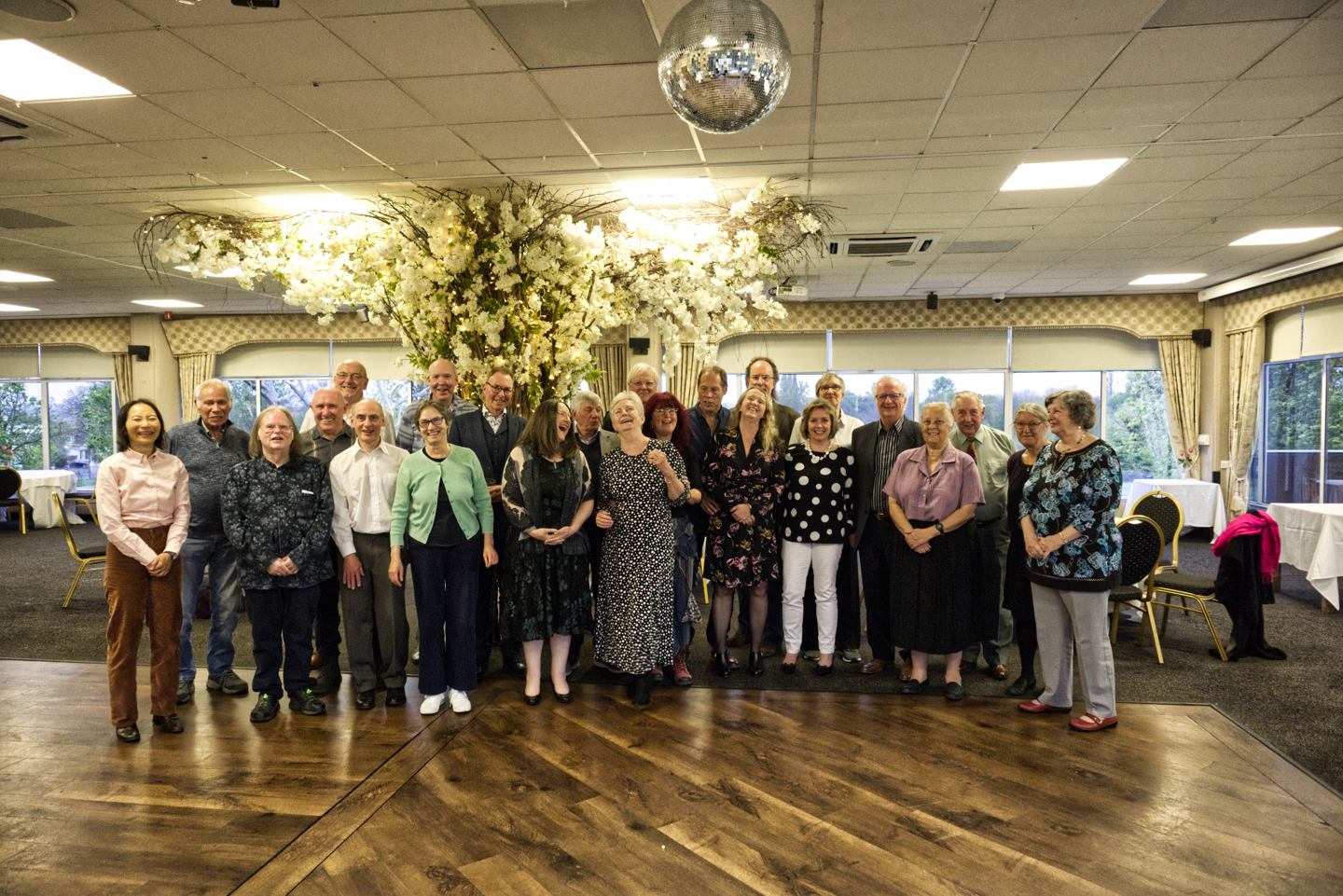
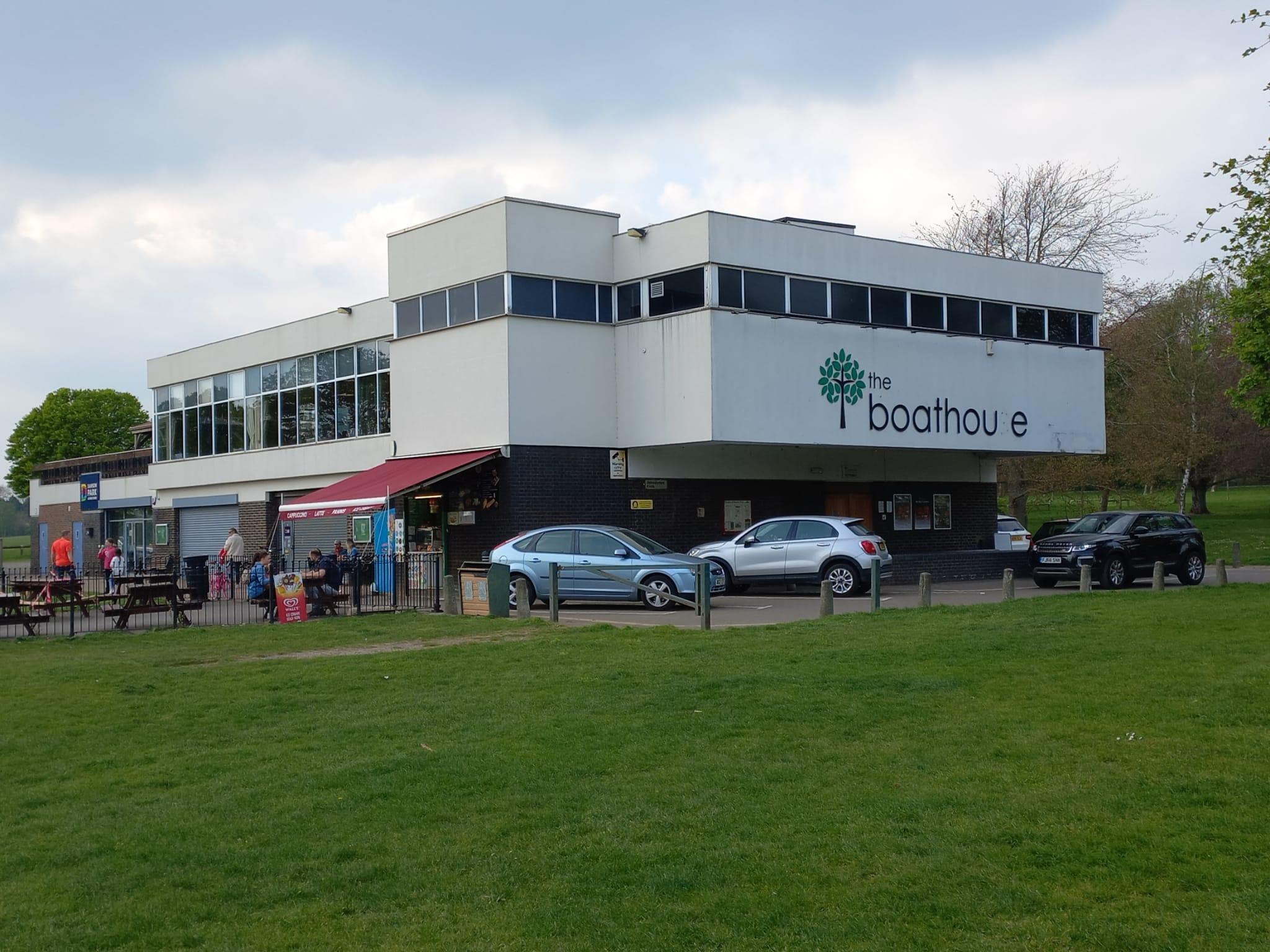
The 30th November 2021 was Crayford Manor House Astronomical Society Dartford’s 60th Anniversary however due to Covid the society was unable to celebrate at that time. Roll on to the 23rd April 2022 and we finally managed to have our 60th Anniversary celebratory dinner at The Boathouse, Danson Park, Bexleyheath.

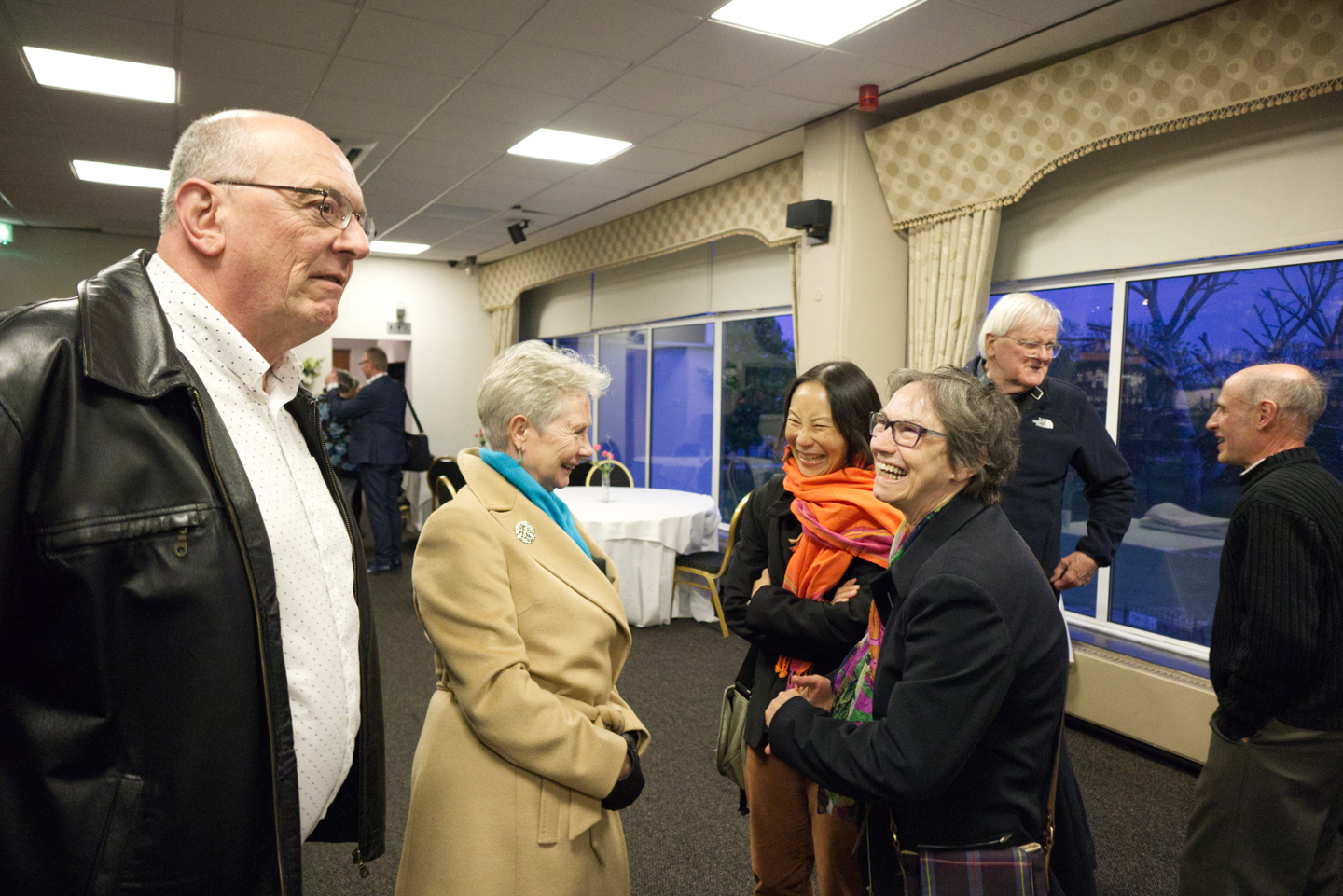
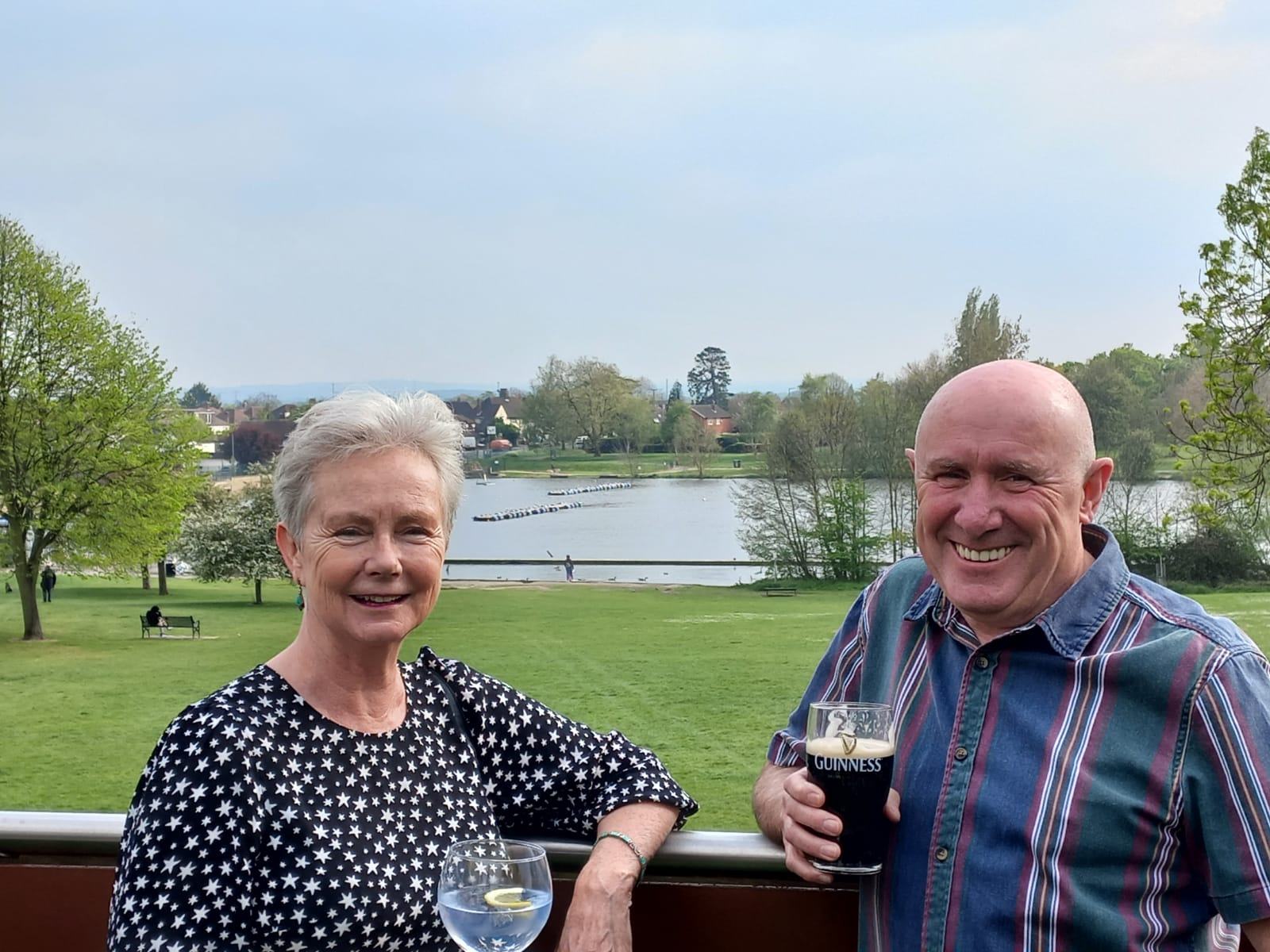
Member Diane Clarke wrote ‘From the early evening of Saturday the 23rd of April 2022, a dinner was held at the Boathouse Danson Park to belatedly celebrate the Societies 60th anniversary.
Several members and their families came along but unfortunately our numbers were somewhat depleted due to some members and their families succumbing to summer colds and Covid.
But in spite of this we had a very enjoyable evening regaling each other with memories and tales of various Society lectures, social gatherings and outings, including our last summer barbeque. There was also talk about holding another barbeque later this year.
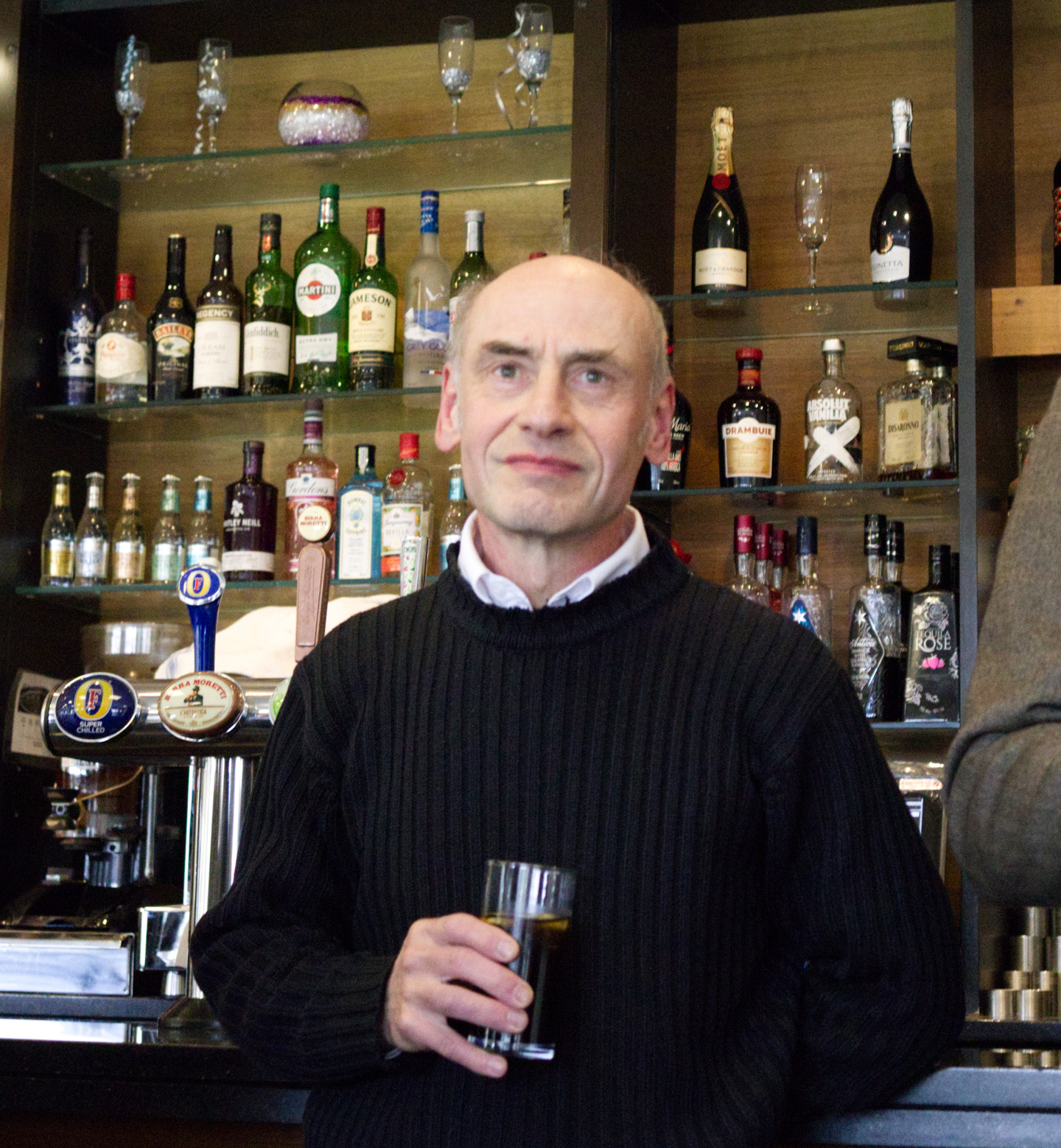
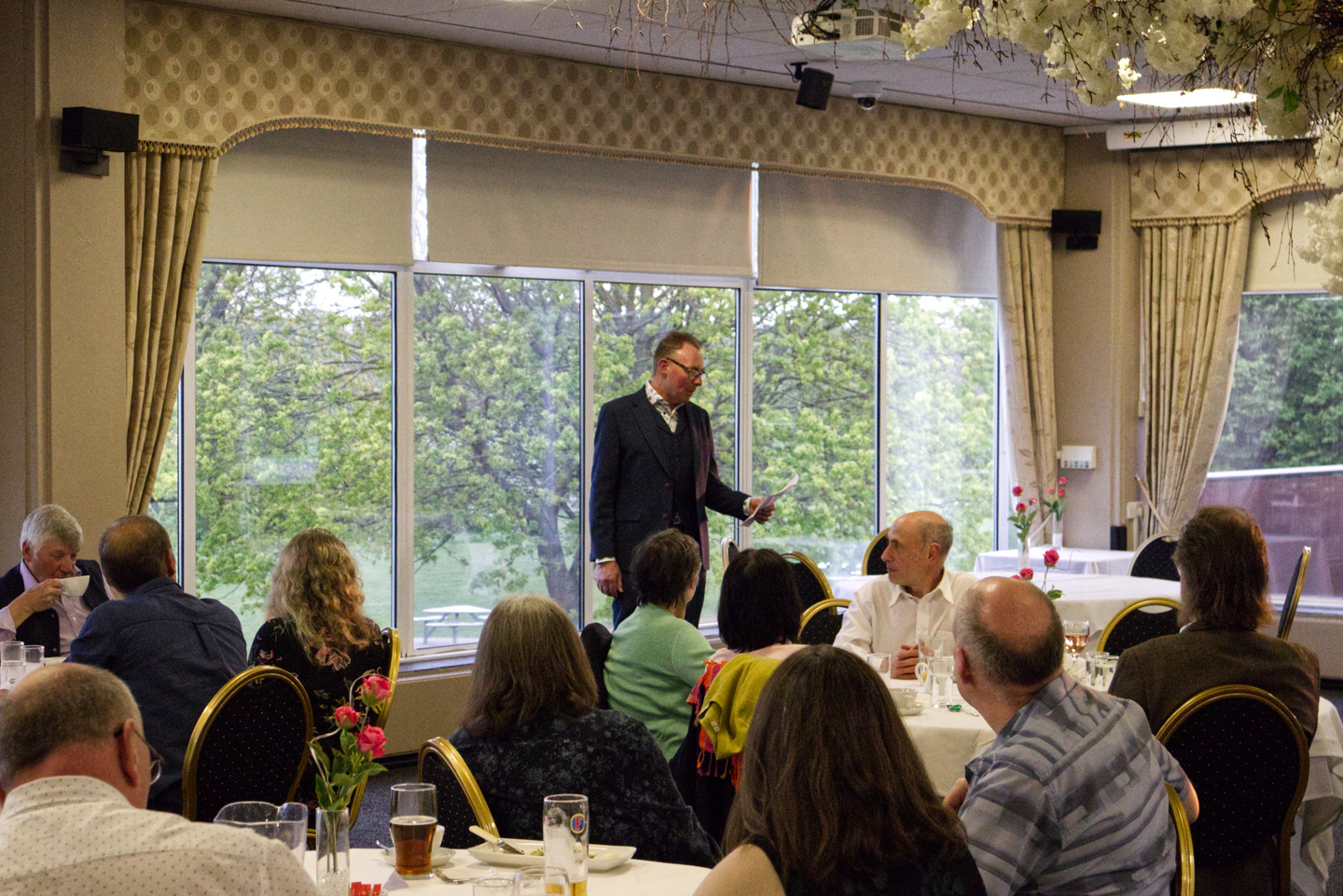
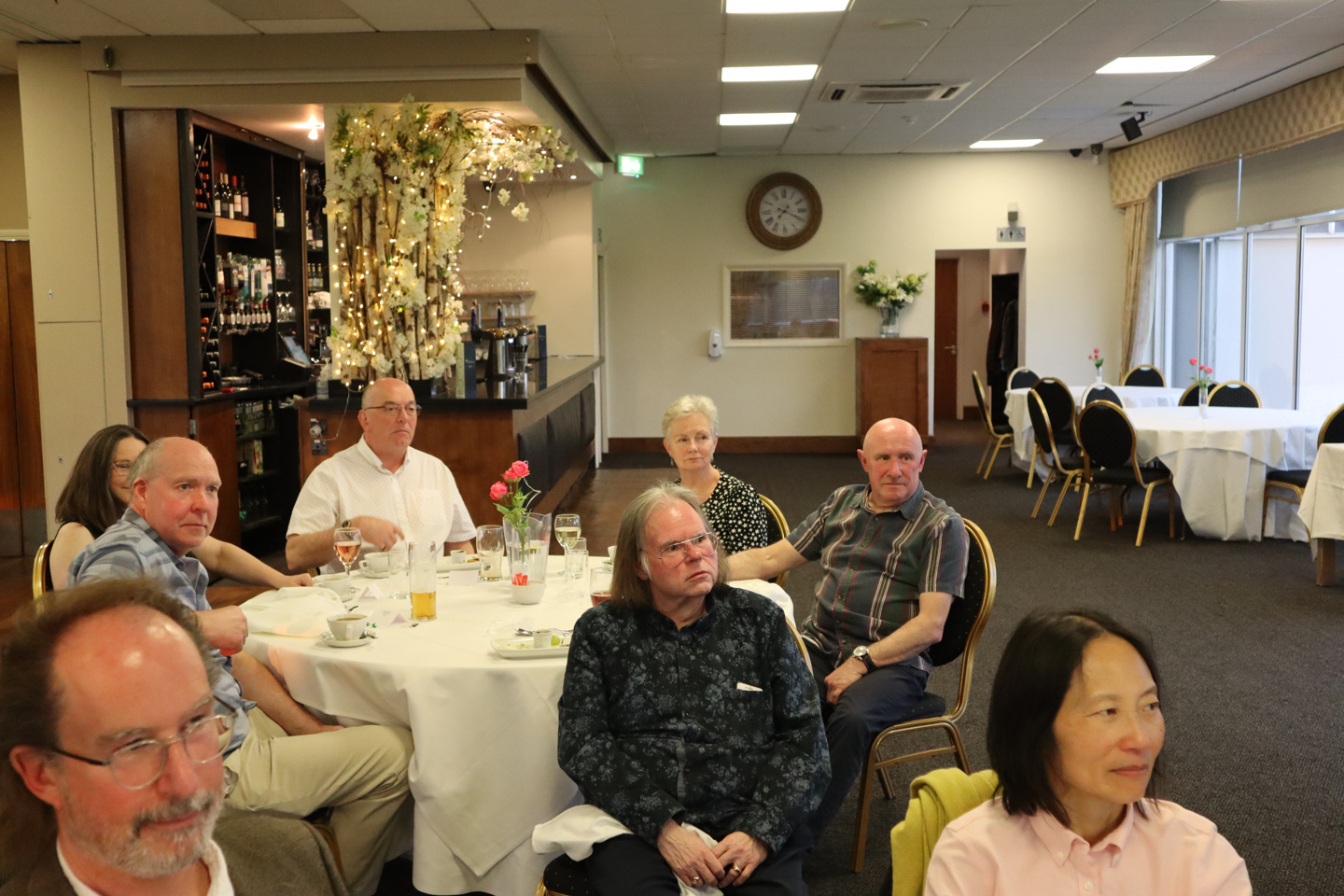
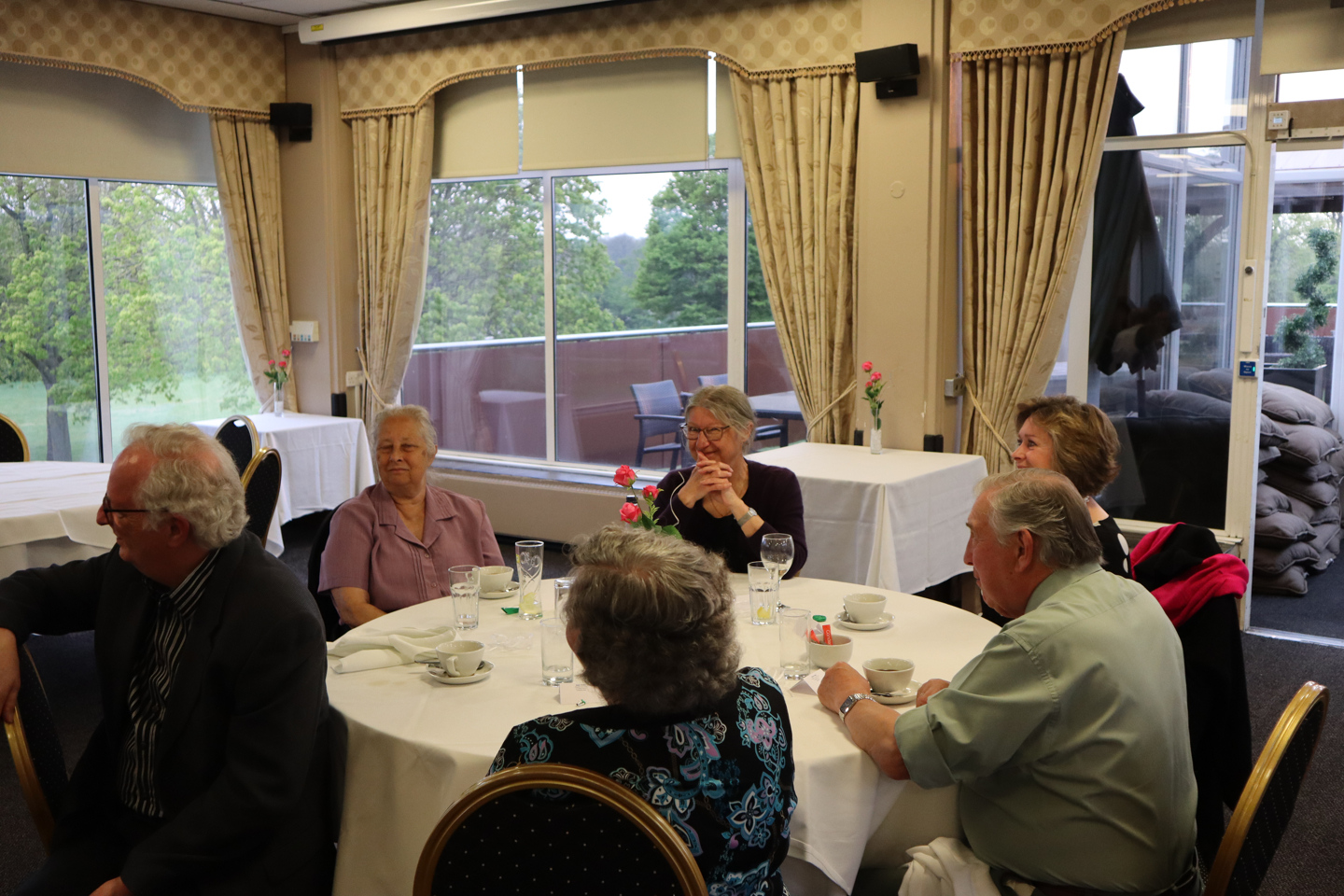
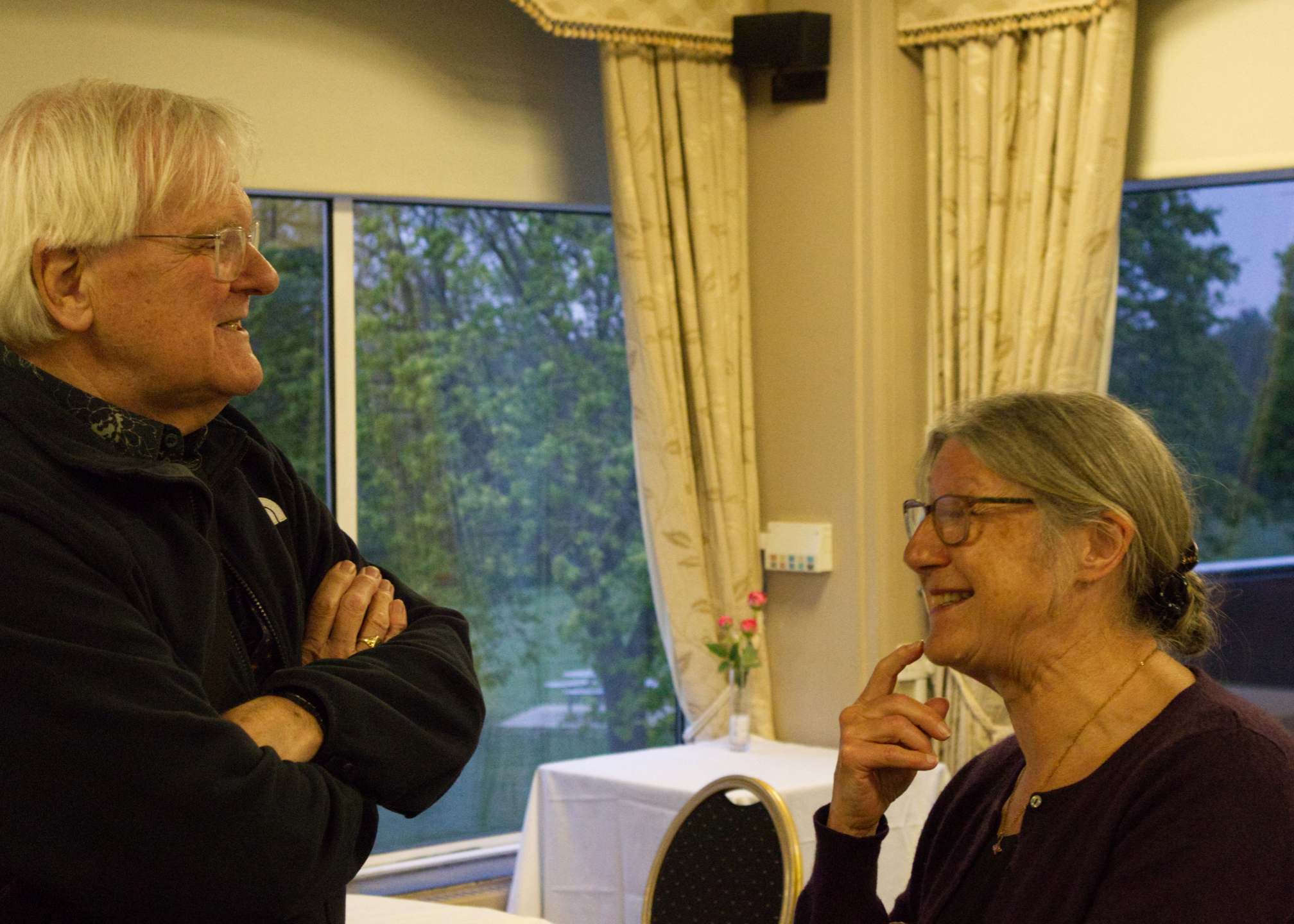
These photos give a flavour of the evening’s events that included a presentation from the Societies president Mr John Archer that included a look back at the Societies 50th Anniversary meal.
As can be seen John gave his speech to an appreciative audience.
Eventually we had to leave so everybody got together for the group photo, and with the evening’s festivities coming to a close we left in good spirits.
With several members deciding to continue the evening‘s festivities at another establishment.’
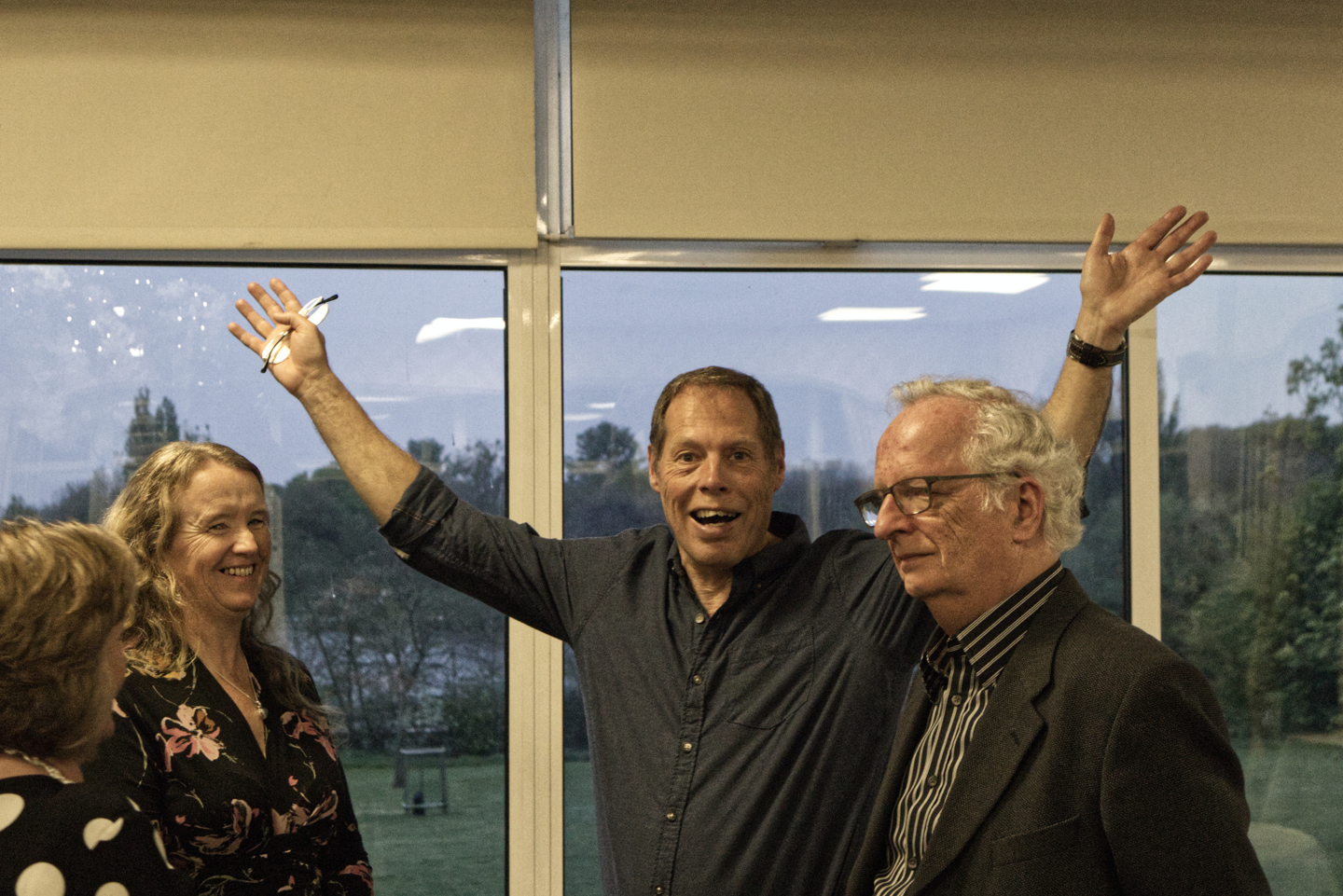
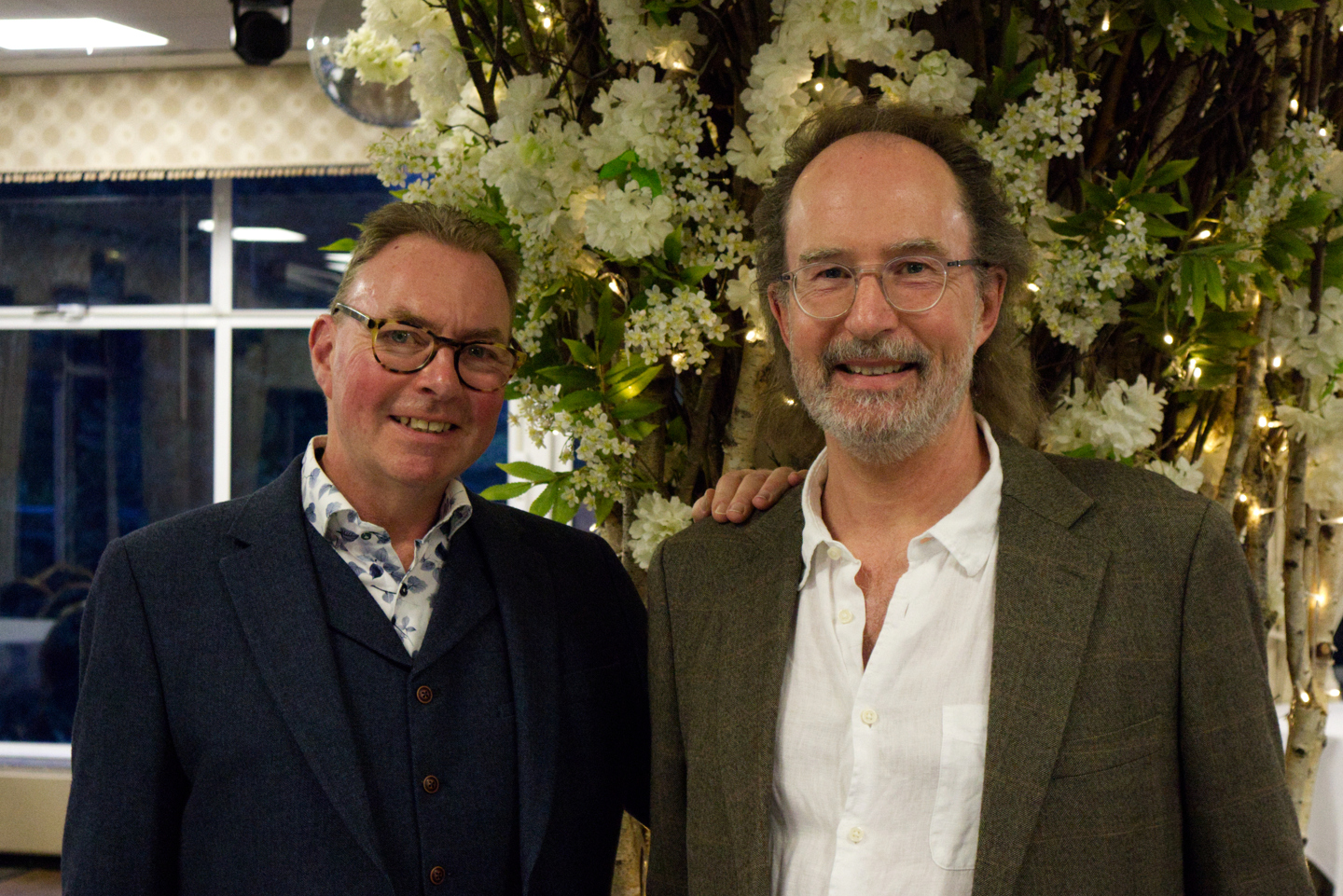
Below is a slideshow of photos taken by Diane Clarke & John Archer of the evening.
The society would like to thank Diane Clarke, John Archer and Malcolm Gough for organising the event and to Diane & John for sharing their photos.


Sunspots AR2993 & AR2994 by Kevin Langford
Superb close up of Sunspots AR2993 & AR2994 captured by member Kevin Langford on the 24th April 2022 using ASI385mc, SW 130 Reflector on a SW Adventure tracker mount. Using SharpCap, Autostakkert 2 and PS.
NEVER LOOK AT THE SUN DIRECTLY. Please click here for solar observing safely.
Spotty Sun
More sunspots!!!!
Now up to AR2999 and counting as there is now a new very active region of sunspots appearing on the Sun as of today which have yet to be given an AR number.
This new source of solar activity has so far been of C-class explosions which have in the past 24 hours hurled at least two CMEs into space. We (Earth) are not yet in the line of fire but as the active region rotates toward facing our planet things could change……
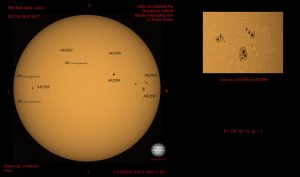
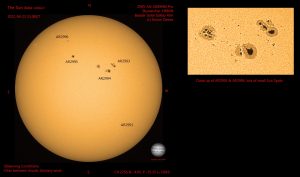
Simon Dawes captured these 2 white light image of the Sun on the 24th & 26th April 2022.
NEVER LOOK AT THE SUN DIRECTLY. Please click here for solar observing safely.
The Sun on the 24th April 2022

The Sun on the 26th April 2022
Active Sun
And they keep coming………more sunspots appearing on the Sun as captured by Simon Dawes on the 23rd April 2022. Now up to sunspot AR 2996 on Simon’s image below but as of 24th April – sunspot AR 2997 has put in an appearance.
NEVER LOOK AT THE SUN DIRECTLY. Please click here for solar observing safely.
The Sun by Simon Dawes
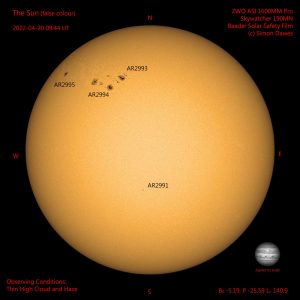
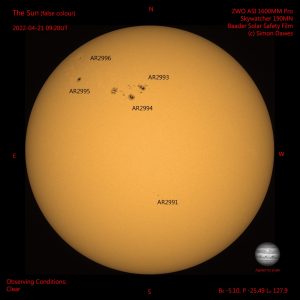
Nice to see some sunspots on the Sun and there are quite a few visible at the moment as Simon Dawes shows in his recent images taken of the Sun on the 20th & 21st April 2022. NEVER LOOK AT THE SUN DIRECTLY. Please click here for solar observing safely.
Sunspot complex AR2993-94 is crackling away with M-class solar flares and did directly face Earth a day later. They are ‘big’ sunspots too. The two dark cores are as large as Earth and a magnetic filament attached to one of the cores is more than 100,000 km long.
Sun on 20th April 2022
Sun on 21st April 2022
Sunspots are caused by magnetic disruptions of the visible photosphere of the sun which exposes the relatively cooler layers underneath – appearing as a black spot.
The sun’s magnetic entanglements and disentanglement happen in 11-year cycles with each solar cycle having phases of low and high activity. Solar activity cycles have been numbered since 1775, when extensive recording of sunspot activity began.
We are currently in Solar Cycle 25, which has yet to reach its peak. The current cycle is expected to reach its maximum activity in late 2024 or early 2025, this means we may see more and bigger sunspots.
BAA Picture of the Week – Diane Clarke
Congratulations to member Diane Clarke for one of her images being selected for ‘Picture of the Week’ by the BAA (British Astronomical Association).
The image that was chosen is called ‘Eclipsed Moon Rising’ and is a composite of 14 images taken between 8.17 – 8.26pm of the full Moon as it was rising above a distant horizon – see below. There was a band of cloud that drifted across as Diane waited and as the Moon started to rise the cloud bank obscured parts of the moon as it climbed into the sky.
Absolutely stunning………
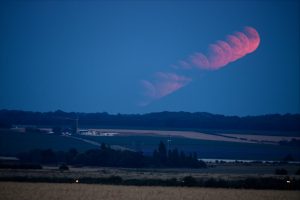
Click the following link to be taken to the BAA Picture of the Week page of their website where you will find more detail about Diane’s image. https://britastro.org/observations/observation.php?id=20220415_141246_3339ce105b39a7a8
Pink Moon – 16th April 2022
On the night before Easter, the sky will look a little more “pink” due to the full Moon.
This is because the 1st full moon of the spring season is known as the Pink Moon and the name derives from a pink flower called phlox subulata that blooms in spring in North America.
While the moon itself won’t actually be pink, you might notice a slight change in its colour, depending on what time you viewed it on the 16th April 2022.
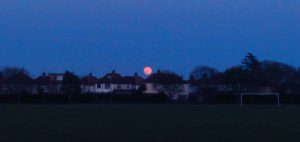
Members Jim Burchell, Diane Clarke and John Howarth all captured the full Moon last night on the 16th April 2022 as it rose, which appeared as a glorious ‘pink’ colour due to taking the photos whilst the Sun was still setting.
All photos were taken from locations in North Kent.
Below is the Pink Moon rising by Jim Burchell
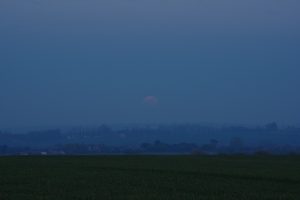
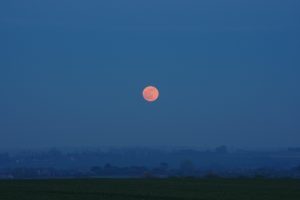
Photo below is by Diane Clarke
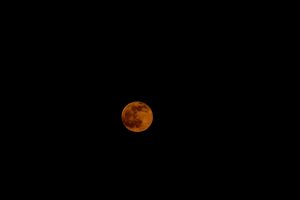
Photo below is by John Howarth
For more information about the Pink Moon, click on the link and you will be taken to a new site https://www.timeanddate.com/astronomy/moon/pink.html
Winchester 2022
BAA Winchester Weekend
2022 Apr 8 – 2022 Apr 10
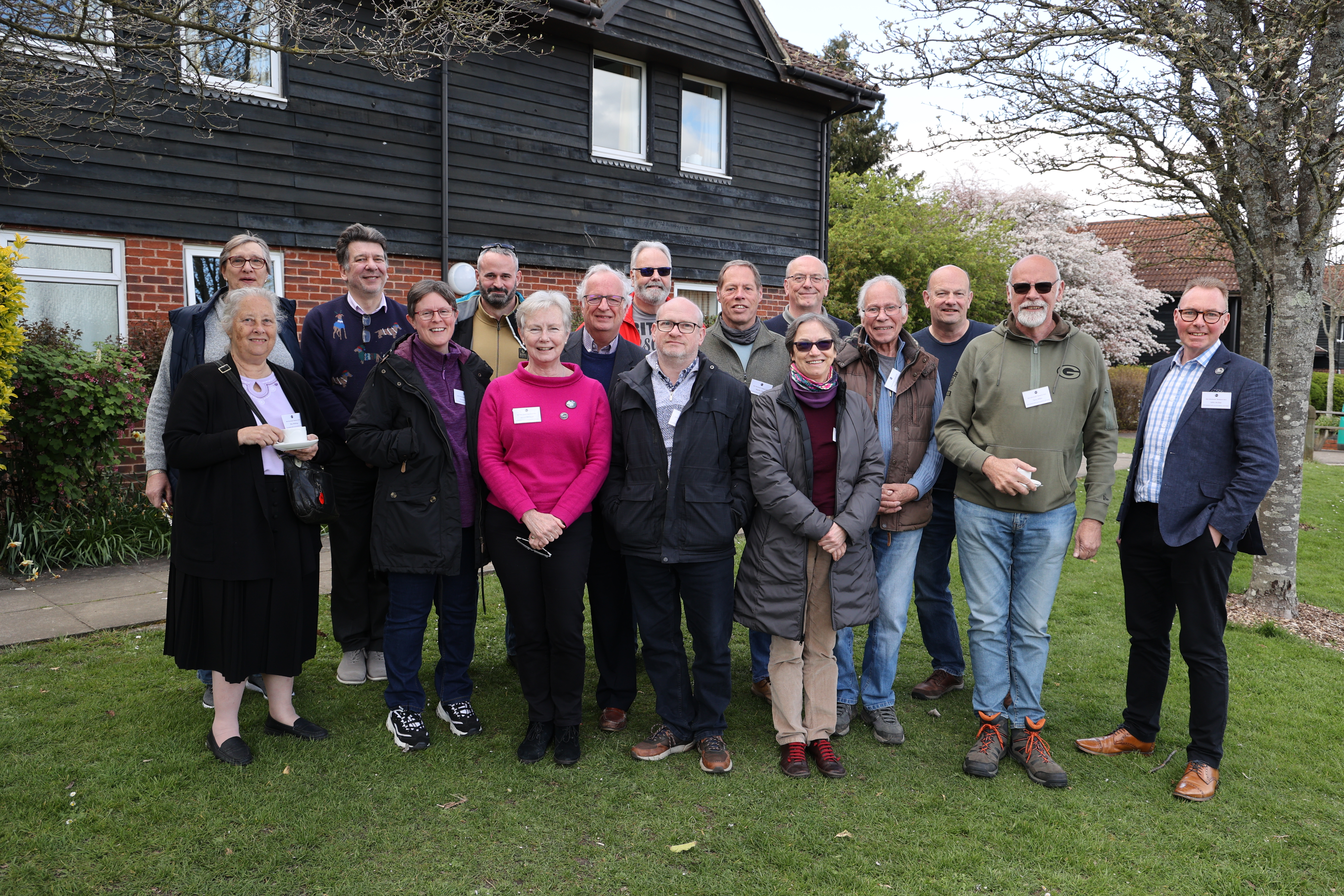
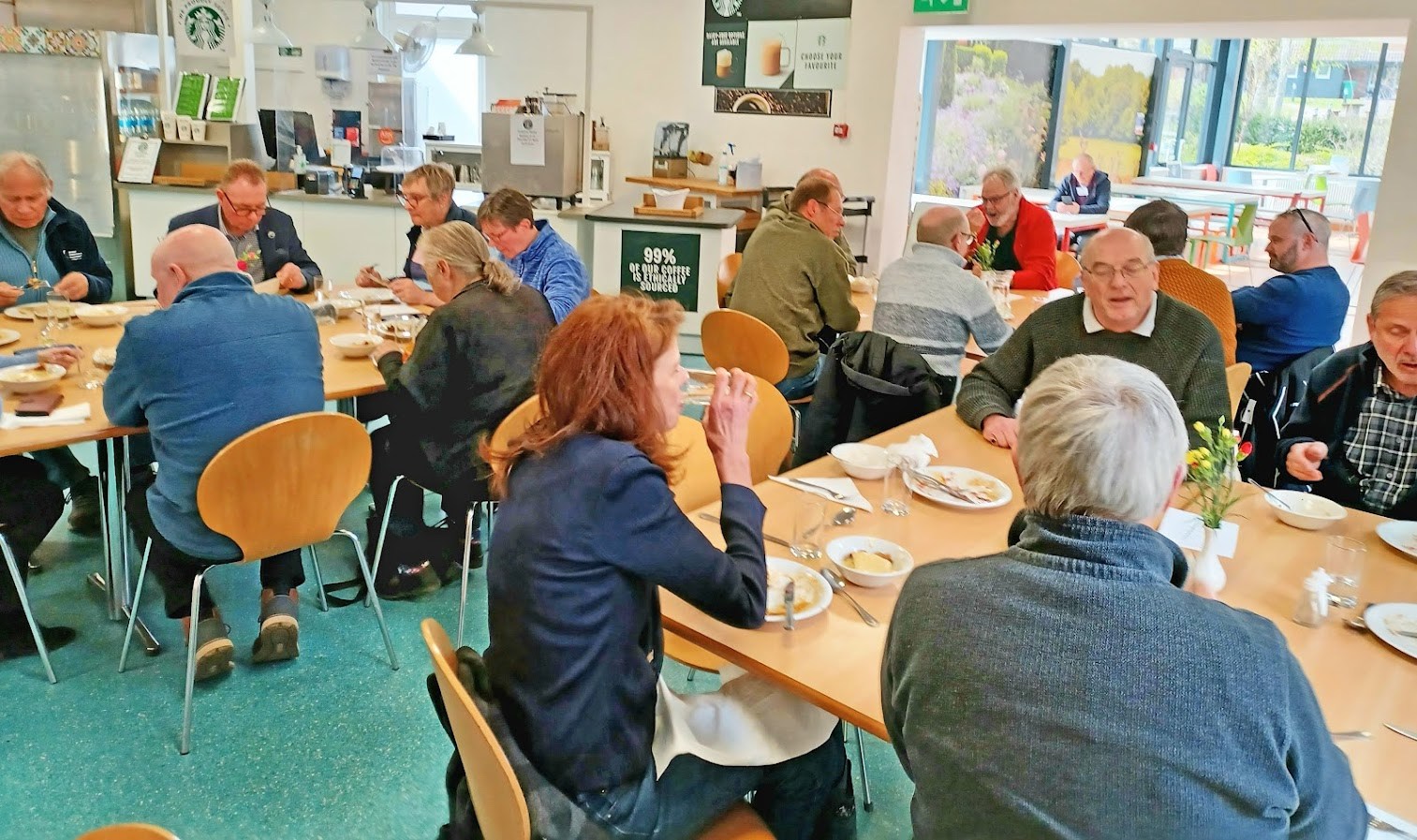
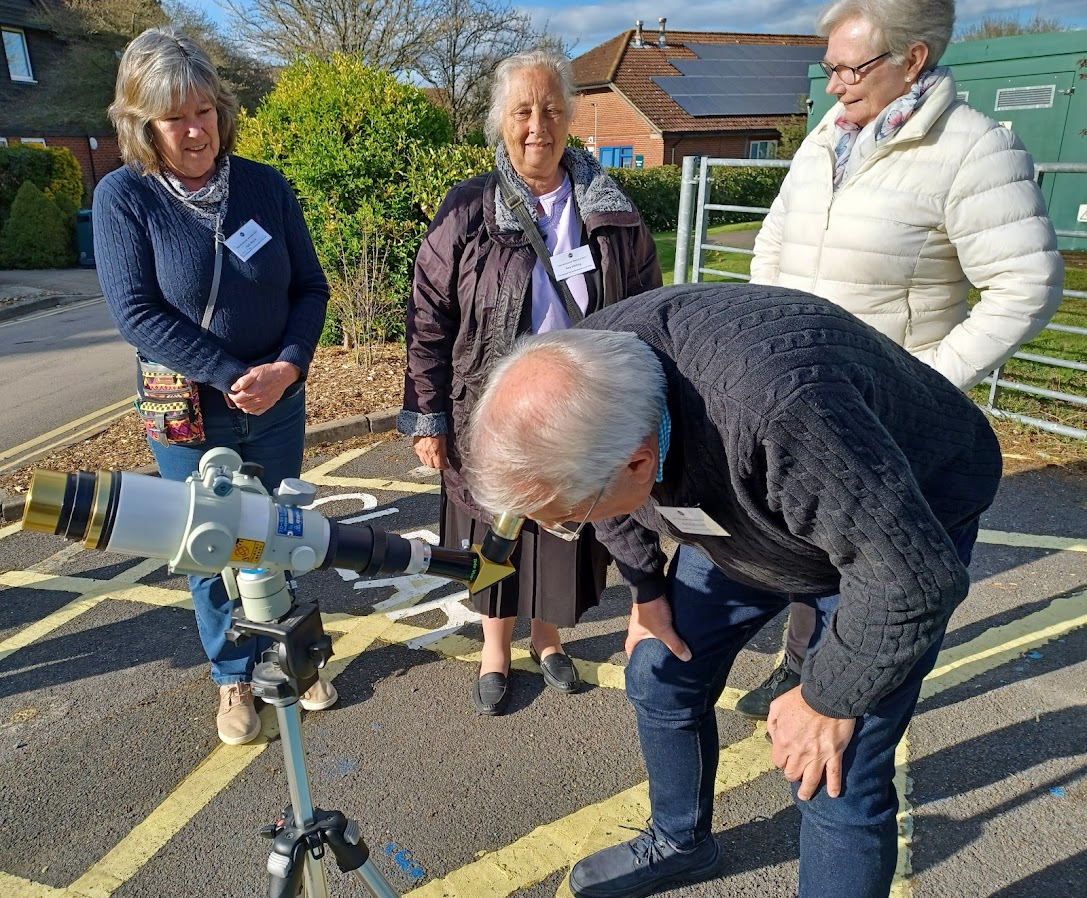
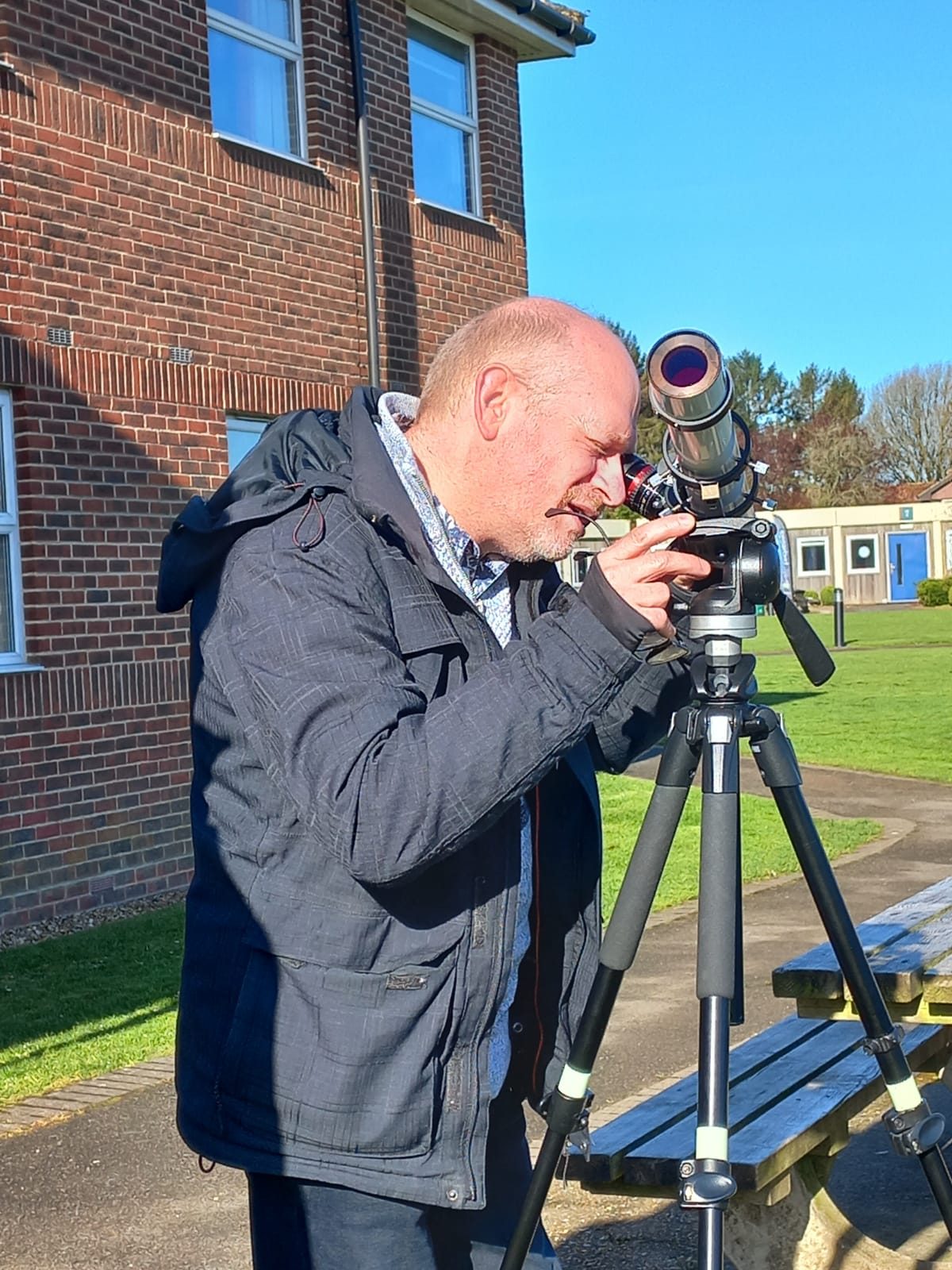
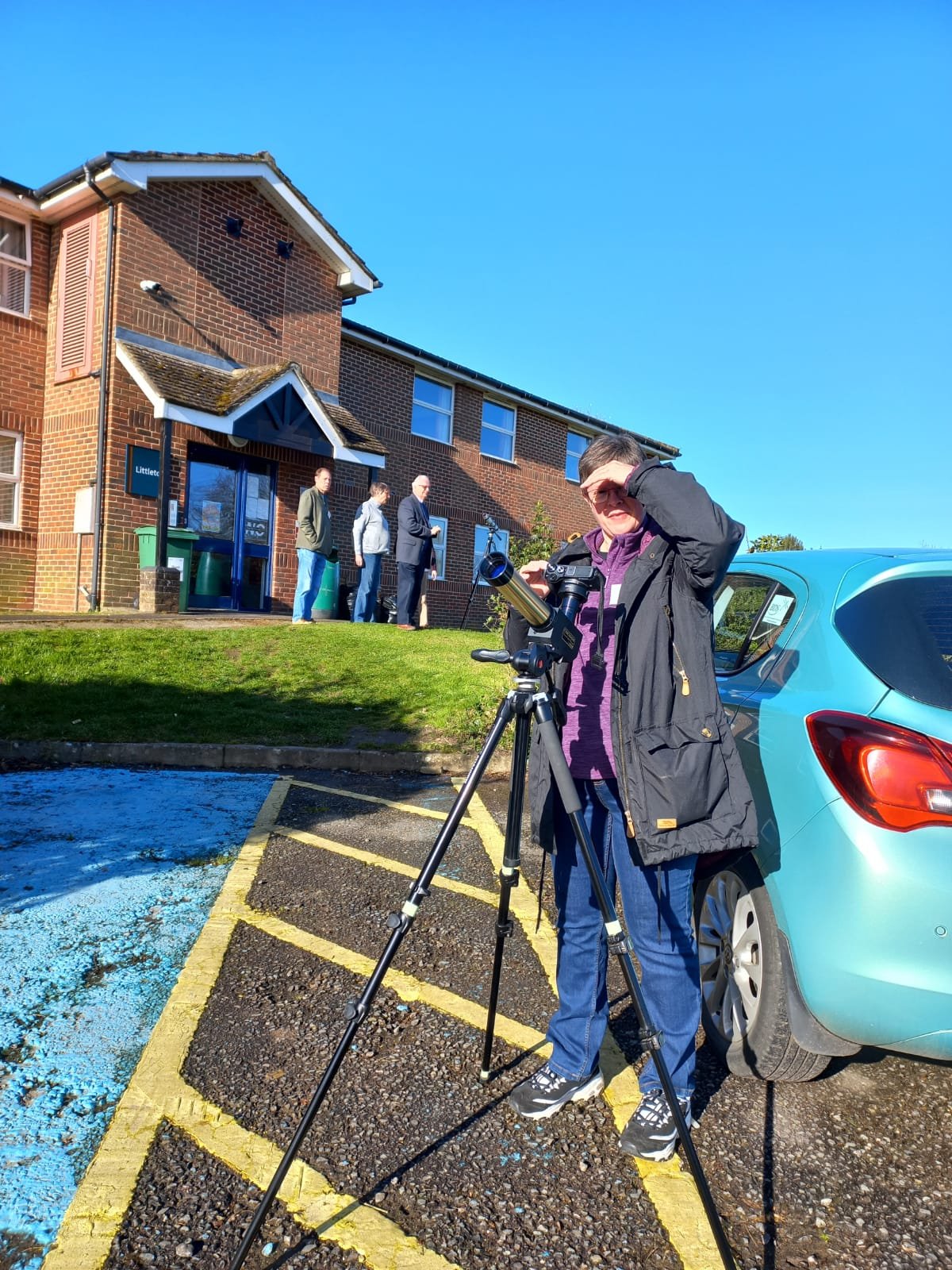
A grand total of 16 members from CMHASD attended the weekend and a good time was had by all. There was observing on both nights too and a superb presentation to the BAA by 2 CMHASD members.
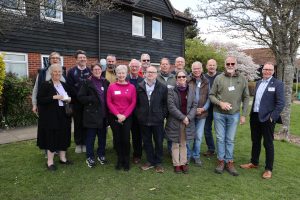
Below is some information about the weekend from the BAA website, followed by a slideshow of the first submission of photos taken by members as well as Marc Gray & Pauline Philips of the BAA.
Programme of the weekend
Friday April 8
15.00 – 18.00 Reception – book in at Westley Court
19.00 Dinner
20.15 Welcome and Introduction – Alan Dowdell
Multi-messenger Astronomy – Dr Matthew Malek (University of Sheffield)
21.30 Observing if clear or adjourn to the bar
Saturday April 9
07.30 – 09.00 Breakfast
09.15 Pete and Paul’s Astronomical Challenges 2022 – Dr Paul Abel & Pete Lawrence (BAA)
10.00 Measuring Comets – Nick James (BAA Comet Section Director)
10.30 Observing Mercury – Chris Hooker (BAA Mercury Coordinator)
11.15 Coffee/Tea break
11.45 BAA Archives: Past, Present and Future – John Chuter (BAA Archivist)
12.30 Break – time to visit sales stands
13.00 Lunch
14.15 Lunar Section meeting (Organiser: Dr Tony Cook, BAA Lunar Section Director)
14:15 Overview of the BAA Lunar Section’s Activities – Dr Tony Cook (Lunar Section Acting Director)
14:30 Lunar Impact Flashes and How to Observe Them – Dr Tony Cook
15:00 Lunar Geology – Old Lunar Questions Revisited? – Barry Fitz Gerald (Lunar Circulars Editor)
15:30 Tea break
16:00 Lunar Occultations from a Personal Perspective – Tim Haymes (Lunar Occultations Coordinator)
16:30 New Space Missions and the Prospect for Future Low Cost Lunar Exploration – Nick James
17:00 Question Panel Session
17:15 End
18.00 Dinner
19.30 The Alfred Curtis Lecture
Exploring the Universe with the James Webb Space Telescope
Dr Stephen Wilkins (Sussex University)
21.00 Observing if clear or adjourn to the bar
Sunday April 10
07.30 – 09.00 Breakfast
09.15 Can you successfully 3D print a Spectrograph? – Tony Rodda (BAA)
10.00 Observing the aurorae of the giant planets with the James Webb Space Telescope
Dr Henrik Melin (Leicester University)
10.45 Coffee/Tea break
11.30 Monsters in the dark: the formation of the first stars in the Universe
Dr Paul Clark (Cardiff University)
12.30 Break – please return room keys to the reception desk
13.00 Lunch
14.15 Members’ session
Your opportunity to talk briefly about what you’ve been doing during the past year
16.00 Coffee/Tea and Goodbyes
We will not be able to live stream or record the lectures.
Organiser: Ann Davies
Venue
Sparsholt College, Westley Lane, Sparsholt, Hampshire, S021 2NF

Sunrise & Sunset by Jim Burchell
I could not resist posting these 3 beautiful photos taken by Jim Burchell of our Sun. They were taken on the 16th April 2022 from Dartford and show our glorious Sun rising and setting.
A Sun rising…………
A Sun setting, so beautiful……..
Dick Chambers & Malcom Gough 2006
A lovely photograph of Dick Chambers with Malcom Gough taken at Winchester back in 2006 by Keith Rickard.
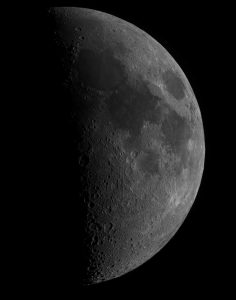
The Moon by Neil Webster
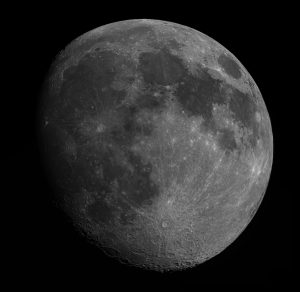
Neil has been busy and produced these two beautiful images of the Moon.
The image below was taken on the 8th April 2022 from Kent.
The image below was taken on the 13th April 2022 from Kent.
For a more detailed view of these images and more photos of the Moon see Neil’s flickr page at https://www.flickr.com/photos/137388222@N05
WASP-113b by Simon Dawes
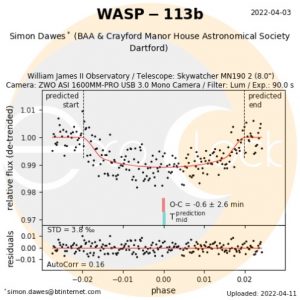
The latest exoplanet transit from Simon Dawes for the ExoClock project. WASP 113 is a 11.7 magnitude star and Exoplanet WASP- 113b orbits it every 4.5days with a drop of 10/1000ths of a magnitude. WASP 113 is a G type star of 1.3 Solar Masses and the exoplanet WASP-113b is half the mass of Jupiter.
Crayford members have now contributed 110 light curves.
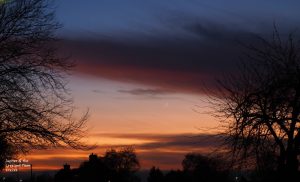
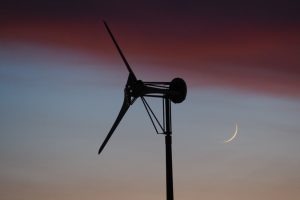
Crescent Moon by Jim Burchell
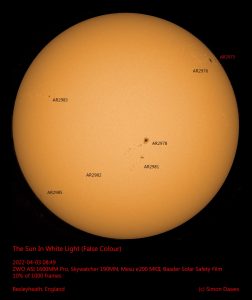
The Sun – 3rd April 2022
A superb image of an ‘active’ Sun by Simon Dawes taken from Bexleyheath. Details of how Simon took the photo are on the image.
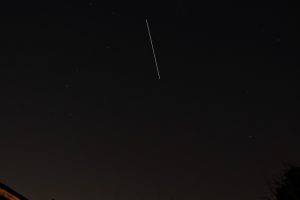
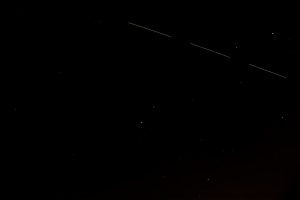
ISS pass on 25th March 2022 by Jim Burchell
On the evening of the 25th March 2022 there was a bright pass of the ISS. Jim Burchell managed to capture 2 image’s of the ISS pass at 19.47.51- 19.52.51. Image’s taken with a pentax K70.
The 1st image shows the ISS passing the star Capella in the constellation Auriga. F7.0 20″ 18mm iso 800.
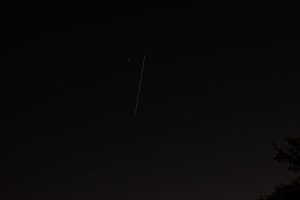
The 2nd image shows the ISS passing the constellation Ursa Major – top left. F9.0 20″ 18mm iso 800.
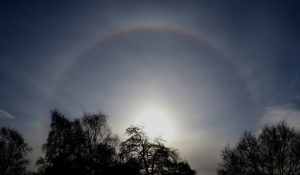
Solar Halo by Jim Burchell
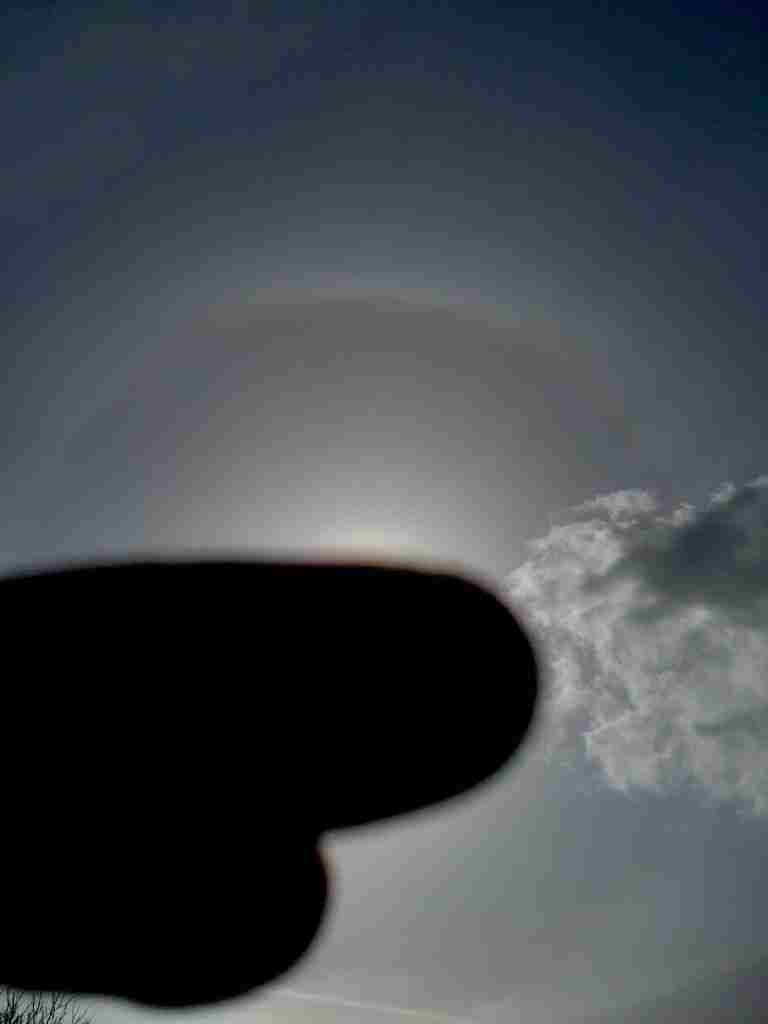
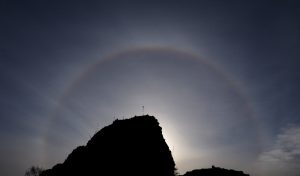
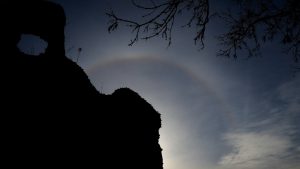
A stunning Solar Halo was sighted & captured by Jim Burchell whilst visiting Eynsford Castle on the 28th Jan 2022.
SN2022ewj in NGC3367
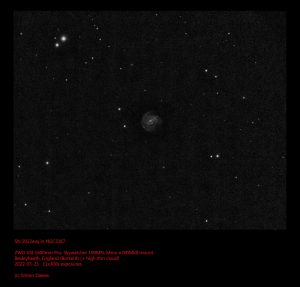
Supernova SN 2022ewj in galaxy NGC 3367 taken by Simon Dawes on the 23 Mar 2022 from Bexleyheath.
Details of how Simon acquired this superb image is on the photo.
NGC 3367 is a barred spiral galaxy located in the constellation Leo. It is located at a distance of around 120 million light years from Earth, which, given its apparent dimensions, means that NGC 3367 is about 85,000 light years across. The galaxy was discovered by William Herschel on March 19, 1784
Mag 15.5, SN 2022ewj was discovered on the 19th March 2022 by Koichi Itagaki and is a type II Supernova. This is the 6th supernova to be observed in NGC3367 over the last 30 odd years.
Not the easiest of objects to image from the London Borough of Bexley!
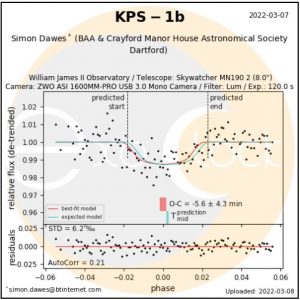
Exoplanet KPS-1b observations by Simon Dawes
Another for the ExoClock project……
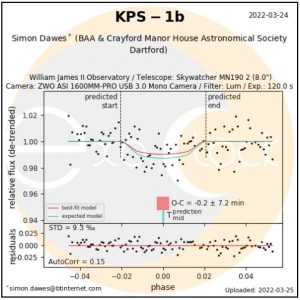
KPS-1b orbits a star similar to the Sun with a period of 40 hours.
The mass and size of the exoplanet KPS-1b are close to the characteristics of Jupiter, but it is located very close to its parent star so the temperature of the atmosphere KPS-1b is much higher than that of Jupiter.
The discovery was made by the prototype Kourovka Planet Search (KPS) project, which used wide-field CCD data gathered by amateur astronomers using readily available and relatively affordable equipment with astronomers from Belgium, USA, England, France, the Netherlands, Turkey, Portugal, Lithuania, Italy and Canada contributing.
The night Simon did the observations for KPS – 1b Simon said ”the transparency was low – when I left the society meeting you could see the water particles in the air in the headlamp and under the street lights, so I’m pleased I got anything at all!”
Exoplanets WASP-148b & HAT-P-44b observations
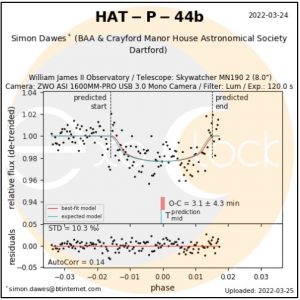
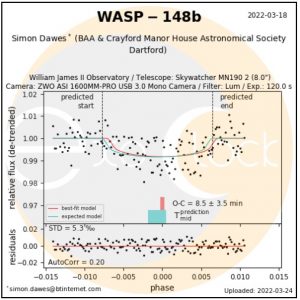
Simon Dawes has been busy again with his exoplanet observations for the ExoClock project. Below are his observations.
Exoplanet HAT-P-44b was discovered in 2013 by the HATNet transit survey. Its mass is 0.39 mass of Jupiter and has an orbital period of 4.3 days.
Of Exoplanet WASP -148b Simon said ”This is a 11.8 magnitude star and the dip is 8 thousandths of a magnitude – I think it must be one of the most challenging to observe with my 8″ telescope, but the conditions were obviously good and I got this fit very quickly (this is the one I said at last night’s meeting that I hadn’t submitted because I wanted to see if I could improve – this is the improved reduction) . WASP 148b is a hot Jupiter, there is another planet in this system (WASP 148c with a 35 day orbit) and the gravitational tug of the outer planet (WASP-148c) perturbs the orbit of the hot Jupiter WASP-148b”
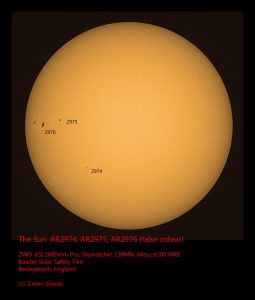
The Sun – 25th March 2022
A lovely image of the Sun showing 3 sunspots taken by Simon Dawes on the morning of the 25th March 2022 from Bexleyheath. Details of how Simon acquired the image is on the photo.
ISS pass – 23rd March 2022
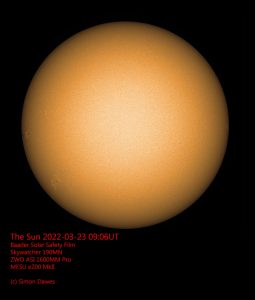
The Sun – 23rd March 2022
Another great image of the Sun by Simon Dawes taken today from Bexleyheath. Details of how the image was acquired is written on the photo. Three sunspot groups are visible.
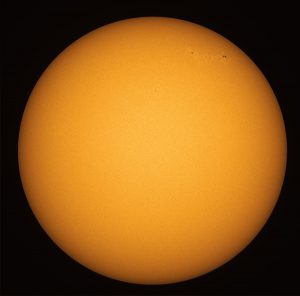
The Sun – 18th March 2022
A very nice image of the Sun with sun spots taken by Simon Dawes on the morning of the 18th March 2022 from Bexleyheath. Taken using a Baader solar safety filter, skywatcher 190mn telescope, ZWO ASI1600mm pro CMOS camera, mesu e200 MkII mount and sharpcap pro image capture software.
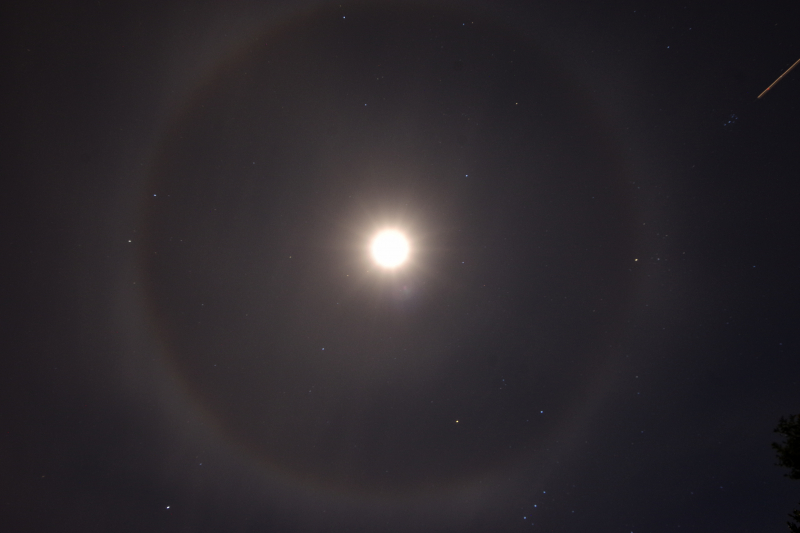
Lunar Halo – 15th March 2022
A beautiful Lunar Halo last night photographed by members Jim Burchell and Gary Hunt.
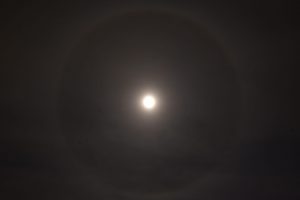
Jim’s photo above was taken around 9.30pm and Gary’s photo below at 11.30pmish.

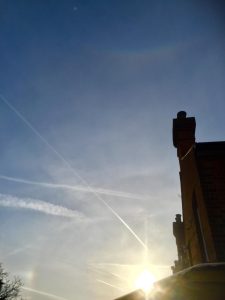
Sun dog, solar halo and circumzenithal arc
A sun dog, solar halo and circumzenithal arc all seen by Martin Crow yesterday around 4.30pm.
Exoplanet TOI-1298b observations by Martin Crow
These are the latest exoplanet observations by Martin Crow.
TOI-1298 b is a gas giant exoplanet that orbits a G-type star TOI -1298 in the constellation of Ursa Minor. Its mass is 0.356 Jupiters. It takes 4.5 days to complete one orbit of its star and is 0.059 AU from its star. TOI-1298 b was discovered by the Transiting Exoplanet Survey Satellite (TESS) observatory, in 2021-09.
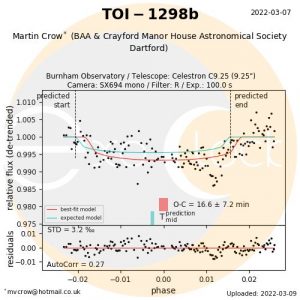
Martin wrote ”The observations were done as part of the ExoClock synchronous observations group. This particular transit has a depth of <5 thousandths of a magnitude!! To get useful data for this target would require a telescope diameter of at least 400mm or greater. My telescope at 235mm is too small although the dip is clearly detectable buried in the noise. The aim of the project is to combine three or more data sets from similar sized small instruments taken on the same night to increase the accuracy to that achievable with a bigger telescope. This method will help to make otherwise impossible targets viable for the majority of instruments registered on the ExoClock project.”
Dobsonian Telescope Mount – flat pack
In this video Simon Dawes builds a Dobsonian telescope mount for Keith that folds flat for transport.
Diane Clarke’s The Moon & M45 The Pleiades on the 8th March 2022
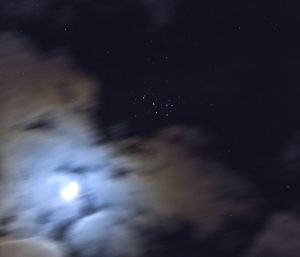
Neil Webster’s Moon 7th March 2022
A spectacular image of the Moon by Neil Webster; taken on the 7th March 2022.
Waxing Crescent Moon, 23%, 4.72 days
4 frames stitched (each 44fps x 75, 20% stacked in AutoStakkert) and then processed in PS.
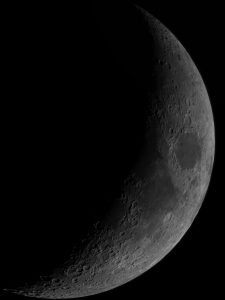
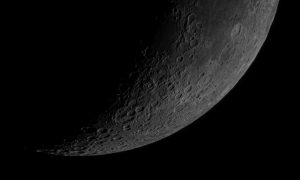
Below is 1 image taken from the above stitch of 4.
For a more detailed view of these images see Neil’s flickr page at https://www.flickr.com/photos/137388222@N05
Latest exoplanet observations by Simon Dawes
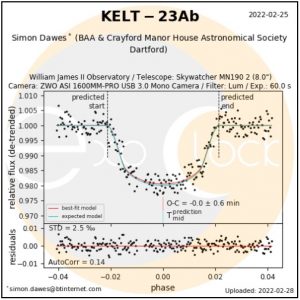
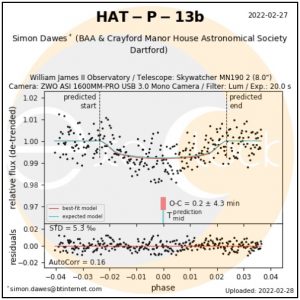
Three more exoplanets have been observed by Simon for the ExoClock project – KELT 23ab, HAT P 13b and KPS 1b.
22 day old Moon by Simon Dawes
Latest super image by Simon Dawes of a 22 day old Moon taken on the 23rd Feb 2022 in Bexleyheath.

Rosette Nebula in Ha by Kevin Langford
3Hrs of exposures.
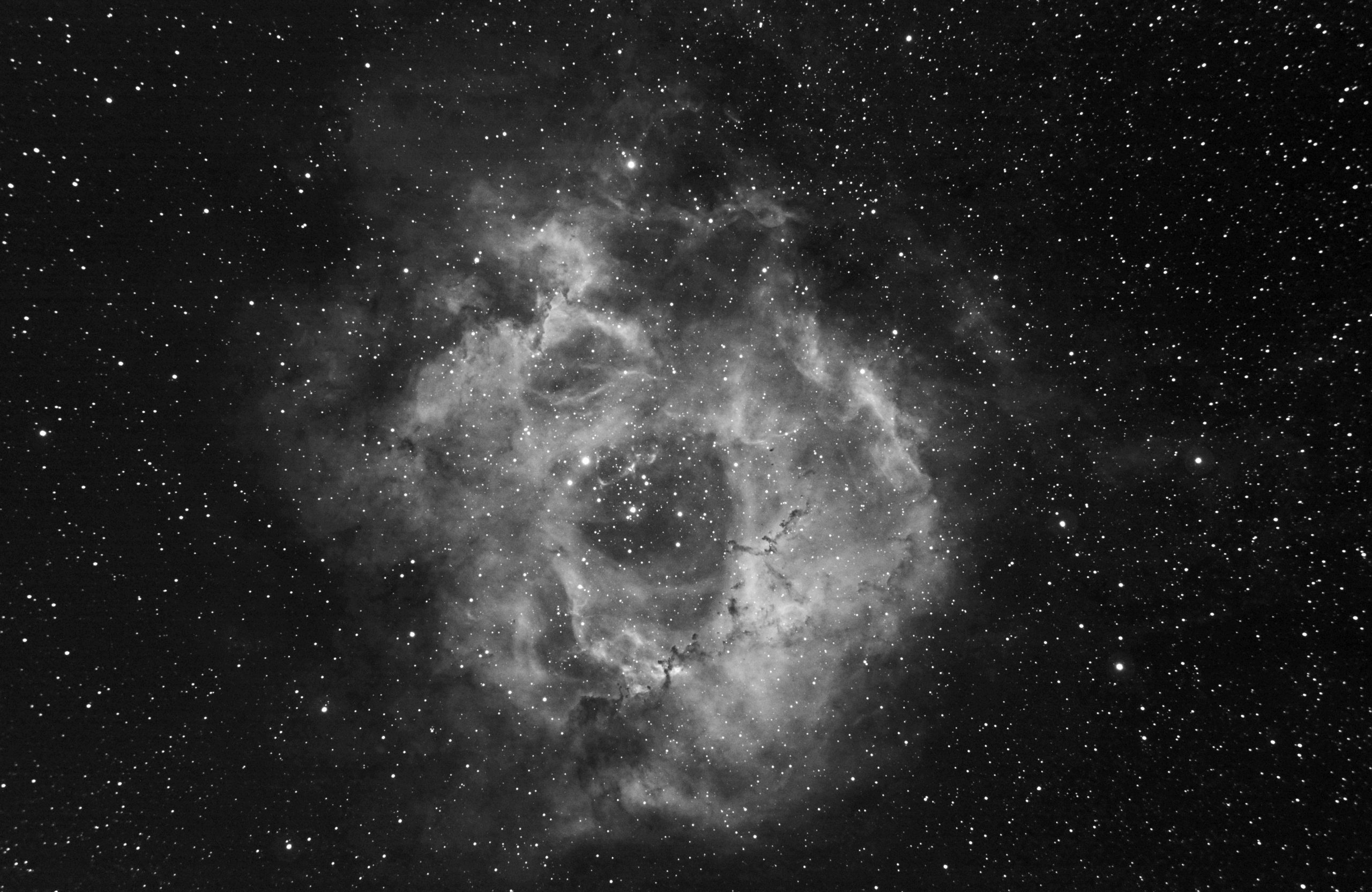
To see this image in more detail and to see Kevin’s other superb astro images check out his flickr page at https://www.flickr.com/photos/77708720@N08/
Latest deep sky images from Neil Webster
Member Neil Webster has done it again and produced 2 fantastic deep sky images.
The first image is of NGC 2264 Cone Nebula Xmas Tree Cluster. Taken on Feb 24th 2022.
AA115mm APO, EQ6 R, ZWO ASI294MC Pro, Orion 50mm Guide Scope, ZWO ASI290MM, Optolong L Enhance Filter.
63 x 240s Lights, 15 x Darks, 50 x Flats/Bias
St Marys Platt, Kent
This is a vast star forming region with H gas excited by young O, B stars.

The second image is of NGC 2024 “Flame Nebula”, IC 434, B33 “Horsehead “, and NGC 2023, Alnitak. Taken on the 26th Feb 2022
AA115mm APO, EQ6 R, ZWO ASI294MC, Orion 50mm guide scope, ZWO ASI290MM
APT, PHD, Nebulosity, Photoshop
56 x 240s Lights, 15 x Darks, 50 x Flats/Bias
St Marys Platt, Kent.
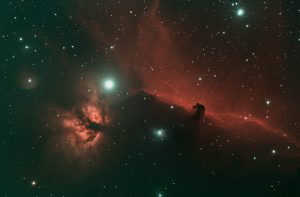
Check out Neil’s flickr page at https://www.flickr.com/photos/137388222@N05/ for a more detailed view of these images and the many others he has done!
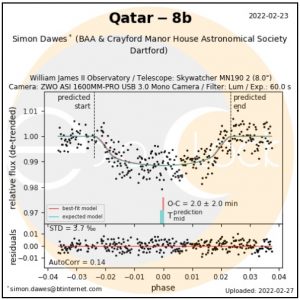
Exoplanet Qatar 8b
Another exoplanet transit observed by Simon Dawes of Qatar 8b for the ExoClock project. Qatar-8b is just over a third of Jupiter’s mass (0.37) and is considered a “hot Saturn.” It takes less than four days to orbit its star, which is about 900 light-years from Earth.
Simon said it was a tricky one to process, but the result came out very well with a depth almost identical to the published data. Well done Simon.
Star Count 2022
All citizen scientists we need you!
Take part in Star Count 2022 (26th Feb 2022 to 6th March 2022) organised by The Countryside Charity and British Astronomical Association. Click image below for more information.
Exoplanet WASP-12B by Simon Dawes
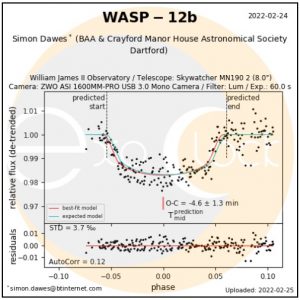
Here is the latest exoplanet transit observed by member & trustee Simon Dawes for the ExoClock project. It is of WASP-12b a doomed EGG shaped planet.
WASP-12b is a hot Jupiter that orbits so close to its parent star, it is being torn apart and it takes this sizzling gas giant alien world only 1.1 days to completely circle its parent star!
The doomed planet is being eaten by its parent star, according to observations made by NASA’s Hubble Space Telescope, the Cosmic Origins Spectrograph (COS). The planet may only have another 10 million years left before it is completely devoured.
The planet WASP-12b, is so close to its sun like parent star that it is superheated to nearly 2,800 degrees Fahrenheit and stretched into an egg shape by enormous tidal forces. The atmosphere has ballooned to nearly three times Jupiter’s radius and is spilling material onto the parent star. The planet is 40 percent more massive than Jupiter.
“We see a huge cloud of material around the planet, which is escaping and will be captured by the star. We have identified chemical elements never before seen on planets outside our own solar system,” says team leader Carole Haswell of The Open University in Great Britain.
WASP-12b reflects just 6% of the light that shines on its surface. As a result, the exoplanet has been described as “black as asphalt”, and as “pitch black.”
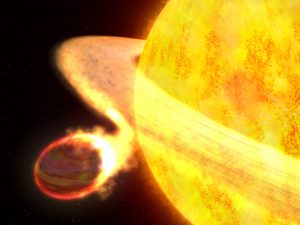
Photo Credit: NASA/ESA/G Bacon artist’s concept of WASP-12b & parent star.
Simon along with other amateur and professional astronomers have been observing exo-planet transits as part of the ExoClock project for the Ariel Mission due for launch in 2028. Each observation takes between 4 and 5 hours typically so is quite a commitment. Well done Simon.
The Ariel mission will observe spectroscopically around 1000 exoplanets to further characterise their atmospheres. For the mission to be as efficient as possible, a good knowledge of the planets’ ephemerides is needed before its launch in 2028. While ephemerides for some planets are being refined on a per-case basis, an organised effort to collectively verify or update them when necessary does not exist. In this study, we introduce the ExoClock project, an open, integrated and interactive platform with the purpose of producing a confirmed list of ephemerides for the planets that will be observed by Ariel.
Click here for more information about the project.
February Observing Evenings
Every Thursday in February we will be observing (weather permitting).
Members who are trained can use the 16″ Peter Hindle telescope. Untrained members can use the other society telescopes or bring your own.
If you are unsure on how to use your own telescope then these nights are perfect for getting one to one guidance from our more experienced members.
Open to Full & Basic members plus potential new members by invitation. Enquiries about membership, or attending for the first time, should be directed to the Secretary of the Society.
Cosmic Camp 2021
Eight society members attended Shear Green Junior School on Friday 17th with either their own or society telescopes (6 in total) to take part in their ‘Cosmic Camp’.
We observed the Moon, Jupiter and Saturn and put on two different Astronomy activities in the school hall related to the solar system. seventy five, nine to ten year-old boys and girls and about 20 adults enjoyed the activities. With lots of ‘wow’s’ ‘OMG’ etc. Whilst the skies were a little cloudy, the cloud stayed away from the planets and Moon and the seeing was remarkably good.
We didn’t take photos – too many safeguarding issues – but the school blog has a section on it with a few photos that they took.
“I just wanted to send an email to say a massive thank you for Friday night!
The children (and adults) got so much out of what you all provided. The awe and wonder of seeing Jupiter, Saturn and the Moon really brought the topic to life for the children.
Your team were so patient and knowledgeable providing invaluable insight to us all. The indoor activities were really engaging and all of the children have said their favourite part of the camp was the star gazing!”
Thanks to all members who helped make this a success.
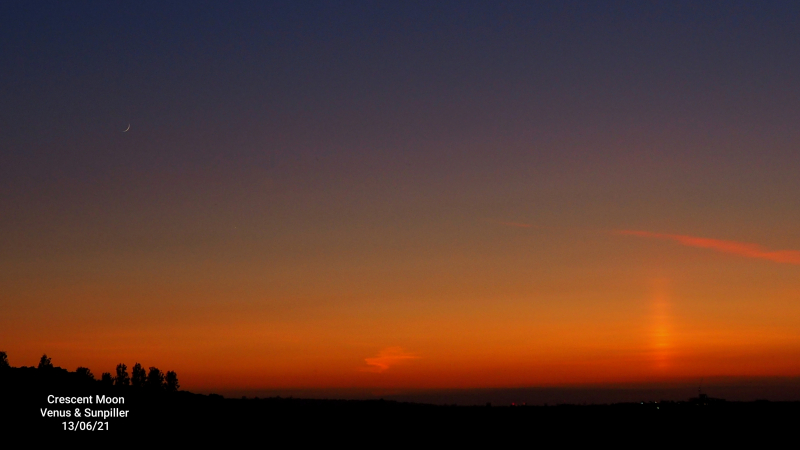
Crescent Moon, Venus and a Sun Pillar – Wow!
Image of the crescent Moon, and Venus with a Sunset and sun pillar – well spotted and recorded by Jim.
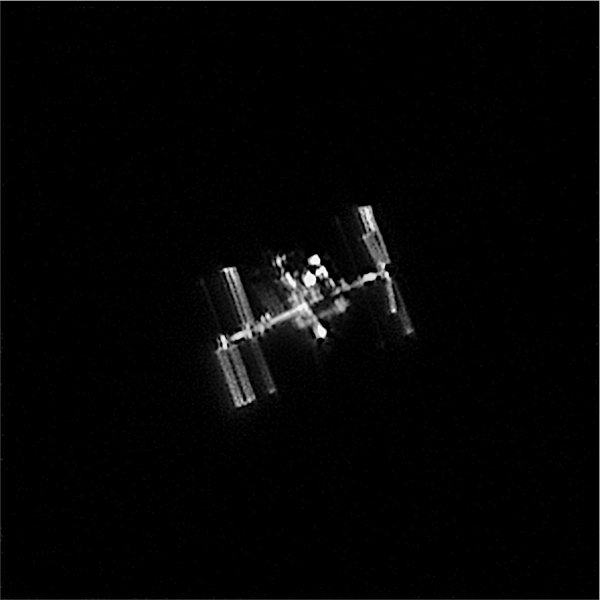
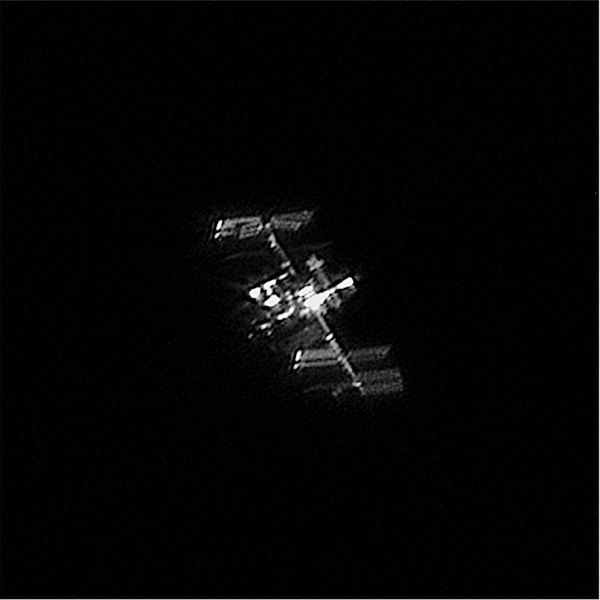
International Space Station Images by Leigh Slomer
Images by Leigh Slomer
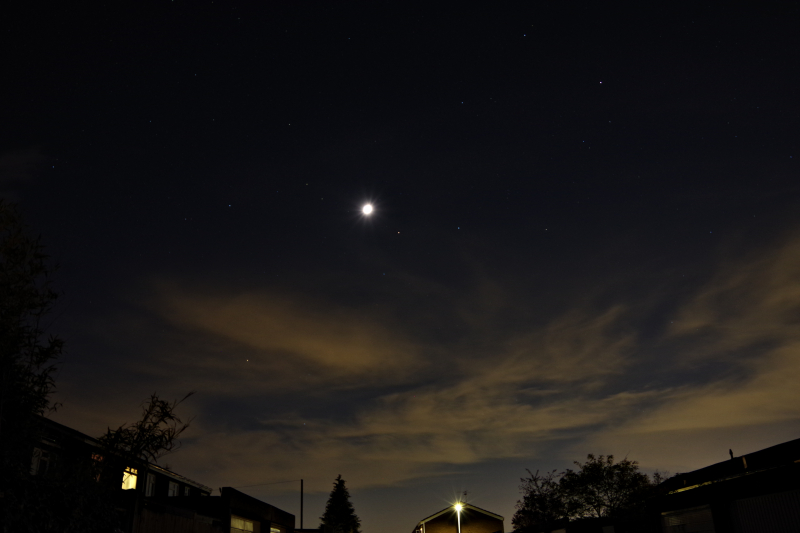
Moon and Mars 2021-05-13
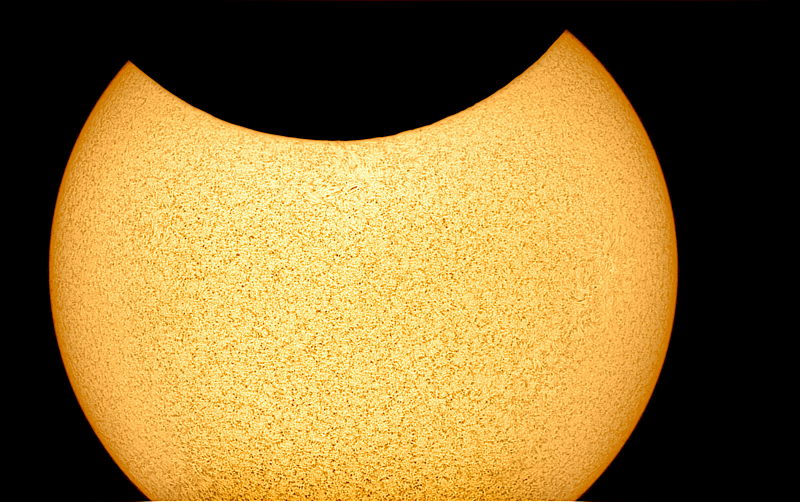
Partial Solar Eclipse 2021-06-10
Images by Leigh Slomer
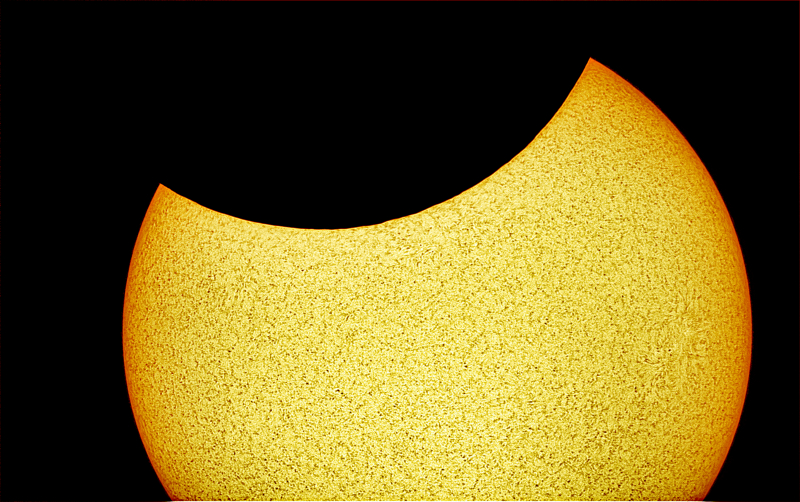
Competition: Image the Trapezium
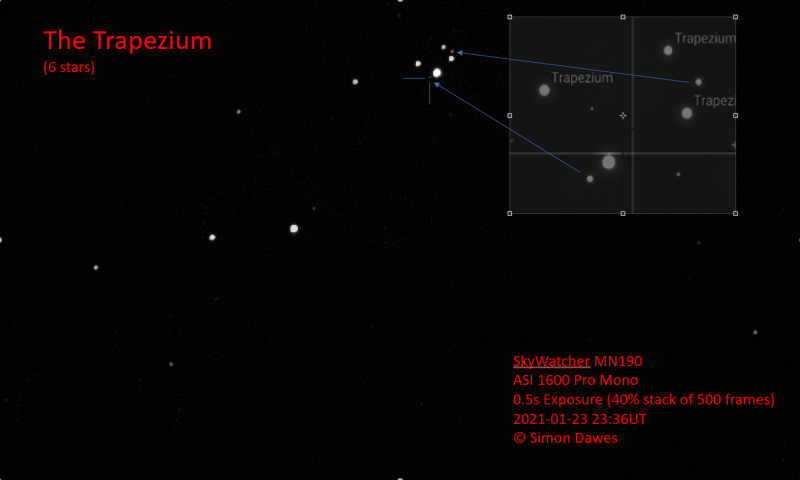
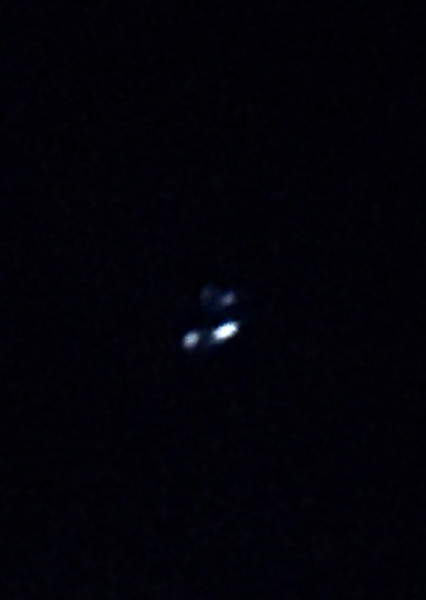
In this competition we are looking for images of the Trapezium at the heart of M42, the great Orion nebula. We normally think of the Trapezium as 4 stars but in large telescopes you can make out other stars, so all you need to do is submit an image of the Trapezium with more than 4 stars.
Sounds simple, but the main 4 stars of the trapezium are bright making it difficult to resolve the other stars.
This is possible in an 8″ telescope – possibly smaller.
Tips:
- use lucky imaging with short exposures.
Images by Simon Dawes
Images by Richard Bohner
Sir Patrick Moore Prize
Congratulations to our very own Rita Whiting for being awarded the Sir Patrick Moore Prize for Astronomy outreach, Rita does so much for our society and outreach with local groups over such a long period of time this is a well deserved award. Well done Rita!
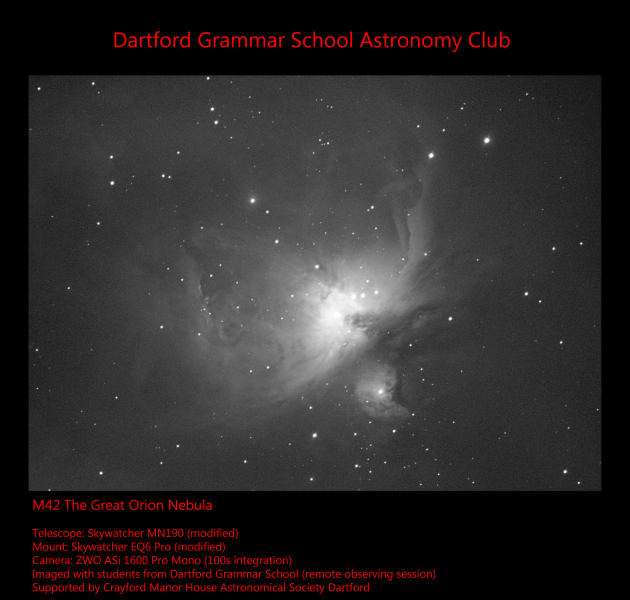
Dartford Grammar School Astronomy Club – Virtual Observing Session
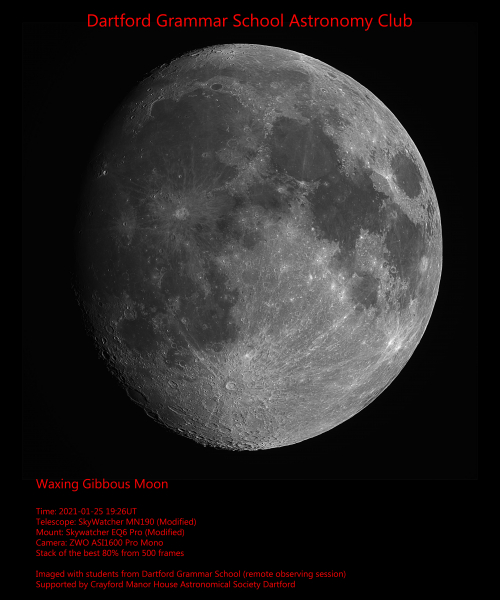
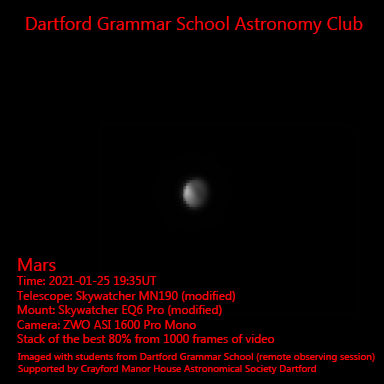
Our society currently supports the Dartford Grammar School Astronomy Club, and on the 25th January 2021 we held a virtual observing evening using Simon’s observatory.
The students really enjoyed the evening
‘The boys from last night have been on the google classroom leaving you rave reviews’
‘Last night blew their minds! They loved it.’
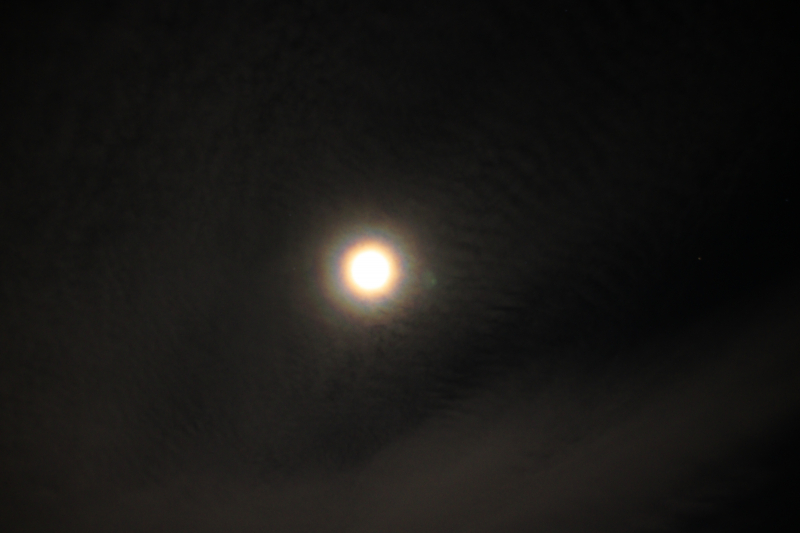
Lunar Halo/Corona Competition
Lunar Halo Competition
As the name suggests, take an image of a Lunar Halo.
Rules:
Whilst the points awarding is somewhat ambiguous I’ll be looking for the following…
- Technically a good image (in focus)
- Well composed
- Other points of interest (foreground or background)
- A good story – if you have a story of how you took the image it can’t hurt!
Entry criteria:
- You can only enter if you are a paid up member (any tier of membership)
- Entries must be to webmaster@crayfordmanorastro.com – feel free to post them on what’s app as well!
Entries:
Images By Diane Clarke
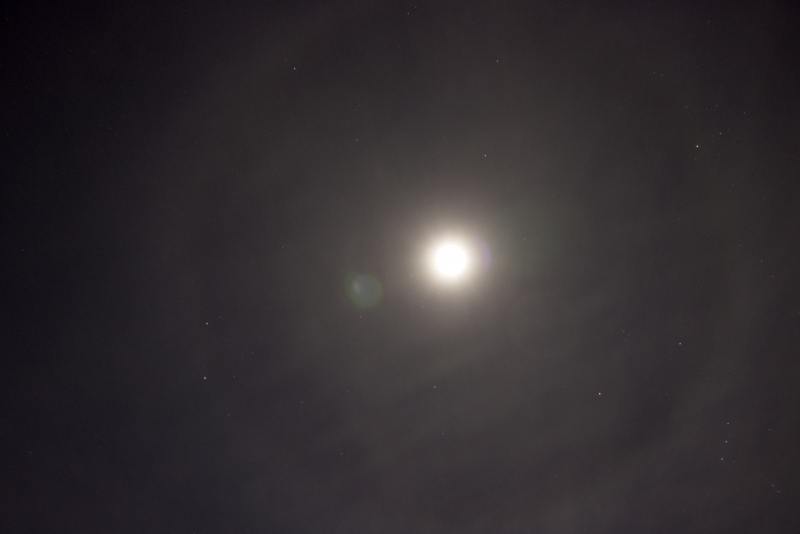
Images by Leigh Slomer
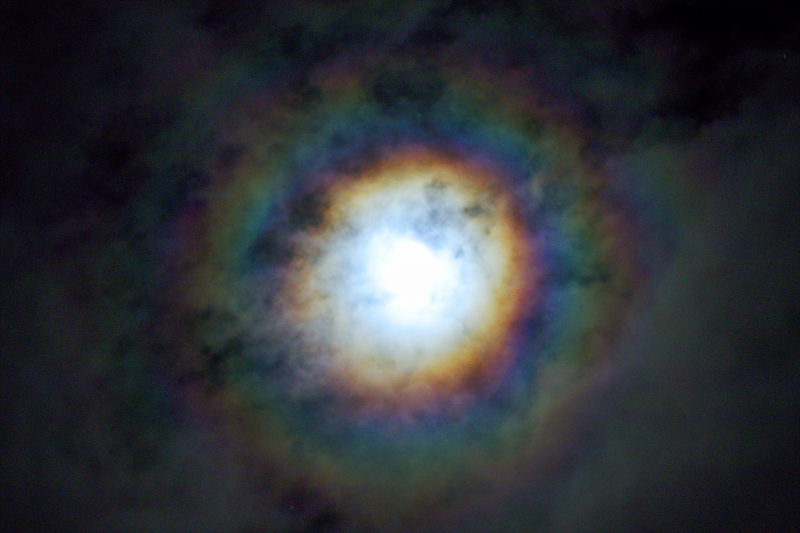
Images by Jim Burchell
The BAA Winchester Weekend comes to Crayford (hopefully)
Correction: It’s not a weekend (just Saturday Afternoon) and it’s not at Crayford (it’s at the Pavilion Sutton-at-Hone).
The BAA are running a virtual ‘Winchester Weekend’ – and COVID Restrictions permitting (i.e. restrictions and social distancing in London and Kent have been lifted) – we intend to add a little of that Winchester magic (OK it’s food, drink and conversation) to the proceeding by streaming it at the Pavilion Sutton-at-Hone.
Price: (to cover costs only) £10 per person – on the door – cash only (the chip shop only takes cash)
(Fish & Chips is £7.80 at my local chippy, the rest is for cake, biscuits, milk, tea and coffee.)
Date: 10th April 2021 13:00
13:00 Registration: (Tea and cake)
14:00 BAA Winchester Agenda
15:00 Tea and biscuits & discussion about the lecture
15:15 BAA Winchester Agenda
16:30 Tea and Biscuits and discussion about the lecture, socialise.
18:00 Dinner (Fish and chips)
19:30 BAA Winchester Agenda
21:00 Tea and biscuits and discussion about the lecture
Observing (weather permitting)
At the moment I’m canvasing who might be interested, no commitment at this stage, just to see if it is worth taking further, closer to the event I’ll ask for confirmation and provide a menu.
This is a ticketed event, please contact the webmaster@crayfordmanorastro.com if you are interested in attending (no commitment at this stage)
Best Meteors of 2020
Almost 2000 meteors were detected in 2020, we would have had quite a few more but for the cloudy skies in August that limited the view of the Perseid’s in August.
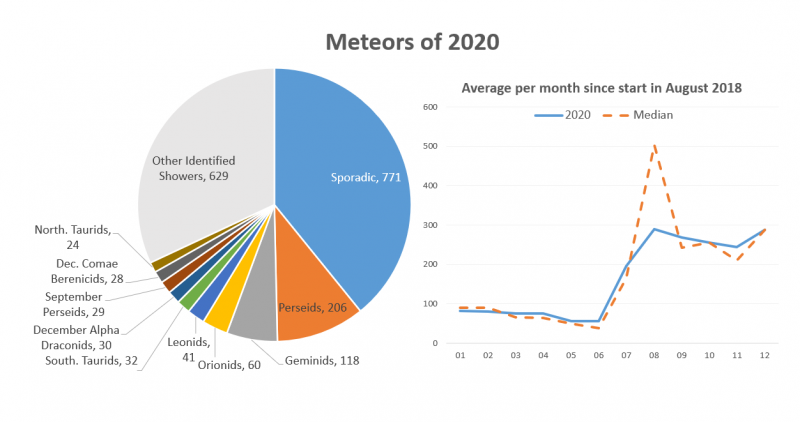
December 2020Meteor report
December was particularly cloudy, but we still manage to detect 288 meteors, 115 from the Geminid meteor shower.
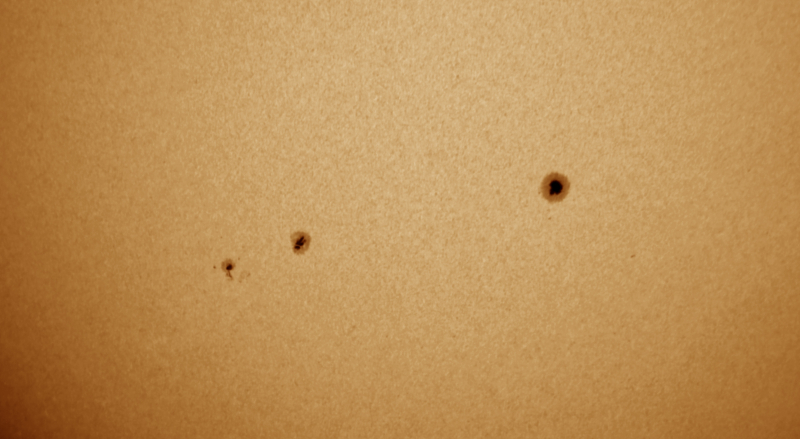
Sun spots! 2020-12-27
Images by Honor Wheeler

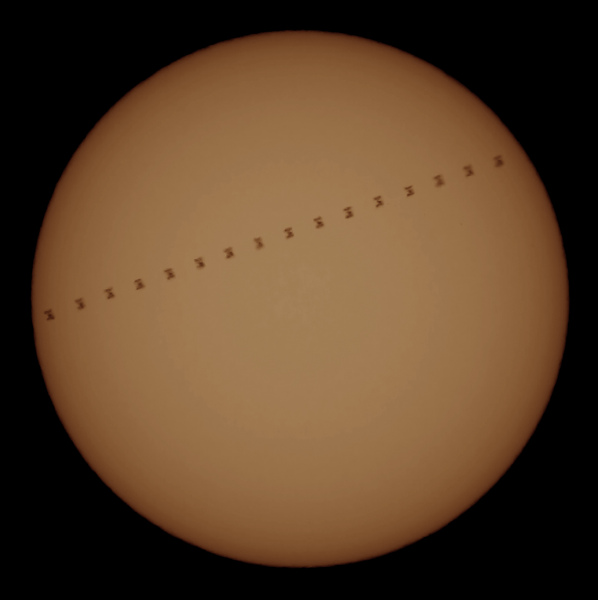
ISS transit of the Sun
Honor recently took this video of a transit of the Sun by the ISS, something she has been attempting for 10 years.
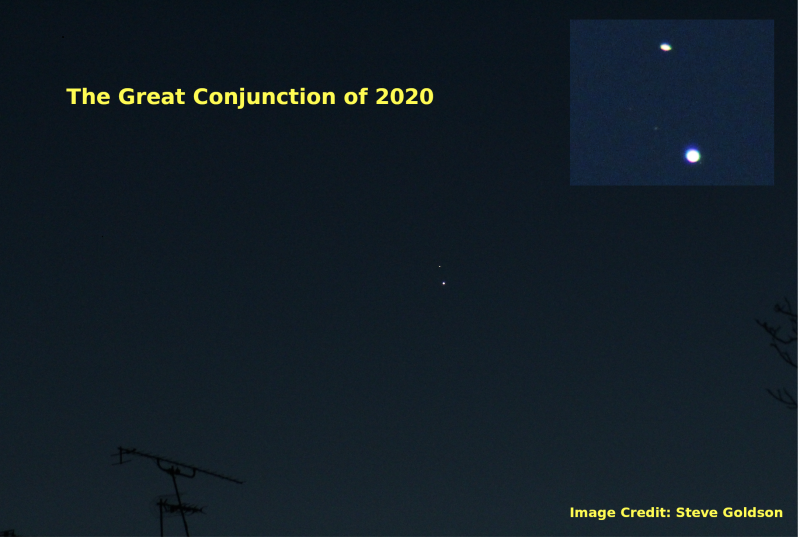
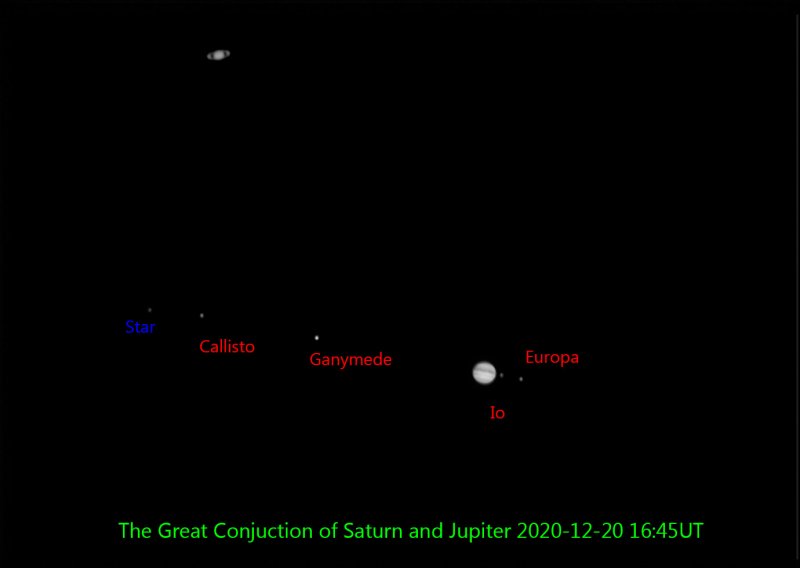
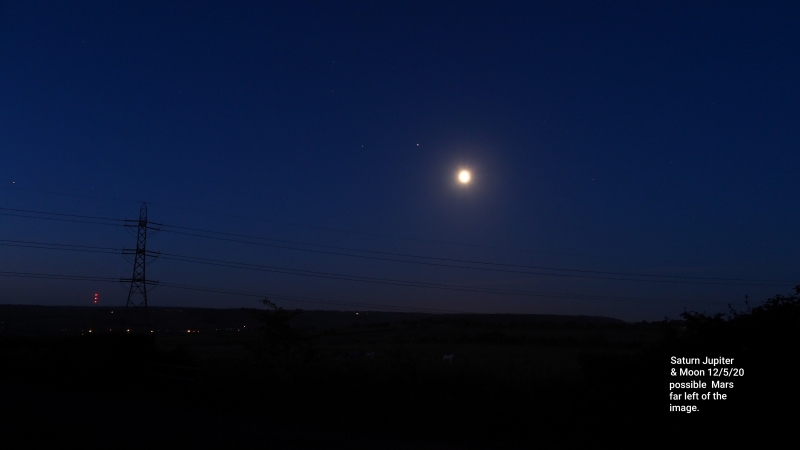
The Great Conjunction of 2020
Jupiter-Saturn conjunctions happen every 20 years (the last one in 2000.) however this particular conjunction will be especially close – the closest since 1623 and the closest observable since 1226! Don’t worry, if you miss it there is another close conjunction in 2080!
At its closest on 21st December Jupiter and Saturn will be 6 arc minutes apart (1/5 the diameter of the full moon) which is still easily discernable as two separate planets (some reports would have you believe the merge together into an ‘elongated star’)
The weather was poor on the 21st, but there was a gap in the clouds on the 20th, the images from the 20th the planets were at about 9 arc minutes vs 6 arc minutes at closest encounter.
Images by Steve Goldson
Images by Martin Crow

Images by Simon Dawes
EXO-Planet Paper features observations from two members
Members Simon Dawes and Martin Crow have been named as contributors on a scientific paper published this week, Martin and Simon along with other amateur and professional astronomers have been observing exo-planet transits – each observation takes between 4 and 5 hours typically so is quite a commitment. Well done Mrtin and Simon and all the other amateur astronomers who submitted observations.
Abstract
The Ariel mission will observe spectroscopically around 1000 exoplanets to further characterise their atmospheres. For the mission to be as efficient as possible, a good knowledge of the planets’ ephemerides is needed before its launch in 2028. While ephemerides for some planets are being refined on a per-case basis, an organised effort to collectively verify or update them when necessary does not exist. In this study, we introduce the ExoClock project, an open, integrated and interactive platform with the purpose of producing a confirmed list of ephemerides for the planets that will be observed by Ariel. The project has been developed in a manner to make the best use of all available resources: observations reported in the literature, observations from space instruments and, mainly, observations from ground-based telescopes, including both professional and amateur observatories. To facilitate inexperienced observers and at the same time achieve homogeneity in the results, we created data collection and validation protocols, educational material and easy to use interfaces, open to everyone. ExoClock was launched in September 2019 and now counts over 140 participants from more than 15 countries around the world. In this release, we report the results of observations obtained until the 15h of April 2020 for 119 Ariel candidate targets. In total, 632 observations were used to either verify or update the ephemerides of 83 planets. Additionally, we developed the Exoplanet Characterisation Catalogue (ECC), a catalogue built in a consistent way to assist the ephemeris refinement process. So far, the collaborative open framework of the ExoClock project has proven to be highly efficient in coordinating scientific efforts involving diverse audiences. Therefore, we believe that it is a paradigm that can be applied in the future for other research purposes, too.
Full article is available here
Two New Competitions
After the success of the last competition, we have decided to run another two.
Lunar Halo Competition
As the name suggests, take an image of a Lunar Halo.
Rules:
Whilst the points awarding is somewhat ambiguous I’ll be looking for the following…
- Technically a good image (in focus)
- Well composed
- Other points of interest (foreground or background)
- A good story – if you have a story of how you took the image it can’t hurt!
Entry criteria:
- You can only enter if you are a paid up member (any tier of membership)
- Entries must be to webmaster@crayfordmanorastro.com – feel free to post them on what’s app as well!
Orion’s Trapezium Competition
The Trapezium actually has more than 5 stars can you image them?
Rules:
Whilst the points awarding is somewhat ambiguous I’ll be looking for the following…
- Technically a good image (in focus)
- you need to resolve at least 5 stars in the trapezium – this wil be challenging!
Entry criteria:
- You can only enter if you are a paid up member (any tier of membership)
- Entries must be to webmaster@crayfordmanorastro.com – feel free to post them on what’s app as well!
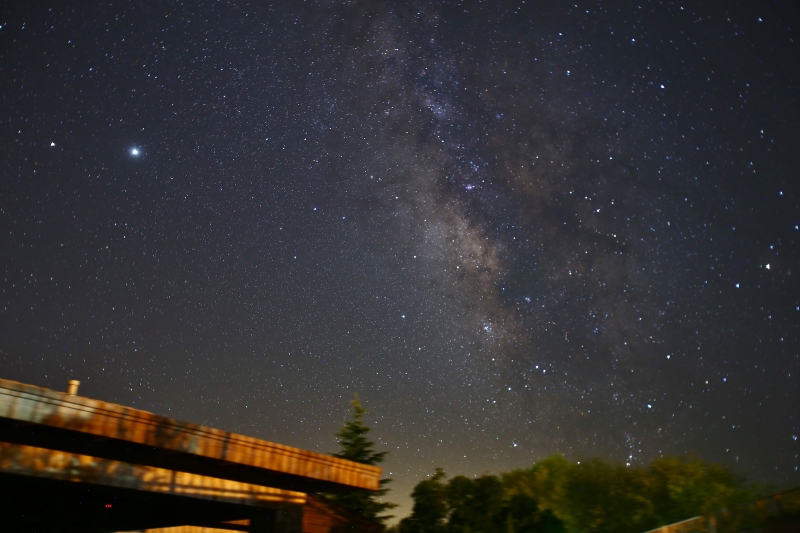
Winner of the Milkyway from your backyard competition
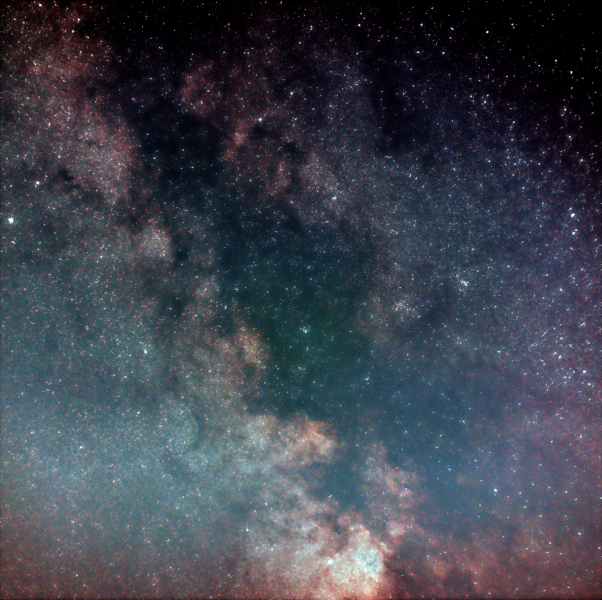
The winner has been announced, every image was great but there has to be a winner and our congratulations goes to Richard Bohner of Arizona (yes he is a member of CMHASD) with this marvellous image taken from his back yard.
Meteor Report for November 2020
November 2020 was spent largely in lockdown due to the Corona virus, one thing keeping us from all going crazy is our astronomy and with our remotely operated meteor camera our members were still able to observe and had lots of candidates to look forward to, and it turned out this was our most productive November ‘since records began’ – ok the records only go back to August 2018 – so was it better weather, is COVID-19 actually space borne and arriving on the meteors, or perhaps it is just a useless fact? Personally I think it has something to do with 5G masts…
Sorry back to the report.
We observed 244 meteors, 39 of them Leonid’s and you can watch them all – thanks to our members of the meteor team – without having to wade through all the false positive sightings.
I’ve embedded the video below, but if your attention span isn’t what it was, then just check-out the highlights at the times listed below (if you click on them they will take you to the correct part of he video)
Highlights:
01:50 02:06 02:22 02:22 02:57 03:20 04:00 05:40 07:18 07:50
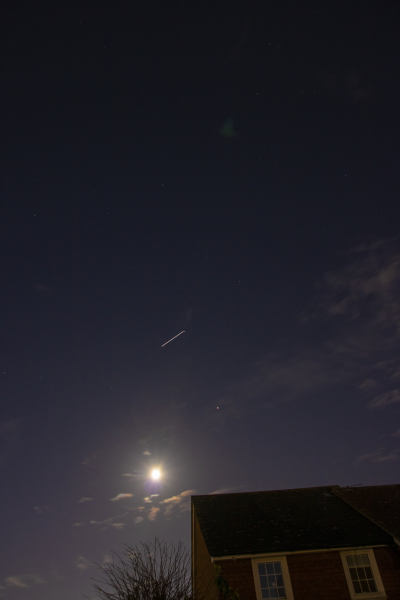
Conjunction of Mars, Moon and ISS
Image by Dianne
Kelling Heath Autumn Equinox Star Party 2020
7 members of the society attended the Kelling Heath Autumn Equinox Star Party, some booking camping pitches and others static caravans. The weather was overcast with showers with long dry spells and whilst the astronomical observations were very limited between clouds it was still a great event which I’d recommend any keen observers try to book.
Meteor report for September 2020
This is the meteor report for the automated meteor camera operated by the Crayford manor house astronomical society Dartford, for the month of September 2020
This month we detected a total of 269 meteors, well over half were sporadic meteors, meteors from known showers only making a minor contribution to the total, the largest identified shower came from the September Perseids but contributed only 22 meteors to the months total
Perseid Meteor Shower Report 2020
The below video is a report for the perseid meteor shower, based on meteors captured by the semi-automated meteor camera operated by the society members.
Milkyway from my back yard competition
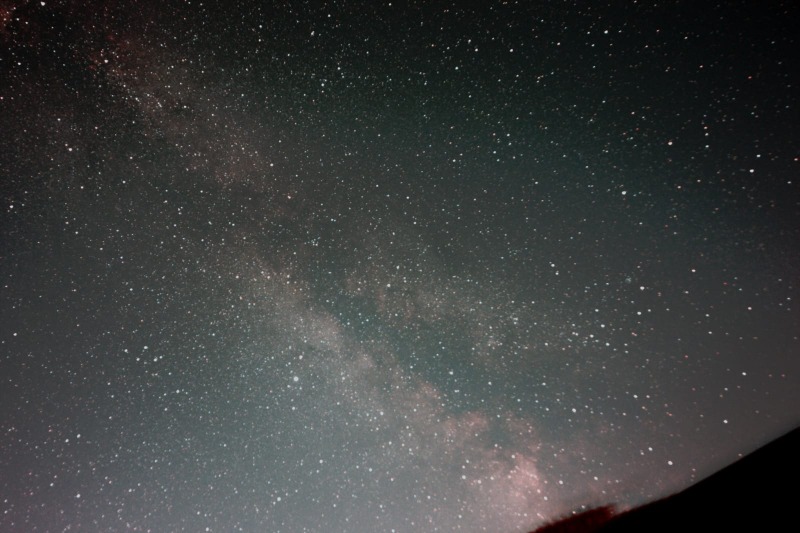
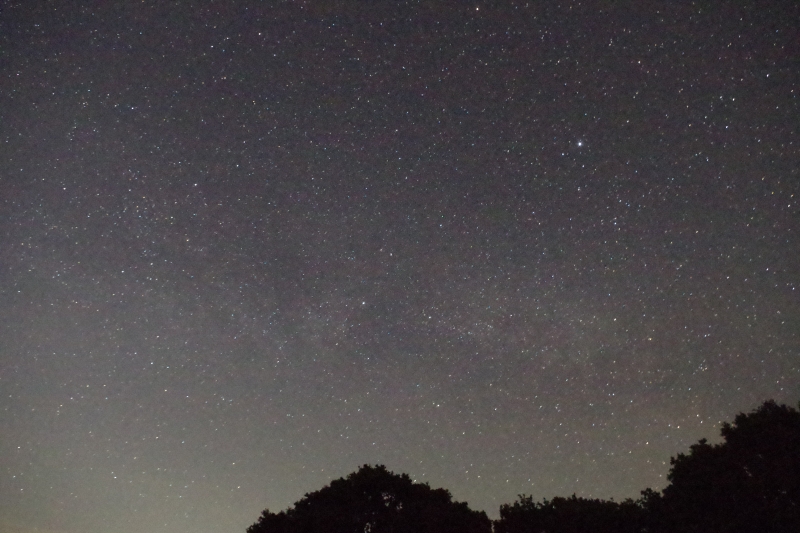
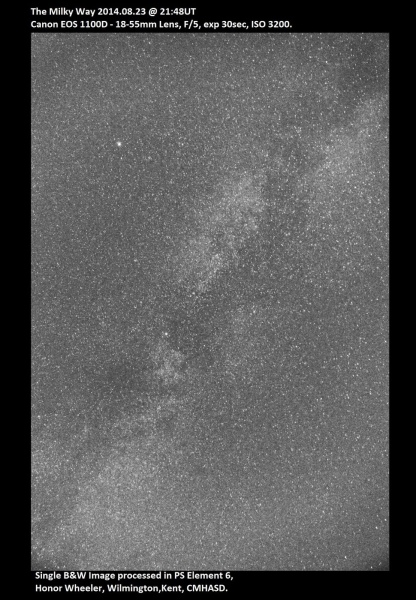
This is a simple competition, take an image of the Milkyway from your back garden – or close to where you live. The winning image will be the one that the webmaster is most impressed with.
Rules:
- You have to be a member of the society
- No telescopes! This is for camera and lens only!
- Must be from your location not some superb dark sky you travelled to.
- Ends November-ish
What will impress the Webmaster most?
- It’s all about effort taken and obstacles overcome.
- Local sky conditions vs image captured
Good luck!
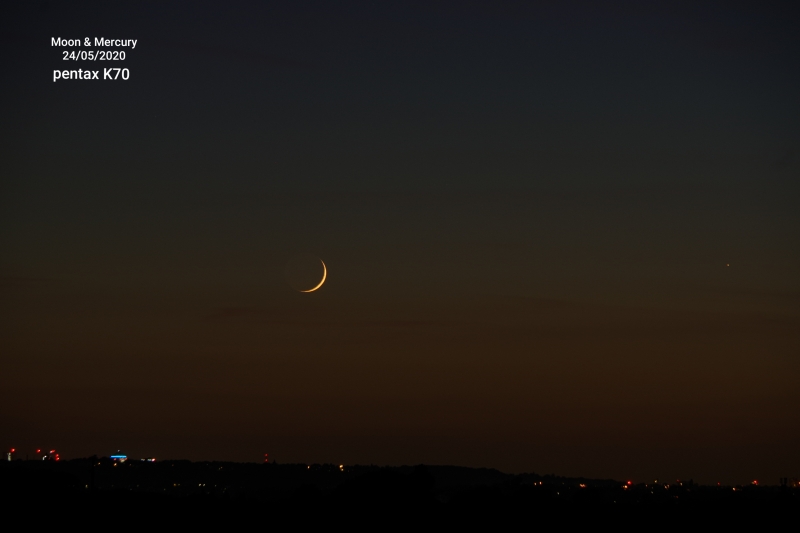
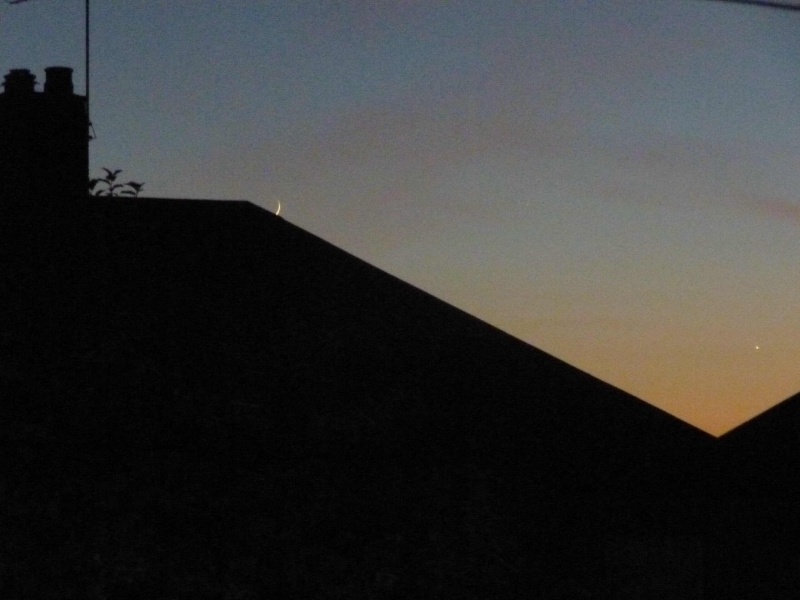
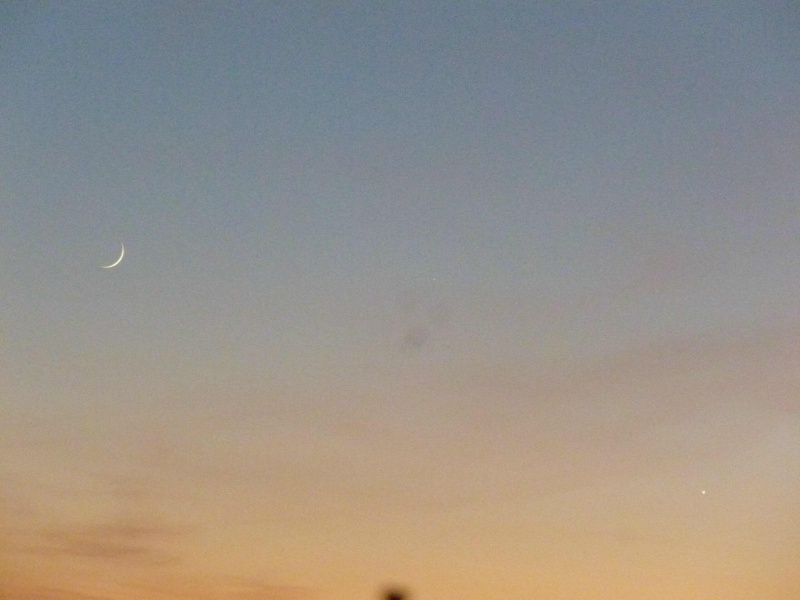
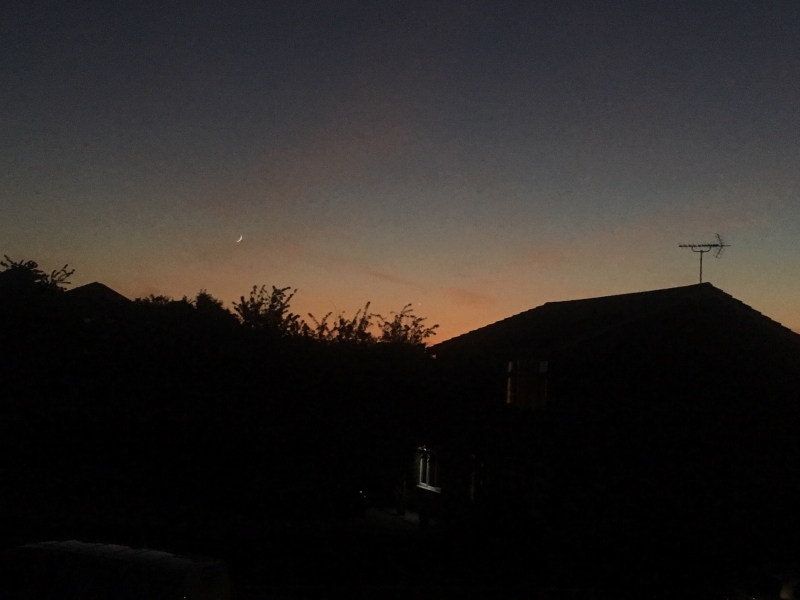
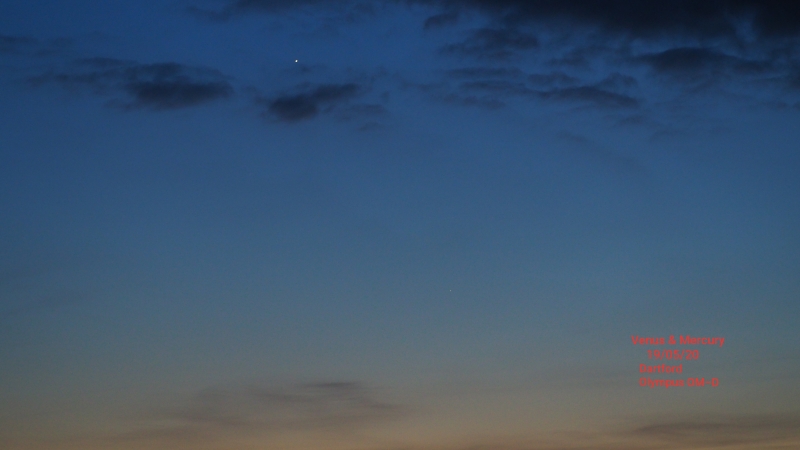
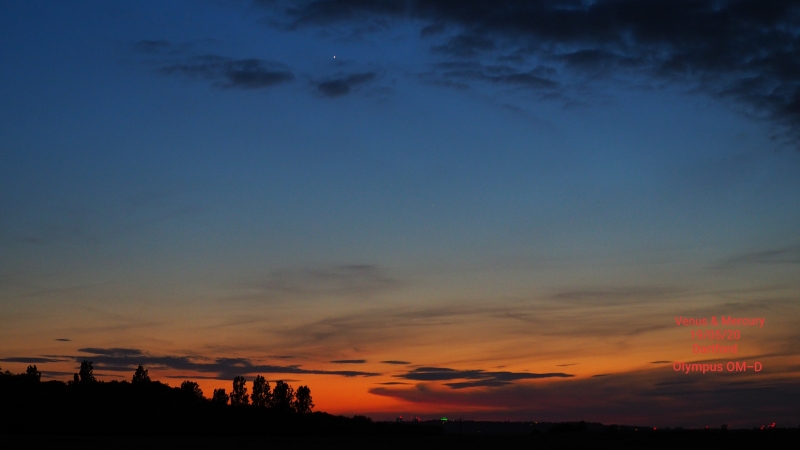
Conjunction of Mercury, Venus and the Moon.
The recent conjunction of the Moon, Venus and Mercury in the evening sky has been delighting our members, below are some contributions from those who imaged it.
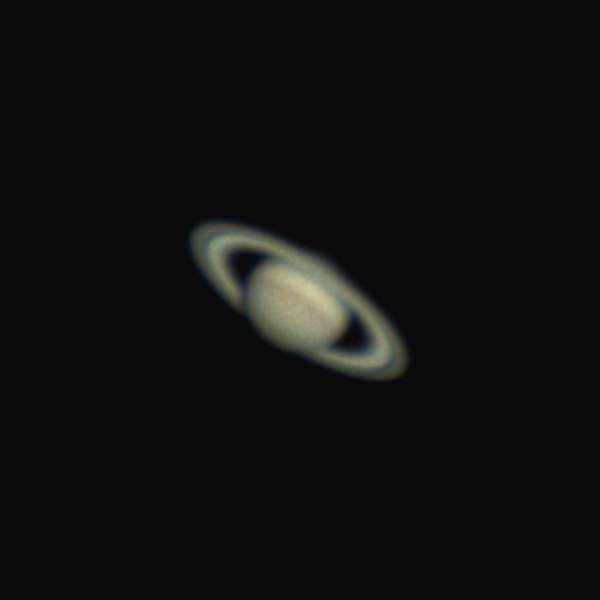
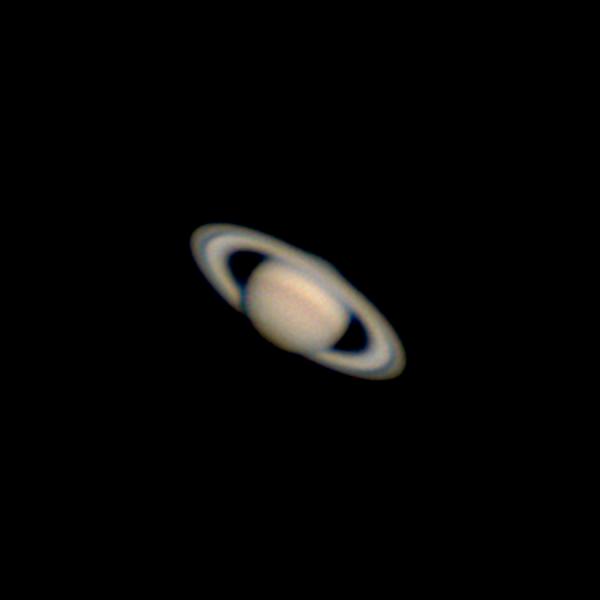
Leigh Slomer’s Saturn Images
Images of Saturn are from the same 2 minute long raw format video, but stacked and processed differently. The last version had a 1.5x drizzle applied to enlarge the size.
Equipment used:
•Skywatcher heq5 pro mount
•Skywatcher skymax 150 pro maksutov cassegrain telescope
•celestron 2× Barlow
•Zwo asi290mc one shot colour uncooled CMOS camera
•Captured with ASICAP for android
•First and second version stacked in registax, the last version in autostakkert with wavelets in registax
•Final processing in GIMP
Camera settings:
•Raw16 colour space
•Gain 300
•Exposure time 82000ųs

Conjunction of Mercury and Venus
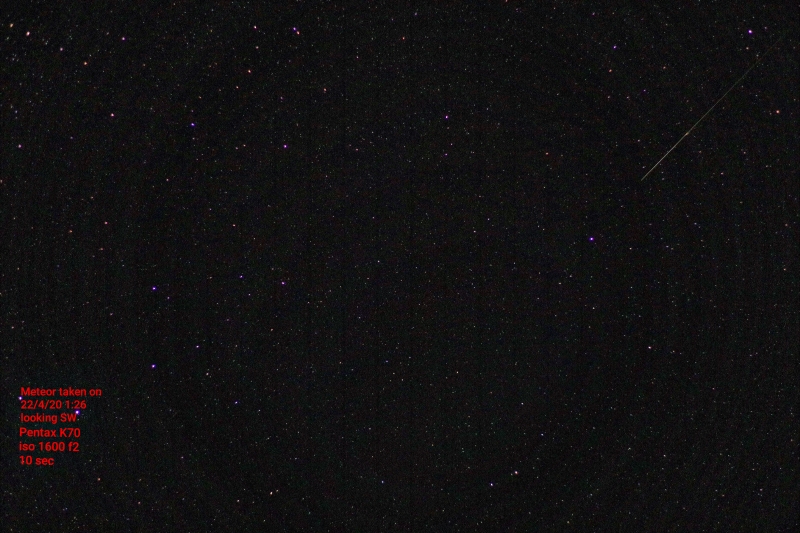
Meteor Captured
Conjunction of the Moon, Jupiter and Saturn
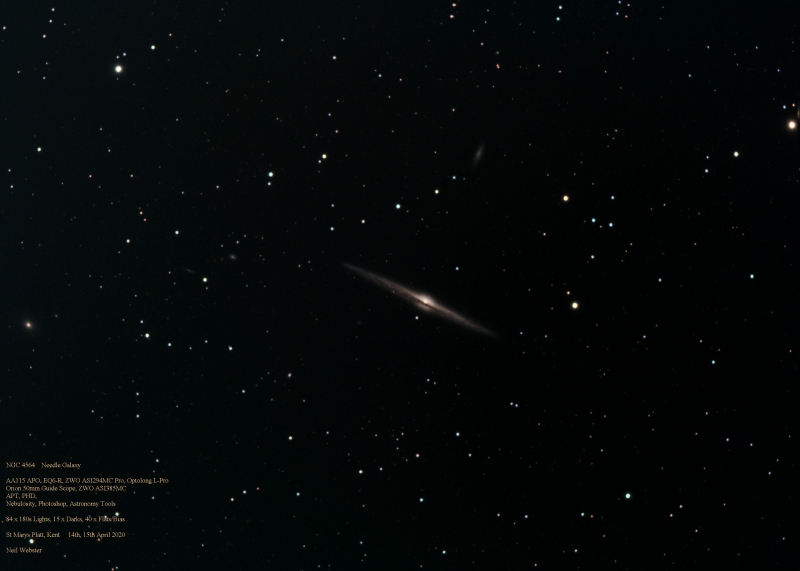
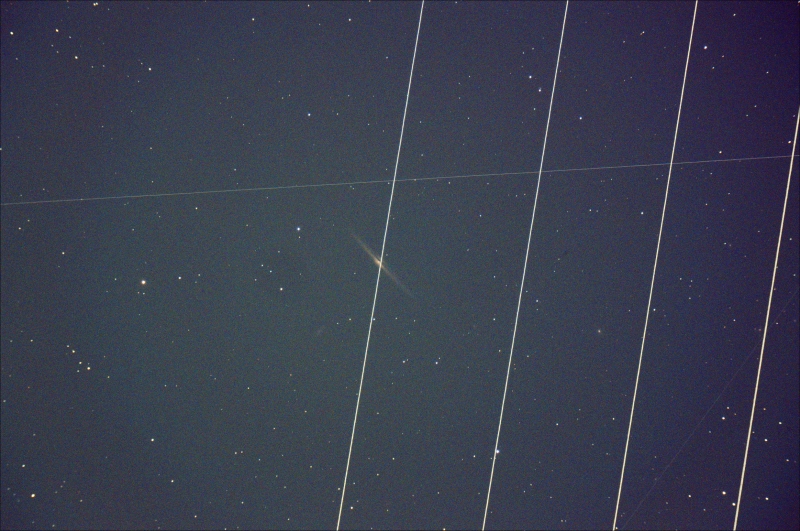
NGC4564 – The Needle Galaxy
Images by Neil Webster
More images ruined by Elon Musk’s Starlink…
Conjunction of Venus and the Pleiades
Image by Honor Wheeler of the Moon and Pleiades imaged on the 3rd of April 2020 @ 20:08UT taken with her Canon 700D and a 300mm lens – ISO1600, f6.3, exp 2sec.
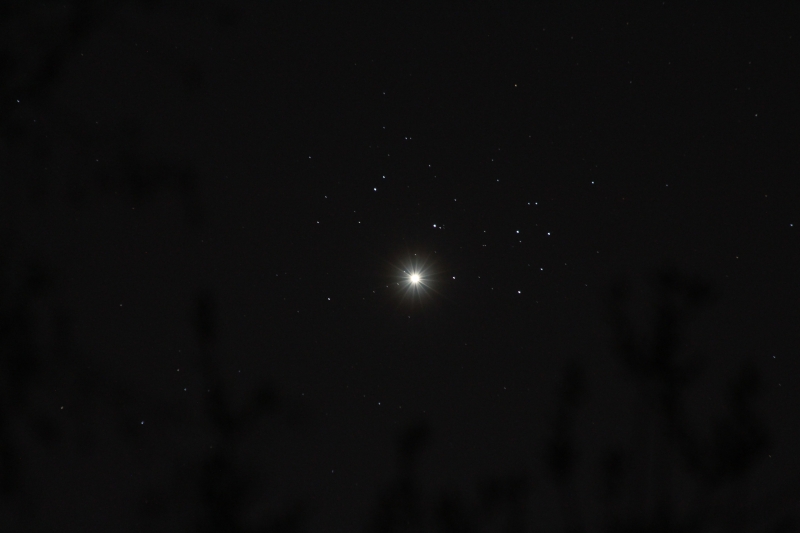
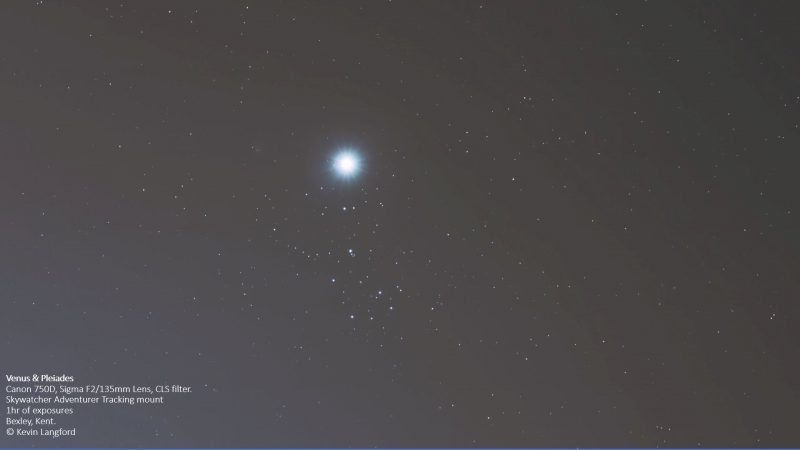
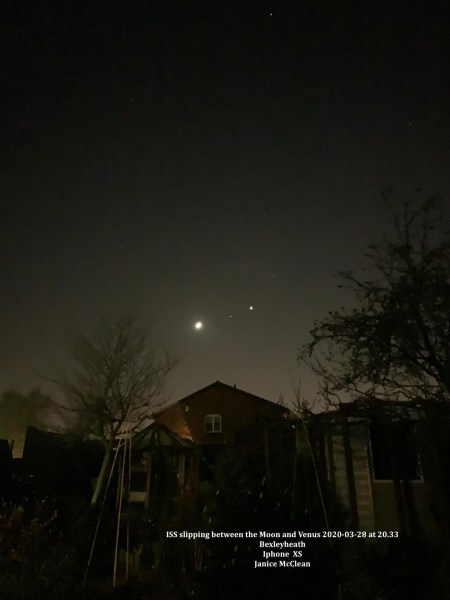
Image of the Moon, Venus and the ISS
Image taken by Janice McClean of the Moon, Venus and the ISS
Exo-Planet HAT-P-30b
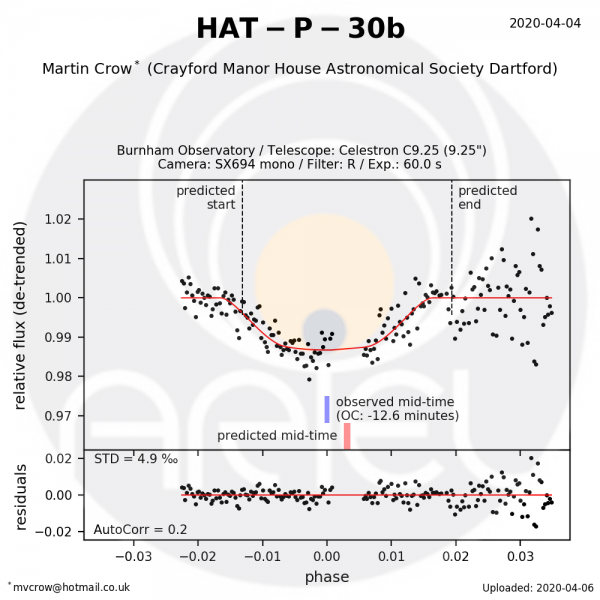
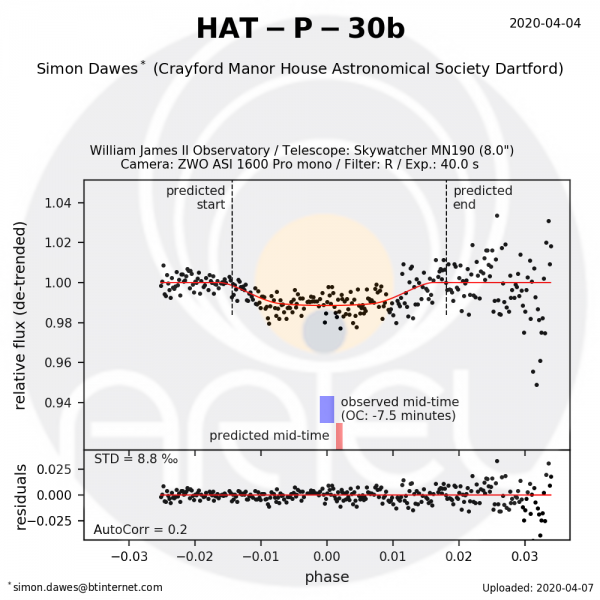
HAT-P-30b is a transiting hot Jupiter around a 1.25 solar mass star in the constellation of Hydra near the boarder of cancer.
Martin Crow and Simon Dawes observed this exo-planet transiting its parent start part of the exoclock project, to refine transit predictions for the Aerial space craft wich will be observing exoplanet transits to learn more about these enigmatic planets.
EXO-Planet TrES-3b
Martin Crow observed this Exo Planet

ISS and Starlink captured in meteor cam.
Member, Gary, identified the ISS and Starlink satellites in our automated meteor cam videos.
Member Observing – not so isolated
We have had some lovely clear and moonless nights the last couple of days and on top of this few contrails from planes making the sky ideal for observing, and whilst alone with your telescope or binoculars you can still share your experiences using our WhatsApp groups, just contact committee@crayfordmanorastro.com if you want to be added…
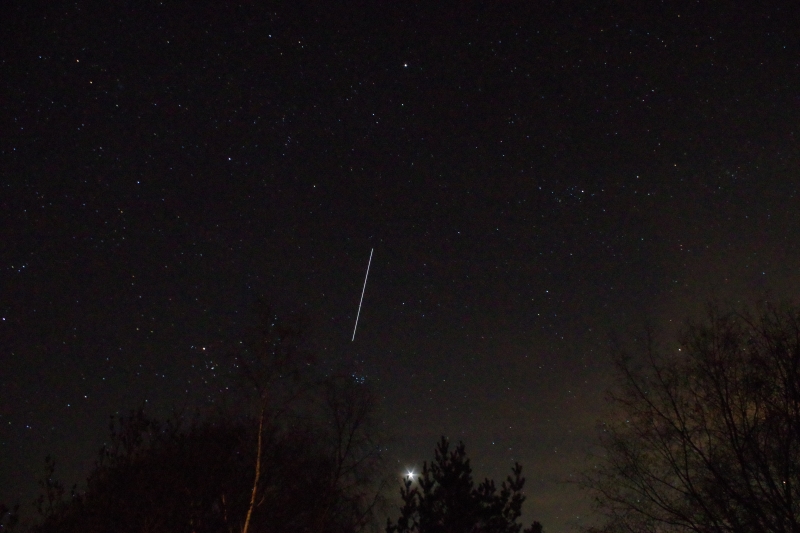
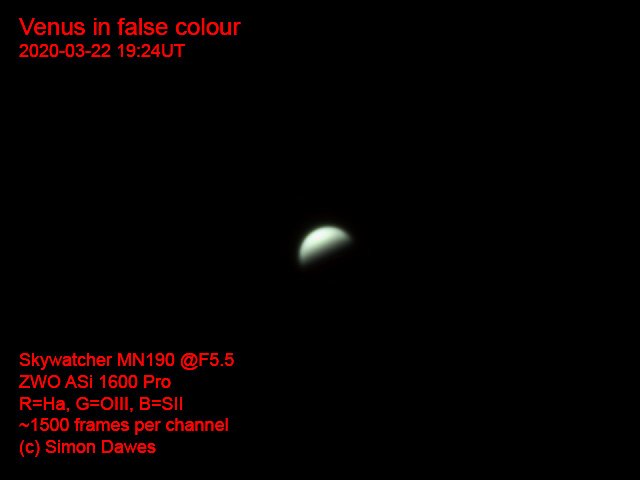
Here is a selection of member observations shared over the last few nights.
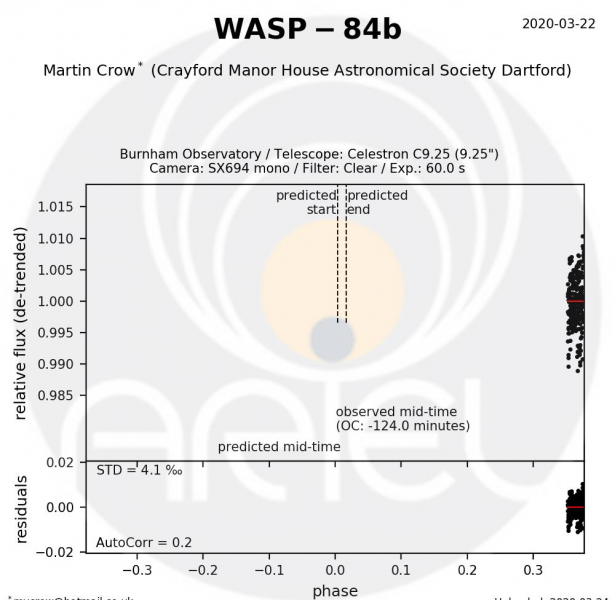
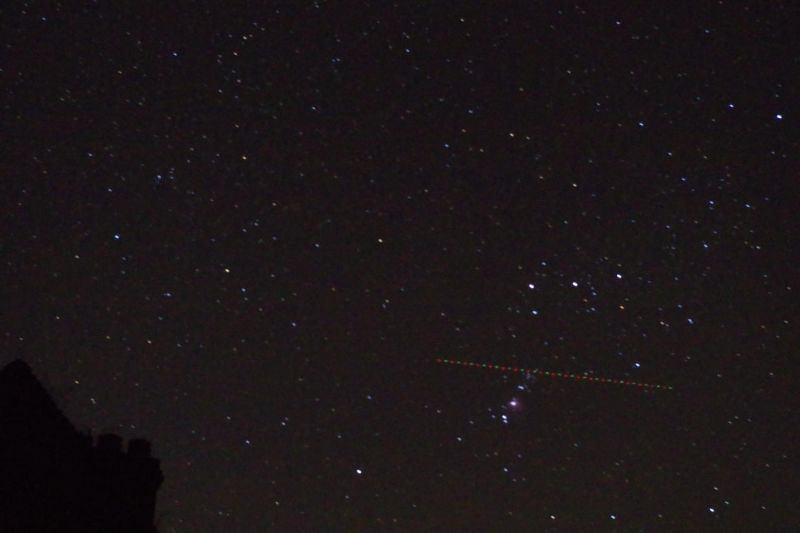
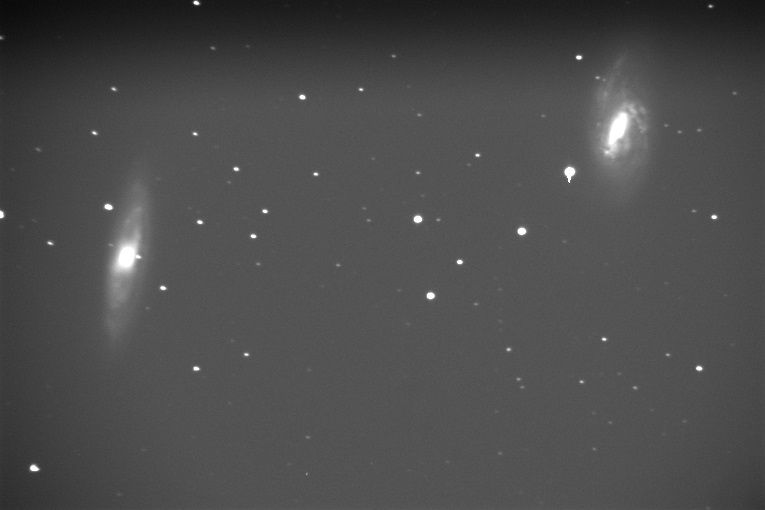
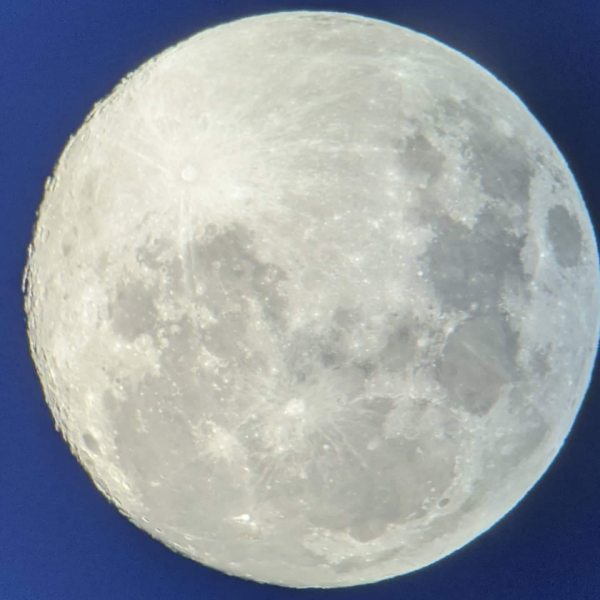
Free Open University Courses in Astronomy
Here are some Free high quality courses in Astronomy from the Open University
Astronomy with an online telescope
Icy Bodies: Europa and elsewhere
An Introduction to Exo Planets
Seeing the light (This one is a little different it’s about how the Sun affects design)
A brief introduction to Astronomy
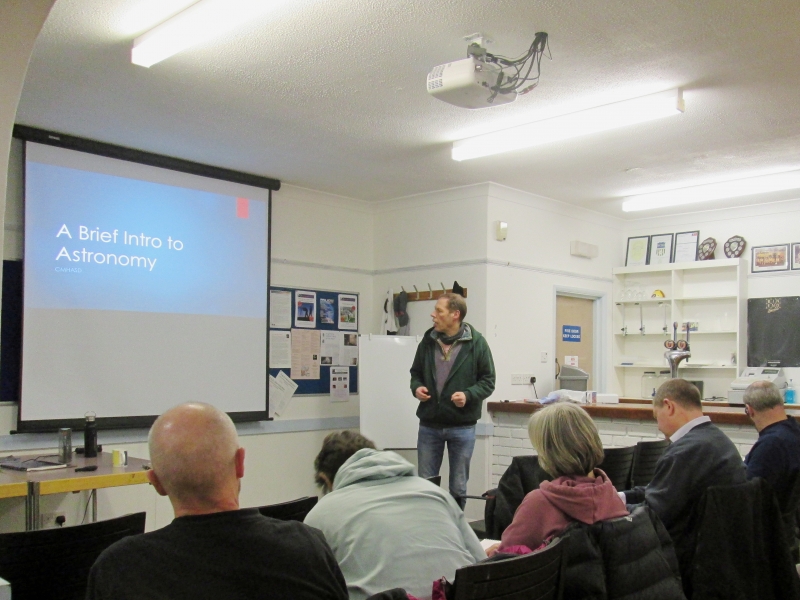
Recently Mr Martin Crow, gave a talk entitled “A brief introduction to Astronomy” (The edges of the Jigsaw) for some of the societies new members, to help them better understand the “Jigsaw that is astronomy”.
Martin spoke amongst other things about.
· Measuring astronomical distance by using astronomical units (au) & light years,
· The spectrum of stars to determine their chemical components,
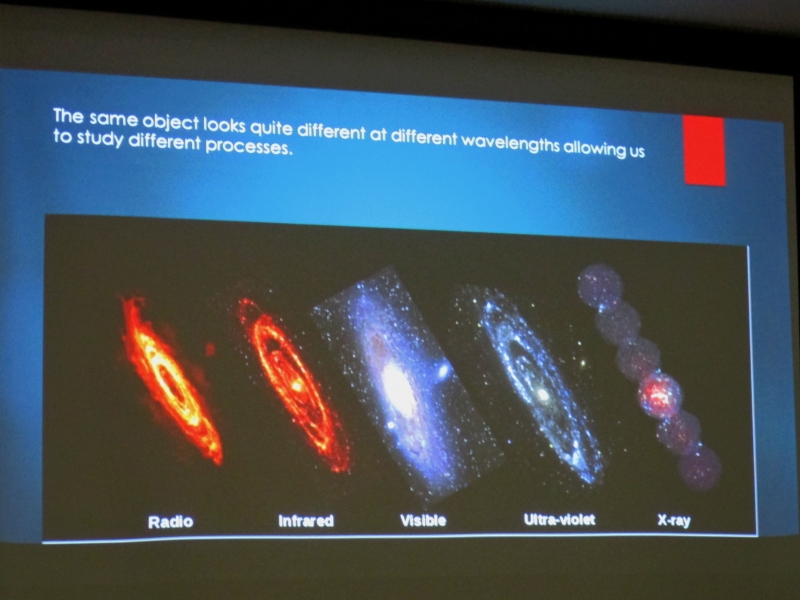
· Looking at objects with different parts of the electromagnetic spectrum i.e. infrared, white & Ultra- violet light.
Society Night 2020/03/12
We were treated to 3 presentations at the recent society night.
Building Dobsonians – By Steve Floodgate & Dave Grist
Modifications to the EQ6 Mount – By Simon Dawes
ExoClock update – By Martin Crow
Thanks to all those who contributed
Informal Evening 2020-02-27
Another clear Thursday and an observing evening, below are a couple of images from the session.
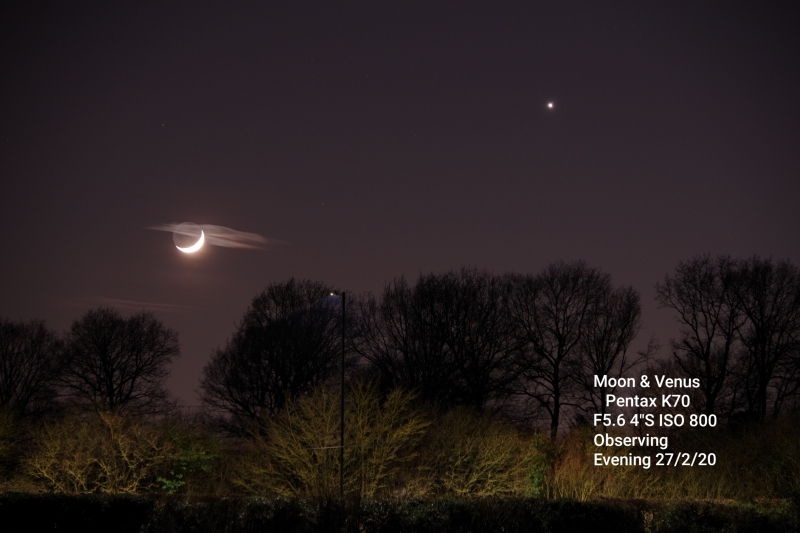
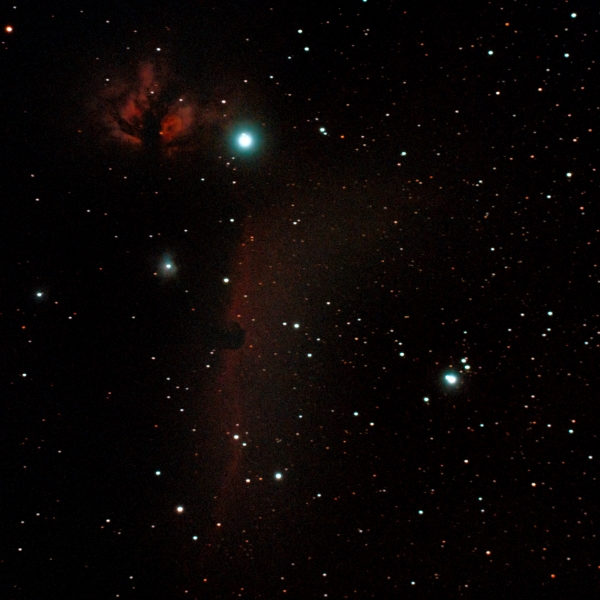
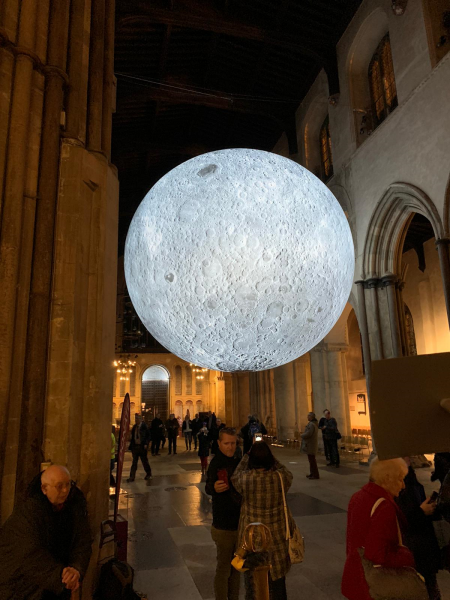
The Moon Rochester
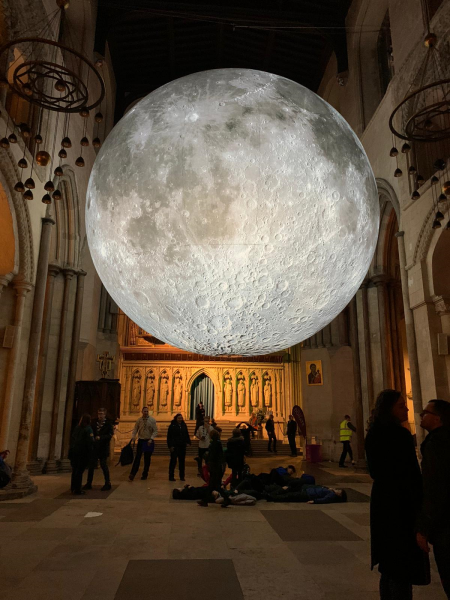
Gary organised a trip to Rochester Cathedral to view the huge 3D moon that is touring the UK and to hear a lecture on the moon.
Informal Evening / Open Evening 2020/02/06
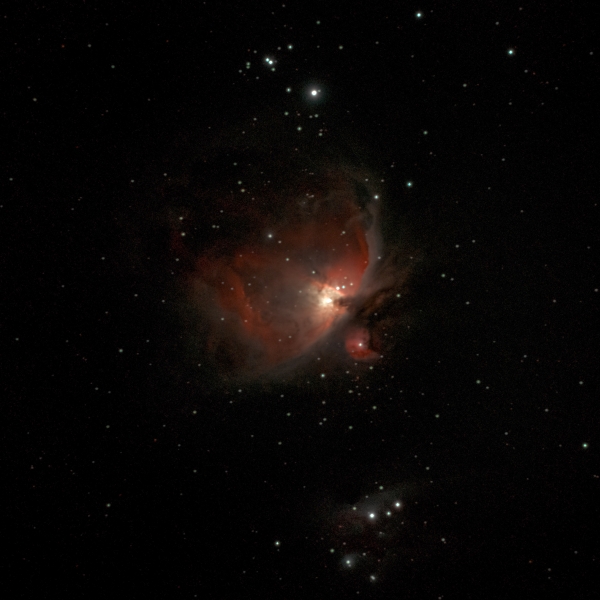
We had clear skies last Thursday (2020/02/06) and had many of the Societies Dobsonian telescopes out, a couple of members bought their own telescopes (both reflectors) and Leigh Slomer produced this image of the Great Orion Nebula (M42).
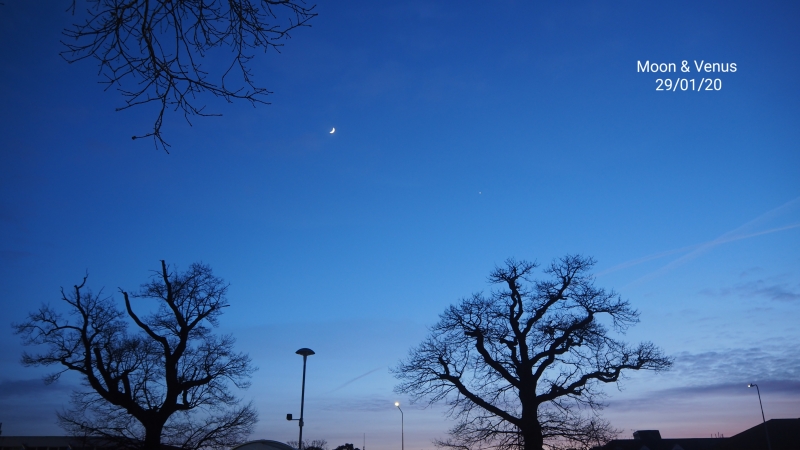
The Moon & Venus in an Evening Sky 2020-01-29
AstroImageJ Demonstration
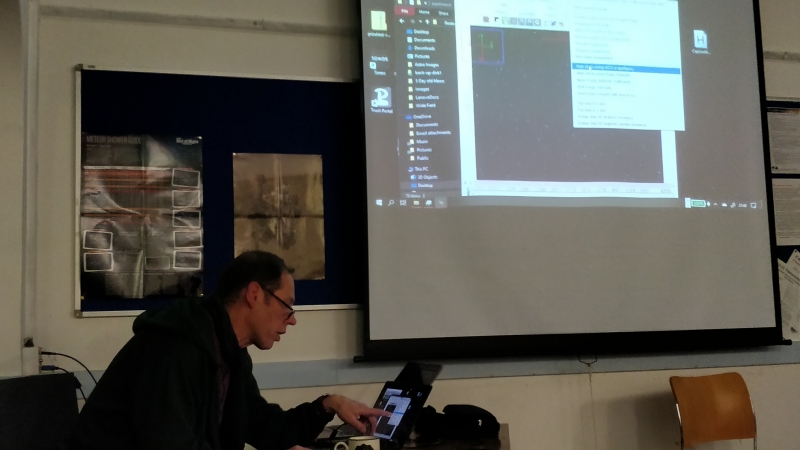
We had an informal meeting over Christmas where Martin took the members through using AstroImageJ (AIJ) he covered the following…
- Loading an image
- analysing stars in an image
- plate solving an image
- batch processing images to calibrate them
- aligning and stacking images
- photometry on a sequence of images
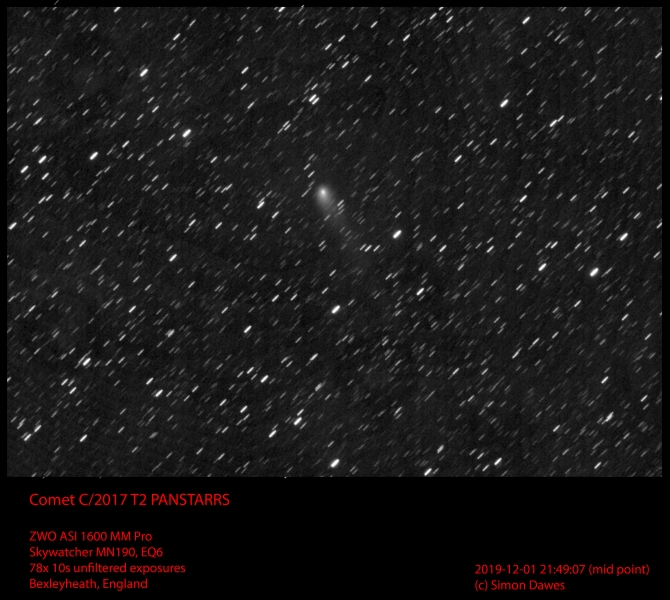
Final image.
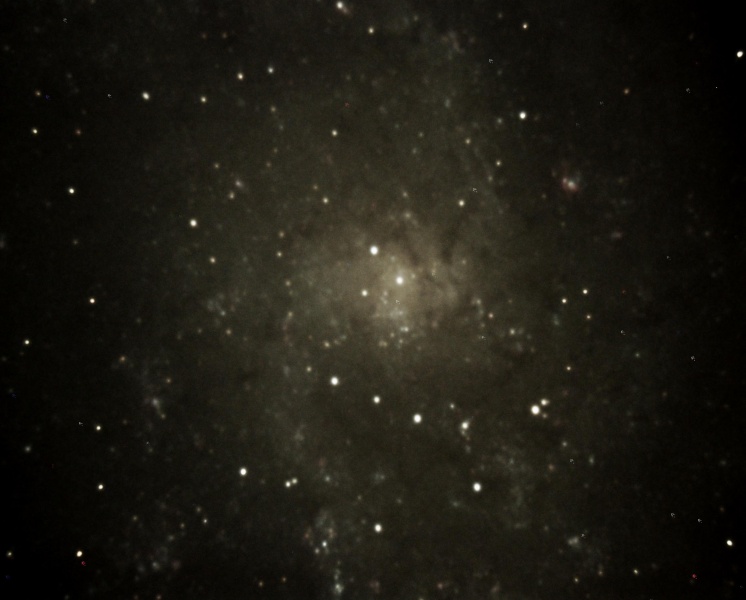
Christmas Imaging Session
About a dozen members used the 16″ telescope over the Christmas period with Keith providing a demonstration of the set-up and use of the new CCD.
The evening ended with cloud relatively early but they did get 10 light frames and below is a stack of these using Astro Pixel Processor.
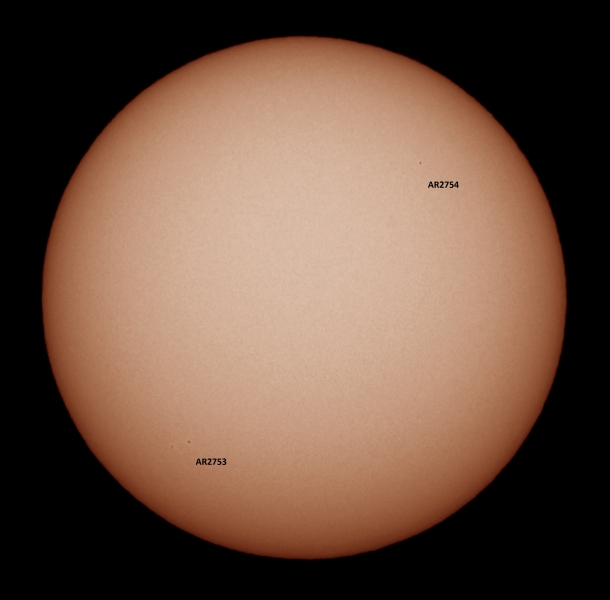
Cycle 25 Sun Spots
Christmas Quiz Night
Merry Christmas!
Meteor Report for November 2019
This is the meteor report for November 2019, by the Crayford Manor House Astronomical Society Dartford.
This month we were plagued with poor weather and this is reflected in the low number of meteors captured.
In total we observed 139 meteors from 29 different showers, none of these showers was particularly active, the most active being the Leonid’s where we captured 19 meteors compared to 55 sporadic meteors in the Month.
All Sky Cam Project
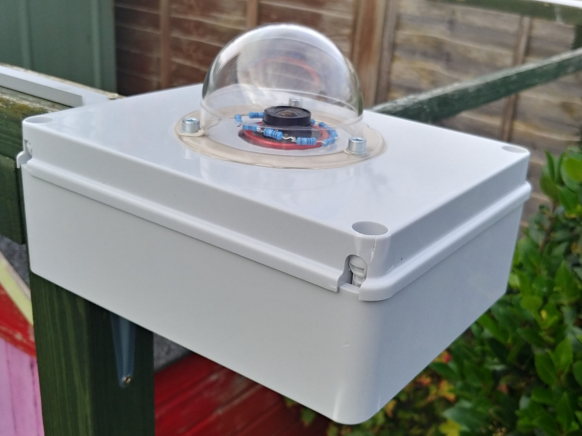
At a recent society night Keith described how he has built an all-sky camera, mainly from parts he had laying around, the camera is capable of producing a live view of the sky, time laps video summary of the night, can upload the images to a website for public viewing and can be used as an ASCOM compliant sky sensor.
This short article provides some notes to help others wishing to do the same.
Parts needed:
- PC/Laptop (windows)
- A CCD/CMOS Astronomy camera (with ASCOM drivers)
- Fish eye lens (Keith use a 2.1mm CCTV Cmount lens)
- Long USB cable
- Rechargeable dehumidifier
- Water proof electrical junction box
- 3.5″ Acrylic dome (from dewcontrol.com)
- Plumbers Mate putty (to seal the dome to the junction box)
- AllSkEye software
- Tektite Skies software (ASCOM cloud sensor software based on all sky camera)
- 1 Ohm resistors (to make dew heater – although dewcontrol.com make them if you don’t want to make your own)
- Rain-X Plastic – to reduce raindrops and dew on the dome.
- USB female panel mount connector
- 12v power supply – for the dew heater
Key Features provided by AllSkEye
- Can run 24/7 automonously
- Acquire images during pre-set or calculated (e.g. night) times
- Place latest image on the Internet (FTP)
- Can automatically creates video files of saved images
- Add overlay on images (e.g. timestamp, compass, text)
- Can save files in FITS format
- Detects meteor trails
Key Features provided by Tektite Skies
- Able to detect stars and clouds
- Can send an email or sound an alert when sky is clear
- Start and stop times
- Optional free ASCOM interface
More information can be found in Keith’s Original Presentation.
Have you made one? Have other ideas on how to make an all sky camera? Leave a comment below
AM or PM for meteor observations?
It is well known that you see fewer meteors before midnight than after. This is explained by the fact that before local midnight Meteors hitting the Earth’s atmosphere must be travelling in the same direction as the Earth, so the relative speed of the meteor to the Earth is smaller, whereas after midnight the Earth is passing through Meteors on the Earth’s leading edge, so the relative speed of the meteors are faster, and since the speed the meteor hits our atmosphere affects its brightness we should see more after midnight than before.
My own experience sifting through the meteor candidates from our camera and observing over long periods, suggest this bias should be easy to detect, so now that we have over 15 months of data, I thought I’d see if this bias in observations was real.
The UFO analysis software categorises the meteors into named showers, if a shower can’t be identified it is classed as a sporadic meteor. I have only used the sporadic meteors in the analysis to minimise any bias due to known meteor showers.
My (very simple) analysis suggests on average you are 2.7 times more likely to see a meteor after midnight than before, a much larger factor than I’d expected.
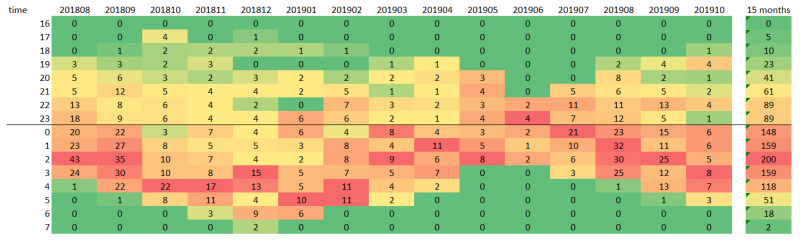
Does this reflect your experience? Comment below.
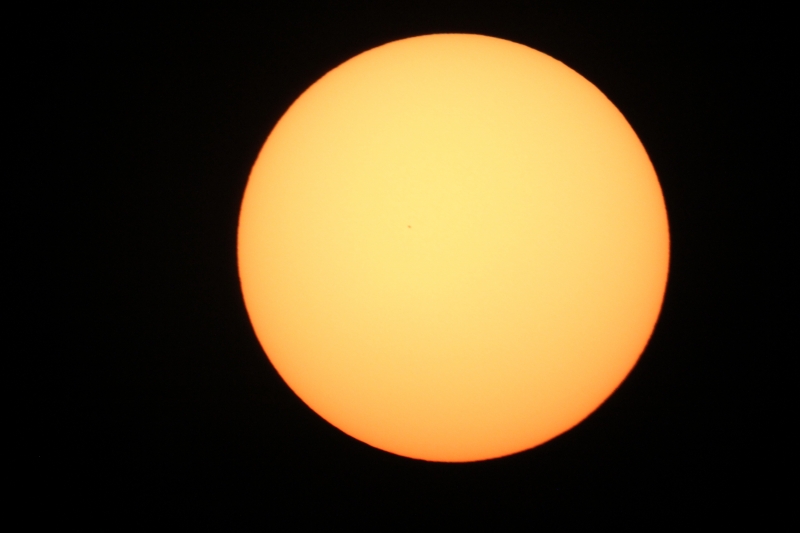
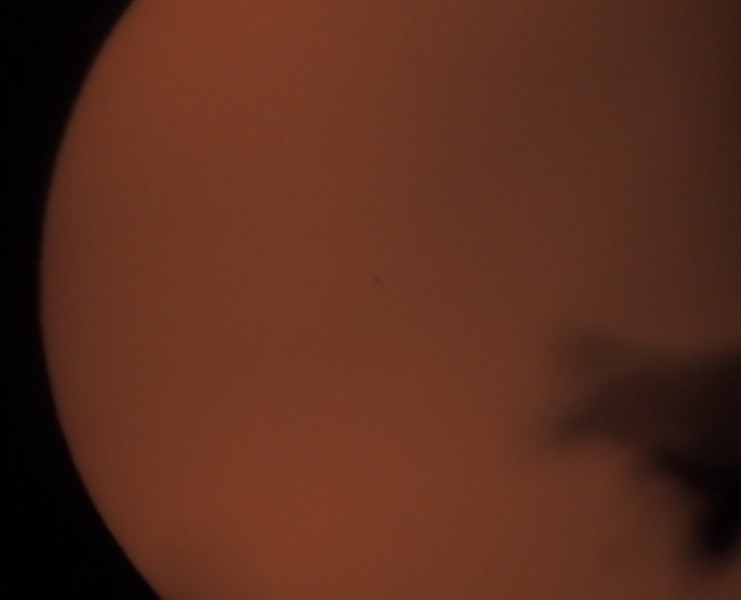
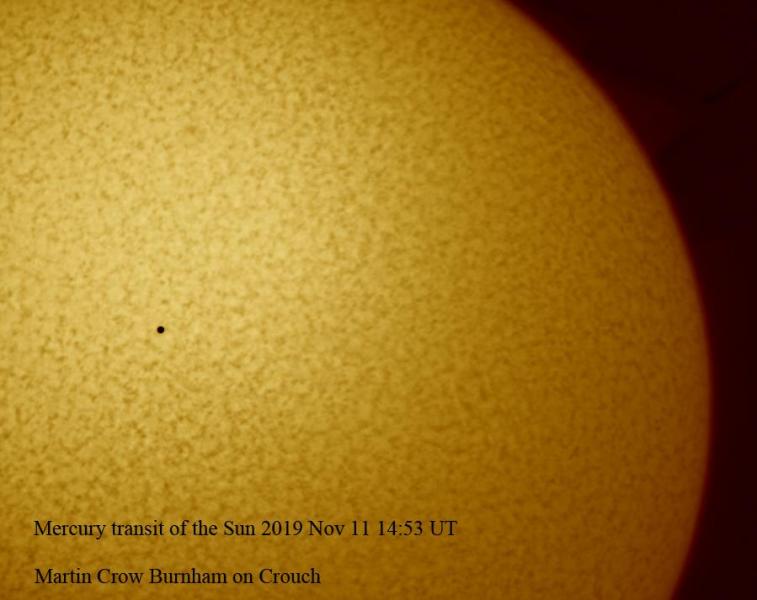
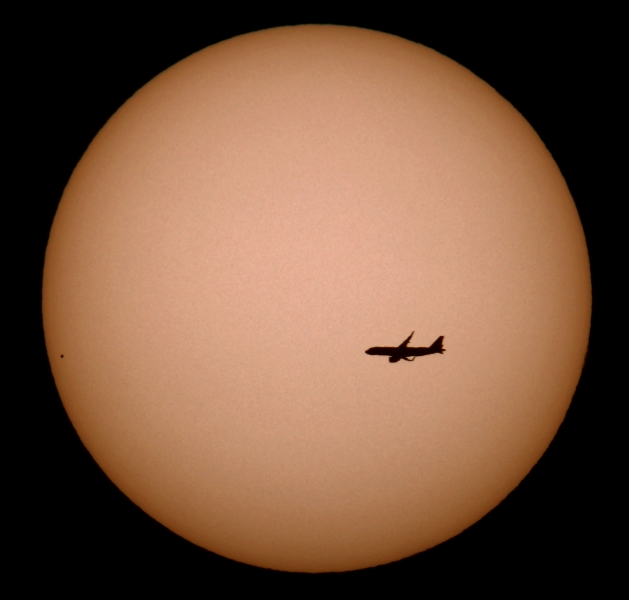
Transit of Mercury, 11th November 2019
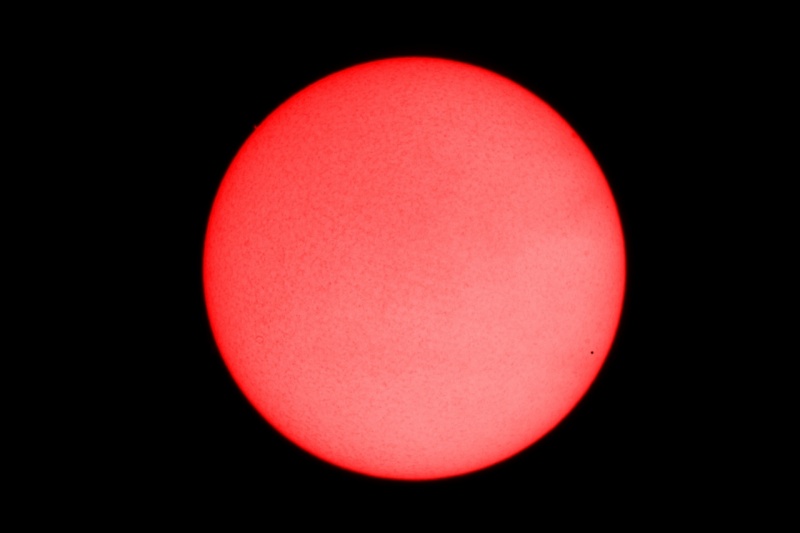
Despite the poor weather our members were out in force observing the transit of Mercury across the face of the Sun, something that has to be done carefully to be safe.
Star gazing at Hall Place
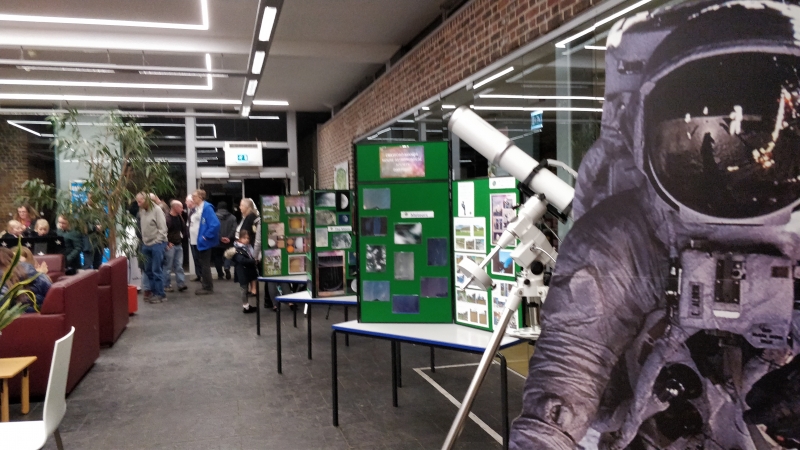
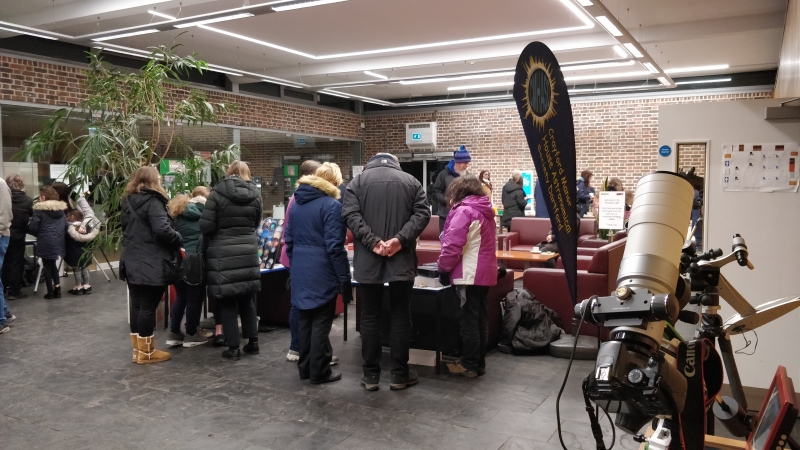
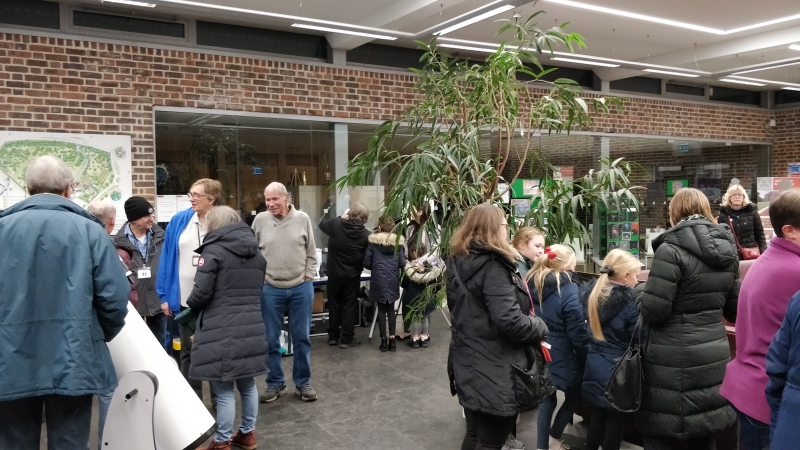
It was horizon – horizon cloud last Wednesday for the sold out star gazing event at Hall Place, however we were prepared for this and along with comet making, we held sessions on drawing objects in the night sky and a variety of talks about astronomy. We had brilliant support from our members – thanks to all – who bought a variety of telescopes, cameras, meteorites and other displays, overall the visitors went away happy despite not being able to view the heavens.

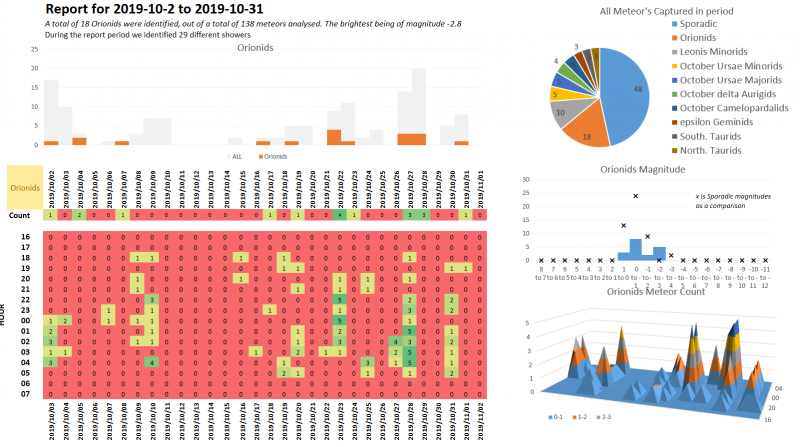
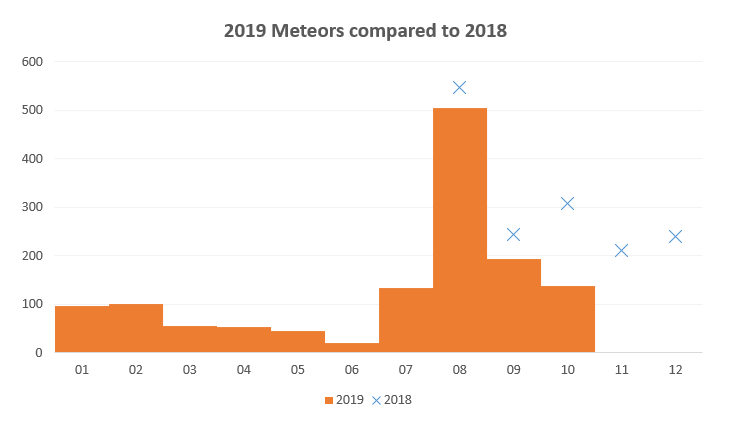
Meteor Report for October 2019
Observation of Exo-Planet KELT 16b
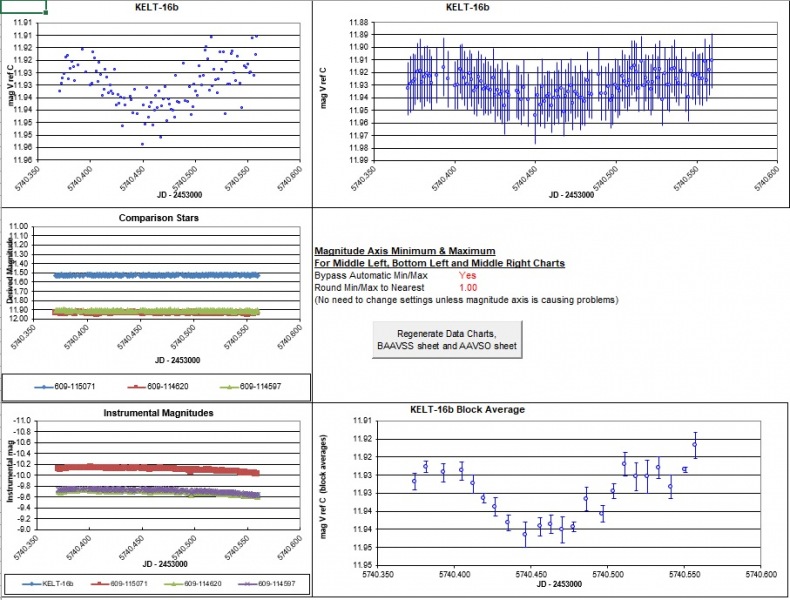
KELT-16b is an exo-planet in Cygnus, member Martin Crow measured the brightness of the parent star (KELT48) in order to capture the small drop in brightness when the planet transits the face of the star, this is a very subtle observation that requires a lot of attention to detail in order to capture such a small change in brightness.
Observation of Exo-Planet WASP-48b
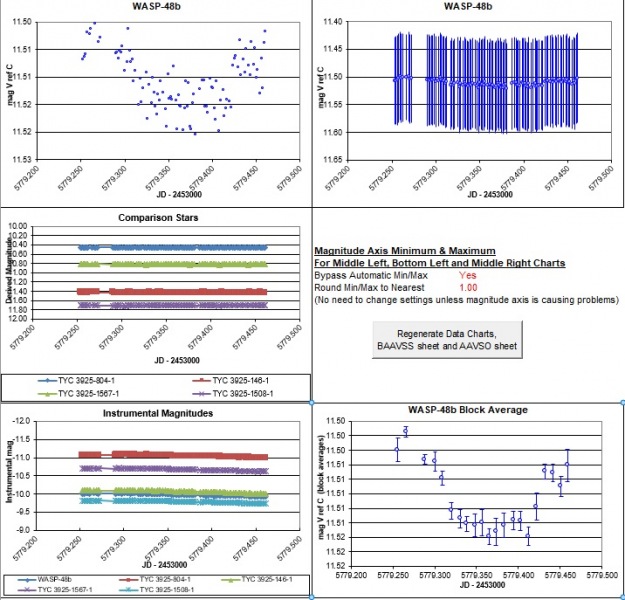
Exo-Planet WASP 48b is a planet discovered around star WASB 48 in the constellation of Cygnus. Member, Martin Crow measured the brightness of WASP 48, using the same techniques used for variable star observations – although the changed in brightness are very small, in order to detect the drop in brightness of the star as the exo-planet transits across the face of the star.
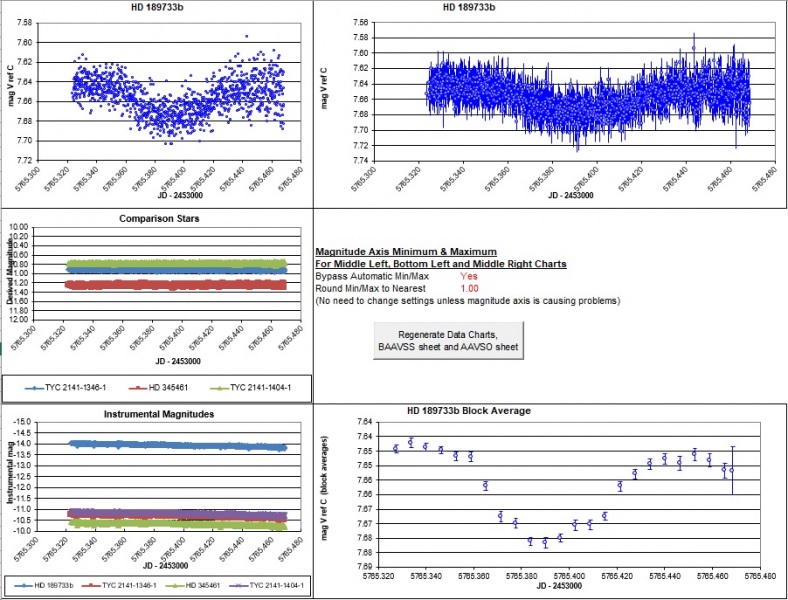
Observation of Exo-Planet HD 189733b
HD 189733 b is an extrasolar planet, in the constellation of Vulpecula. According to Wikipedia it is 64.5 light years away. Member, Martin Crow, used the same techniques used for observing variable stars to detect the drop in light from the parent star as the planet crossed in front of it. If you have data you want to share please contact the webmaster.