


Announcements
Come and join CMHASD stargazing at Hall Place & Gardens, Bexley – Wednesday, 25th February 2026 from 7pm.
Join CMHASD for some Stargazing at Hall Place & Gardens on the 25th February 2026.
Advance booking required.
Please note this is a ticket only event organised by Bexley Council.
Tickets can be purchased at: https://www.hallplace.org.uk/event/stargazing-february-2026/
We will be there from 7pm to 9pm. (Doors open from 6.45pm)
Outdoor activities are weather dependant.
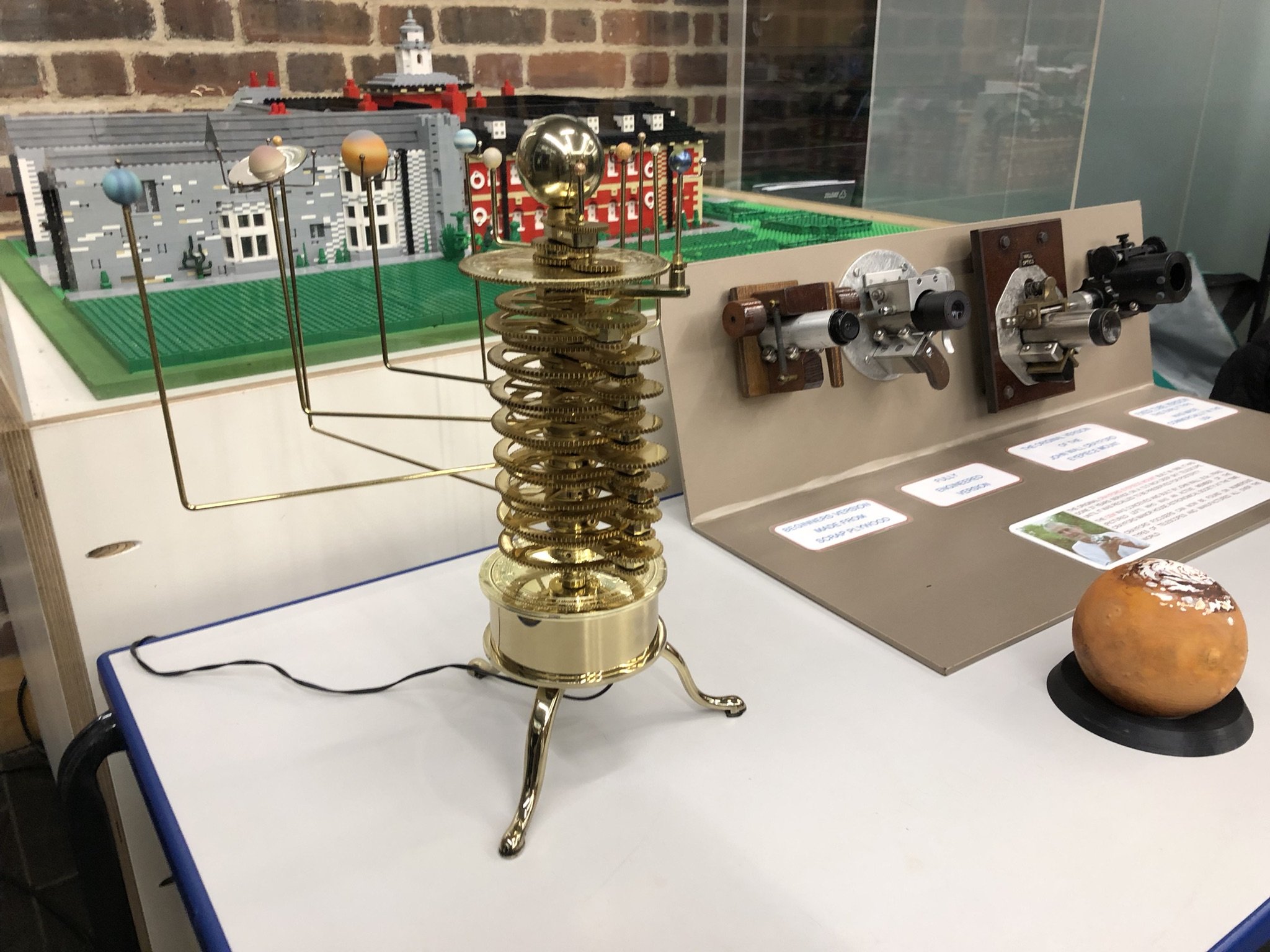
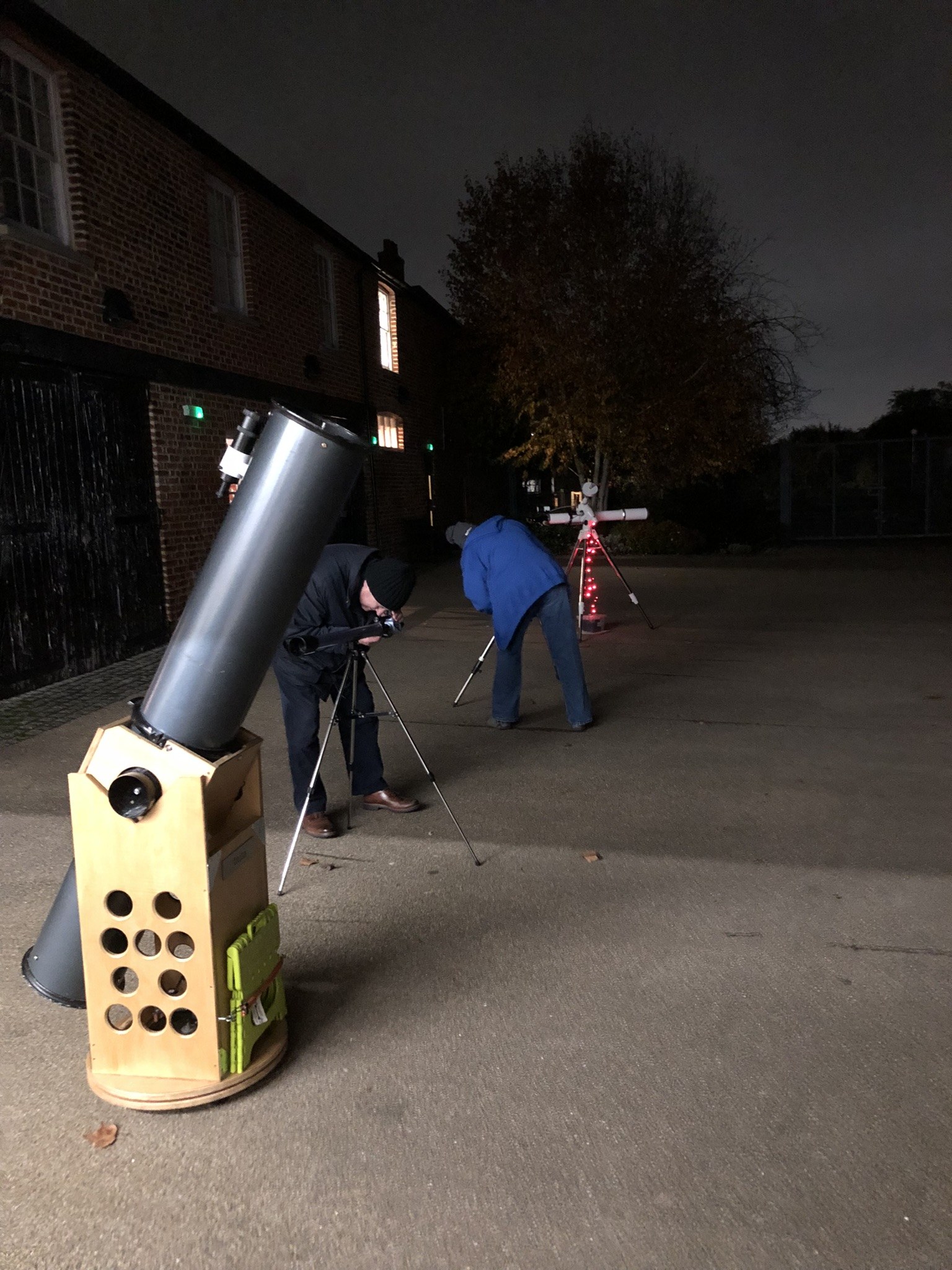
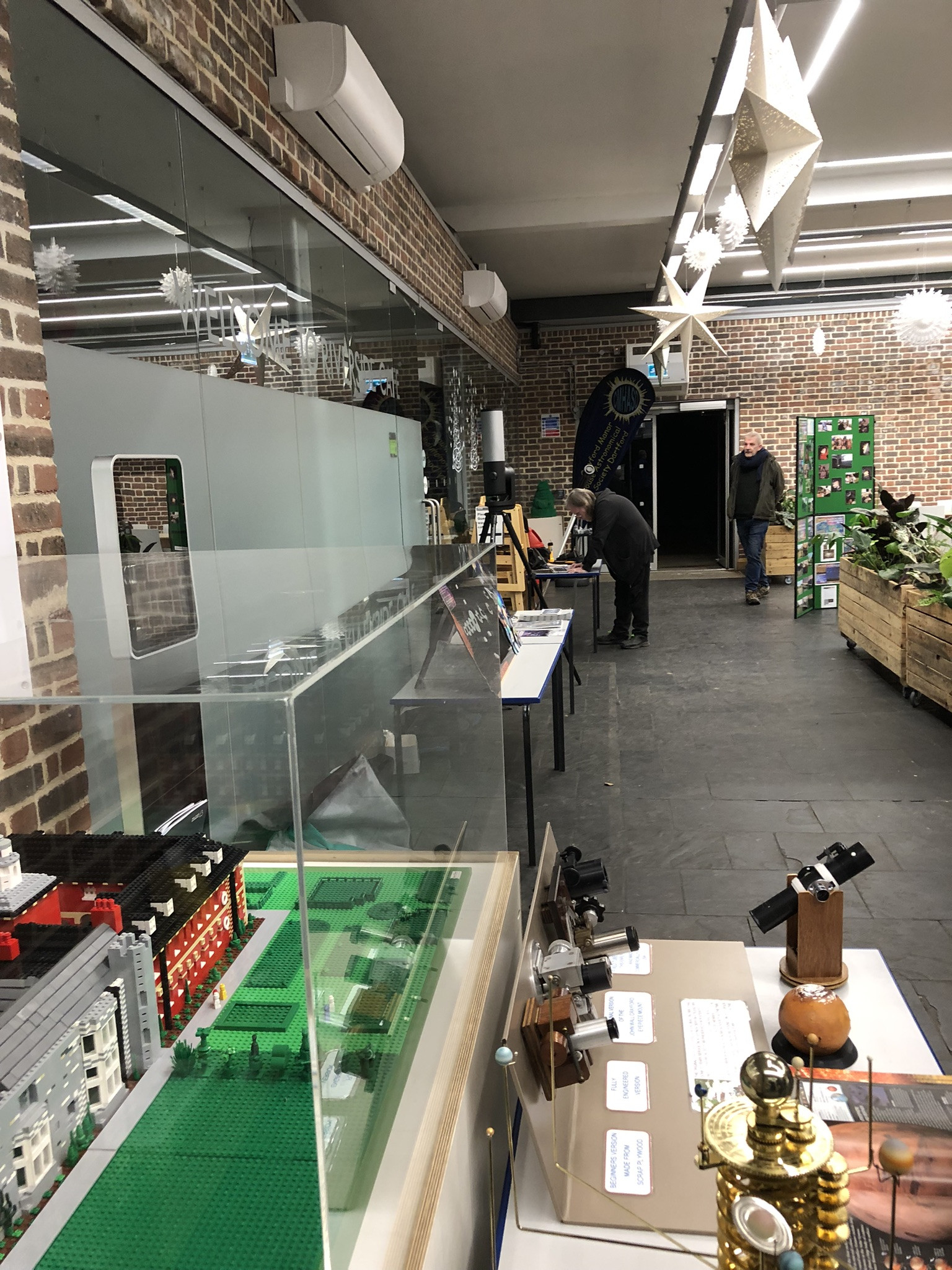
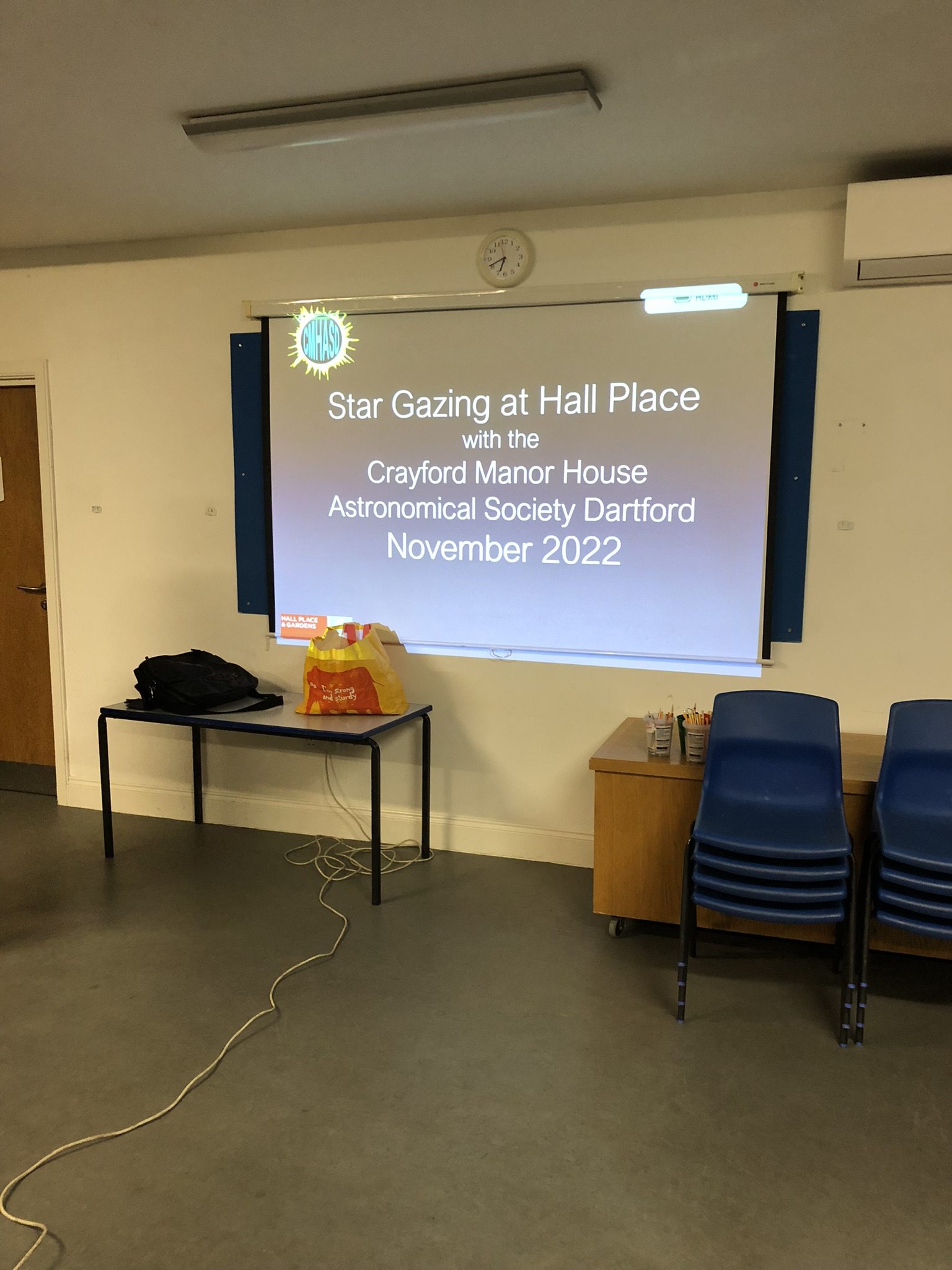
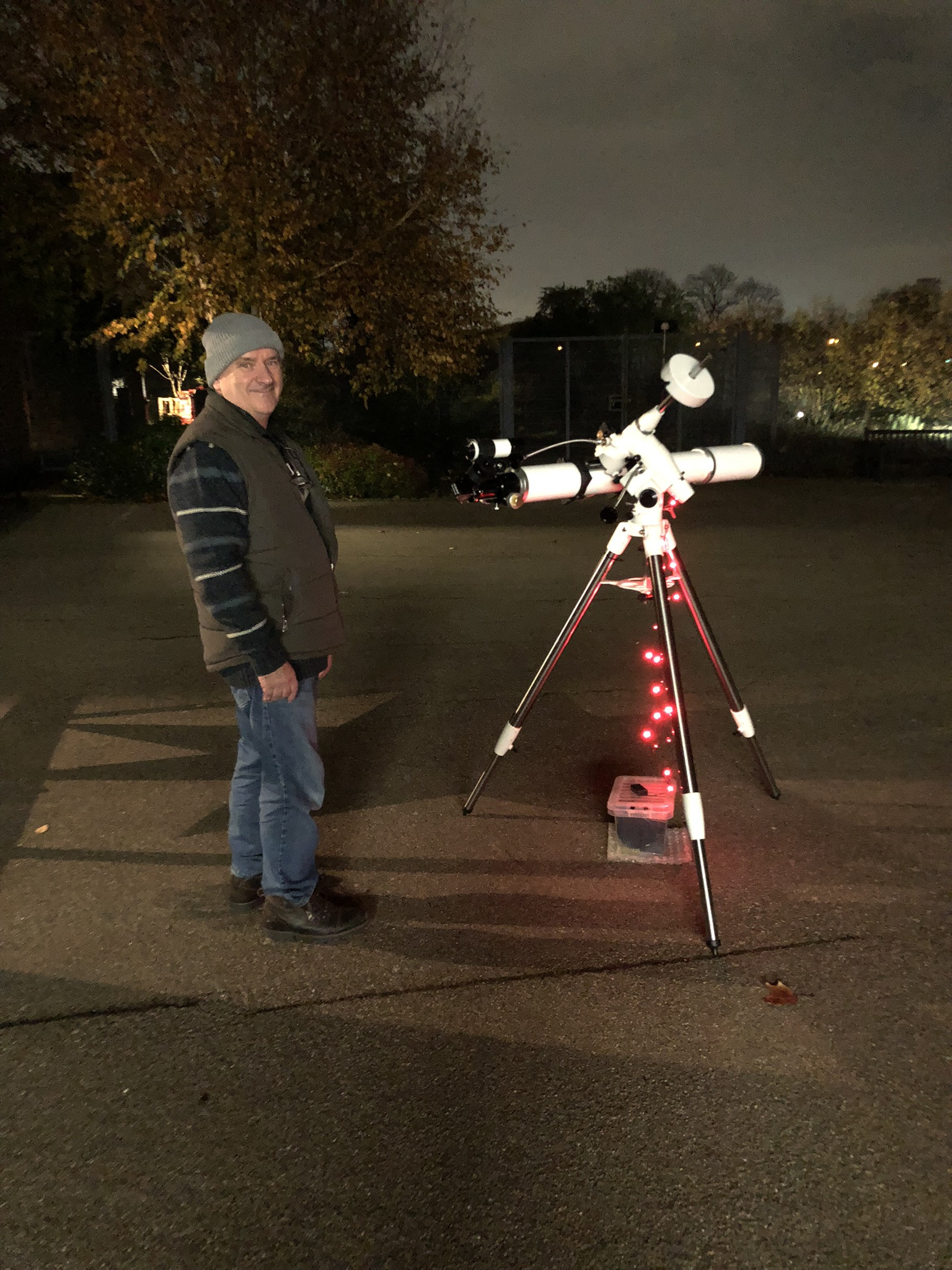
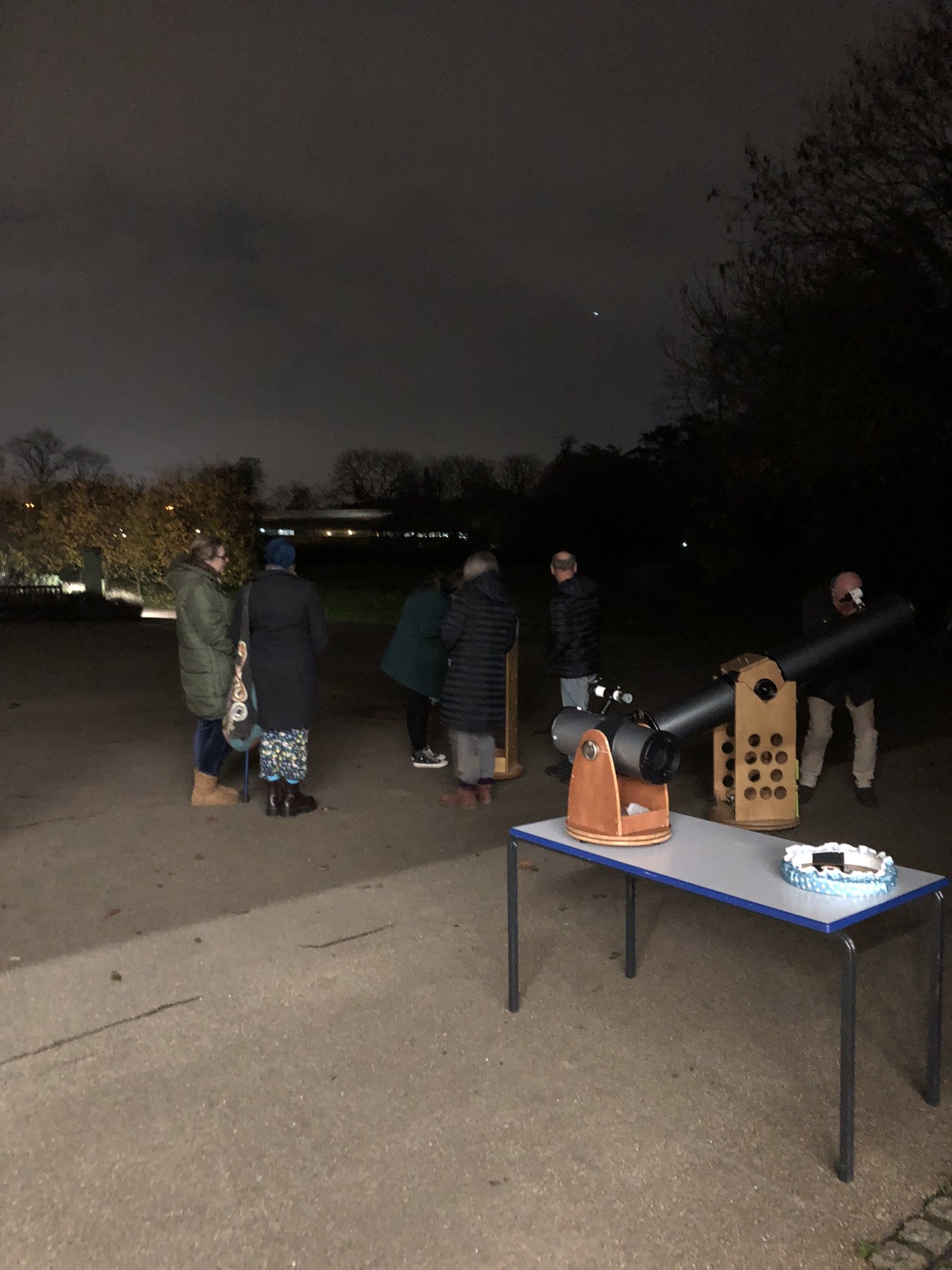
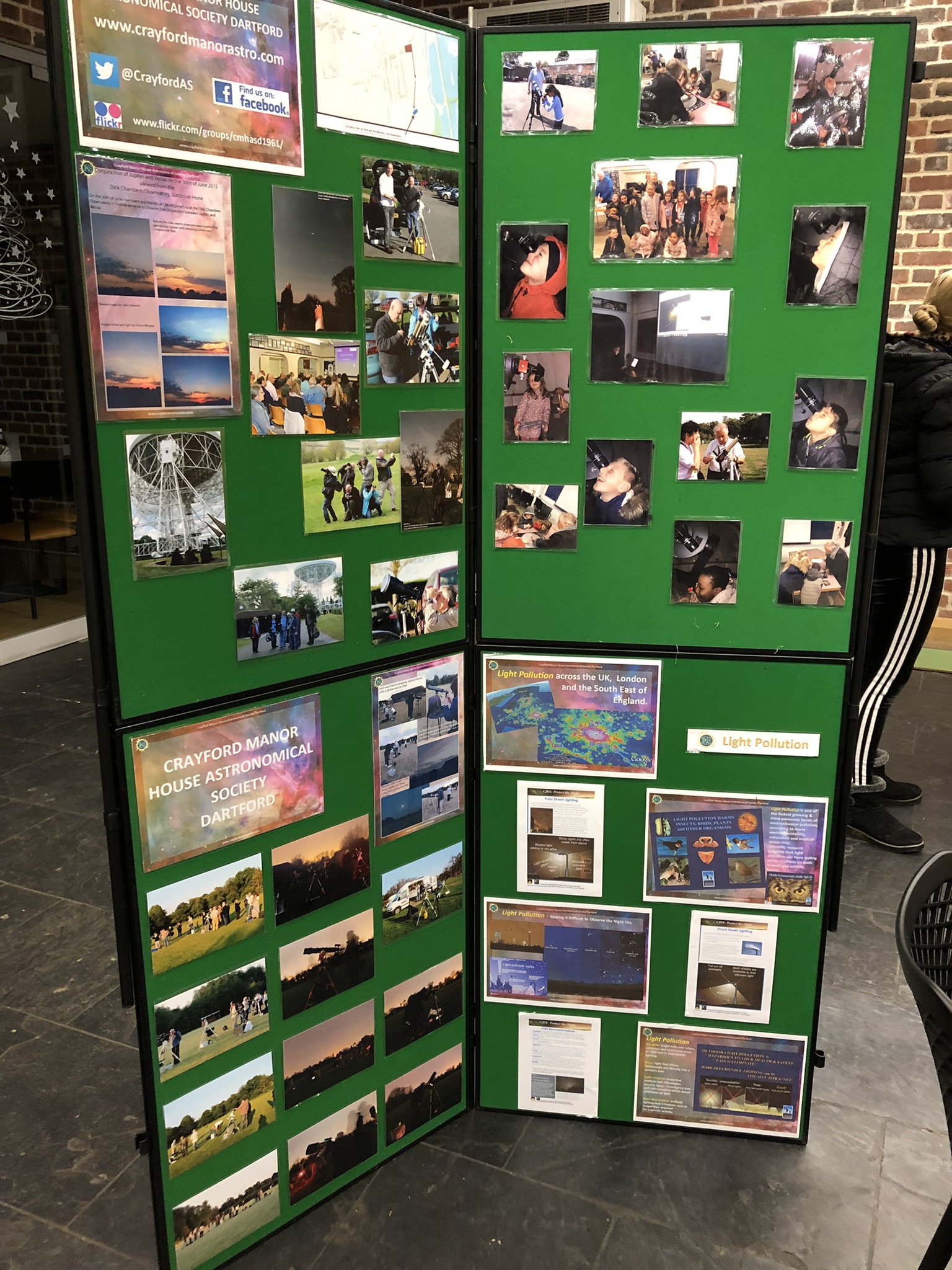
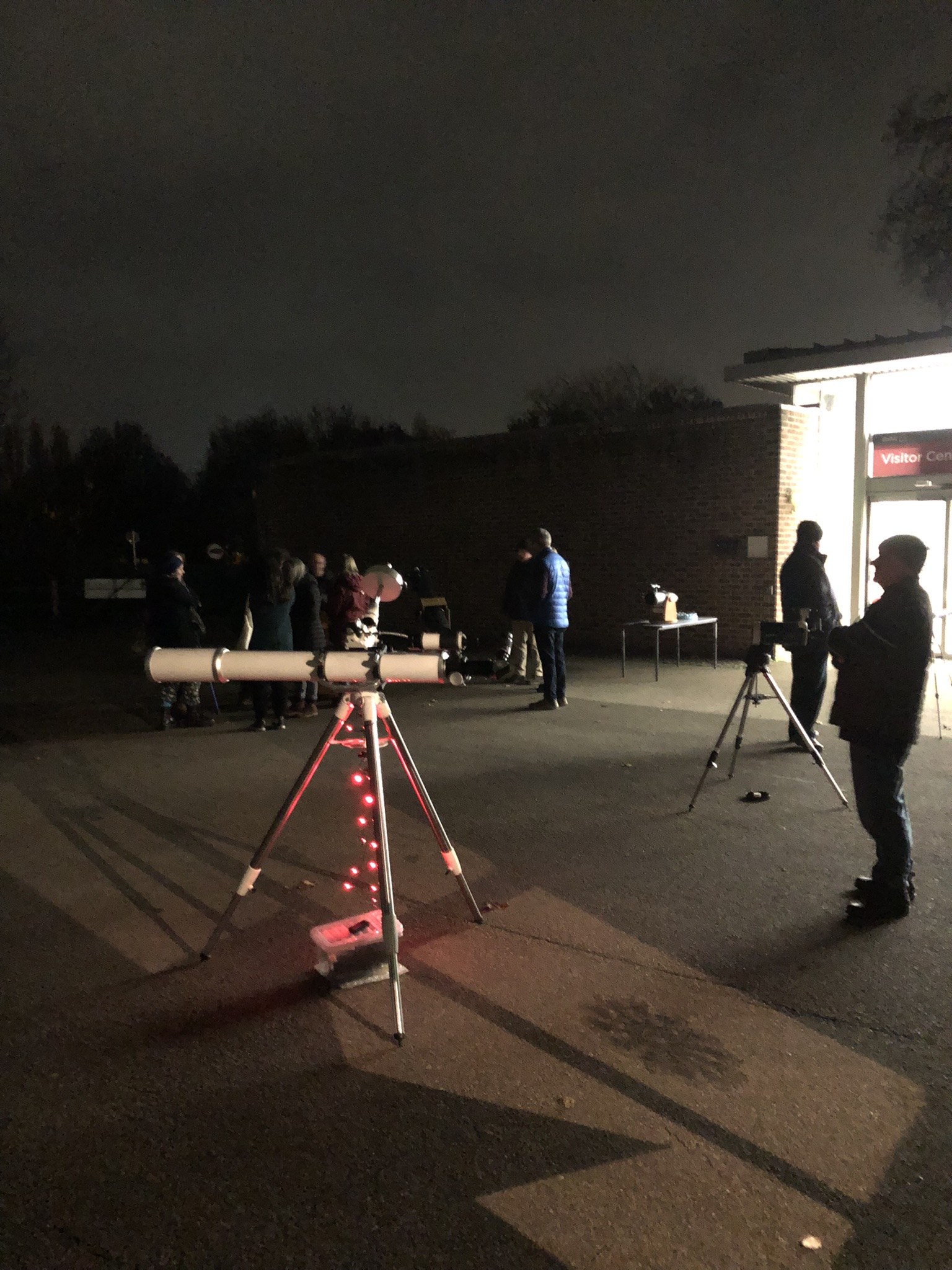
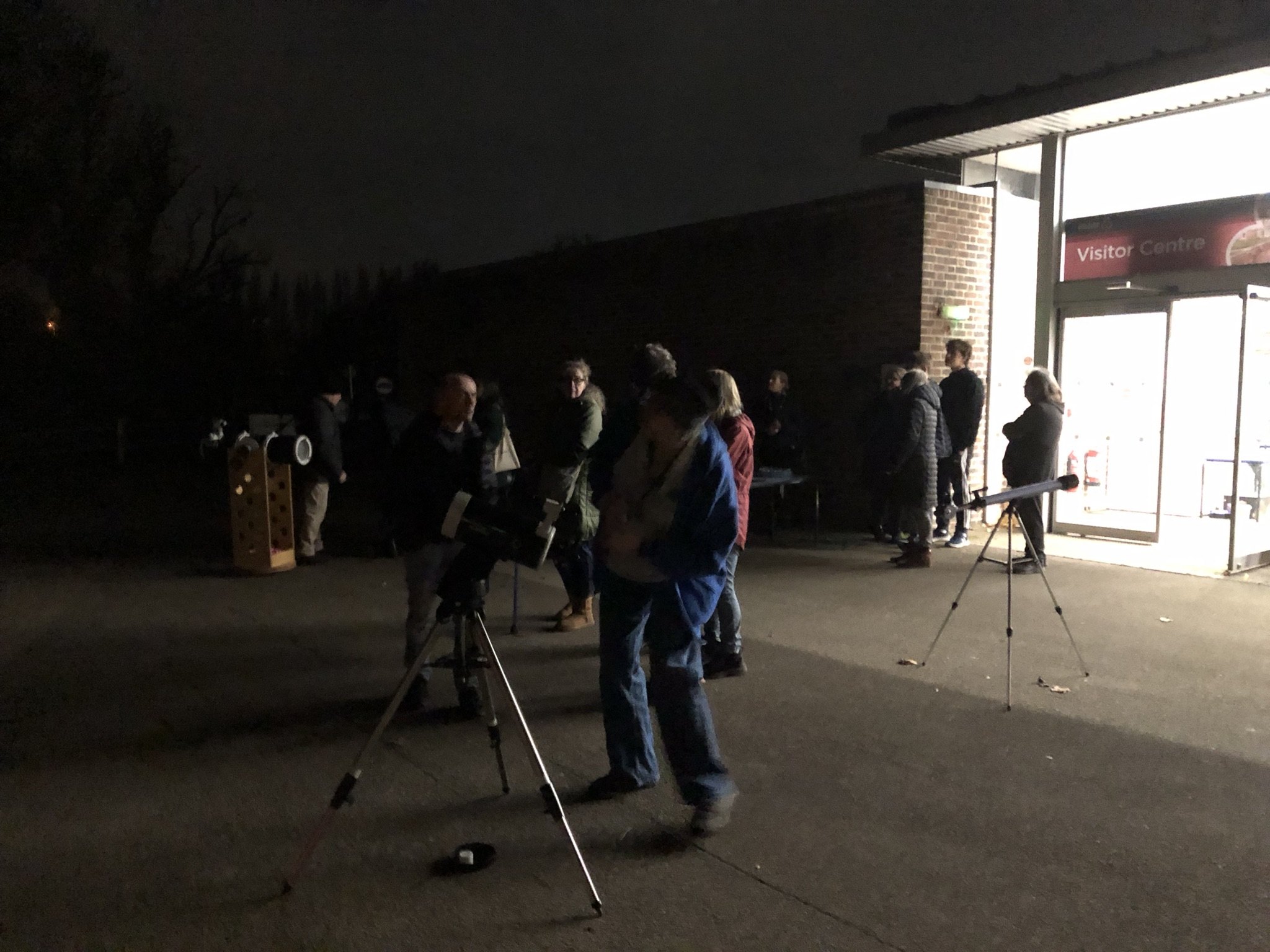
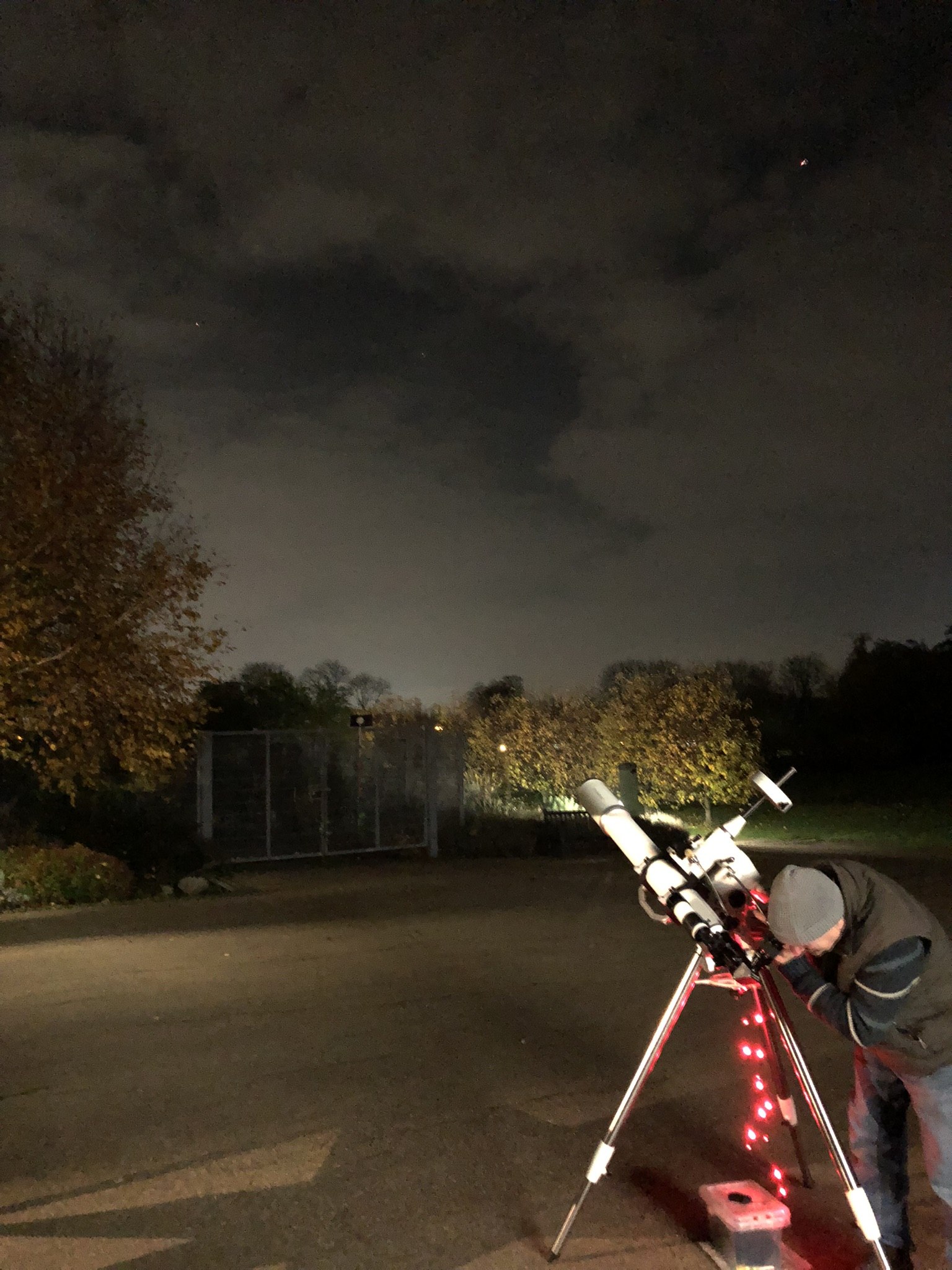
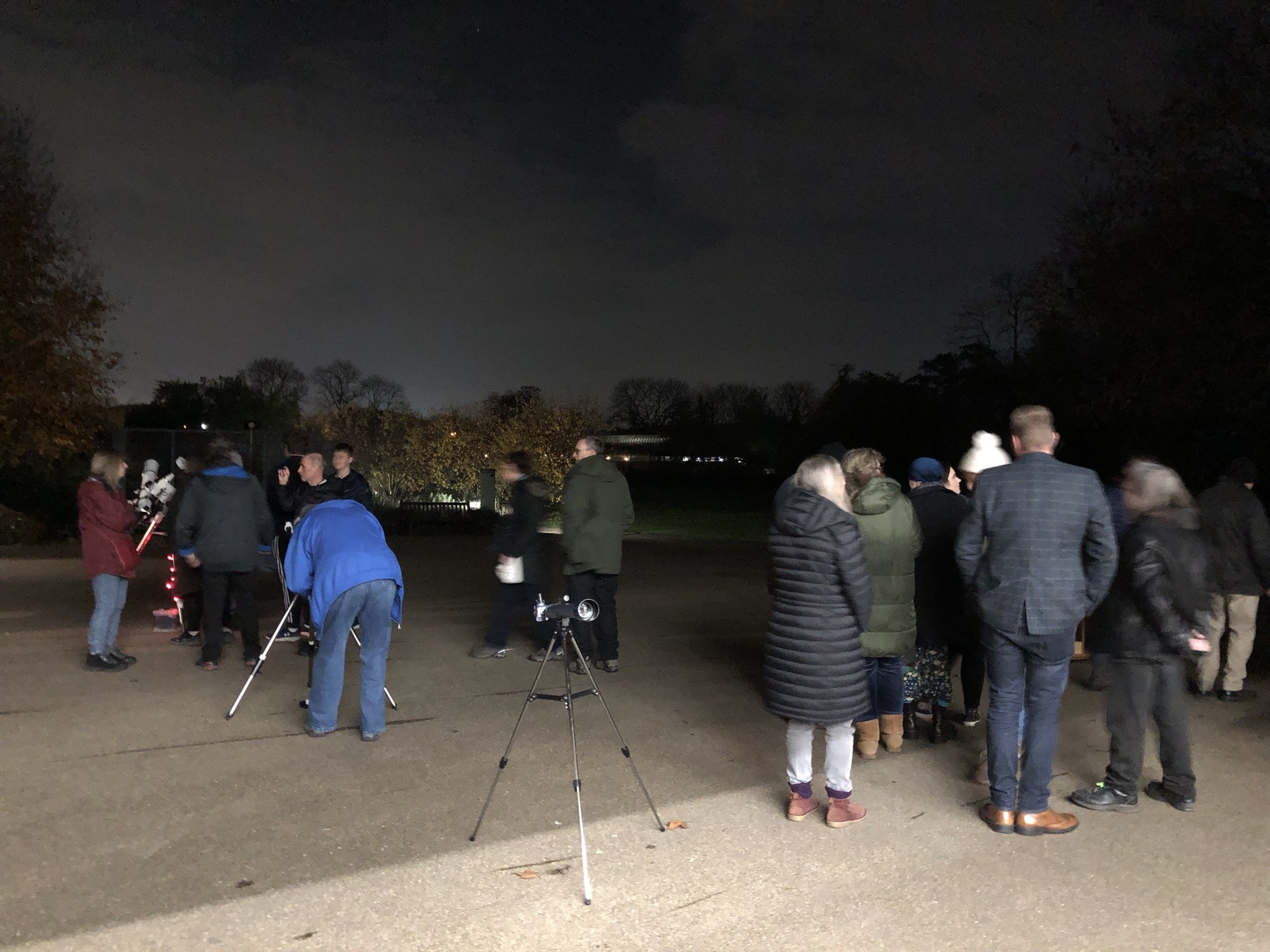
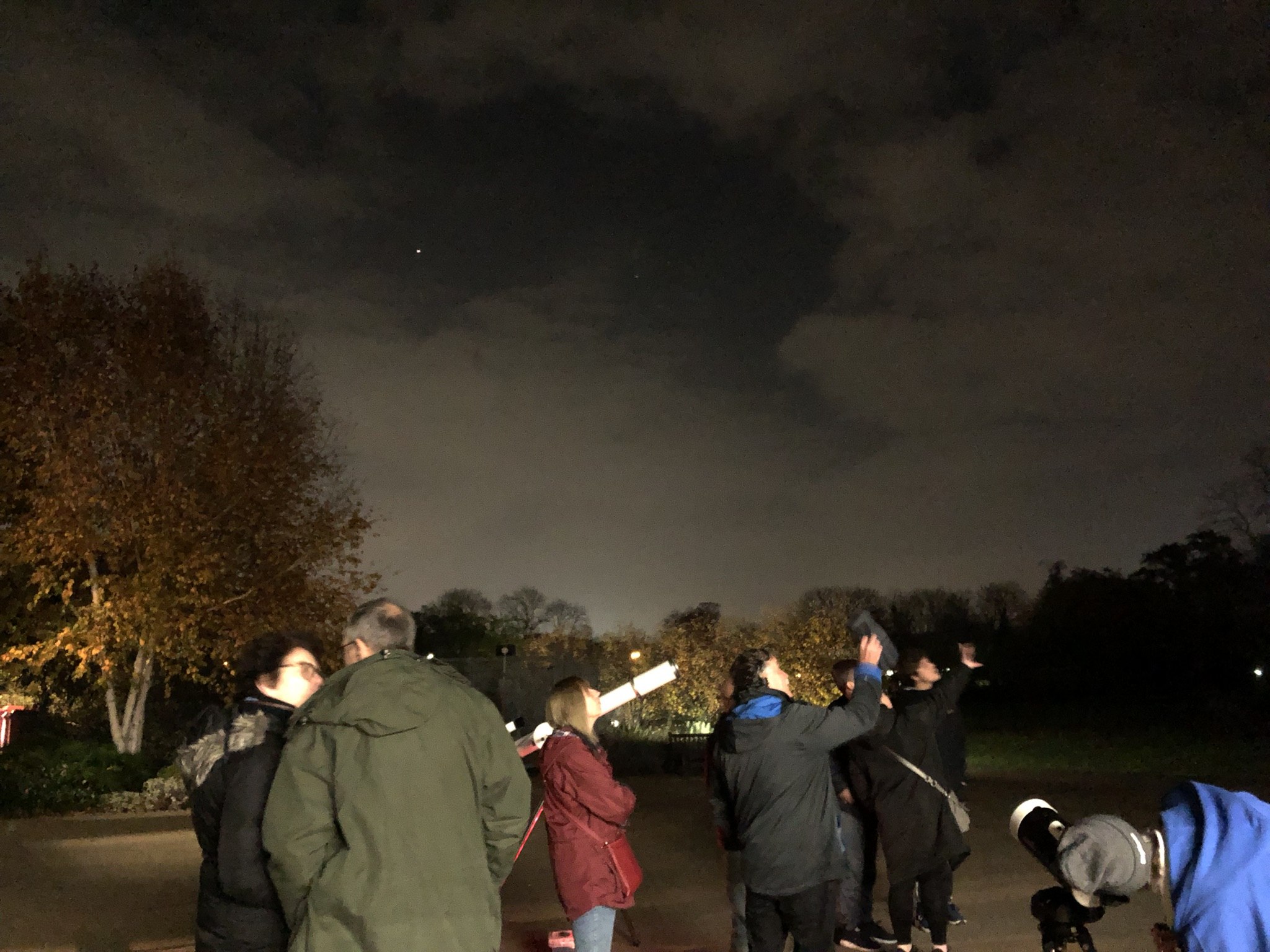
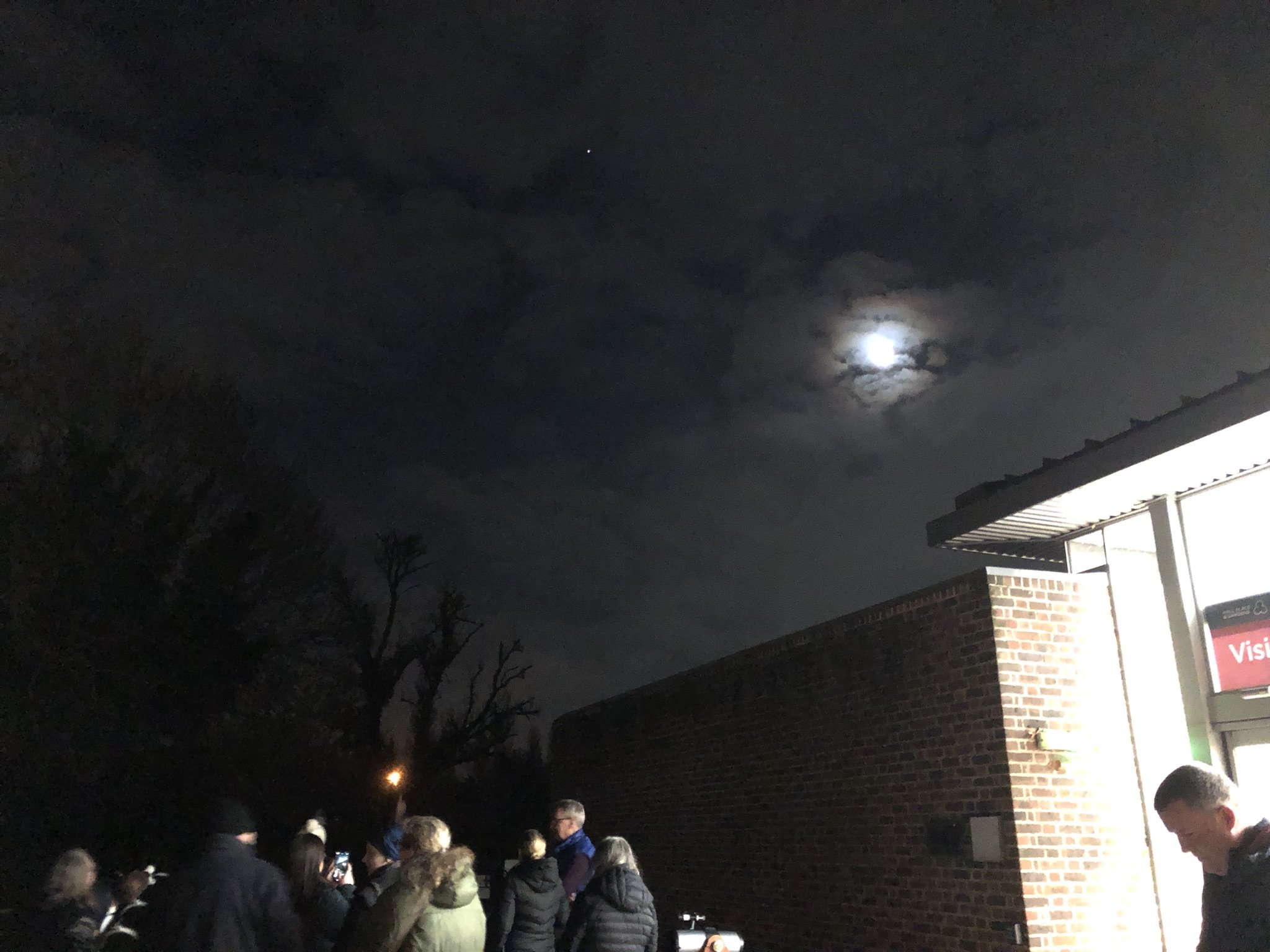
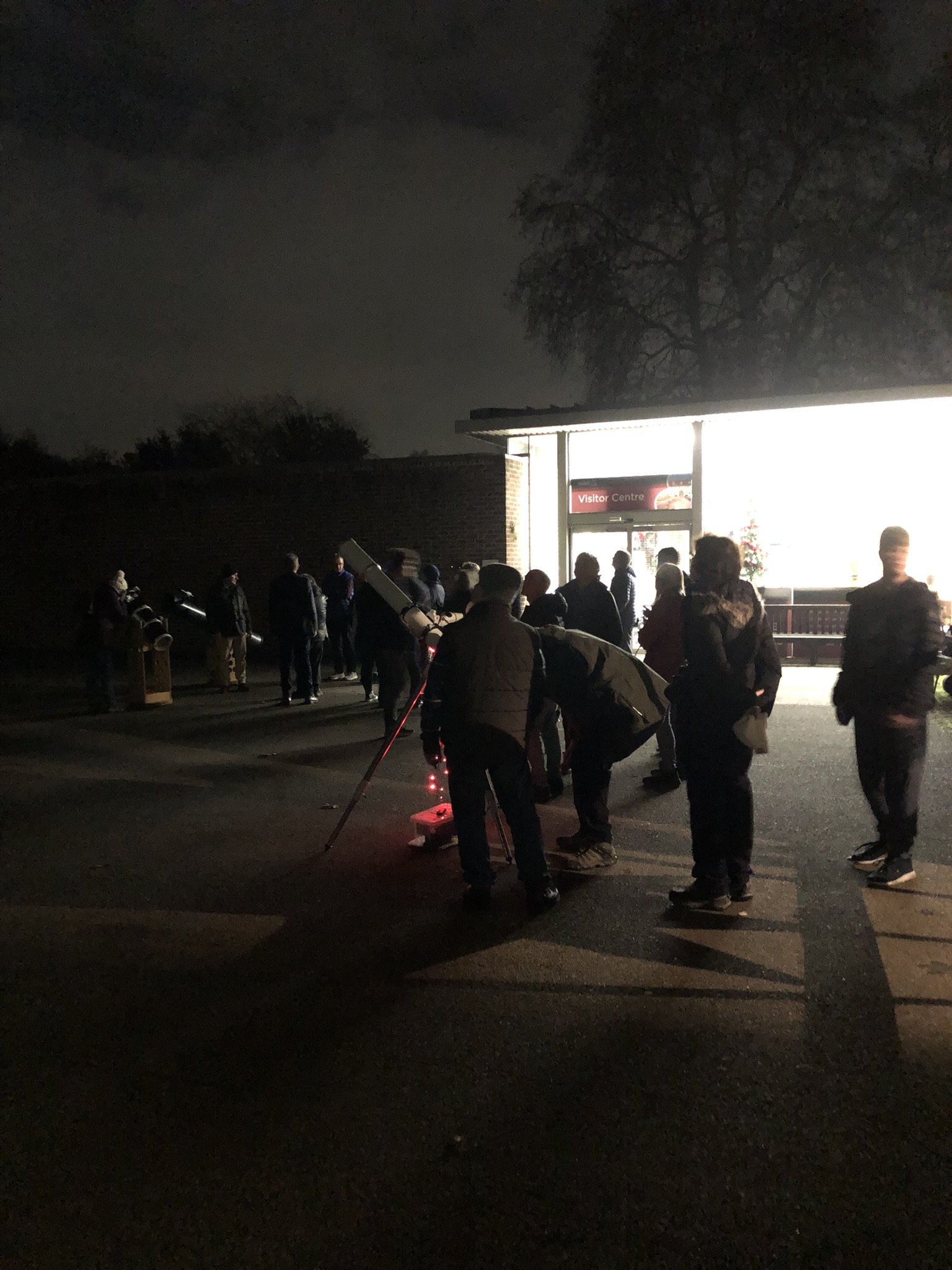
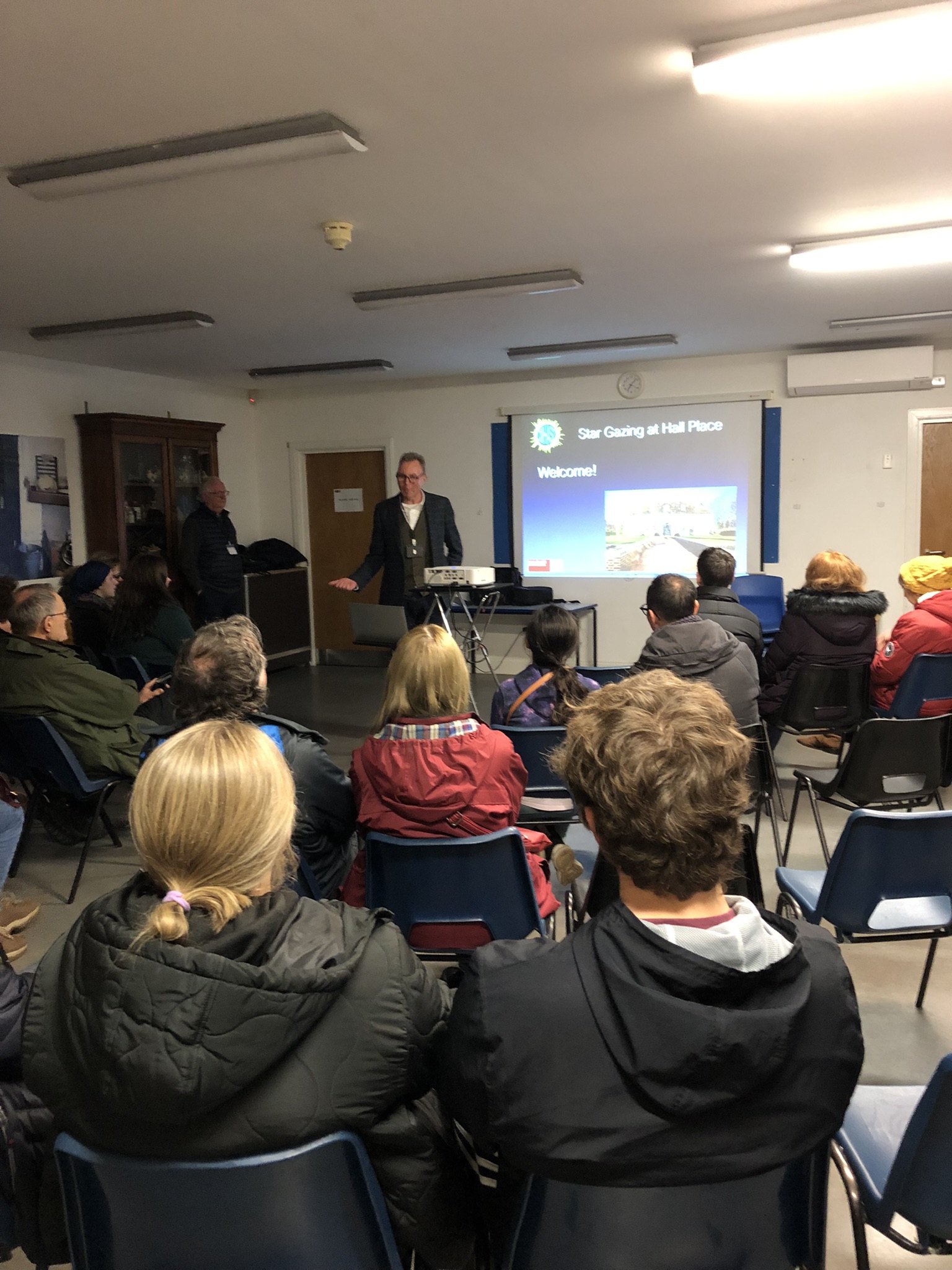
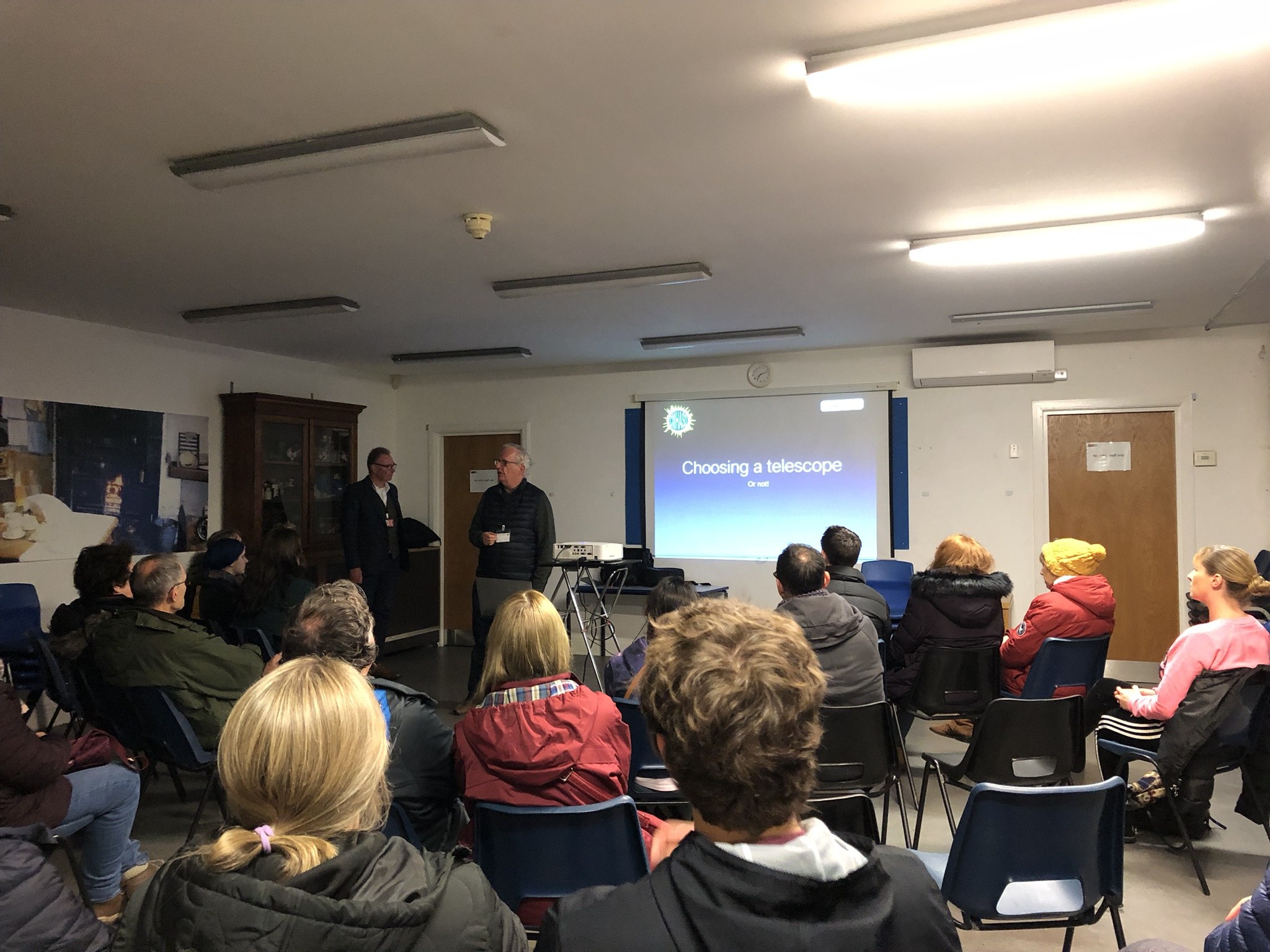
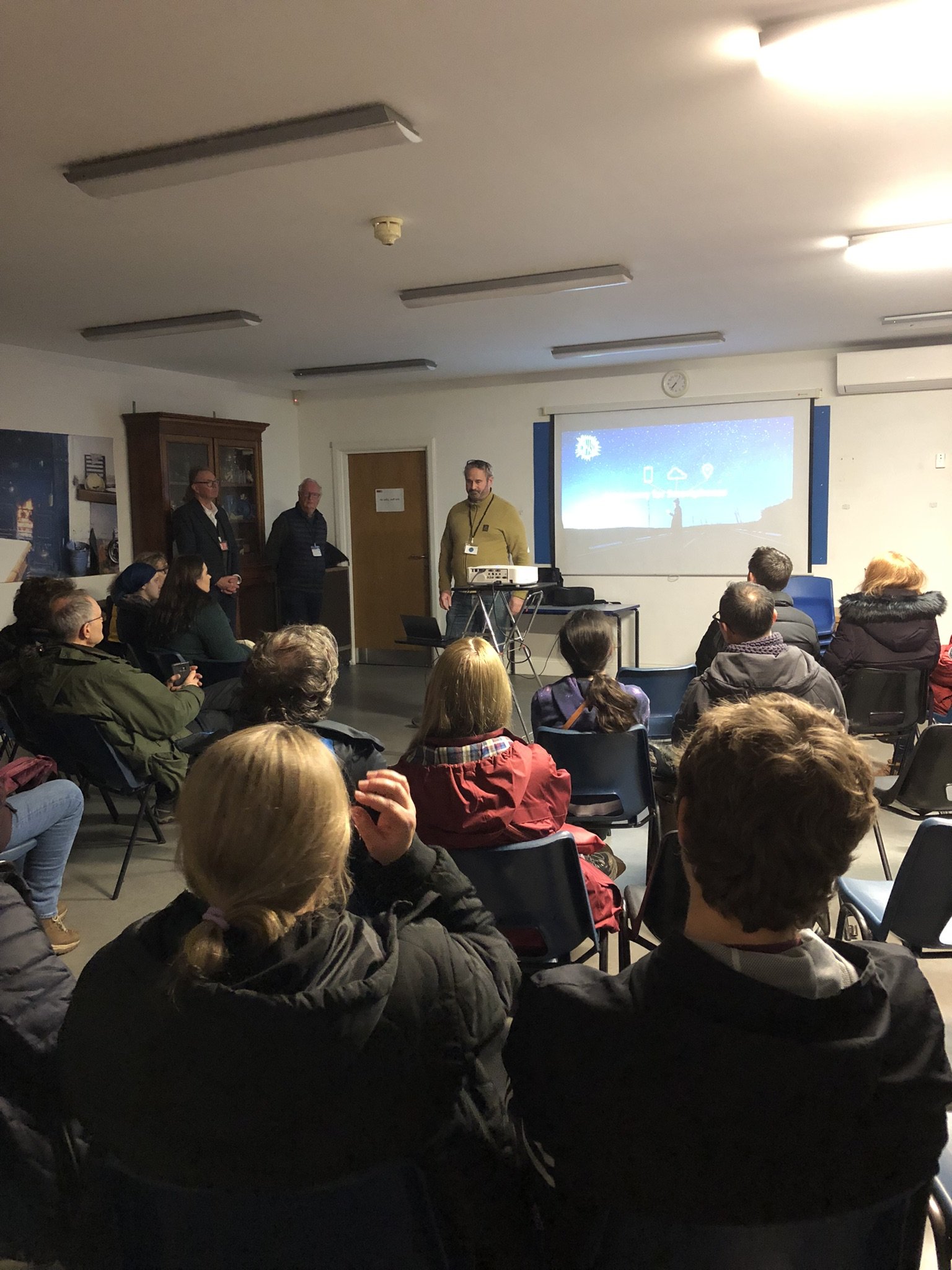
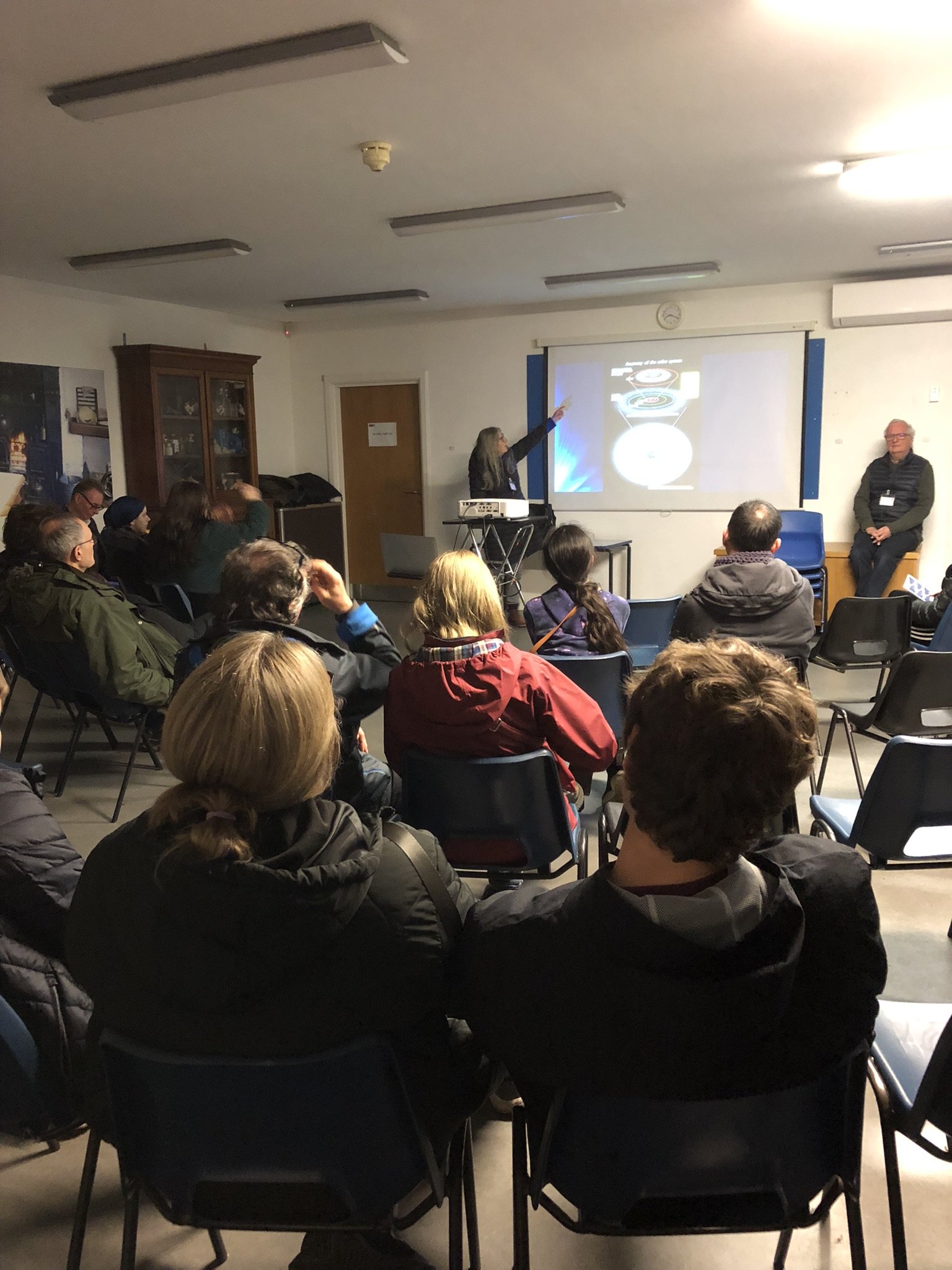
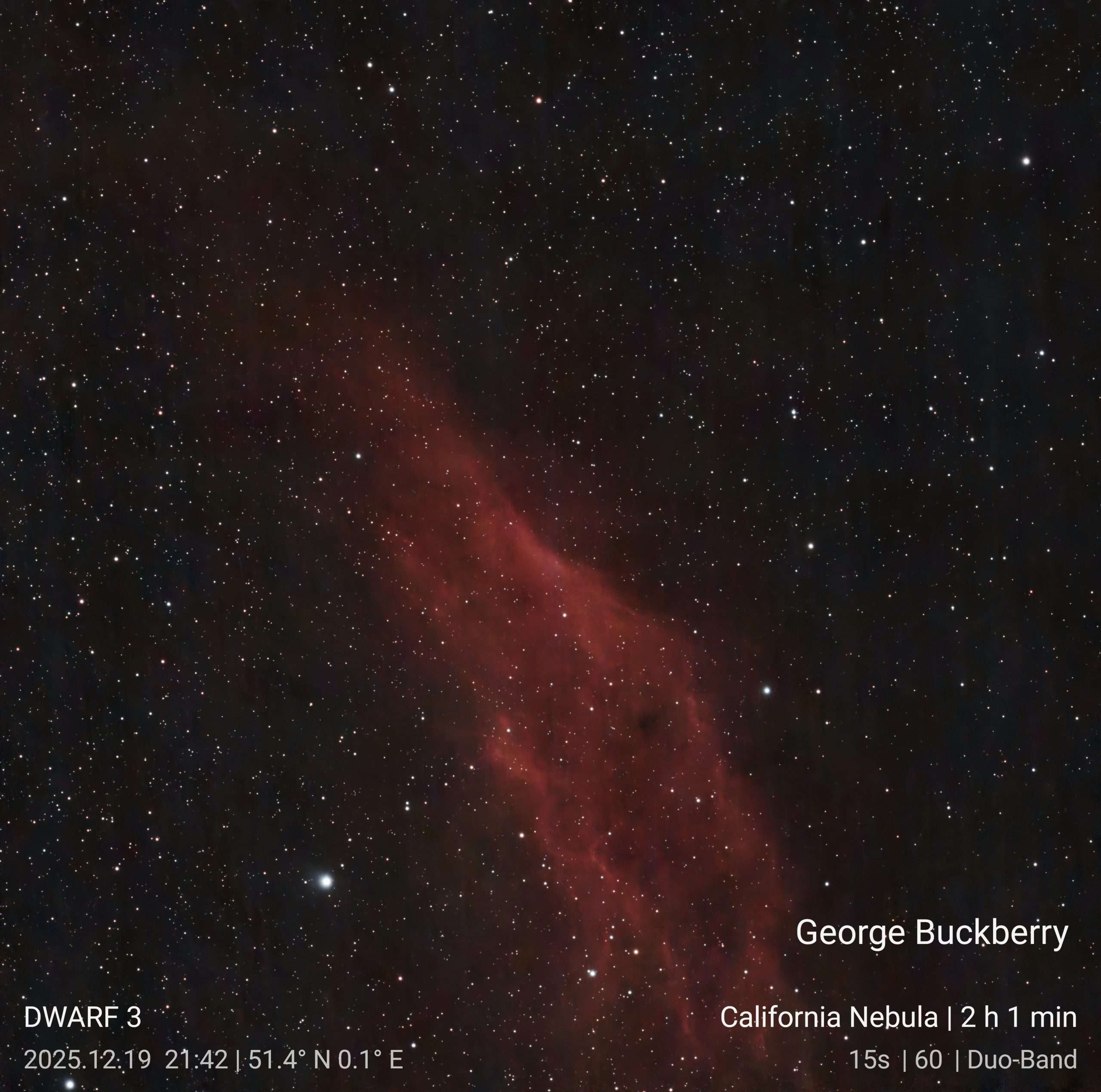
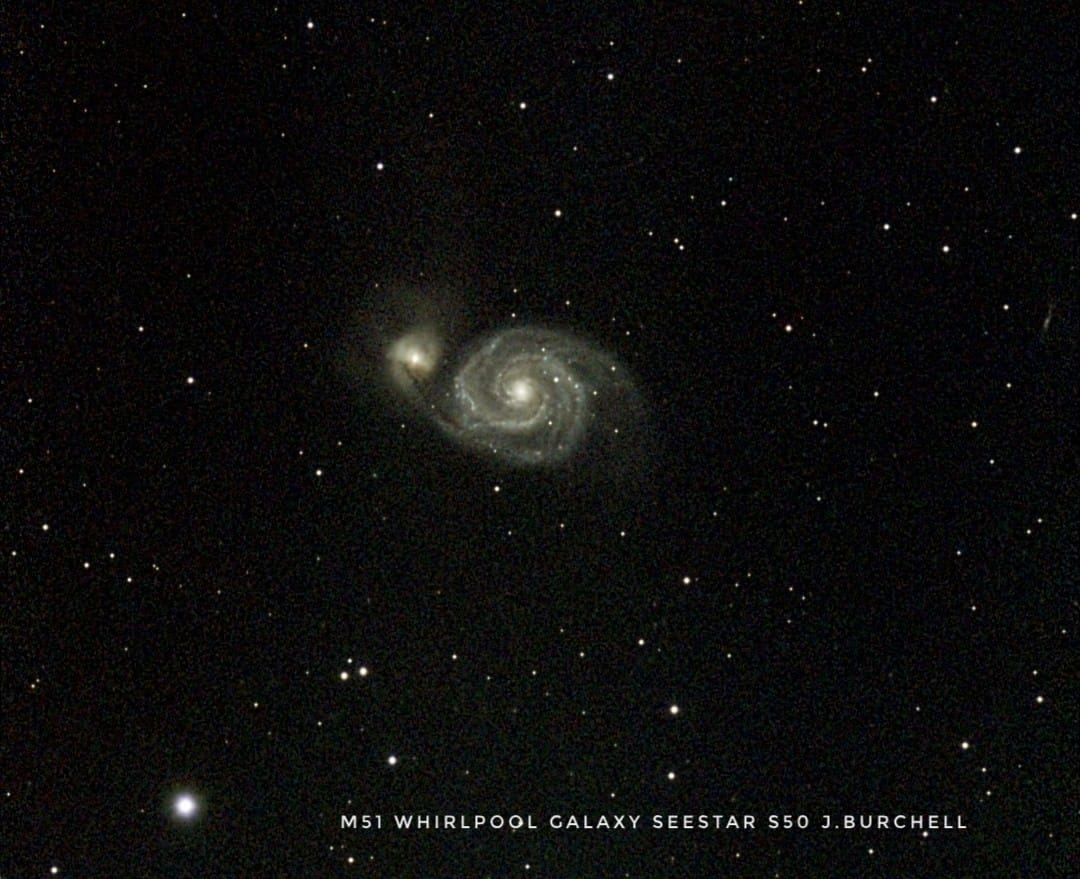
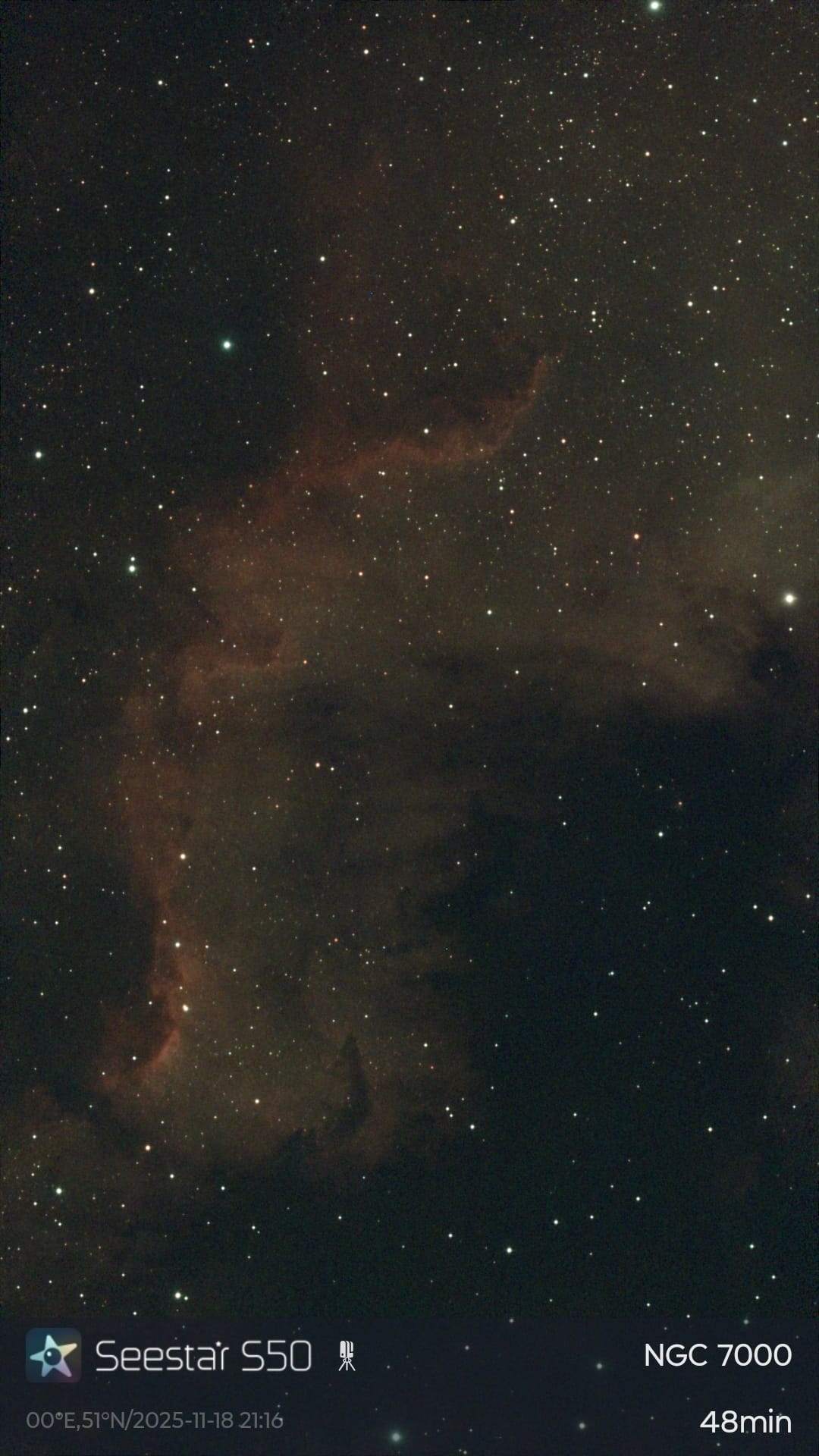
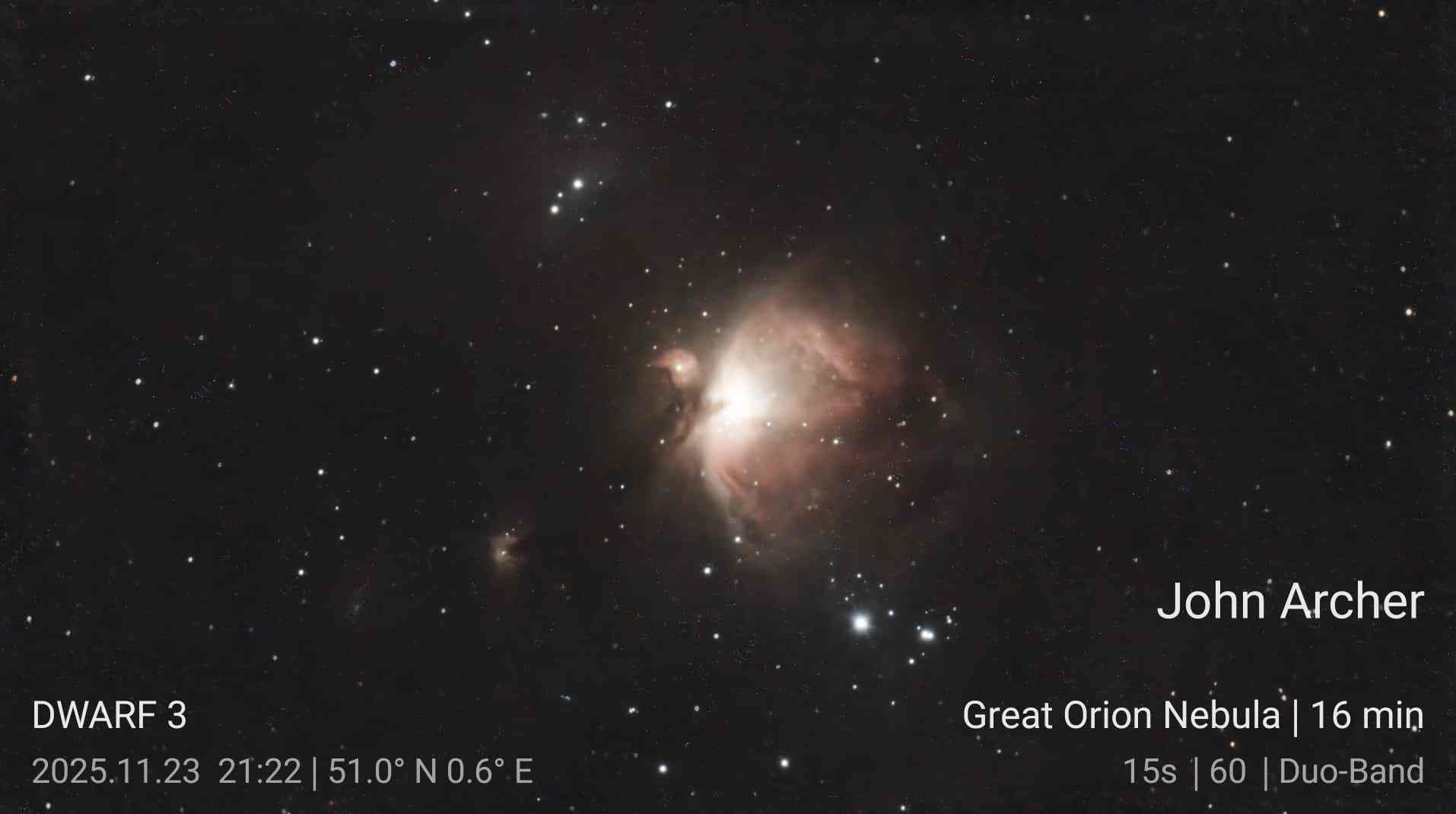
Below is a selection of CMHASD photos from previous Stargazing events held at Hall Place.

The Dick Chambers Observatory – Status
The observatory and telescope are ready to use by members for visual observing. The telescope is fitted with an eyepiece. Any questions please direct them to Keith, Steve, Simon and Andy.
Gallery
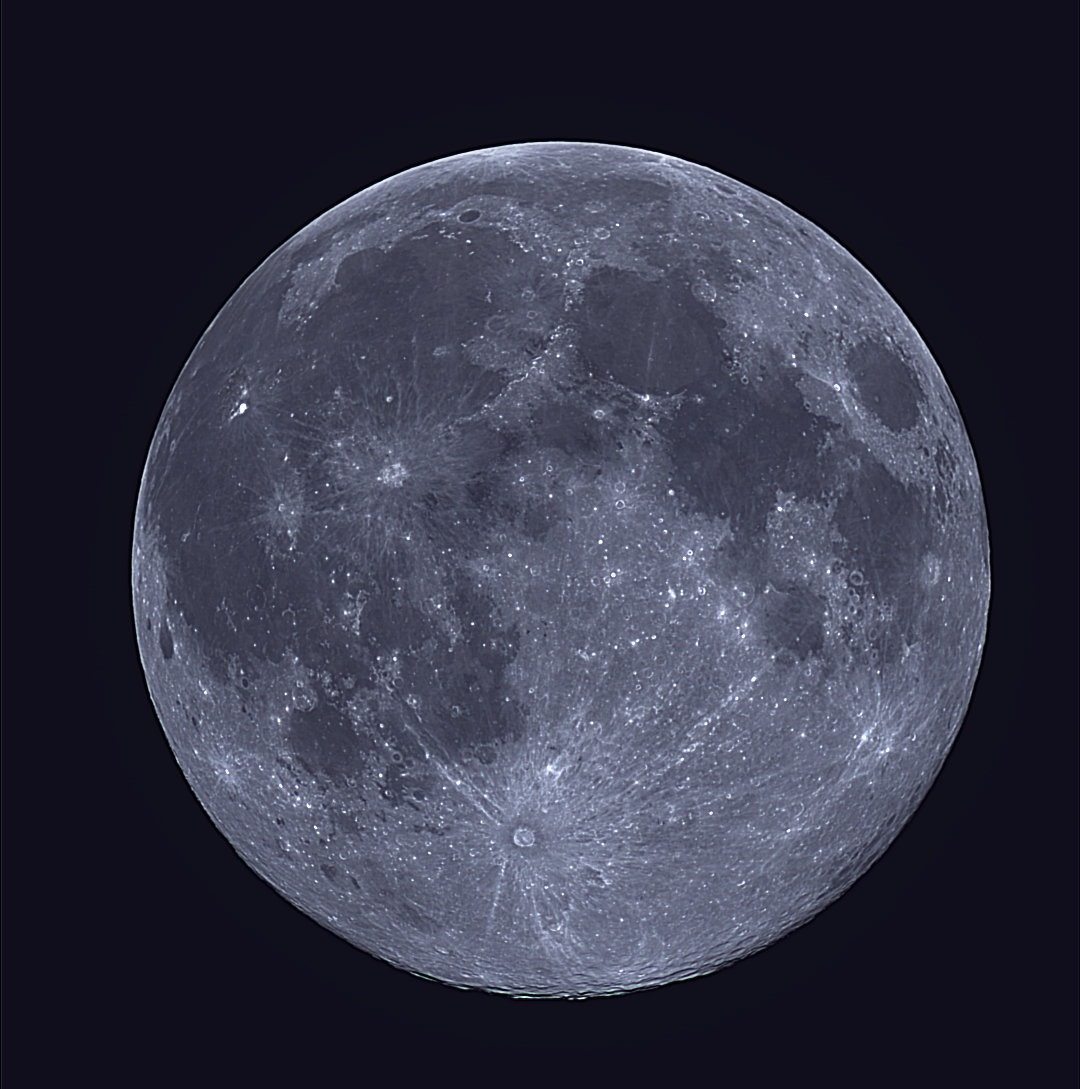
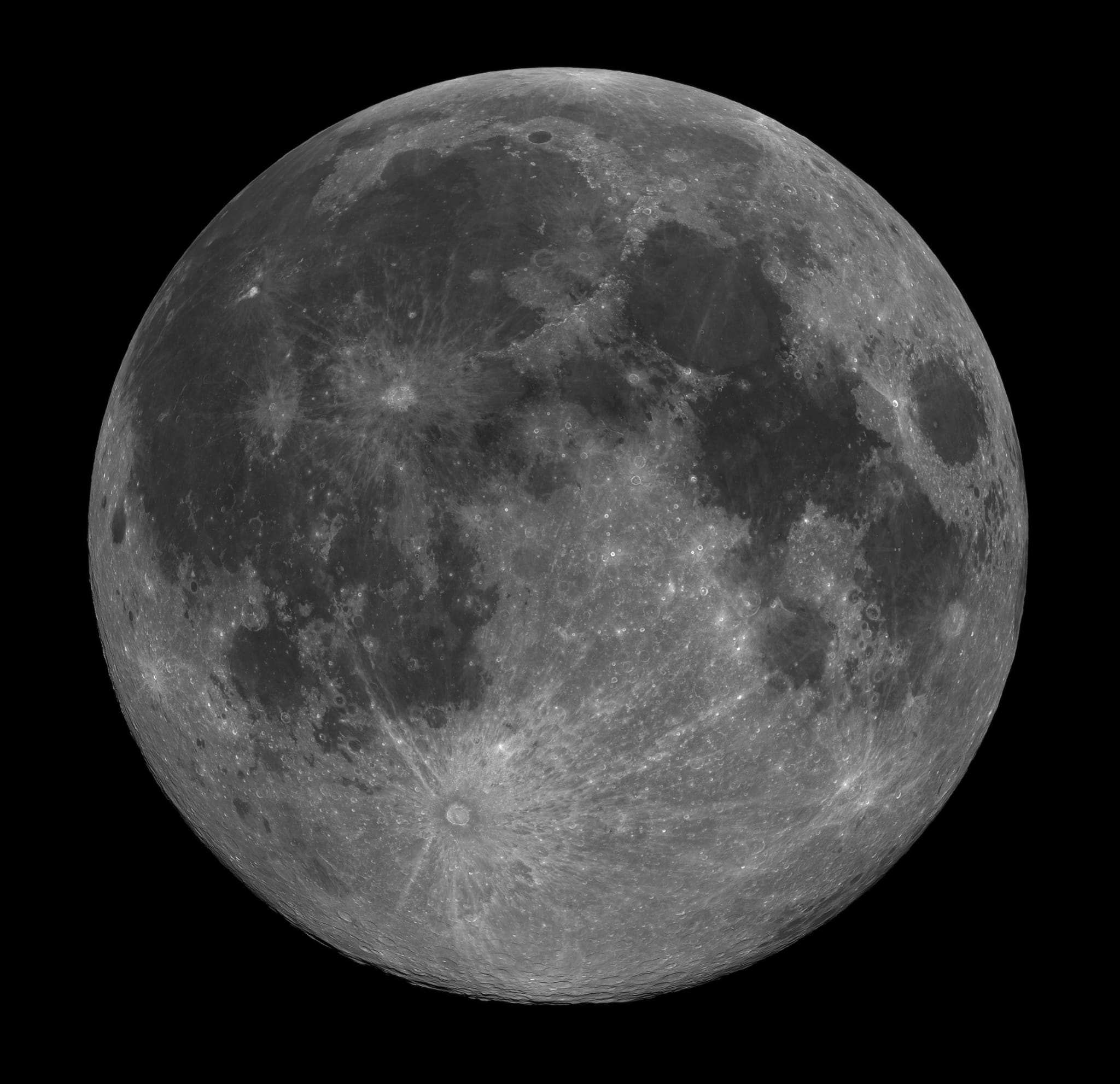
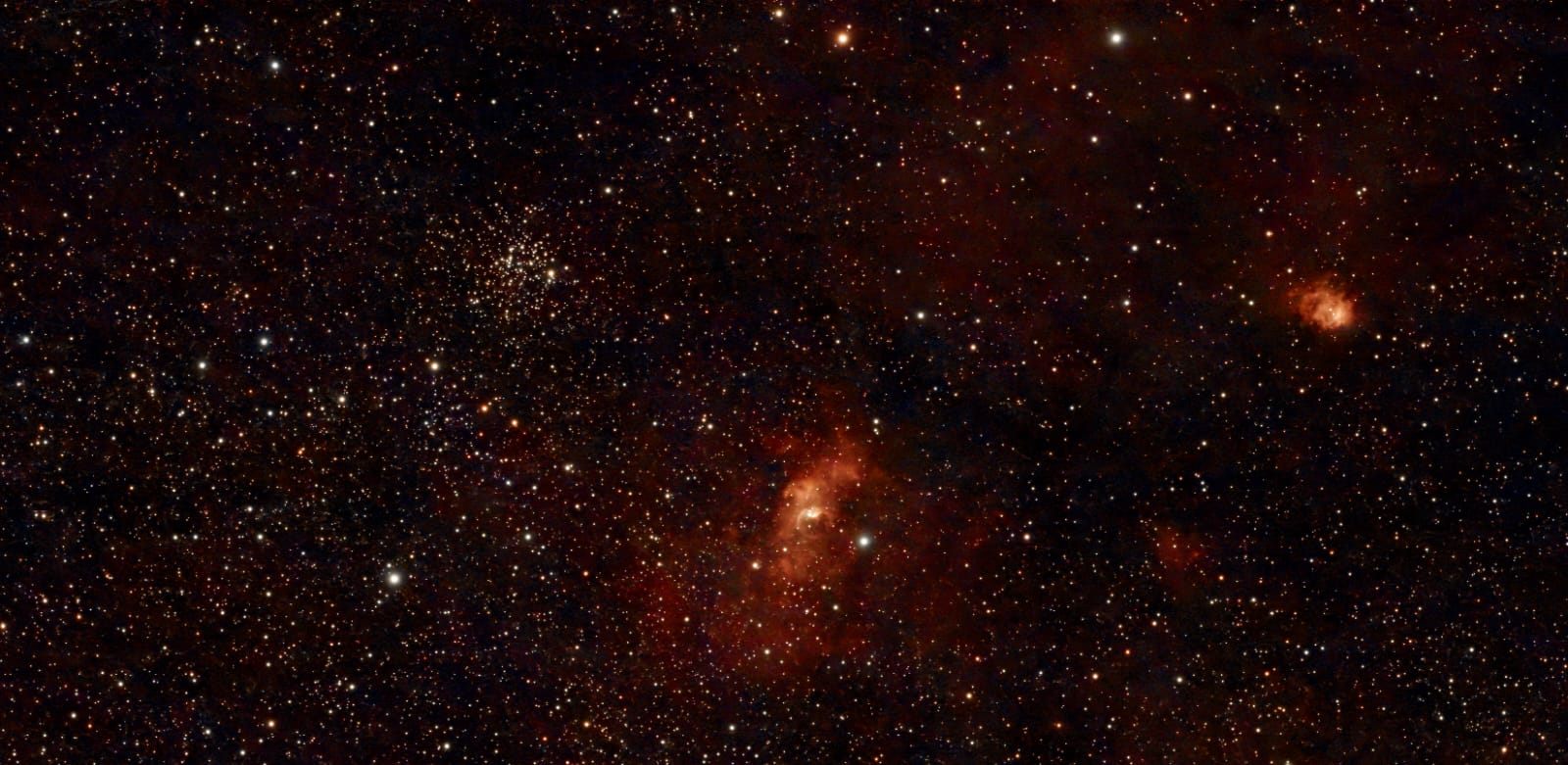
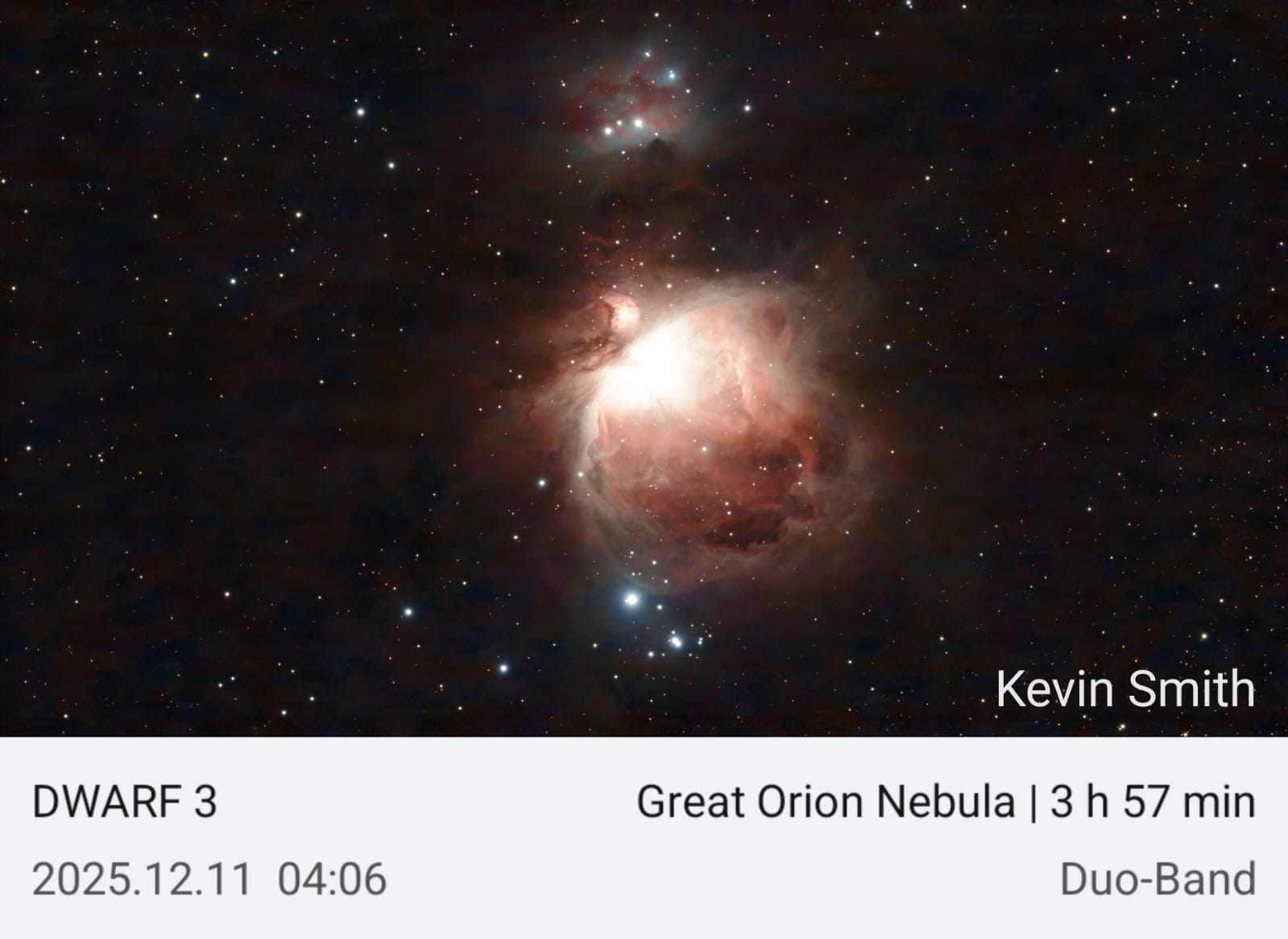
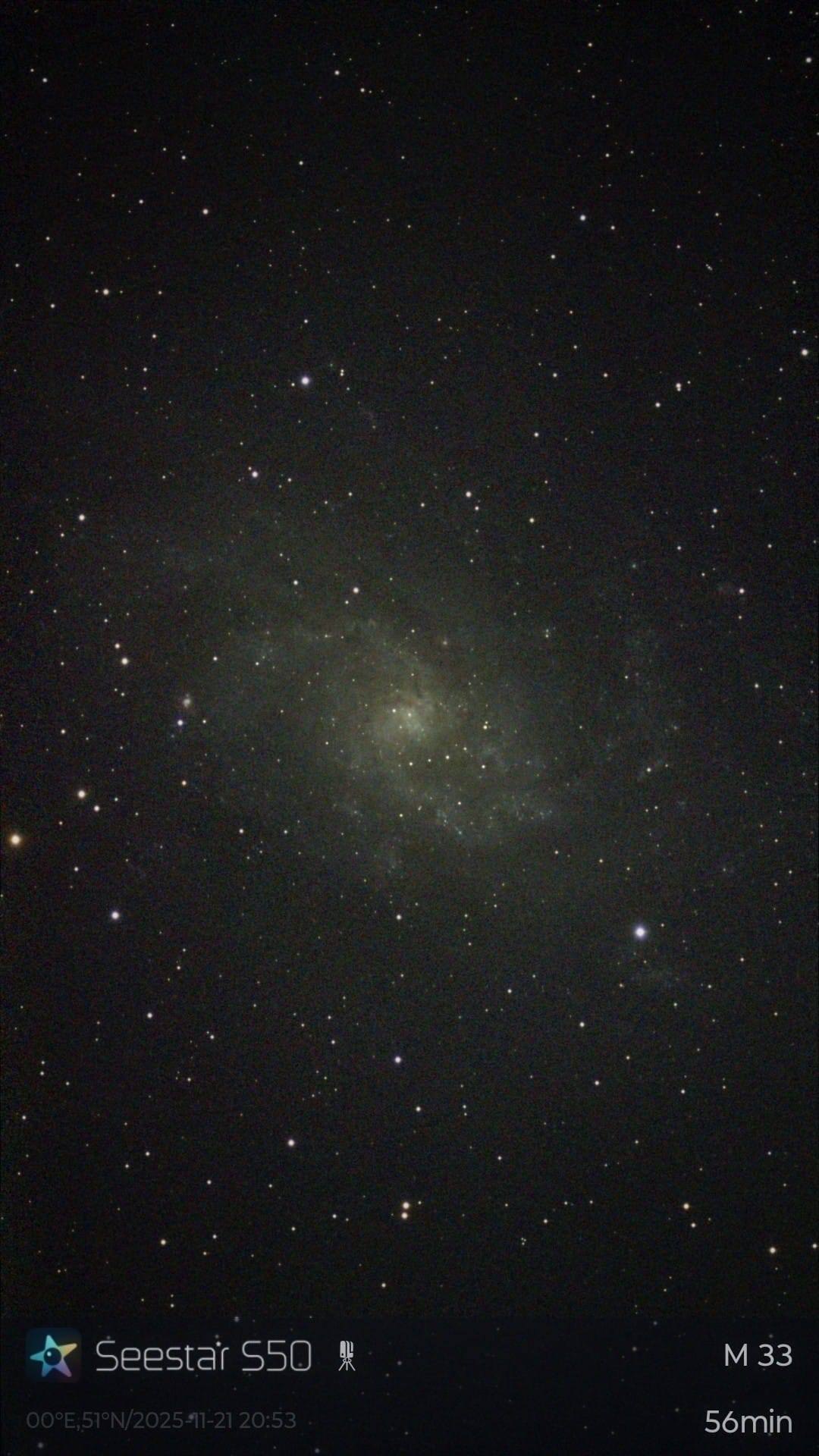
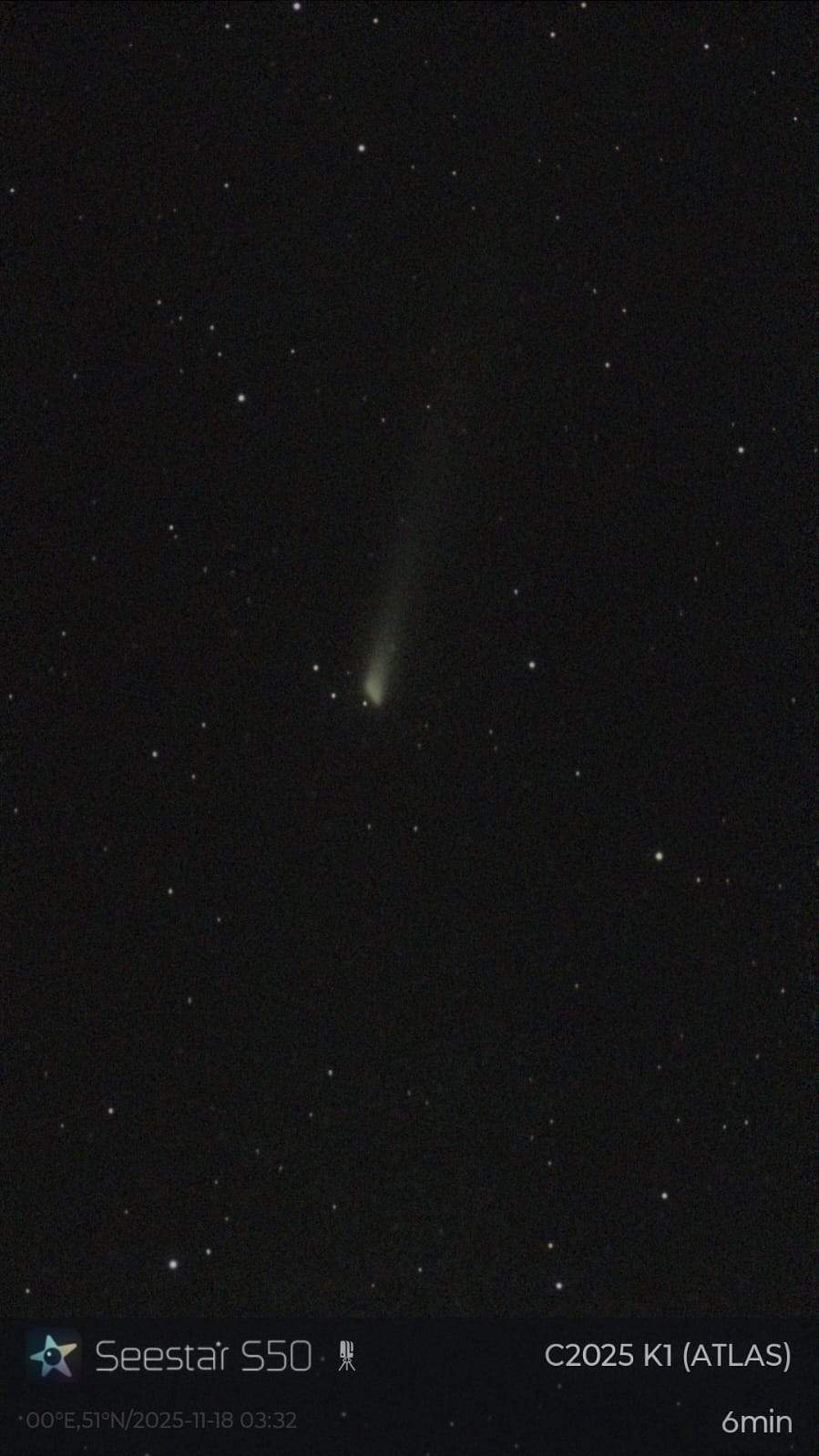
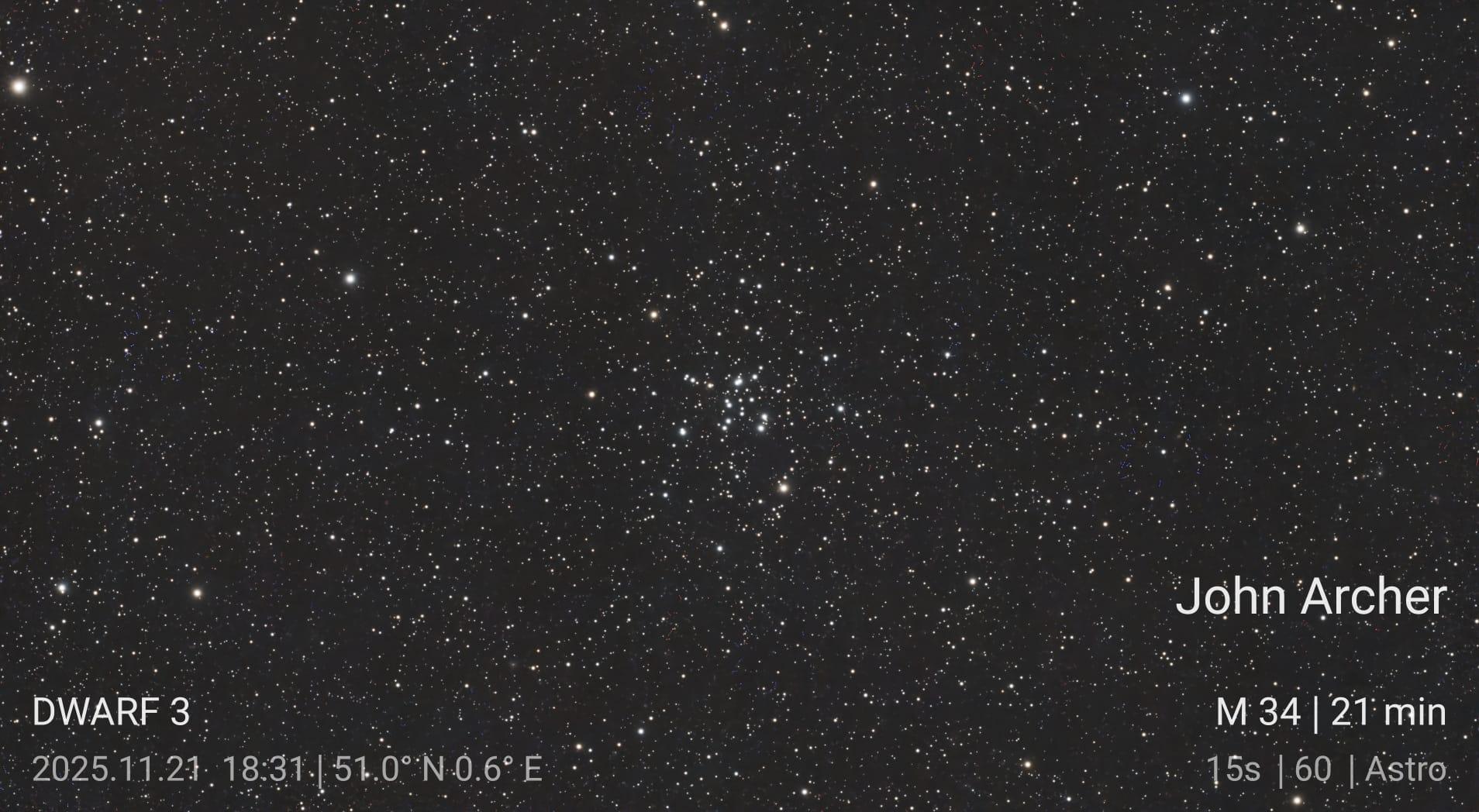
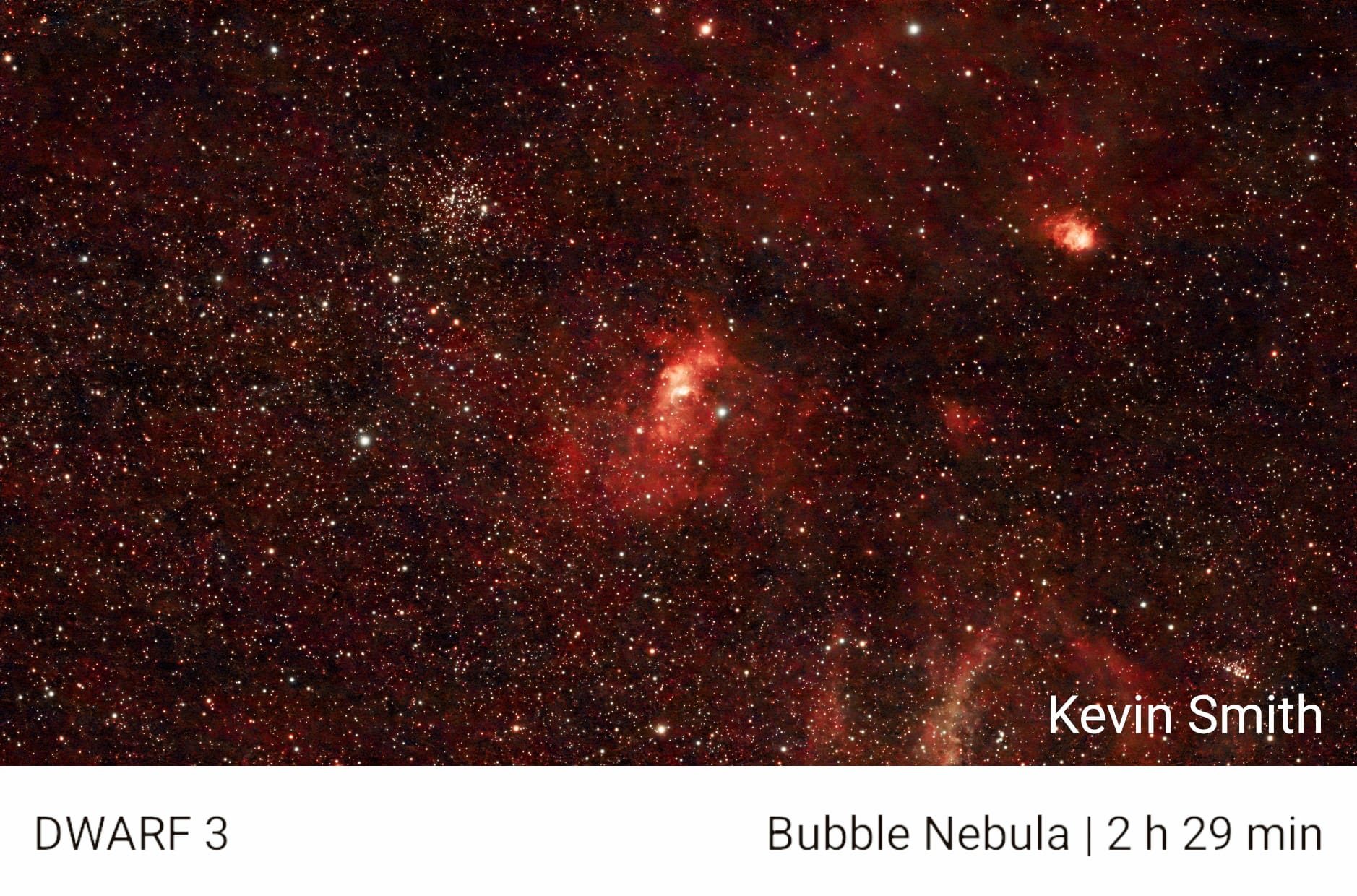
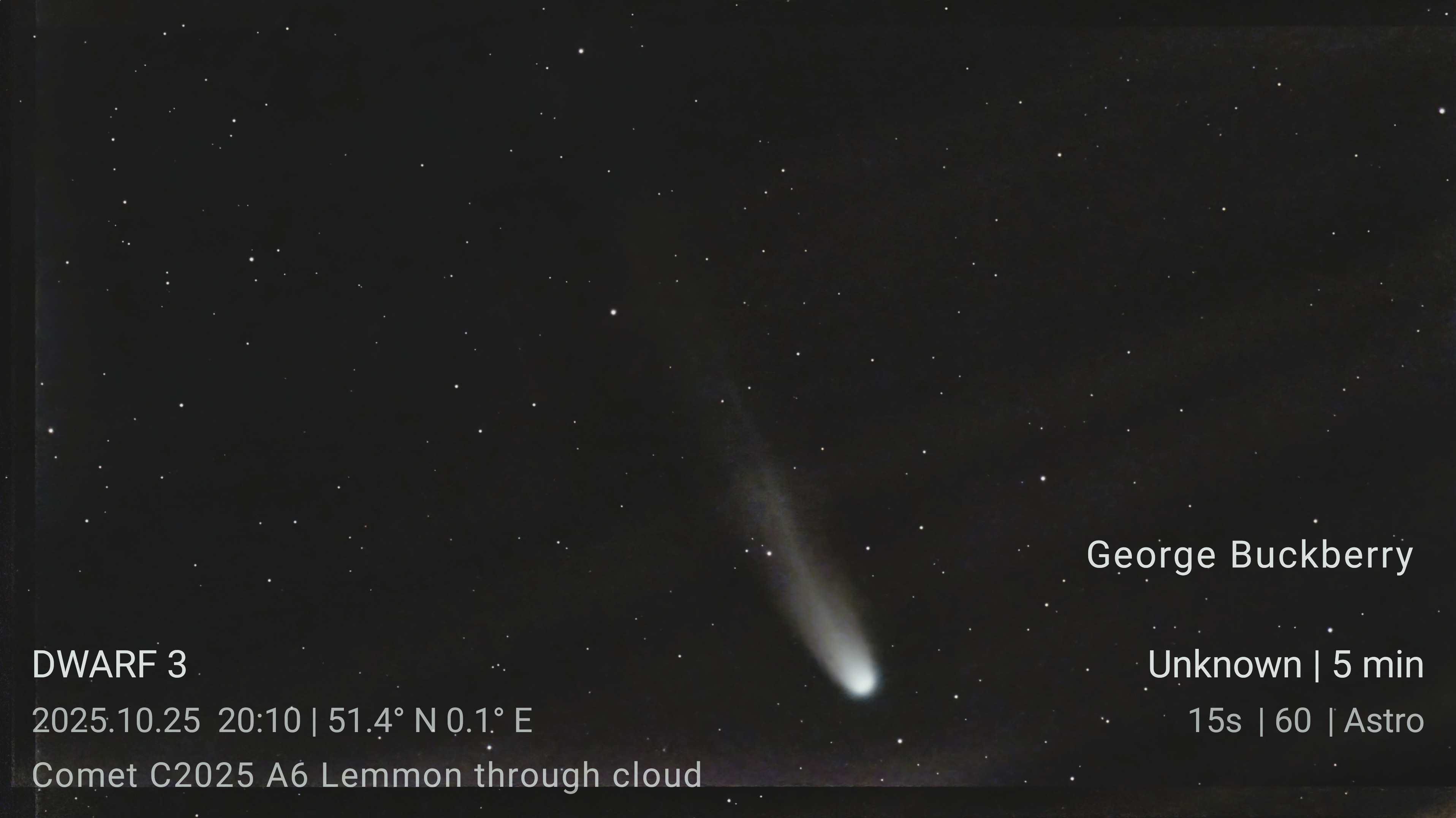
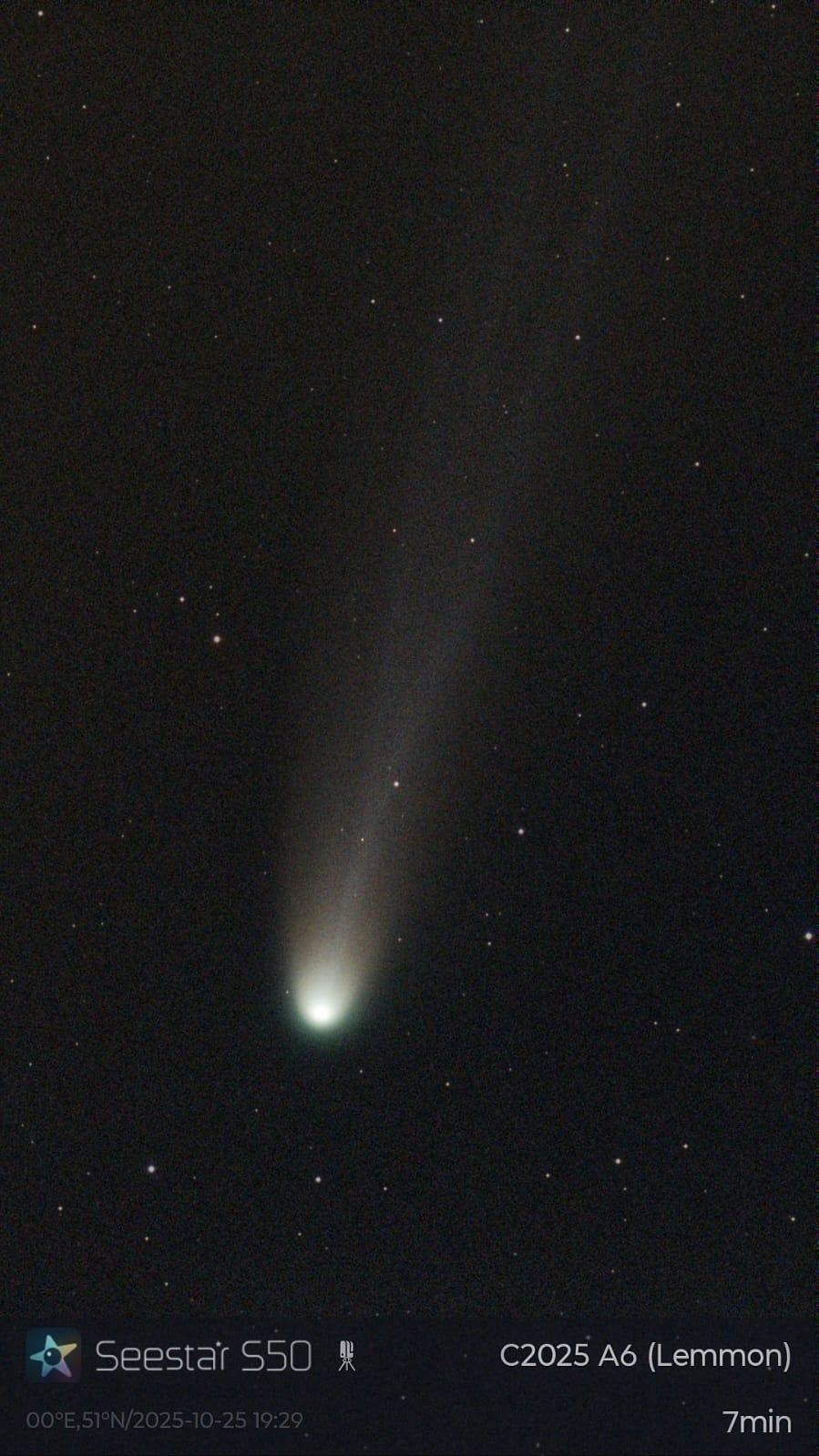
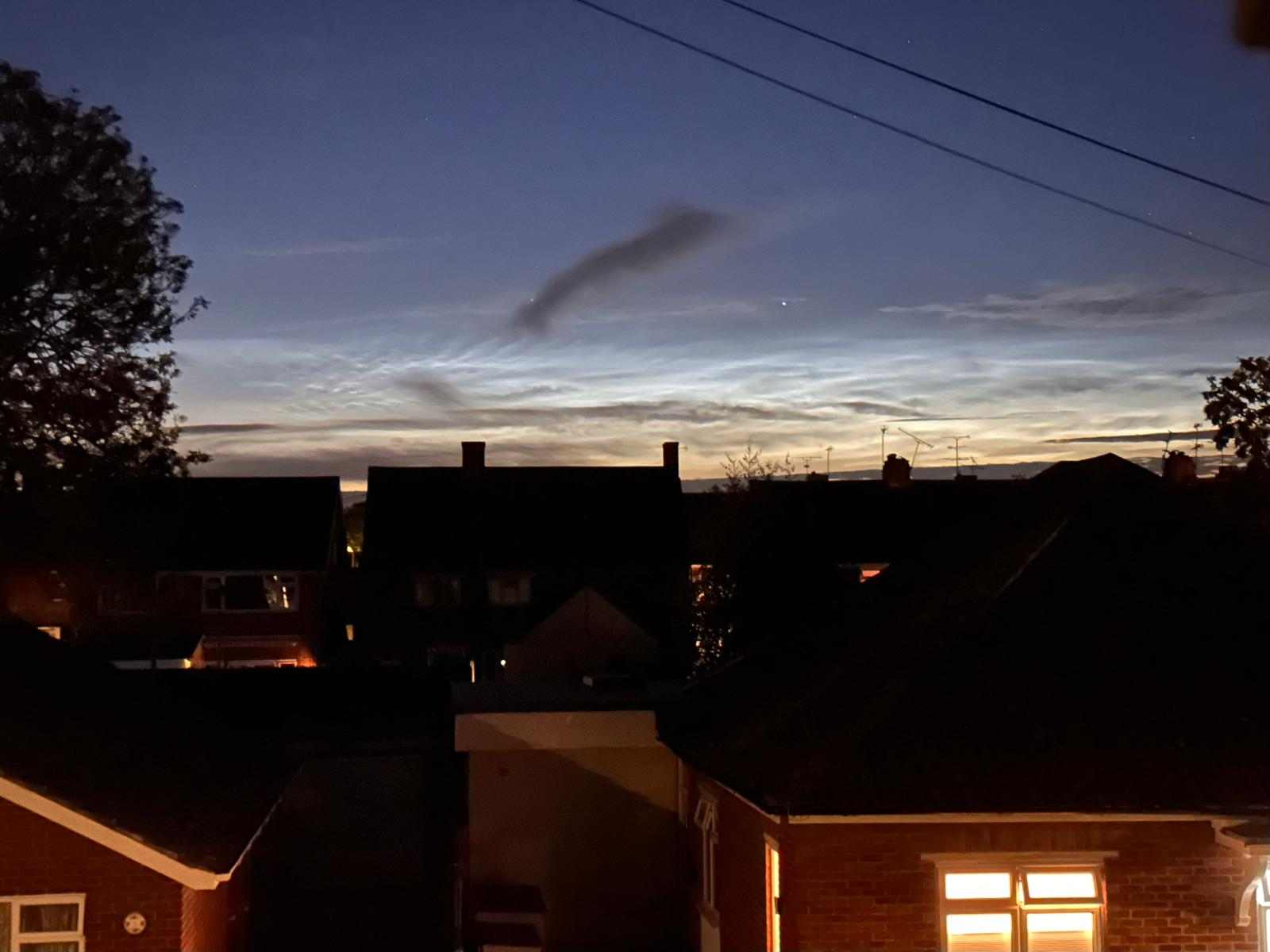
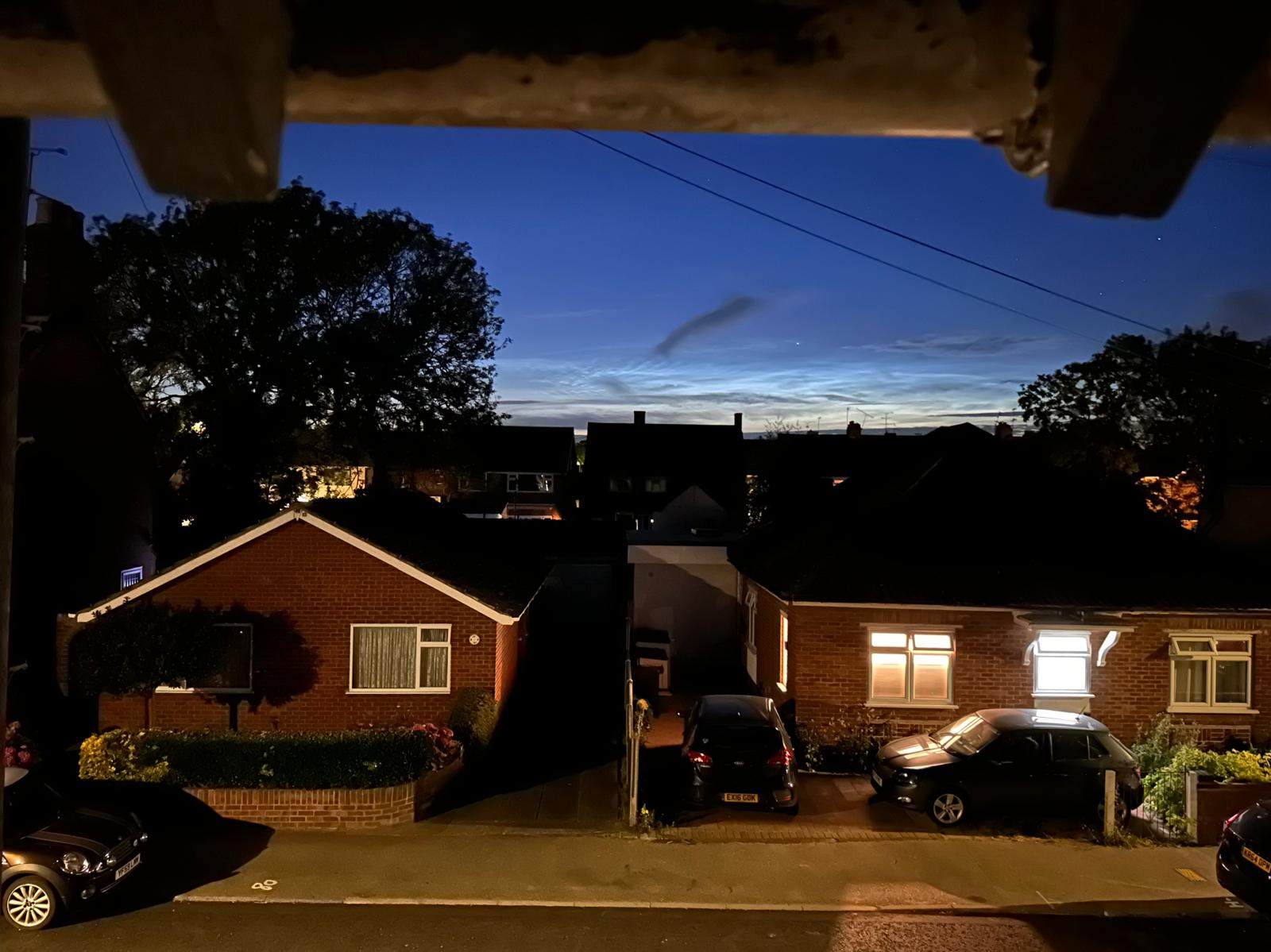
A selection of images, photos and observations taken by CMHASD members
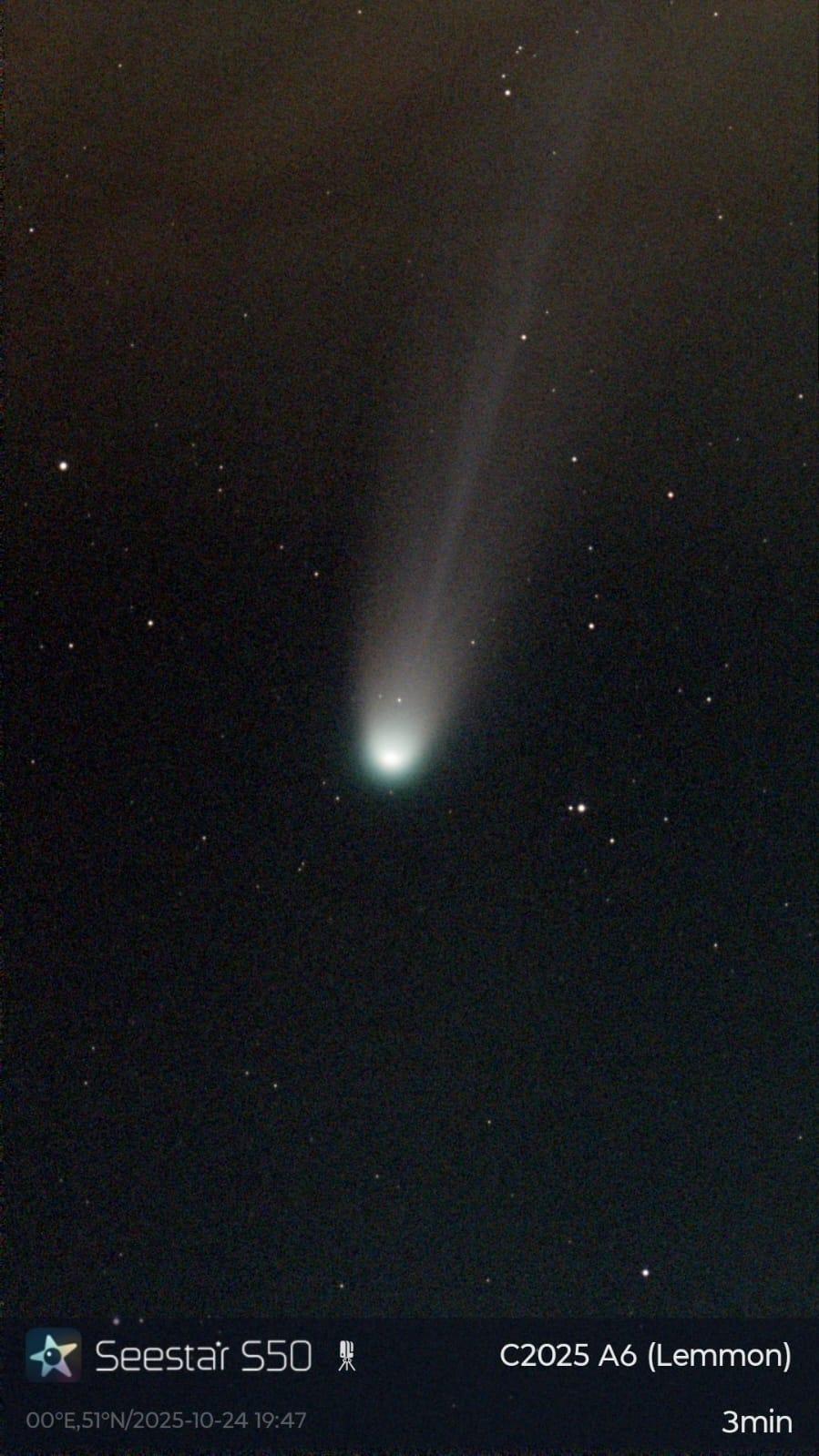
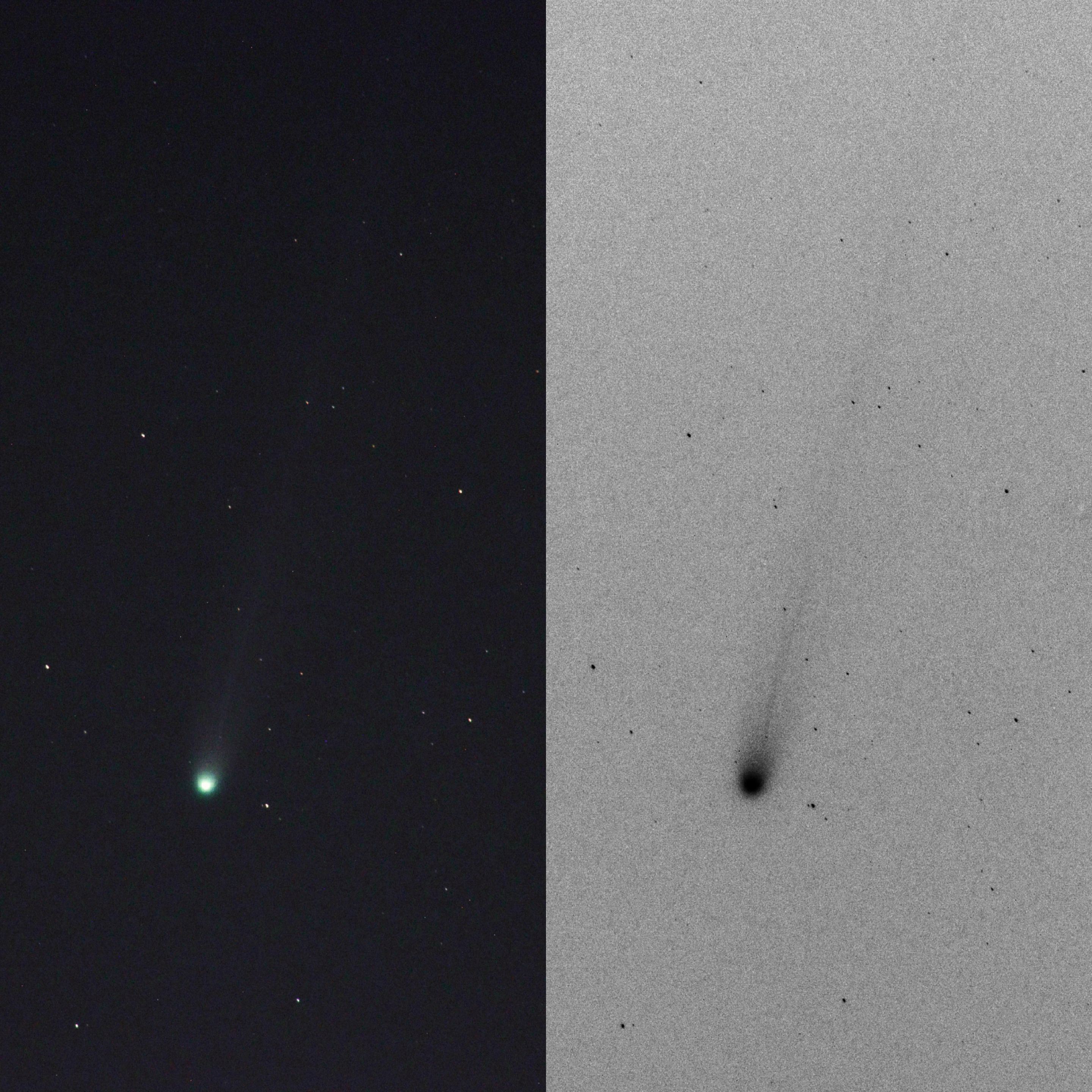
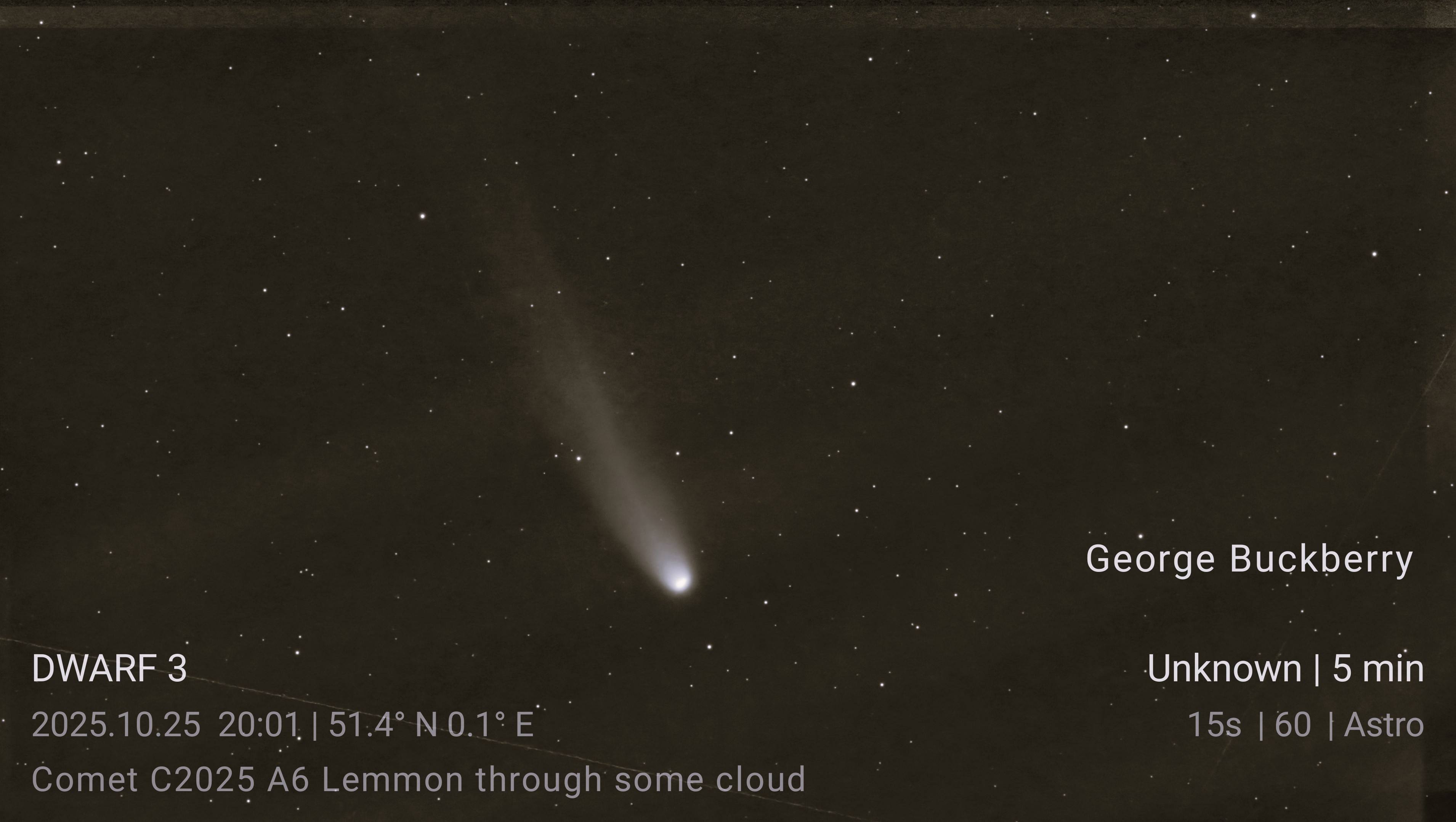
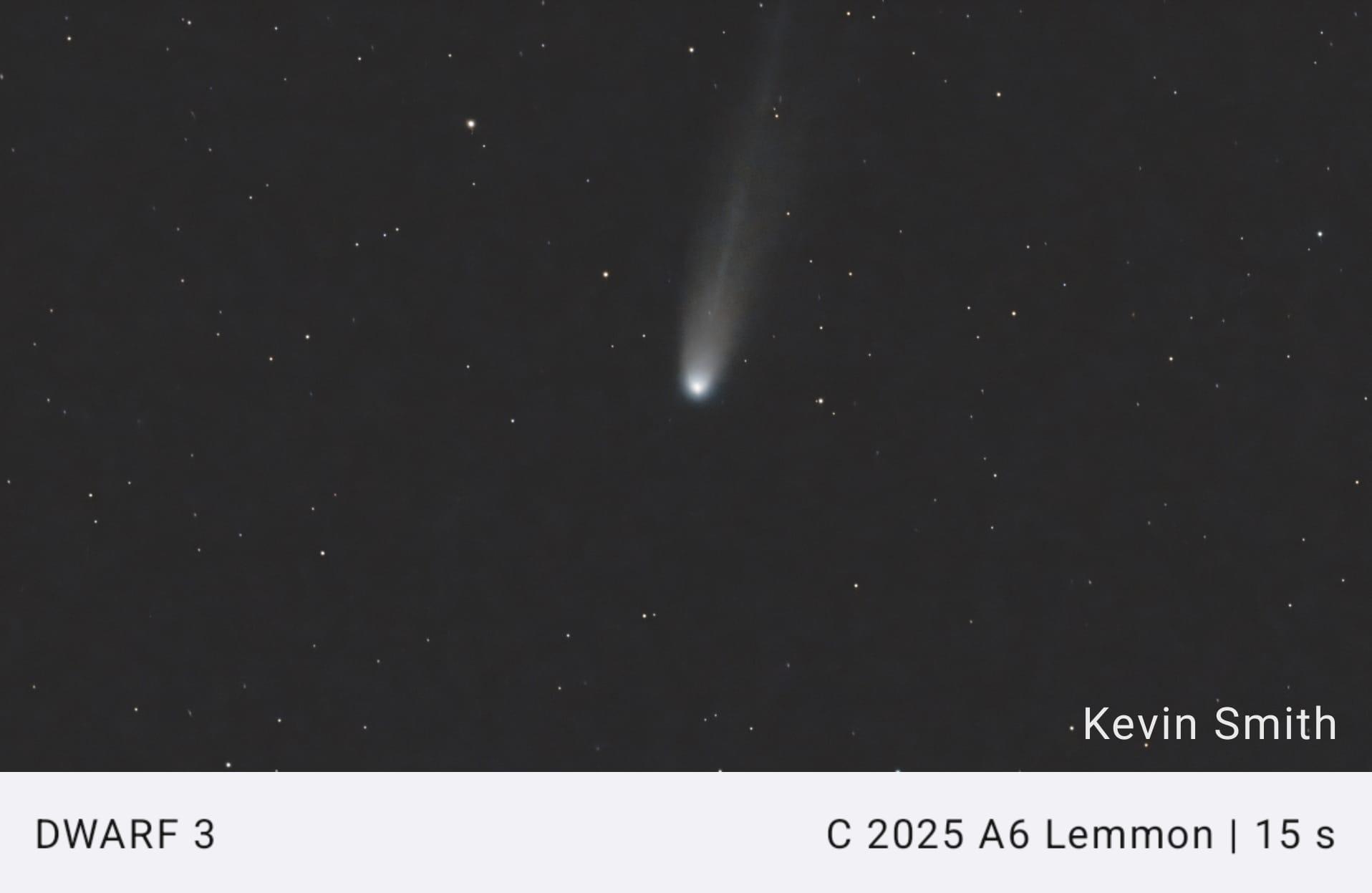
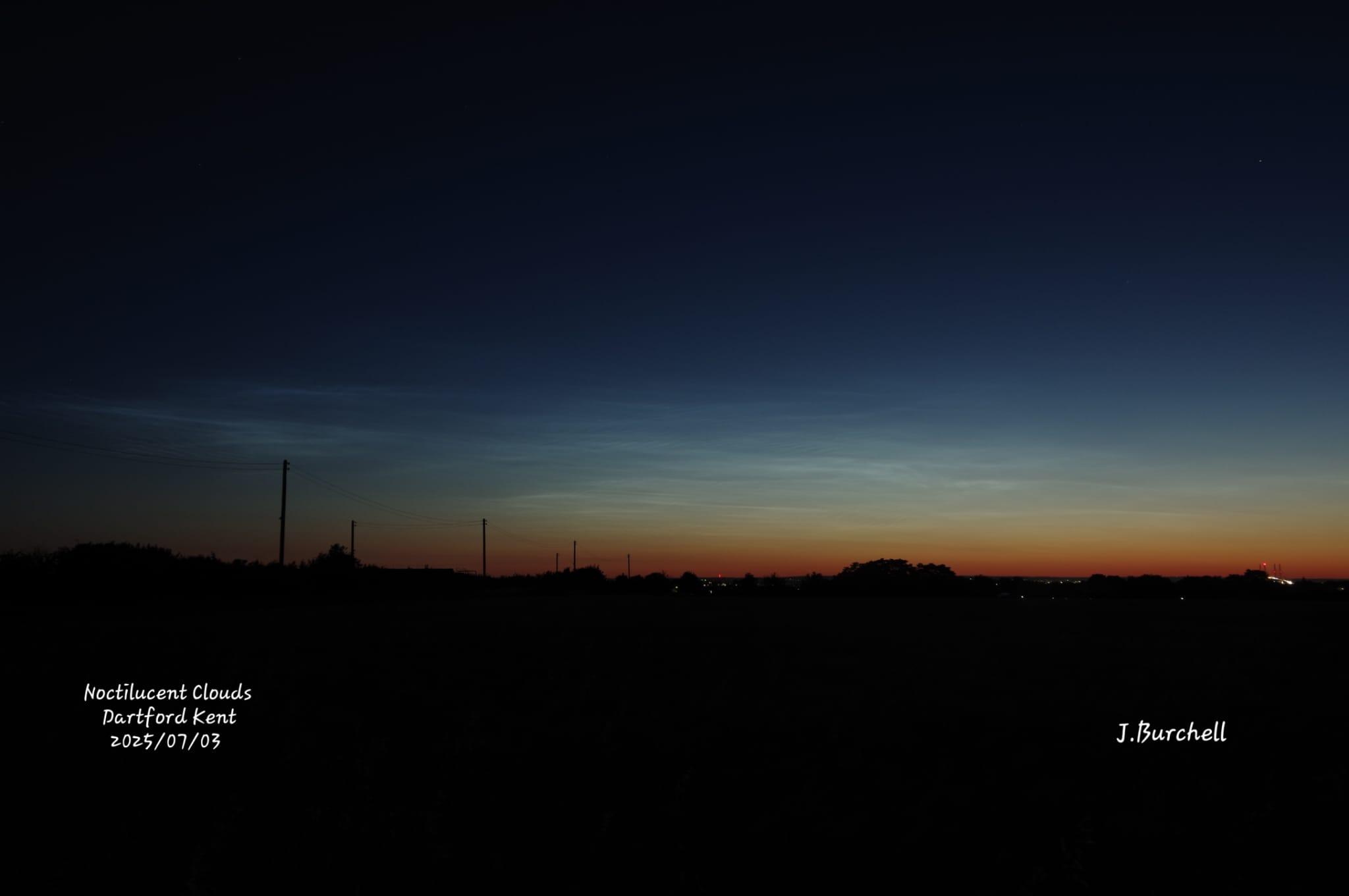
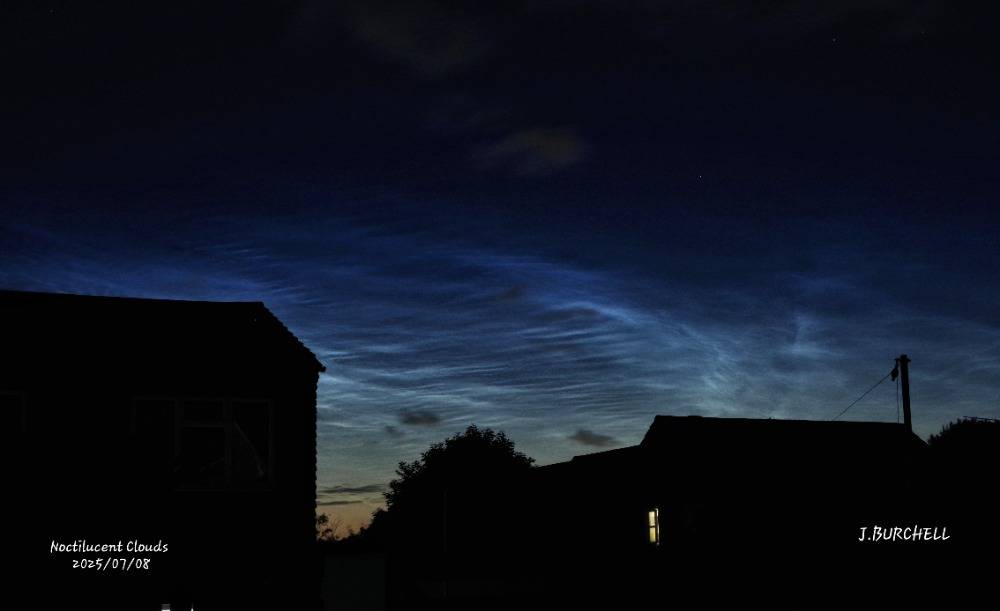
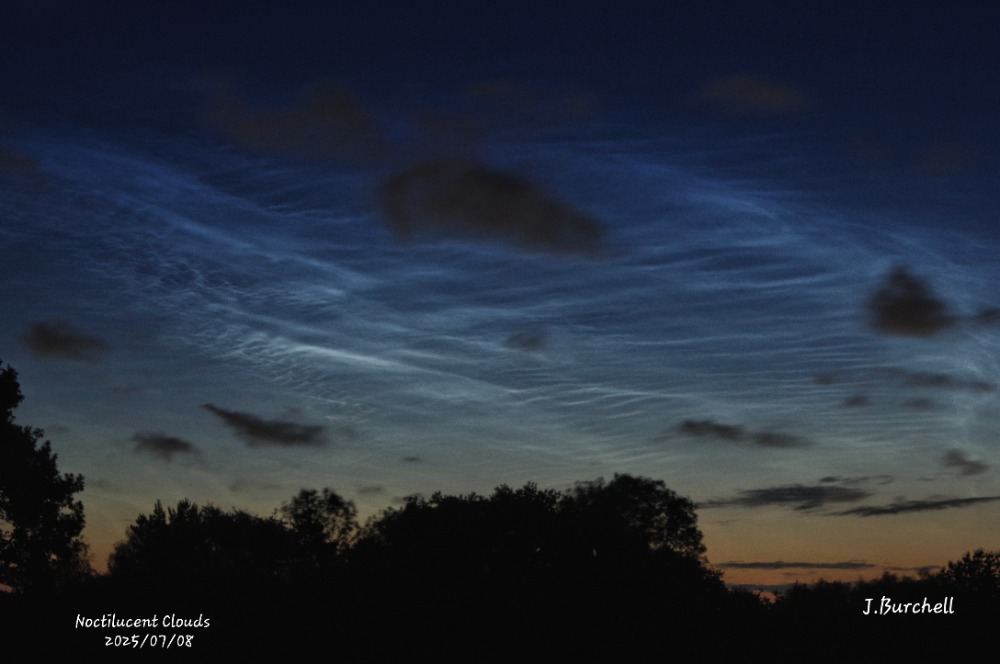
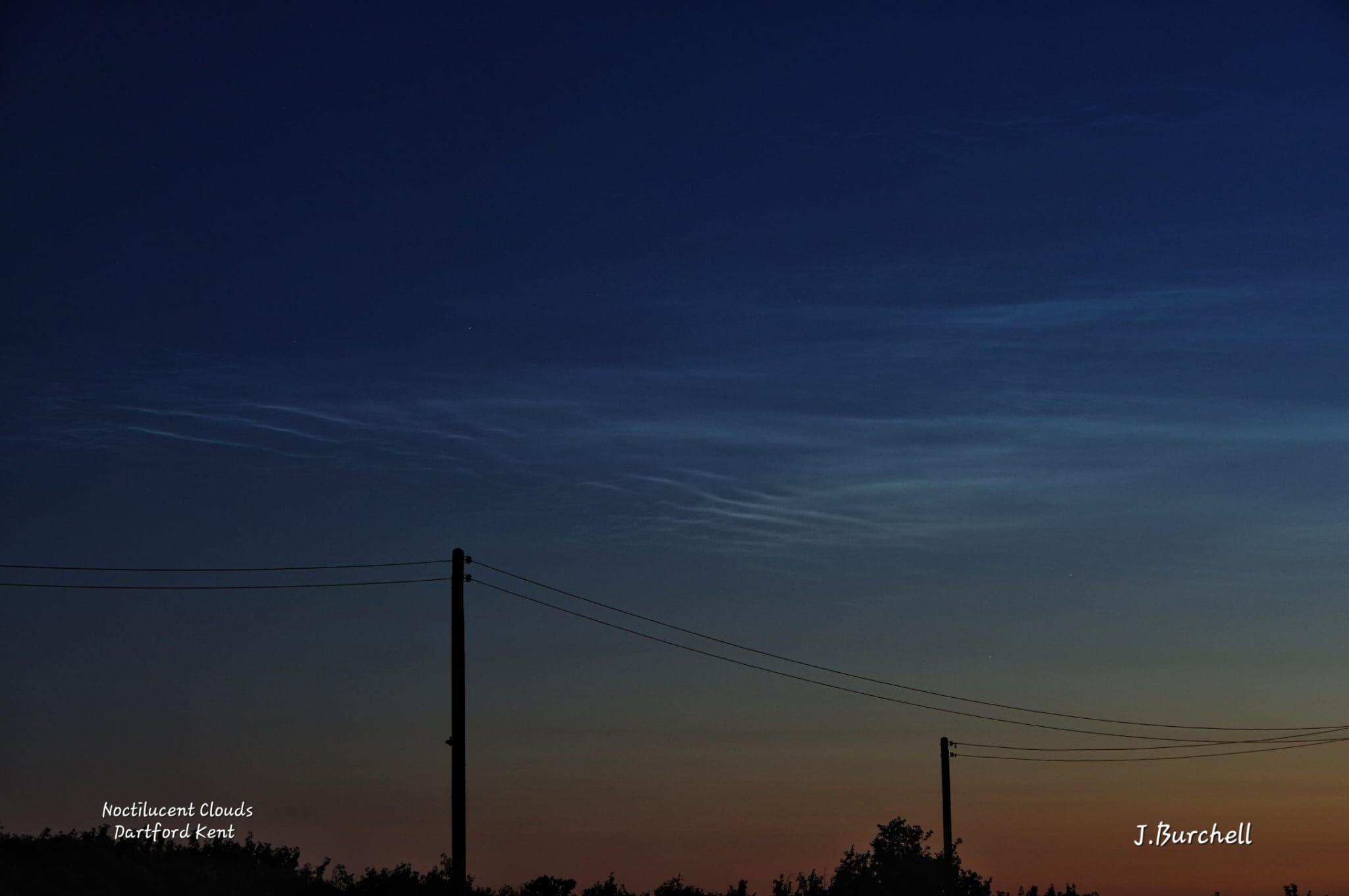
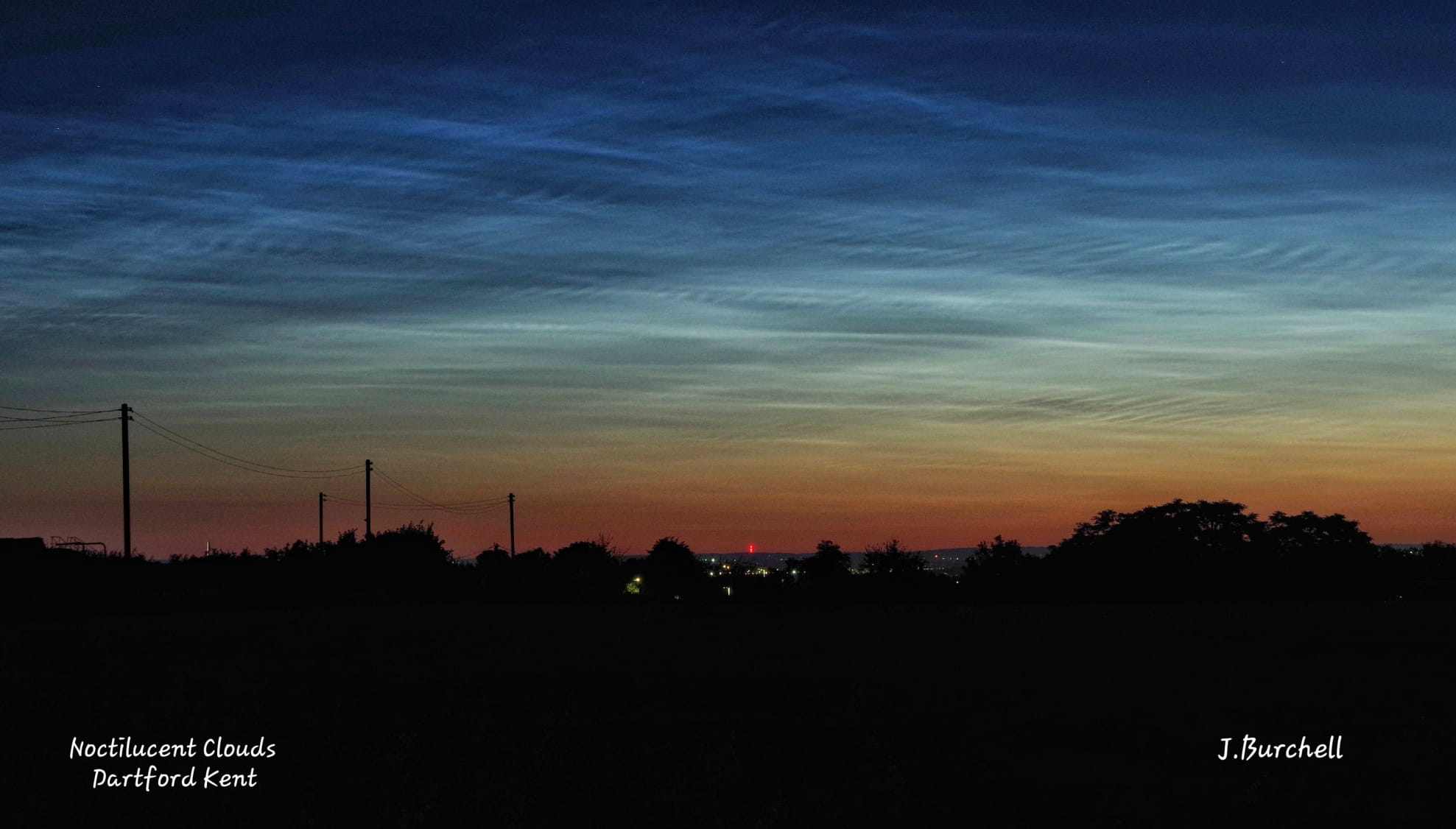
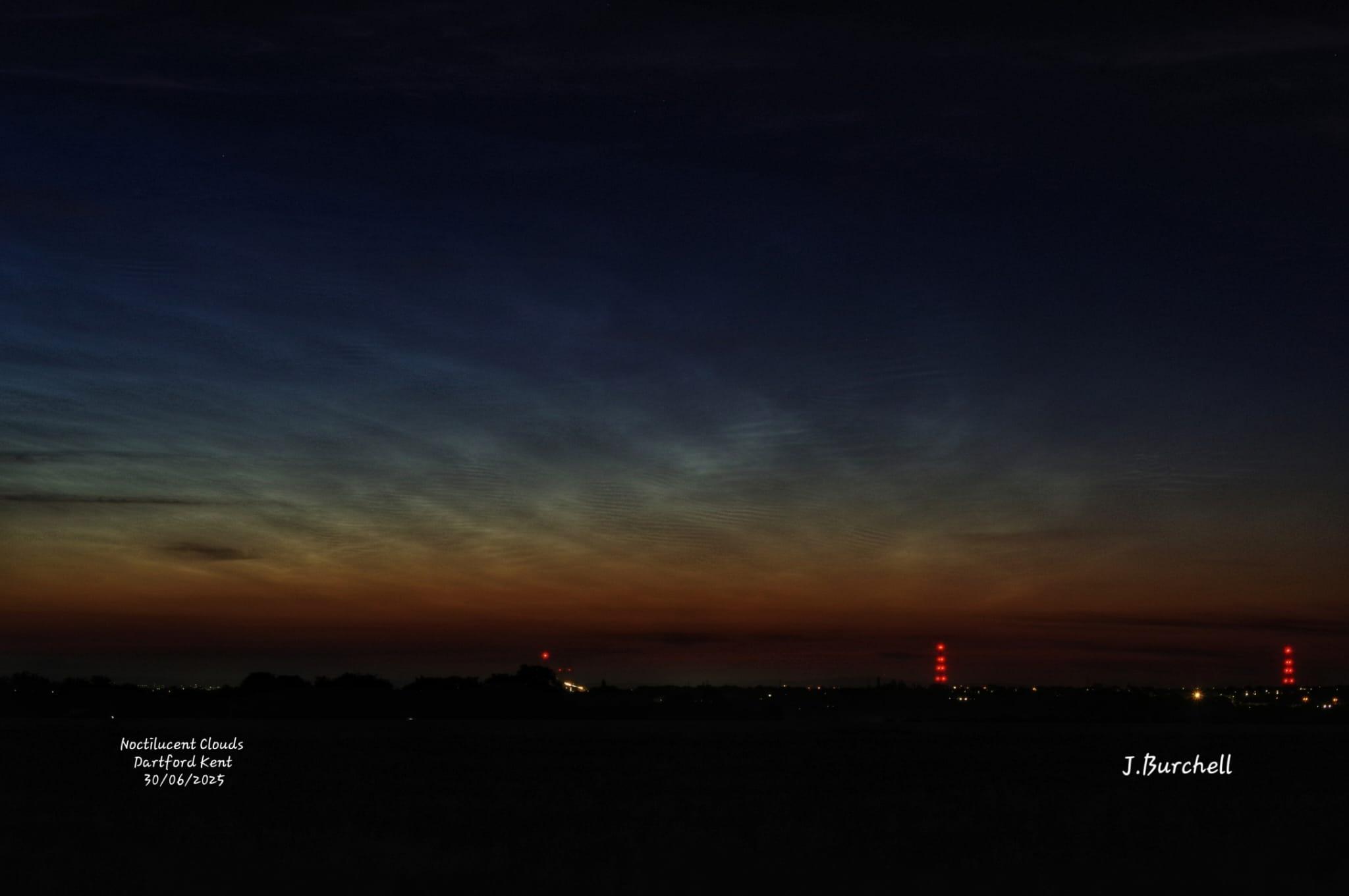
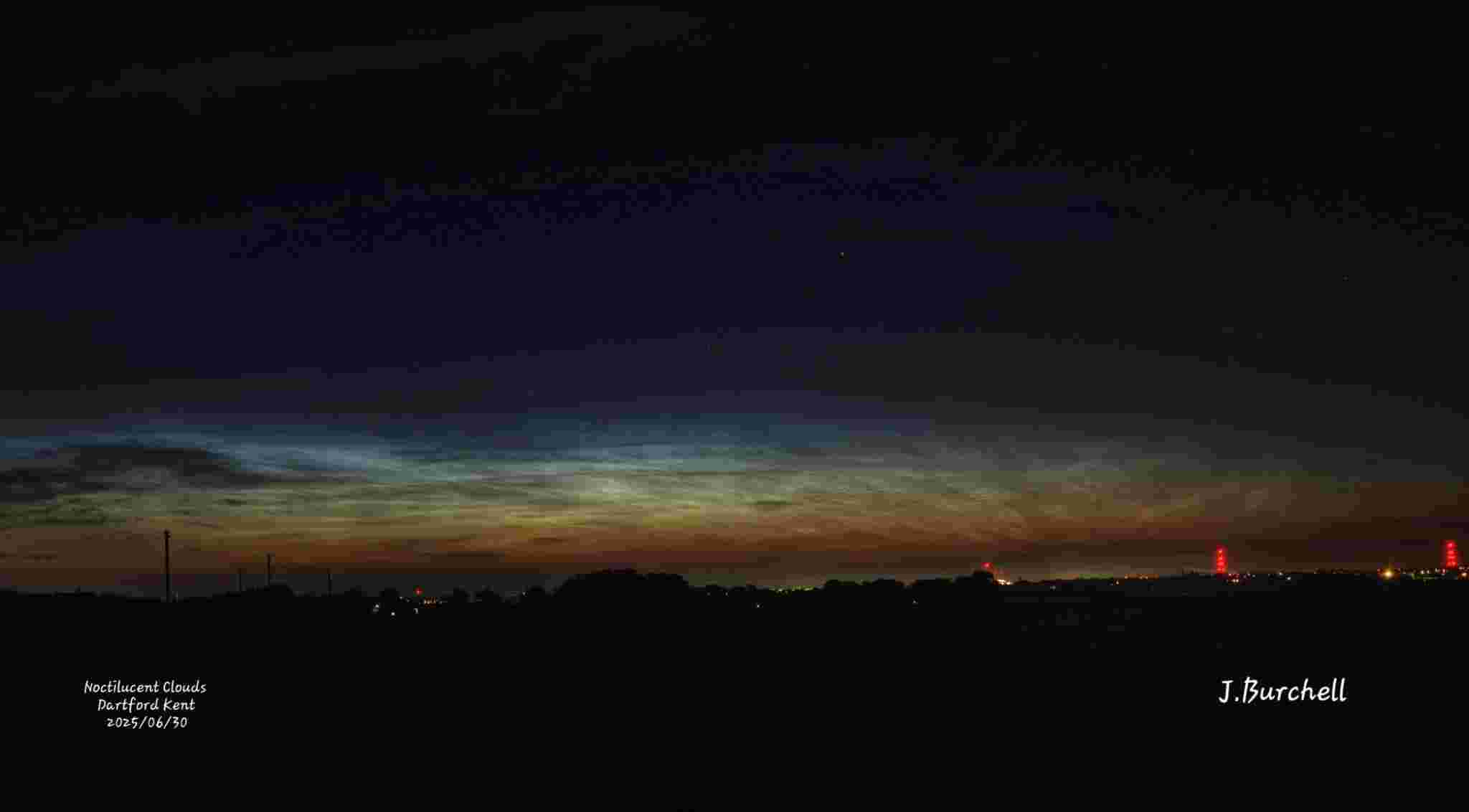
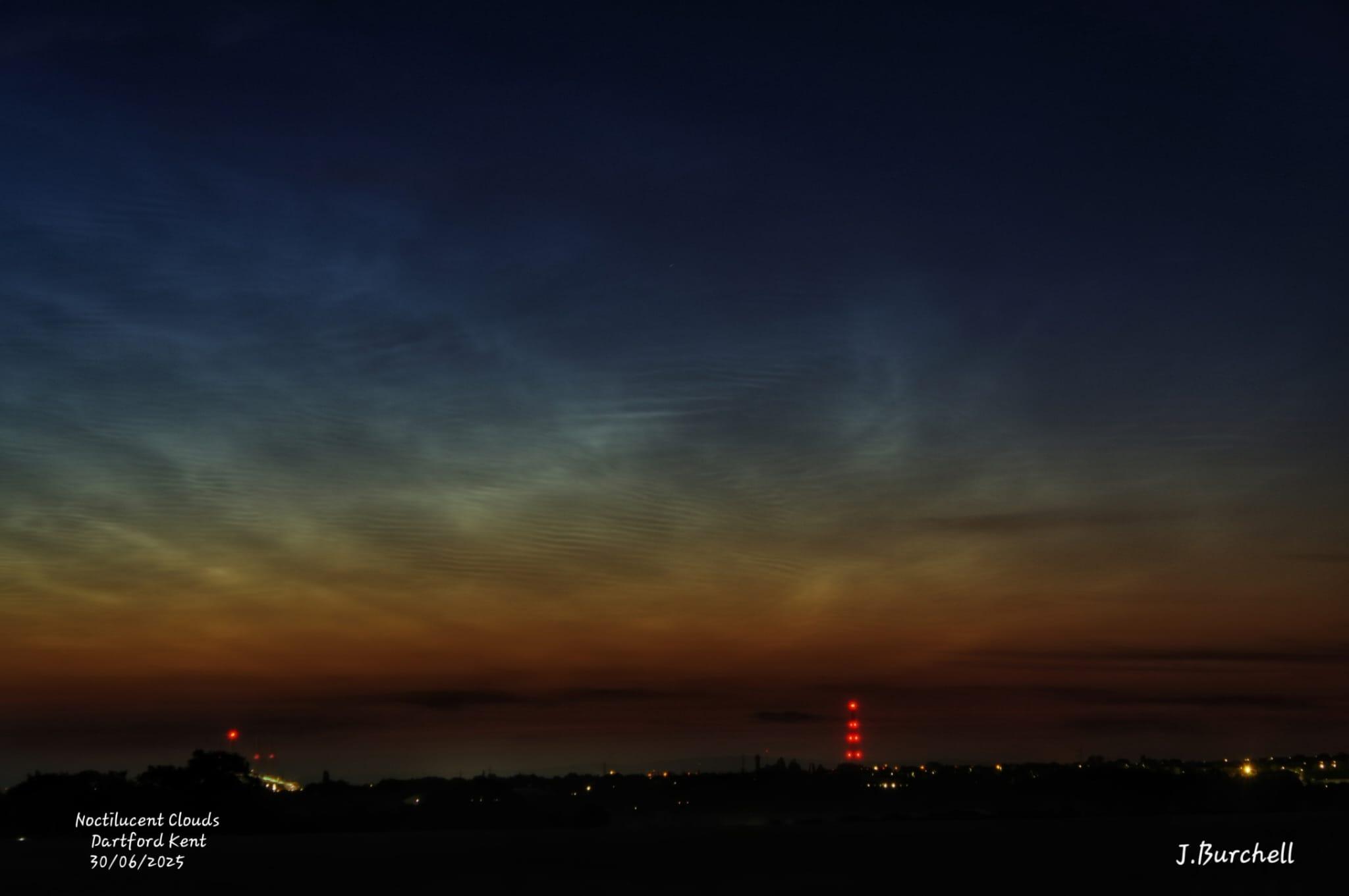


Other Images
Sun | Comets | Mercury | Venus | Atmospheric Optics | Meteors | Auroa and NLC | Moon | Minor Planets | Mars | Jupiter | Saturn | Uranus | Neptune | Messier | Caldwell | All Deep Sky | Conjunctions | Transits | Solar Eclipse | Lunar Eclipse | Wide Field |ISS & Space Junk | Exo-Planets
Society News
More deep sky images taken using a Dwarf3 smart scope
A super selection of deep sky images taken by member George Buckberry using a Dwarf3 smart scope on the 3rd & 5th January 2026.
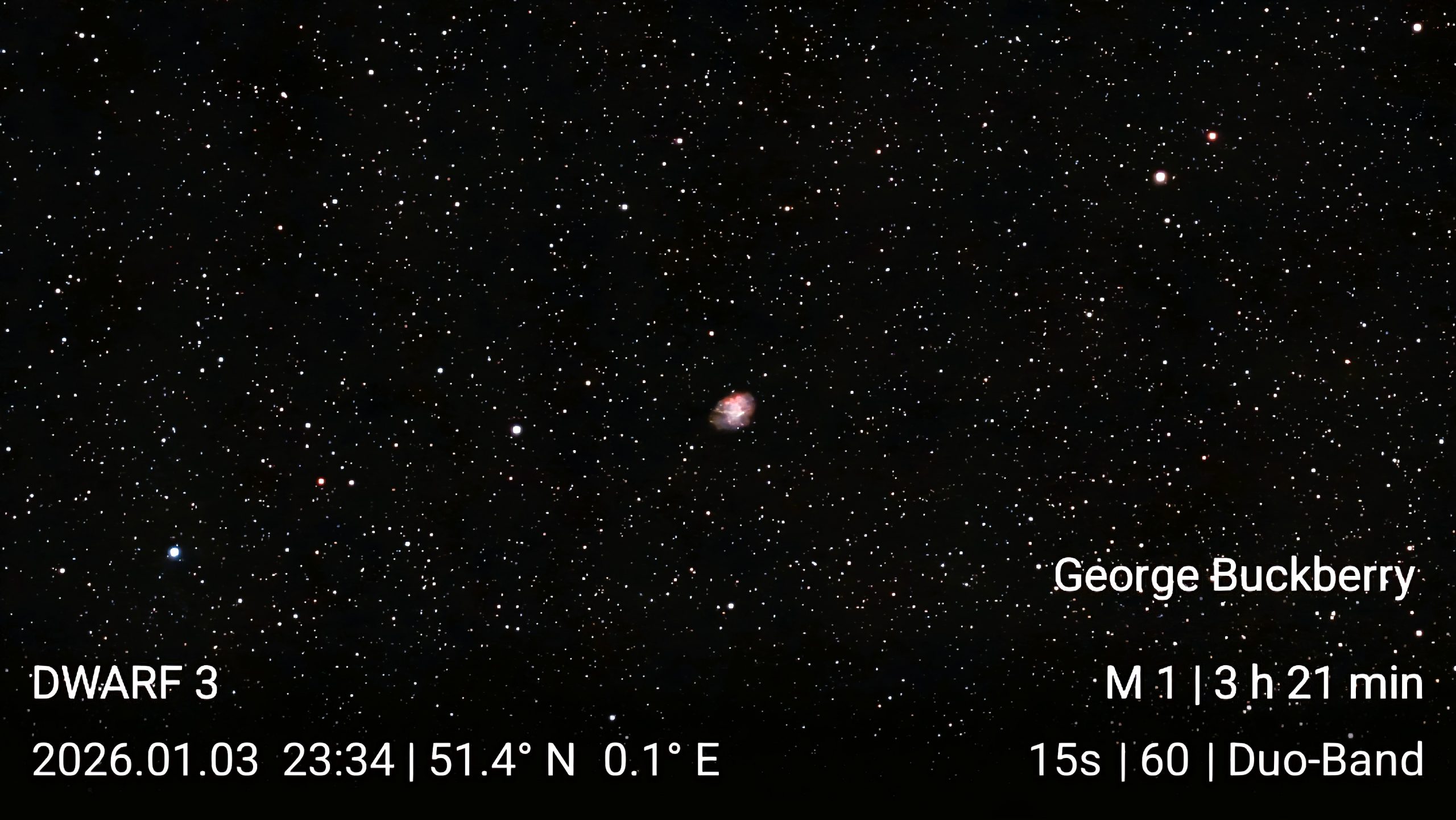
The Crab Nebula (catalogue designations M1, NGC 1952, Taurus A) is a supernova remnant and pulsar wind nebula in the constellation of Taurus. Ref:https://en.wikipedia.org/wiki/Crab_Nebula
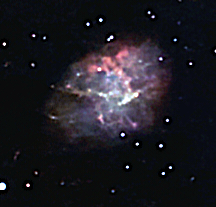
A close up of the Crab Nebula.
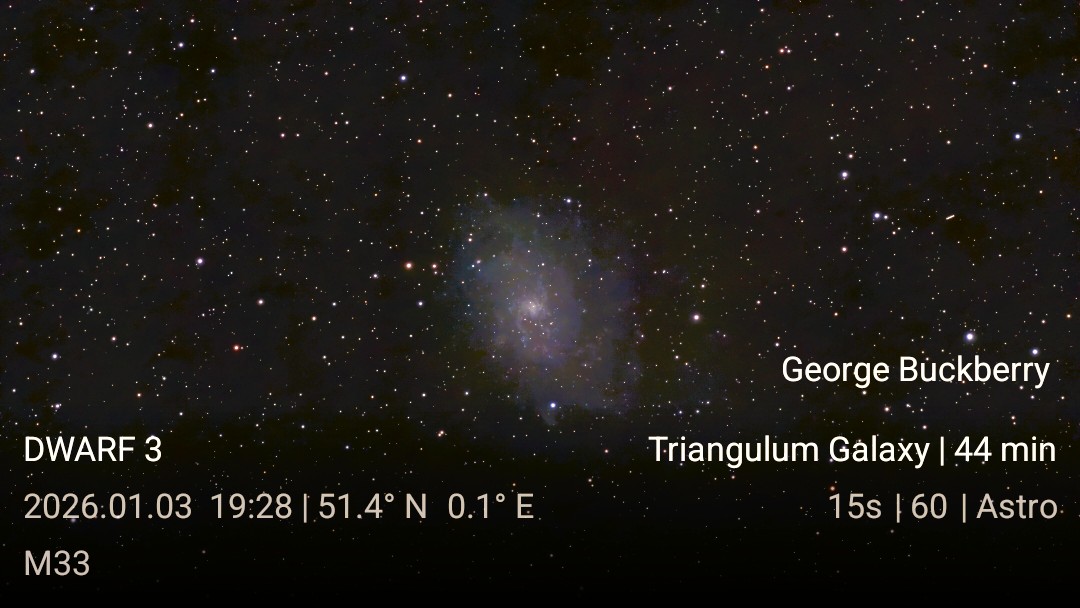
The Triangulum Galaxy is a spiral galaxy 2.878 million light-years (ly) from Earth in the constellation Triangulum. It is catalogued as Messier 33 or NGC 598. The Triangulum Galaxy is the third-largest member of the Local Group of galaxies, behind the Andromeda Galaxy and the Milky Way. Ref:https://en.wikipedia.org/wiki/Triangulum_Galaxy
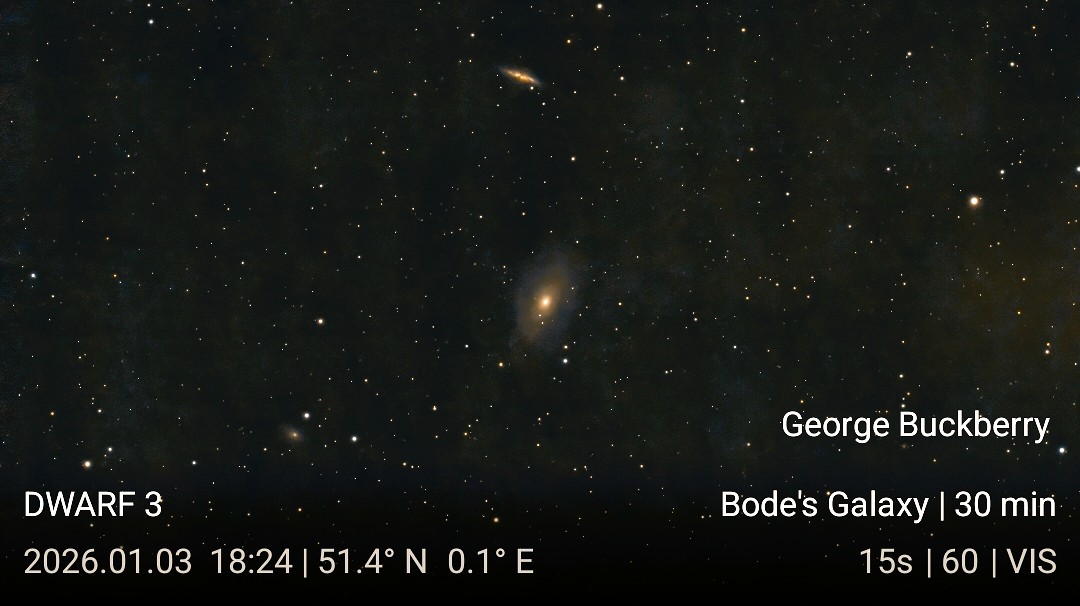
Bode’s Galaxy (also known as NGC 3031 or Messier 81) is a grand design spiral galaxy about 12 million light-years away in the constellation Ursa Major. Ref:https://en.wikipedia.org/wiki/Messier_81
The galaxy above it (centre top of image) is the Cigar Galaxy also known as Messier 82.
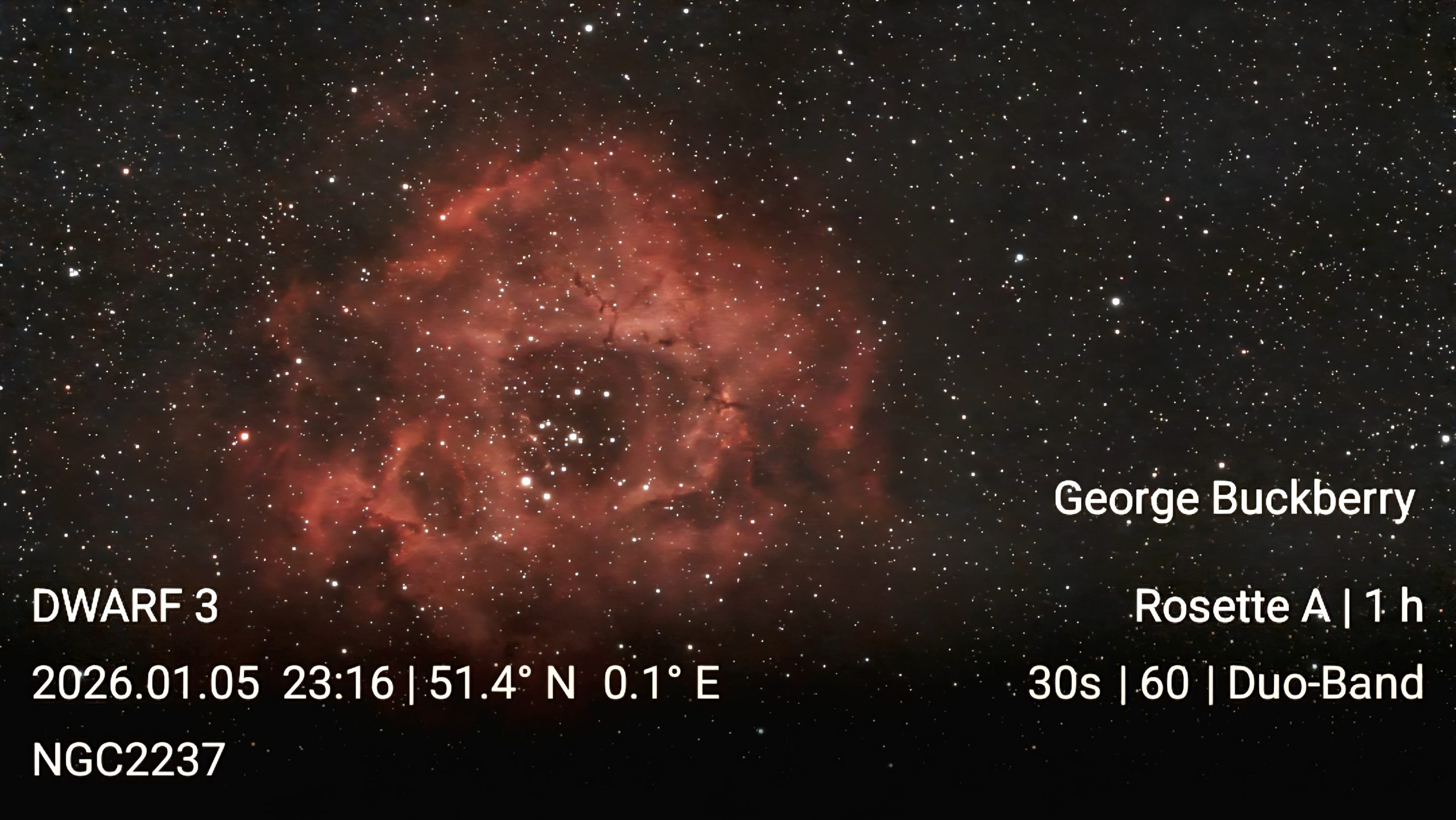
The Rosette Nebula (also known as Caldwell 49) is an H II region located near one end of a giant molecular cloud in the Monoceros region of the Milky Way Galaxy. Ref: https://en.wikipedia.org/wiki/Rosette_Nebula
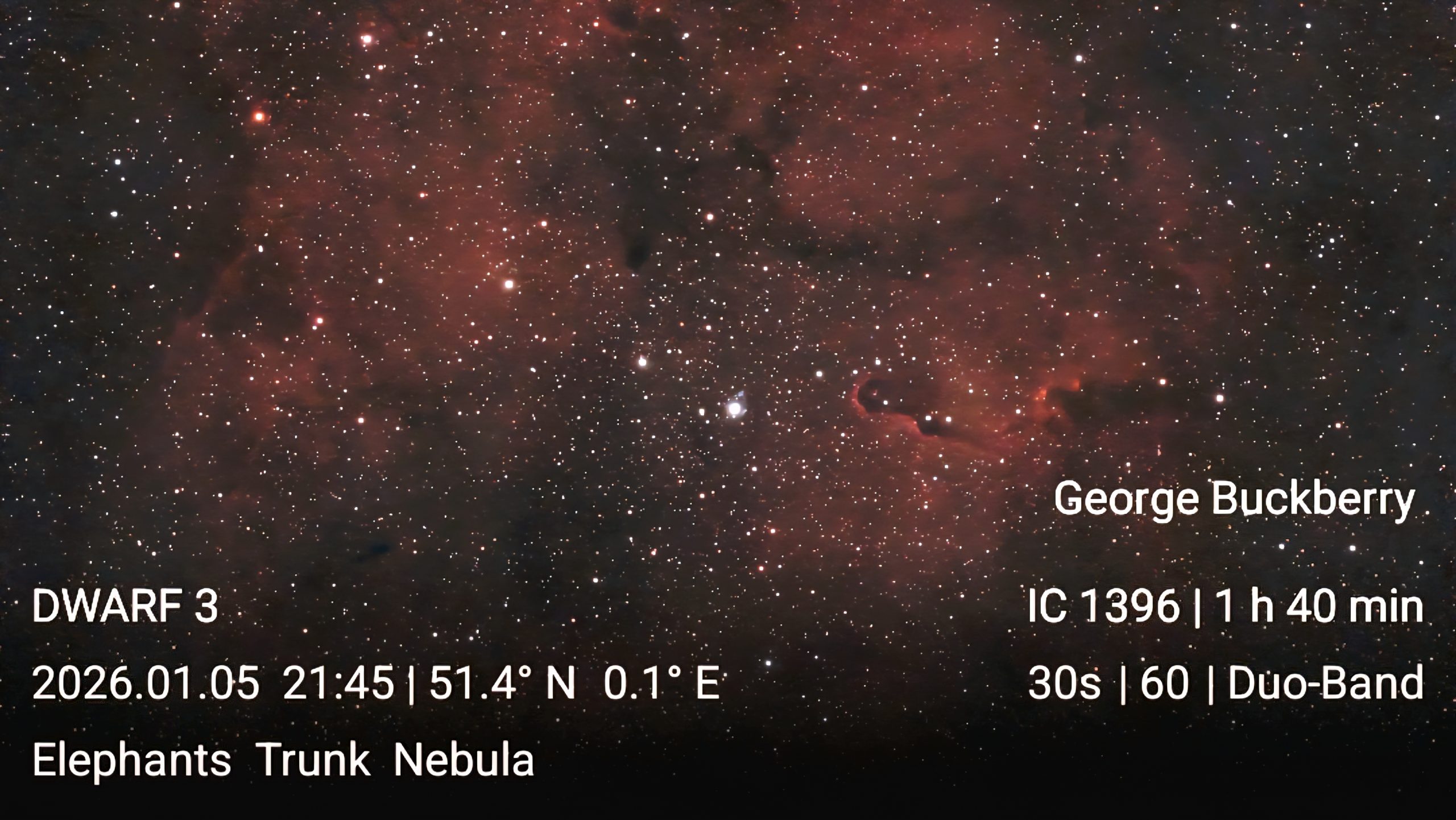
The Elephant’s Trunk Nebula (IC 1396A) is a concentration of interstellar gas and dust within the much larger ionized gas region IC 1396 located in the constellation Cepheus about 2,400 light-years away from Earth. Ref:https://en.wikipedia.org/wiki/Elephant%27s_Trunk_Nebula
Latest ExoClock Observations by Simon Dawes
These are the latest Exoplanet transits that member Simon Dawes has done for the ExoClock project.
To find out more about the ExoClock project click here.
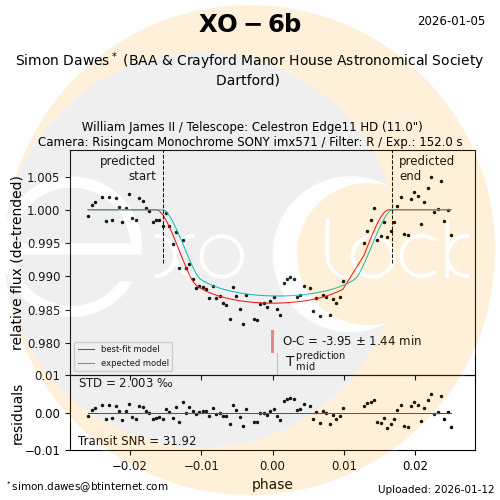
XO-6b is a transiting exoplanet, orbiting the star XO-6 around 760 light years (230 parsecs) away from Earth. It was discovered in 2016 by the XO planet search team.
XO-6b orbits XO-6, a faint 10th magnitude star in the constellation Camelopardalis.
XO-6b is classified as a hot Jupiter. The planet has an orbital period of just 3.8 days and an average orbital separation of 0.082 astronomical units. Ref: https://en.wikipedia.org/wiki/XO-6b
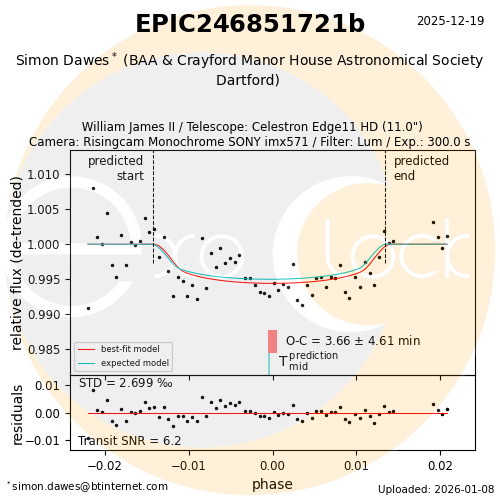
EPIC 246851721 b is a gas giant exoplanet, 3x the mass of Jupiter, it takes 6.2 days to orbit its (F-Type) star and is 0.07229 AU from its star. It was discovered in 2018.
The F-type star EPIC 246851721 is a star in the constellation of Taurus. EPIC 246851721 distance from Earth is 1224.38 light years away.
Simon said ‘‘It’s the shallowest transit I’ve attempted at 5 milli-mag. on a mag 11 star.”
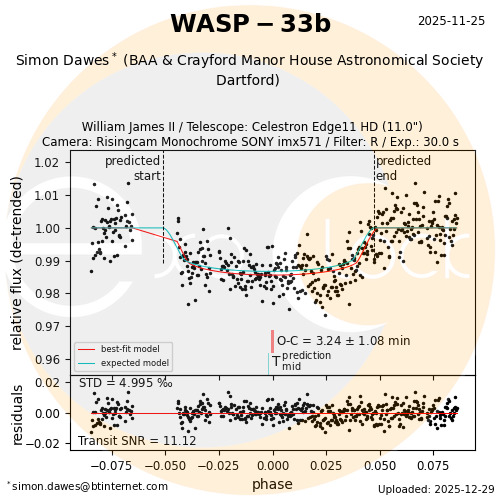
WASP-33b is an extrasolar gas giant planet orbiting the A-type star HD 15082 in Andromeda. It was the first transiting planet discovered to orbit a Delta Scuti variable star. Its mass is 2.093 Jupiters, it takes 1.2 days to complete one orbit of its star, and is 0.0239 AU from its star. Its discovery was announced in 2010.
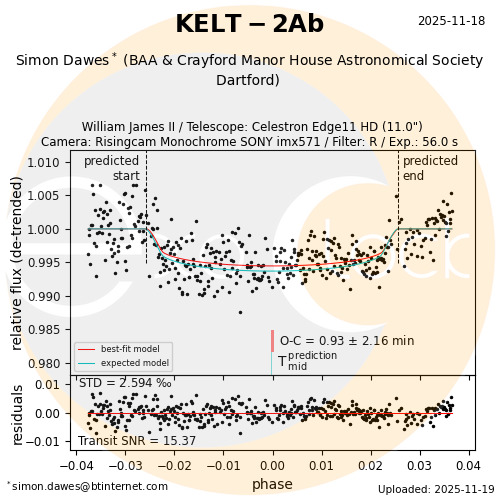
KELT-2Ab is an extrasolar gas giant planet that orbits the F-type star KELT-2A approximately 440 light-years away in the Auriga.
Its mass is 1.7 Jupiters, it takes 4.1 days to complete one orbit of its star, and is 0.05497 AU from its star. Its discovery was announced in 2012.
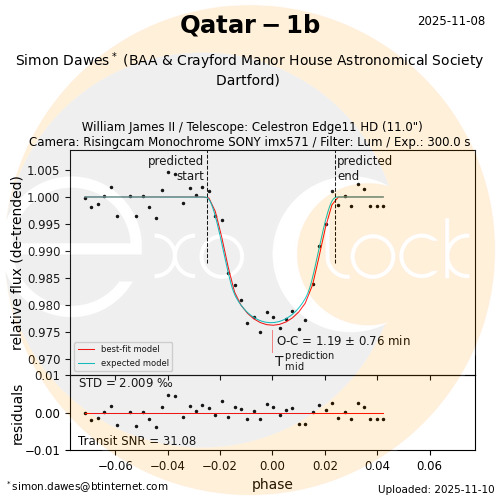
Qatar-1b is a gas giant exoplanet that orbits a a metal-rich K dwarf star in Draco. Its mass is 1.294 Jupiters, it takes 1.4 days to complete one orbit of its star, and is 0.02332 AU from its star. Its discovery was announced in 2010 and was the first planet discovered by the Qatar Exoplanet Survey.
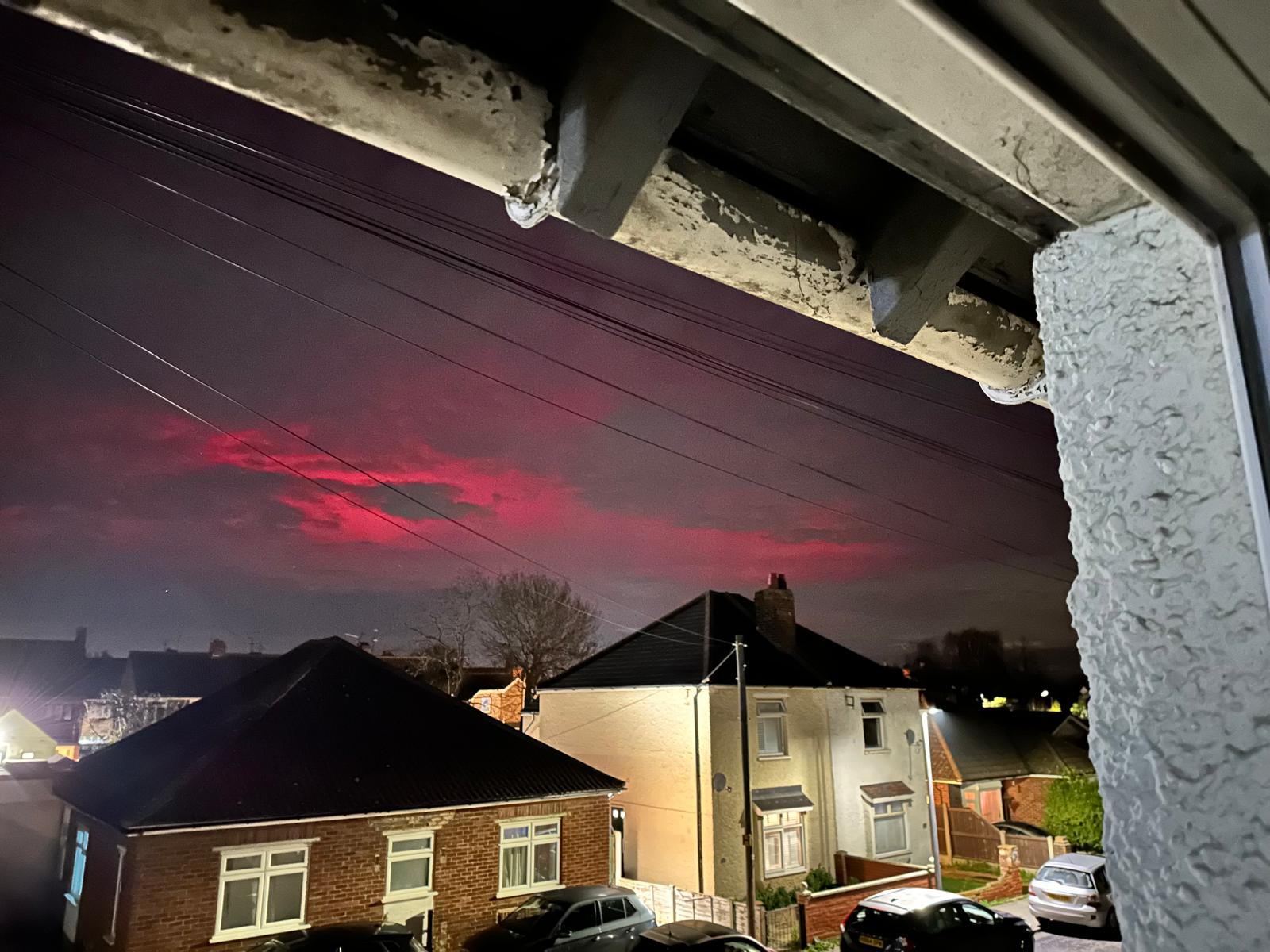
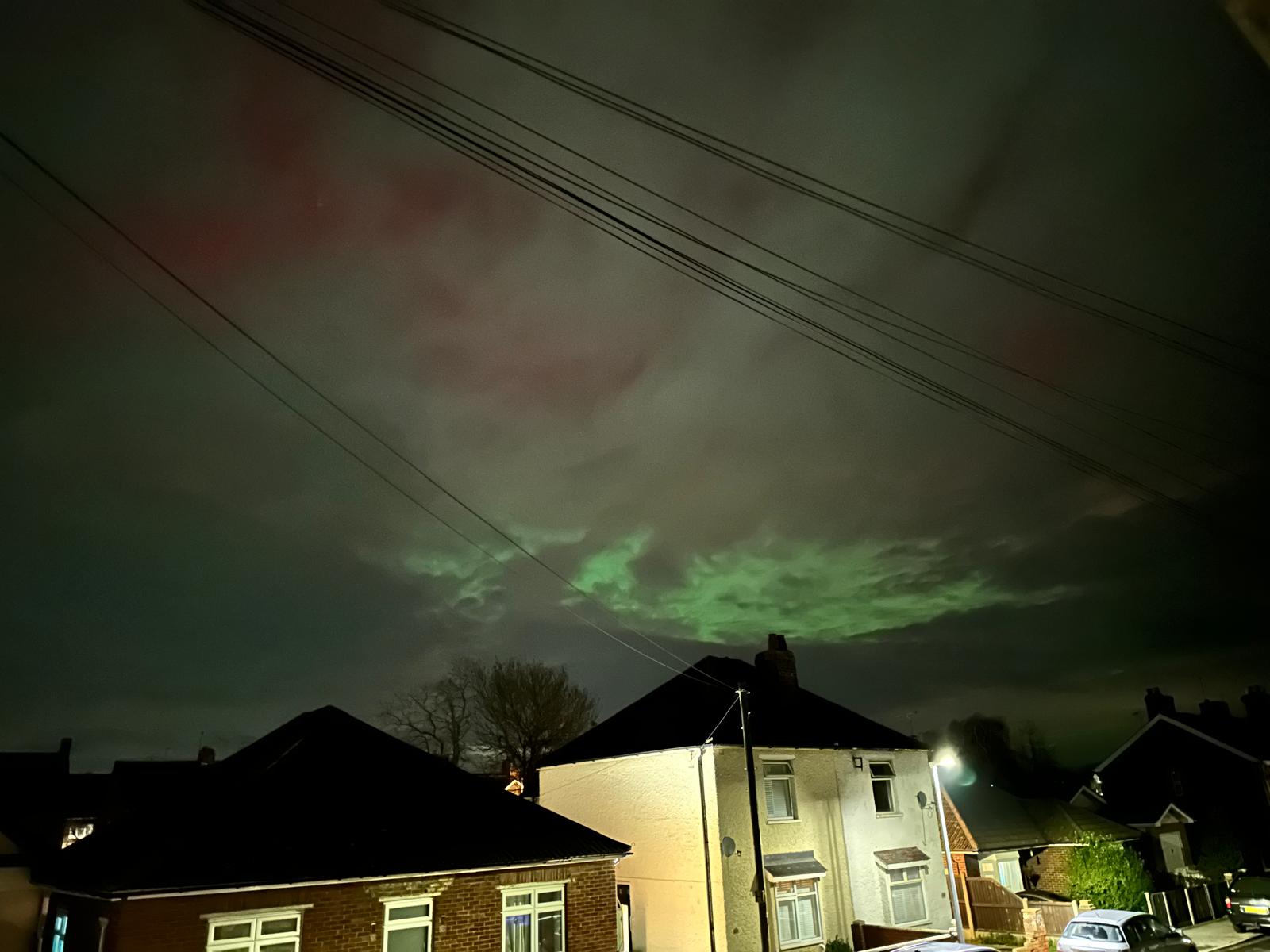
Aurora seen last night
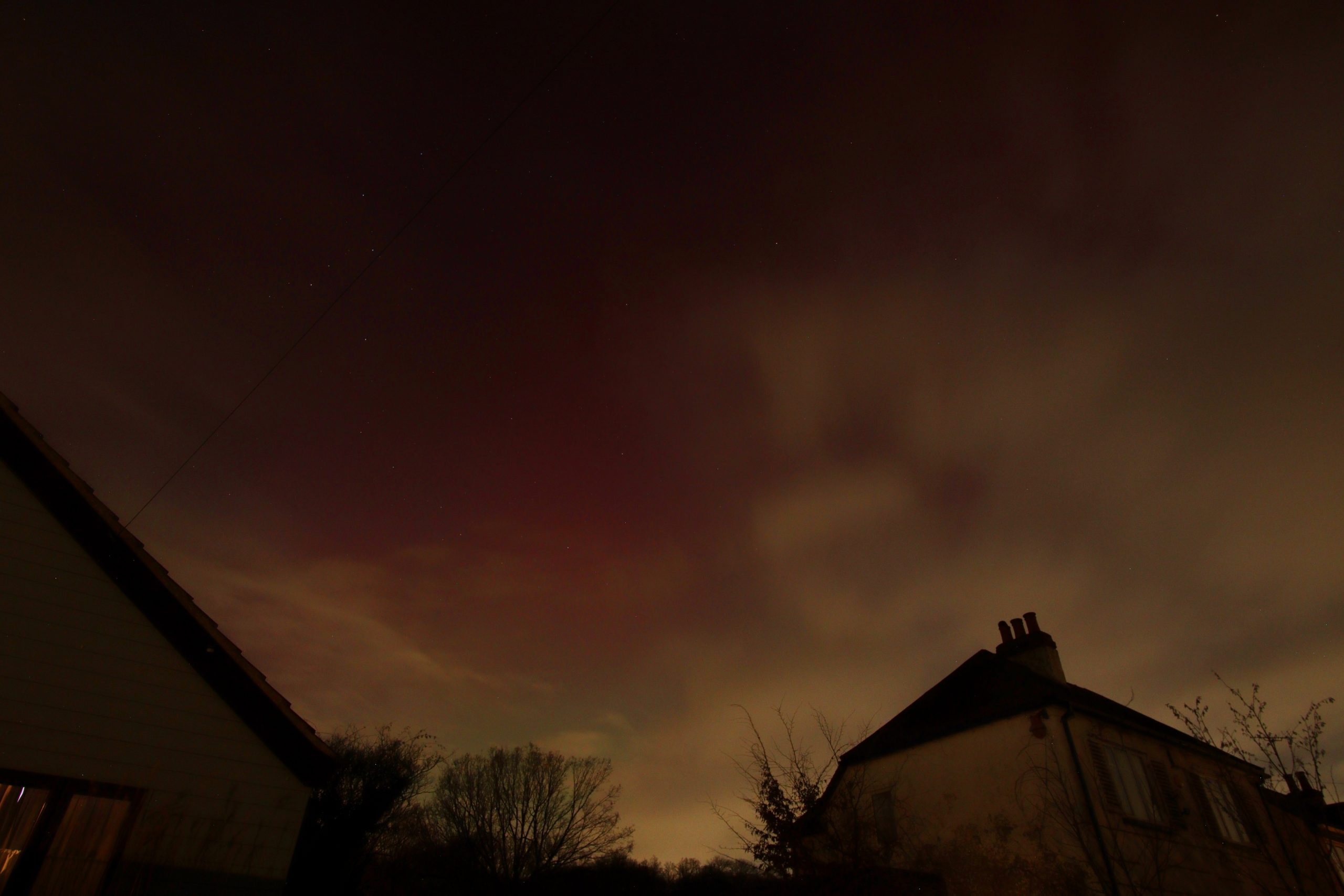
Last night Aurora was spotted over the UK and 2 CMHASD members managed to image it through the clouds.
Apparently the CME, X1.9 ‘Halo’ solar flare that sparked this aurora took only 25 hours to reach Earth! Usually CME’S take 3 to 4 days!
The 1st image on the right was taken by member Honor Wheeler from Dartford using a Canon M6II, Rokinon 12mm lens, set at ISO800, f8, and 6sec.
Honor said ‘The aurora was difficult to see visually but my camera picked it up. A lot of light pollution reflecting off the clouds also didn’t help but any aurora seen from home is a nice, unexpected bonus.’
Member Martin Crow from Burnham – on – Crouch, Essex managed to capture some images of the Aurora through gaps in the cloud on his iPhone. On the right are 2 of his images.
New Dwarf3 presentation by George Buckberry
Member George Buckberry has written another presentation about his recent experiences with the Dwarf3 smart scope. To see a copy of his presentation click on the link on the right.
To see George’s previous presentation about the Dwarf3 go to the ‘New to Astronomy & Resources‘ page where you will find the link.
The Sun & Full Moon – 3rd Jan 2026
The 3rd of Jan 2026 saw the 1st Full Moon of the year and several members got out their scopes and cameras and took some lovely images of the Moon. Some members also took the opportunity to image the Sun that day too.
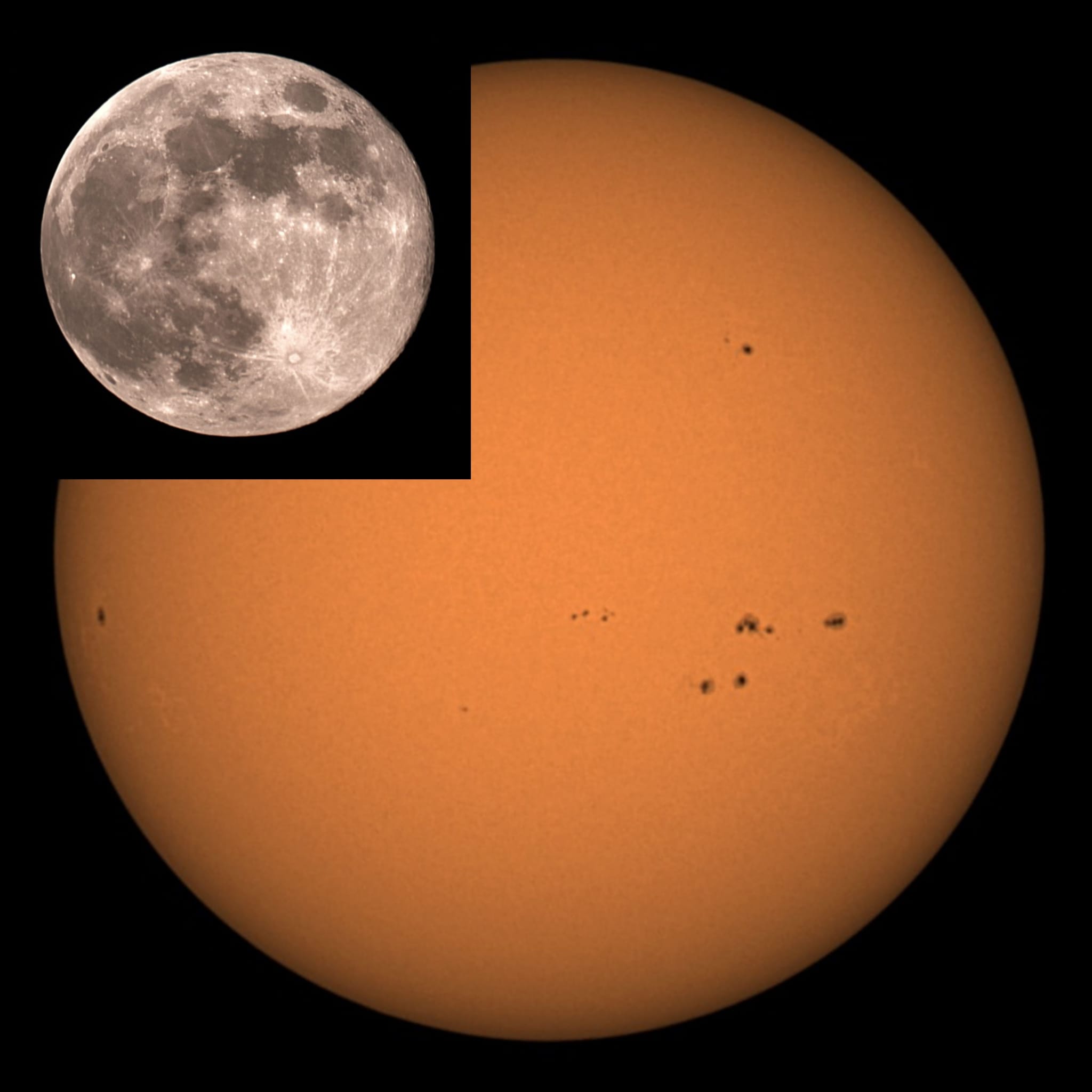
Sun & Full Moon by Honor Wheeler.
Taken using a Dwarf3 smart scope taken from Dartford.
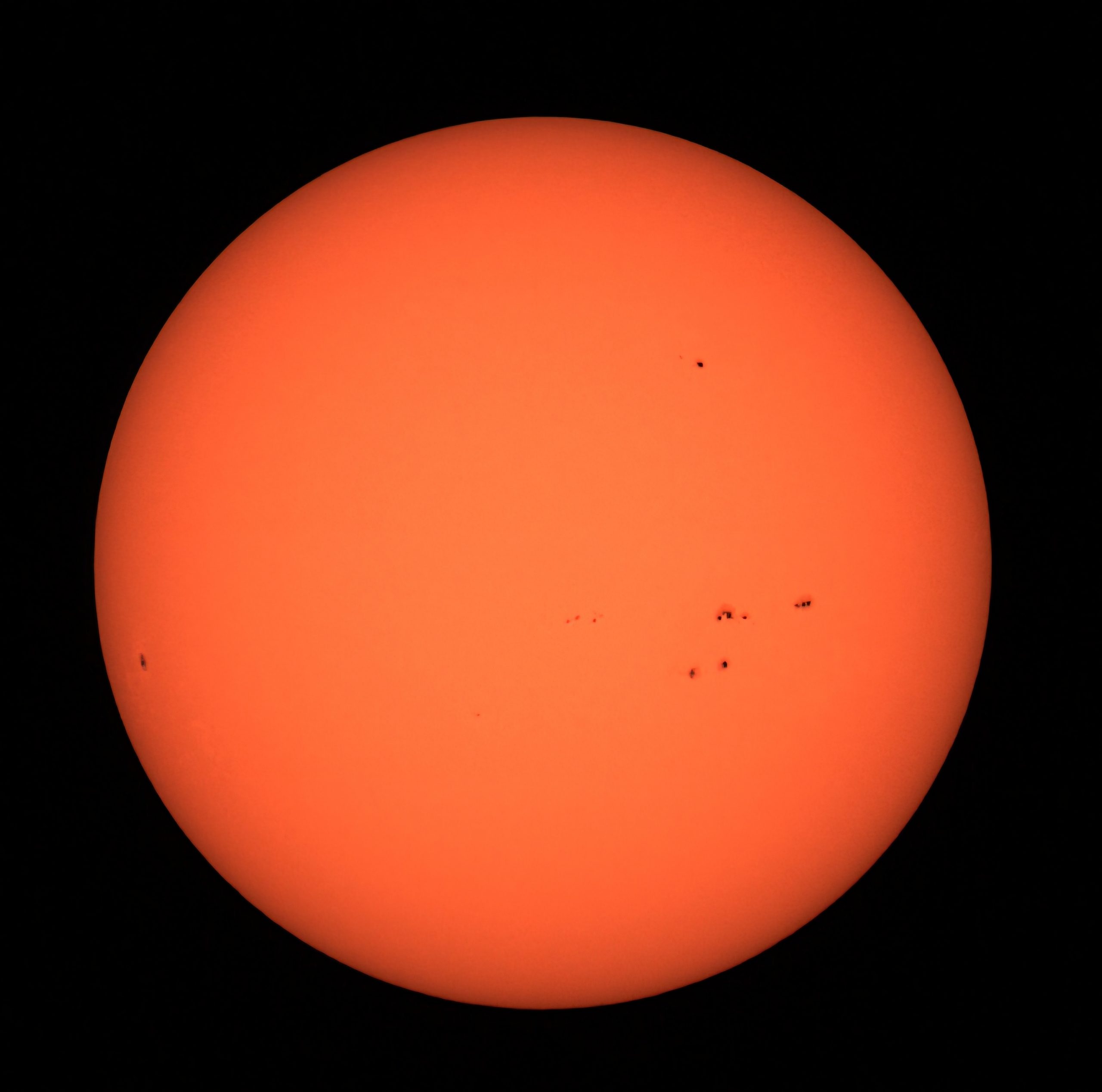
The Sun by George Buckberry.
Taken using a Dwarf3 smart scope taken from Hextable.
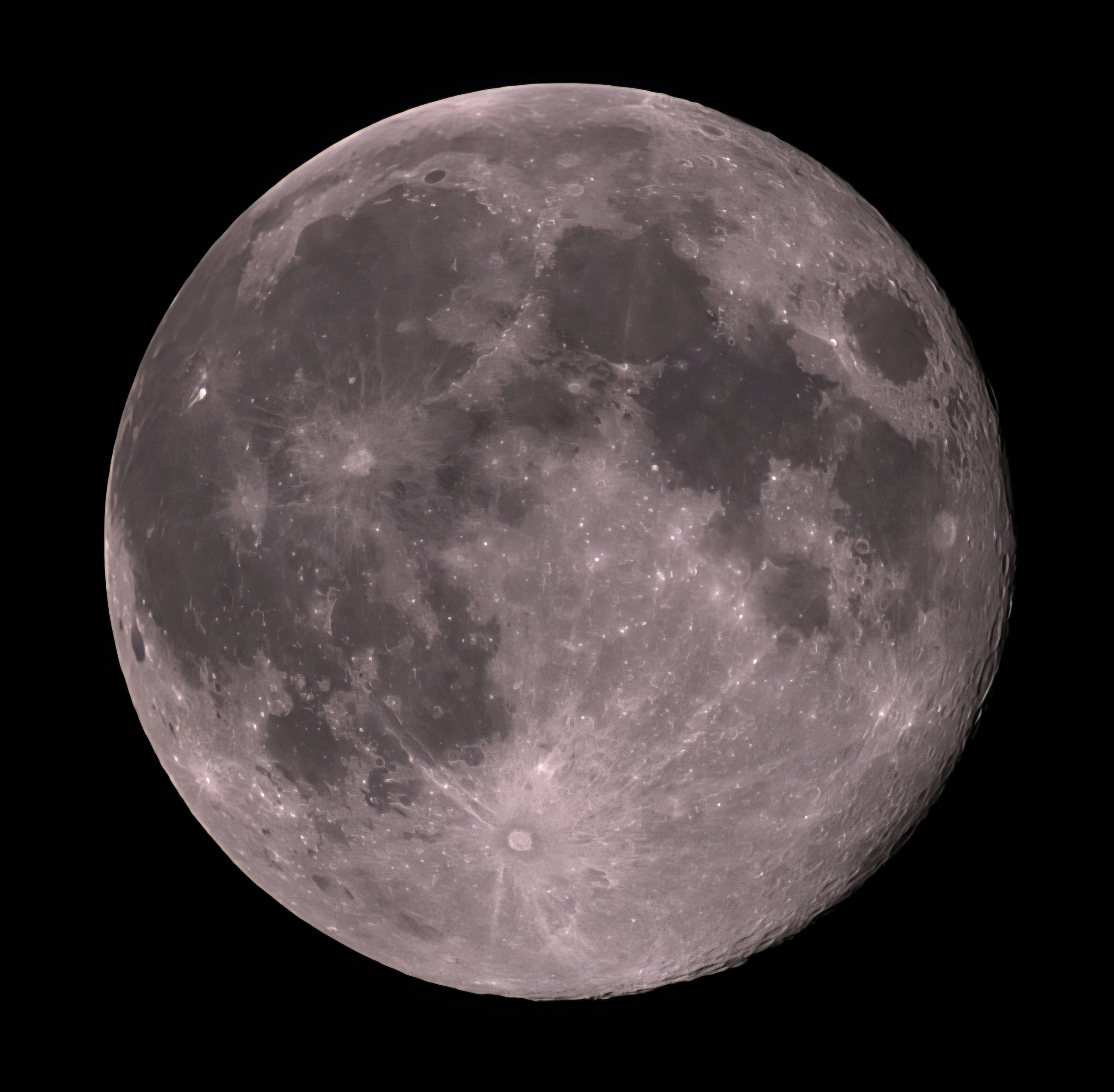
The Full Moon by George Buckberry.
Taken using a Dwarf3 smart scope taken from Hextable.
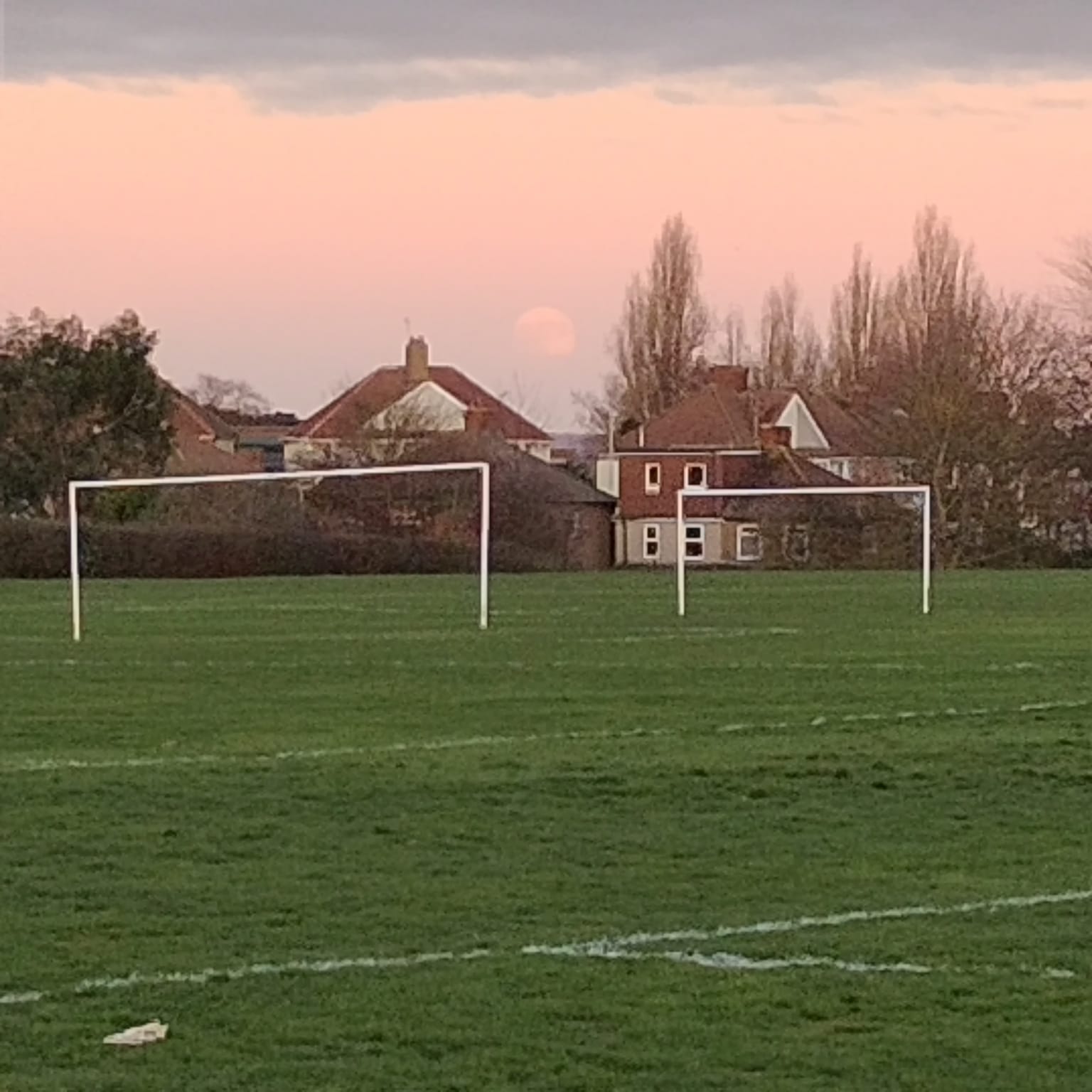
Full Moon rising by John Howarth taken from Bexleyheath.
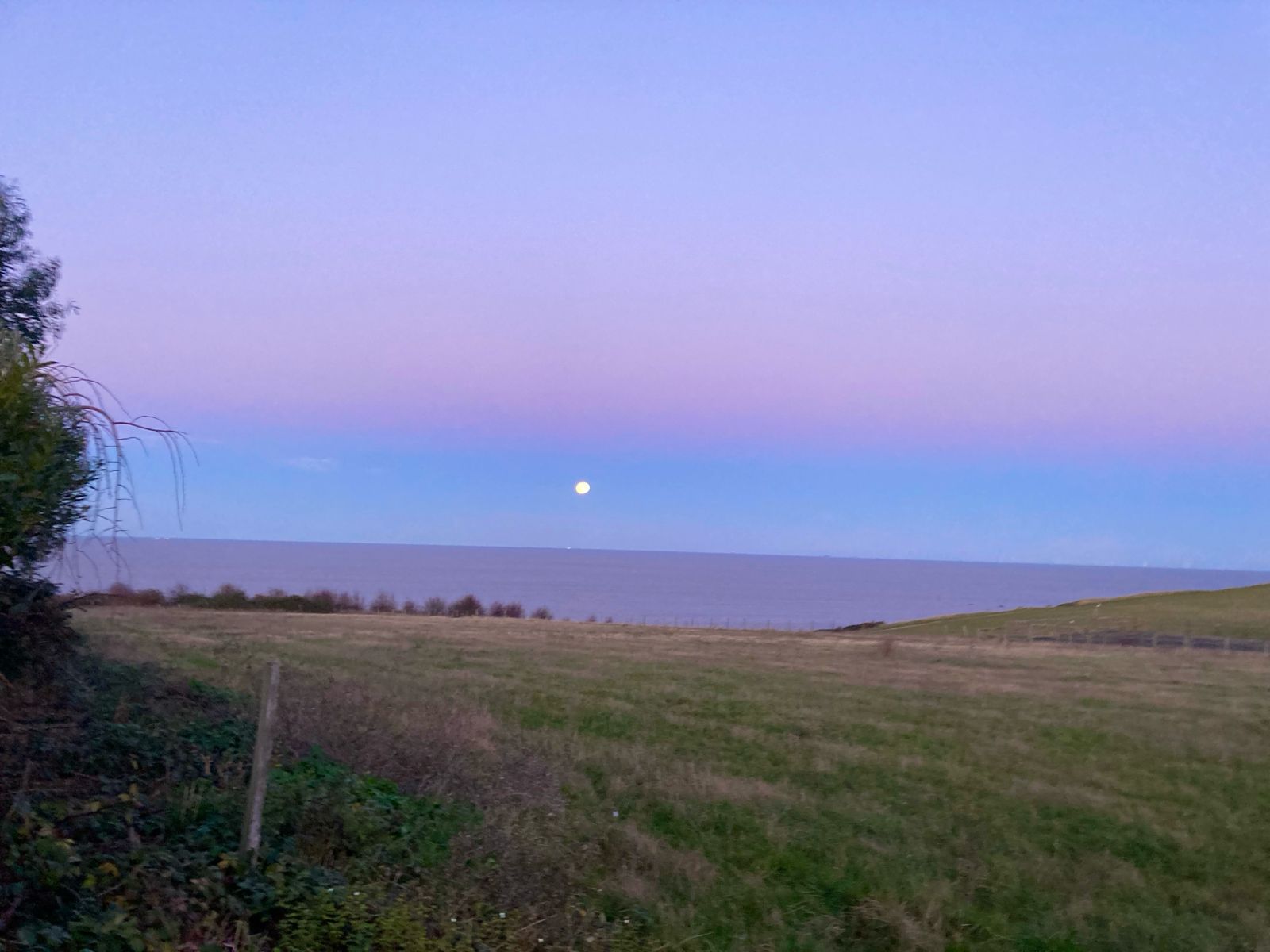
Full Moon rising by Gary Hunt taken from the Isle of Sheppey.
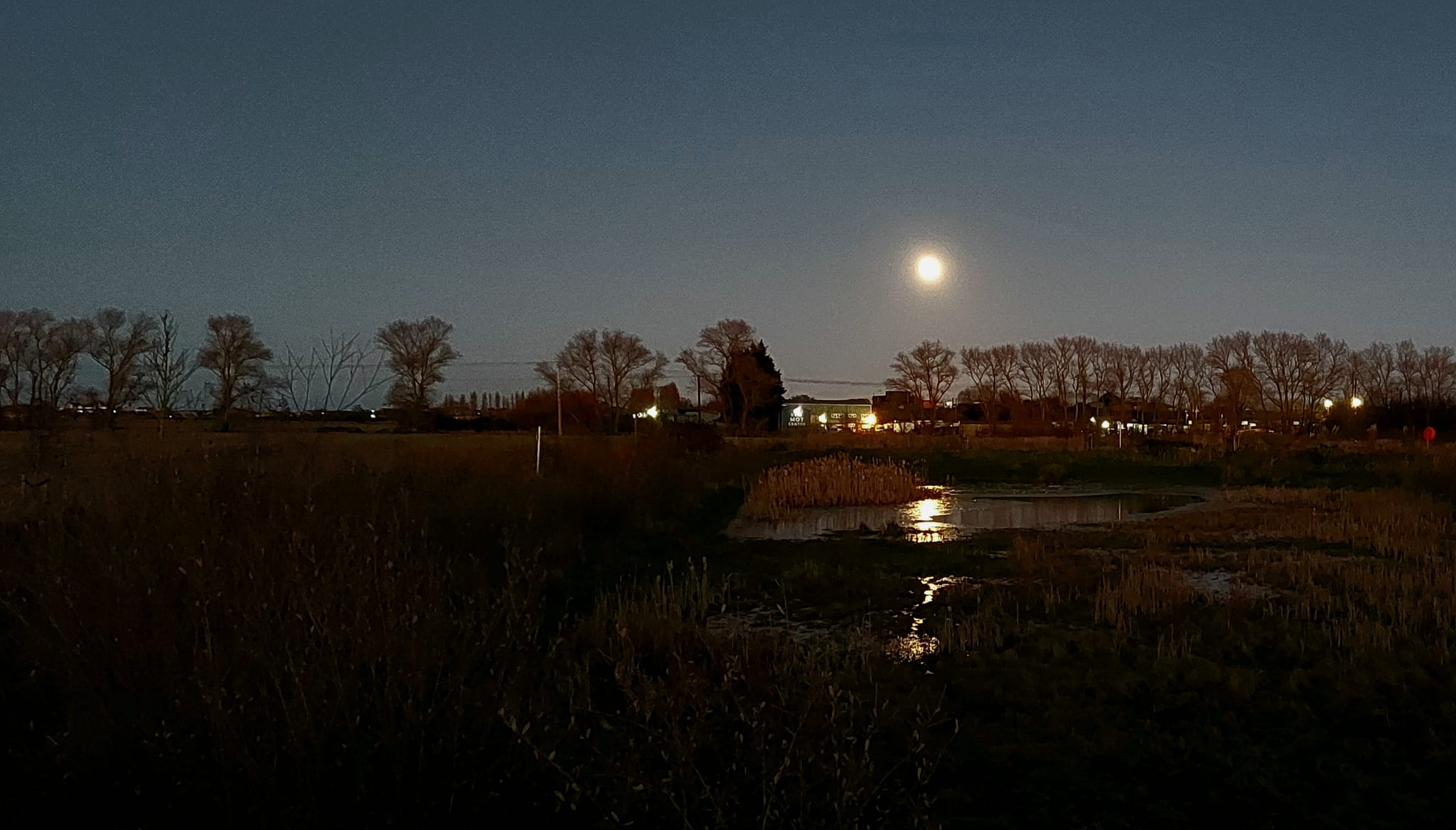
Full Moon rising by Kevin Smith taken from Deal, Kent.
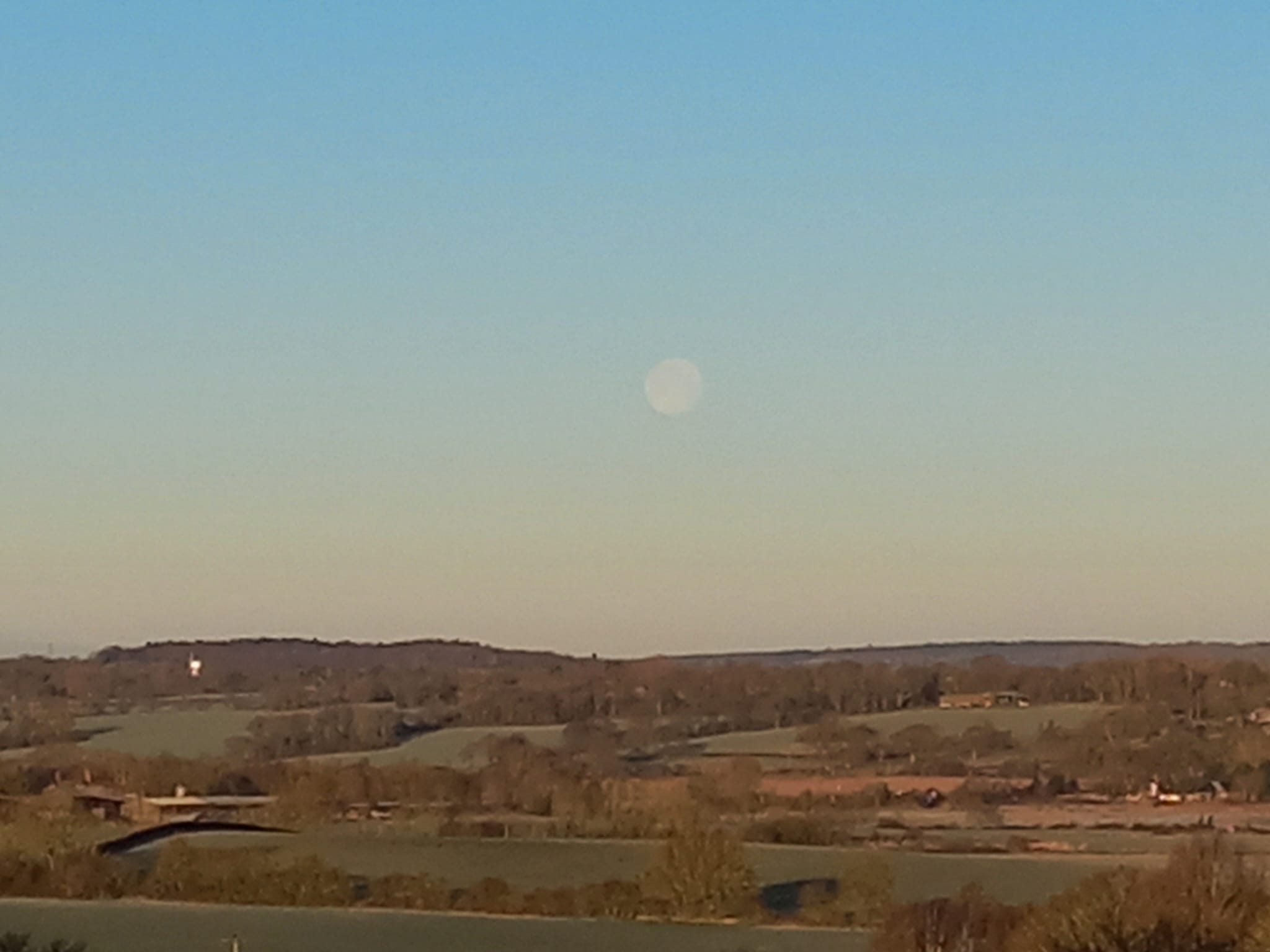
Full Moon rising by John Archer taken from East Sussex.
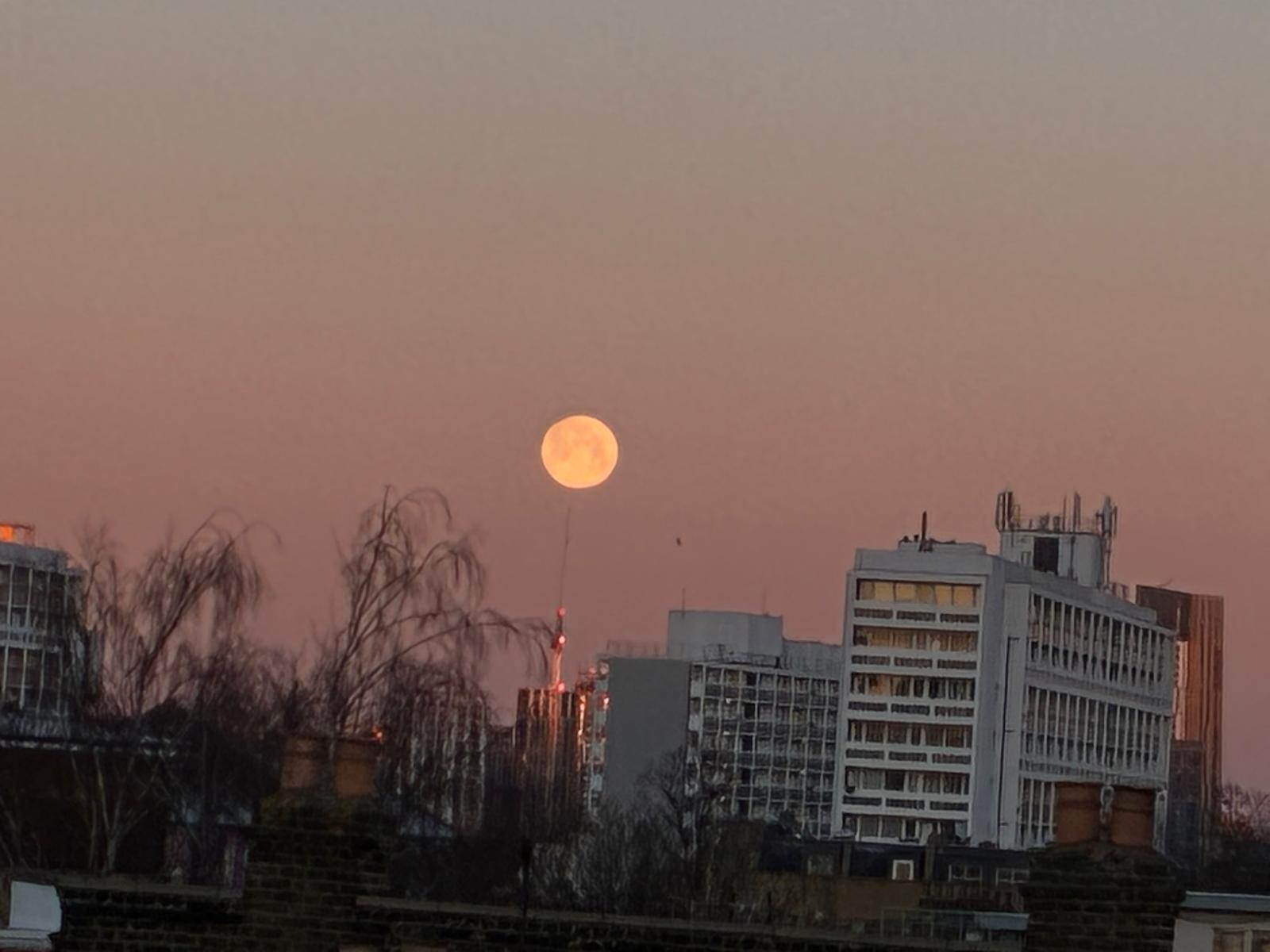
Full Moon by Dominique Ferrand taken from London.
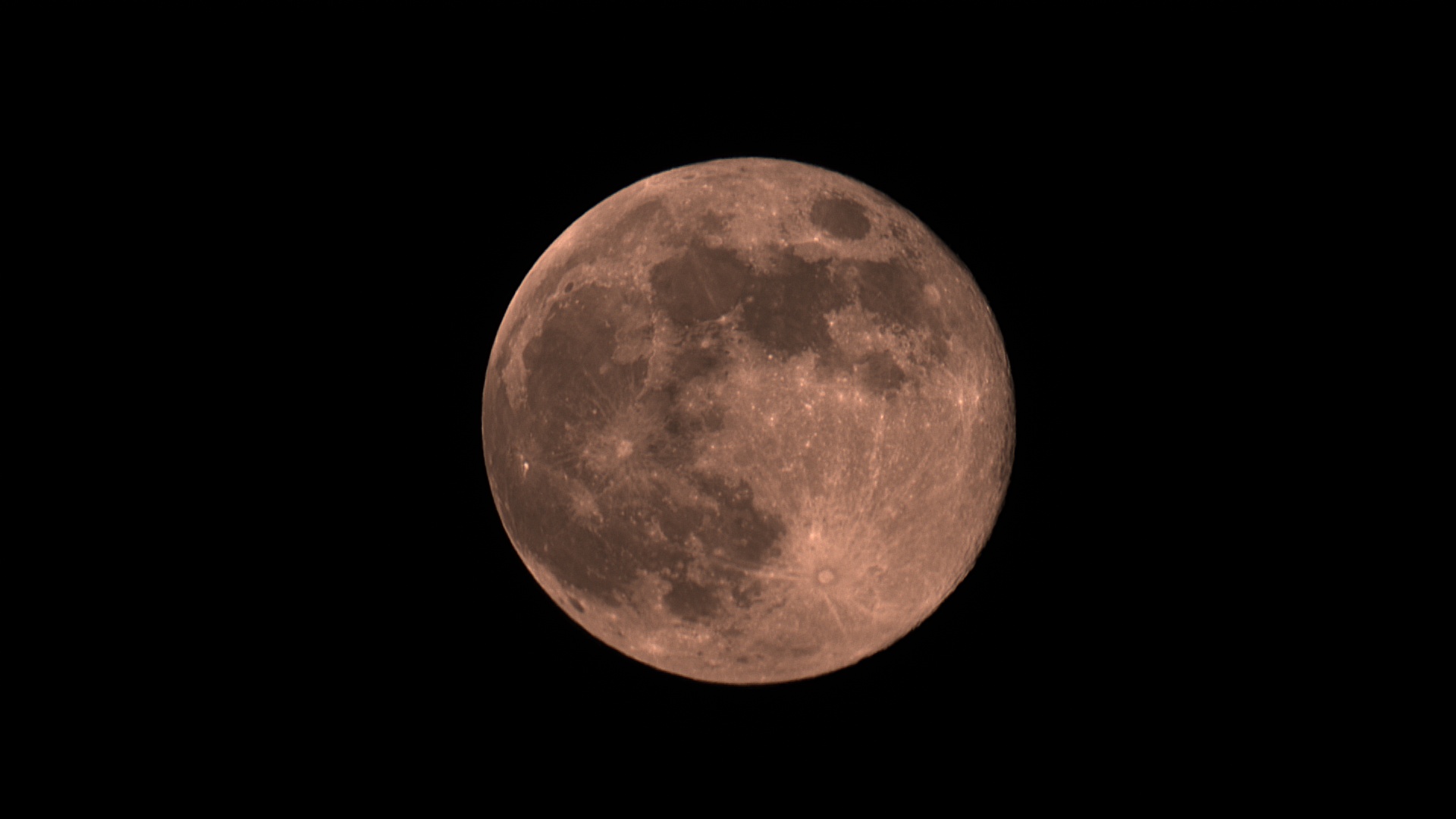
Full Moon by John Archer taken from East Sussex.
Taken using a Dwarf3 smart scope. The photo is made up of a stack of 20 images.
The Horsehead and Flame Nebula
Below are 2 images of the Horsehead Nebula and Flame Nebula taken by member George Buckberry. The 1st on the 31st Dec 2025 having only 17mins and 45 seconds of total exposure and the 2nd on the 1st Jan 2026 having 1 hour and 15mins total exposure; both taken using a Dwarf3 smart scope. The Horsehead Nebula is located in the centre of the images and the Flame nebula is located at the top middle of the images.
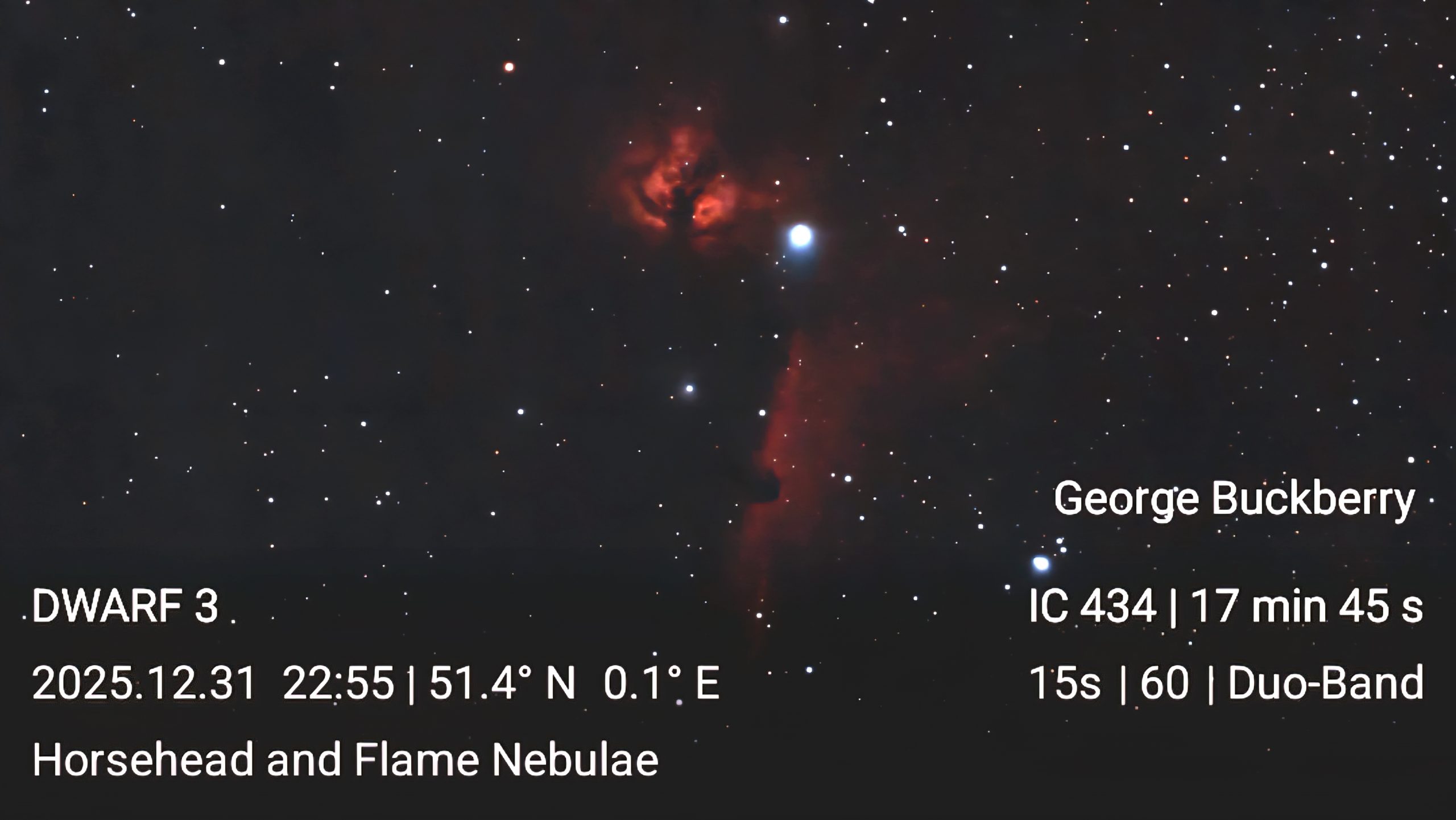
The Horsehead Nebula, also known as Barnard 33, and its companion, the Flame Nebula, sit near the star Alnitak in Orion’s Belt.
The Horsehead Nebula is a small dark nebula located about 1,375 light-years from Earth and is located just south of Alnitak, the easternmost star of Orion’s Belt and is part of the much larger Orion molecular cloud complex within the Orion B cloud. It is one of the most identifiable nebulae because of its resemblance to a horse’s head.
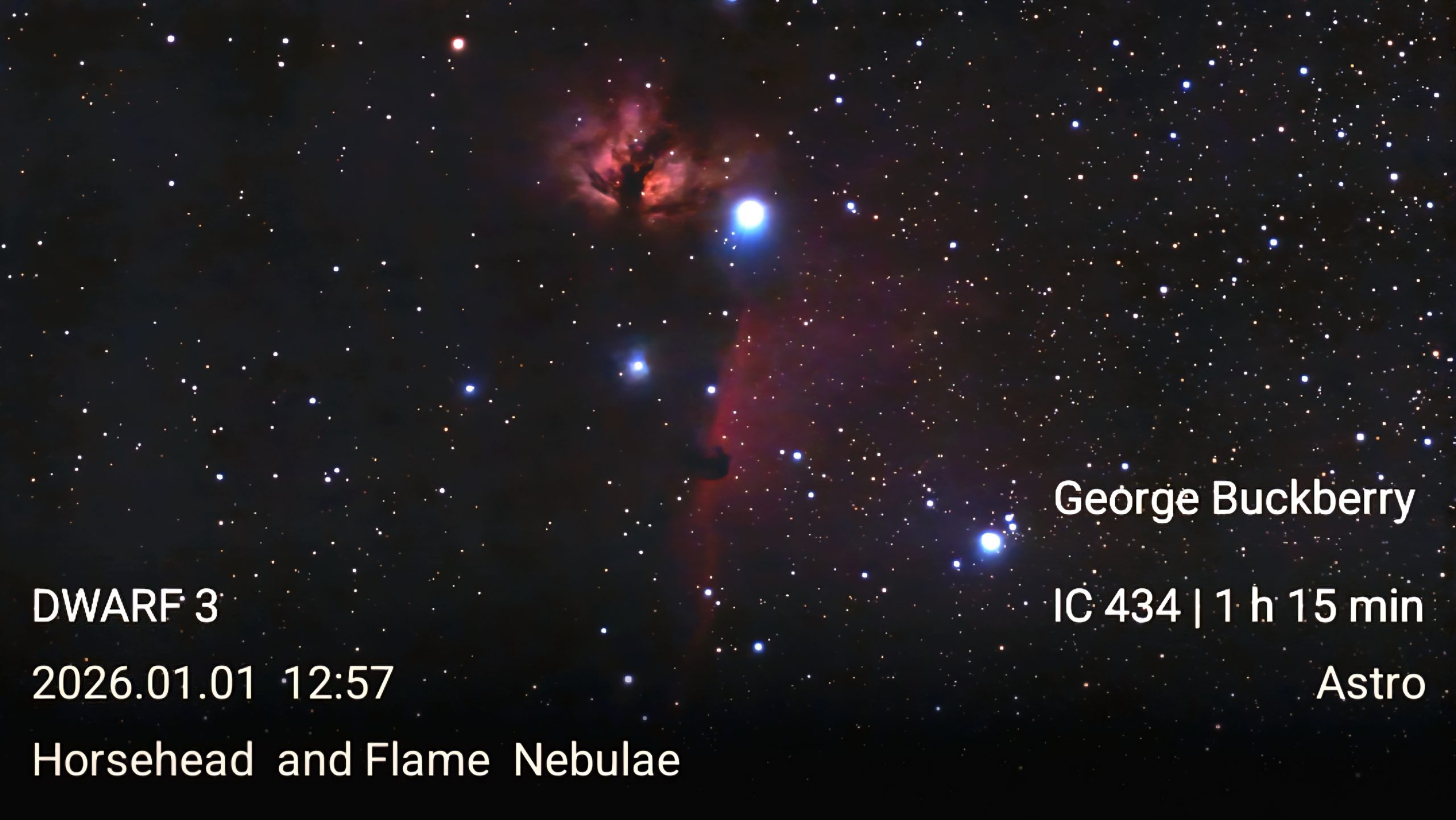
The Flame Nebula, designated as NGC 2024 and Sh2-277, is an emission nebula also in the constellation Orion. It is about 1350 light-years away. The Flame Nebula also lies within the Orion B cloud of the larger Orion Molecular Cloud Complex.
The bright star Alnitak the easternmost star in Orion’s Belt, appears very close to the Flame Nebula in the sky. But the star and nebula are not physically associated with one another. Alnitak lies 1260 light-years from Earth.
The Sun & Moon – 31st Dec 2025
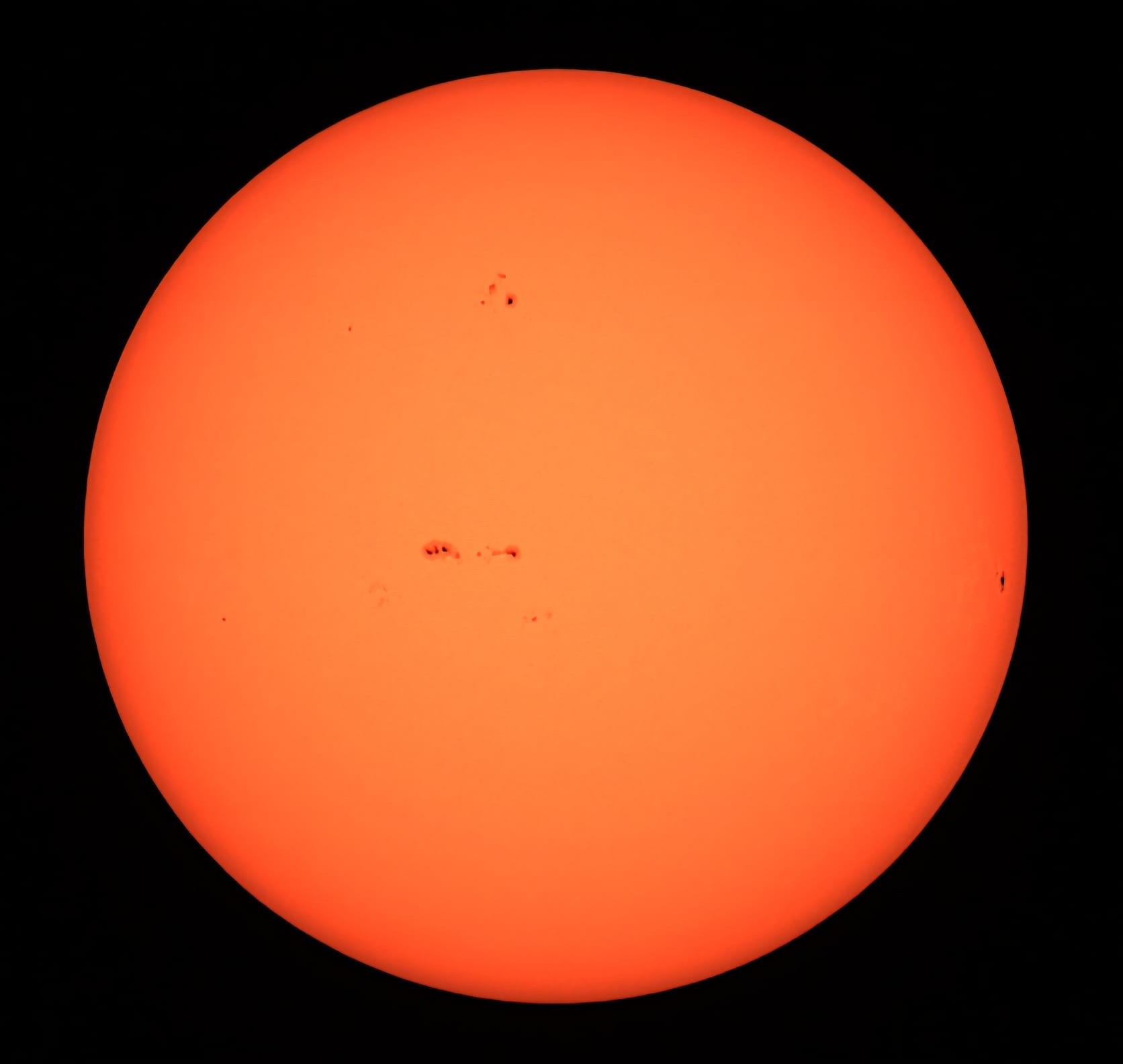
The Sun & a Waxing Gibbous Moon (89.7% illuminated and 11.64 days old) taken on the last day of the year 2025.
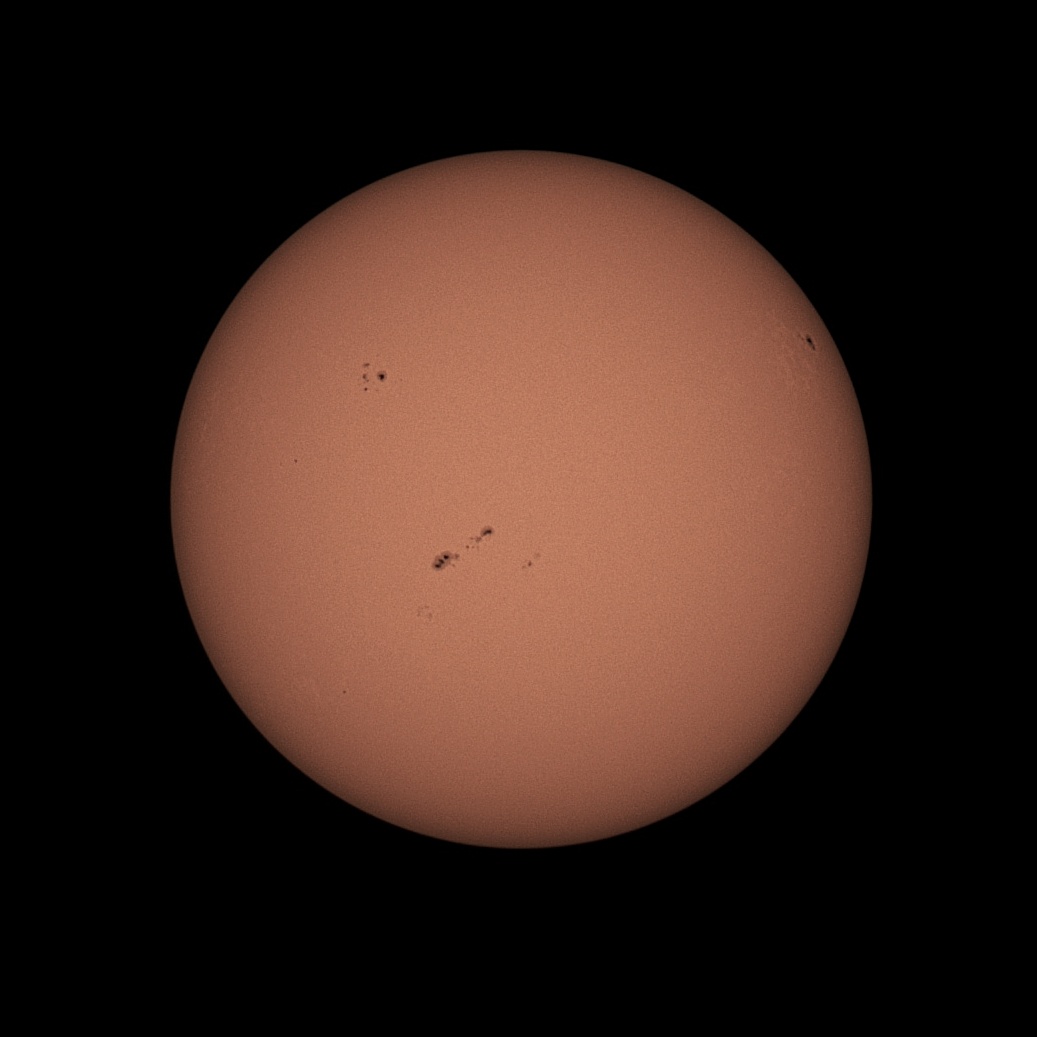
The Sun by Honor Wheeler taken from Dartford using a Dwarf3 smartscope. 50 stacked images and processed in Snapseed.
The Sun taken by George Buckberry from Hextable using a Dwarf3 smart scope.
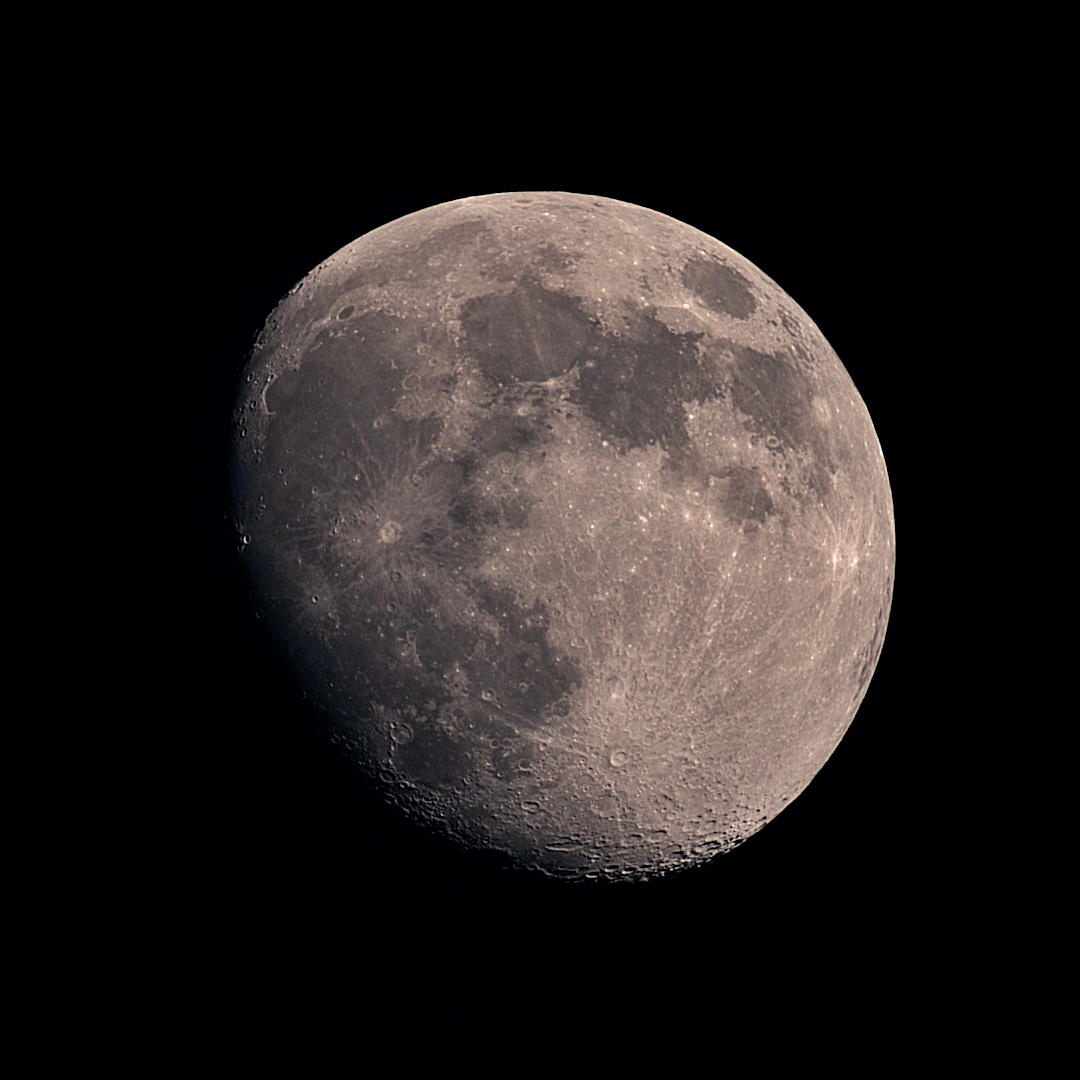
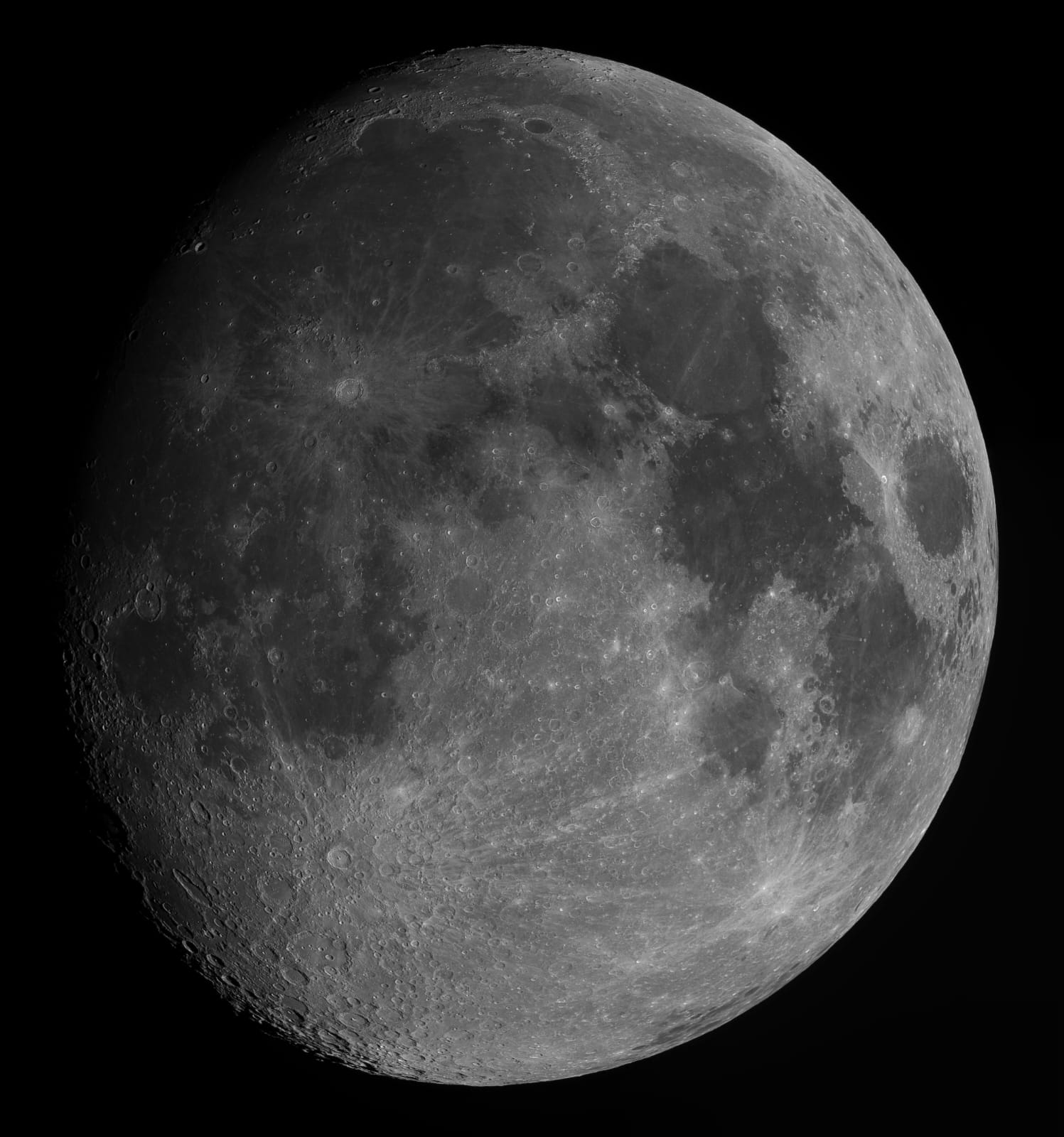
The Moon taken by Honor Wheeler from Dartford using a Dwarf 3 smartscope. 50 stacked images and processed in Snapseed.
The Moon taken by Neil Webster from St Mary’s Platt.
The image is made up of 6 frames: each 90s x 33fps (20% selected by AS). Neil used a AA 115 APO, EQ6 R, ZWO ASI290MM and R-IR Filter to capture the images and then processed them using Firecapture, AutoStakkert, Photoshop and Microsoft ICE.
Congratulations to…..
Congratulations to Simon Dawes, Martin Crow and Gary Hunt on the latest paper published by the ExoClock project of which they are co authors ”ExoClock Project IV: A homogeneous catalogue of 620 updated exoplanet ephemerides” To see a copy of the paper click on the link below.
https://arxiv.org/abs/2511.14407
Then another congratulations to Martin Crow for being a co author on the following paper titled ”TrES-1b: A Case study in detecting Secular Evolution of Exoplanet Orbits.” To see a copy of the paper click the link below.
Congratulations
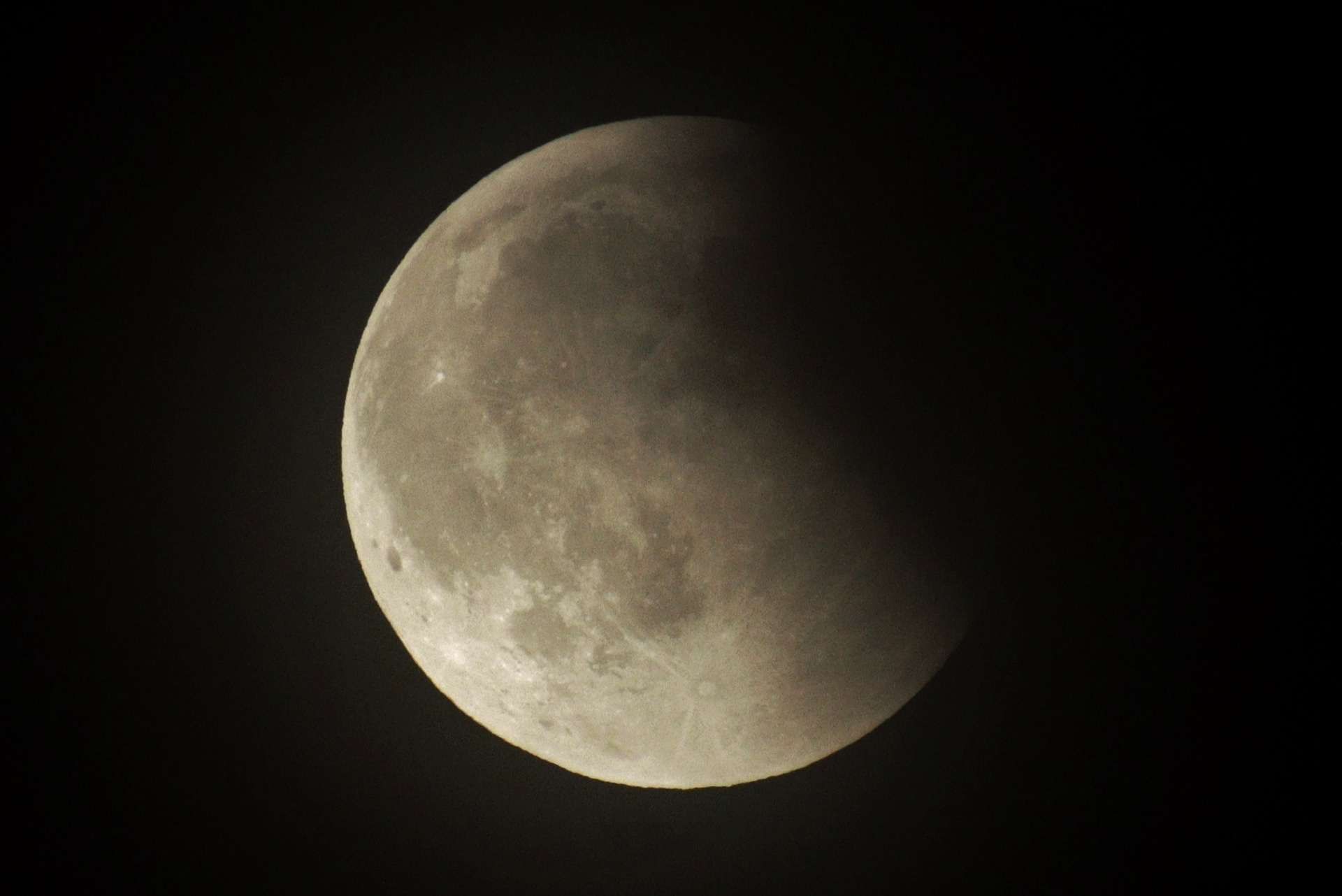
Congratulations to Honor Wheeler for her superb Lunar Eclipse image taken on the 7th September 2025 being shown at the BAA (British Astronomical Association) Society Meeting sky notes and in their Lunar section too!
Honor acquired the image using a Canon M6II, 18-400mm lens, set at ISO1000, F6.3, and 1/500sec
The Orion Nebula
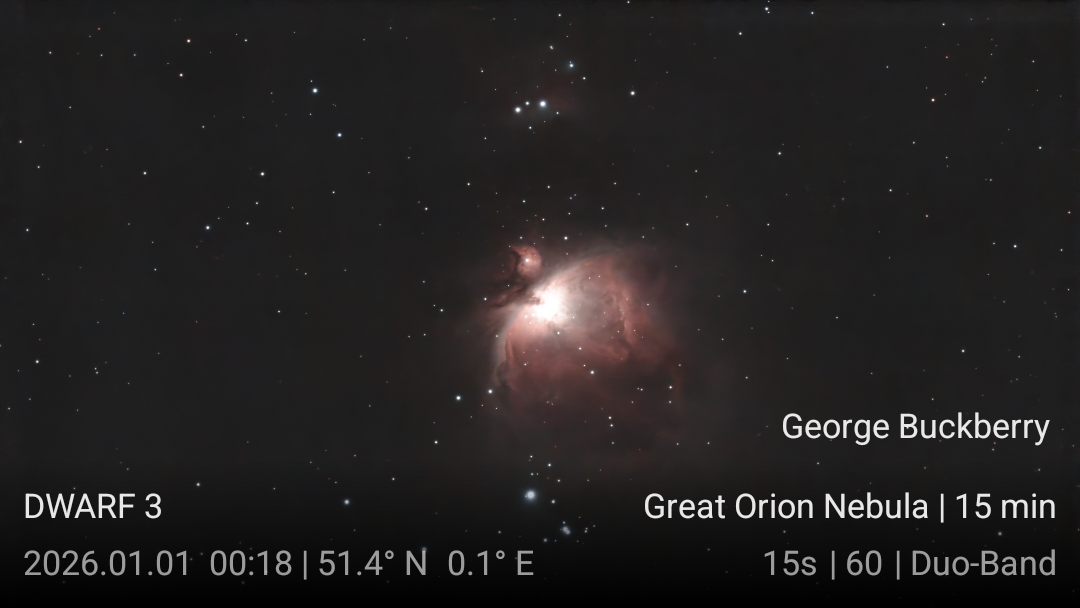
The Orion Nebula taken by George Buckberry on the 1st Jan 2026 using a Dwarf3 smart scope. This is a brilliant image as it was acquired just after a total of 15 mins of exposure. Just shows what smart scopes can do!
”The Orion Nebula (also known as Messier 42, M42, or NGC 1976) is a diffuse nebula situated south of Orion’s belt in the constellation of Orion. It is one of the brightest nebulae and is visible to the naked eye in the night sky with an apparent magnitude of 4.0. It is 1,344 ± 20 light-years (412.1 ± 6.1 pc) away and is the closest region of massive star formation to Earth. M42 is estimated to be 25 light-years across (so its apparent size from Earth is approximately 1 degree). It has a mass of about 2,000 times that of the Sun. Older texts frequently refer to the Orion Nebula as the Great Nebula in Orion or the Great Orion Nebula.” Ref:https://en.wikipedia.org/wiki/Orion_Nebula
The Rosette Nebula
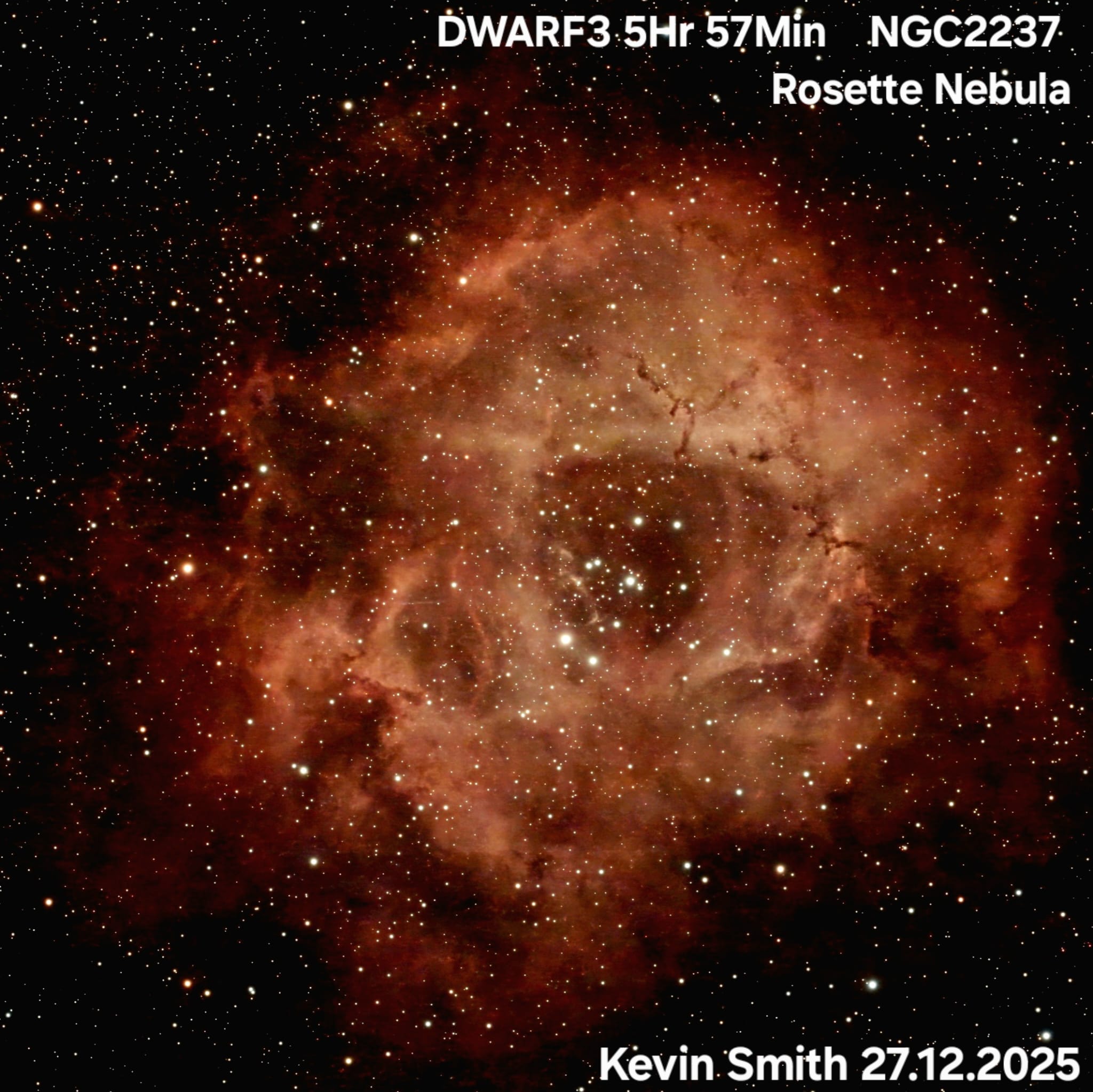
A stunning image of the Rosette Nebula taken by Kevin Smith on the 27th Dec 2025 using a Dwarf3 smartscope. The image is a total of 5 hours and 57 mins of exposure.
The Rosette Nebula (also known as Caldwell 49) is a huge star-forming region spanning 100 lightyears across and located 5,000 lightyears away.
It can be seen in the Monoceros constellation in the winter months and is located between stars Betelgeuse in Orion and Procyon in Canis Minor. Draw a line between Betelgeuse and Procyon, look just south of that line, about halfway along, and you will find it.
The last Supermoon of 2025
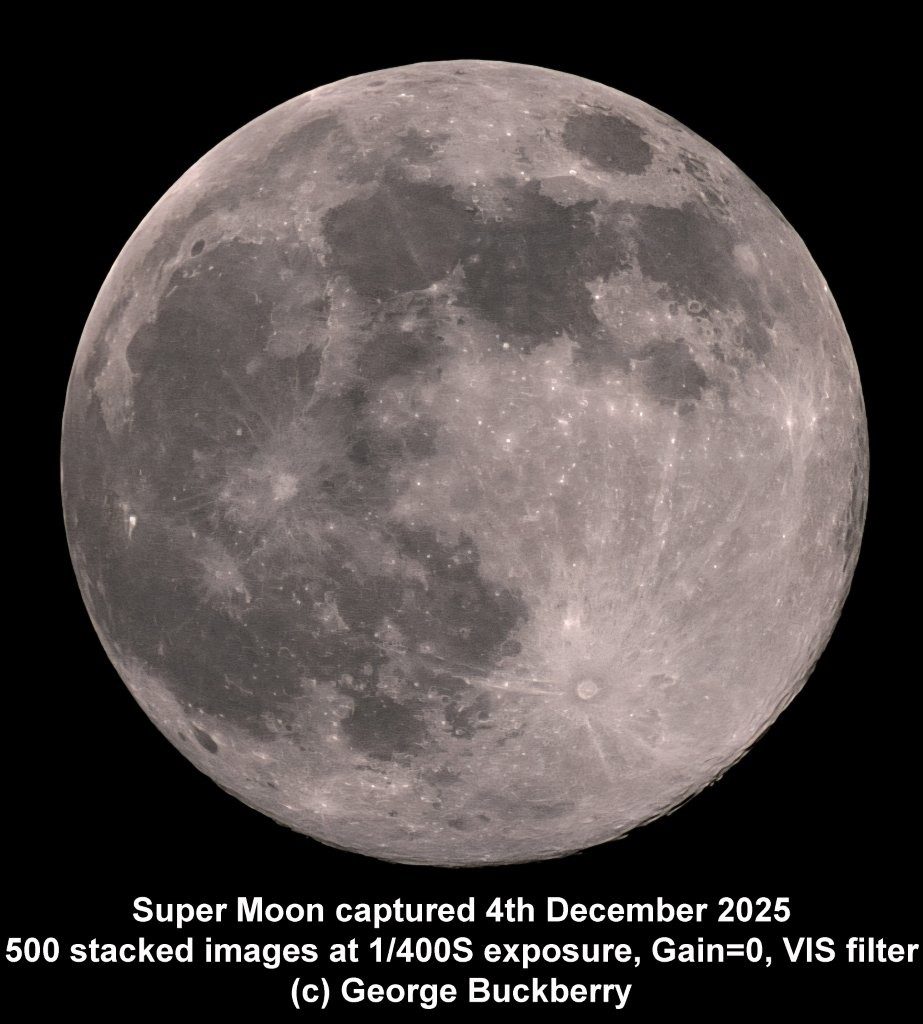
A fabulous selection of Supermoon images taken on the 4th/5th December 2025. The year 2025 featured a rare series of three consecutive supermoons: the October 7th Harvest/Hunter Moon, the November 5th Beaver Moon, and the December 4th Cold Moon, where the Moon appears larger and brighter than usual. These supermoons occur when a full moon coincides with the Moon being at or near its closest point to Earth in its orbit.
For more information about the term ‘Supermoon’ and where Full Moon names originate; check out the following sites/pages: https://en.wikipedia.org/wiki/Supermoon
https://www.almanac.com/full-moon-names
https://www.timeanddate.com/astronomy/moon/full-moon-names.html
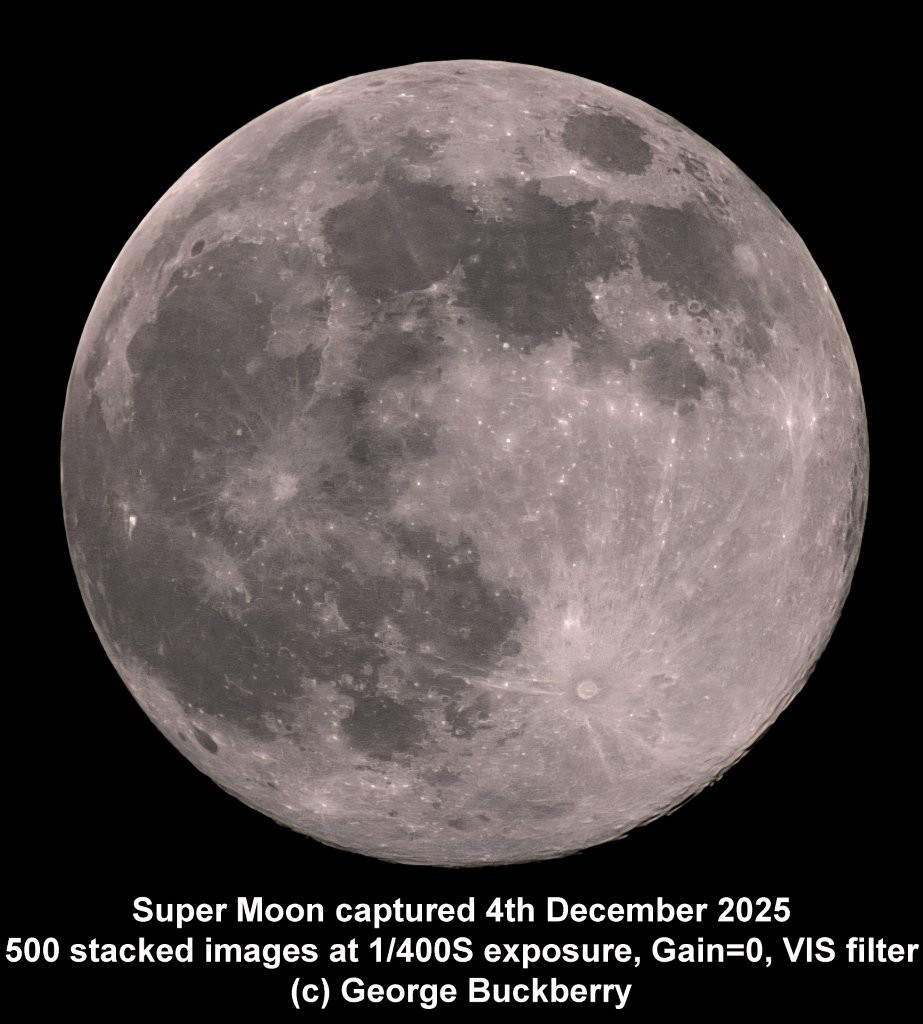
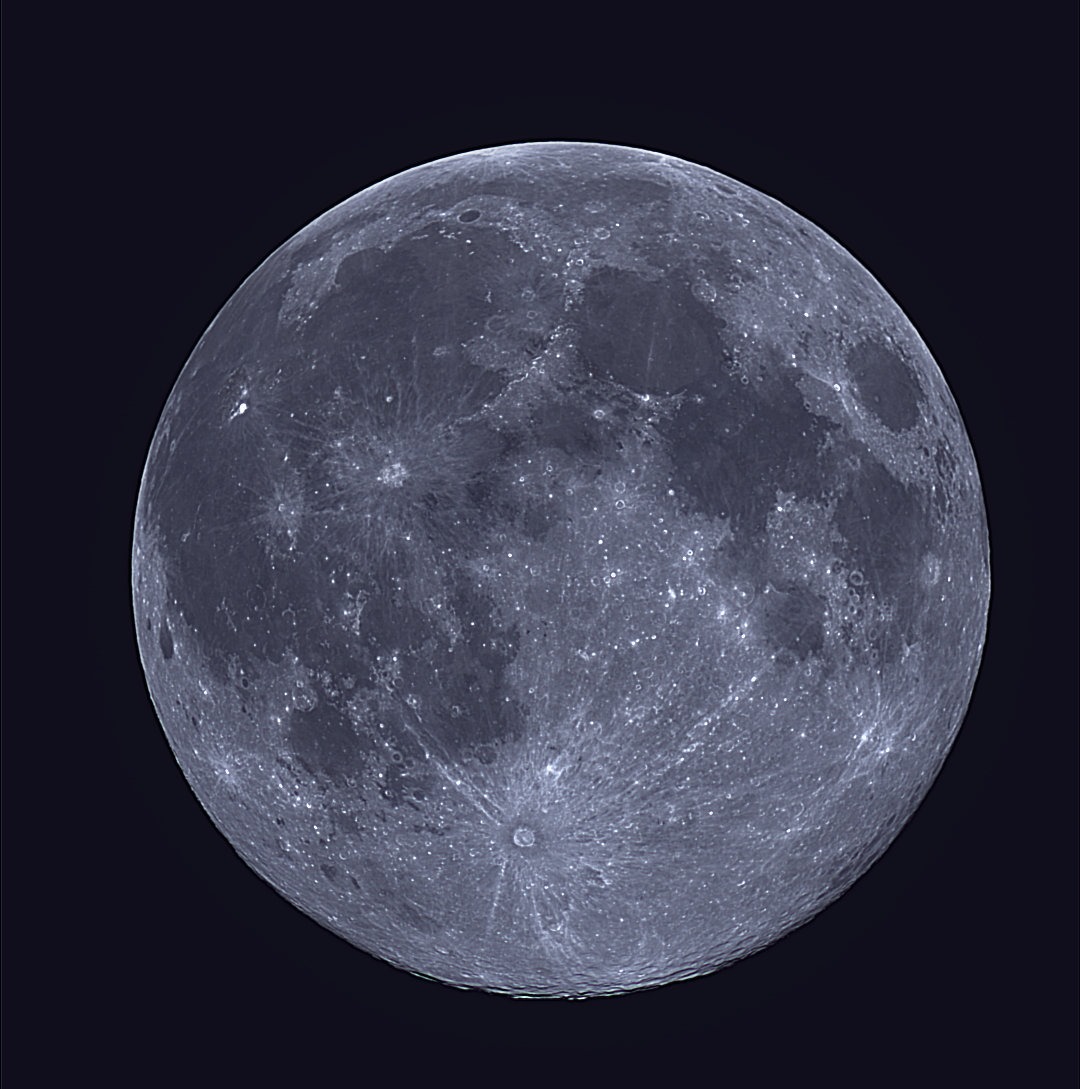
George used a Dwarf3 smartscope to take this image.
The Moon by Diane Clarke taken using a Seestar 50 smartscope.
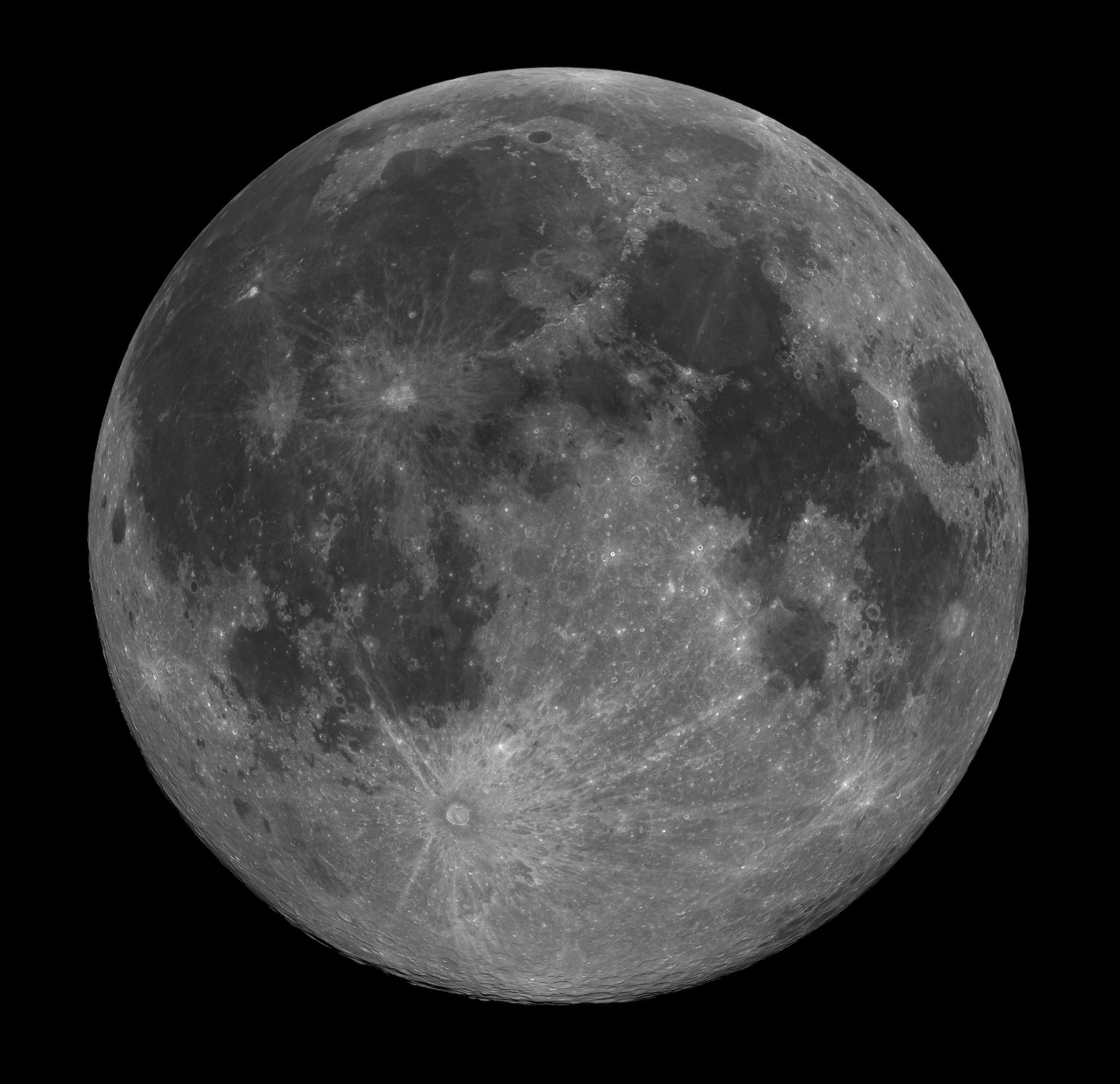
The Moon taken by Neil Webster. The image is made up of 8 frames. Each 90s x 32fps. The image was taken using a AA115 APO, EQ6 R, ZWO ASI290MM, and R/IR Filter. It was processed using Firecapture, AutoStakkert, Photoshop, and Microsoft ICE. Taken from St Marys Platt, Kent, UK.
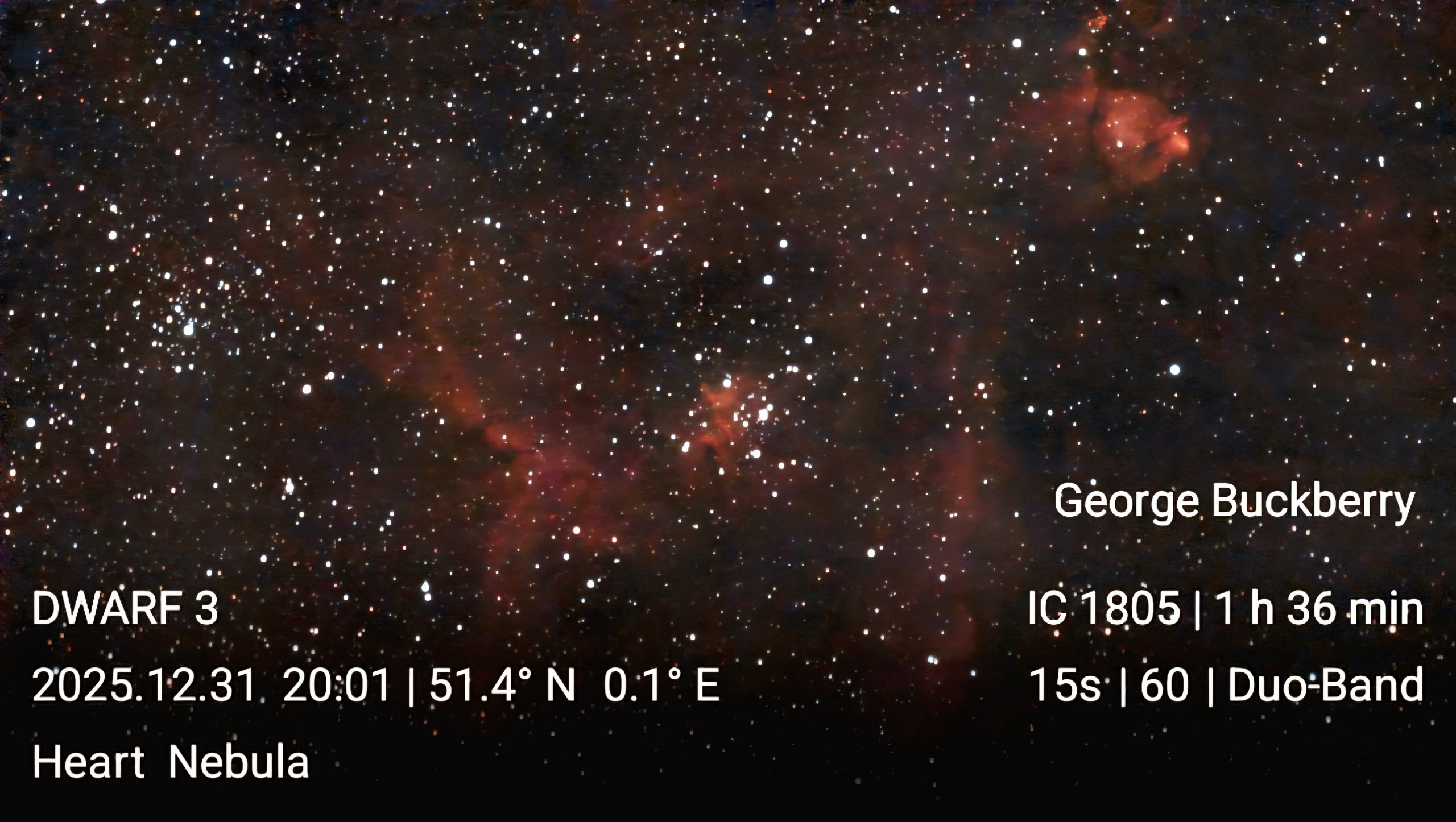
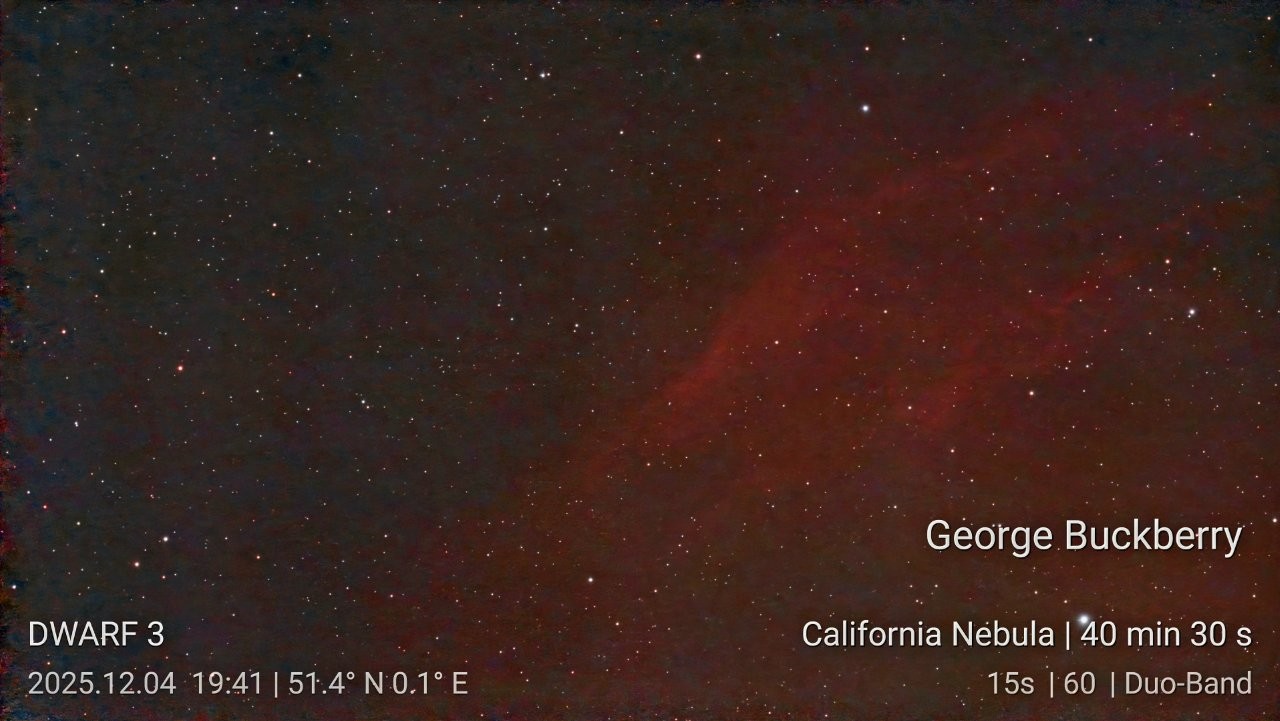
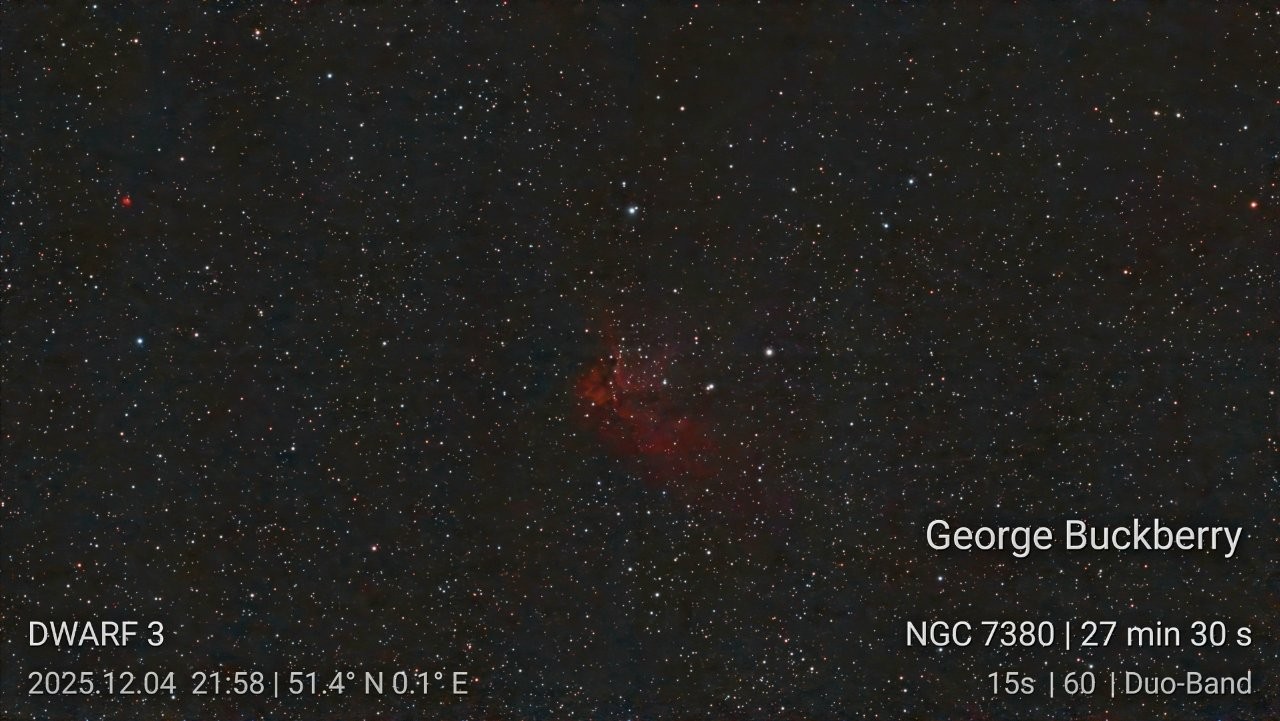
Deep Sky images by George Buckberry
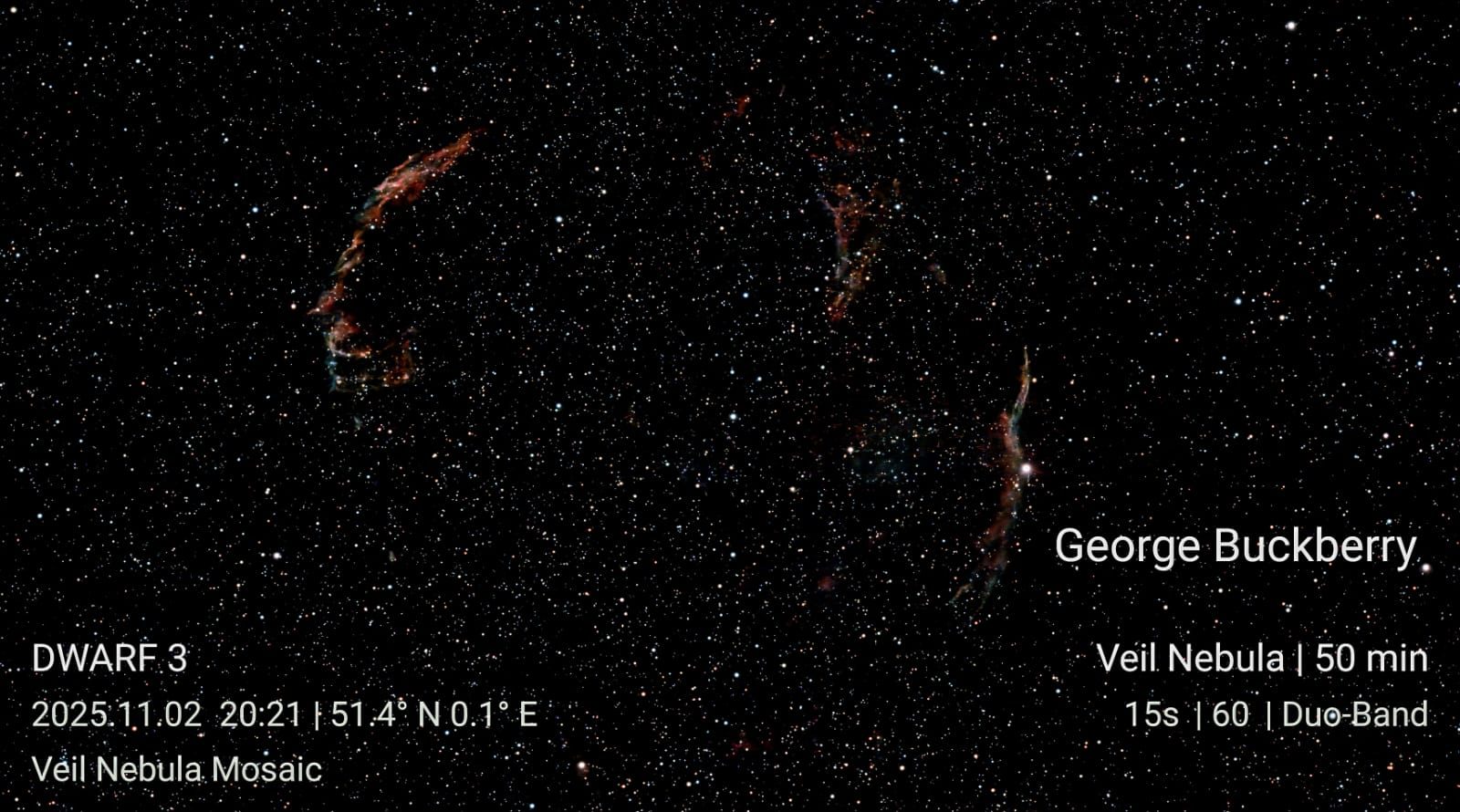
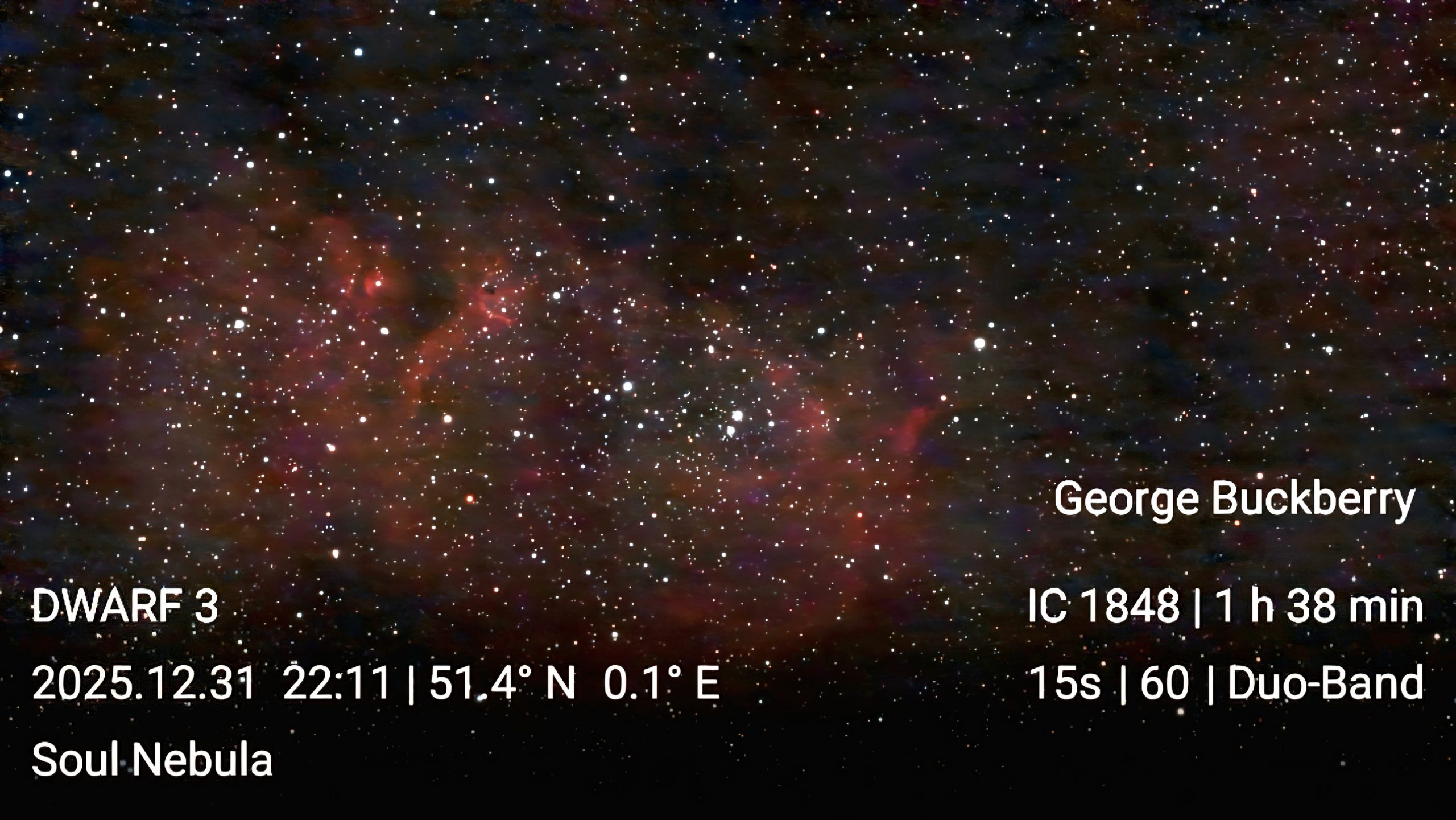
A super selection of deep sky images taken by George Buckerry on the 4th and 31st Dec 2025 using a Dwarf3 smart scope.
Lunar Halo – 13th Dec 2025
Four fab Lunar Halo images. All taken on the night of the 13th Dec 2025.
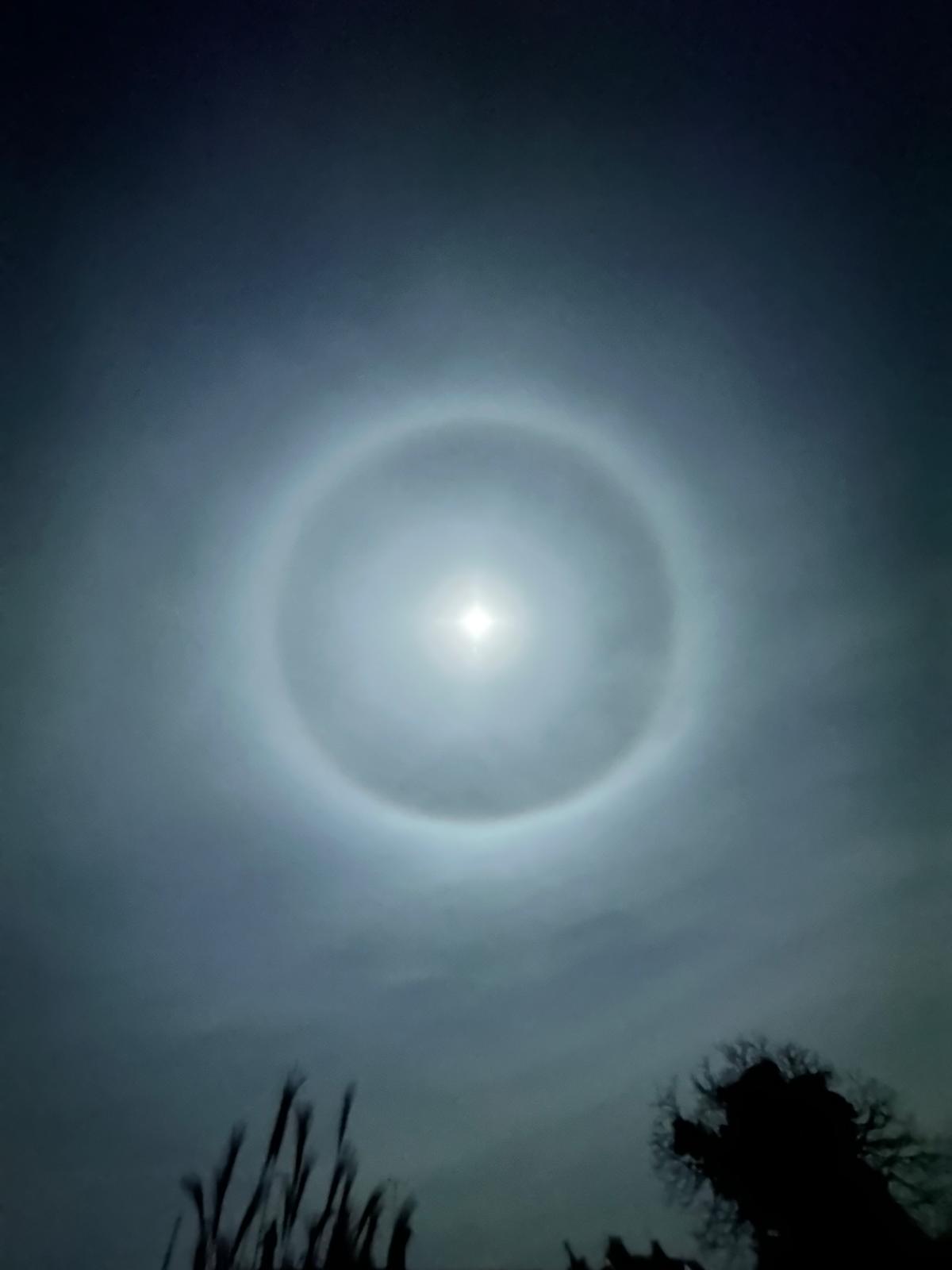
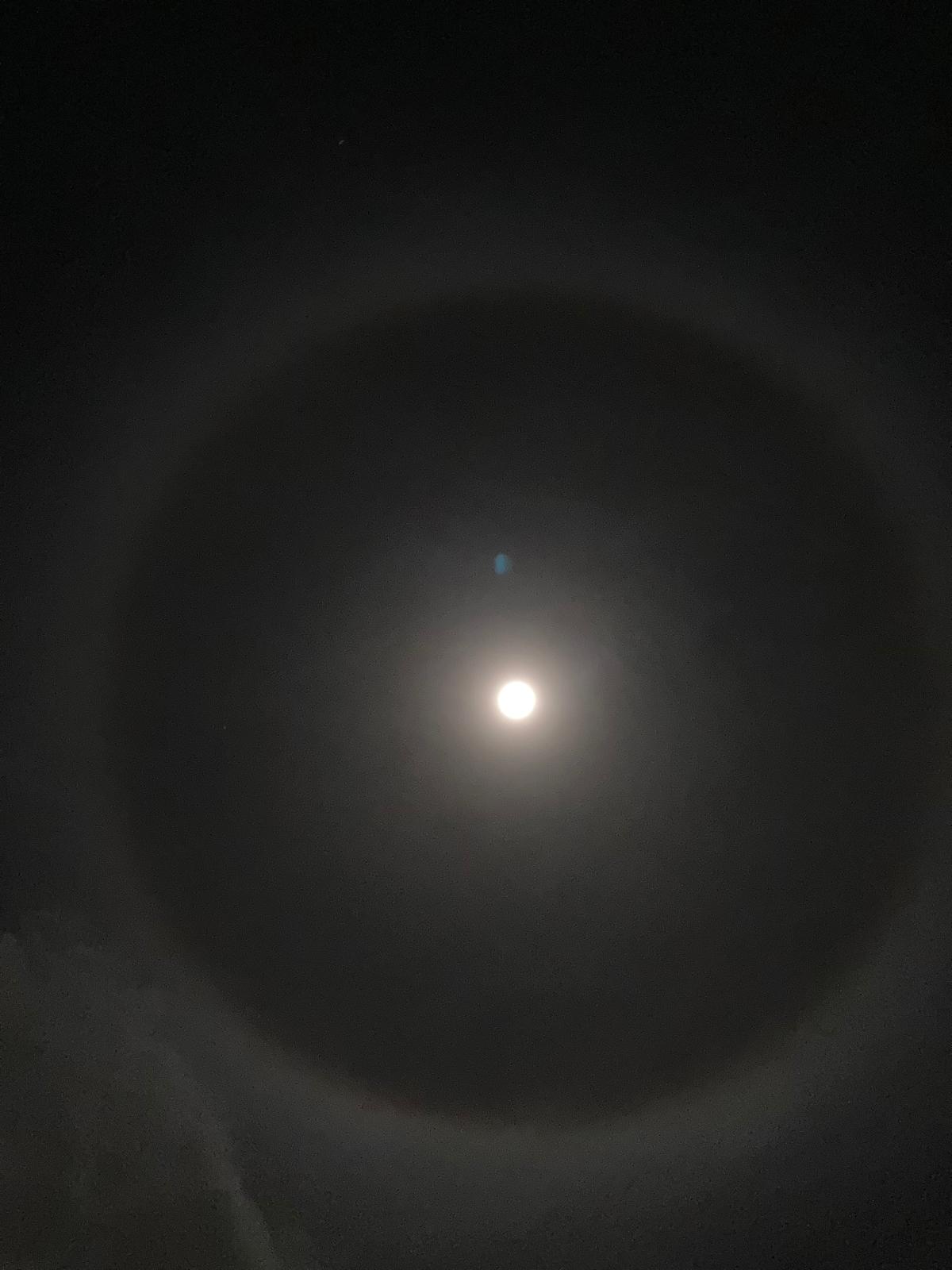
By Martin Crow from Burham-On-Crouch.
By Gary Hunt taken from Isle of Sheppey.
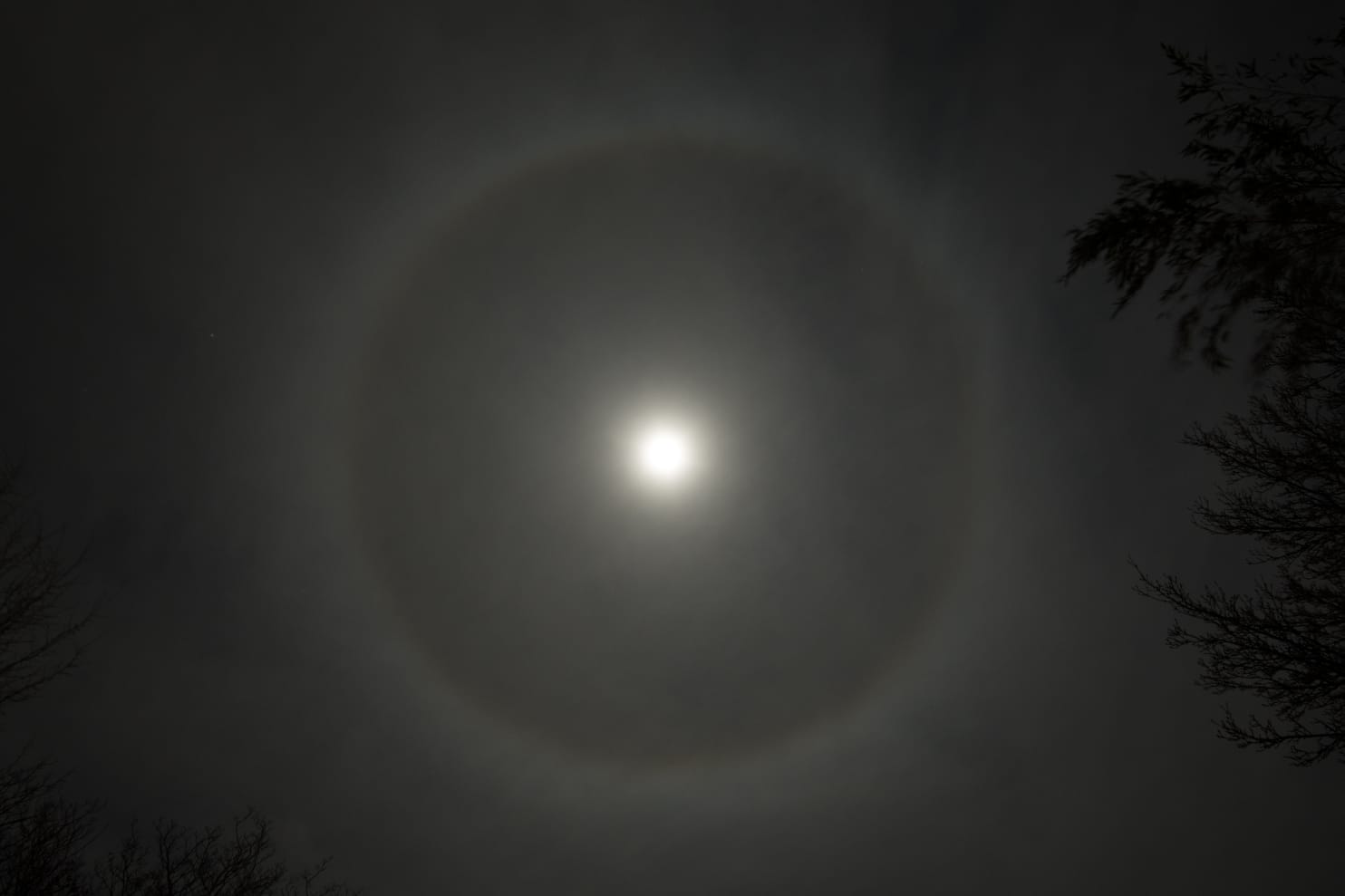
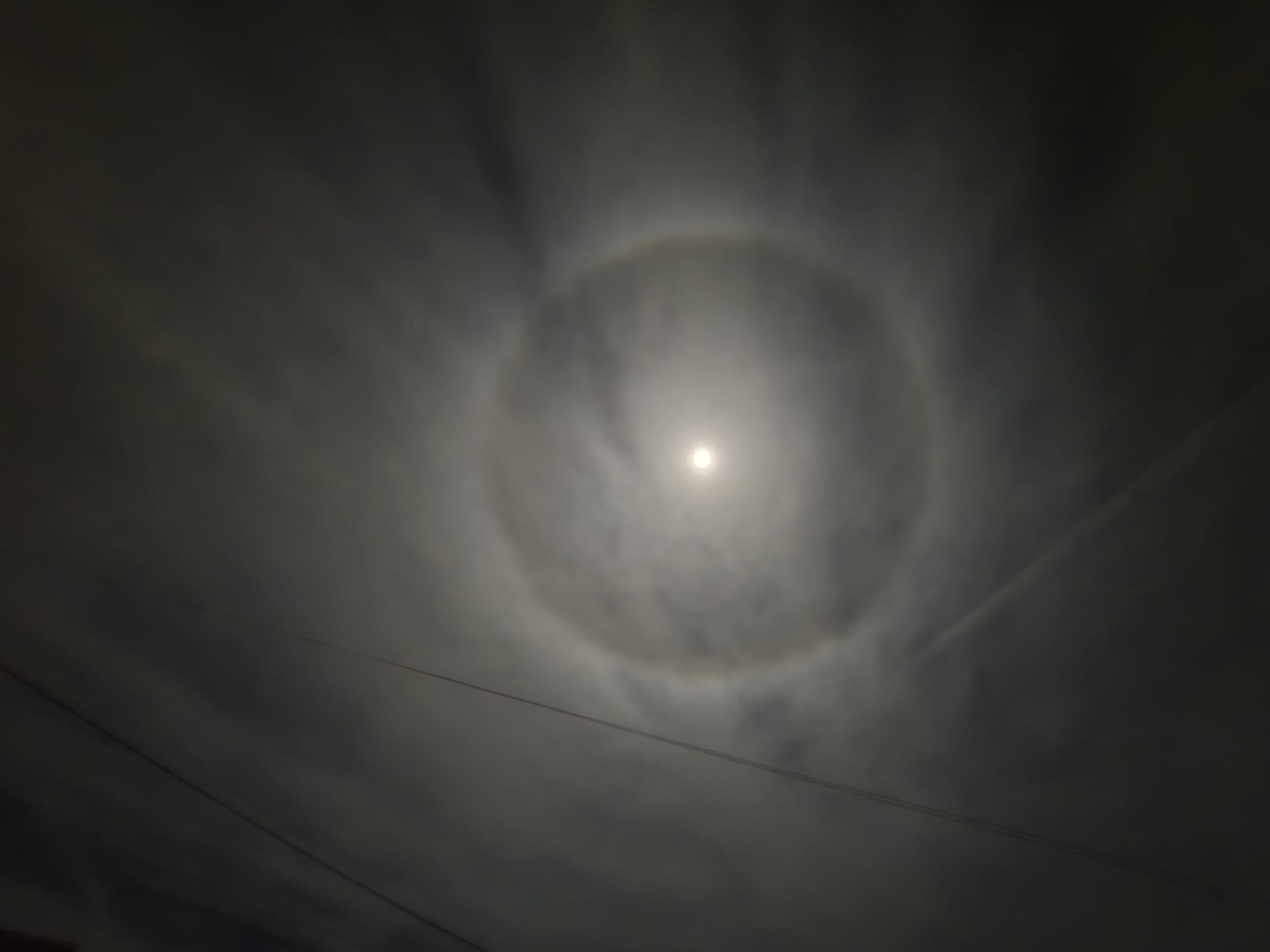
By Honor Wheeler from Dartford.
By George Buckberry from Hextable.
Jim Burchell’s images – 18th Nov to the 26th Nov 2025
A super collection of images taken by member Jim Burchell from the 18th to the 26th Nov...
John Archer’s images – 21st Nov to the 28th Nov 2025
A superb collection of images taken by member John Archer from the 21st to the 28th Nov 2025 using a Dwarf3 smartscope. The Moon on the 28th Nov...
Latest images 11th to 20th December 2025
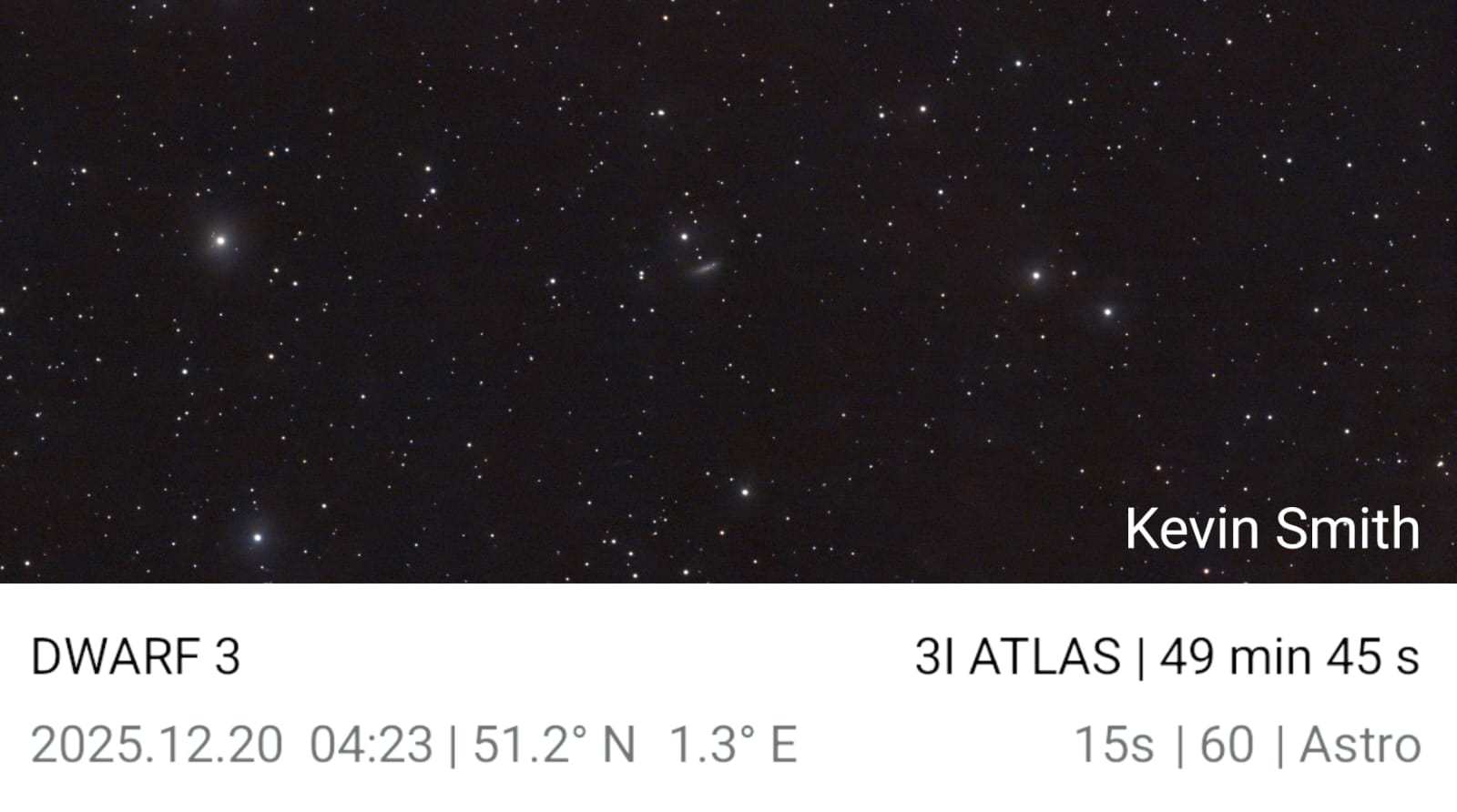
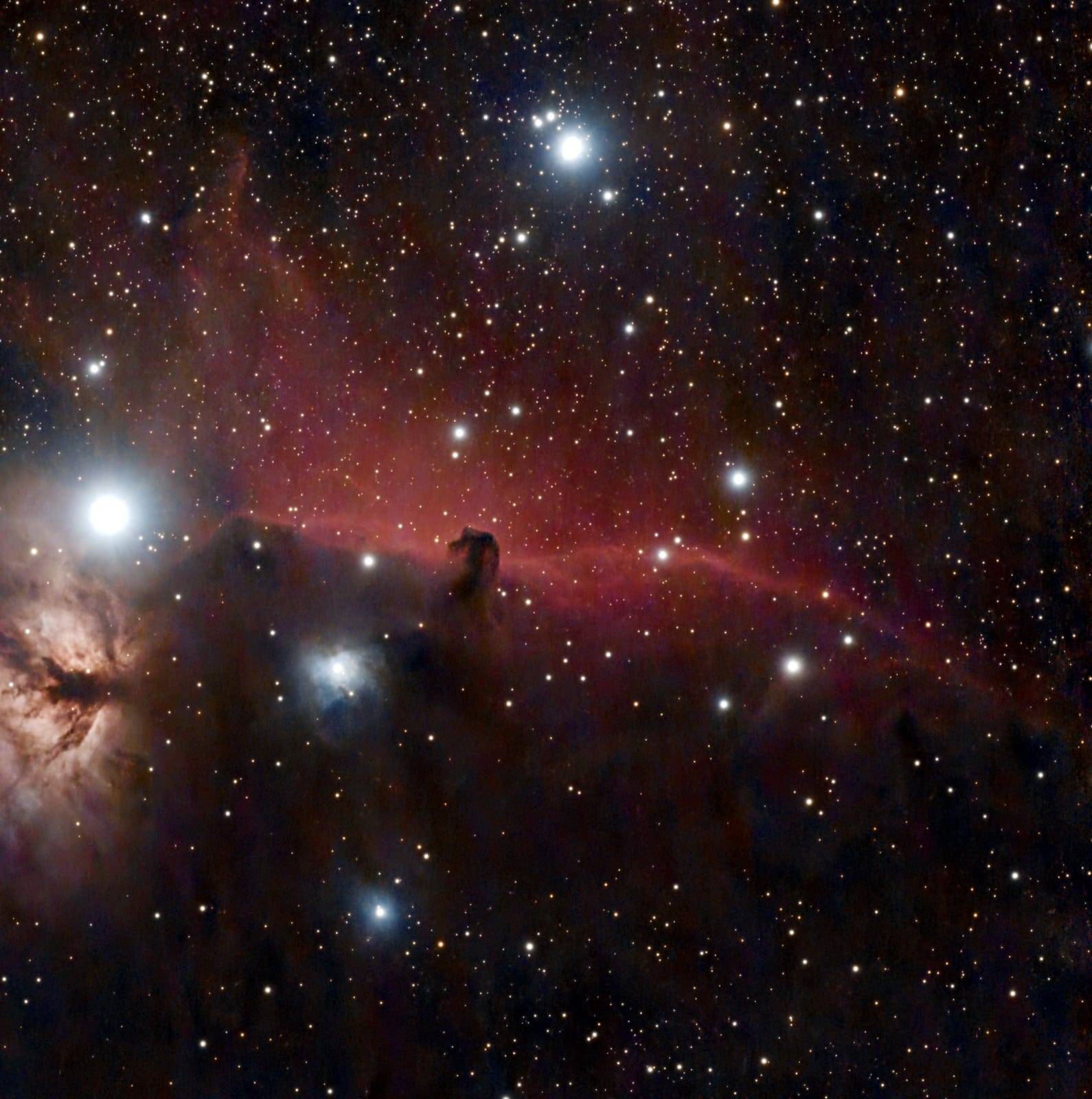
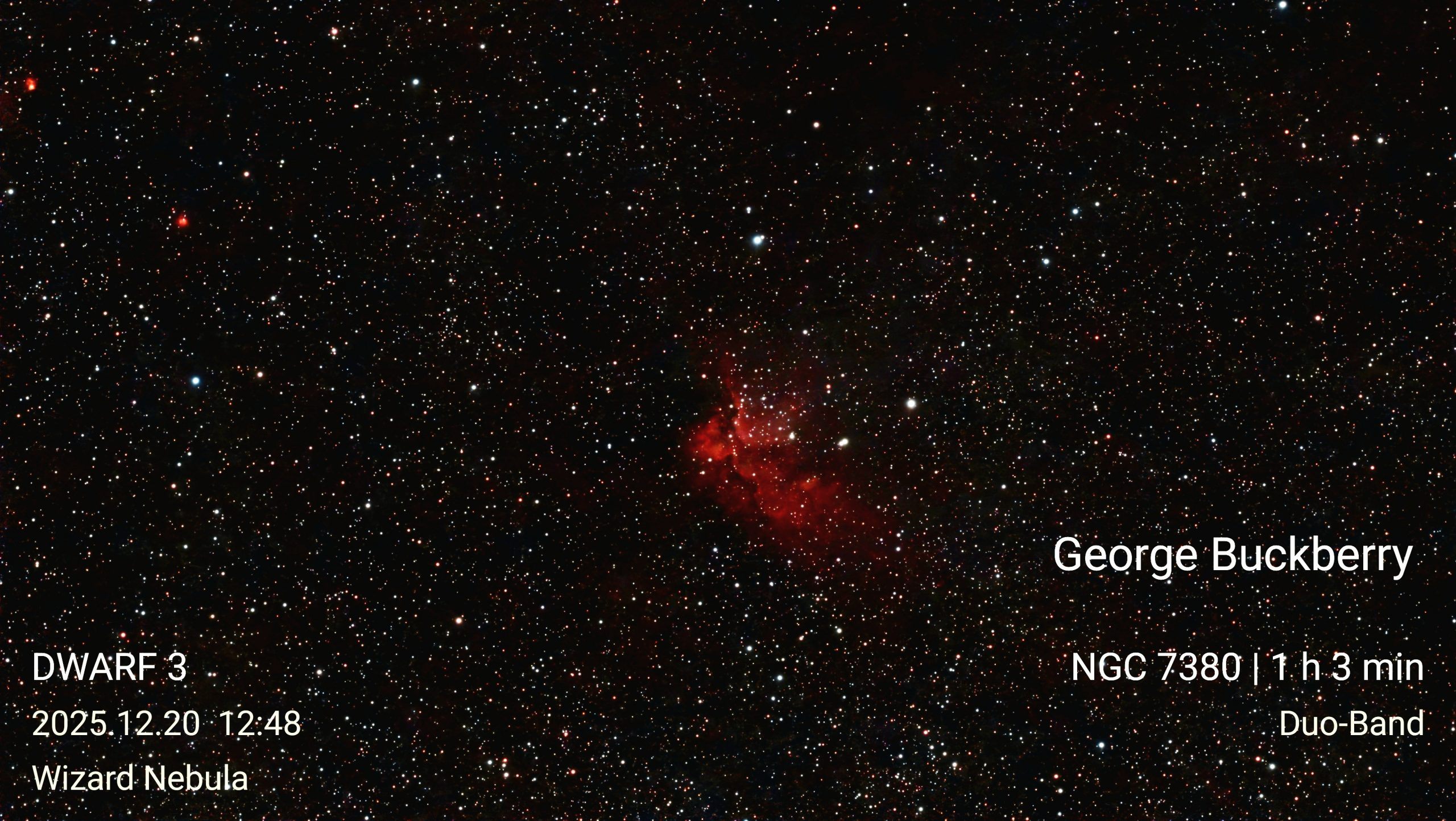
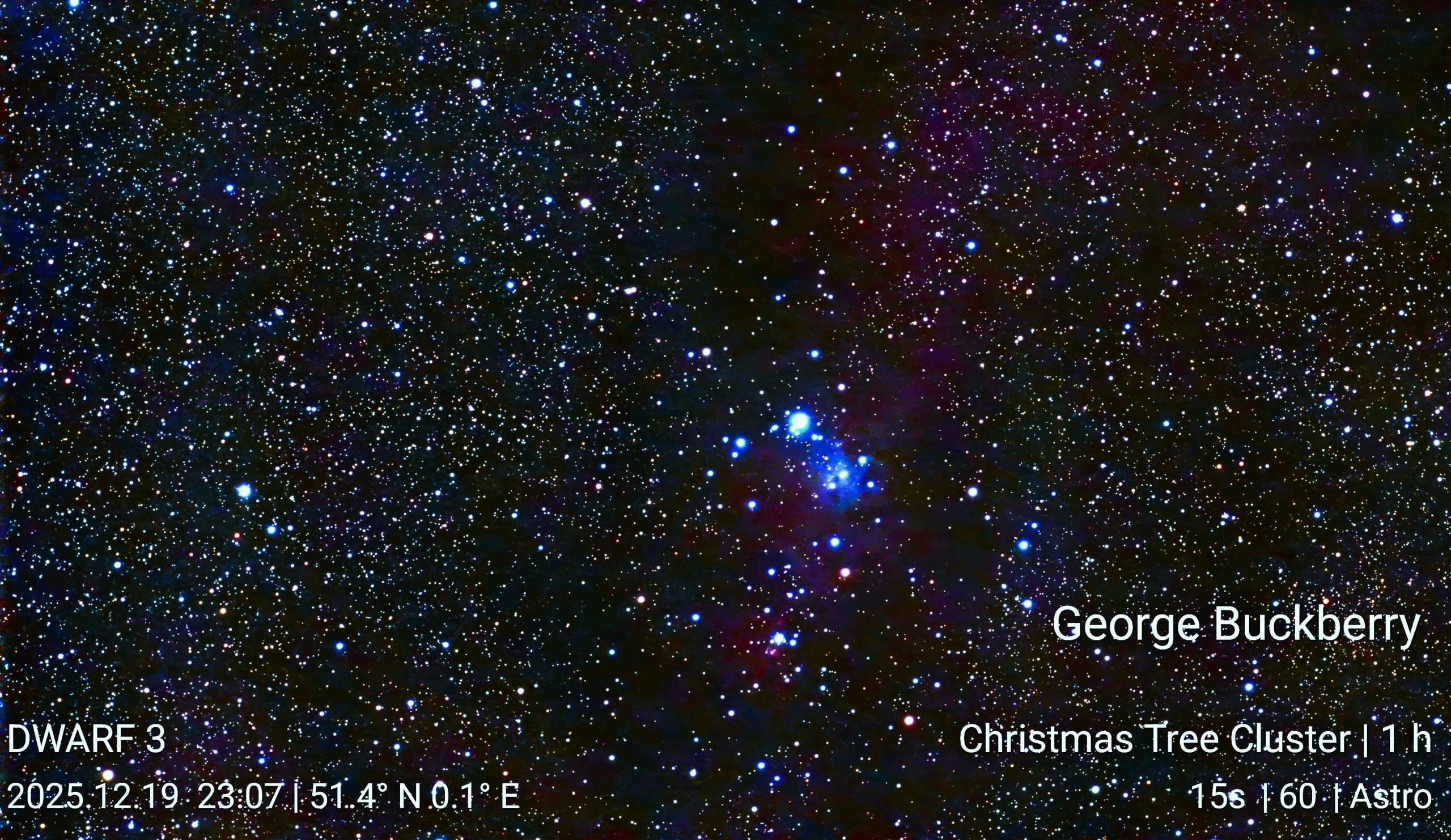
A fabulous selection of images taken by members Kevin Smith, Dan Stevens and George Buckberry from the 11th to the 20th December 2025. Kevin Smith using a Dwarf 3 smartscope The Horsehead...
Stargazing at Hall Place – 26th Nov 2025
CMHASD Chairman Gary Hunt wrote; “CMHASD was honoured and delighted to deliver the Hall Place Stargazing Event on Wednesday 26th November 2025, to the people of Bexley and beyond! The event was sold out months in advance, and its popularity seems to grow each...
The Moon – 29th November 2025
An absolutely stunning image of the Moon taken by member Neil Webster on the 29th November 2025. MOON: Waxing Gibbous, 66.8% illuminated and 9.56 days old. Neil acquired the image using an AA 115 APO, EQ6 R, ZWO ASI 290MM, and R/IR filter. 8 frames: each 90s x 31fps...
The Moon – 30th November 2025
A super image of the Moon taken by member George Buckberry on the 30th November 2025; using his smart scope Dwarf3. The image was taken at 16:35 UTC, Exp 1/320s, Gain 10, and a VIS filter was...
Comet C/2025 K1 (Atlas)
Here is member George Buckberry’s latest image of Comet C/2025 K1 (ATLAS) taken on his Dwarf3 smart scope on the 26th November 2025. The image is made up of 12 stacked images at 15S exposure, Gain 60 and Astro filter. The first is the full image and the second...
17th/18th November 2025 images by George Buckberry
The latest images from member George Buckberry. Taken using a Dwarf3 smart...
Moon
A fantastic image of a waning gibbous Moon taken by member Diane Clarke on the 8th November 2025 using a Seestar s50 smart...
Dwarf3 images by Dr. Mike Rushton
Two super images taken by Dr. Mike Rushton using his Dwarf3 smart scope on the 12th November 2025 of the North America Nebula (Caldwell 20) and the...