
Observing the Moon
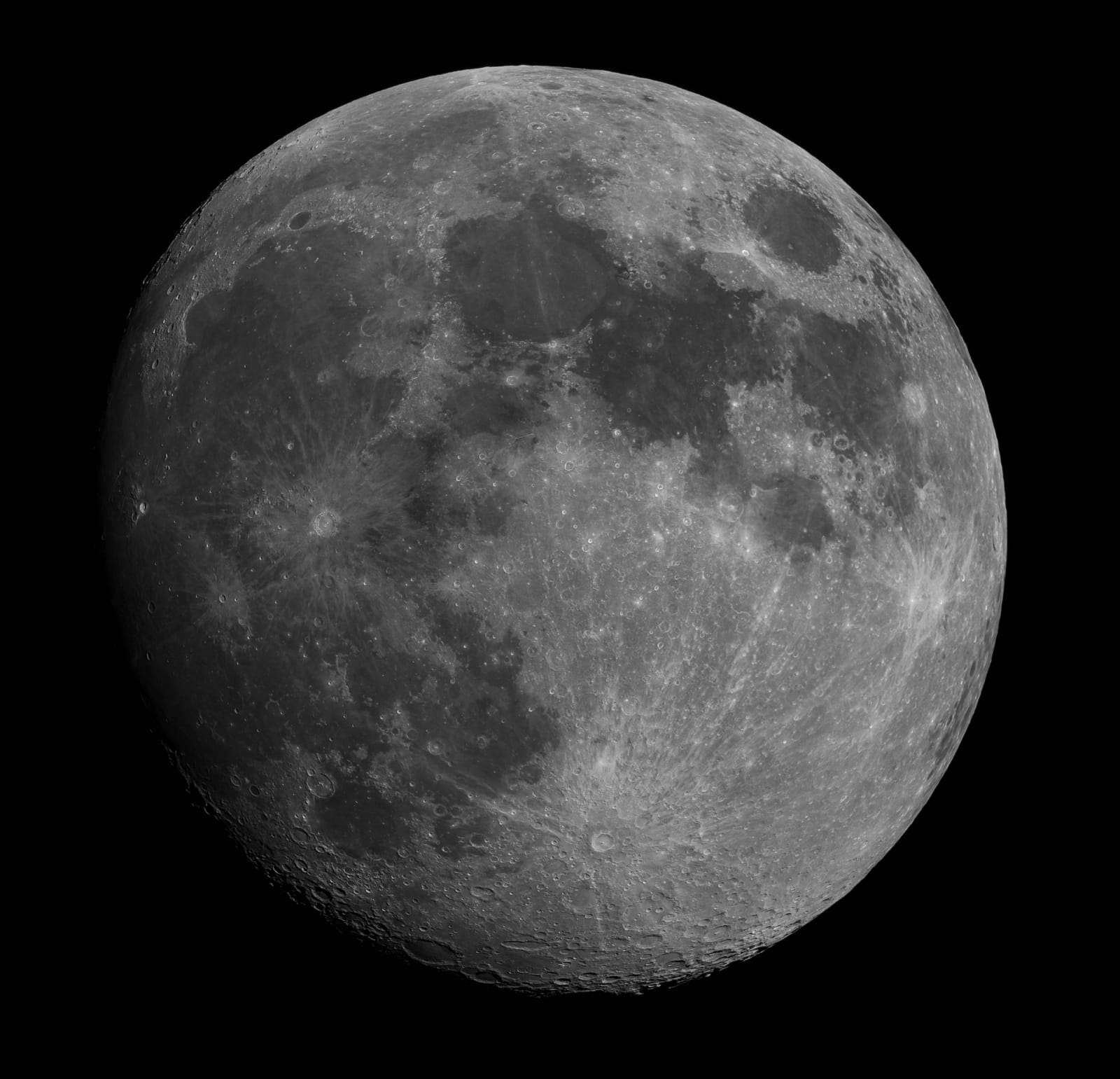
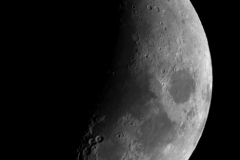
The Moons seems such an obvious object but there is much to be observed, with just your mark 1 eyeball try observing the different phases, the order they occur and the time of day best to observe them. Look for the highlands and seas and see if you can spot the wobble of the moon (libration).
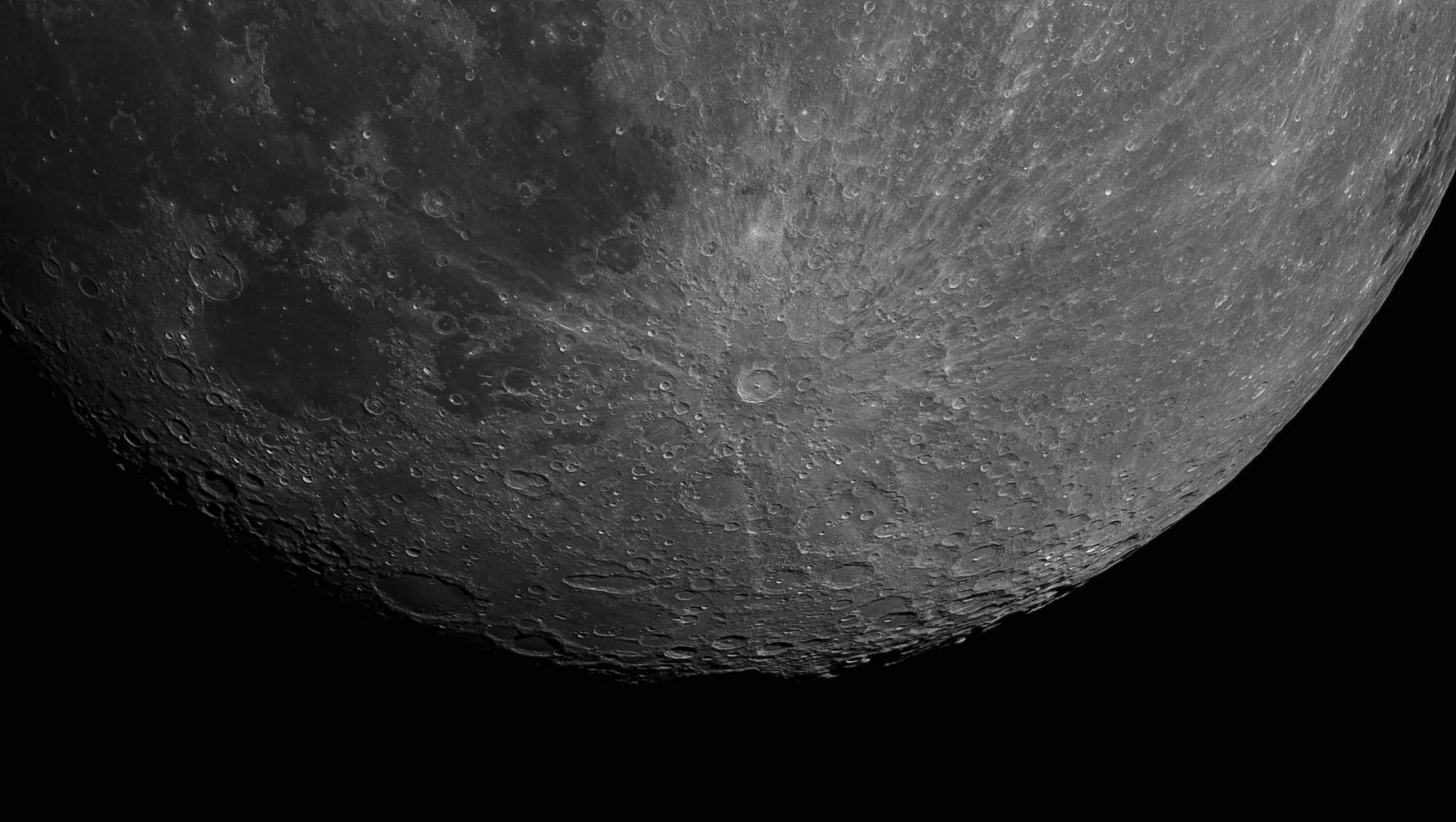
However if you have a telescope try observing the Lunar 100, or imaging the Moon’s features.
BAA Lunar Section | Wikipedia Entry
Recommended Filters
Neutral Density (ND) filters to remove the glare
Fringe Killer to remove any colour cast from refractor telescopes.
Imaging Filters:
IR Pass filter to improve the seeing.
Slideshow
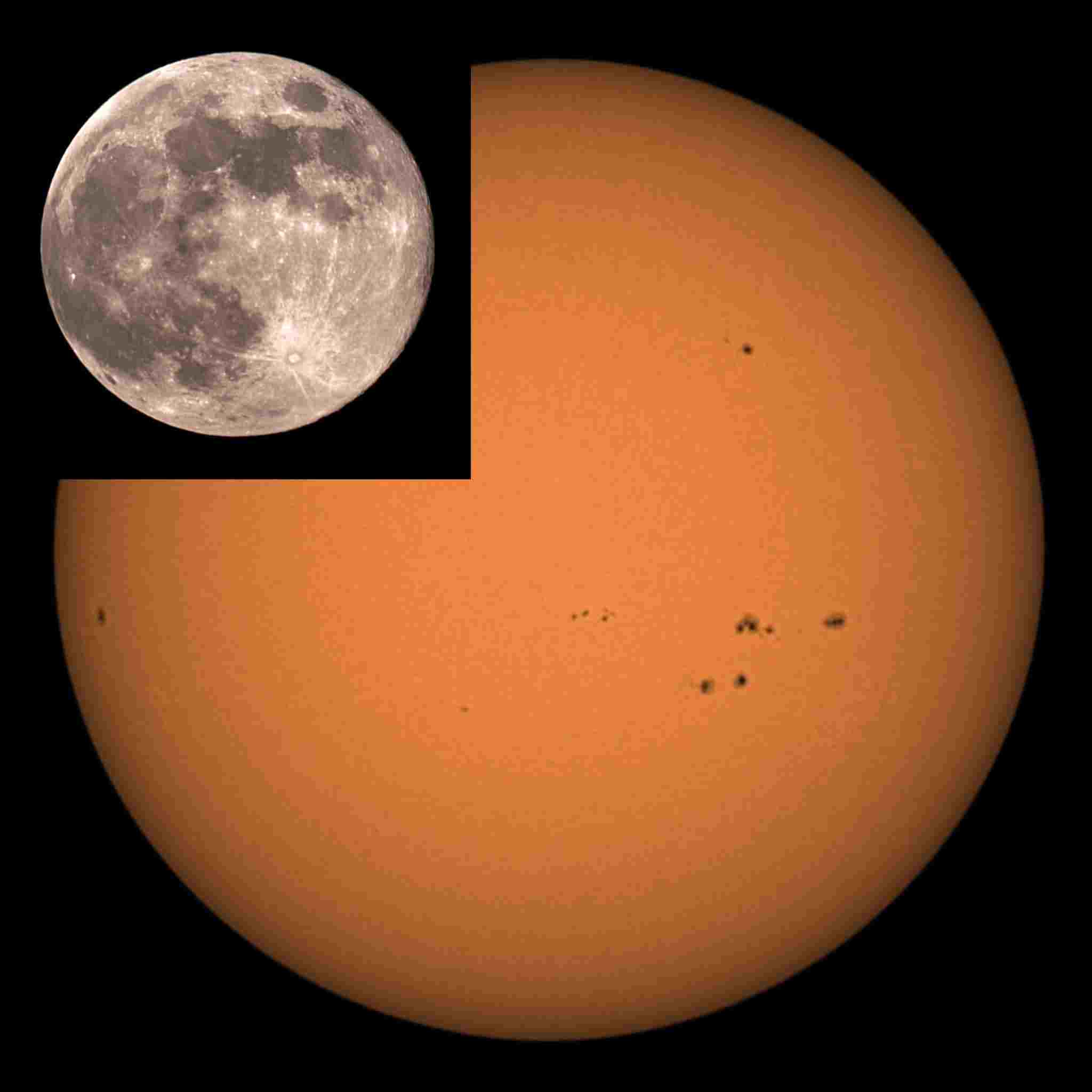
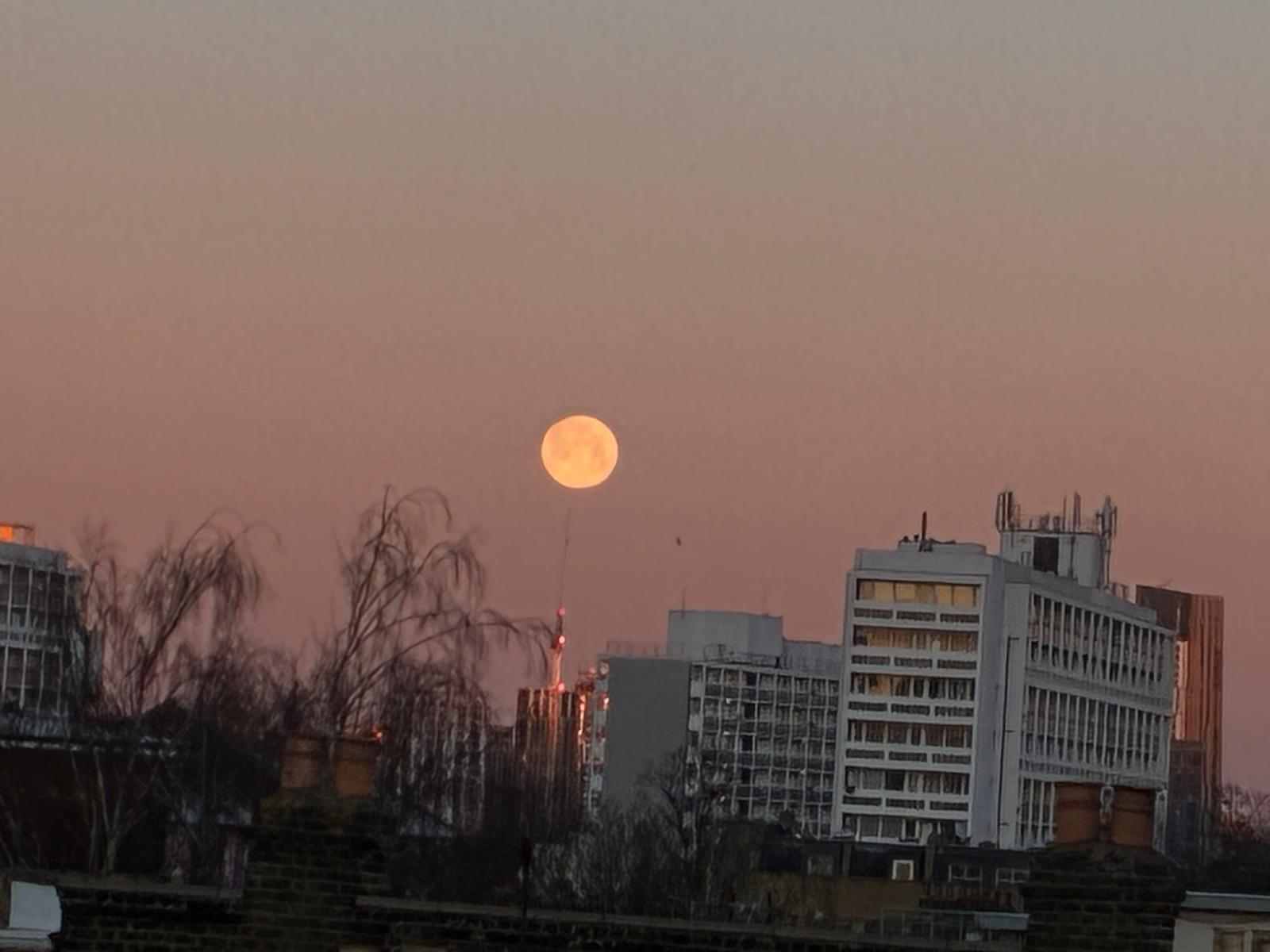
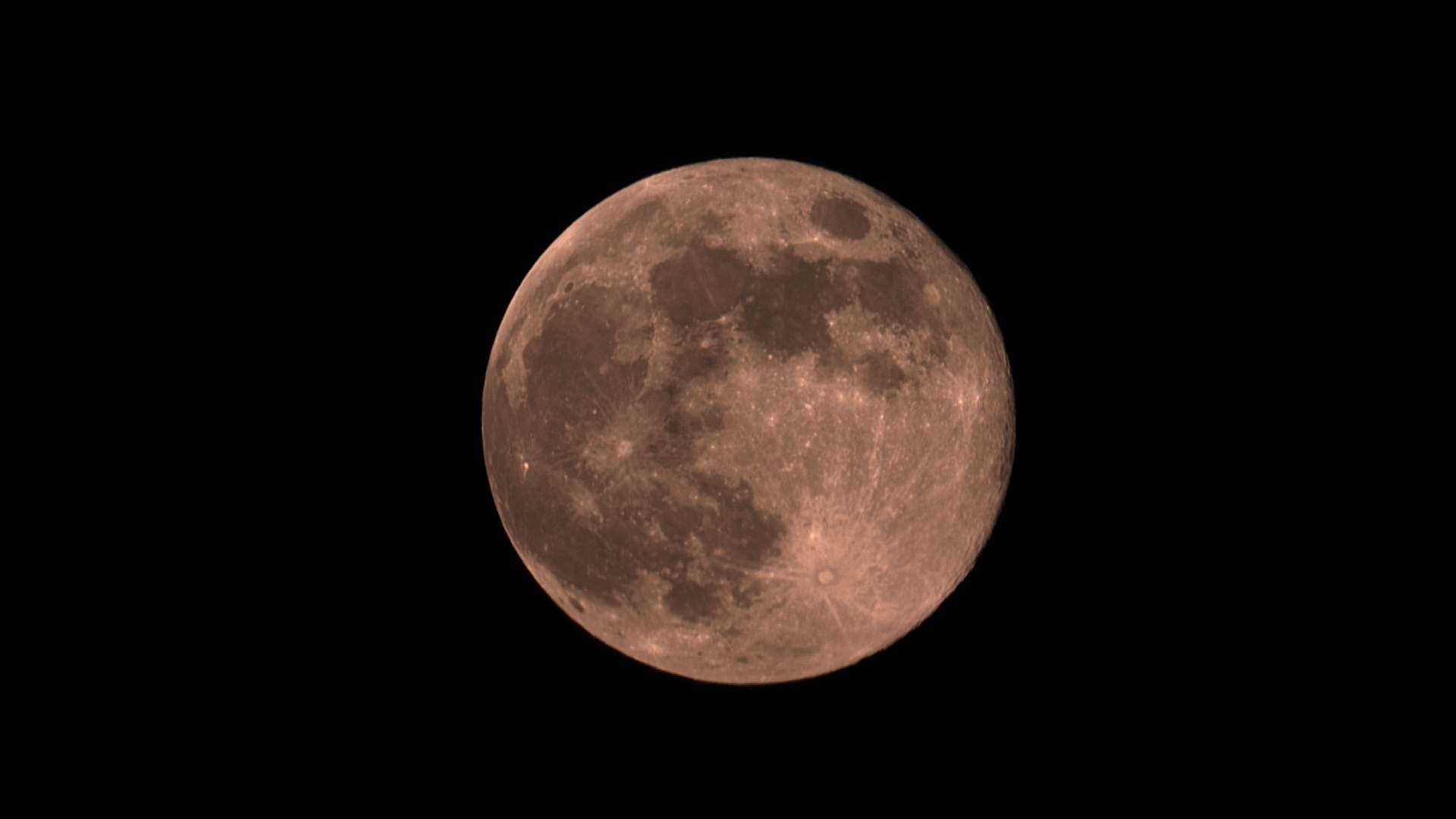
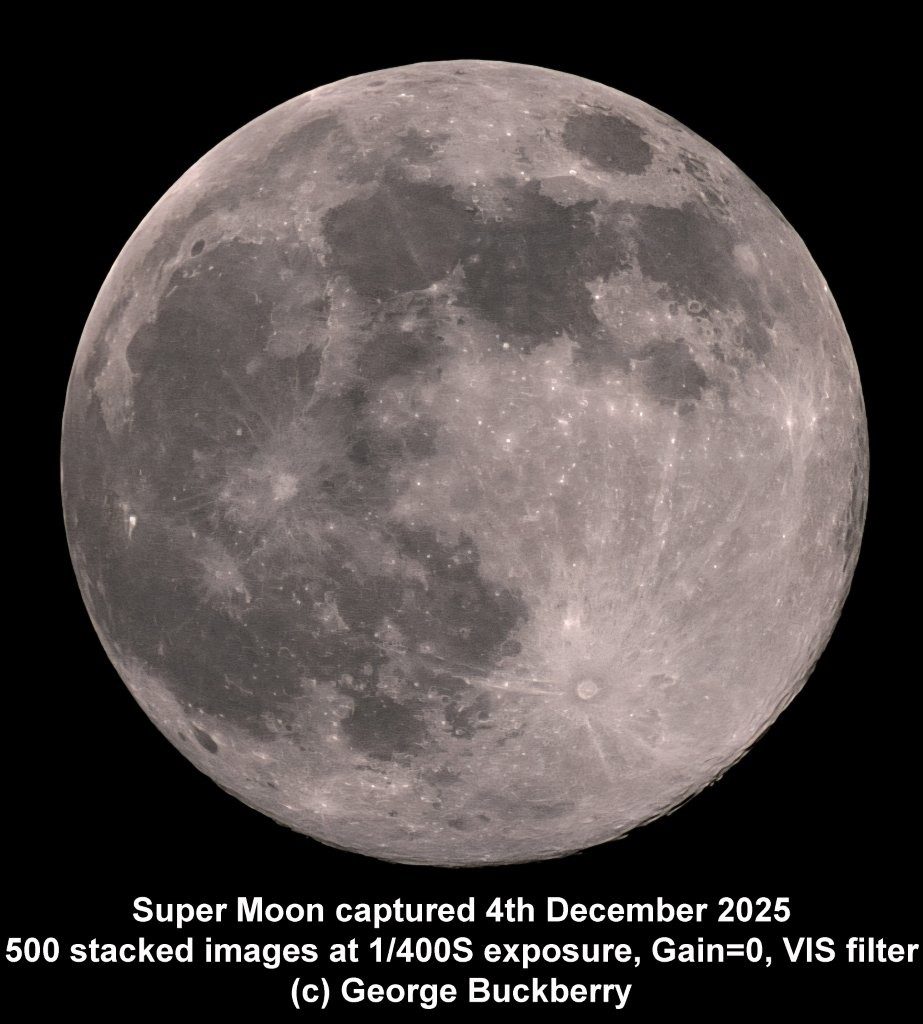
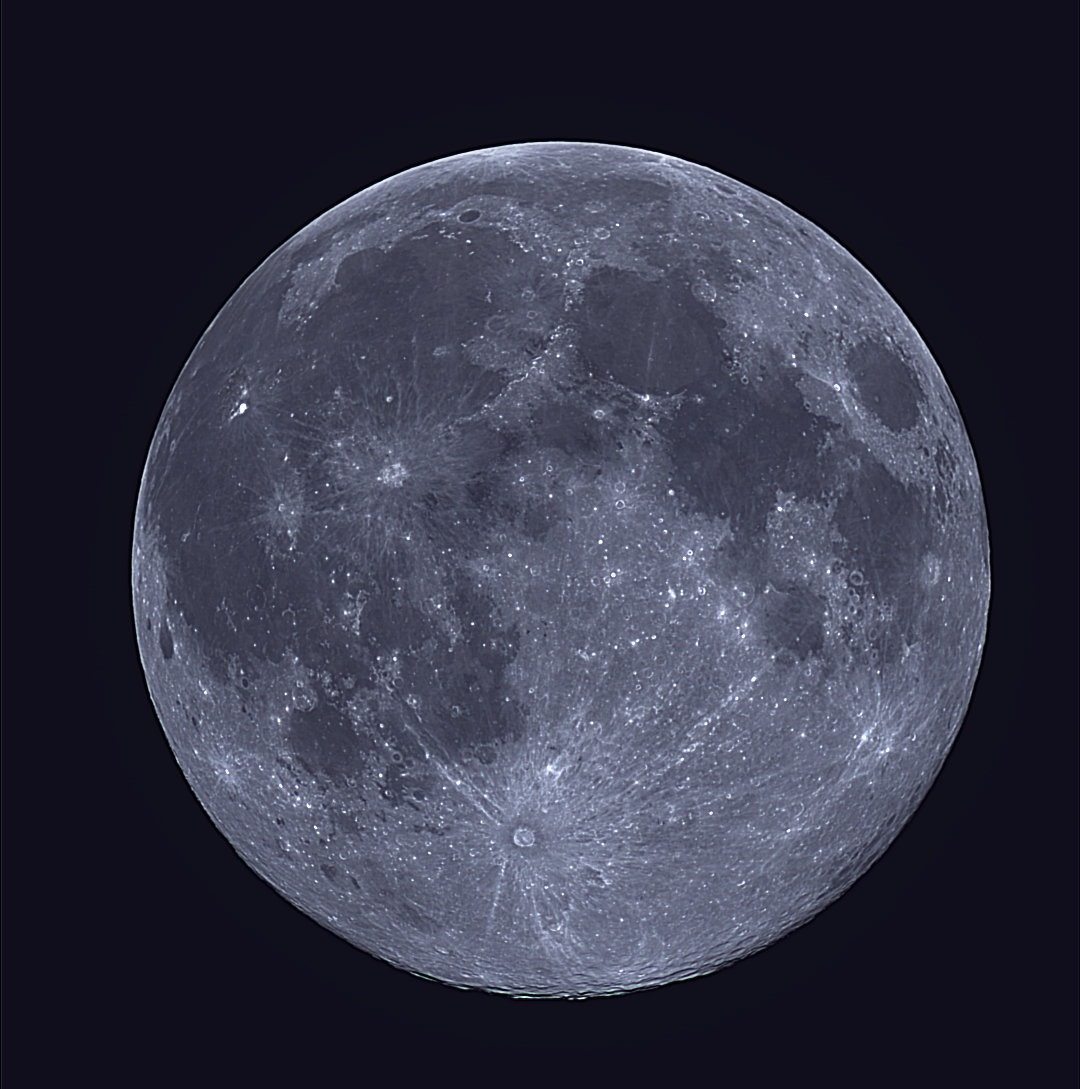
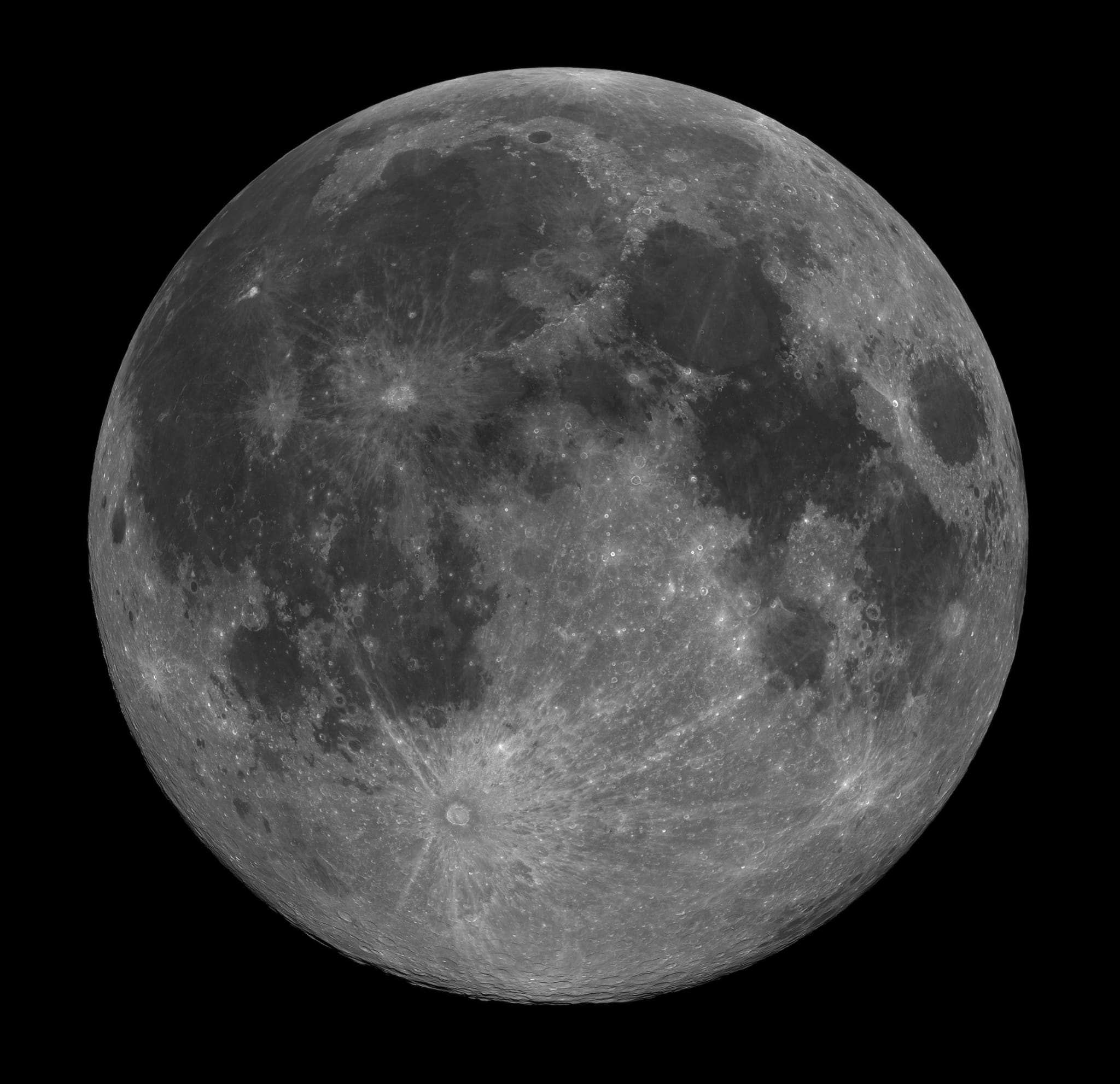


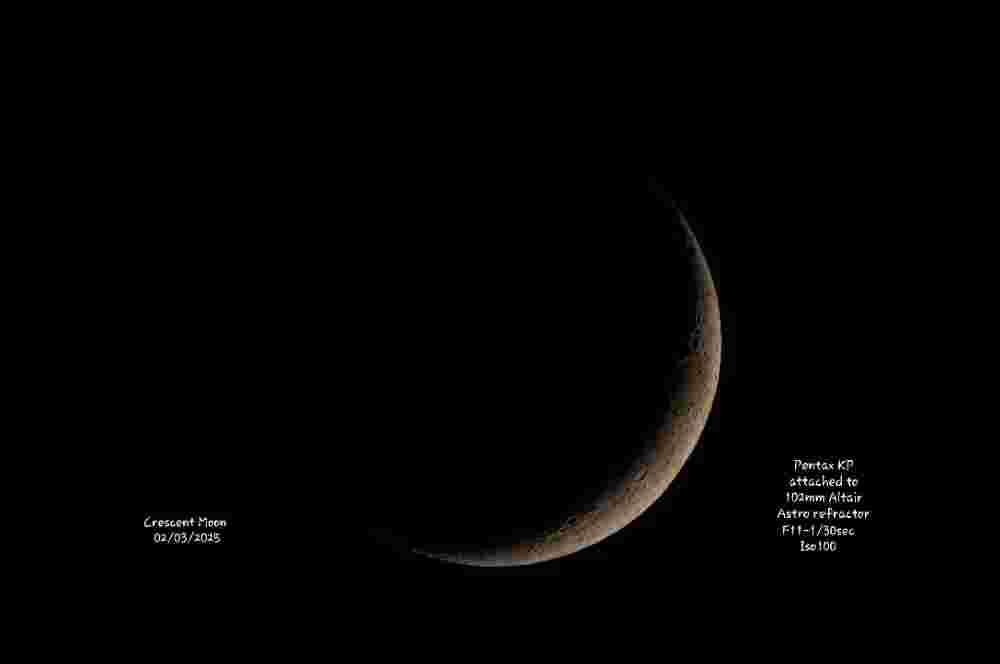


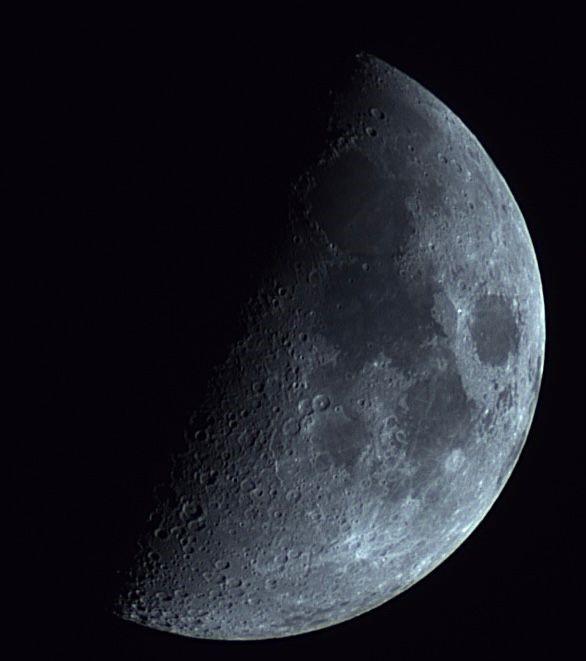
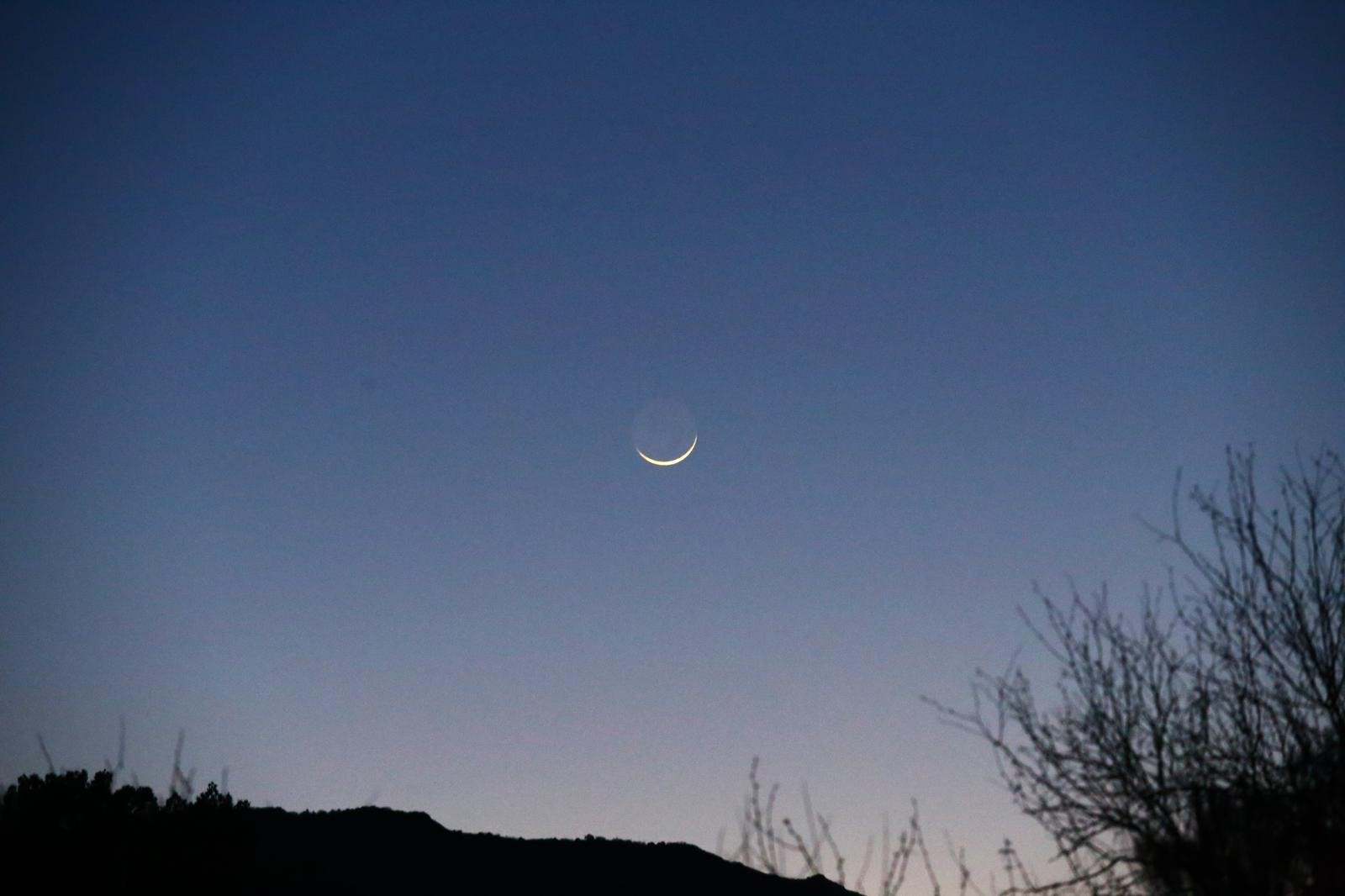
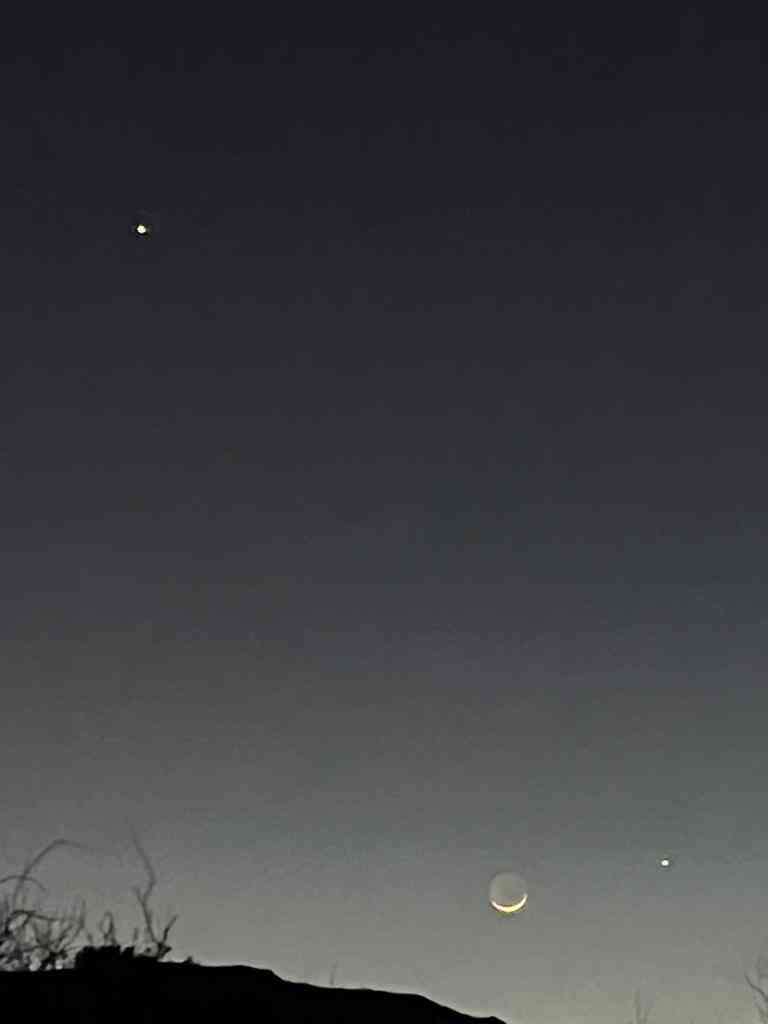
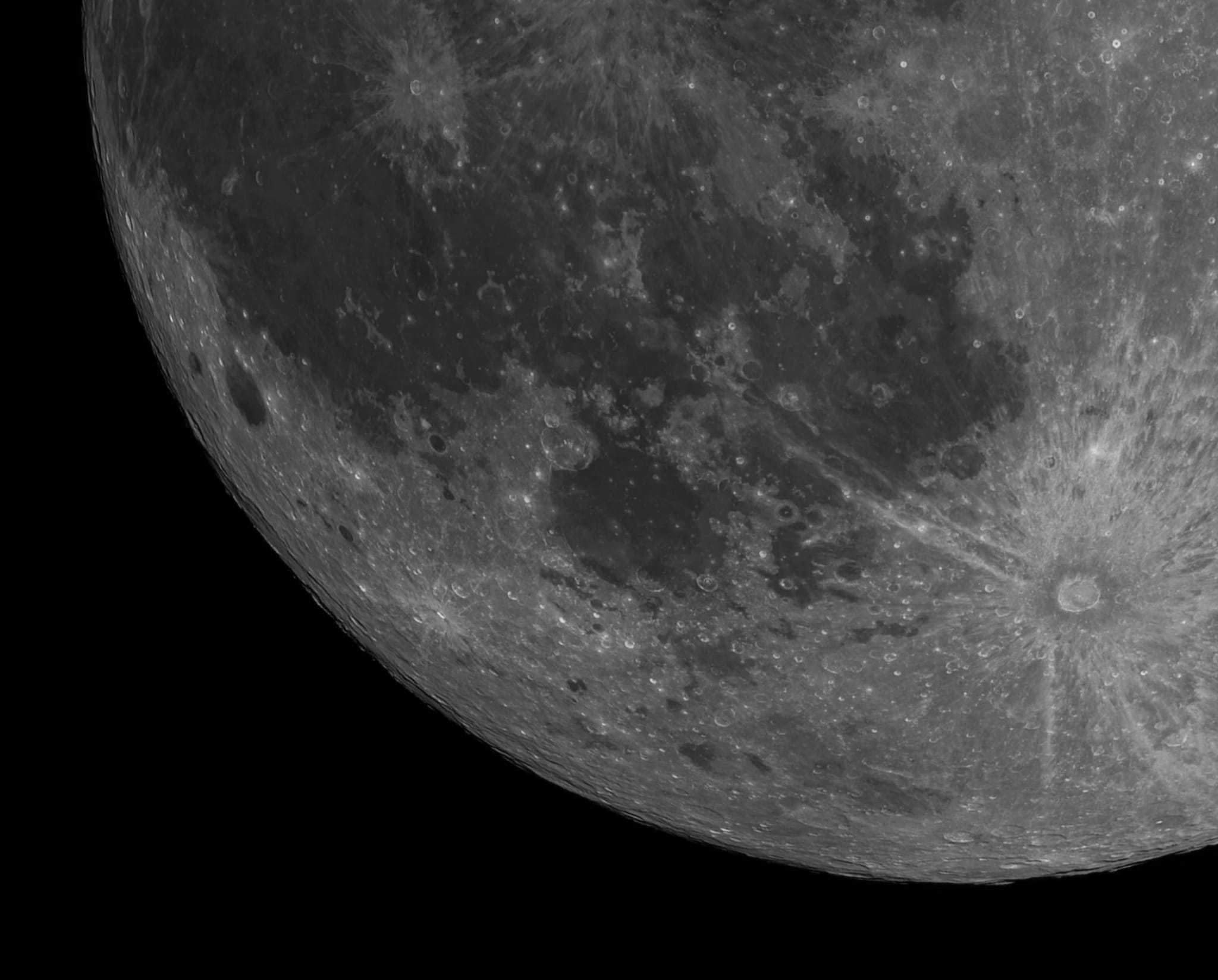
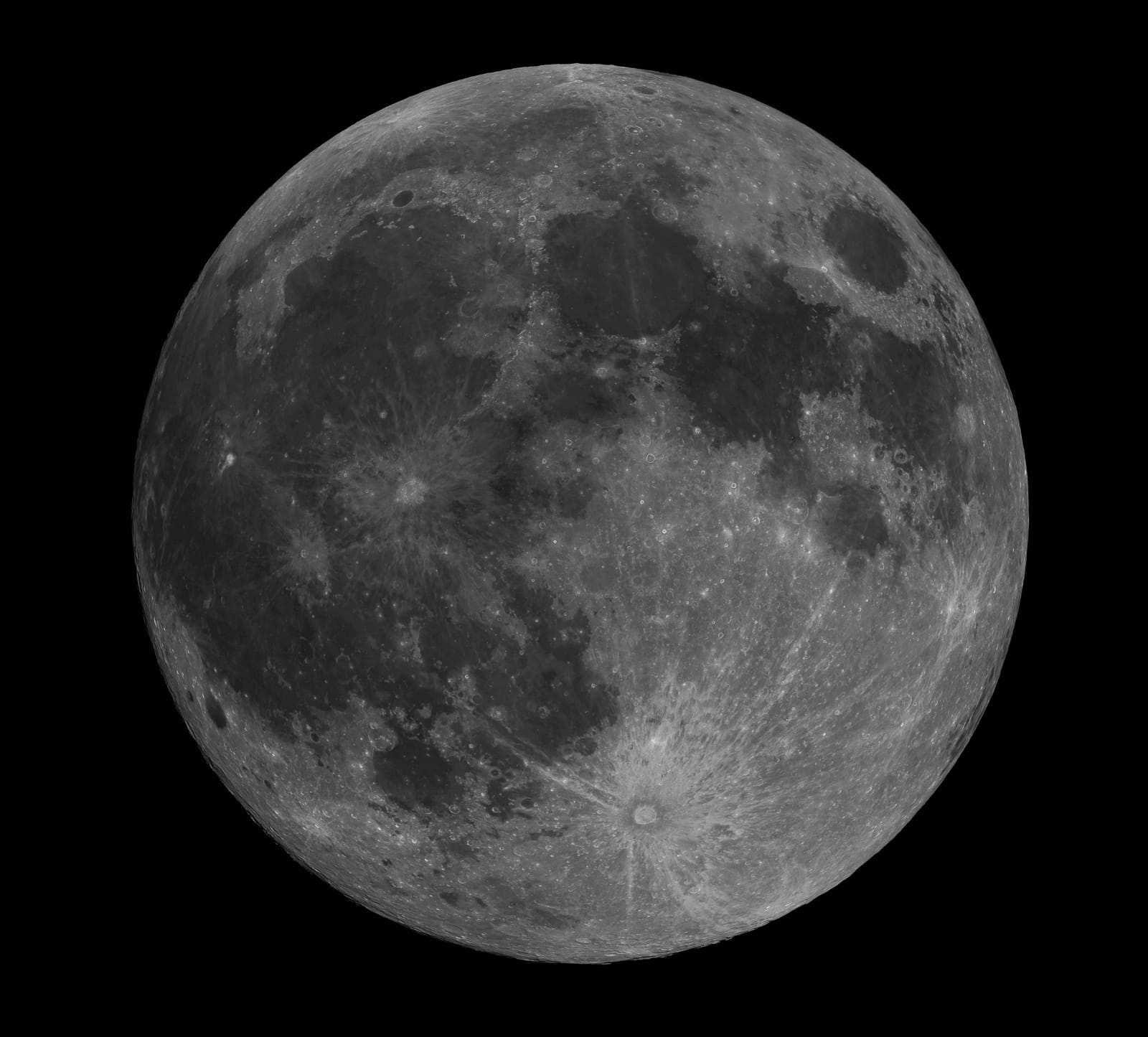
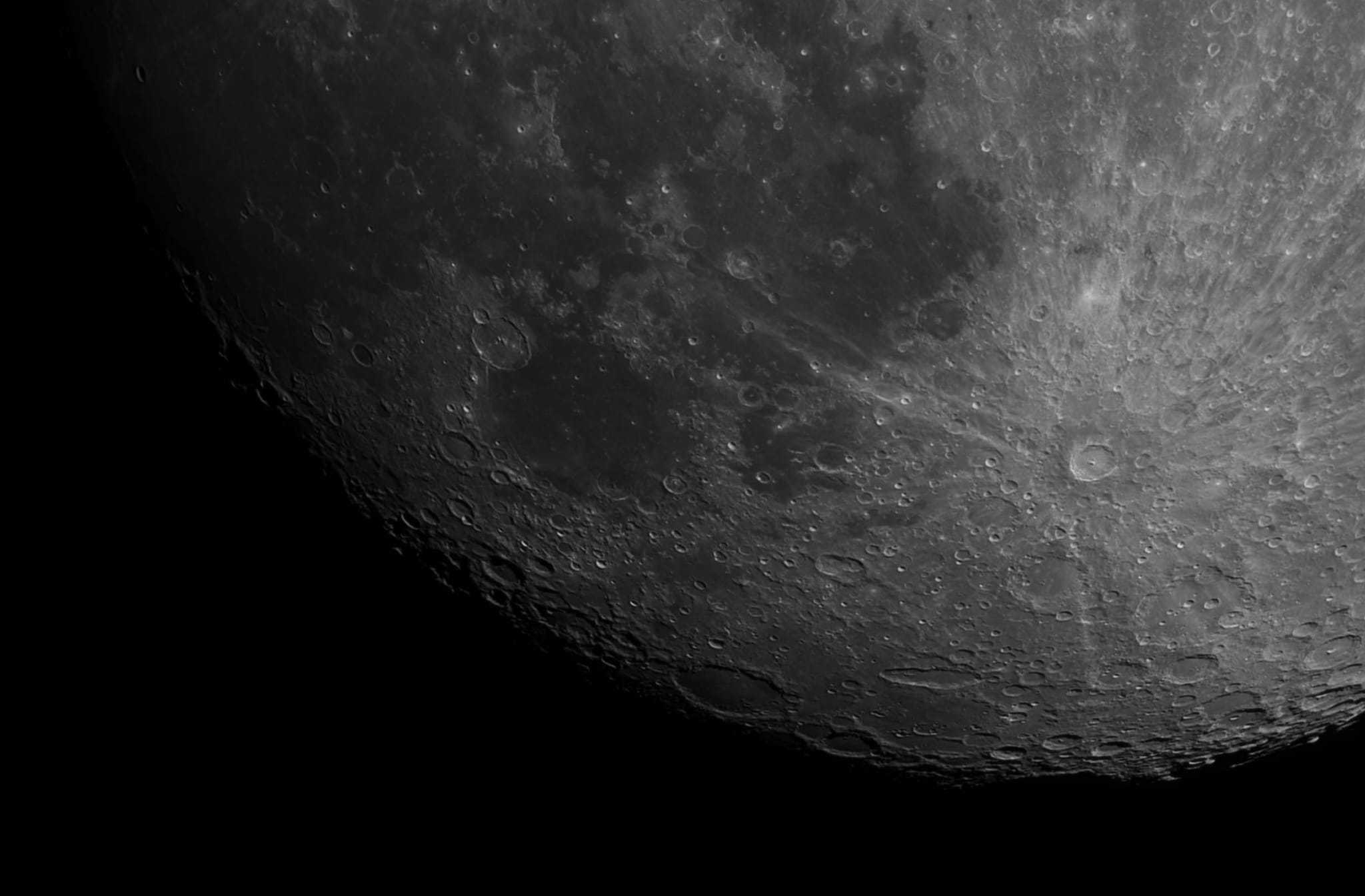
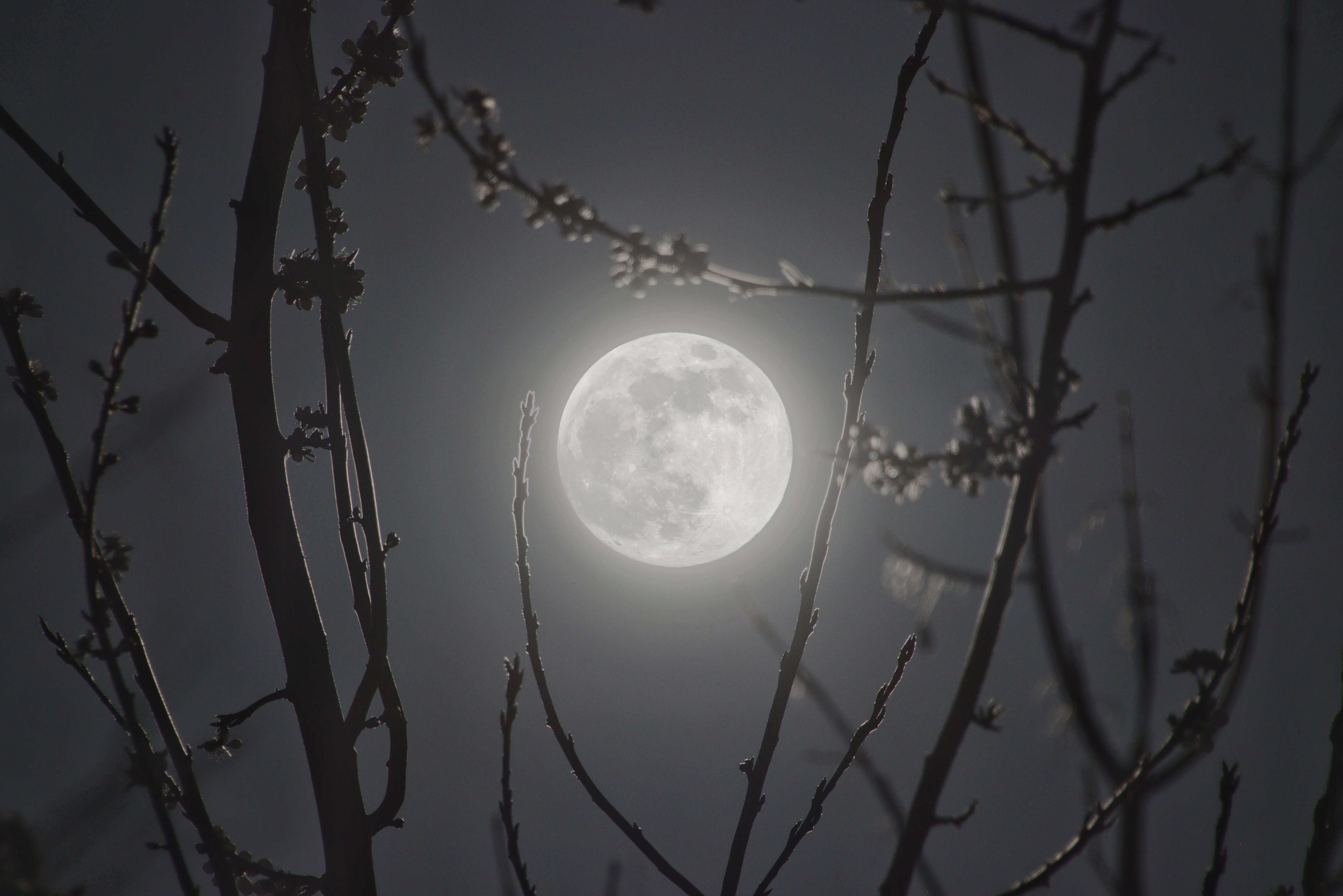
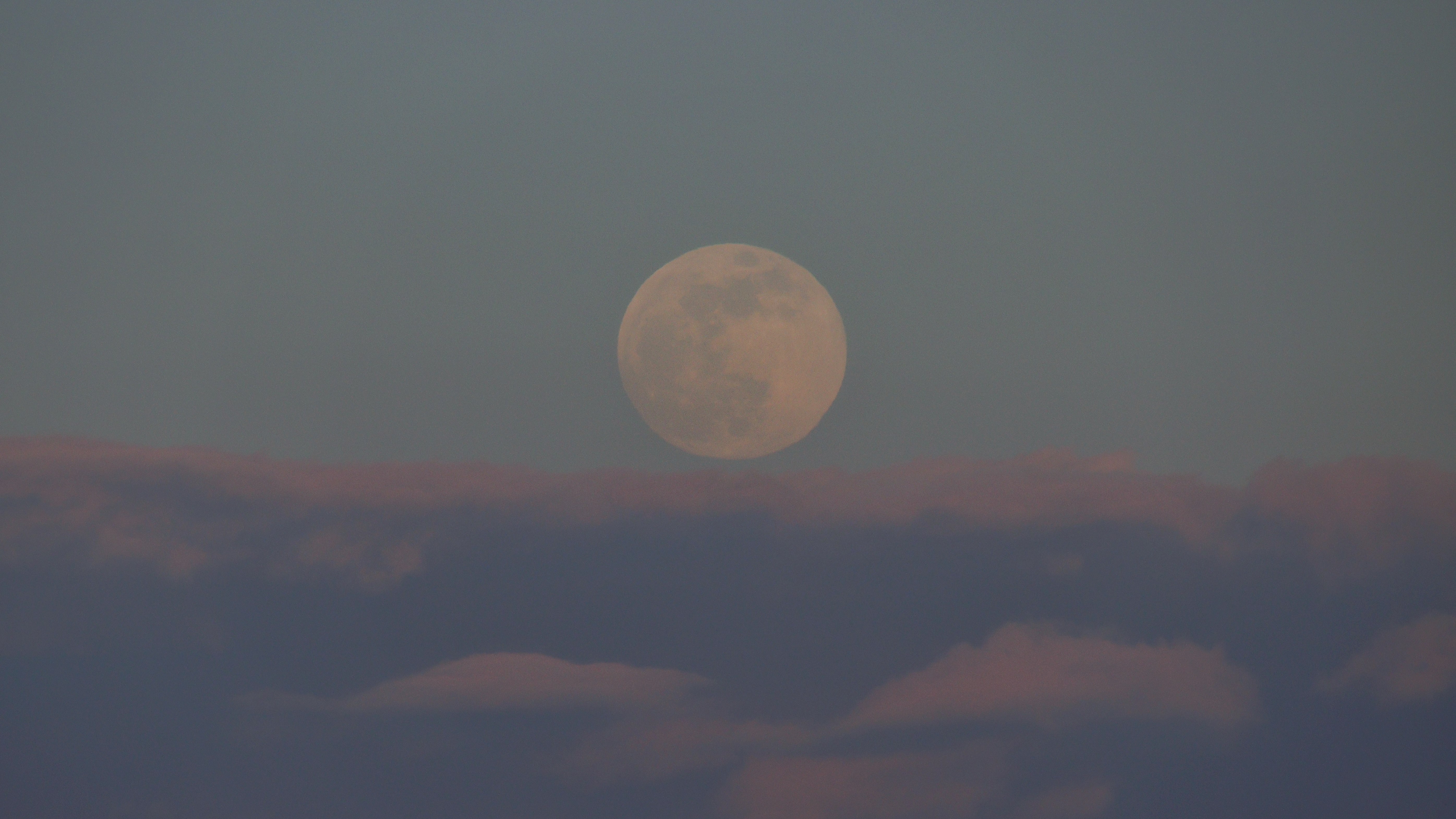
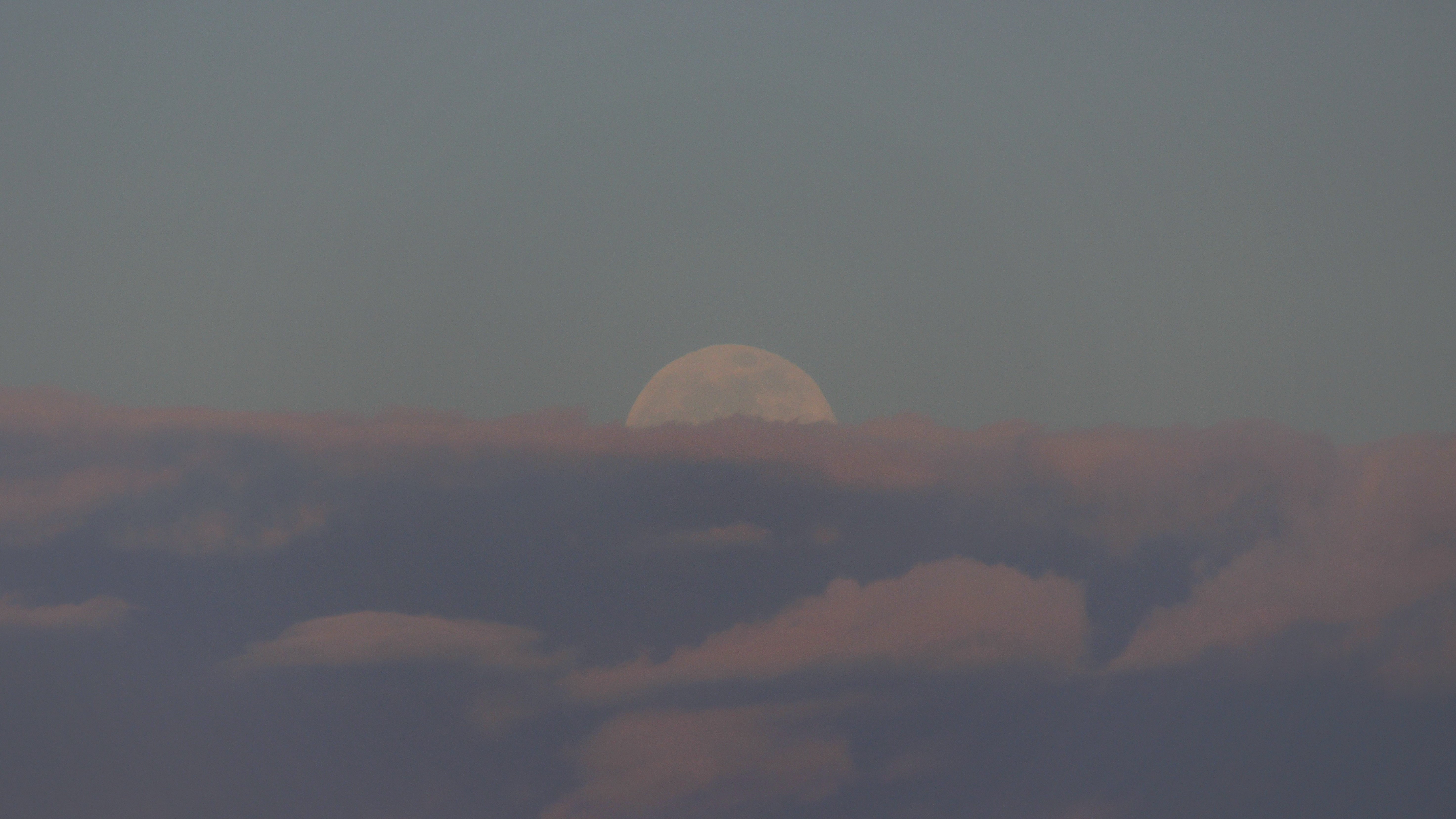
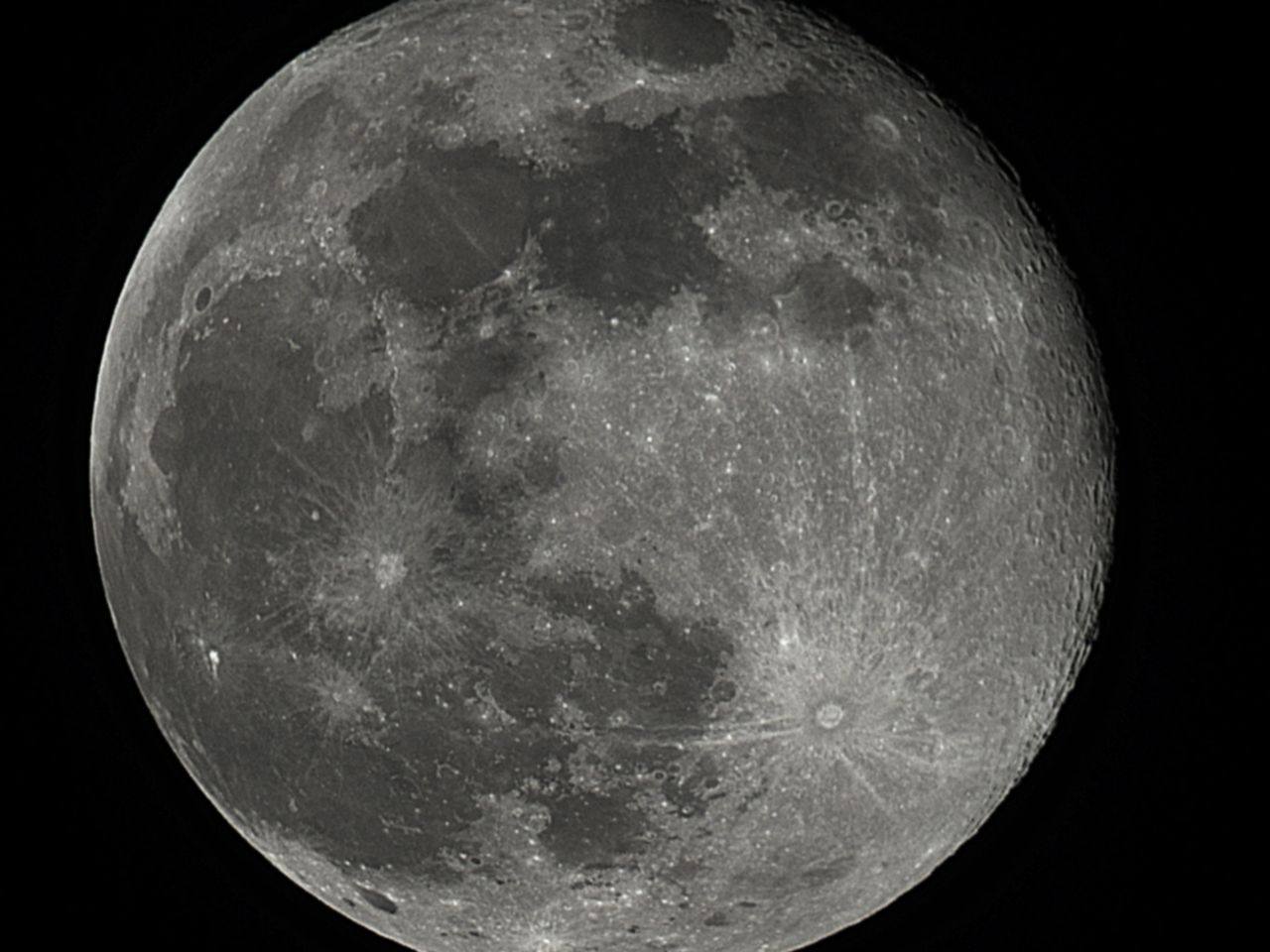
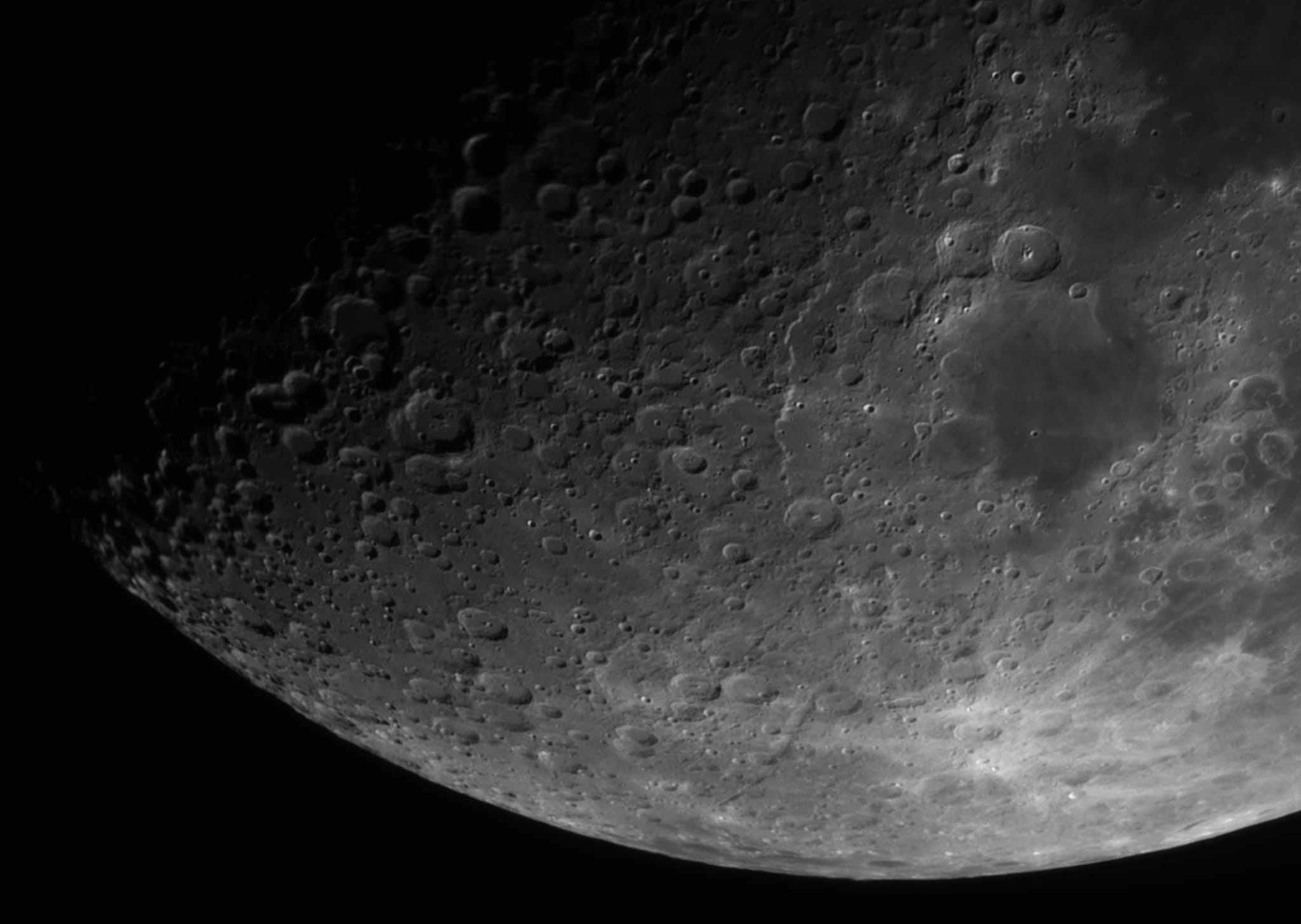
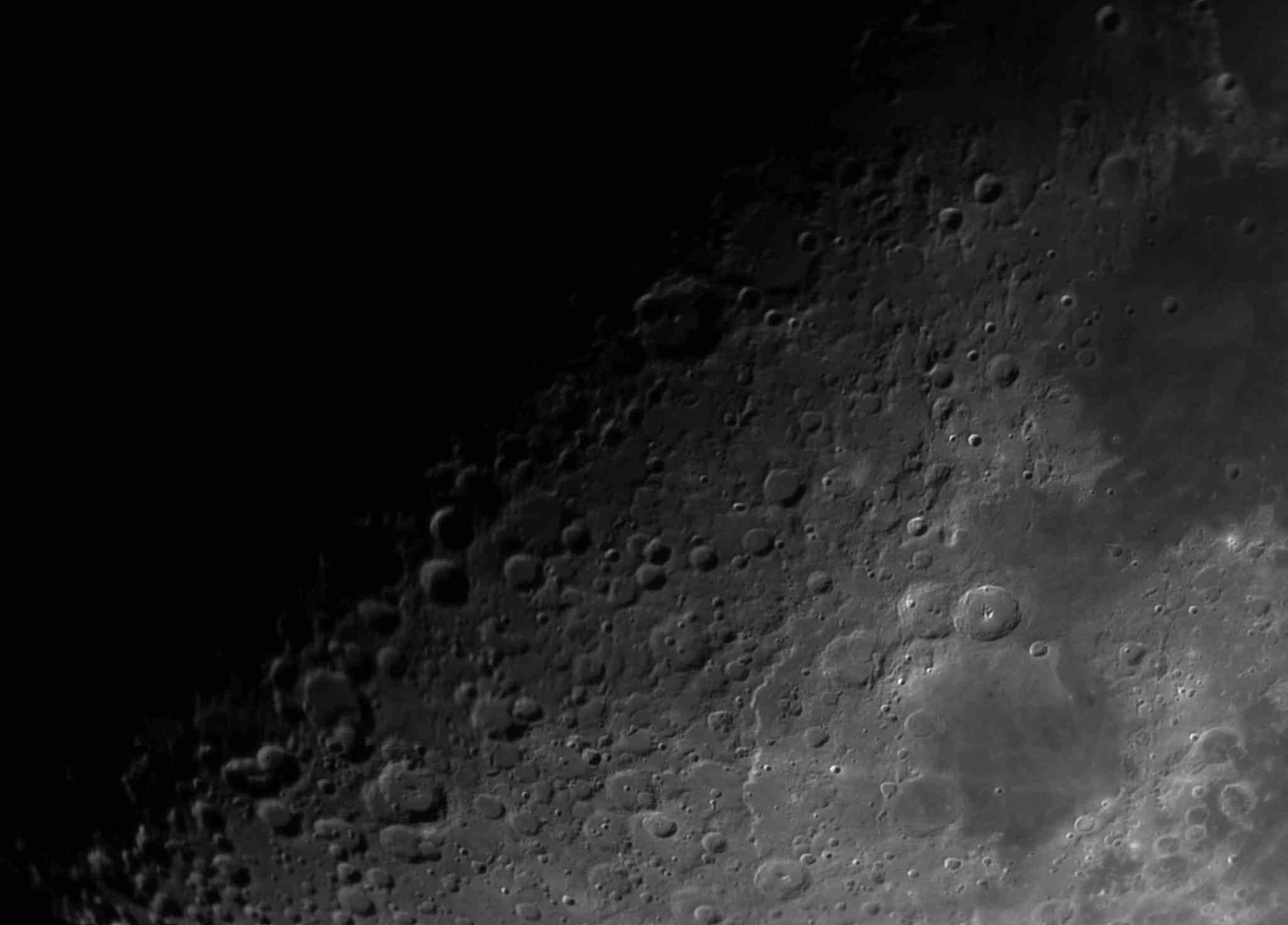
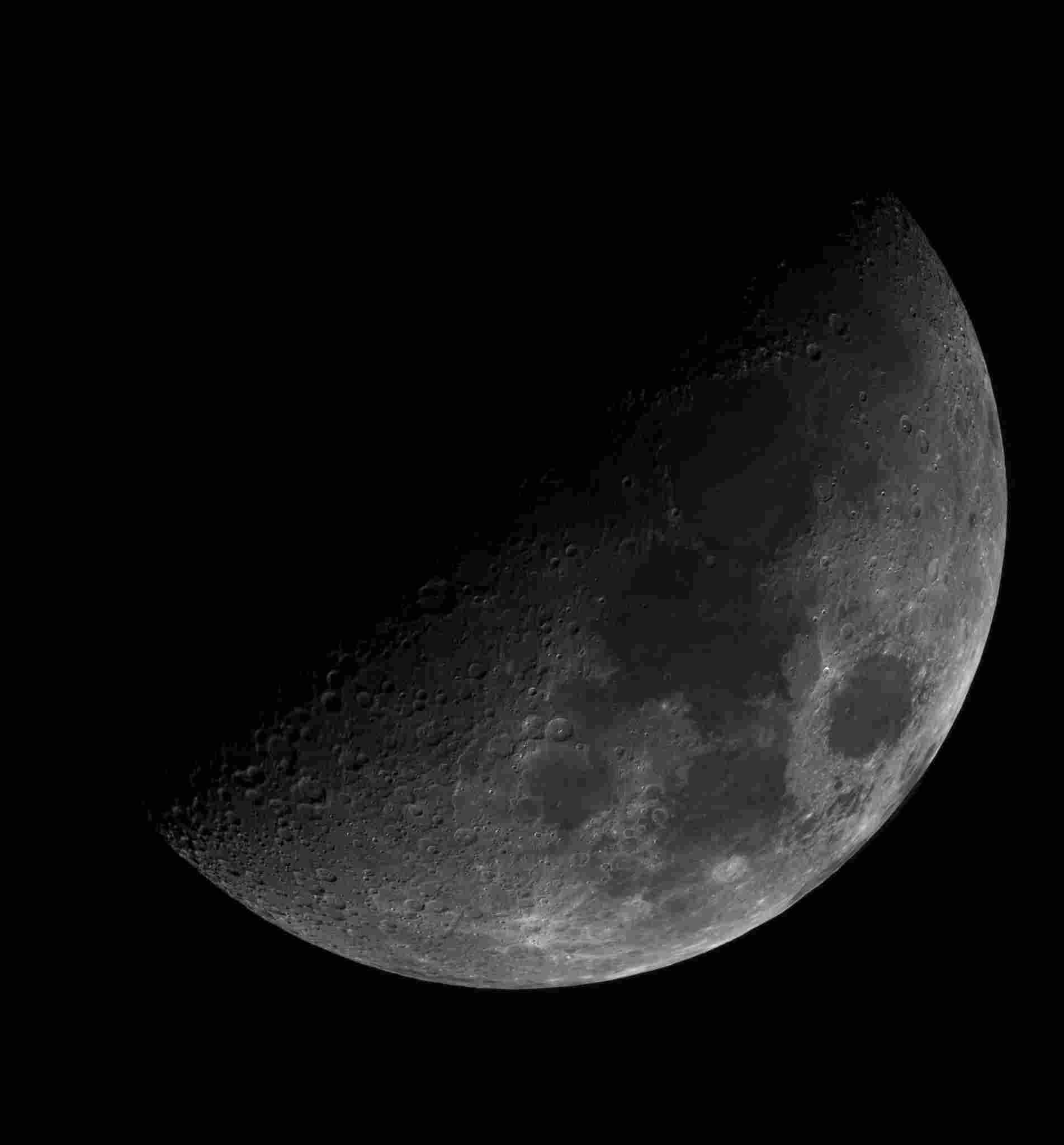
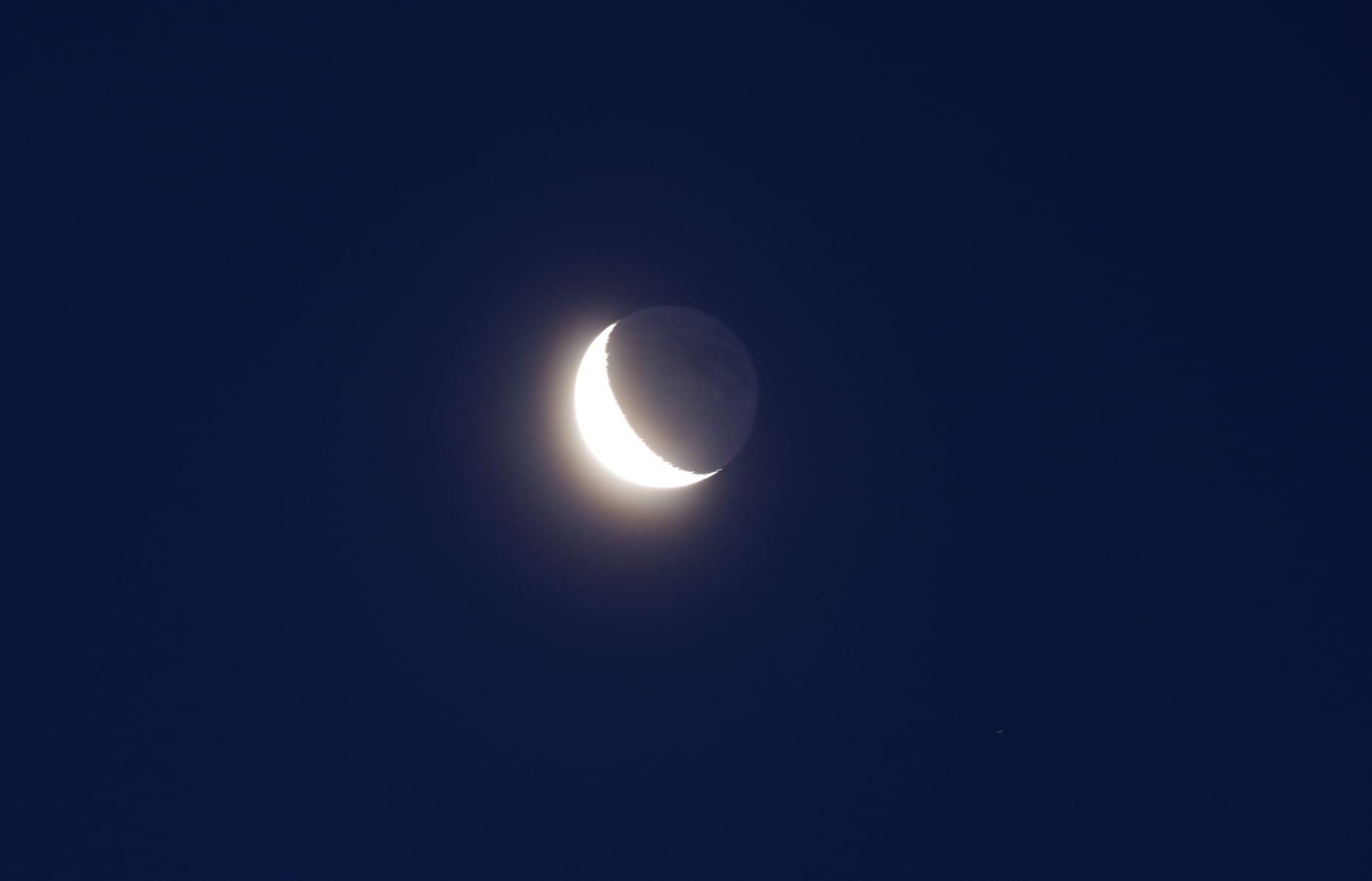
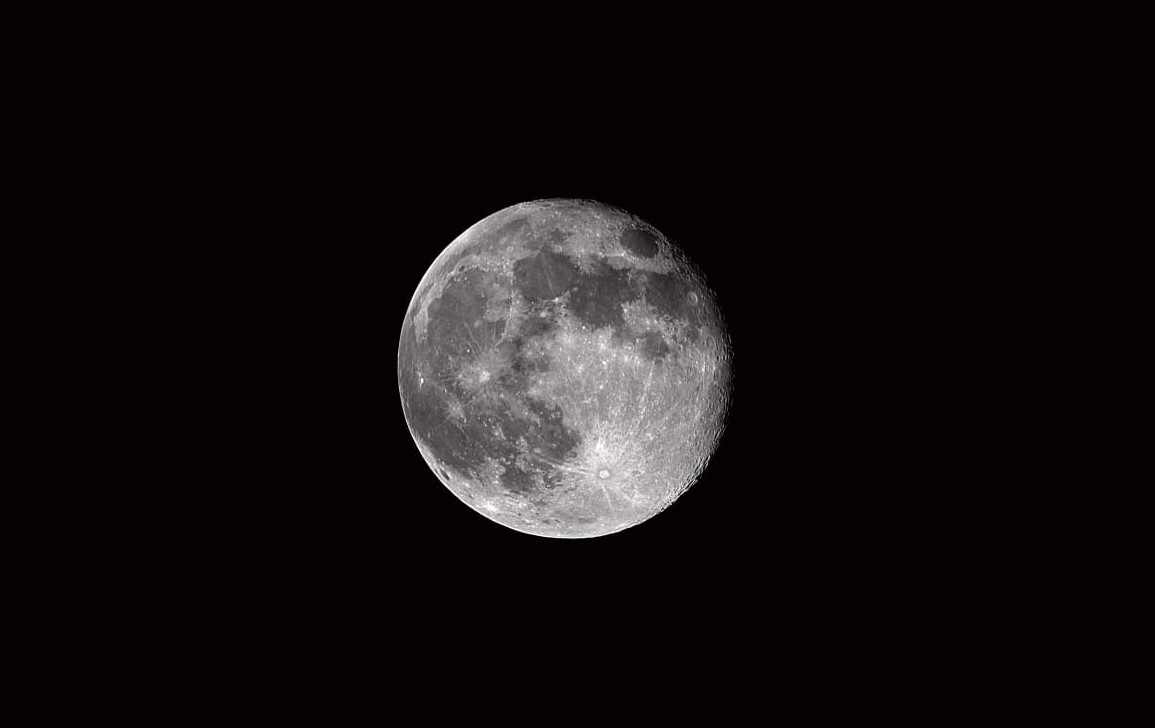
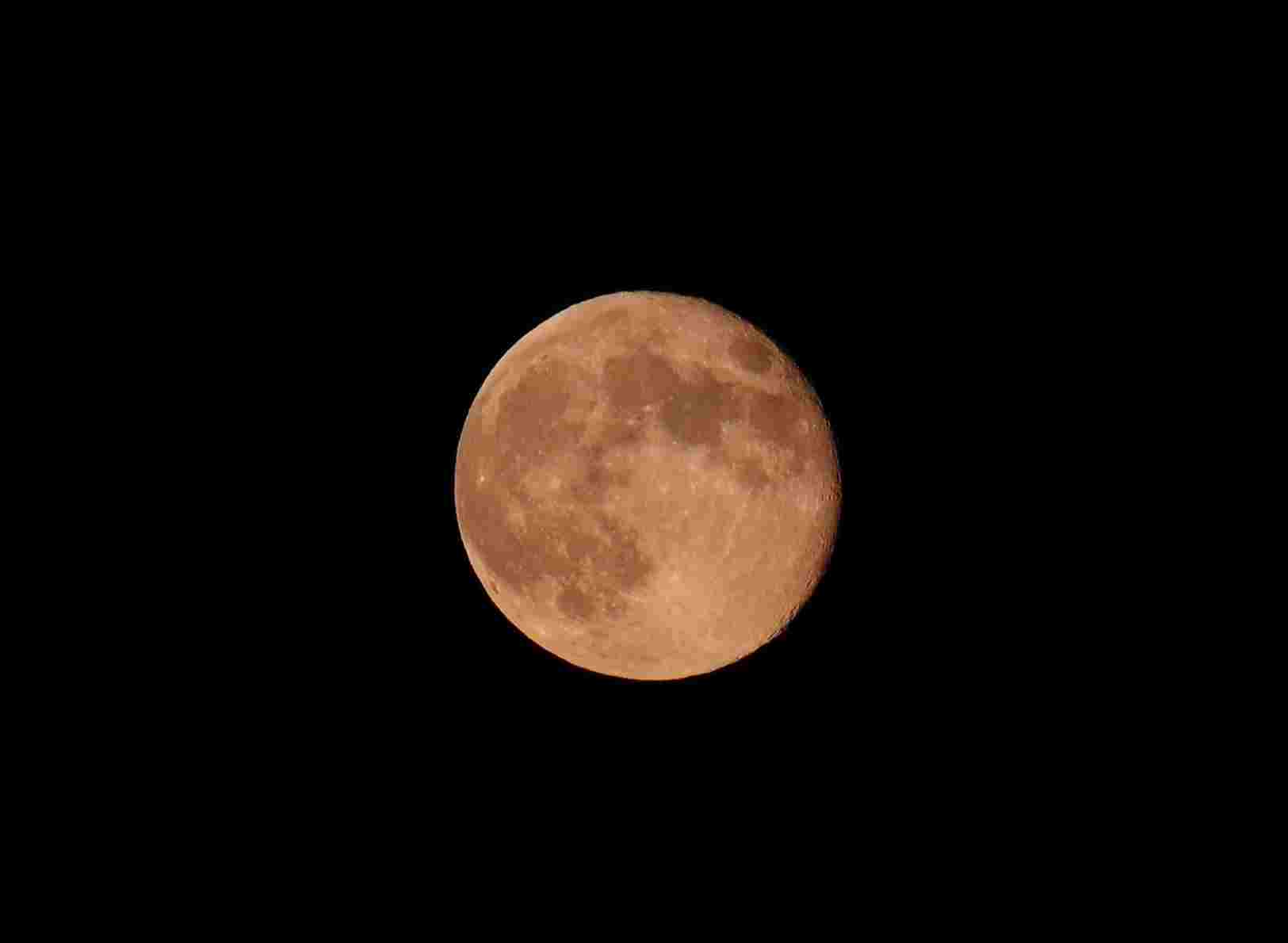
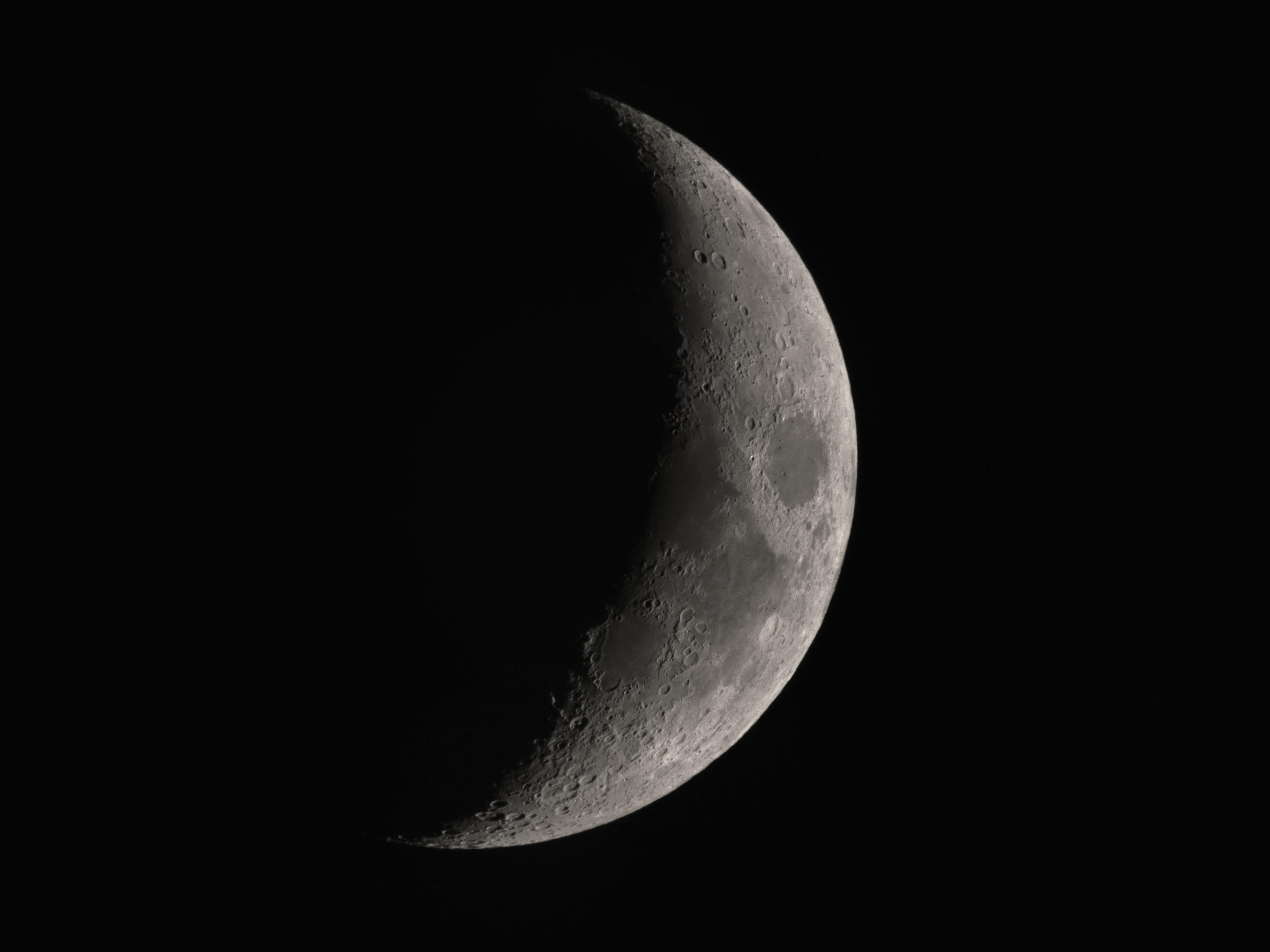
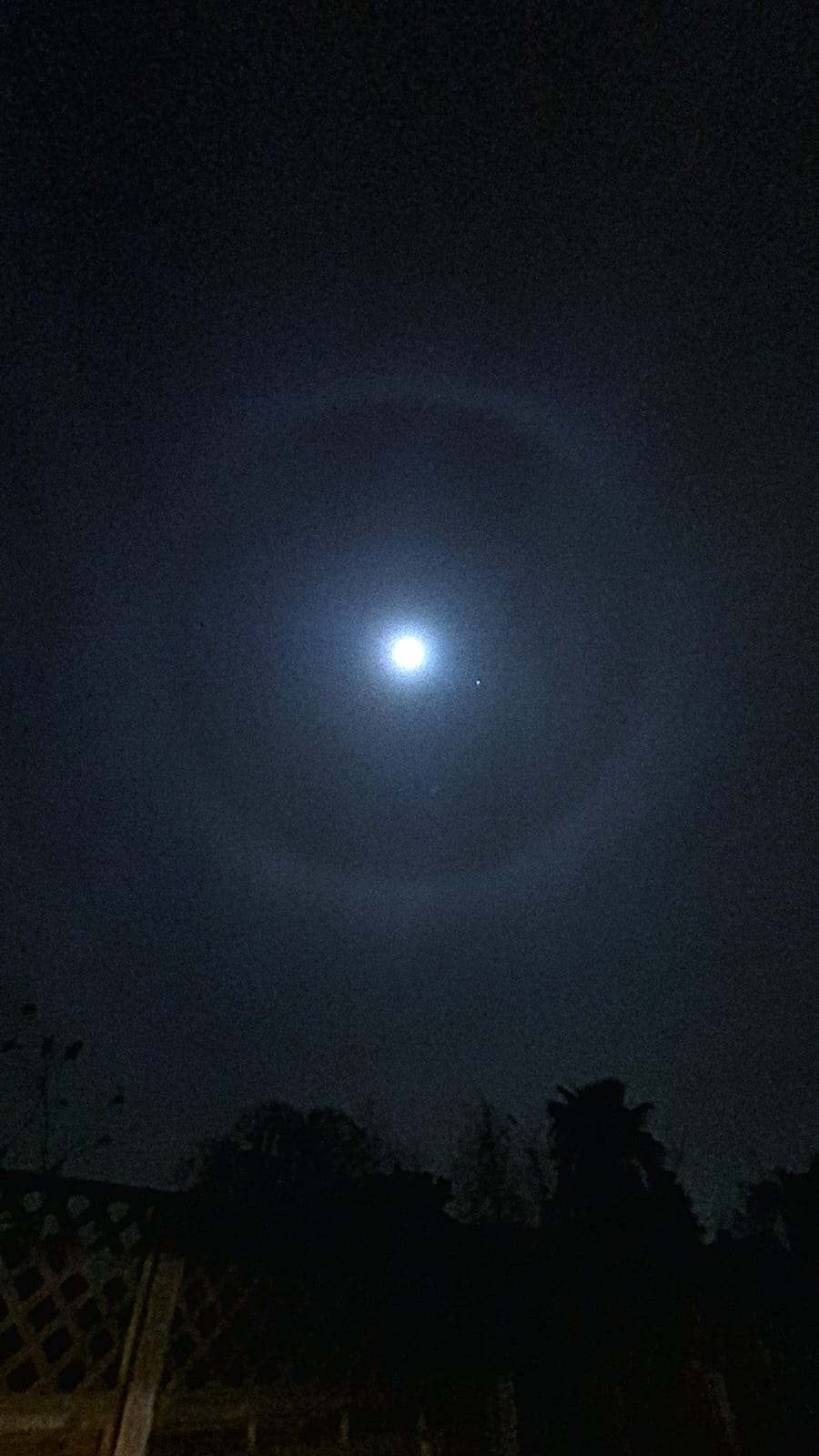
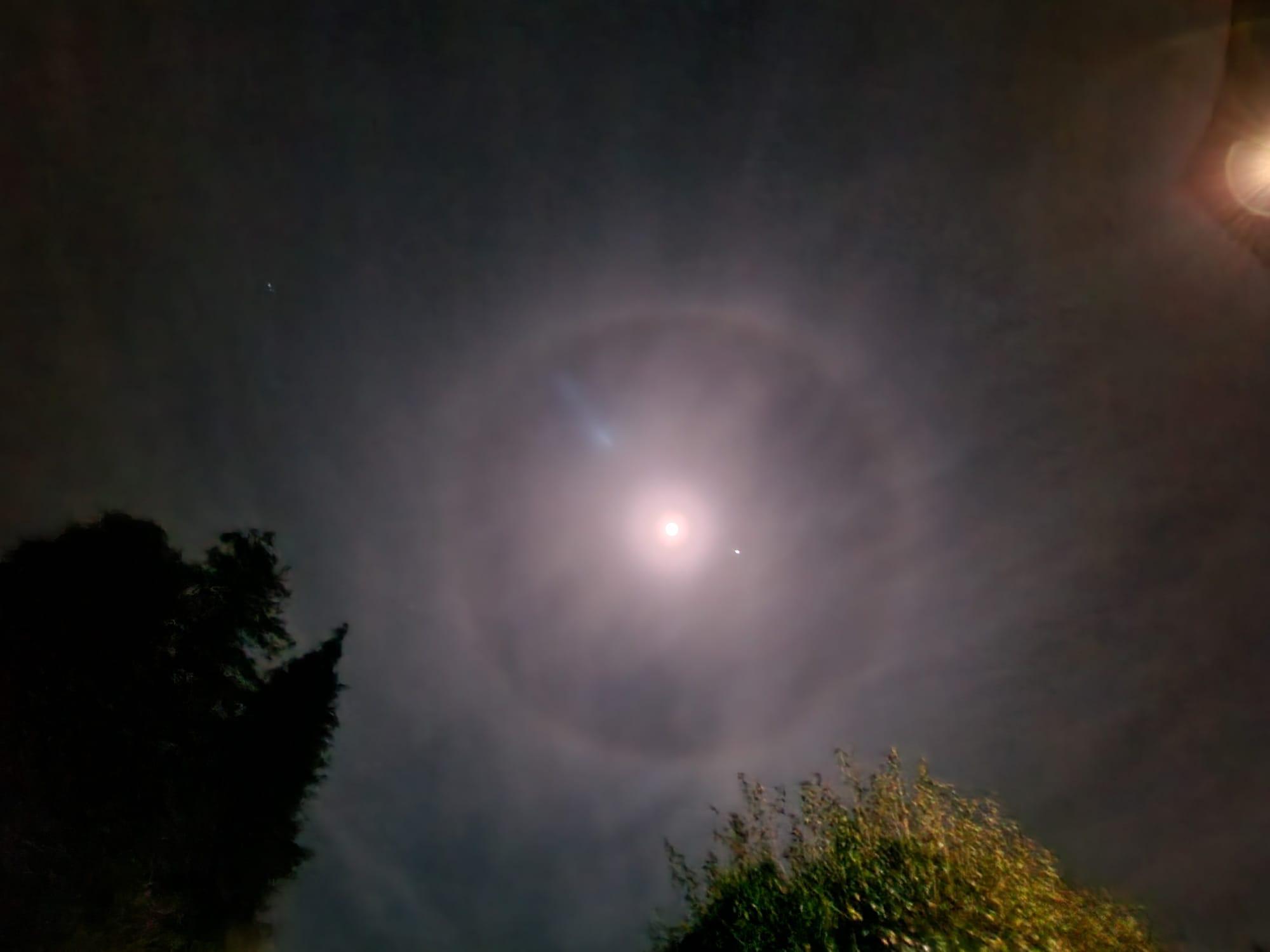
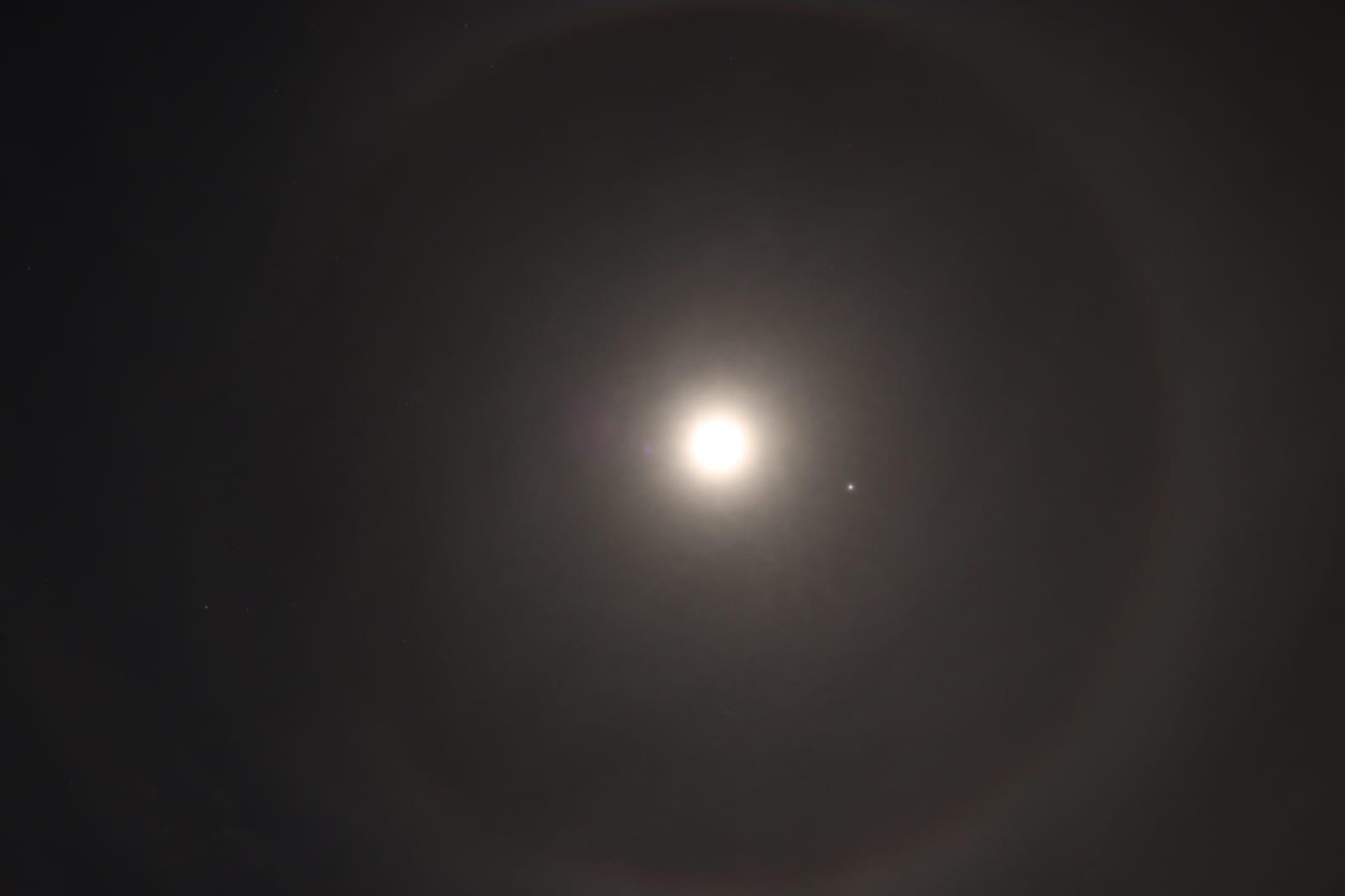
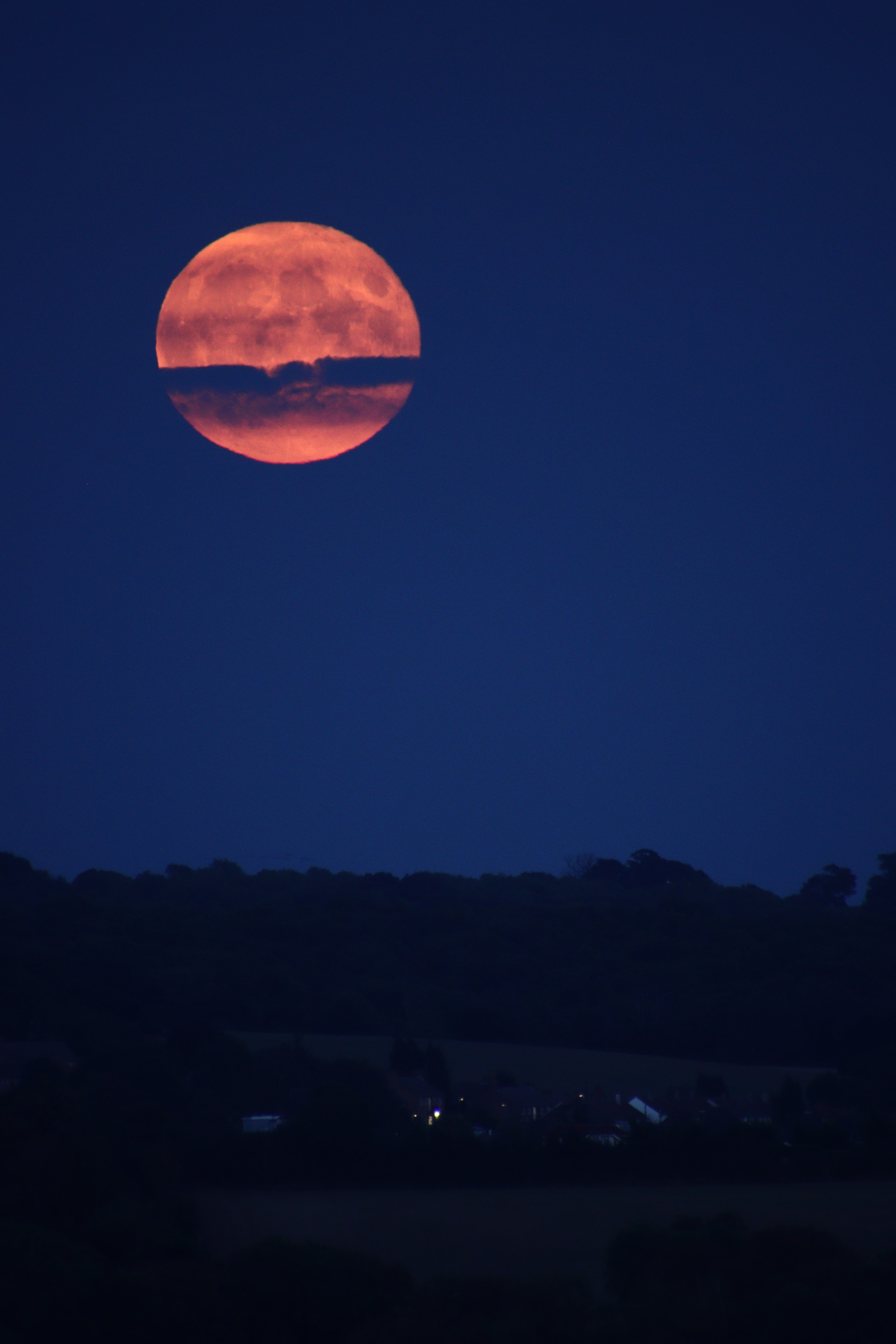
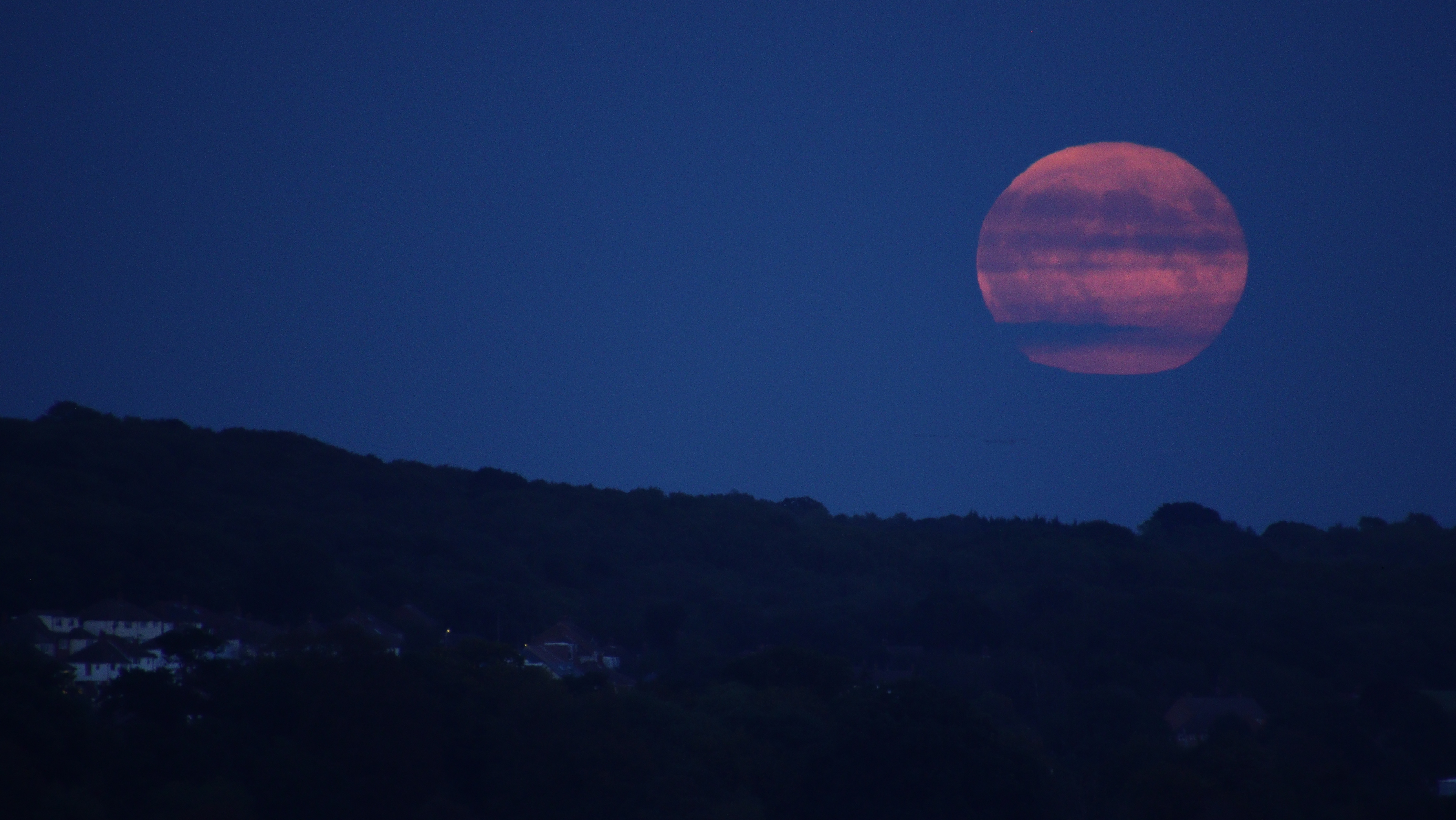
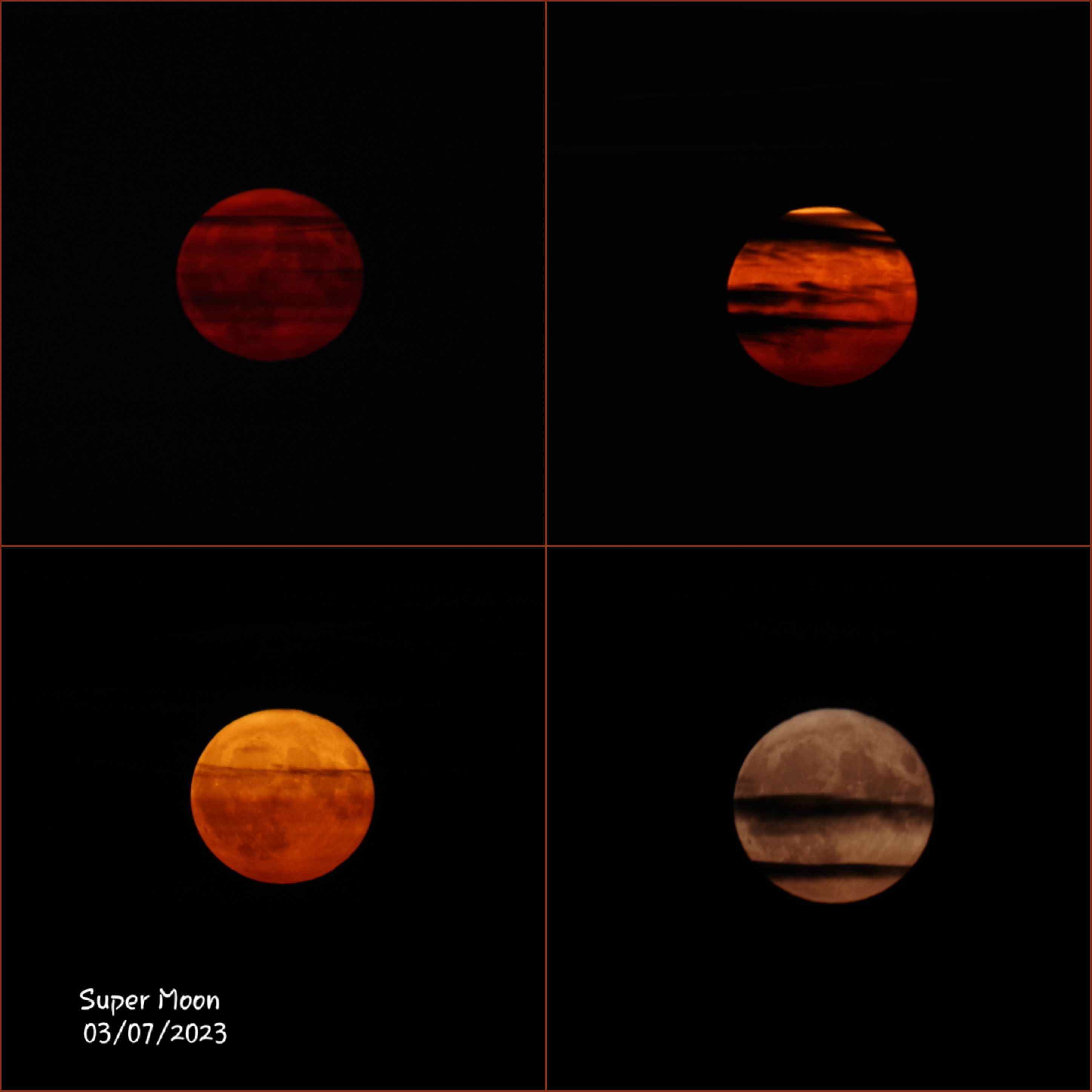
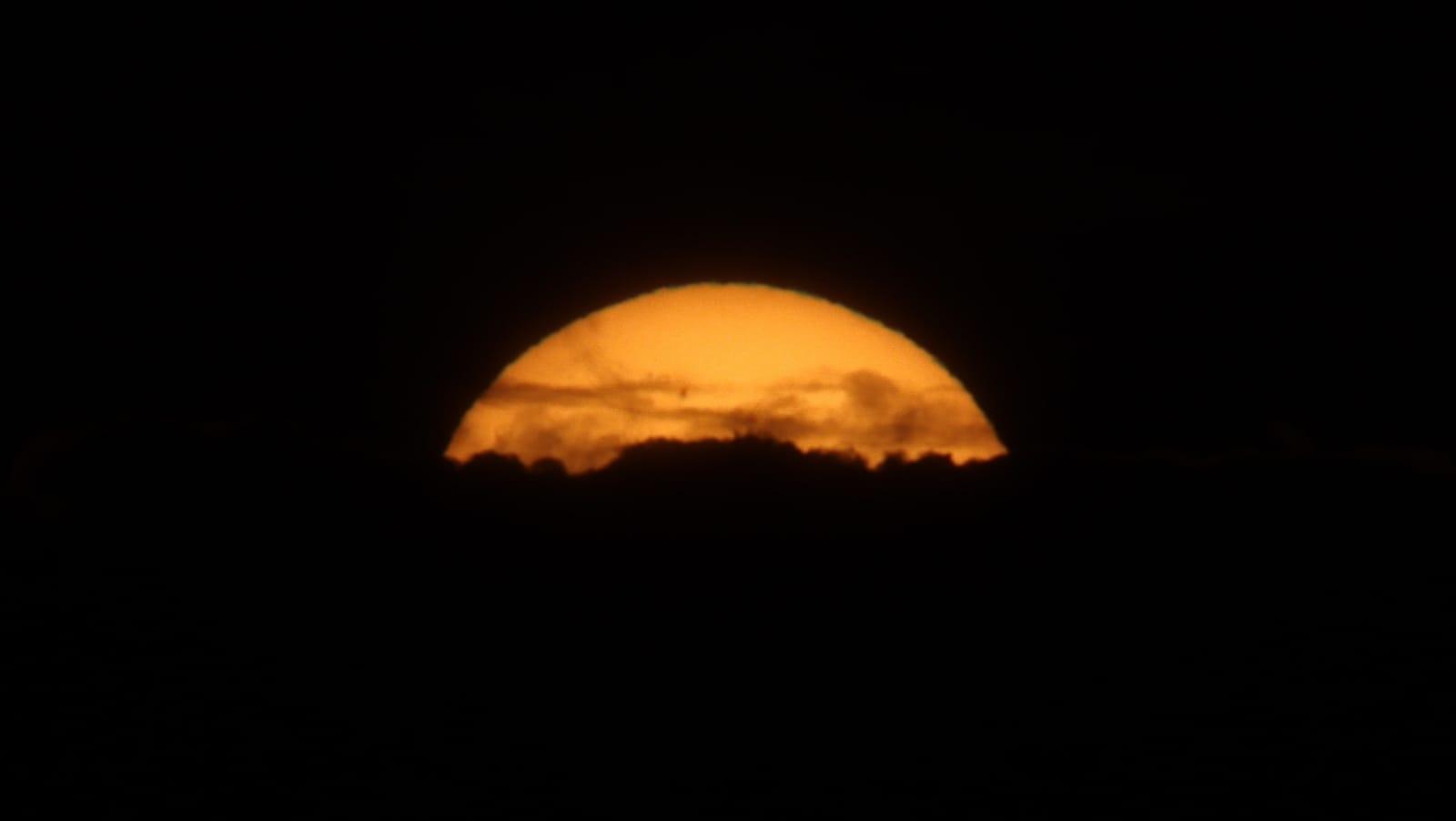
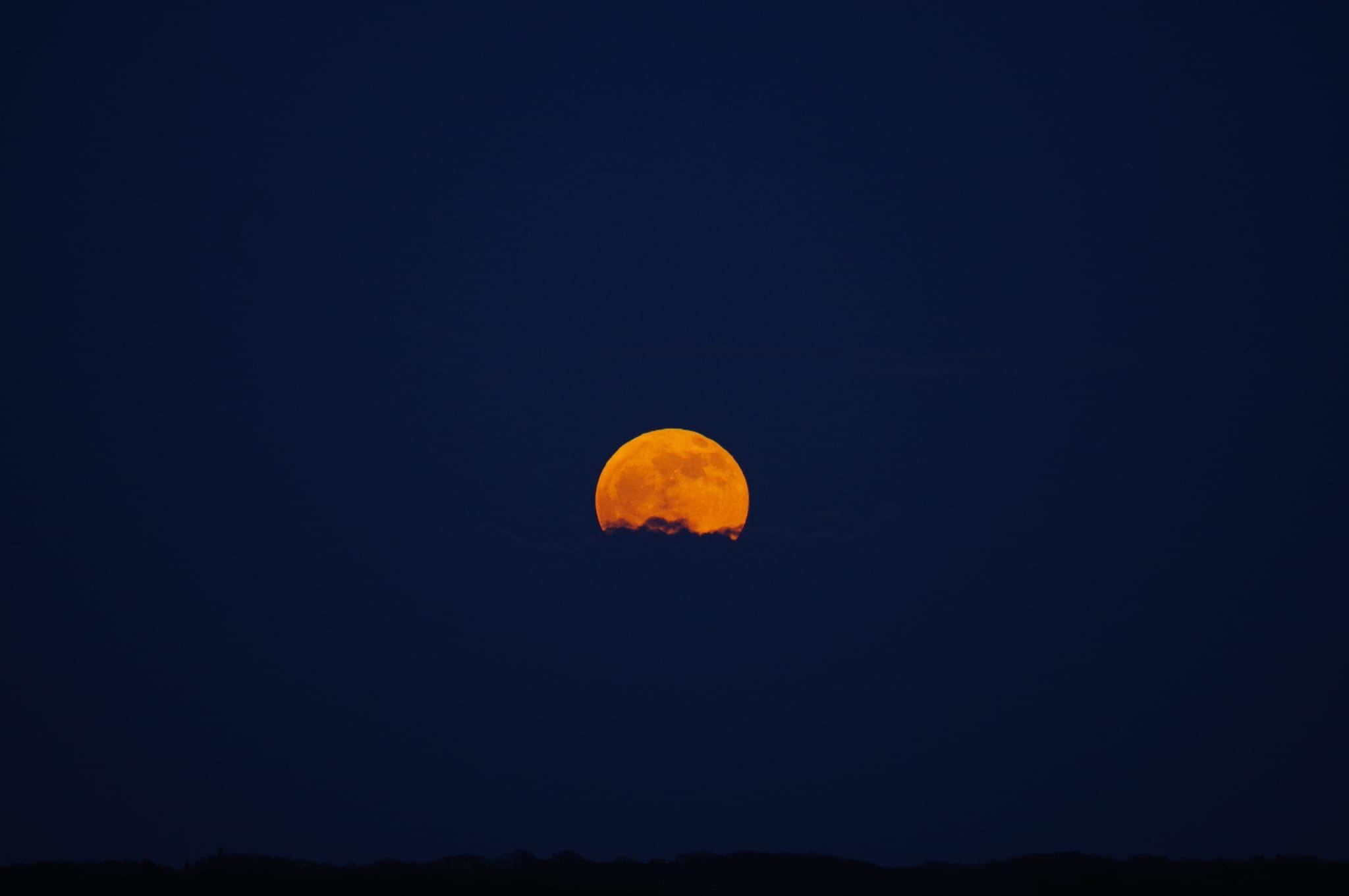
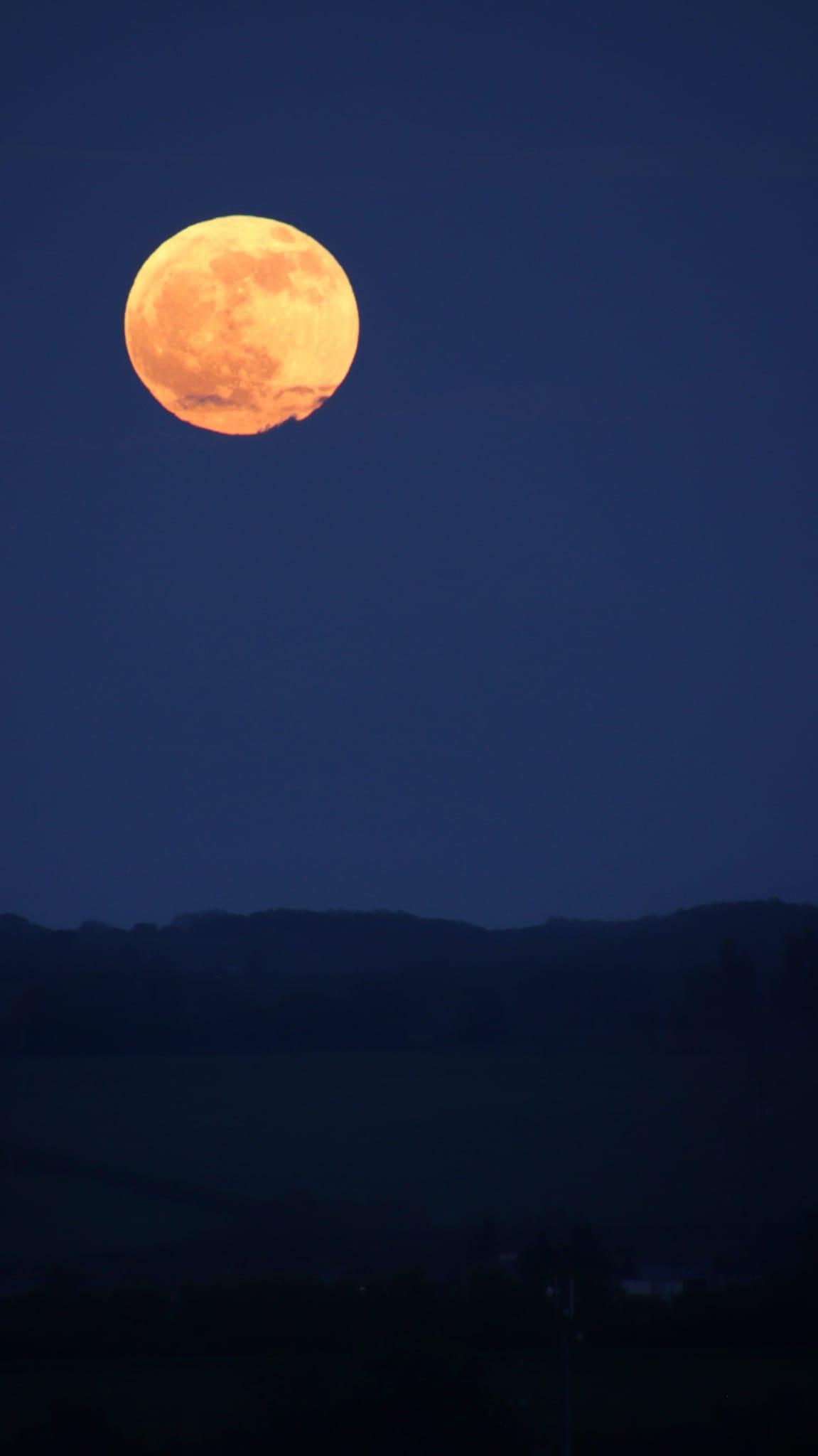
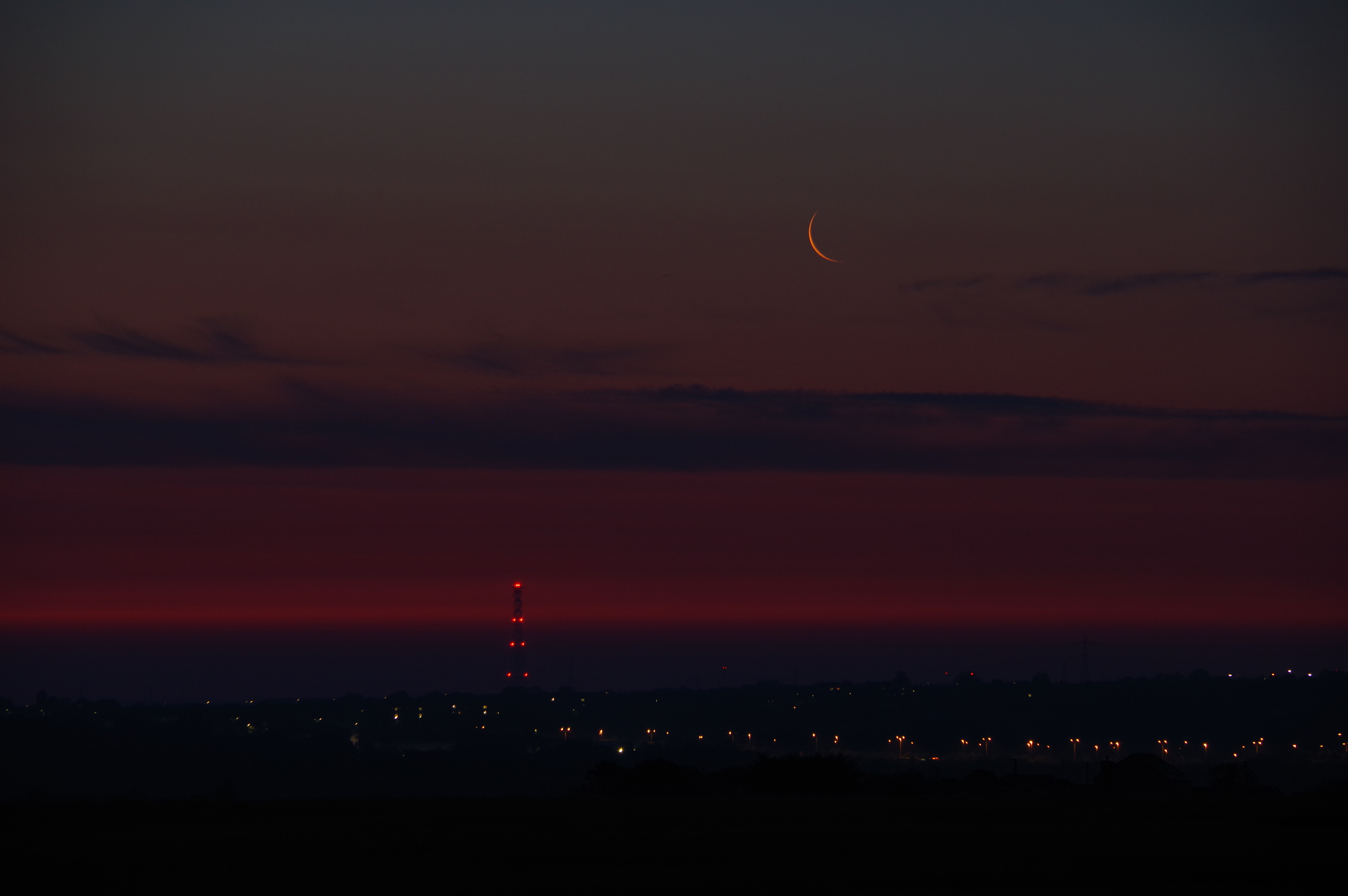
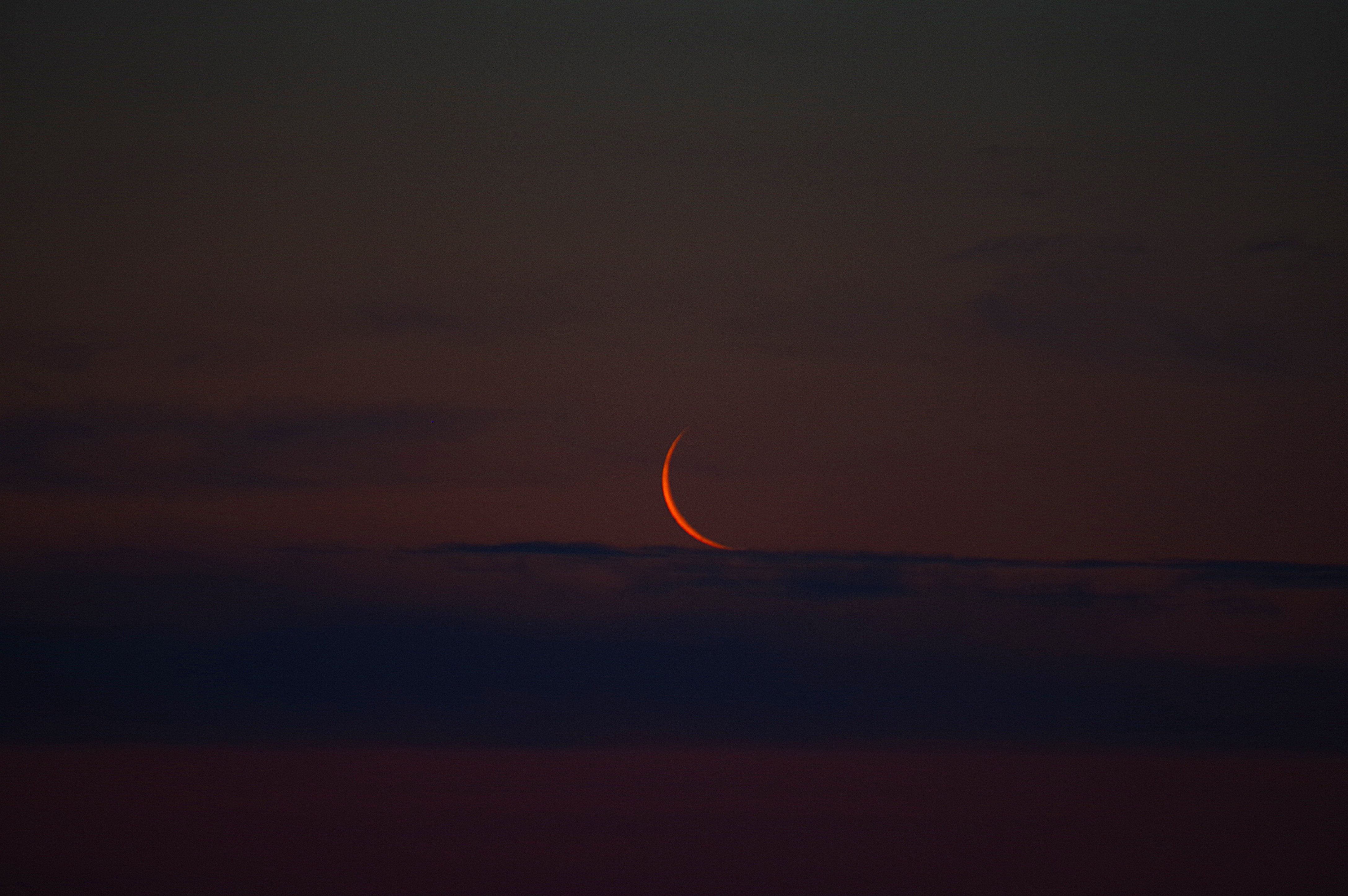
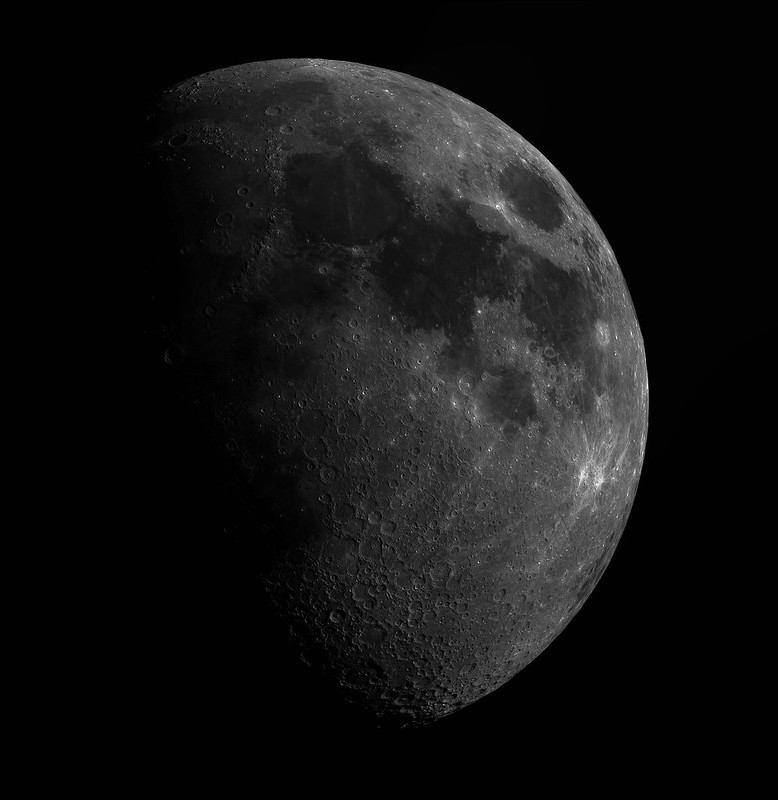
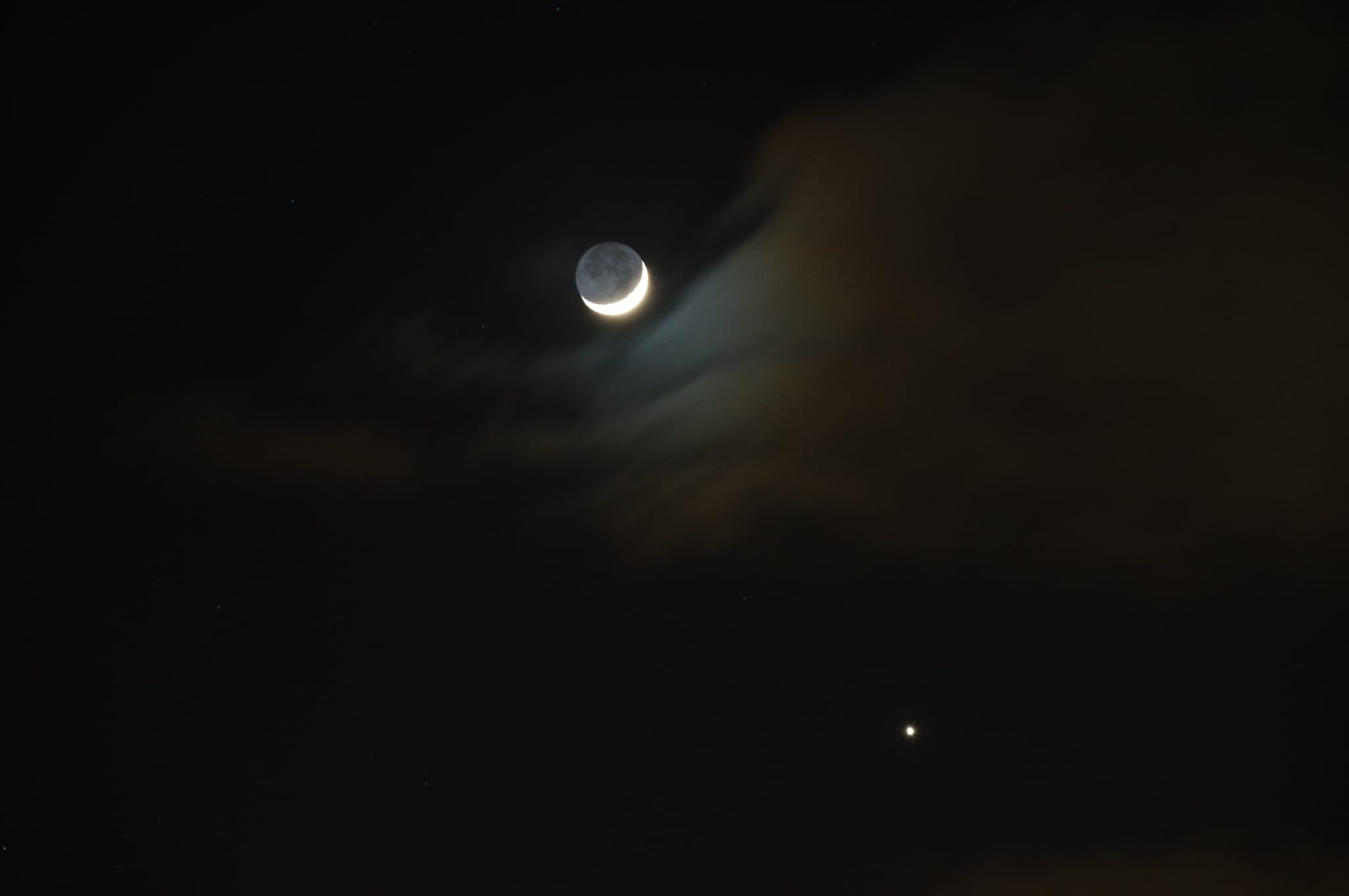
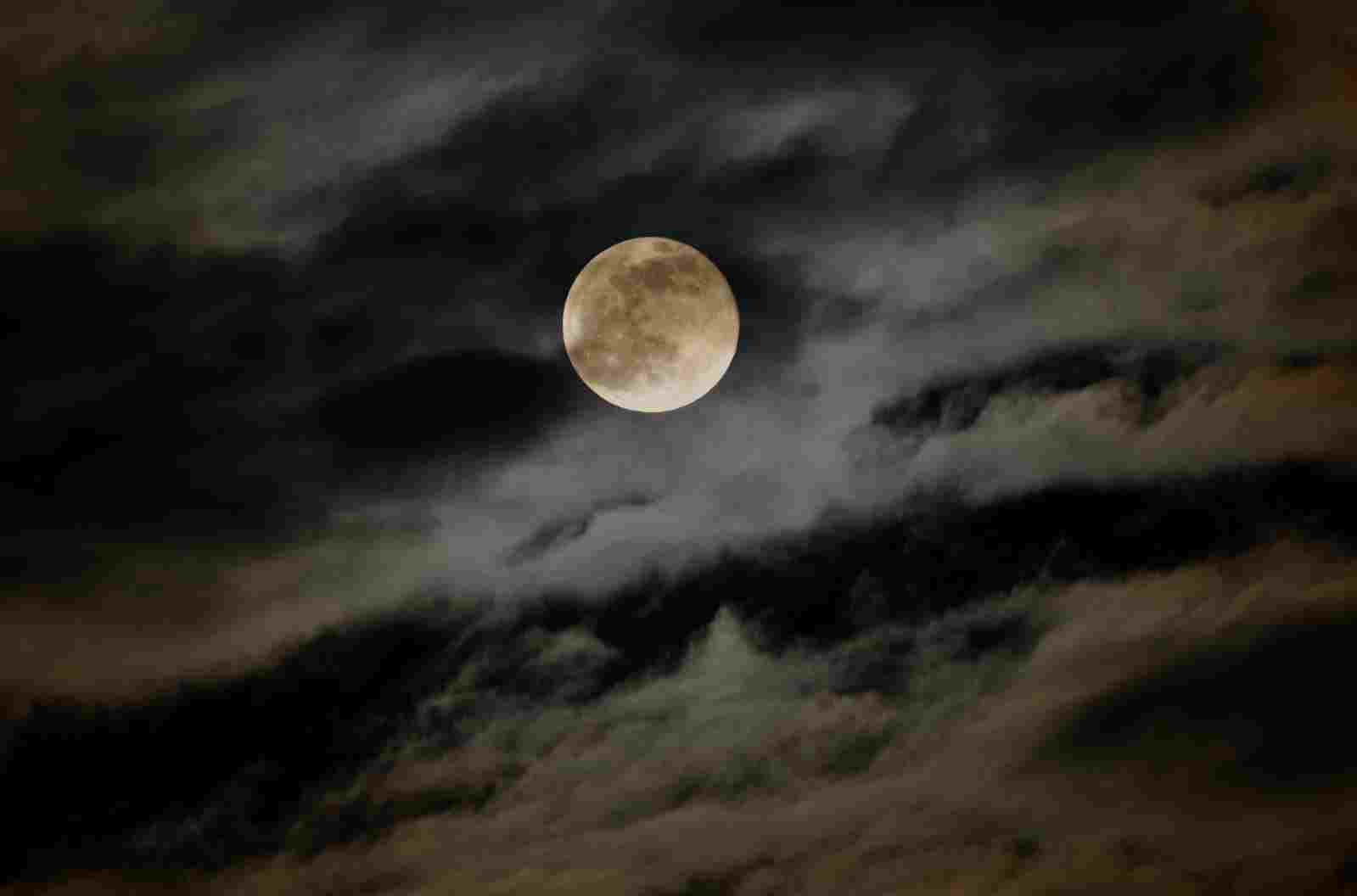
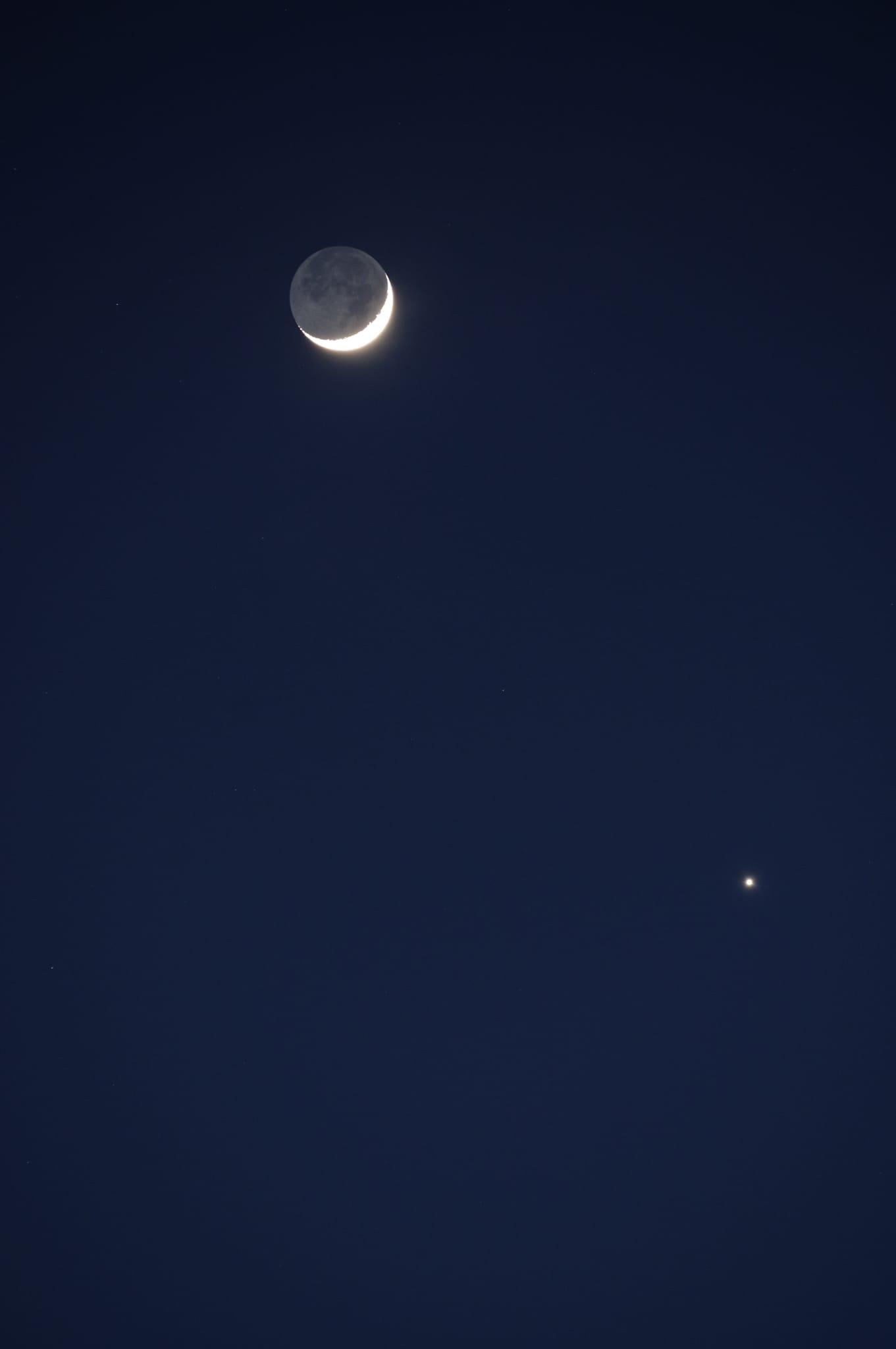
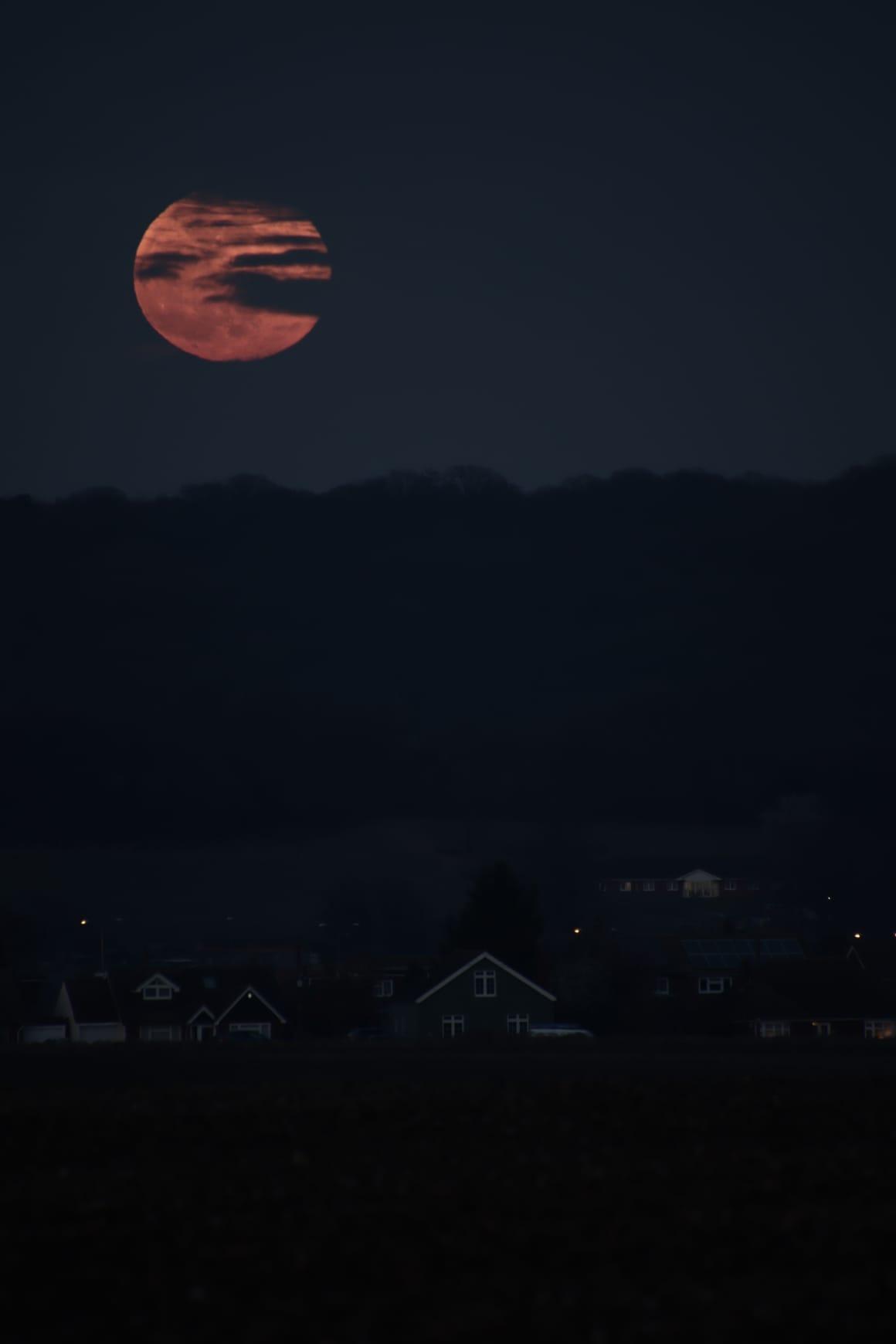
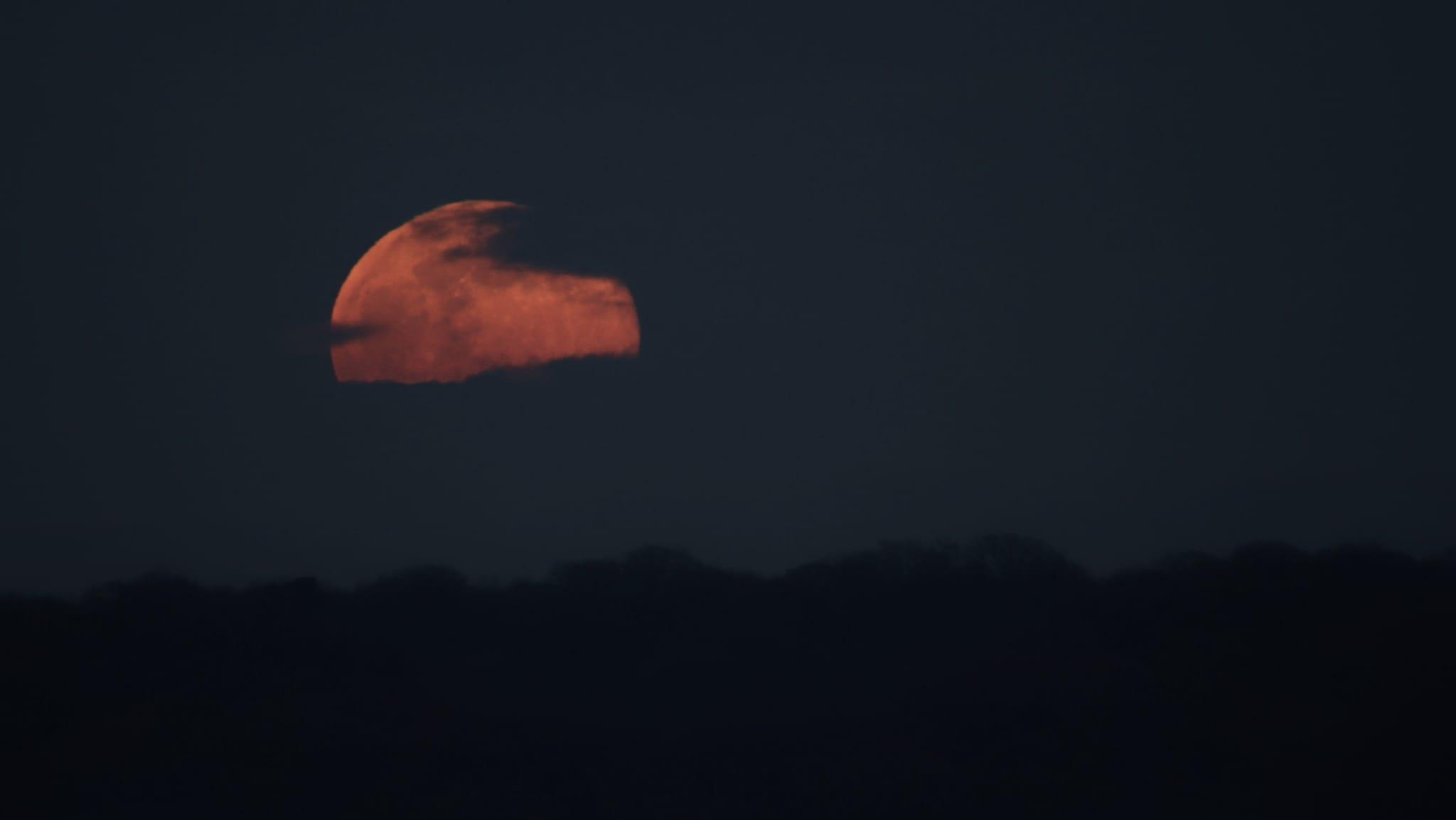
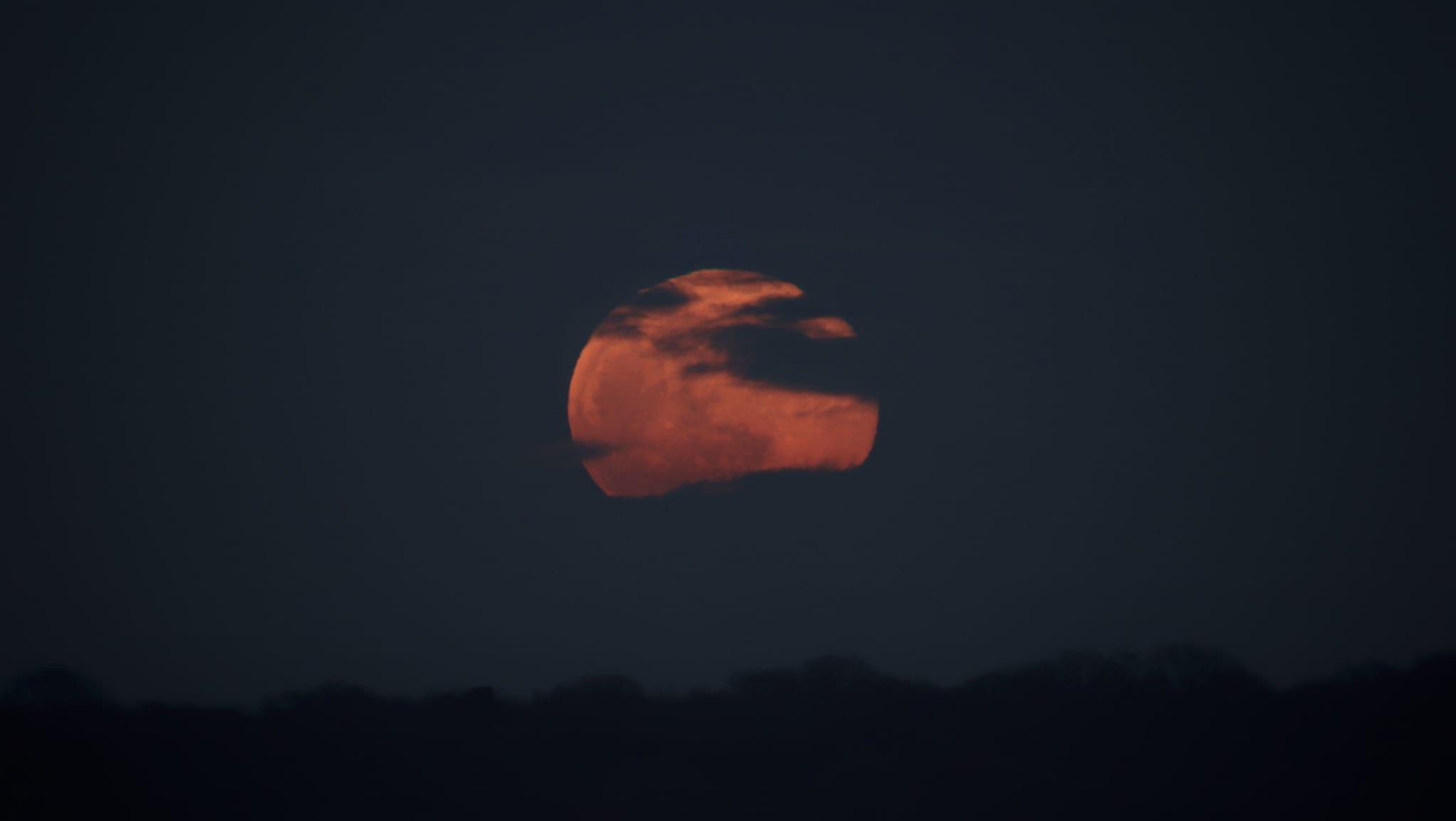
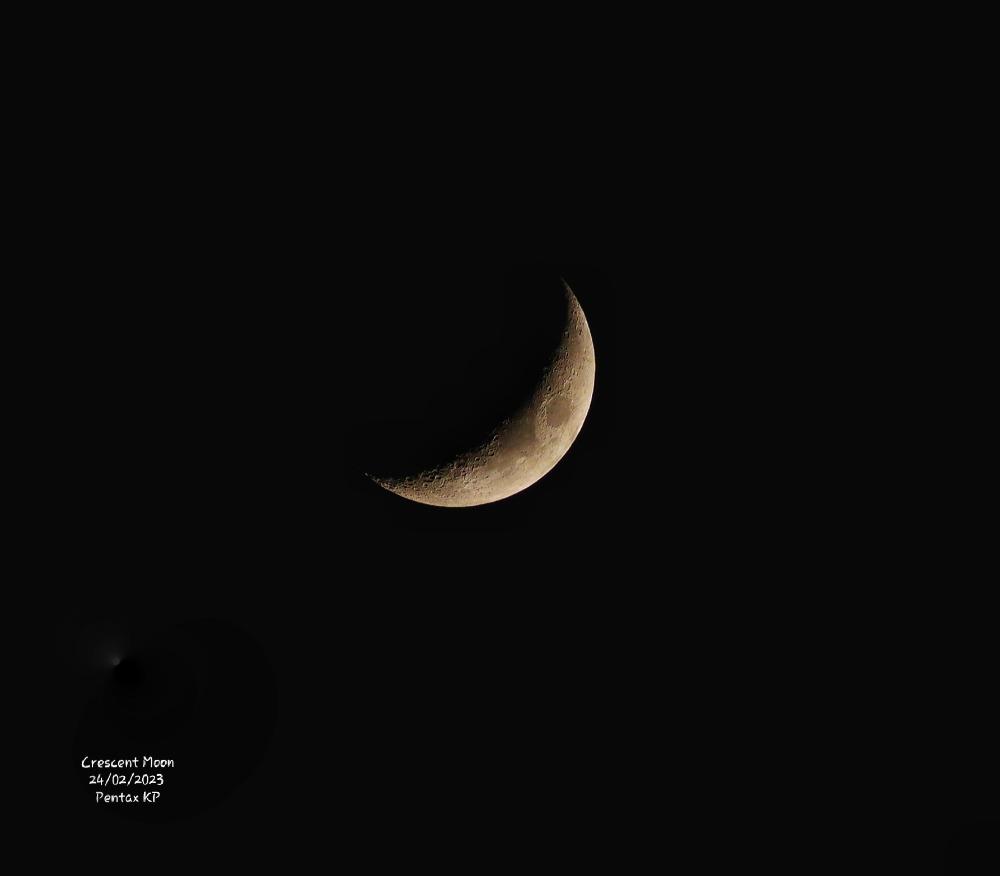
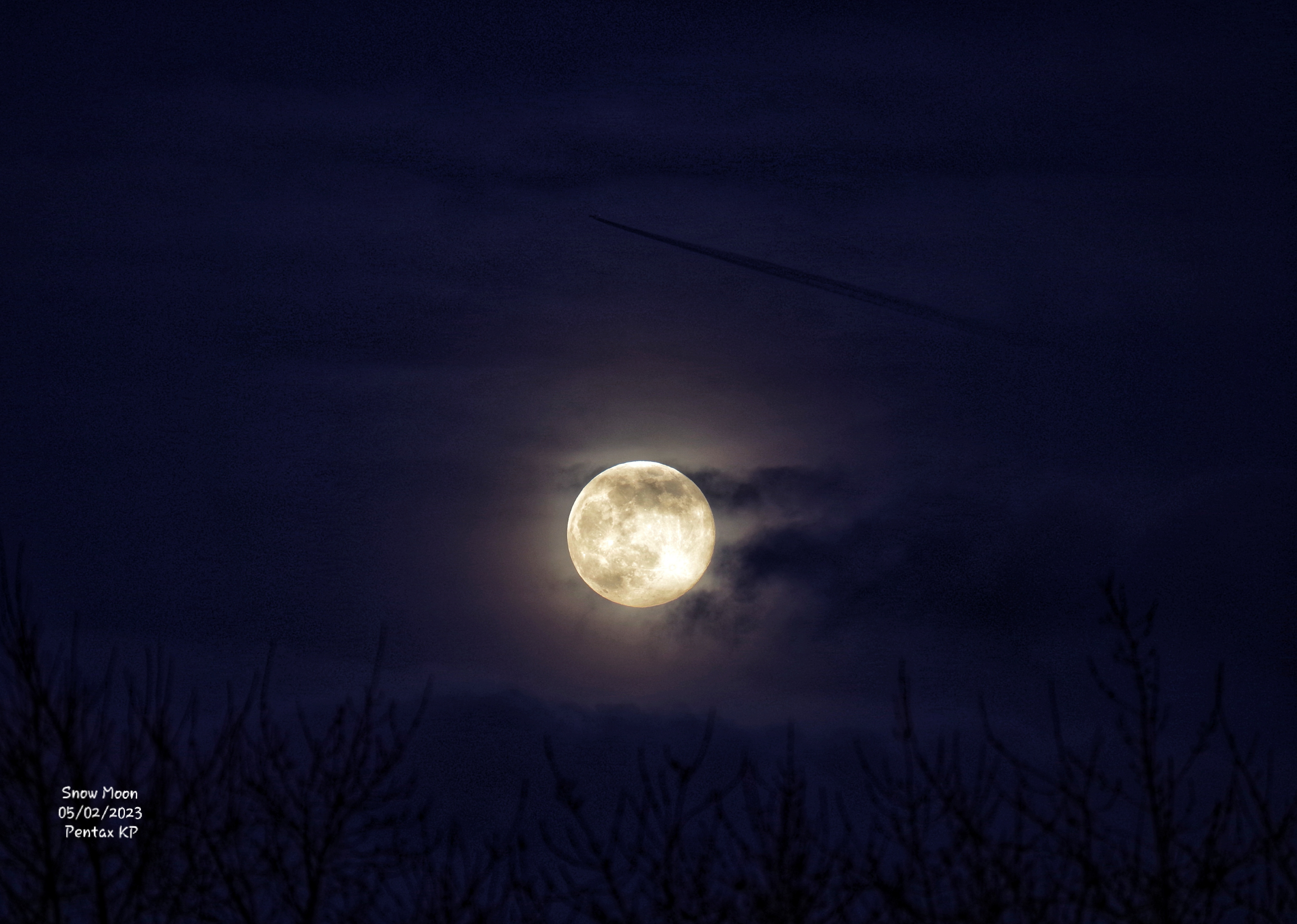
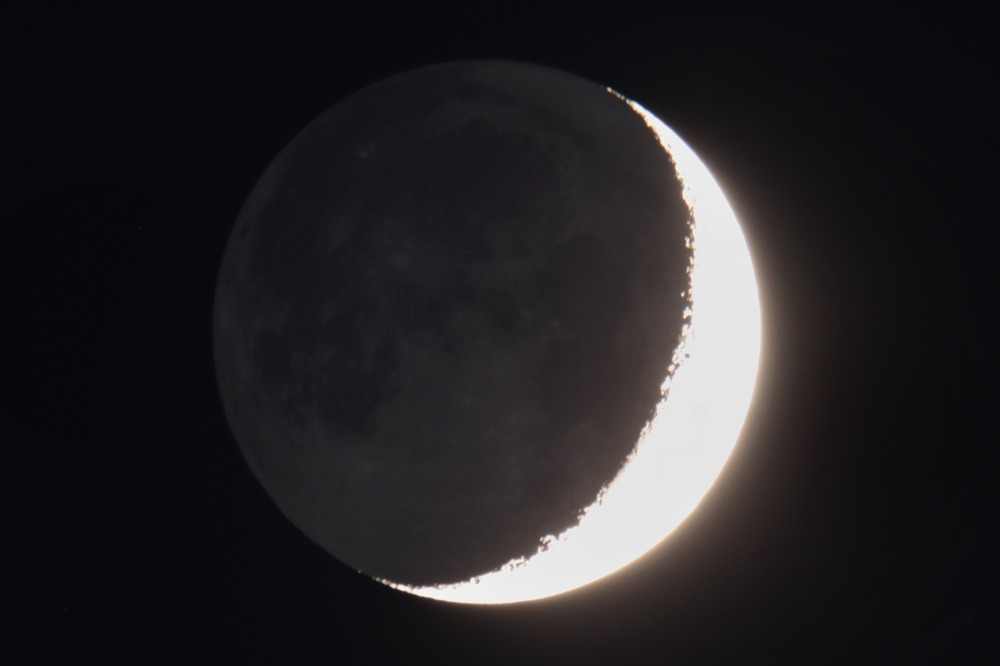
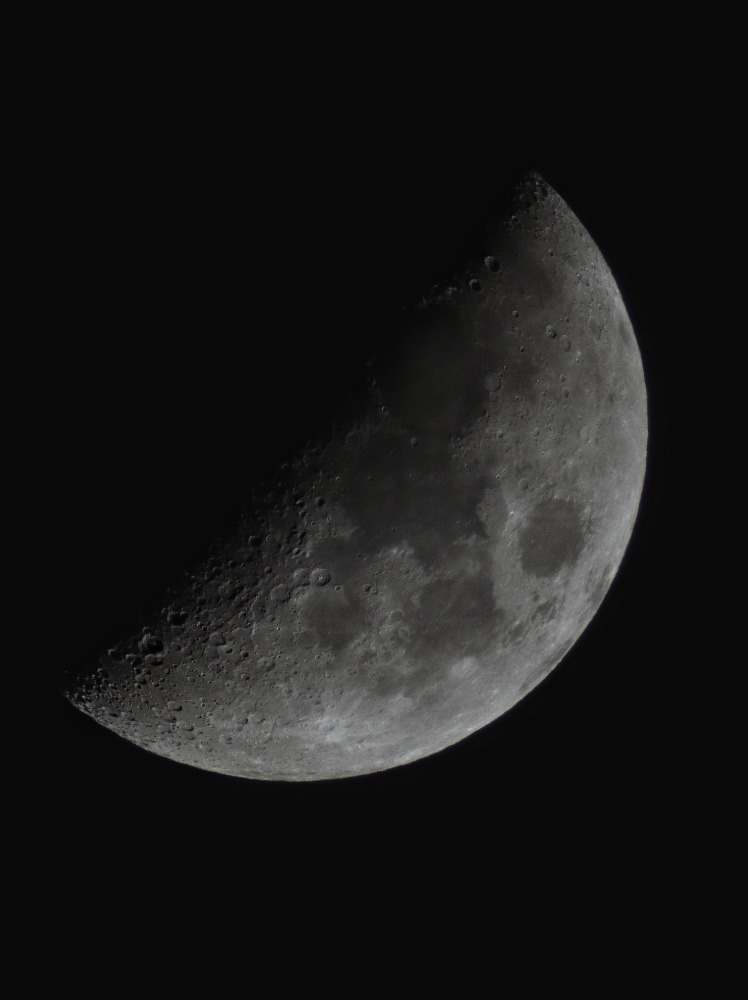
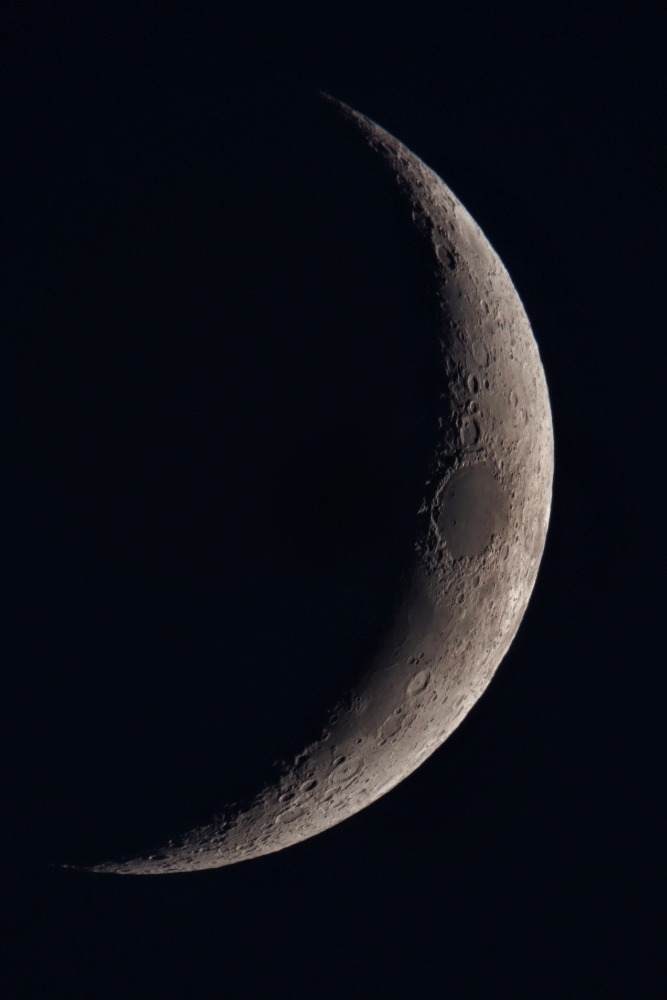
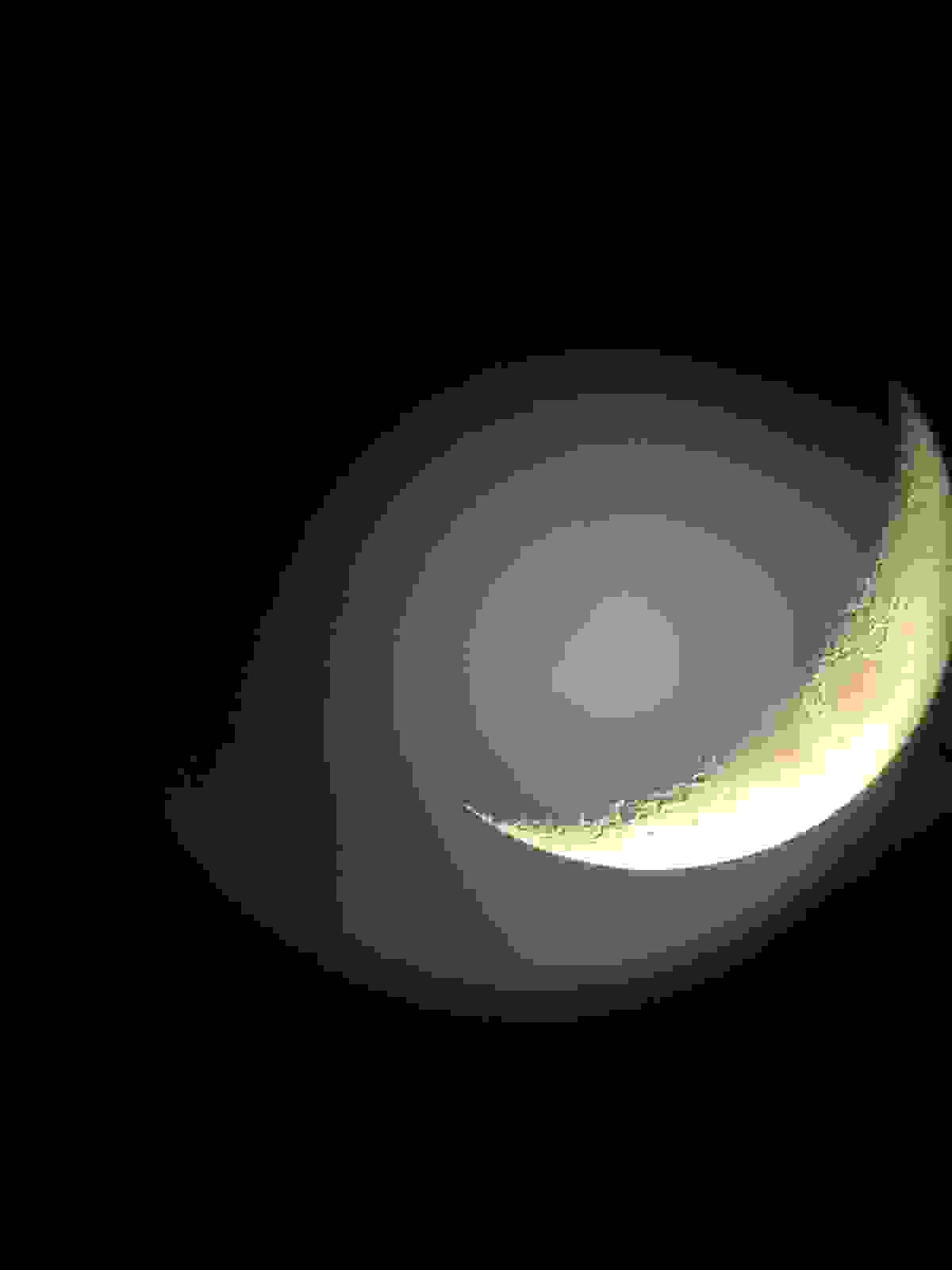

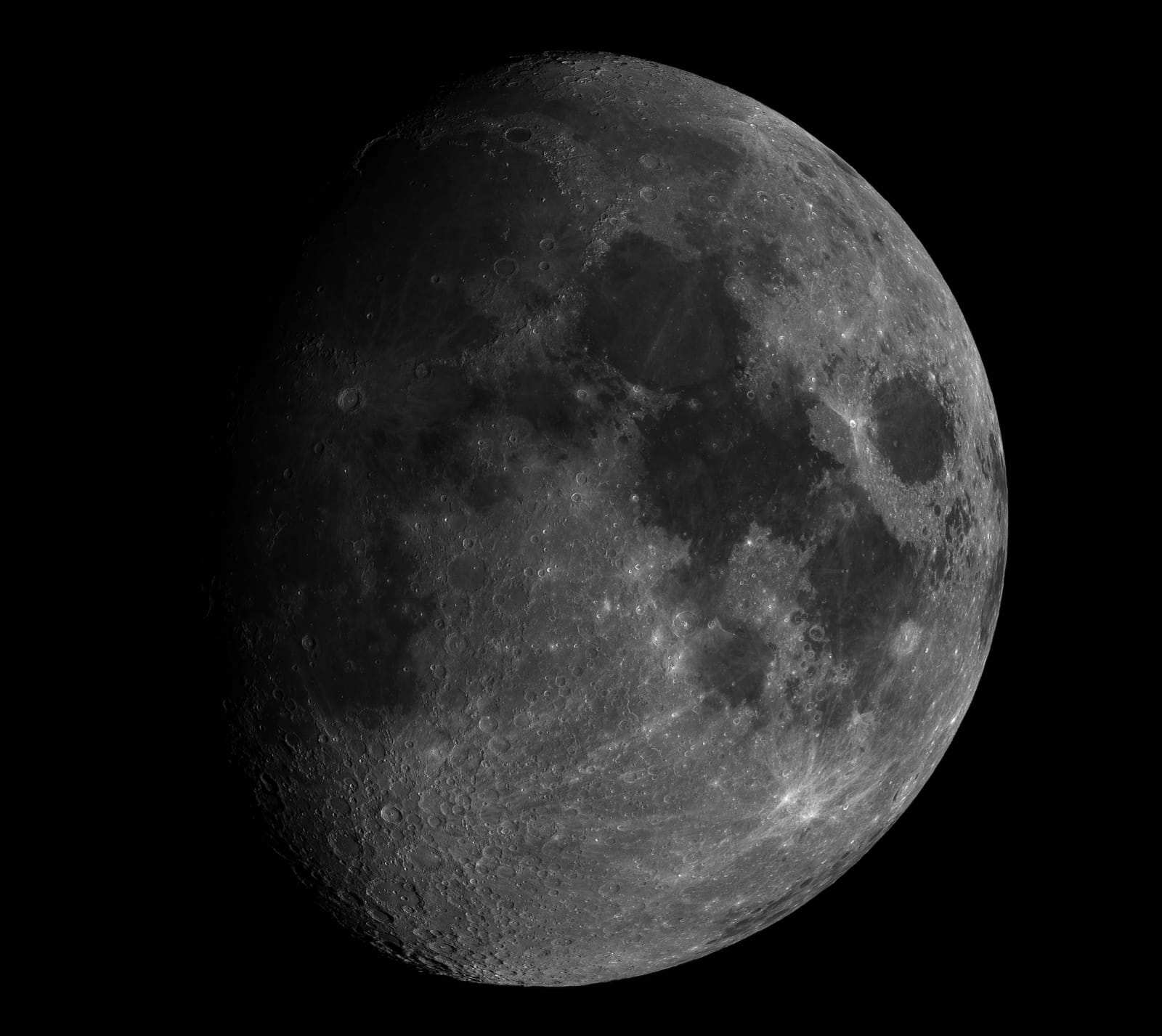
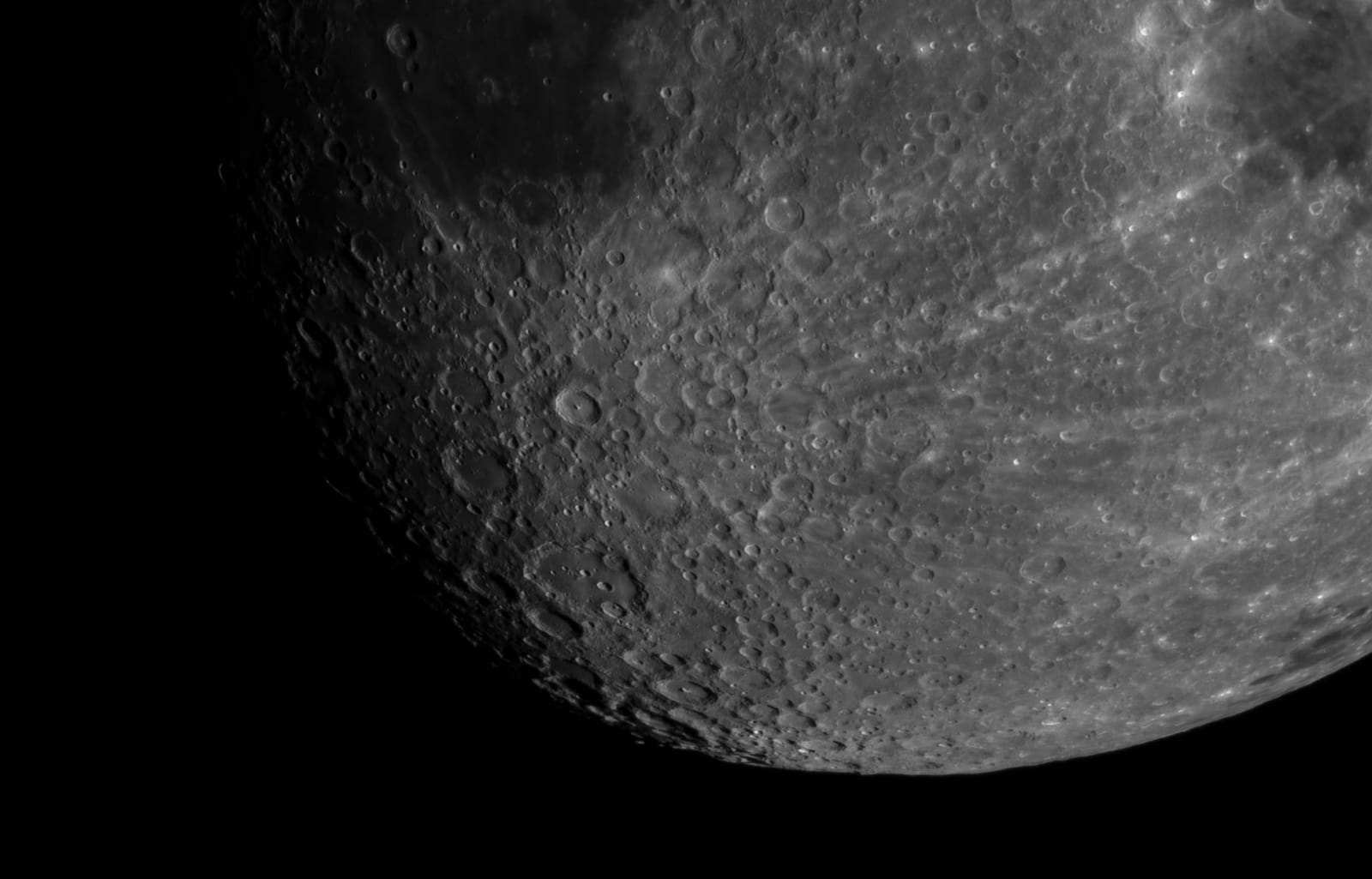
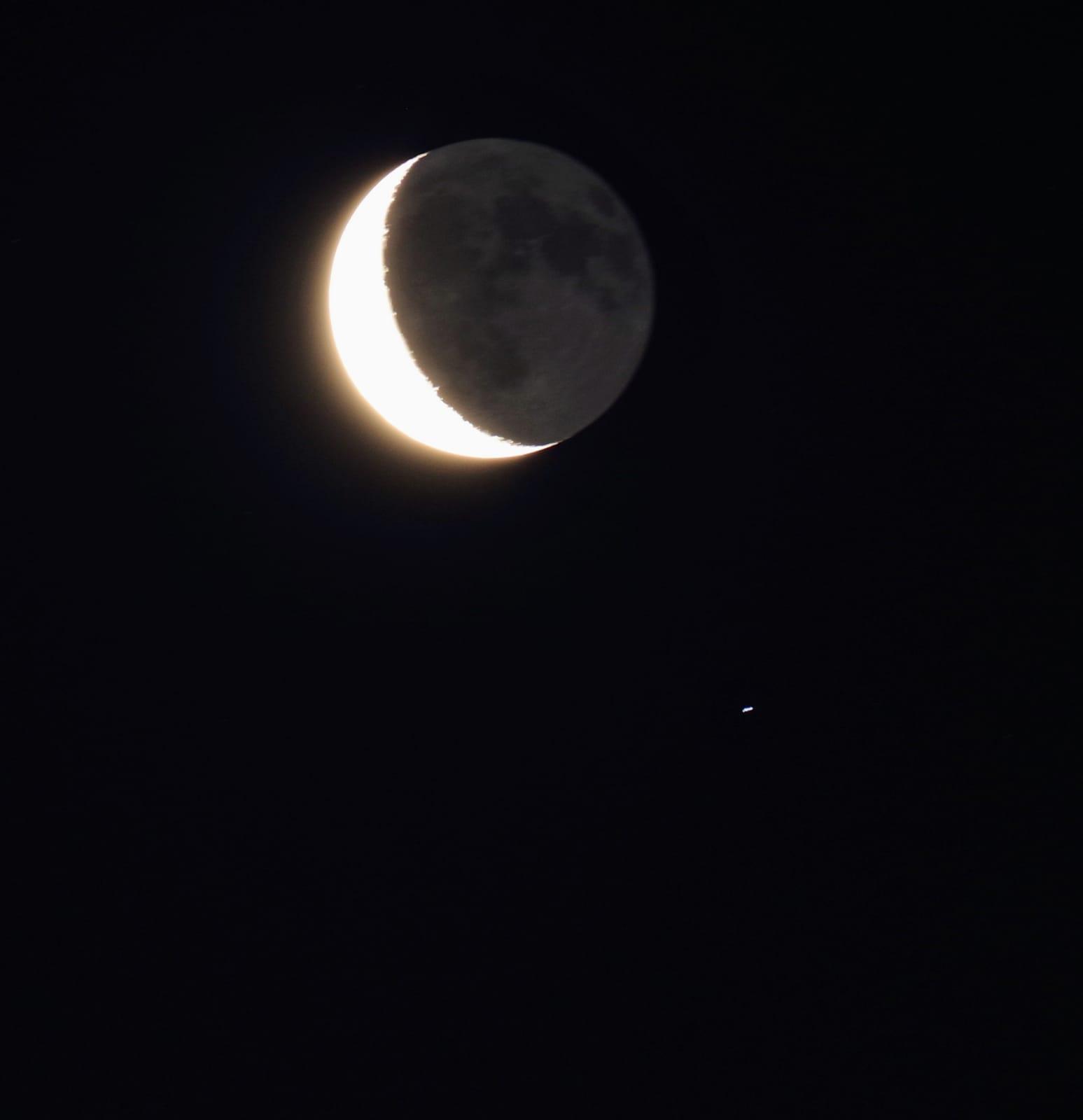
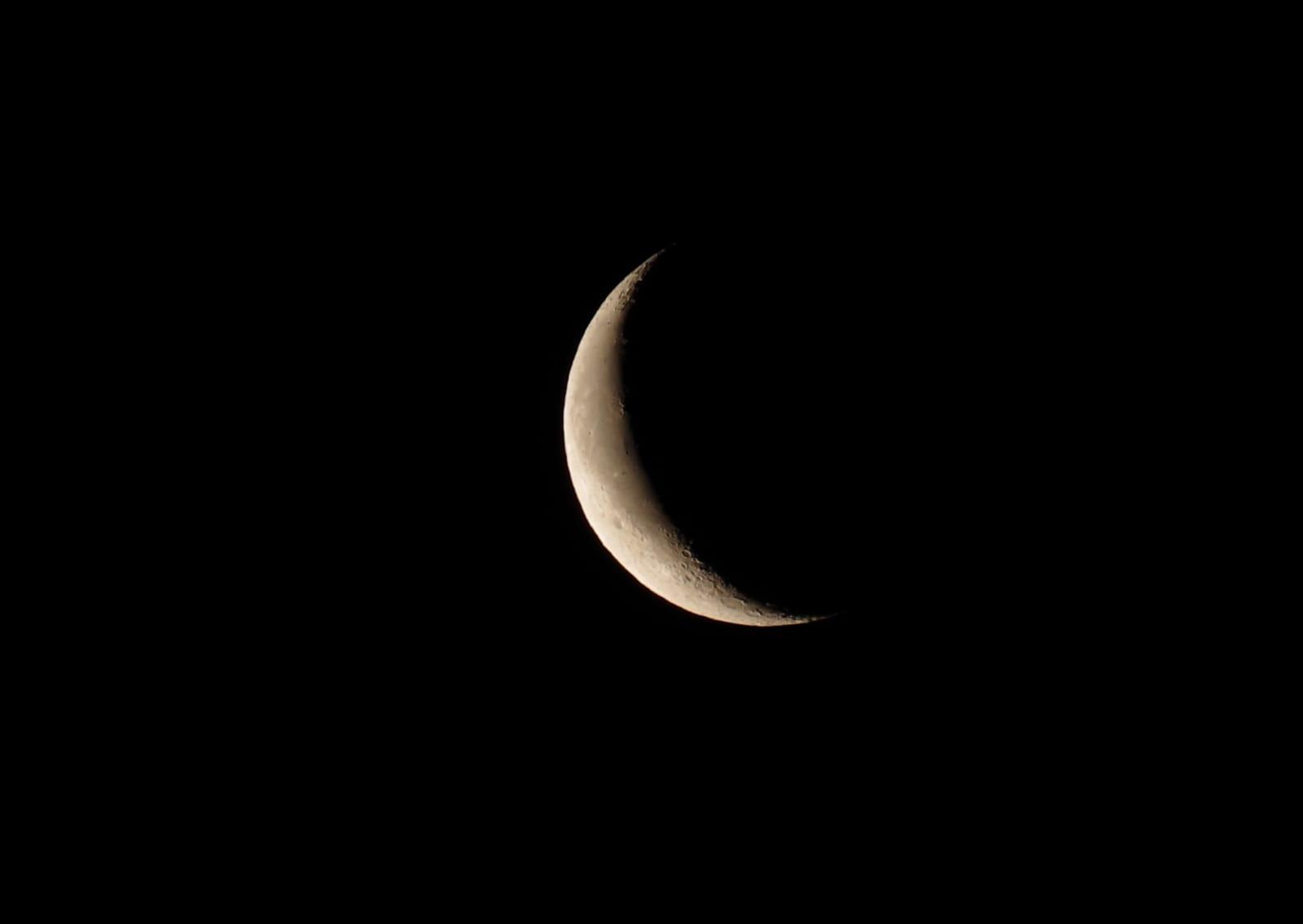
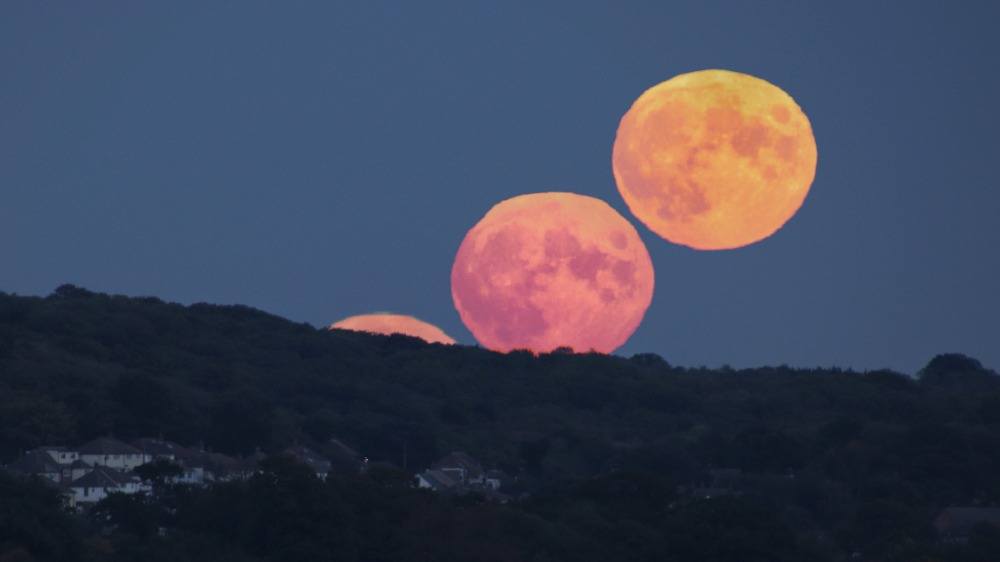
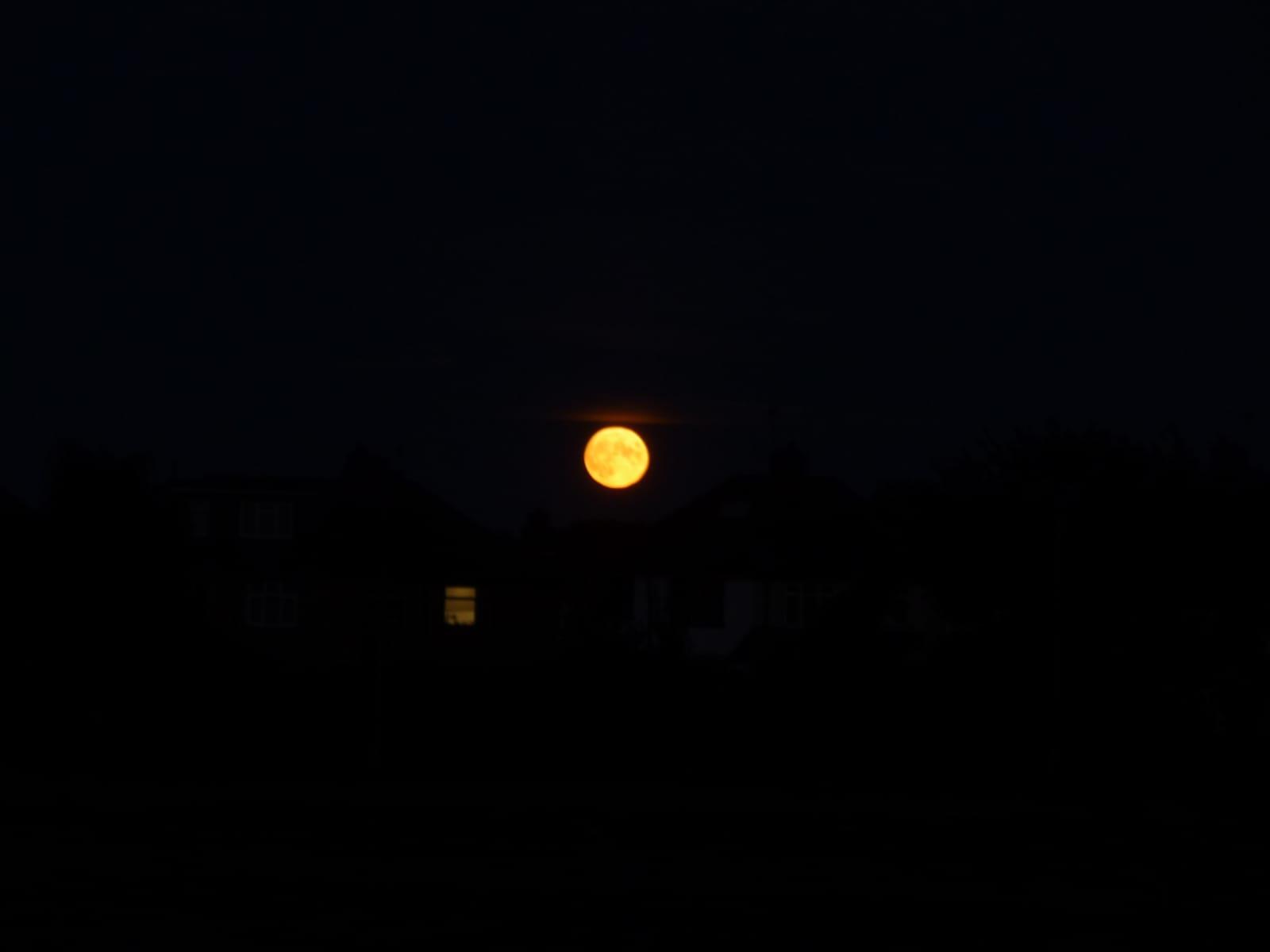
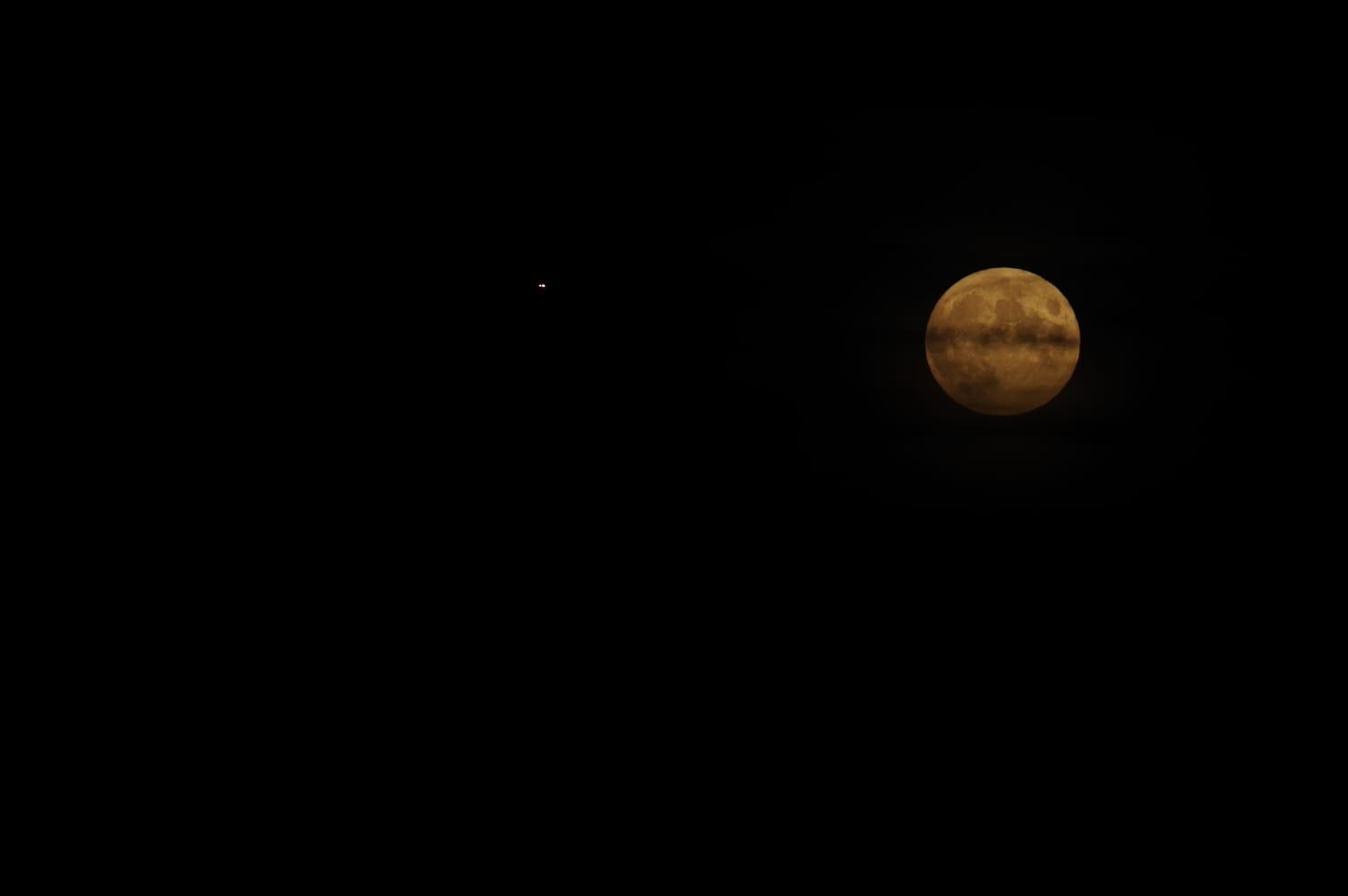
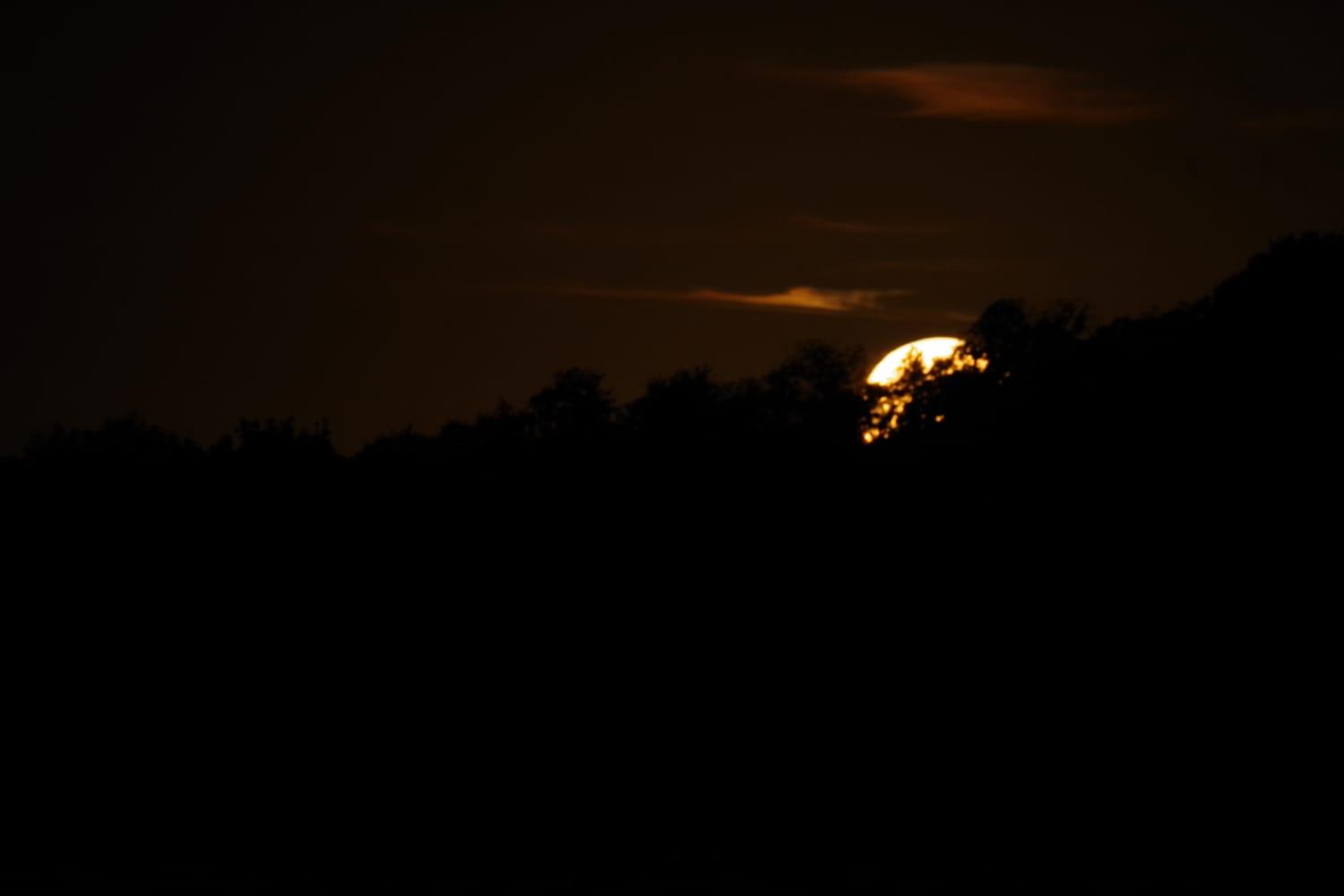
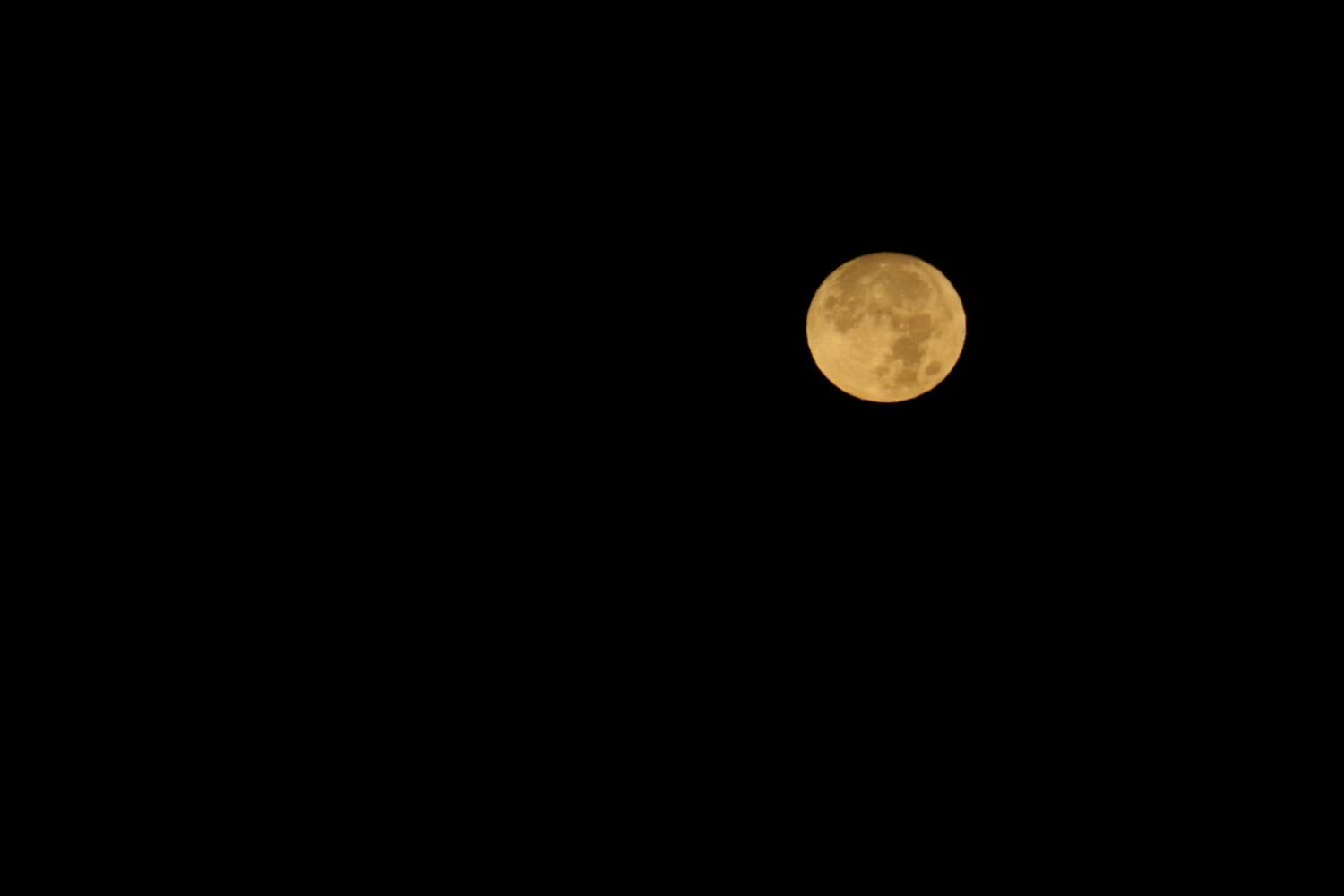
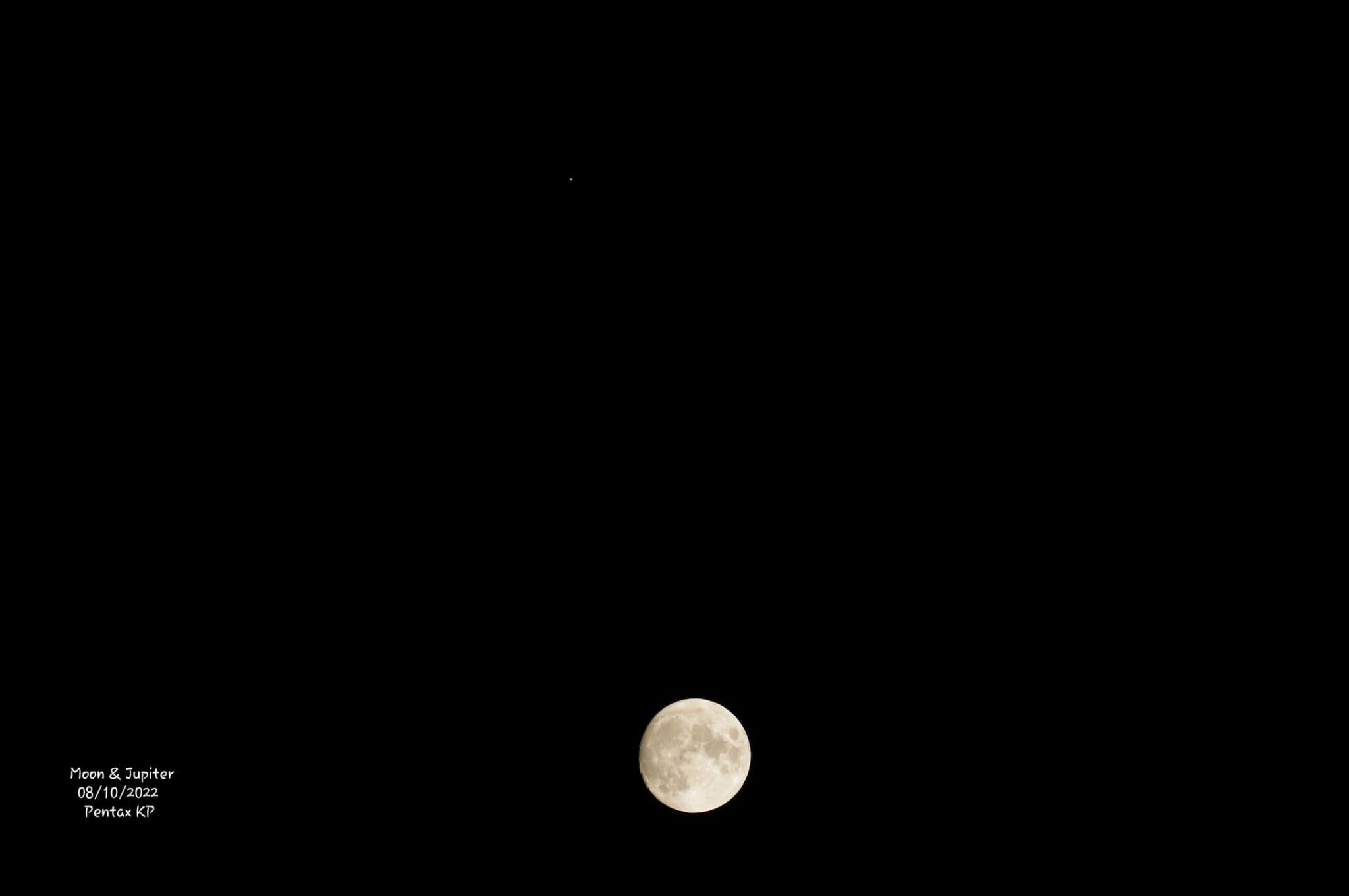
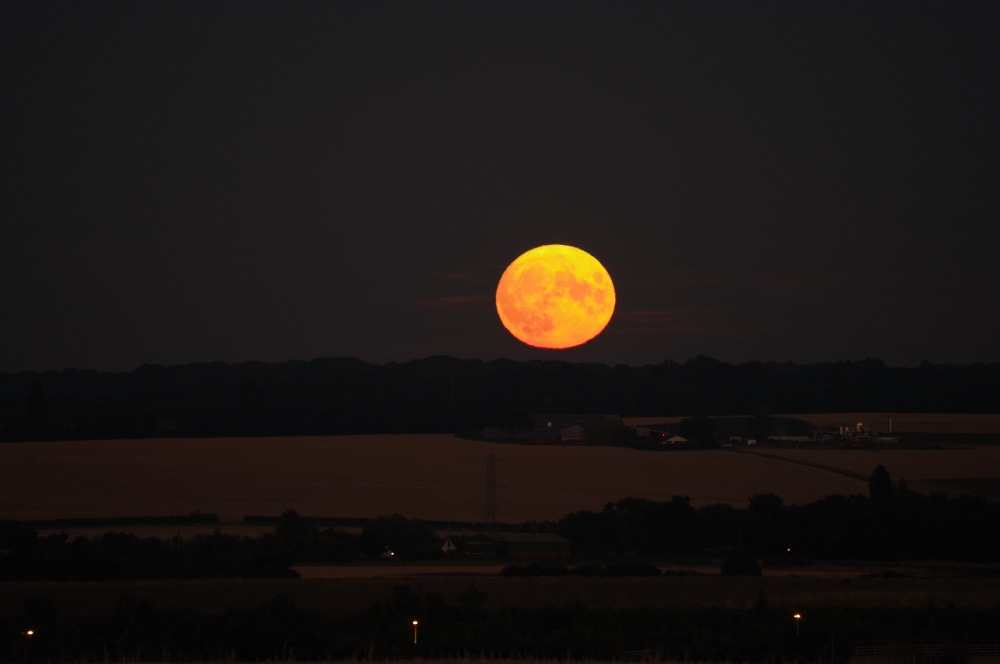
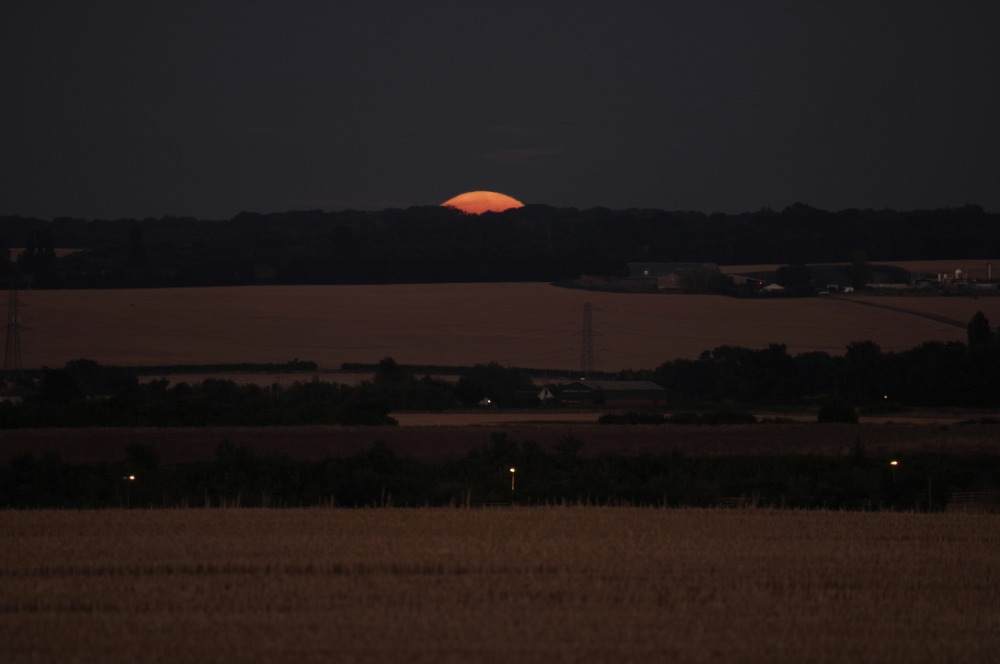
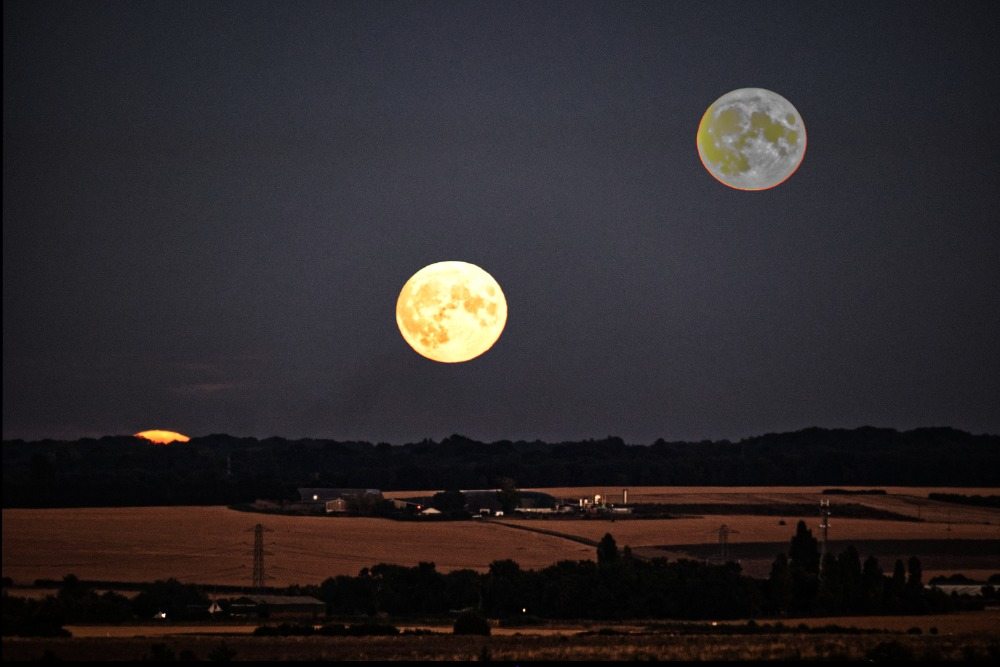
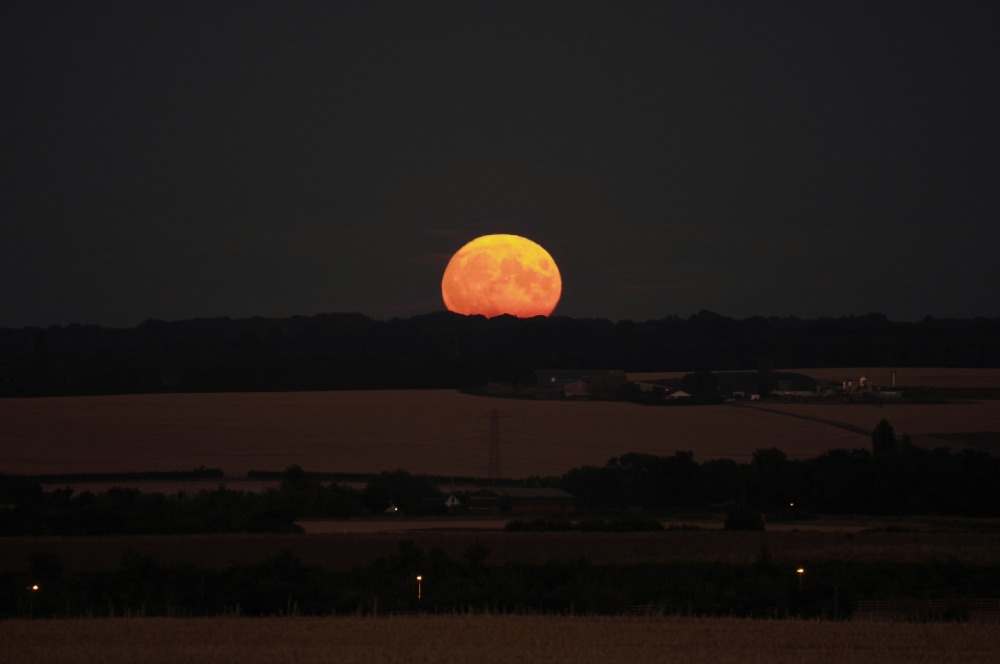
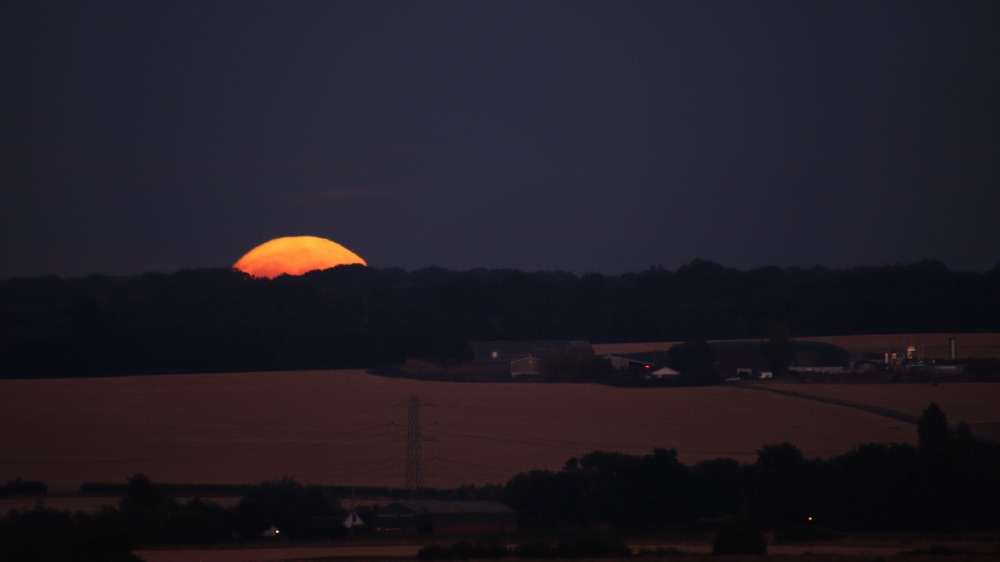
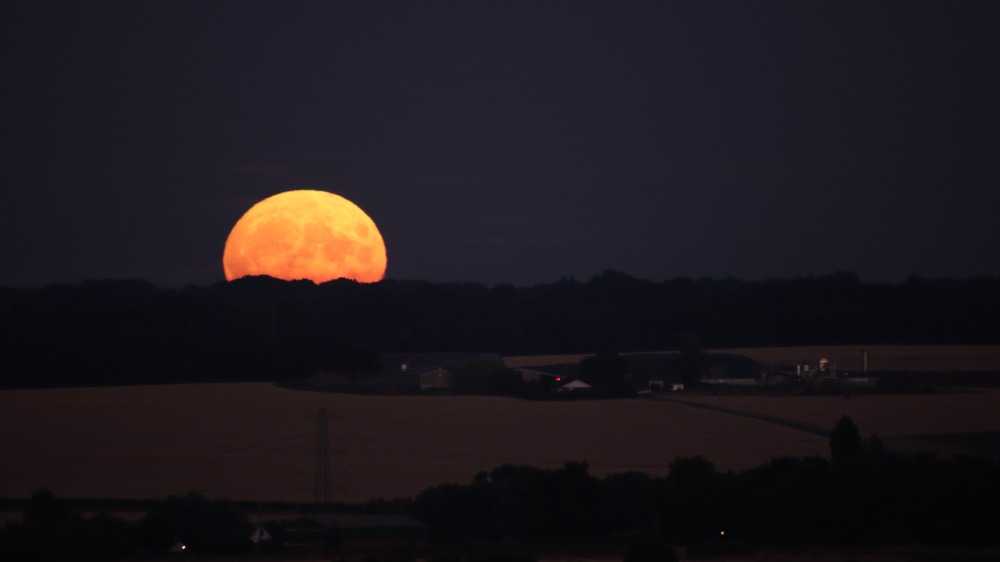
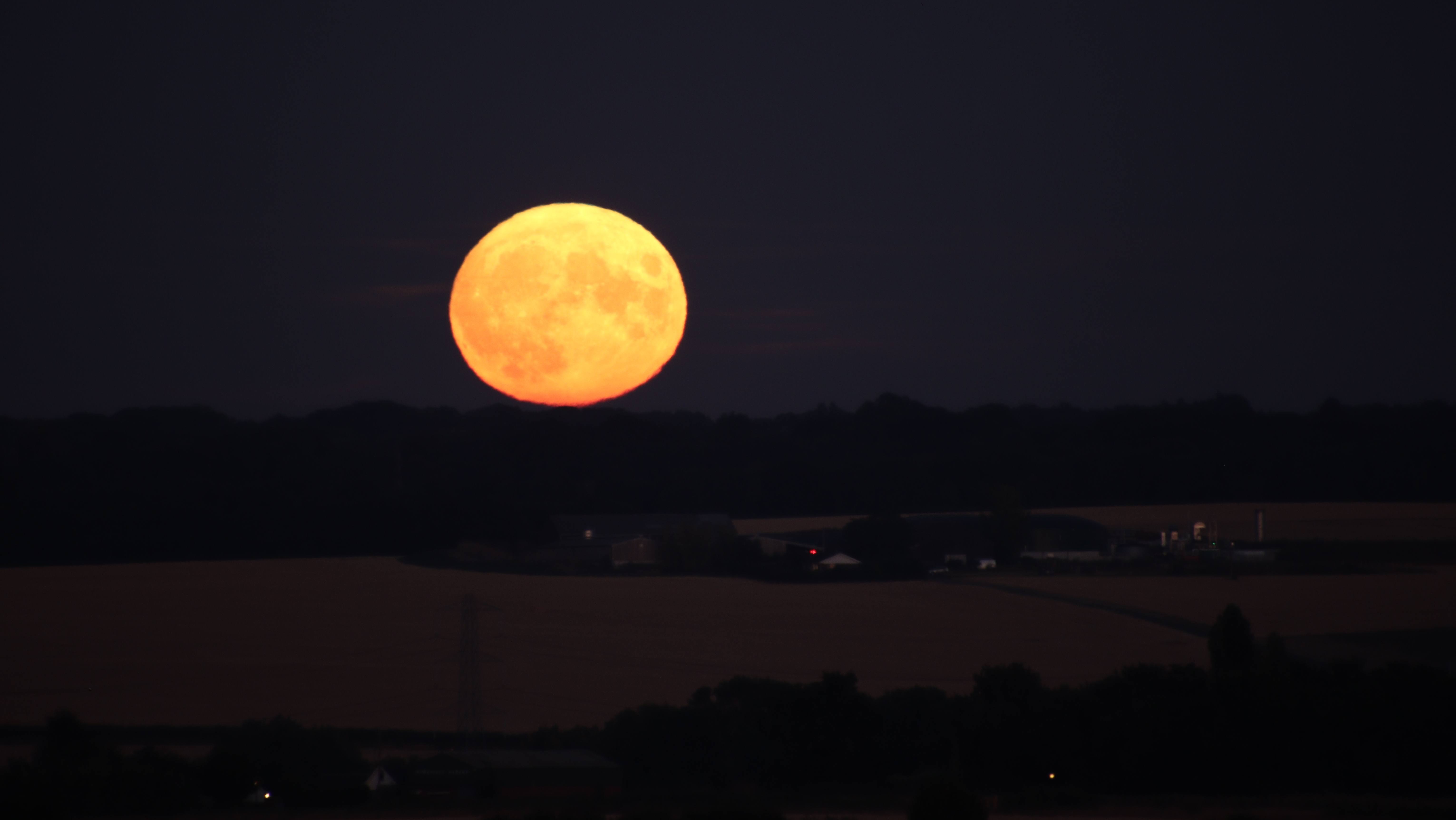
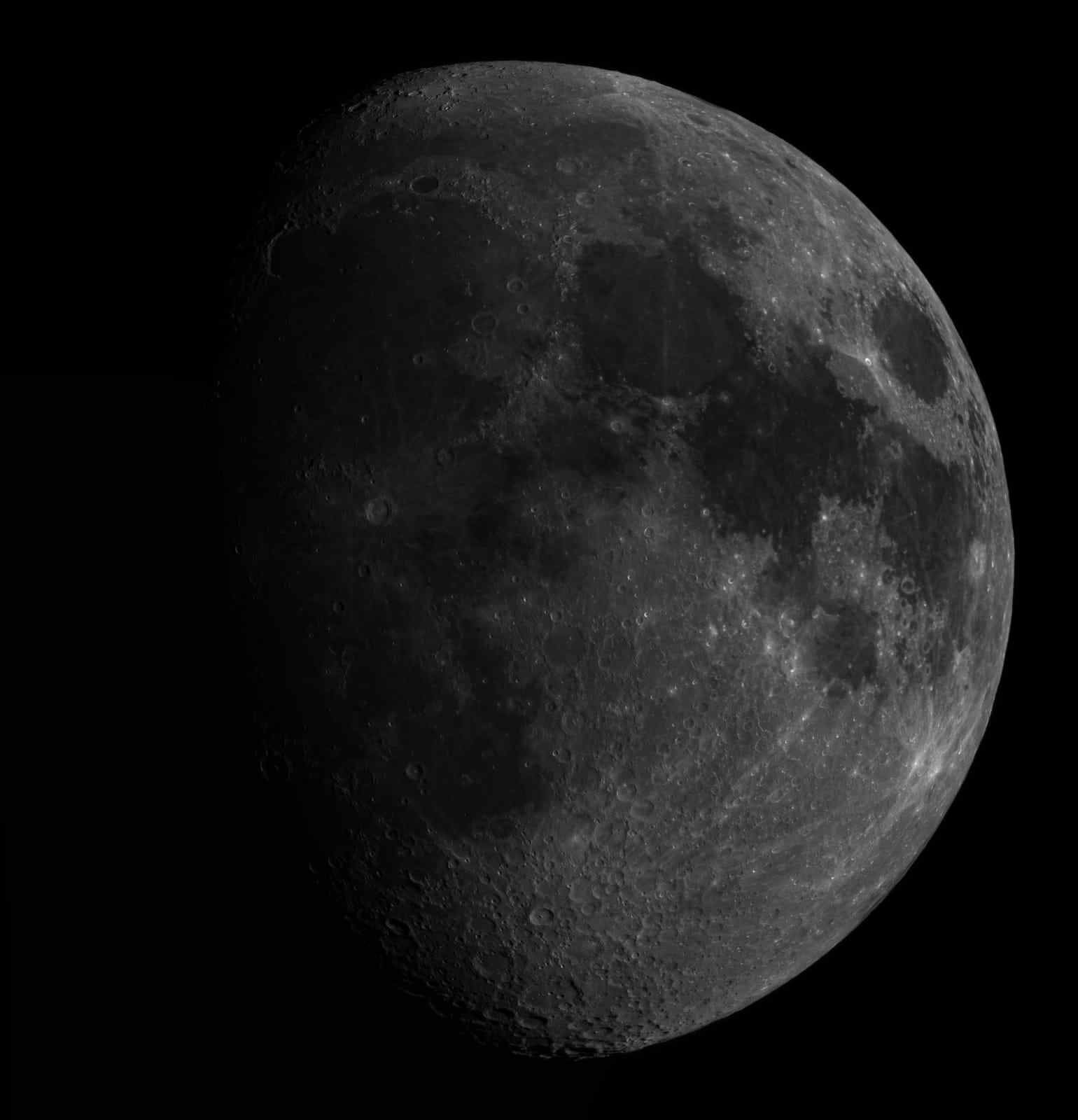
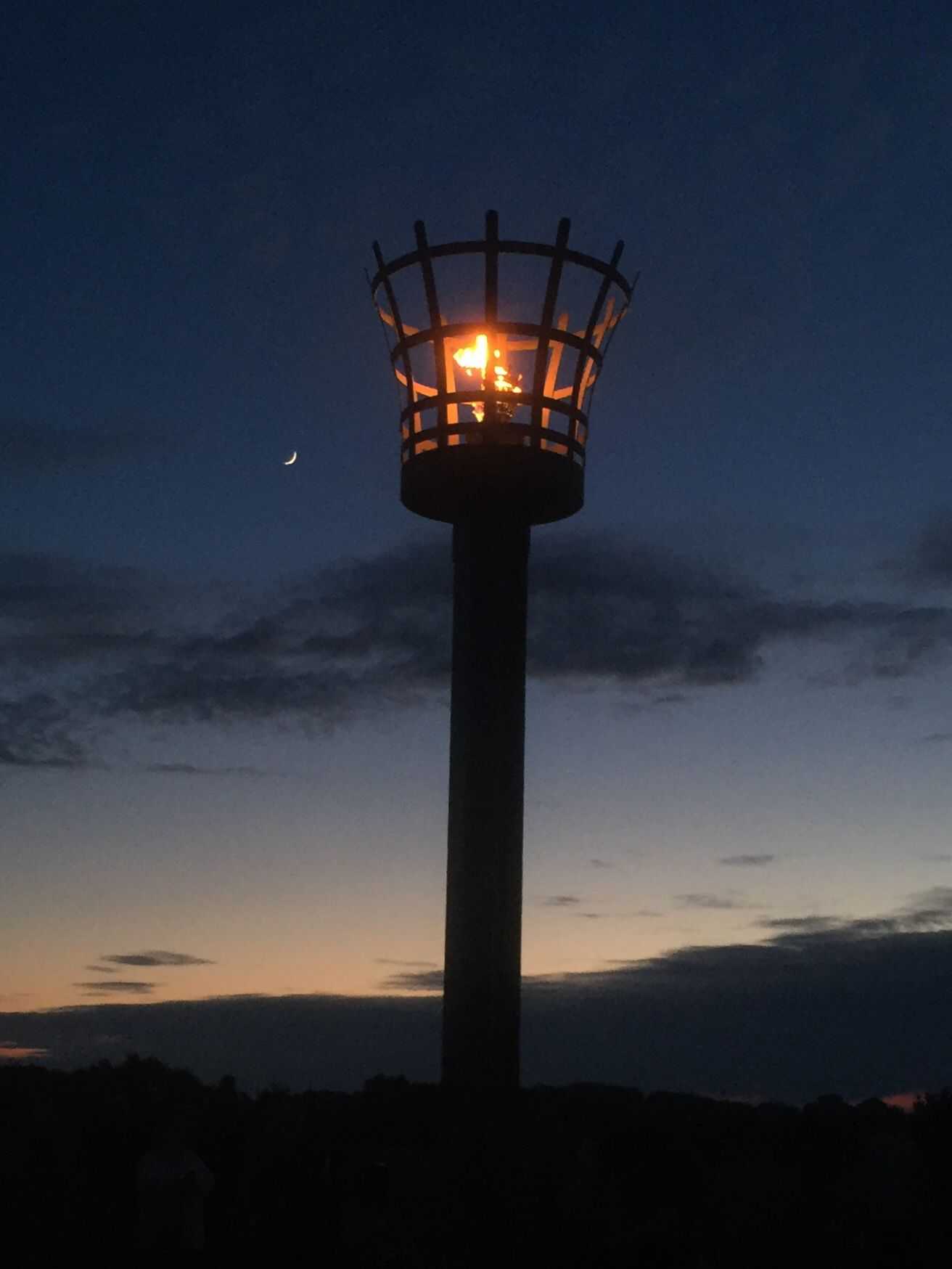
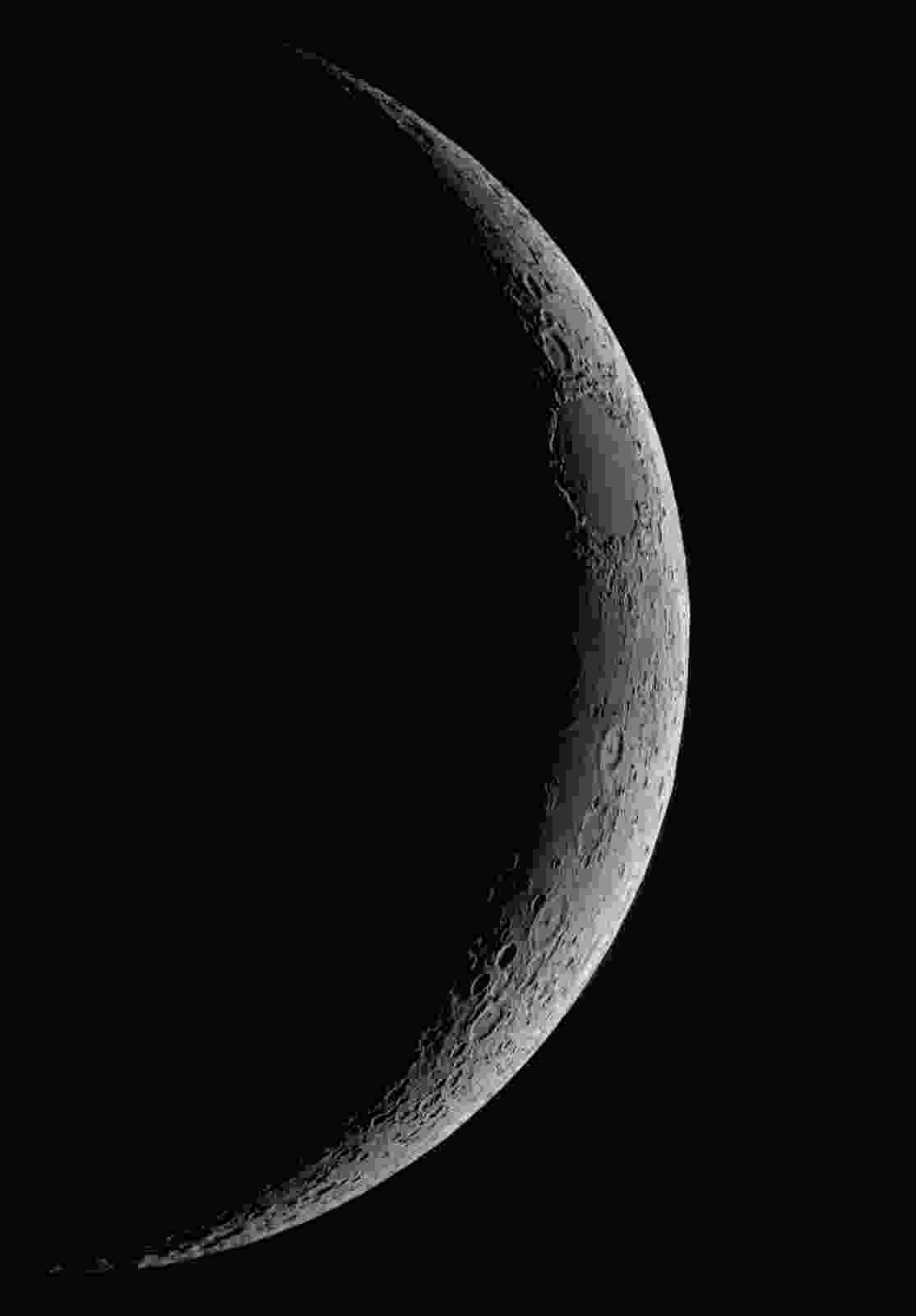
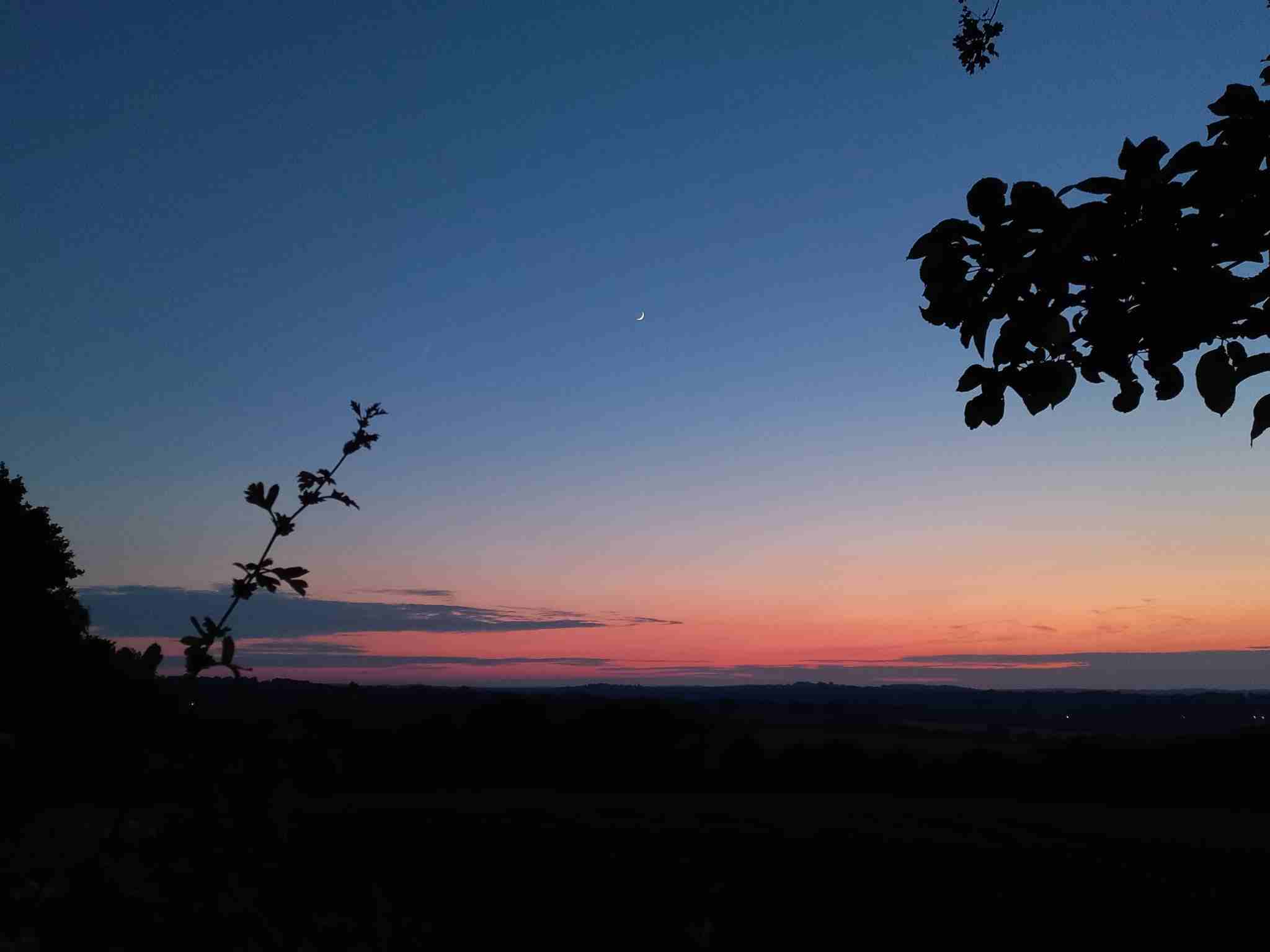
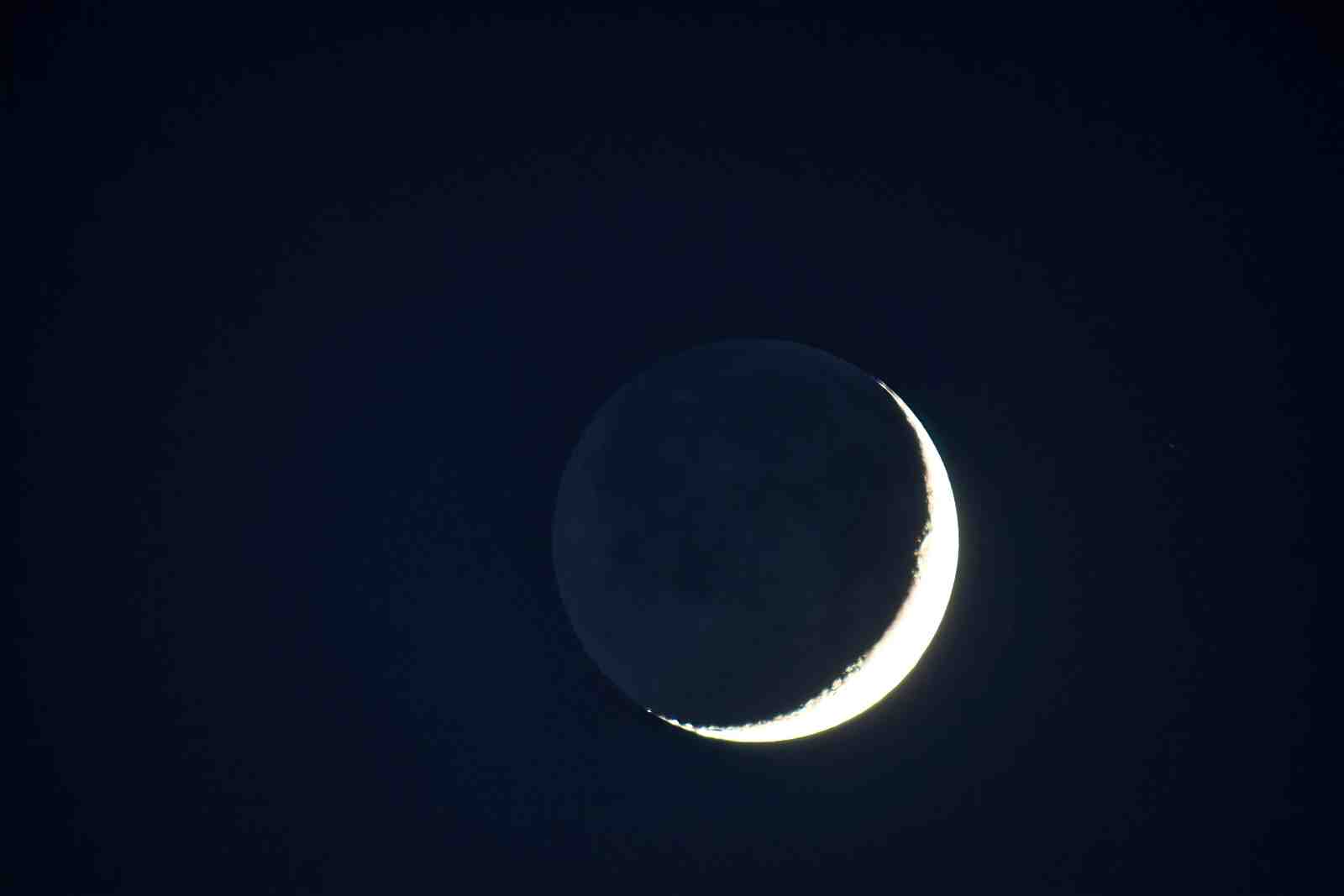
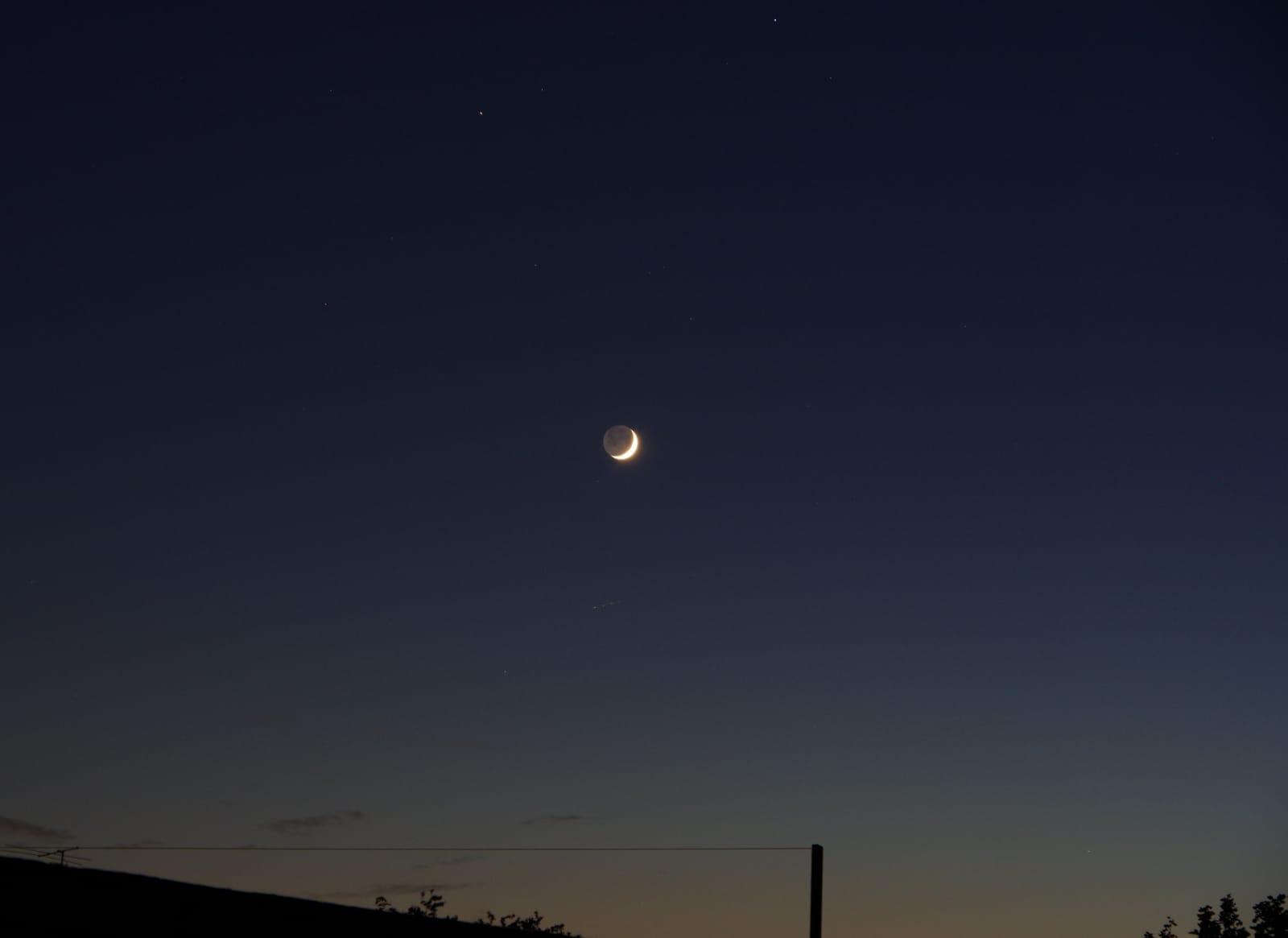
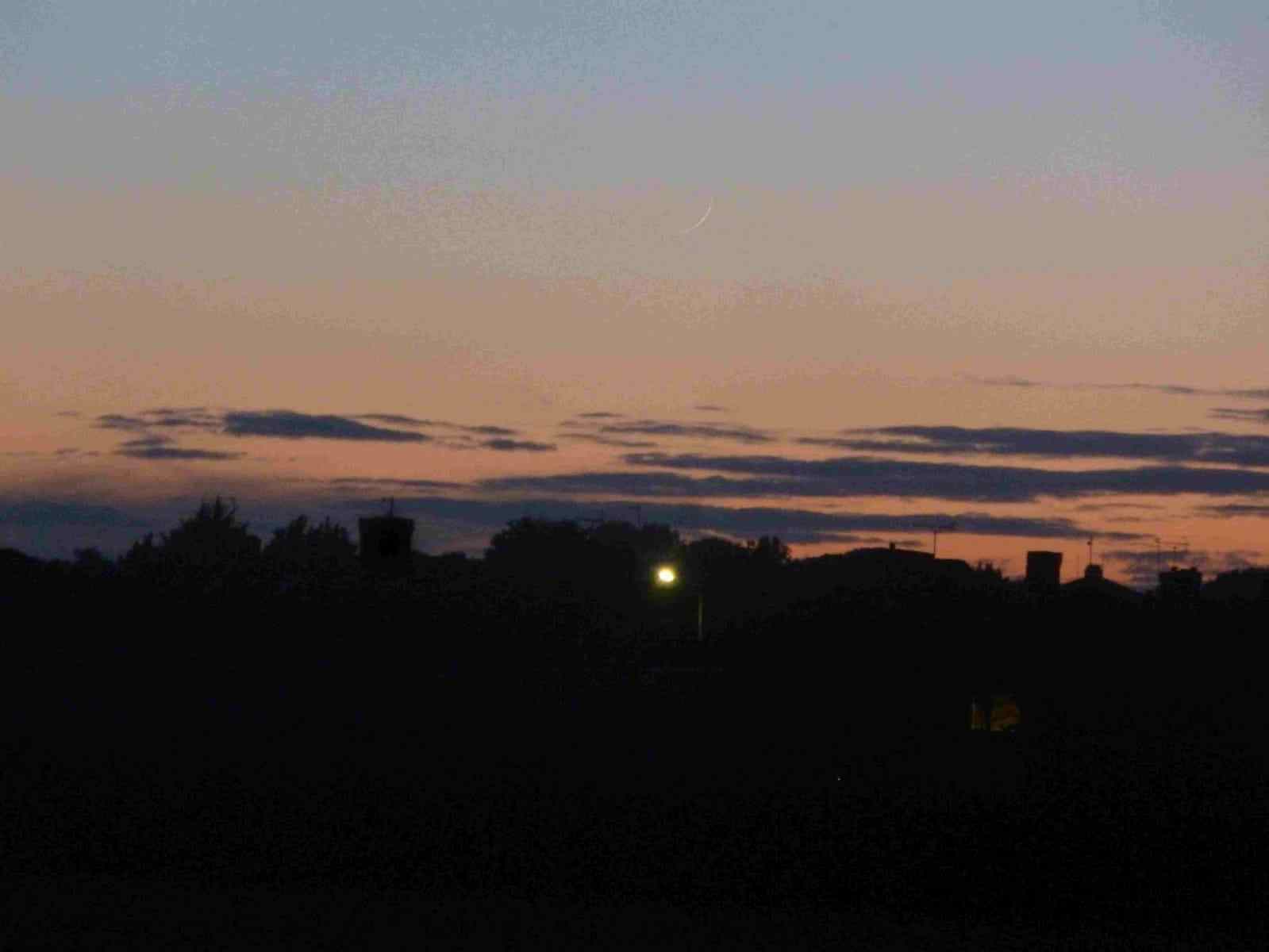
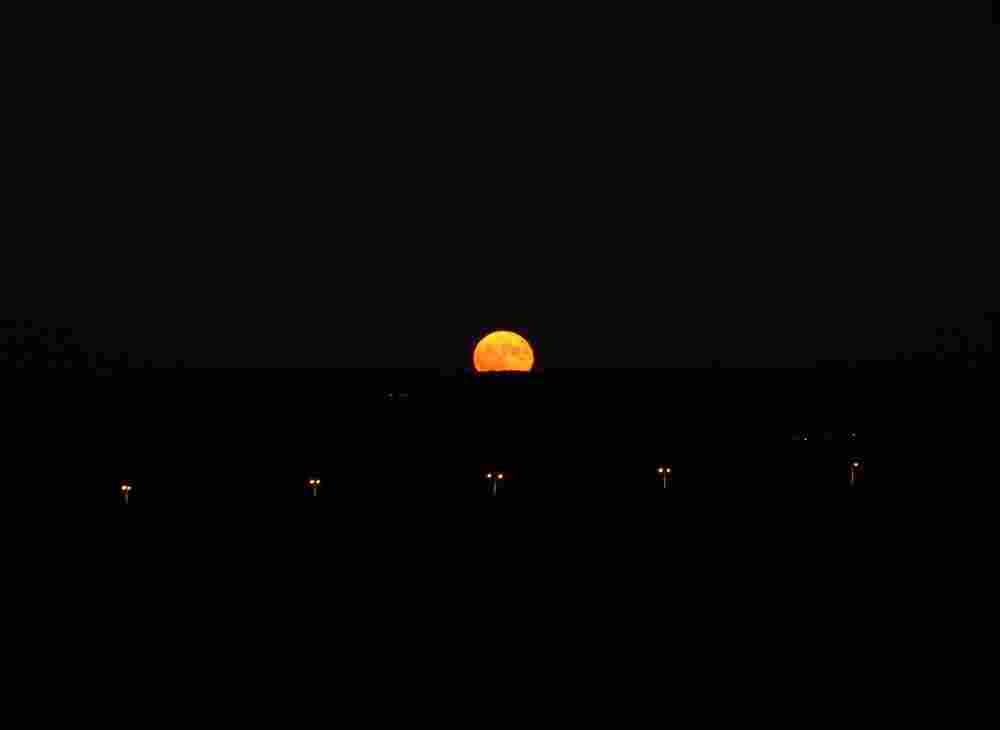
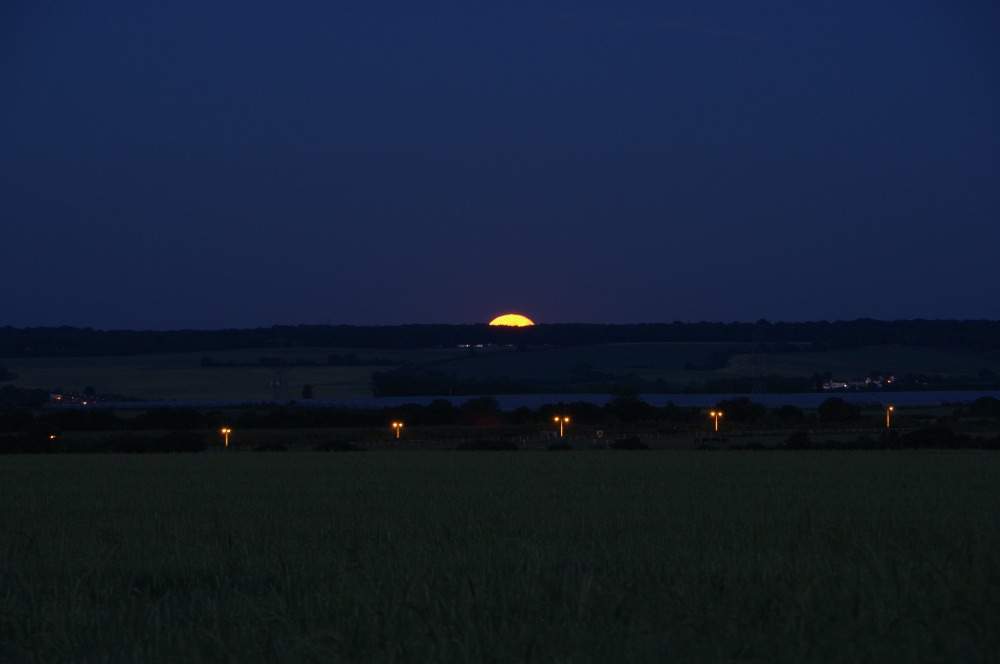
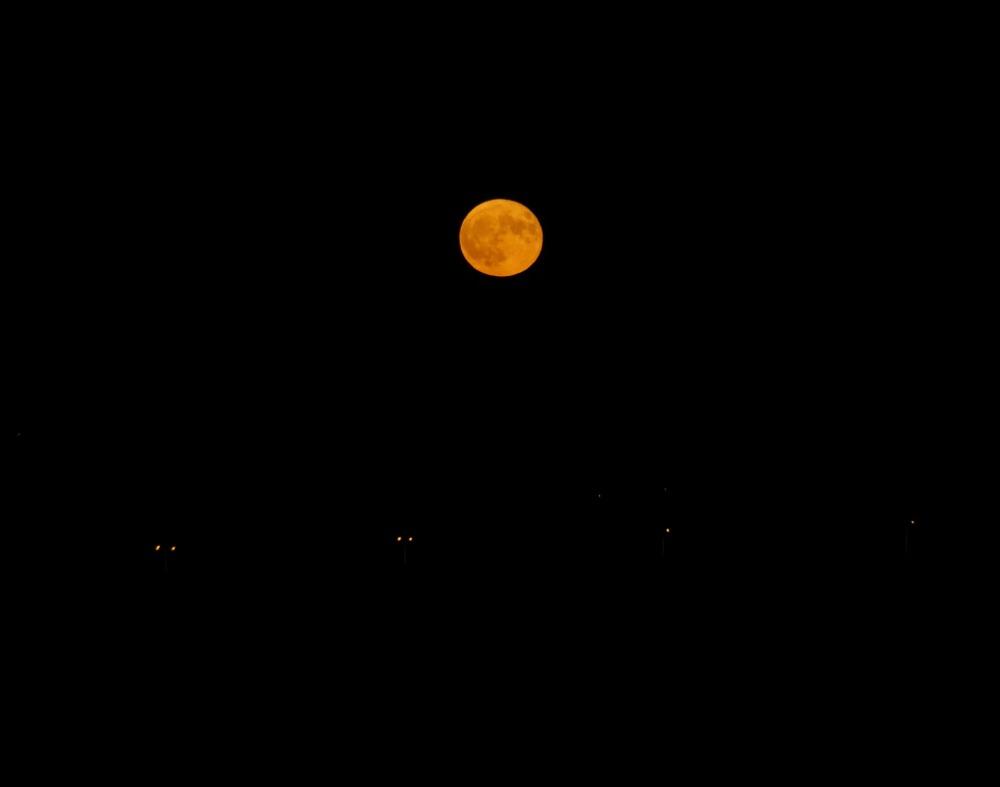
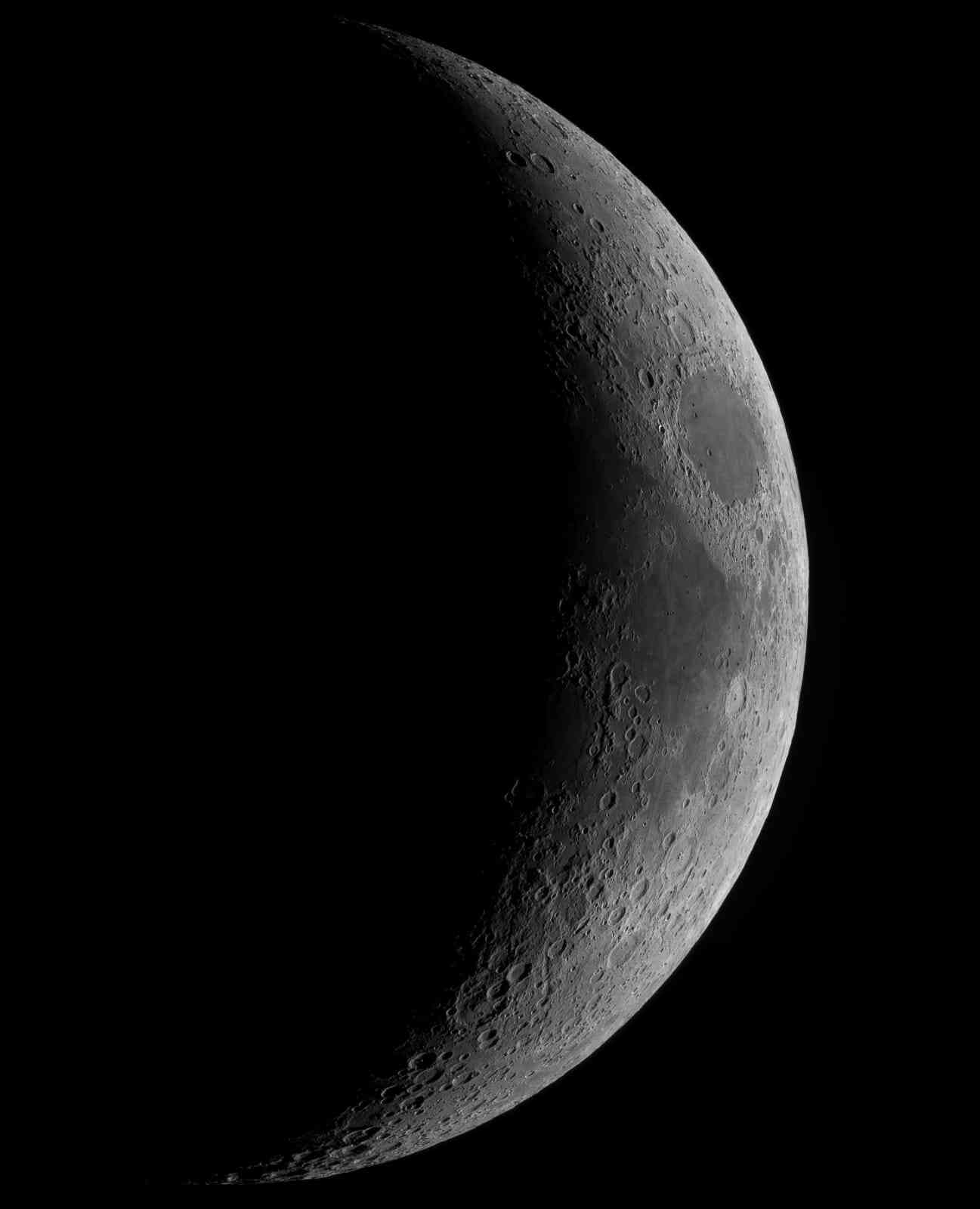
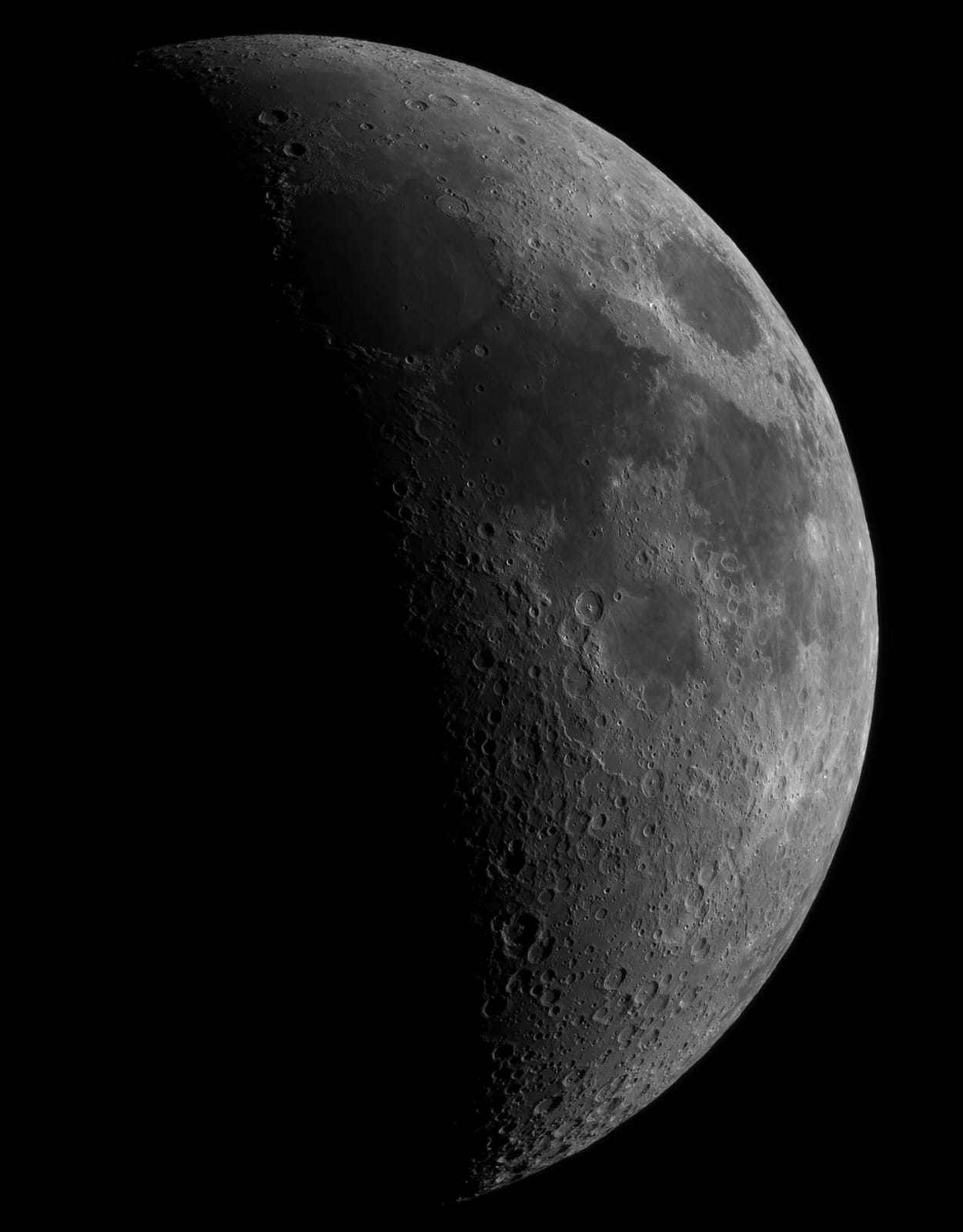
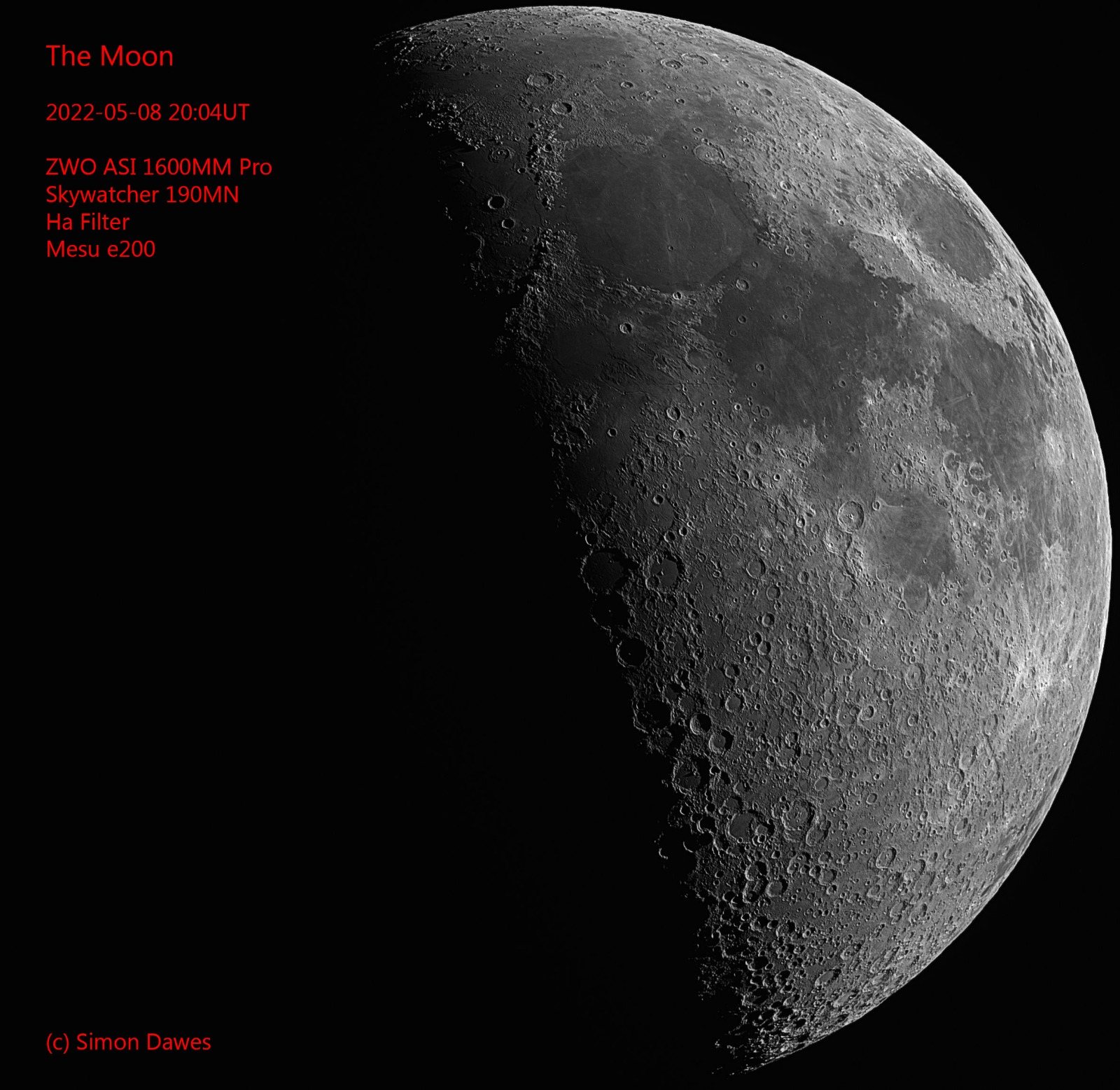
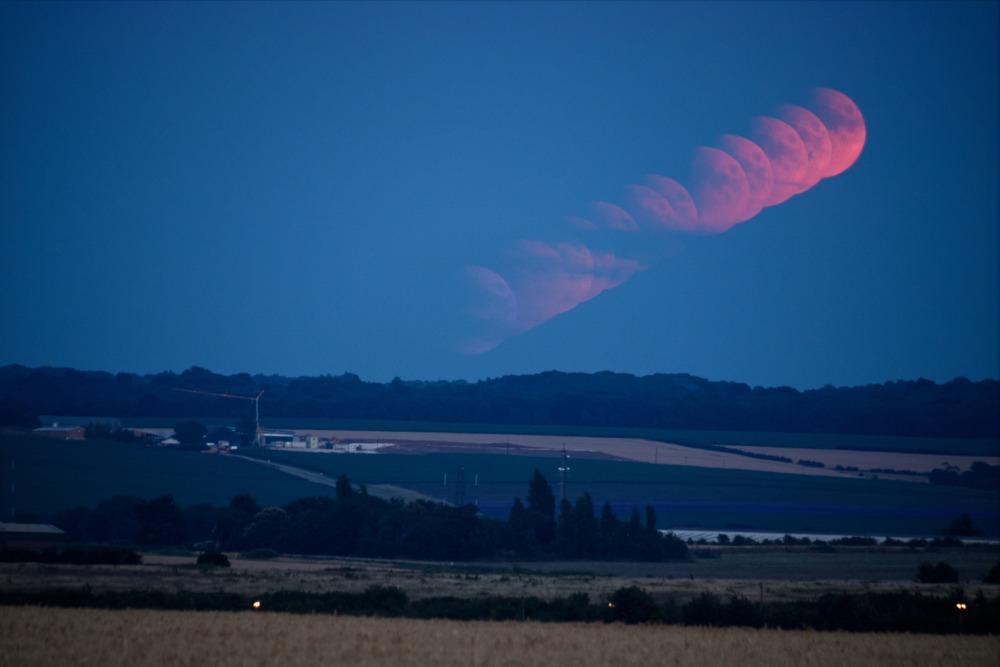
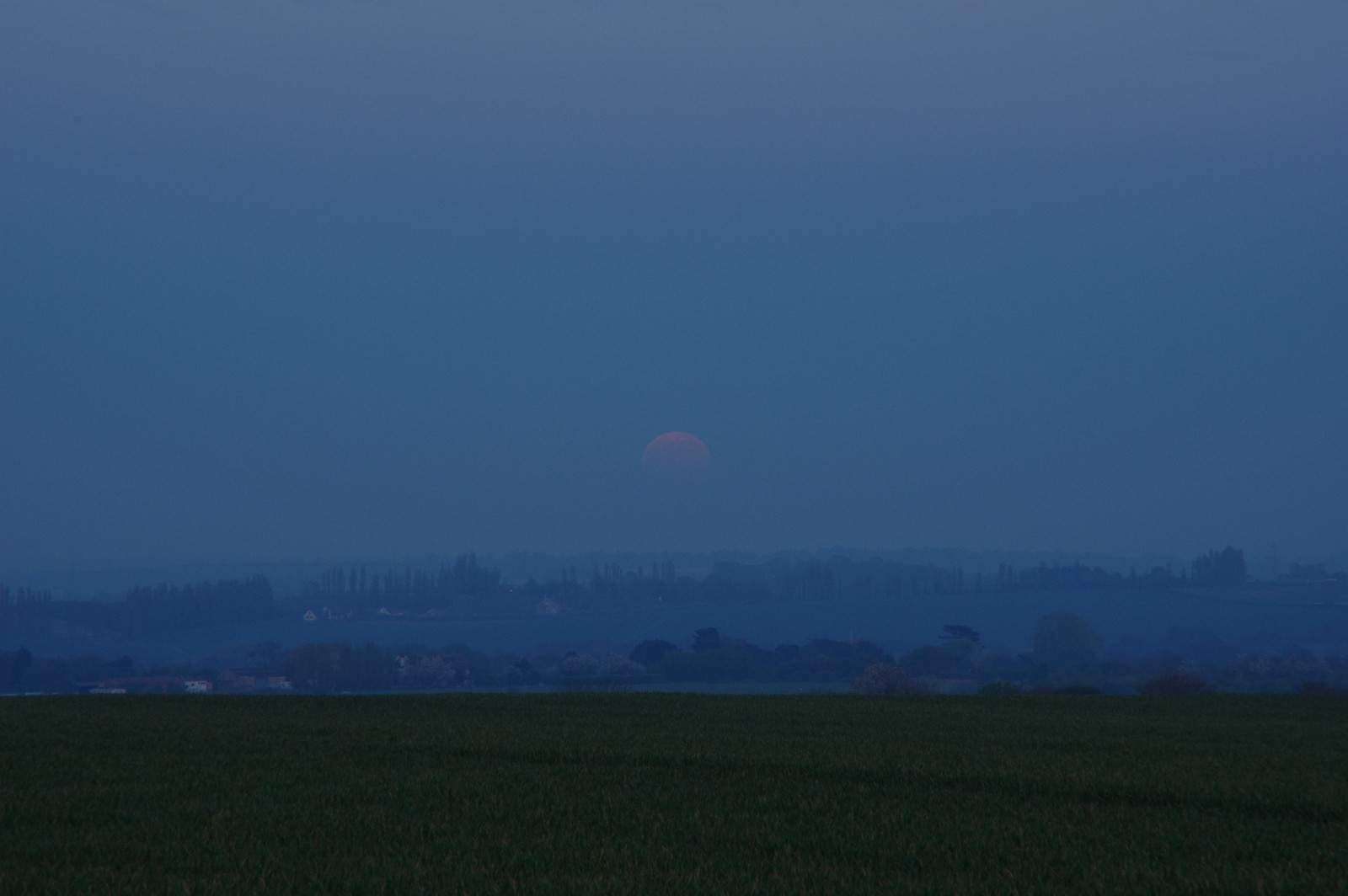
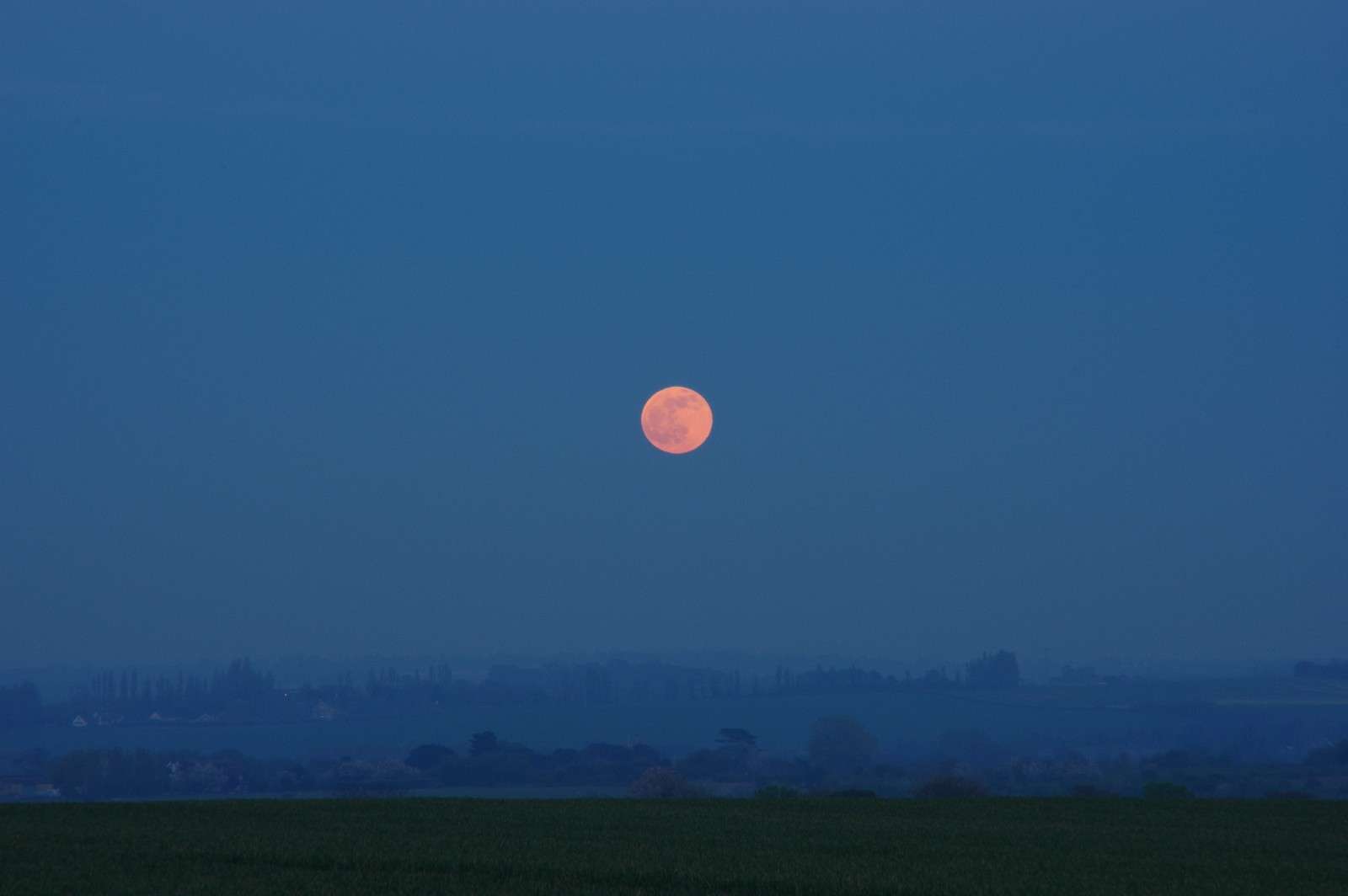
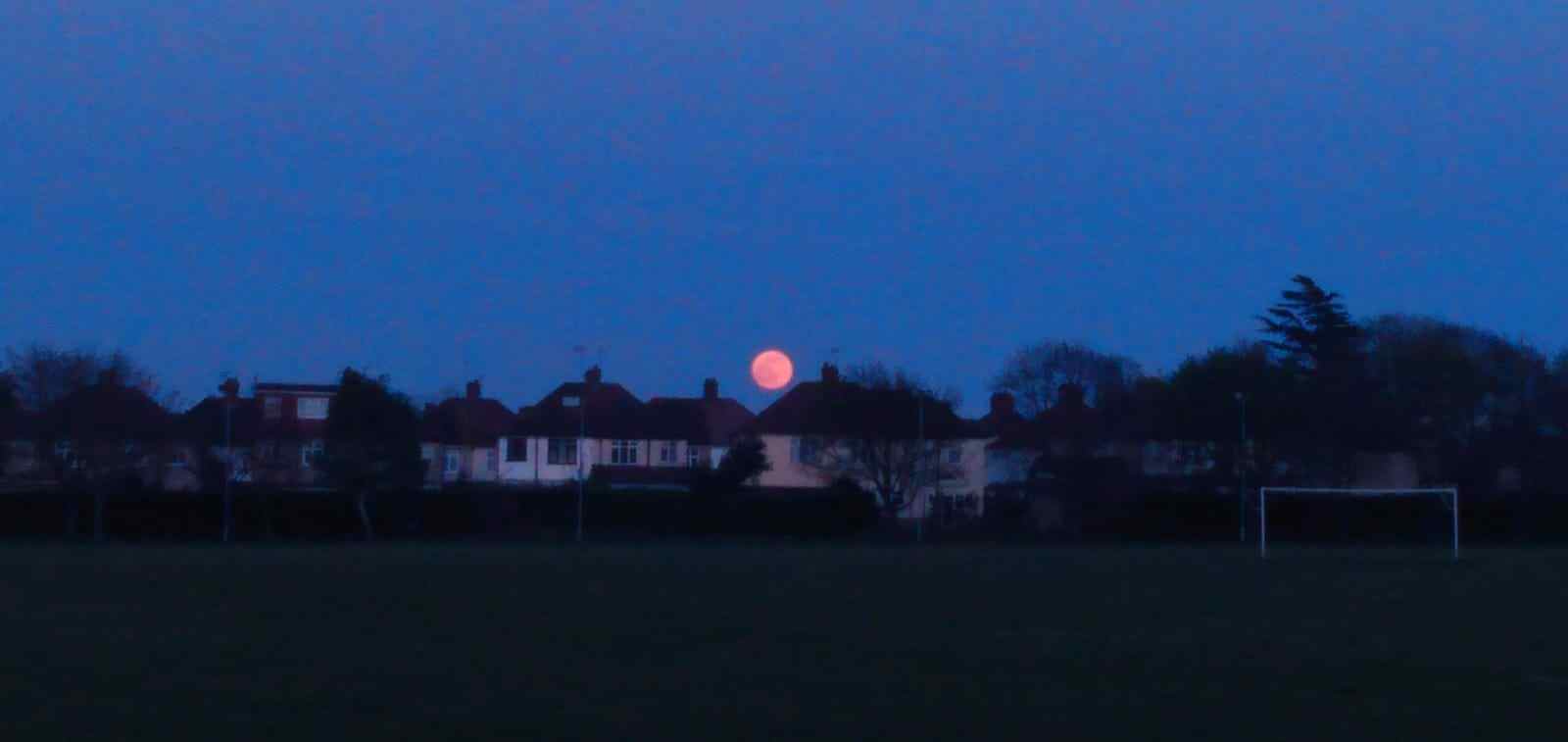
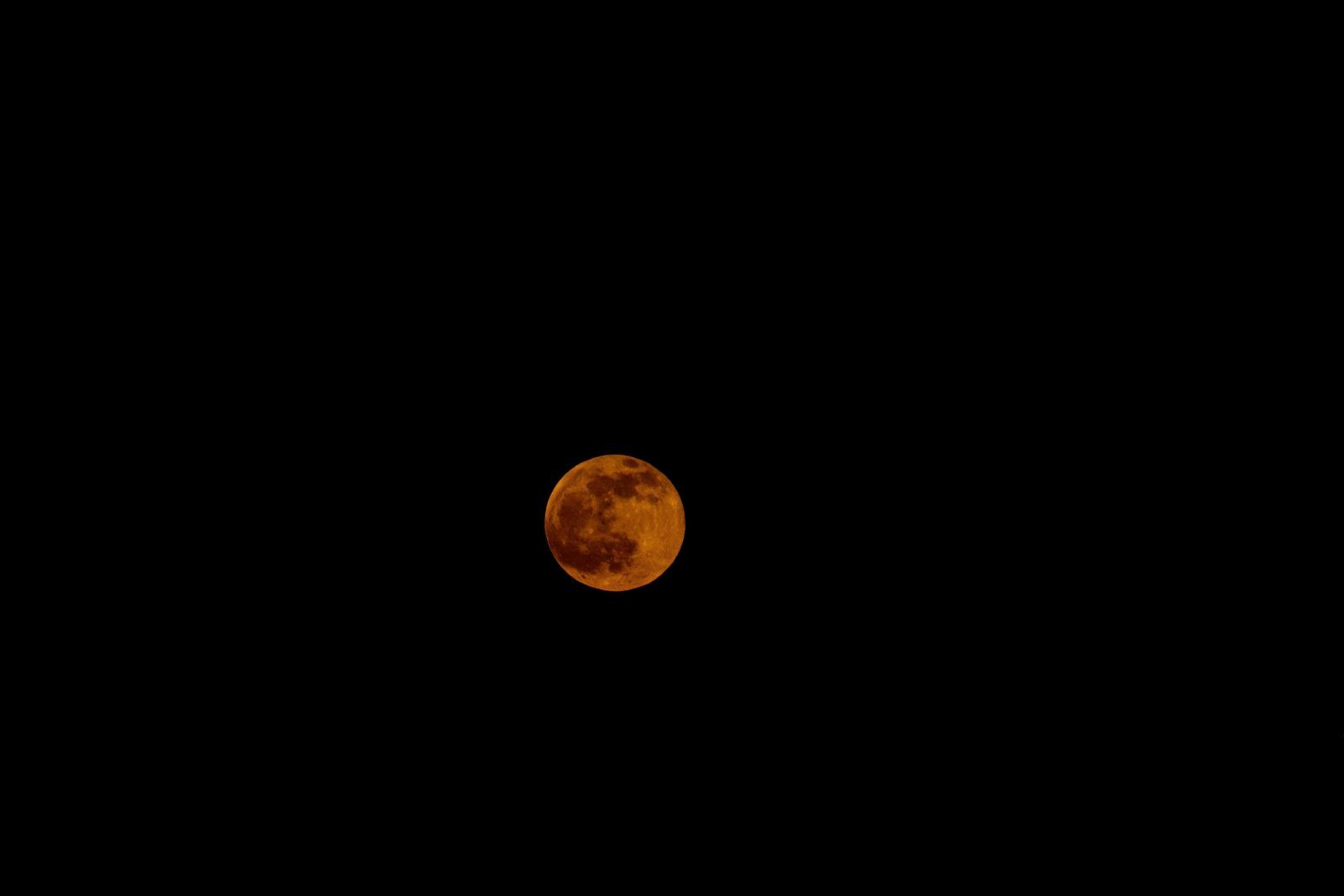
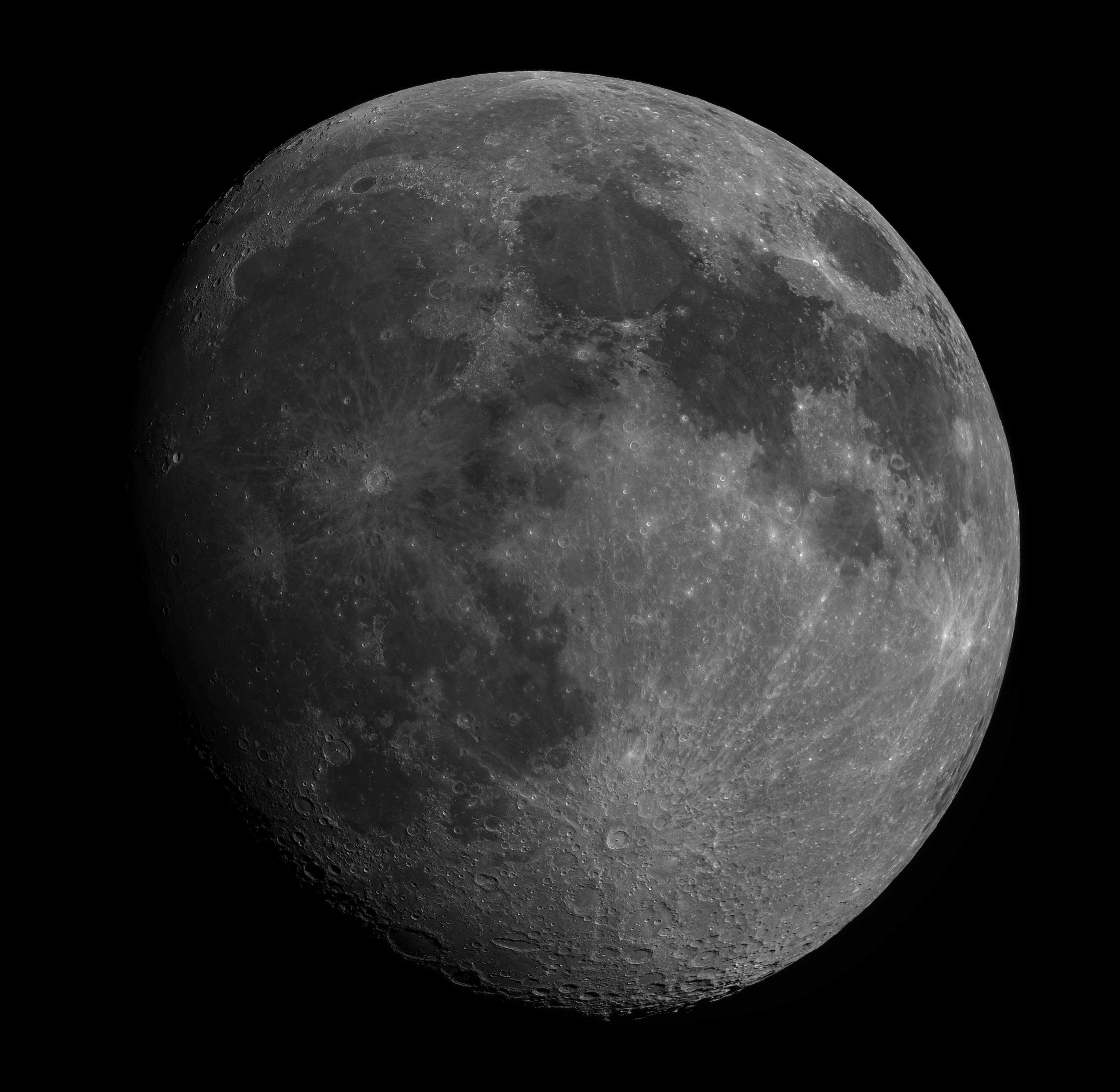
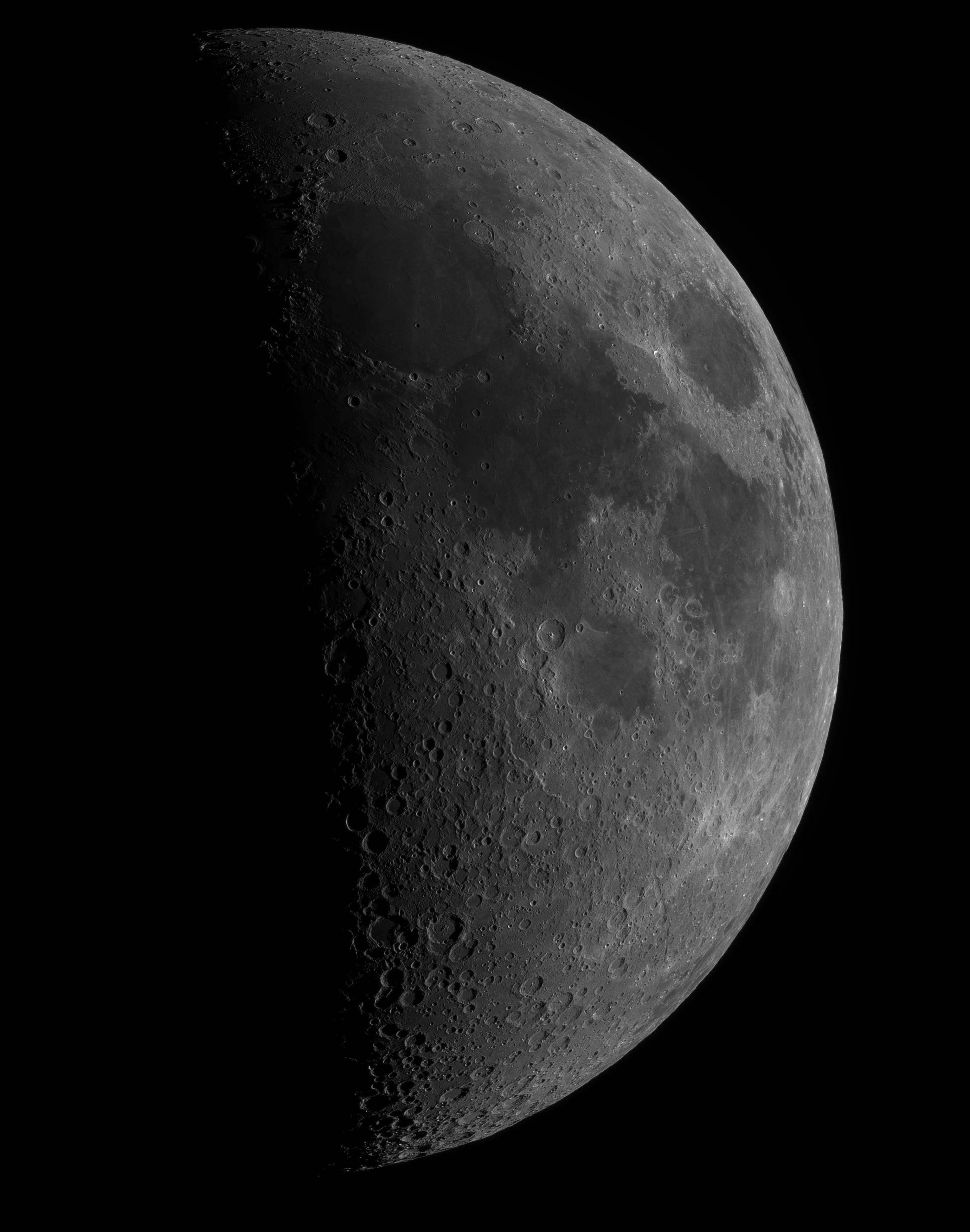
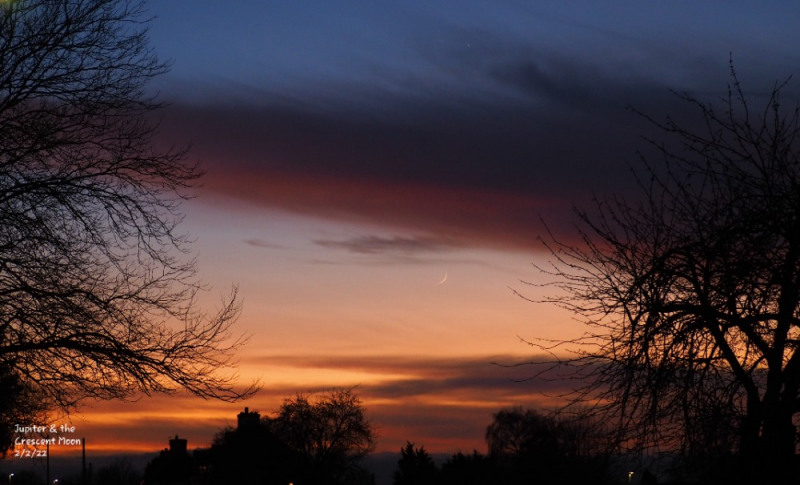
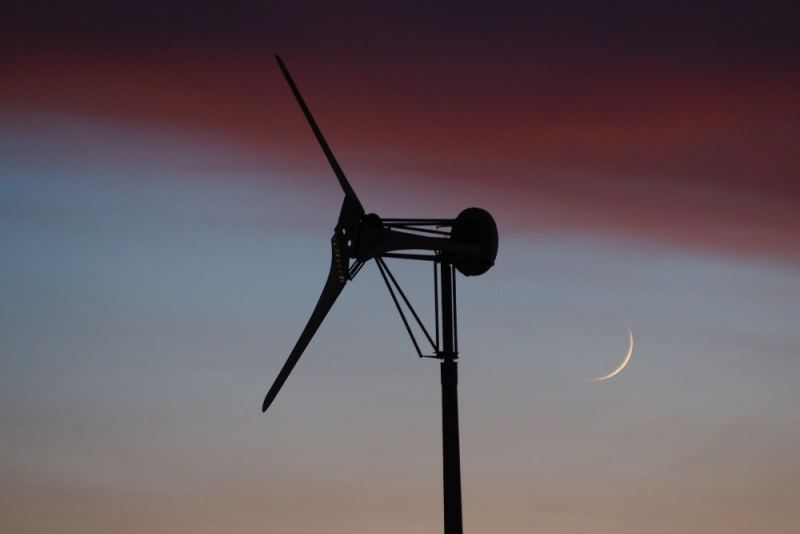
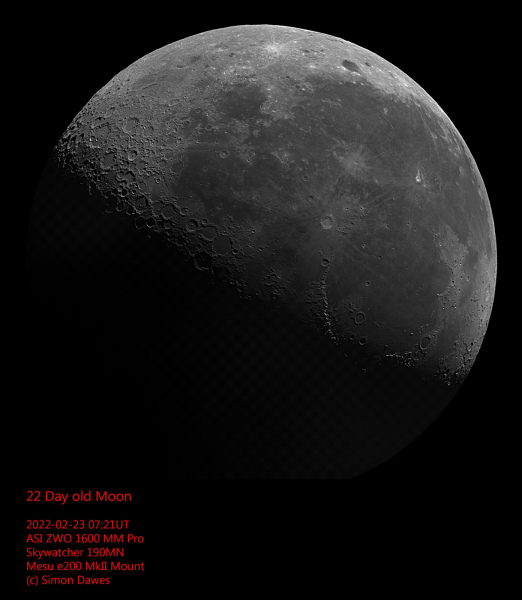
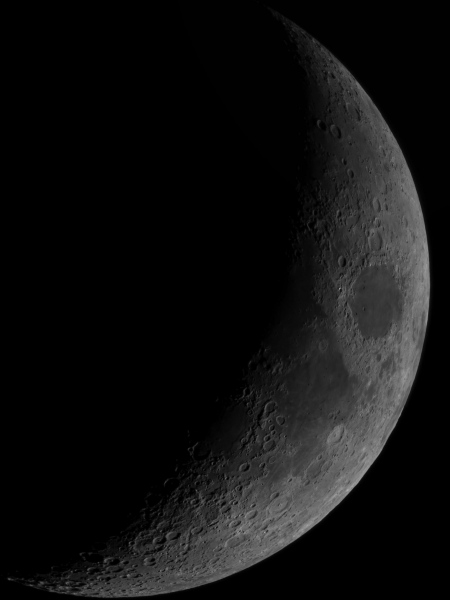
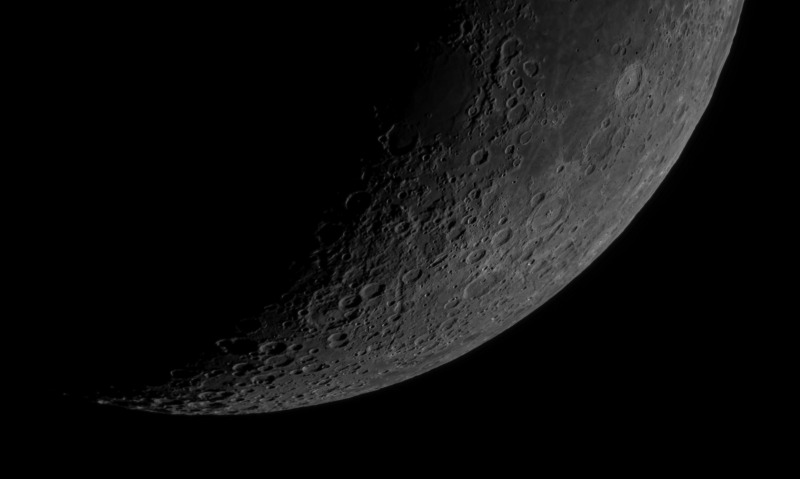
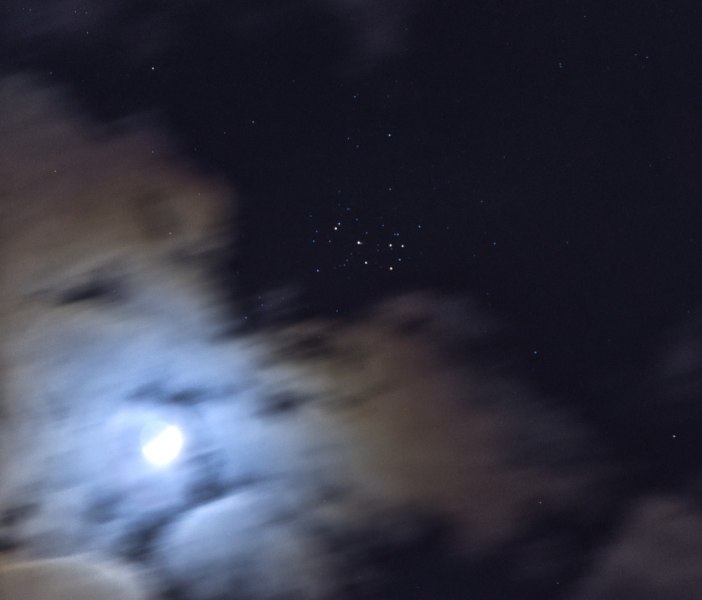
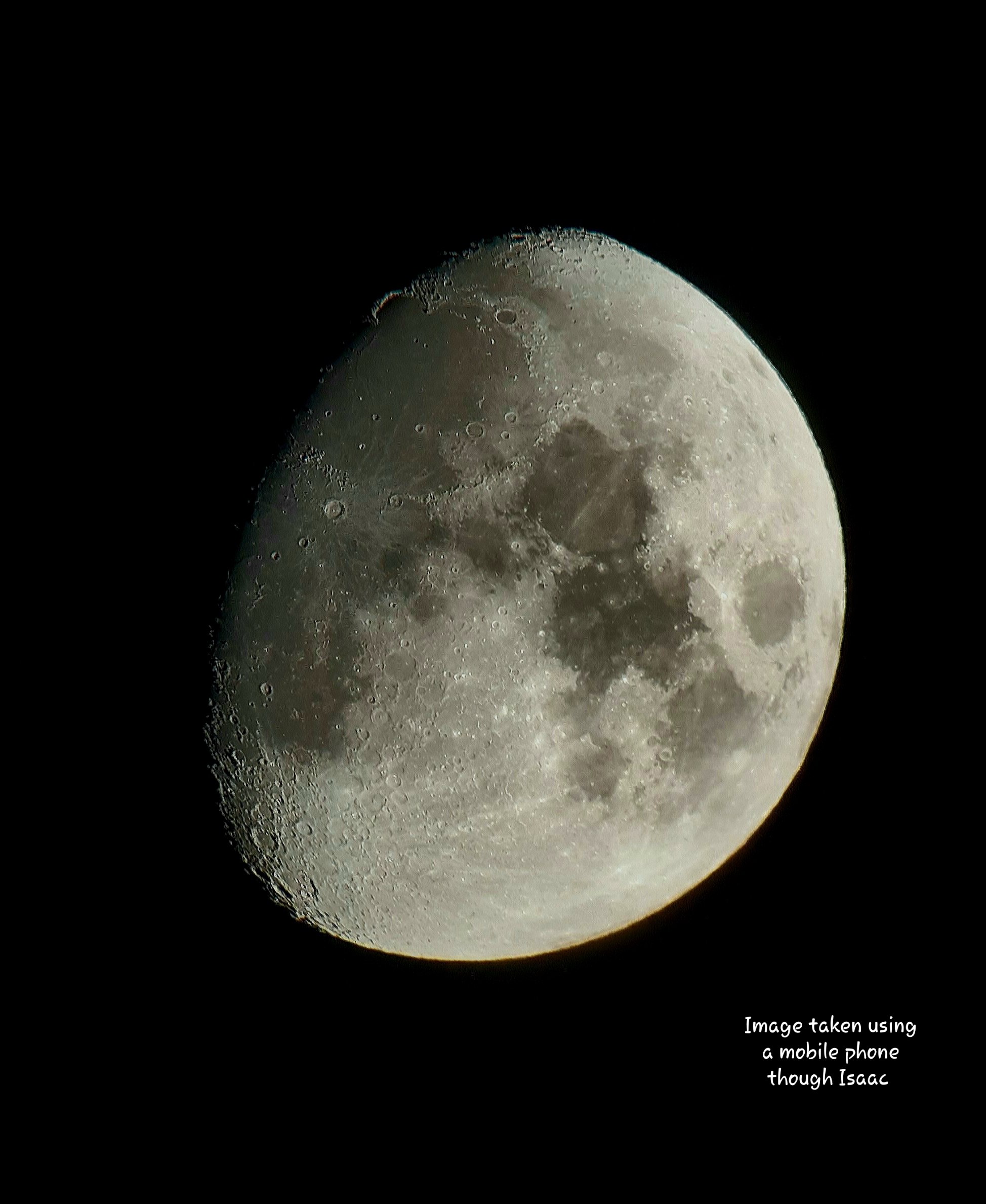
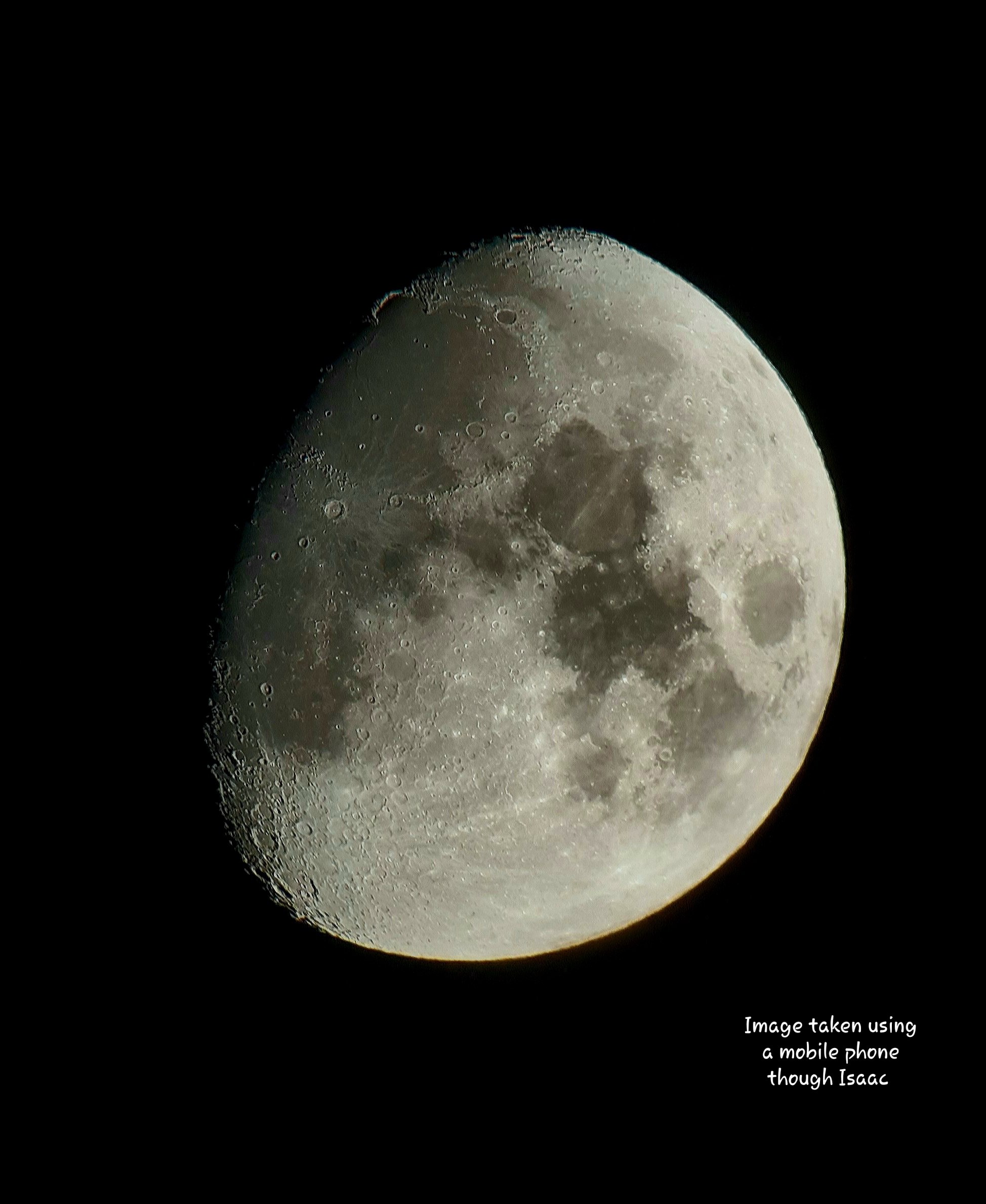
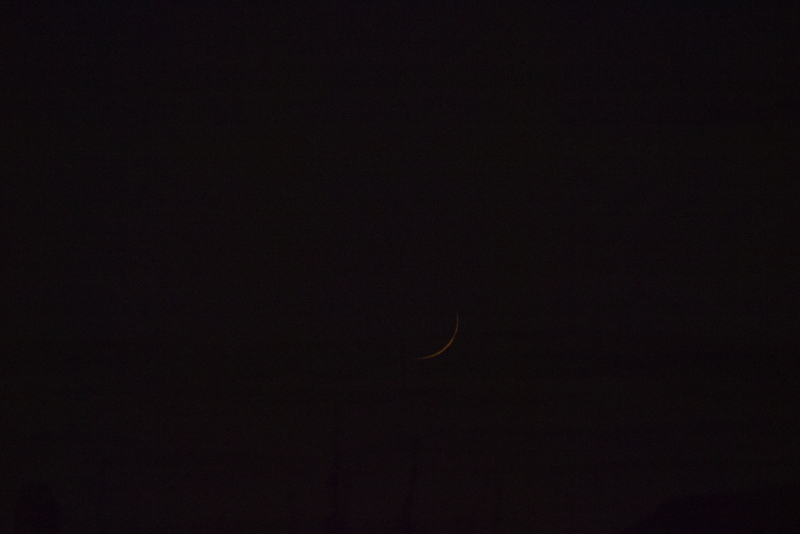
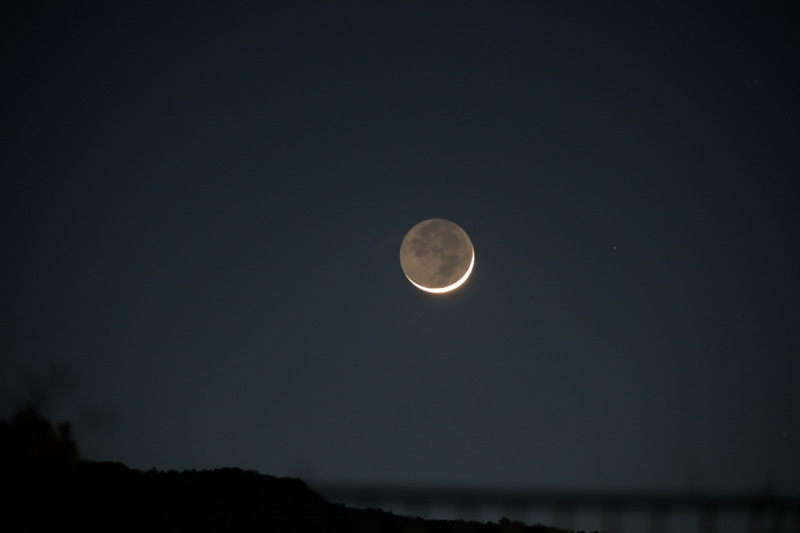
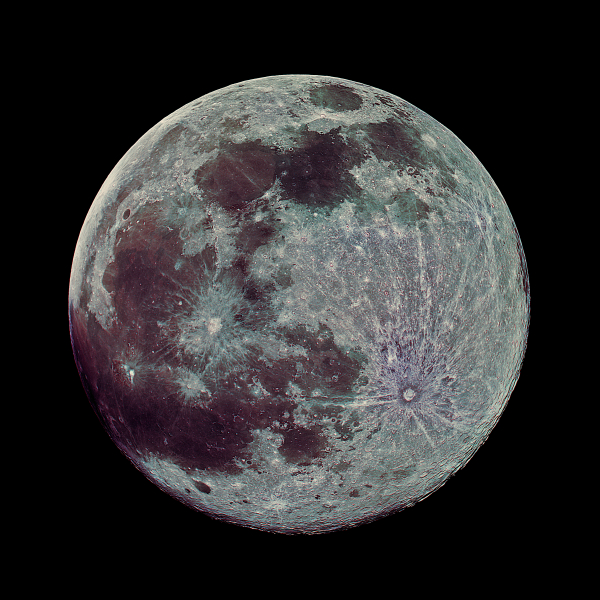
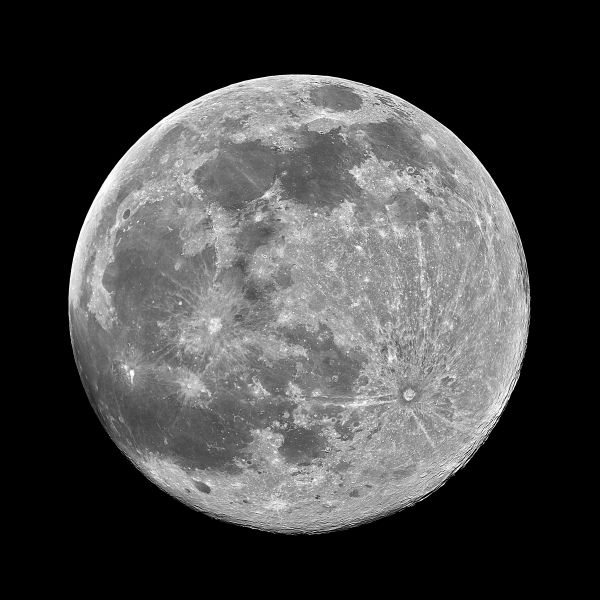
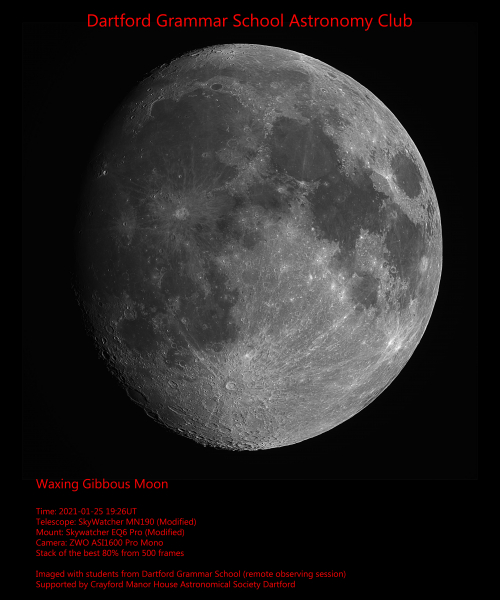
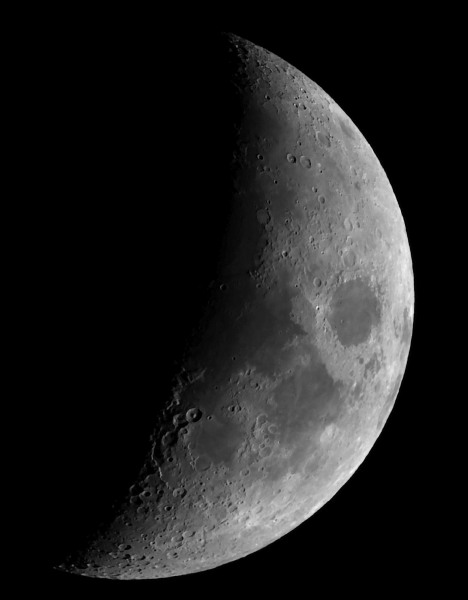
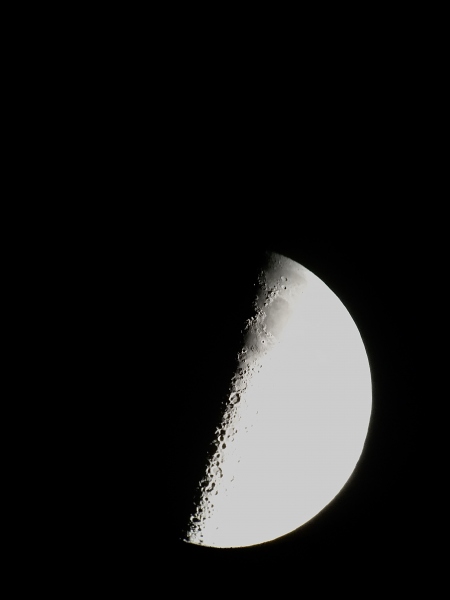
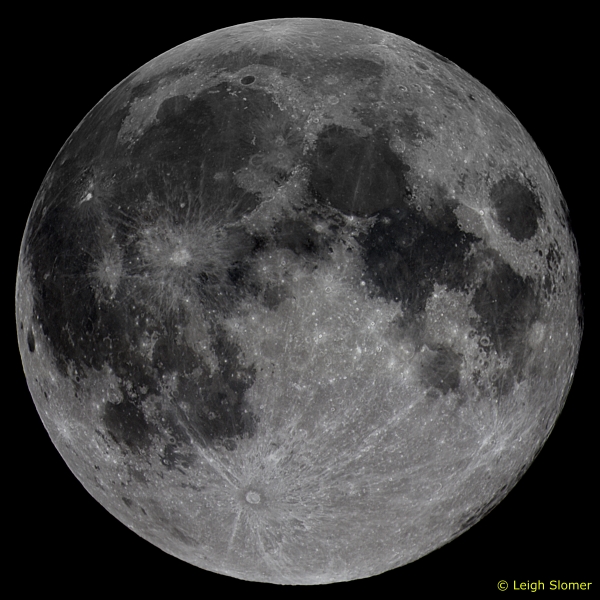
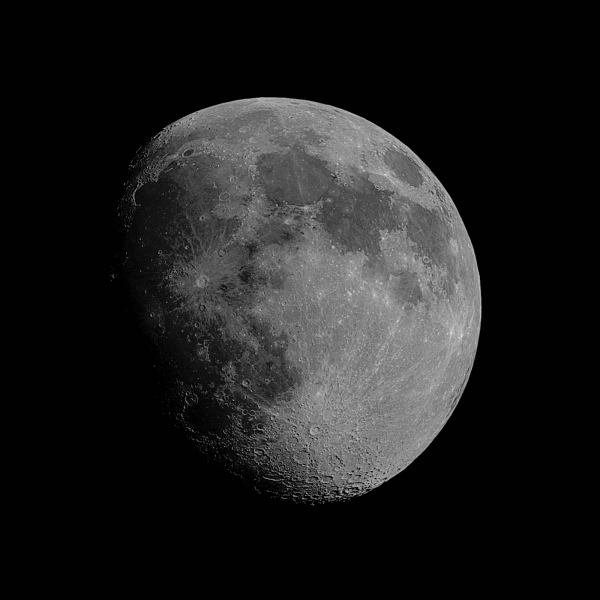
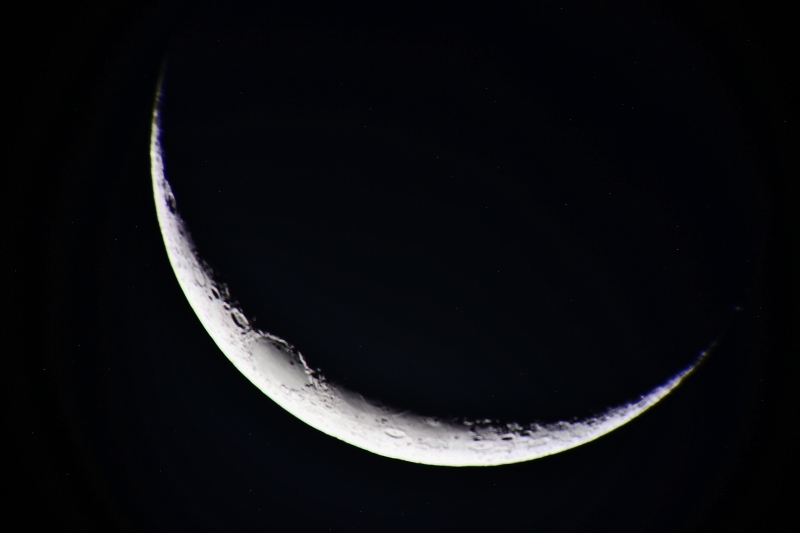
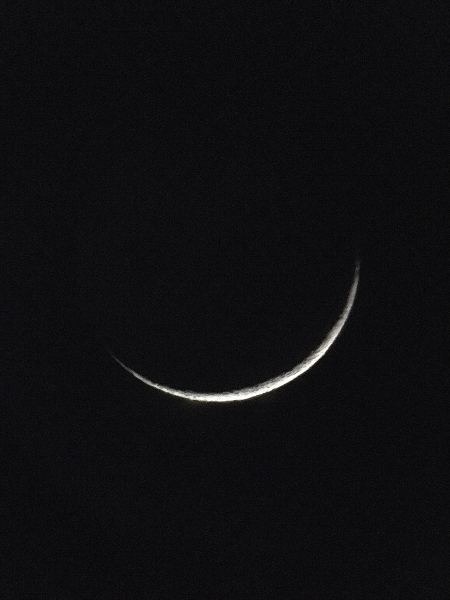
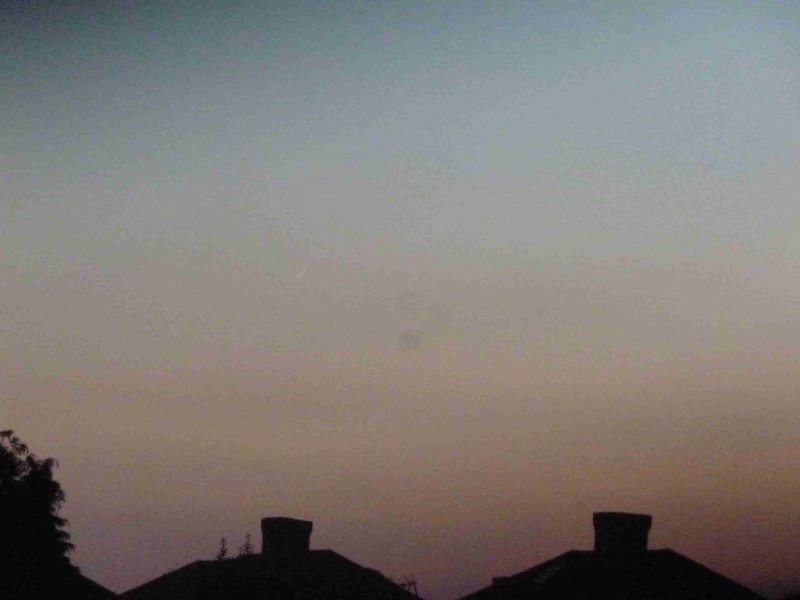
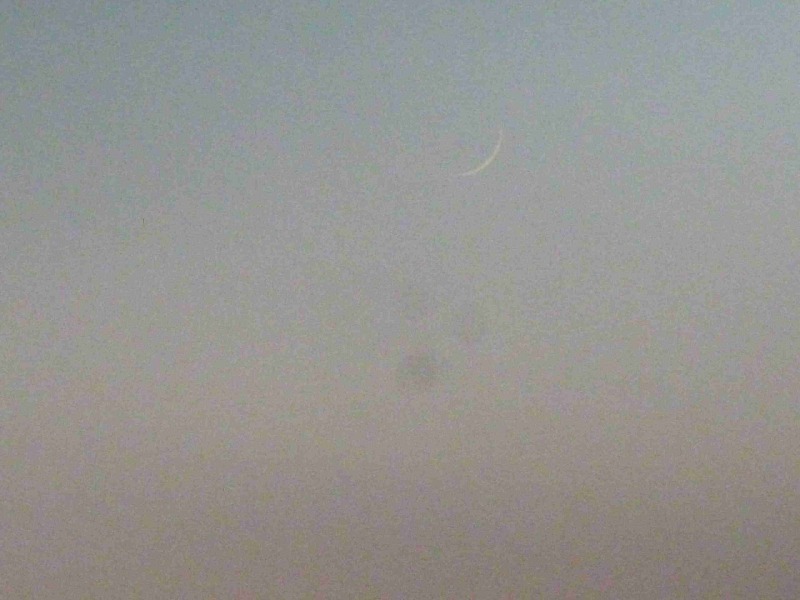
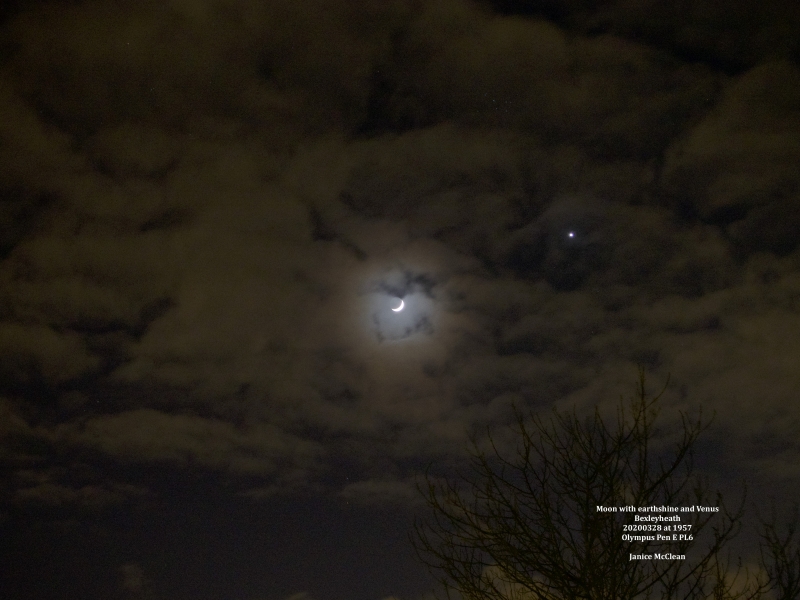
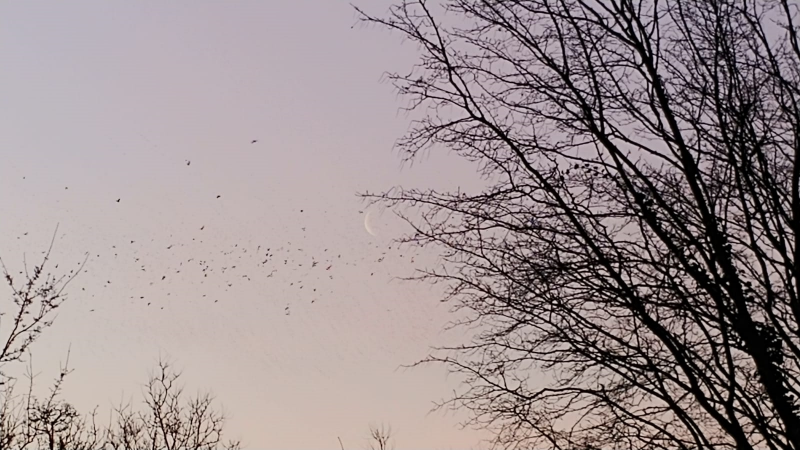
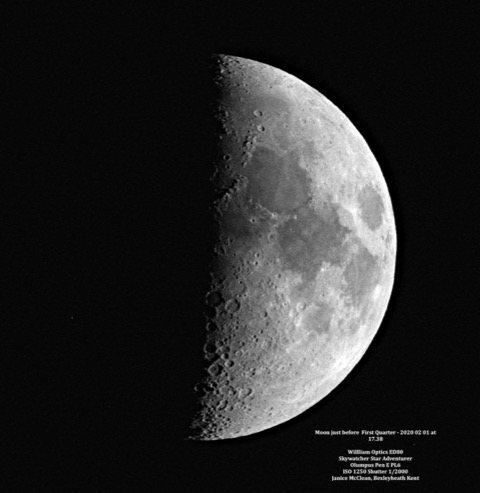
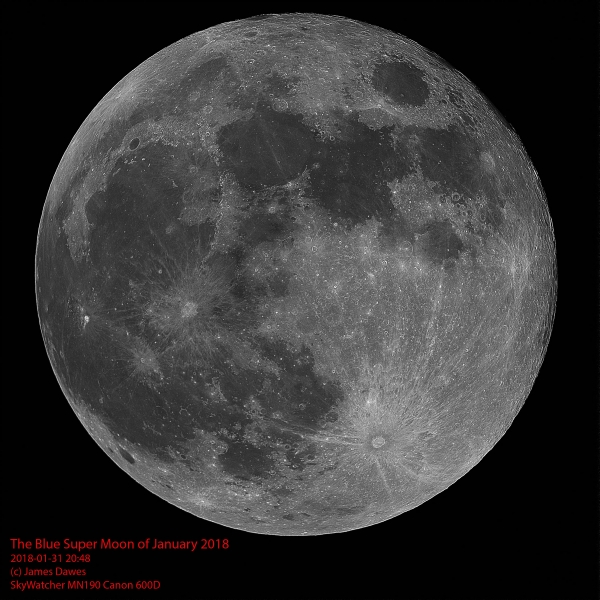
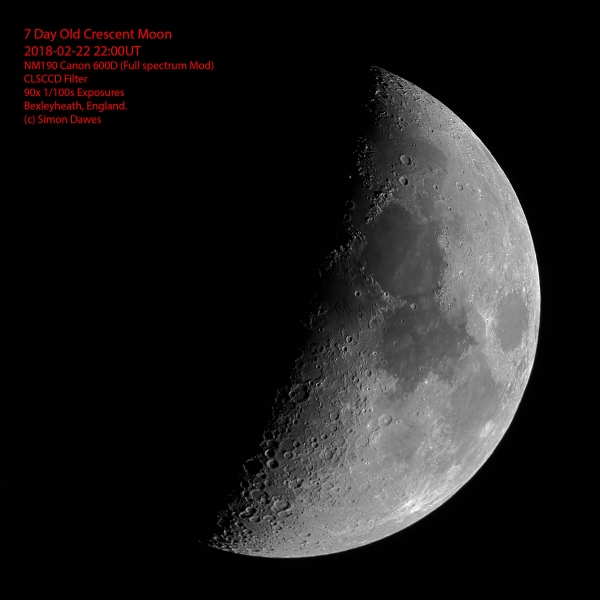
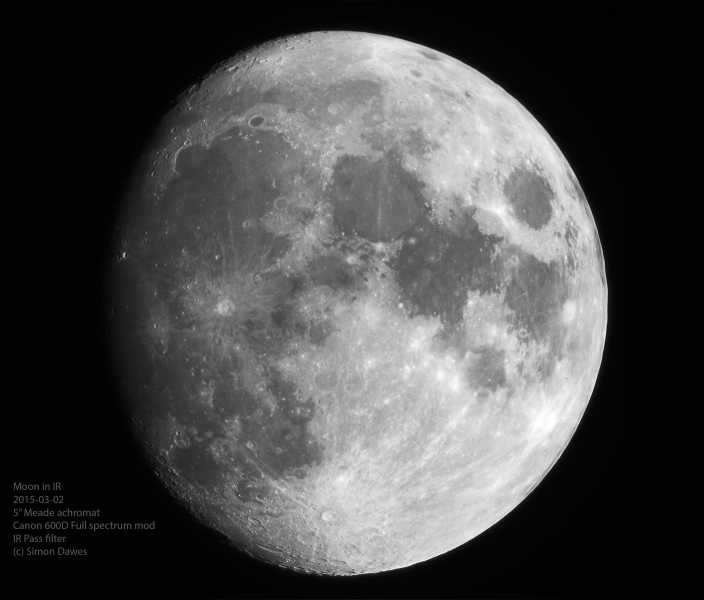
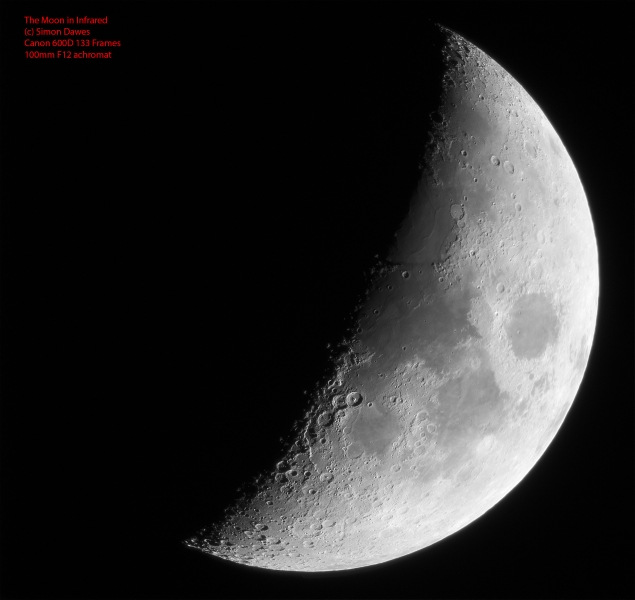
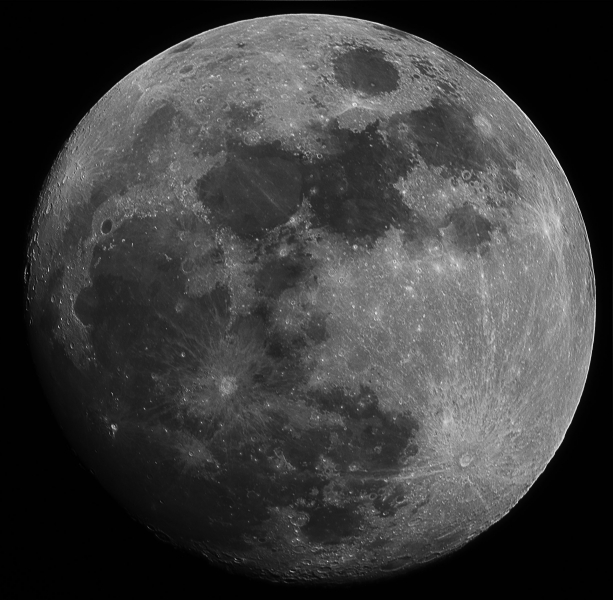
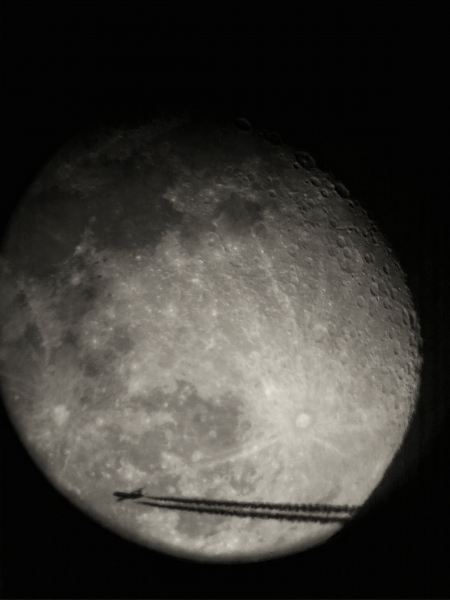
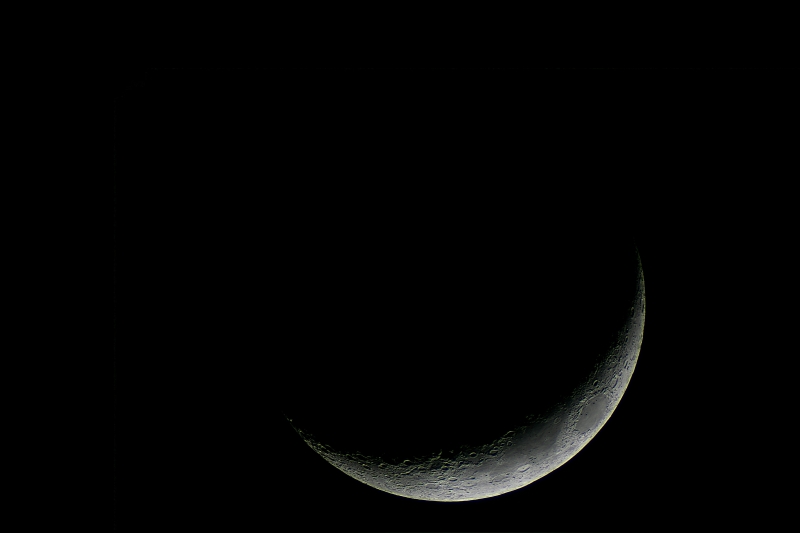
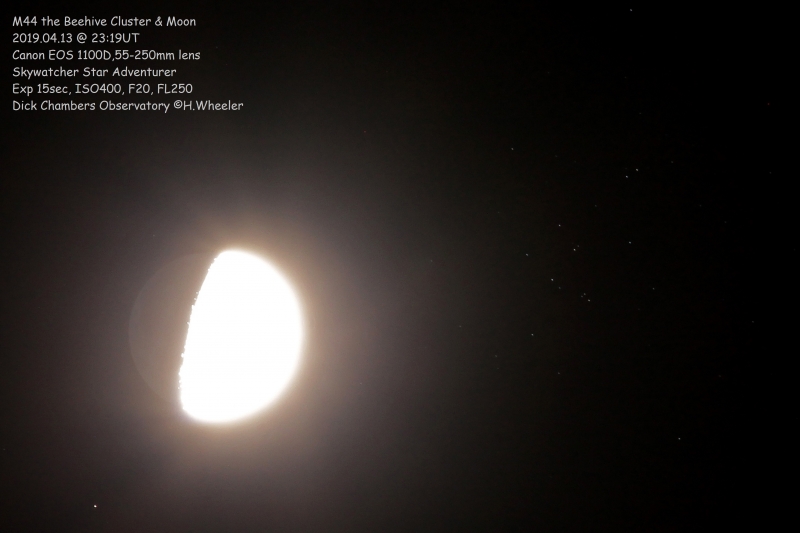
Occultation of the Beehive by the Moon
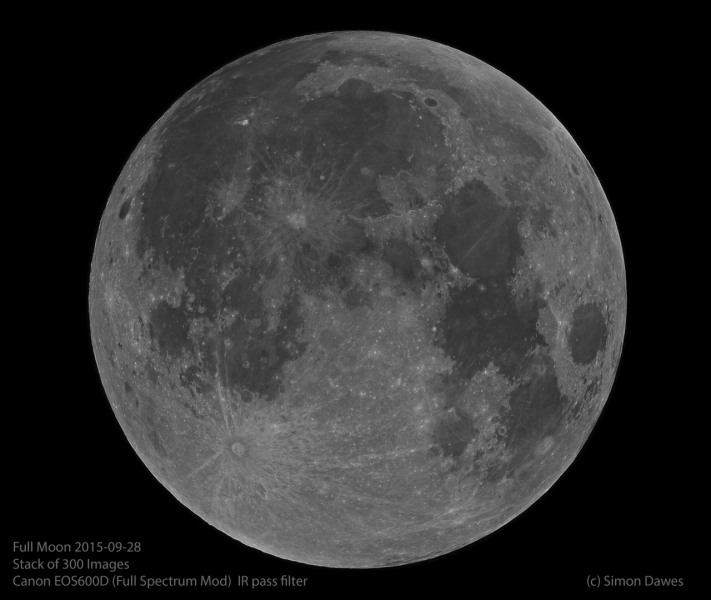
Images of the Moon by Simon Dawes
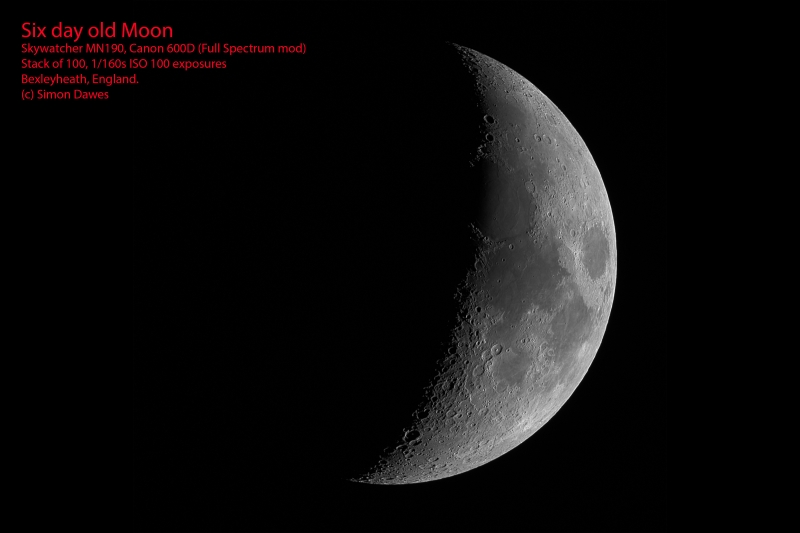
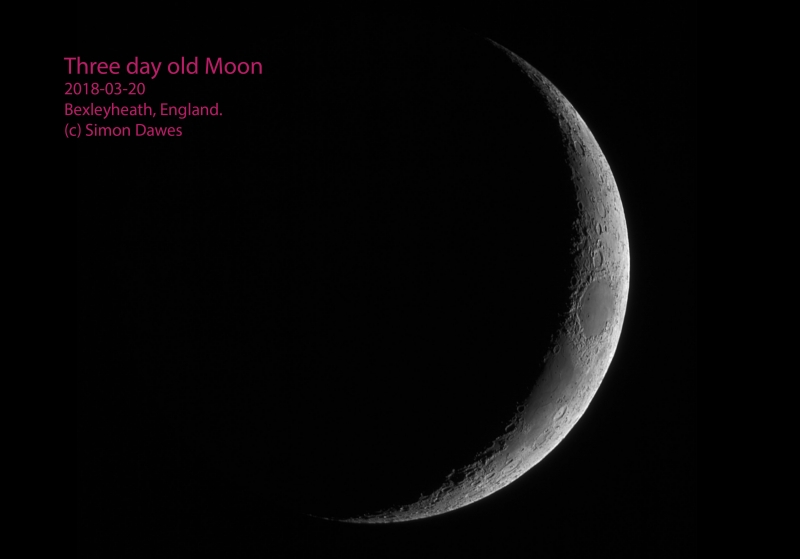
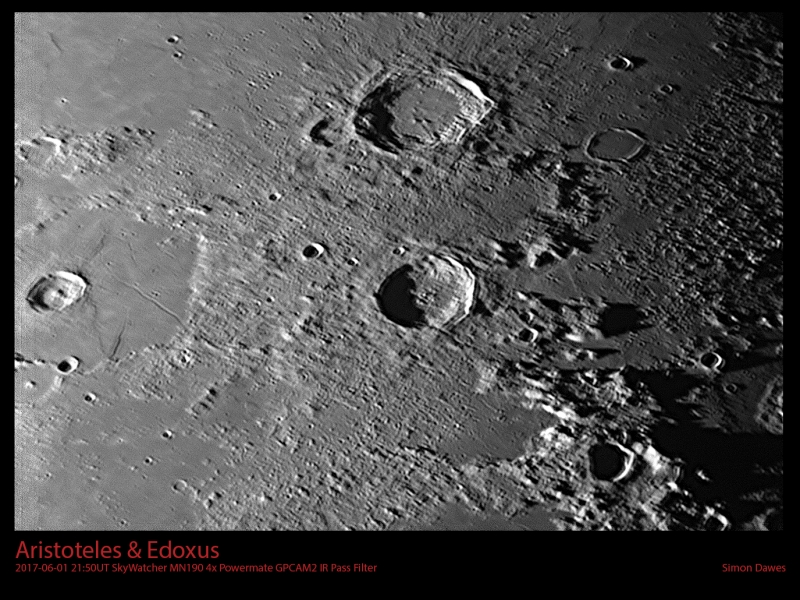
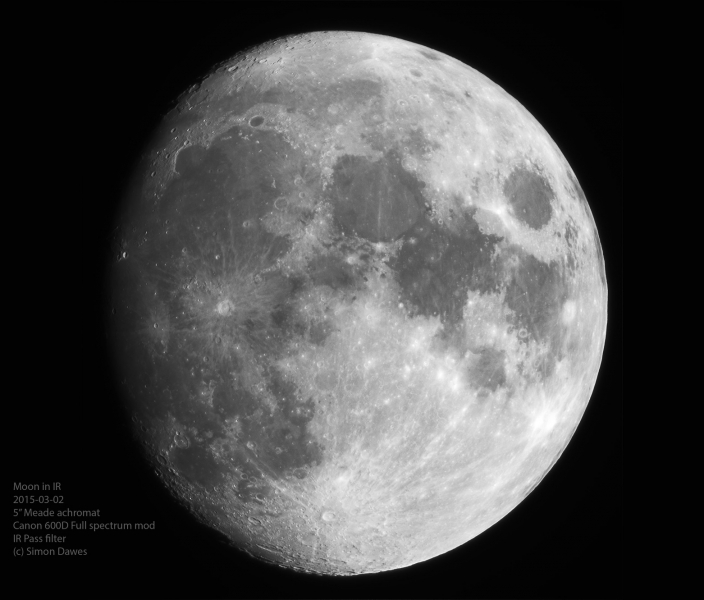
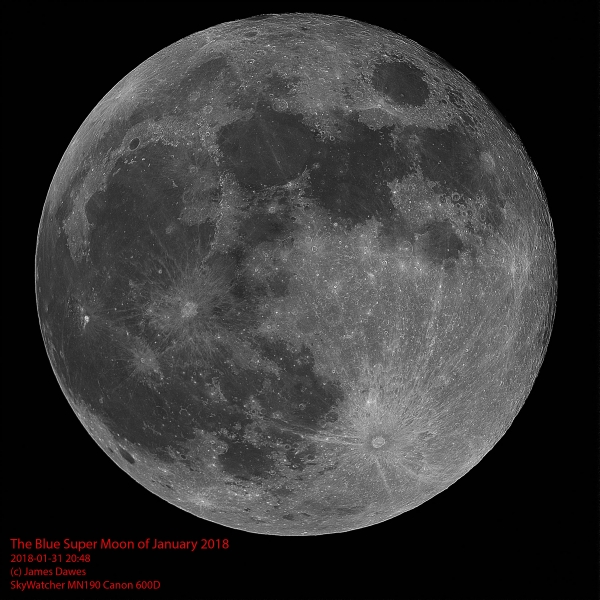
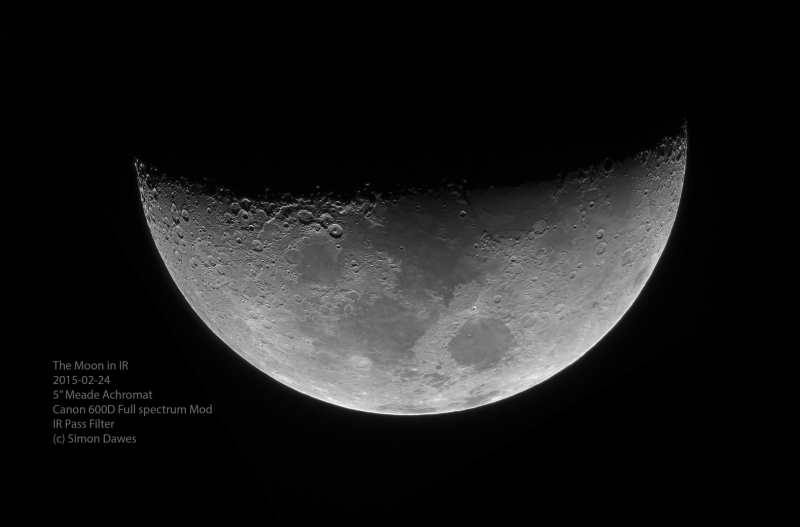
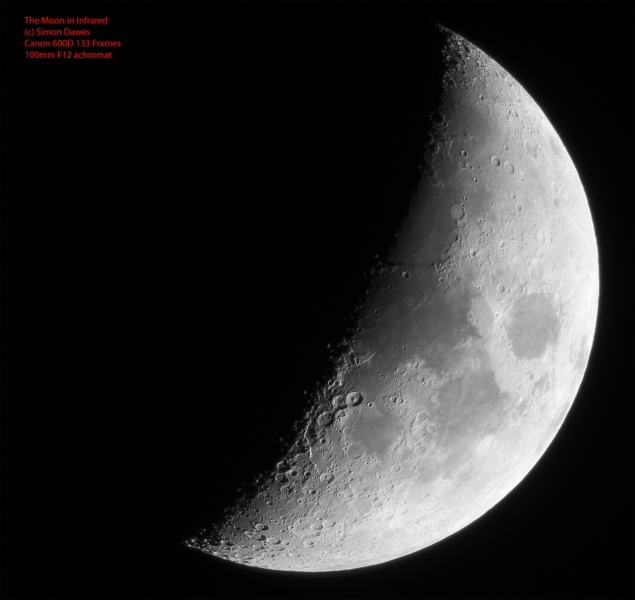
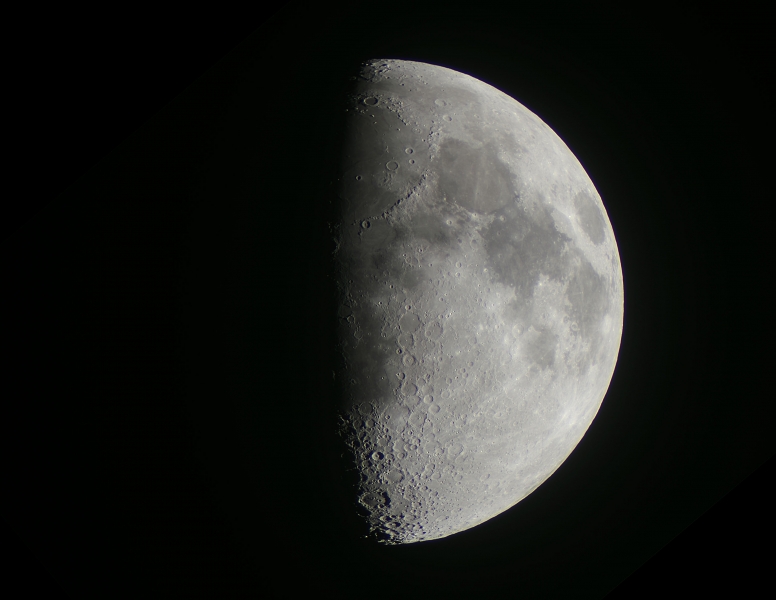
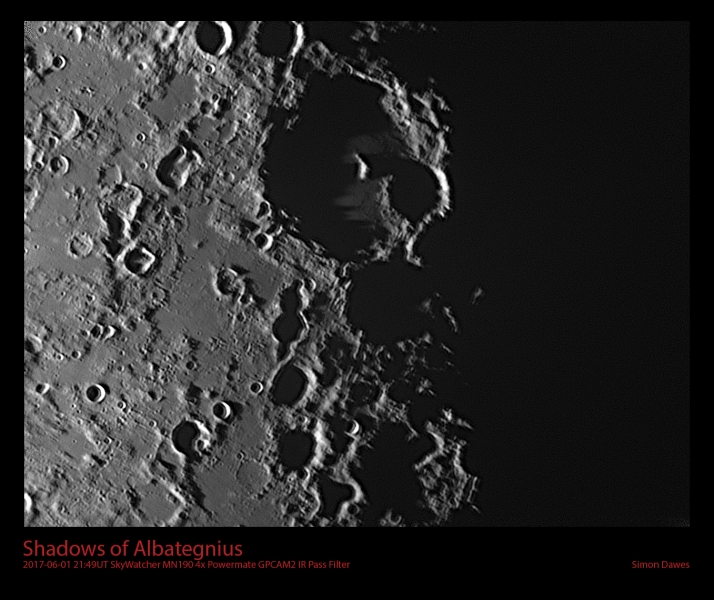
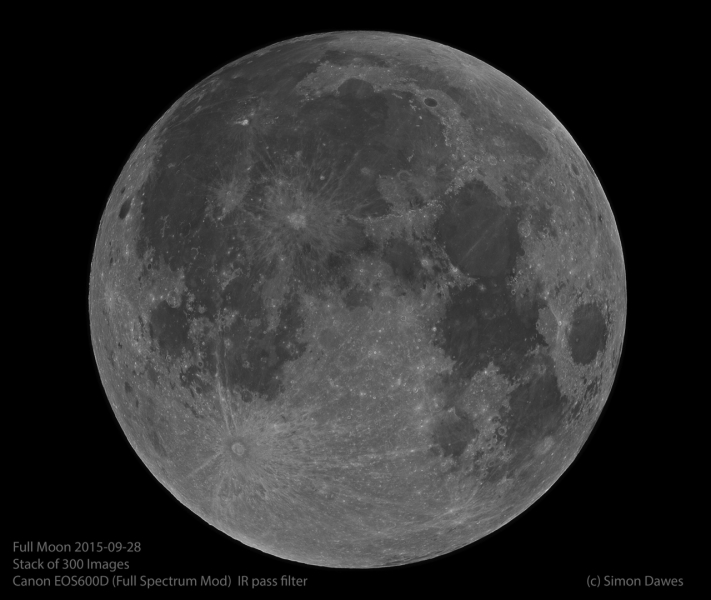
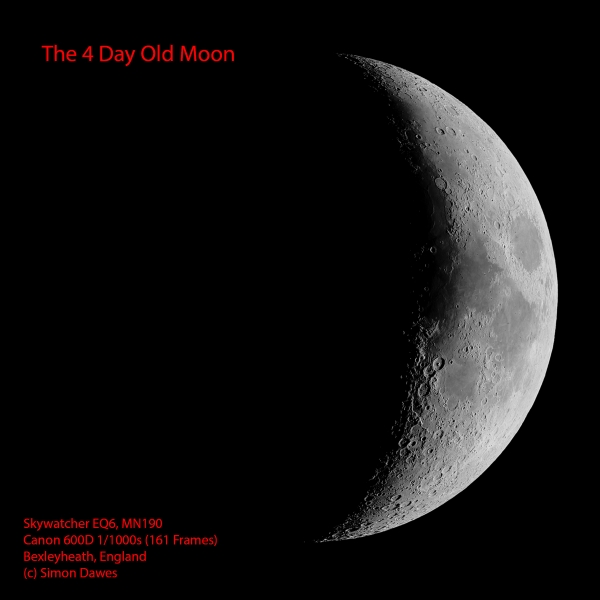
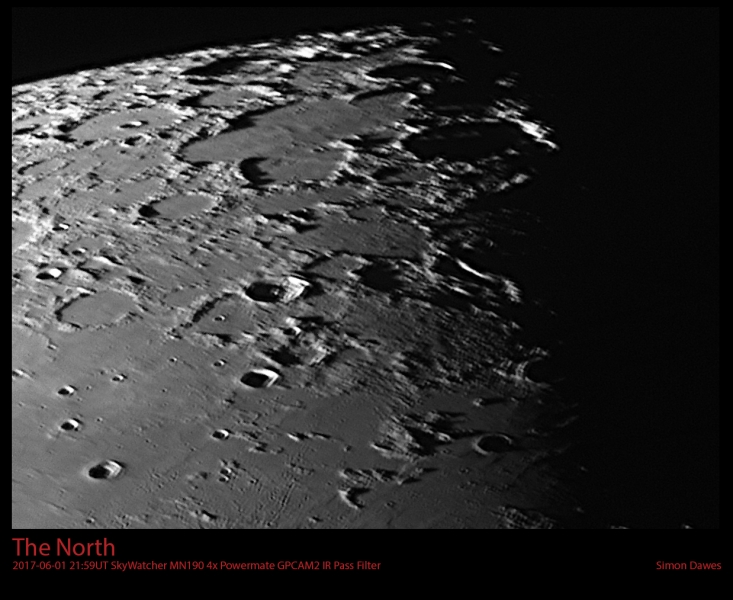
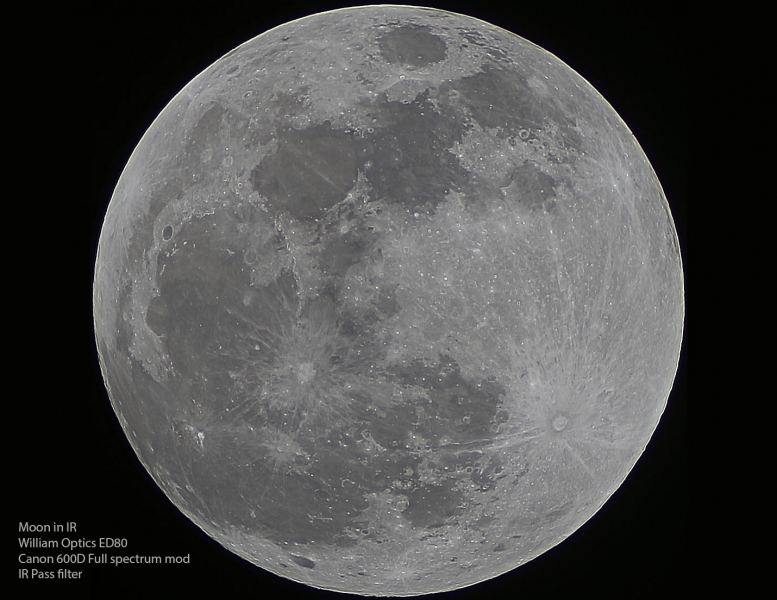
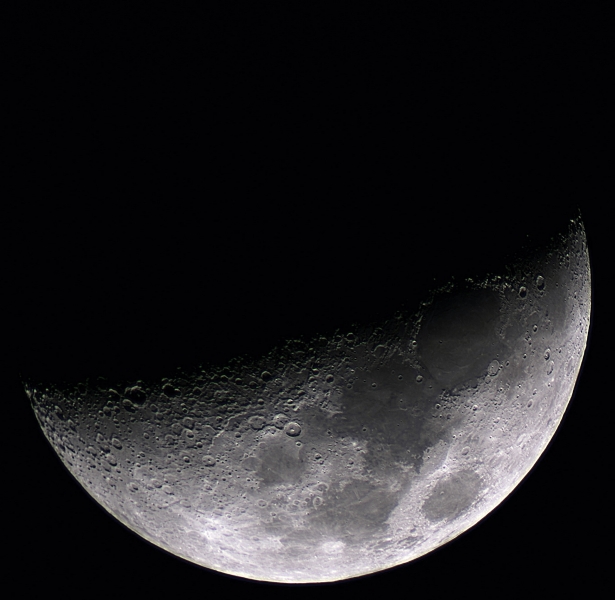
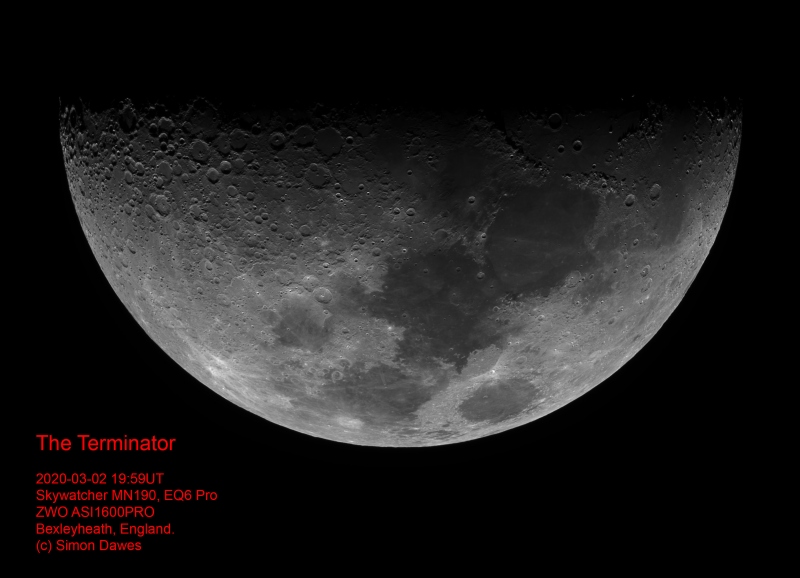
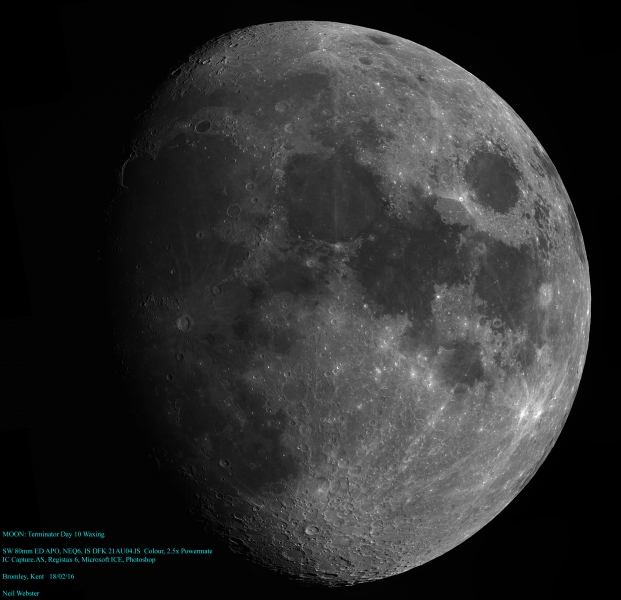
Lunar Images By Neil Webster
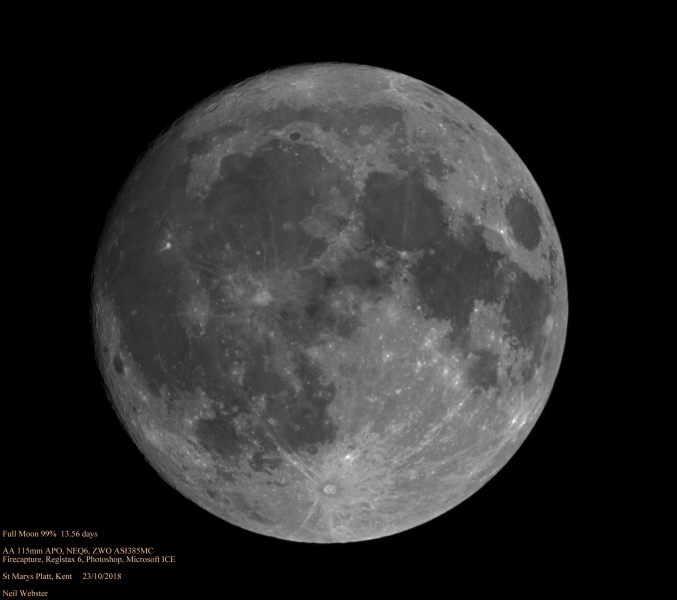
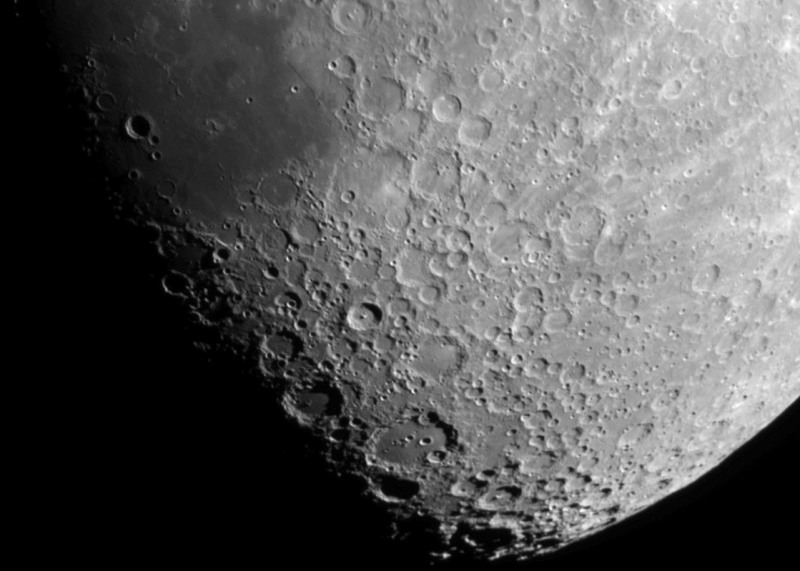
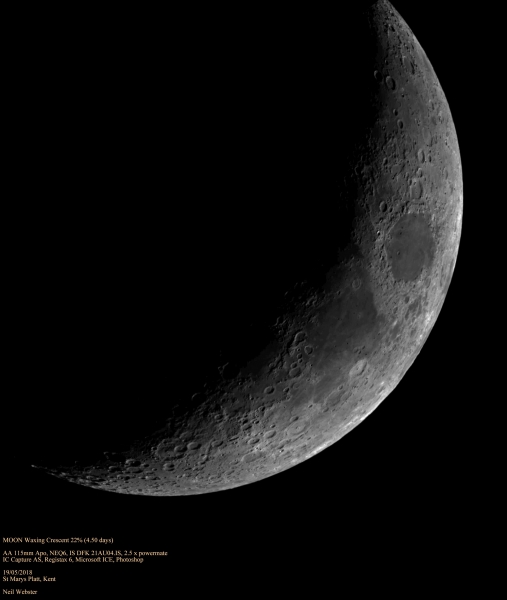
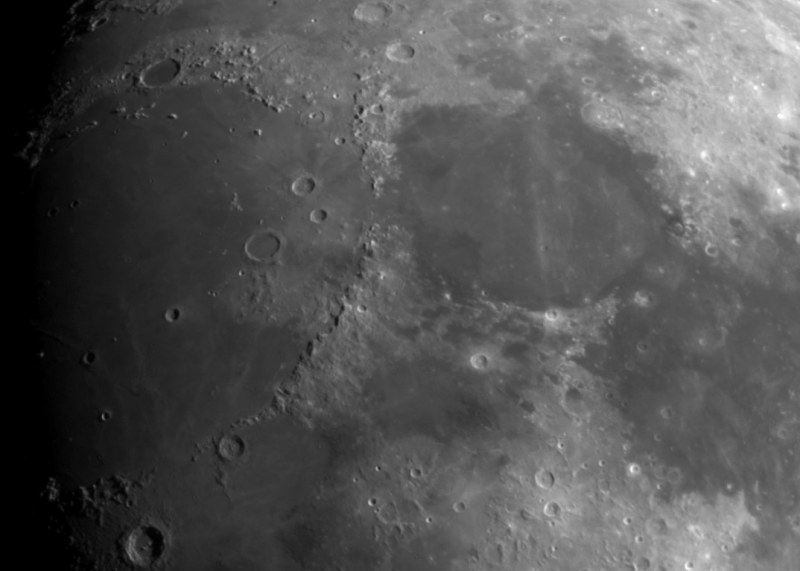
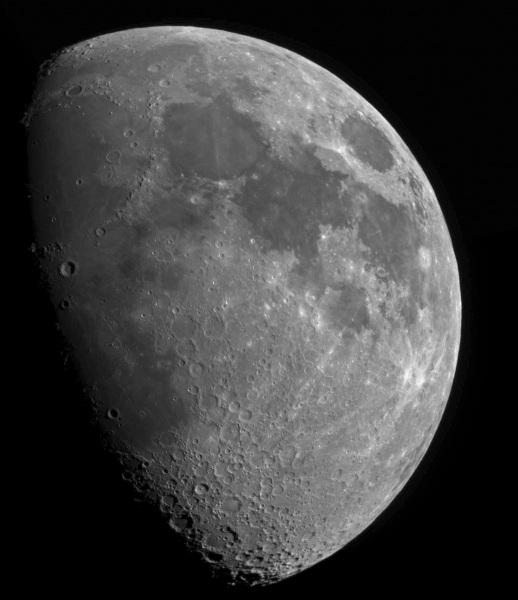
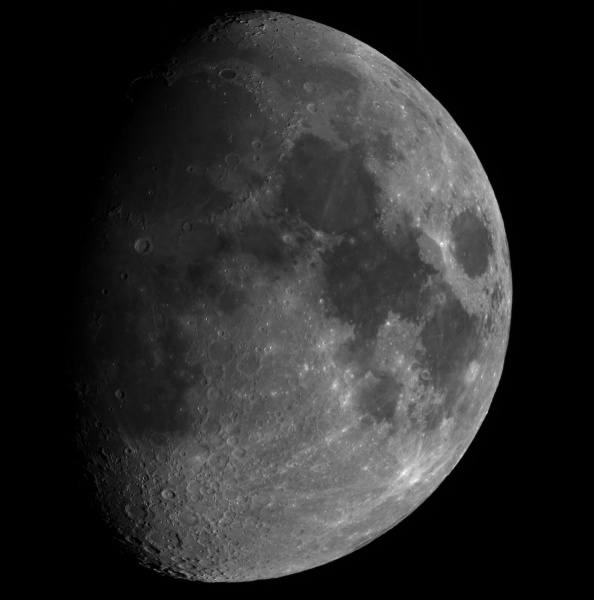
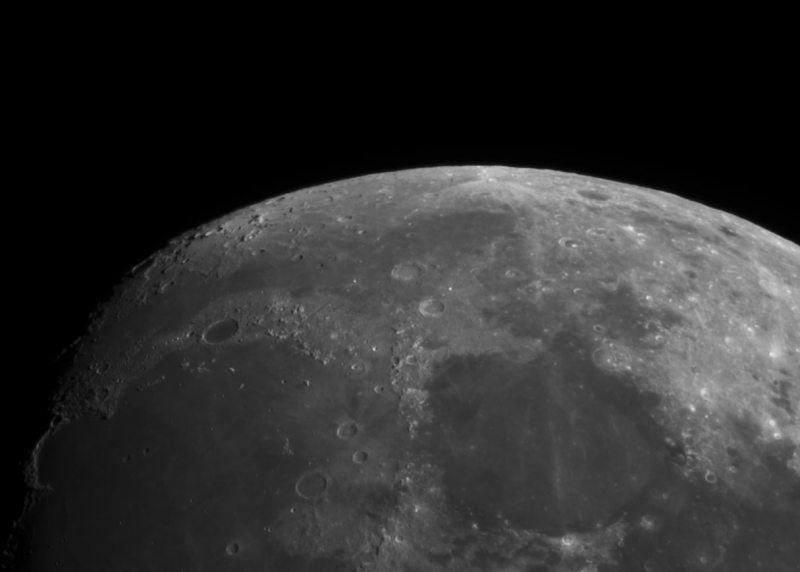
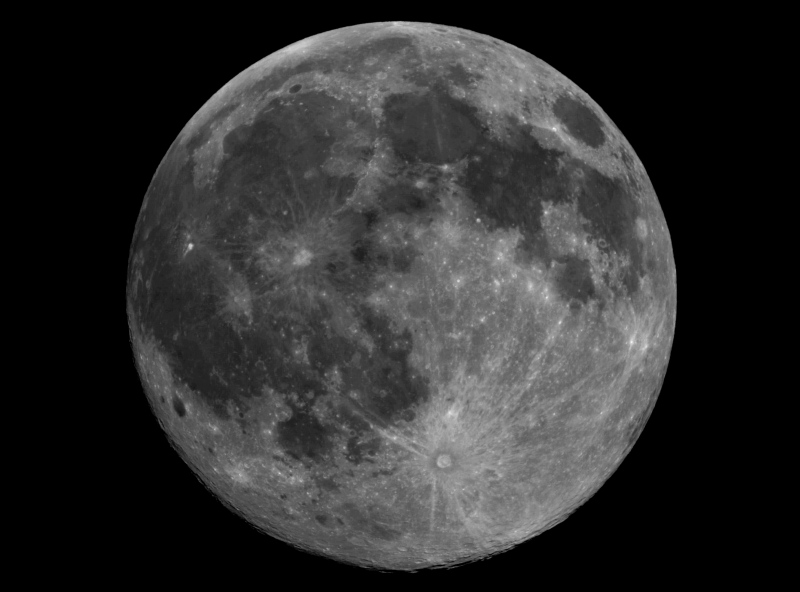
Lunar Images by Martin Crow
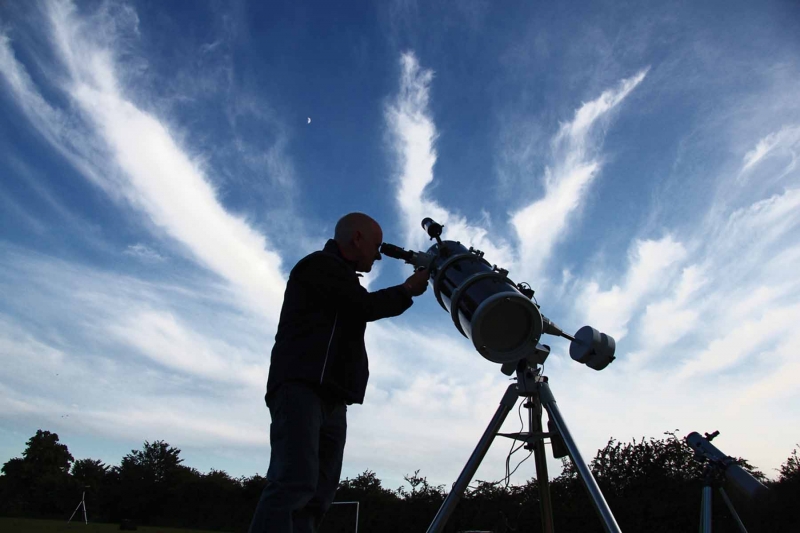
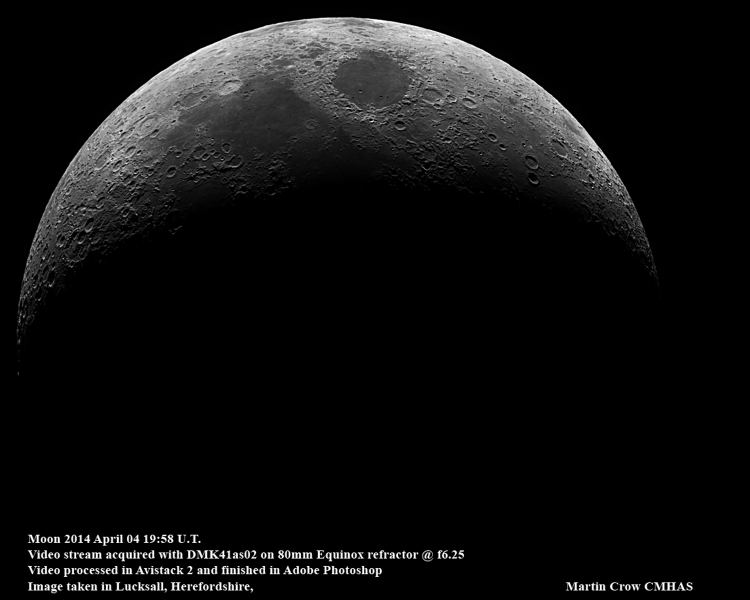
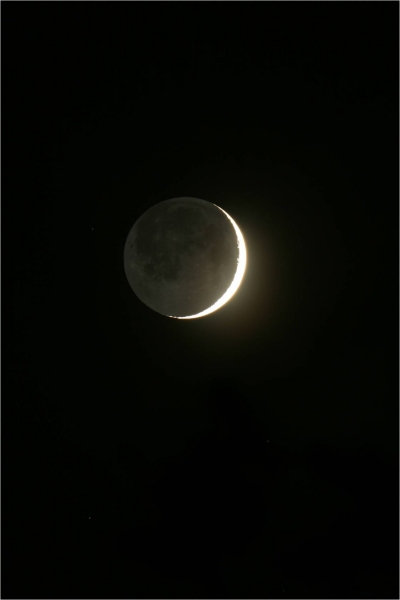
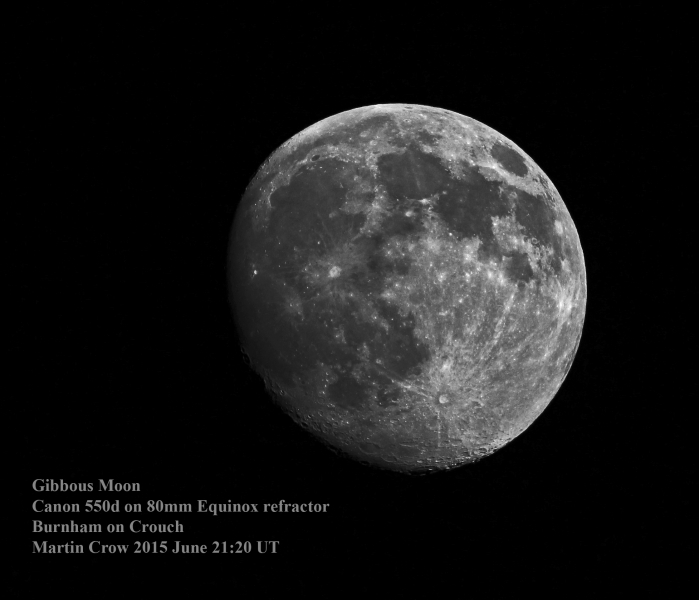
Lunar Images by Brian Thompson
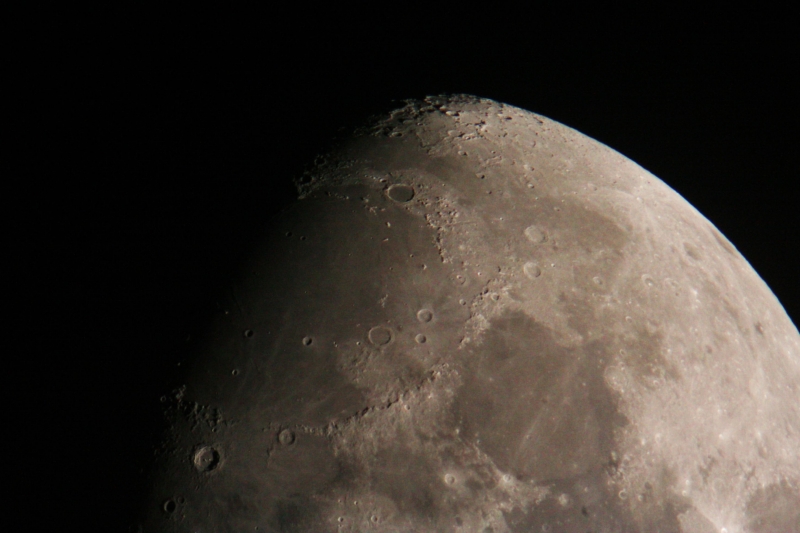
Lunar Images by Jim Burchell
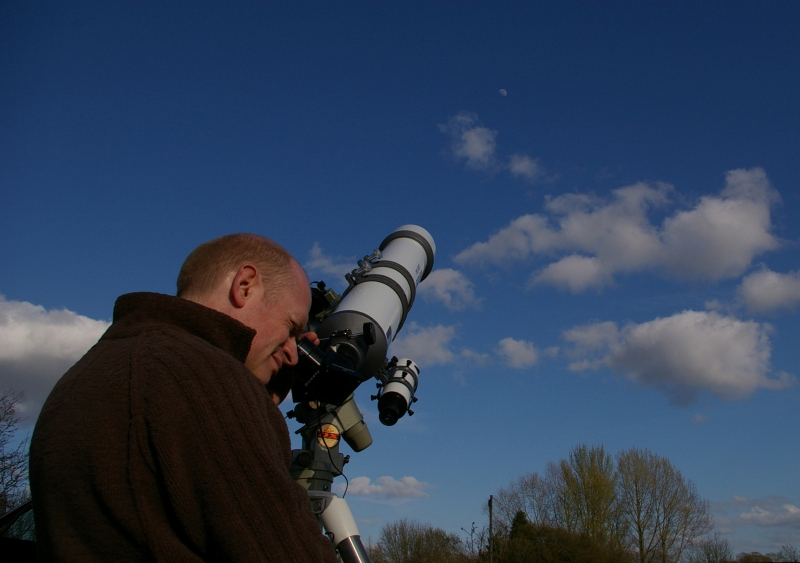
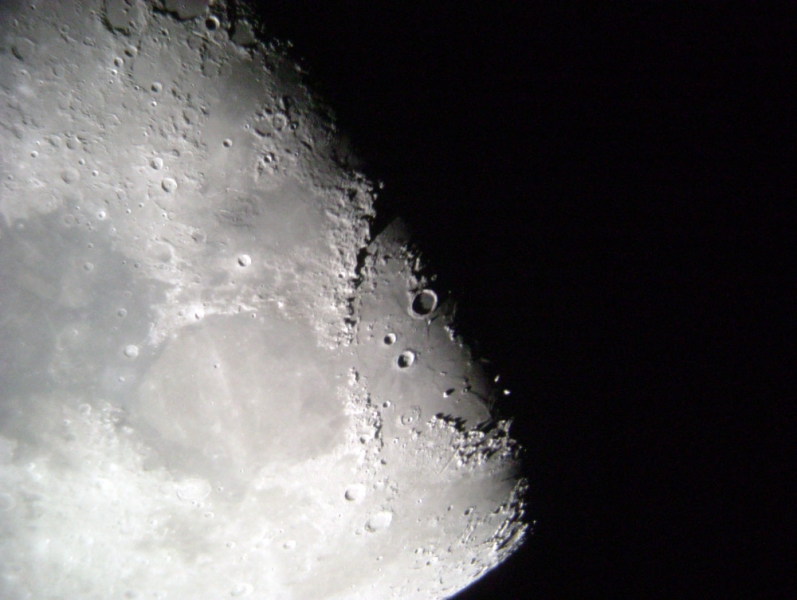
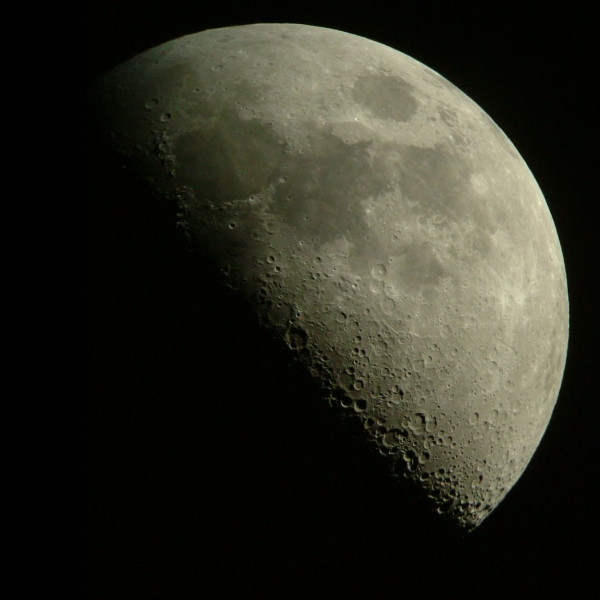
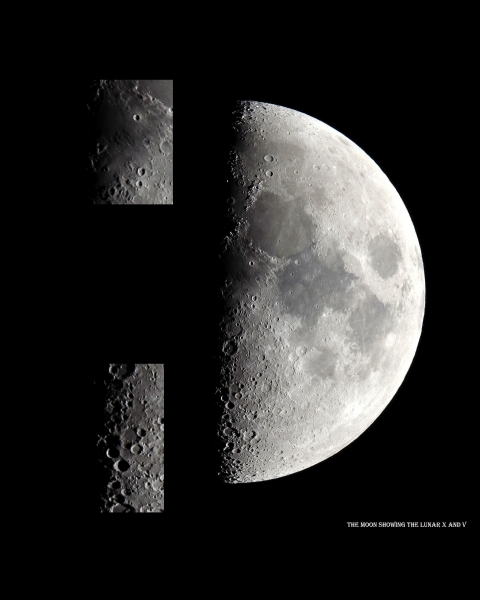
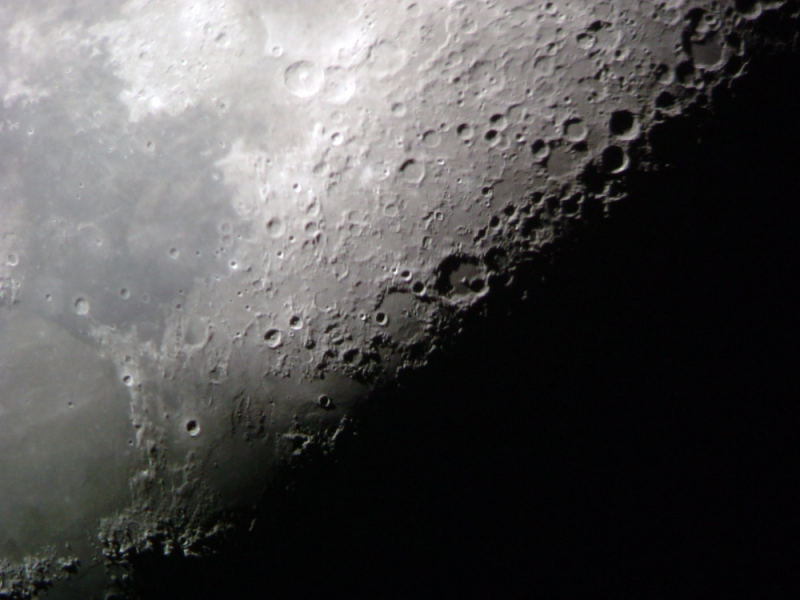
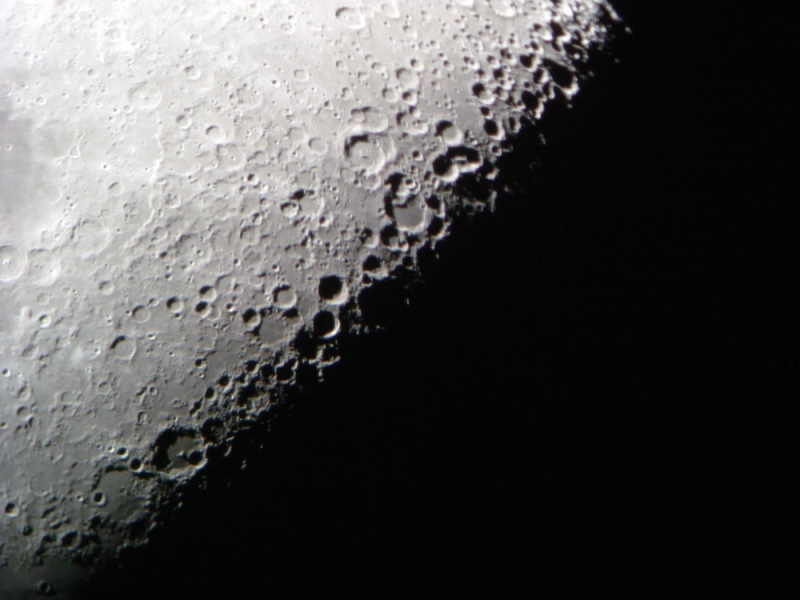

Lunar Images by Keith Rickard
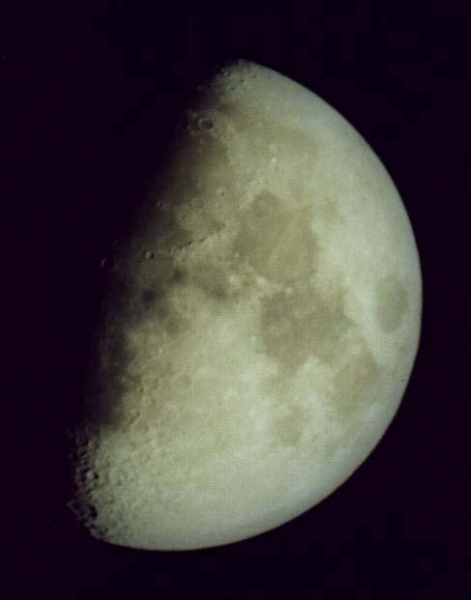
Lunar Images by Julian Tworek
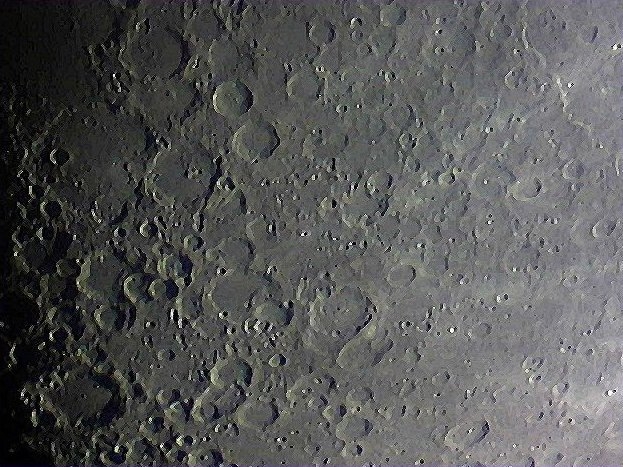
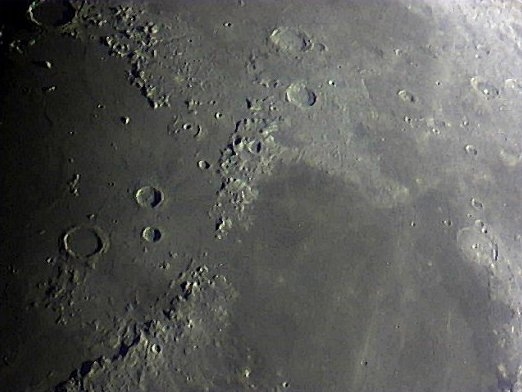
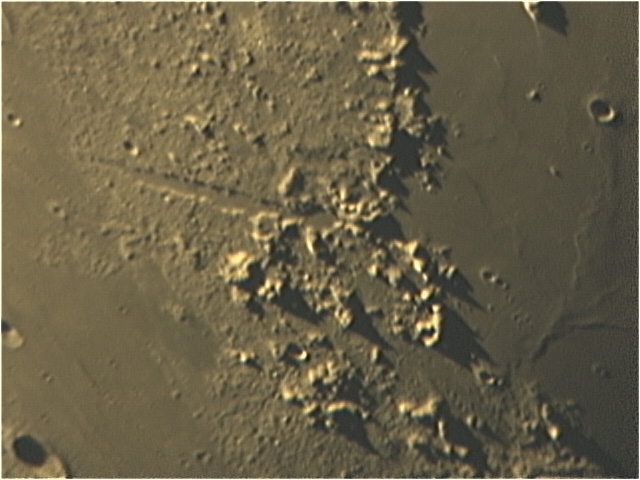
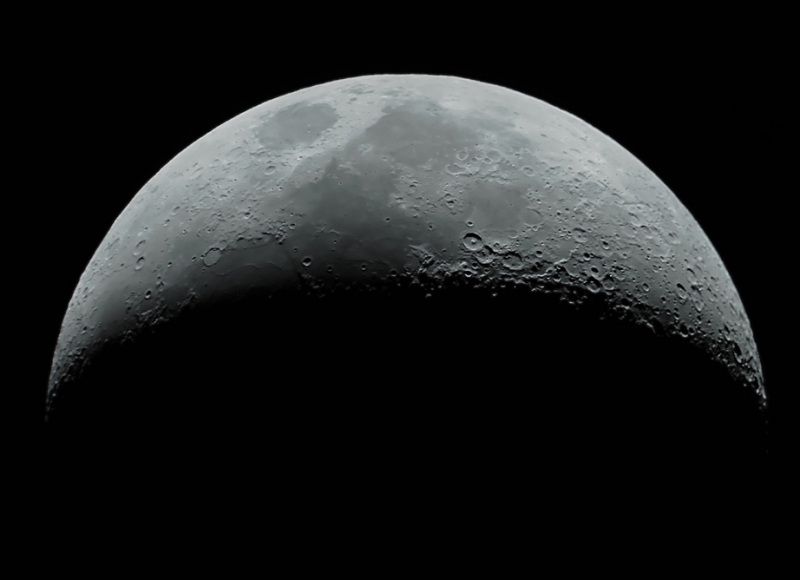
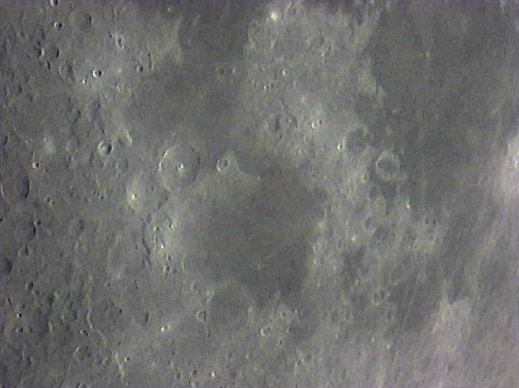
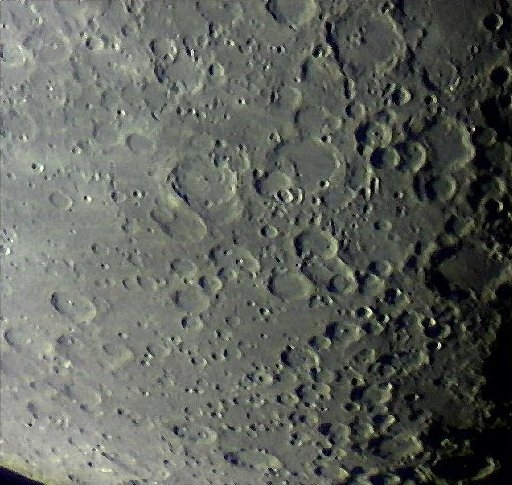
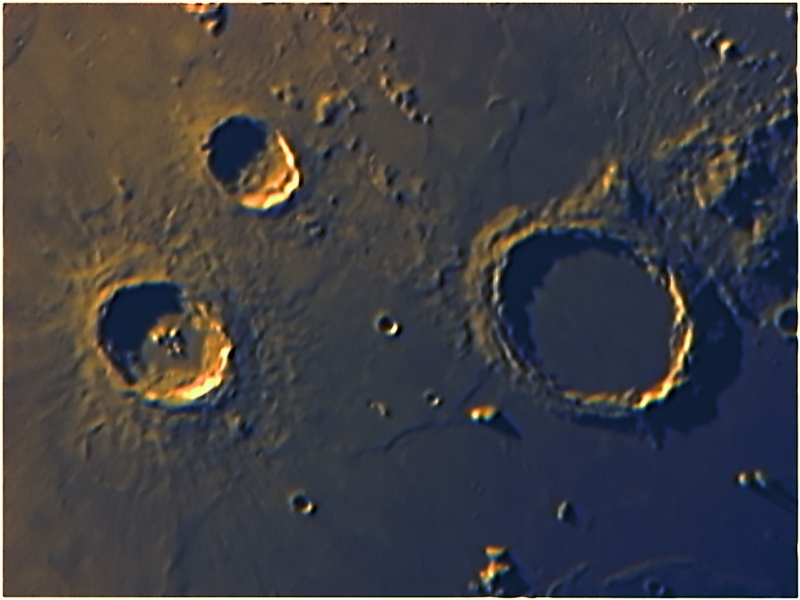
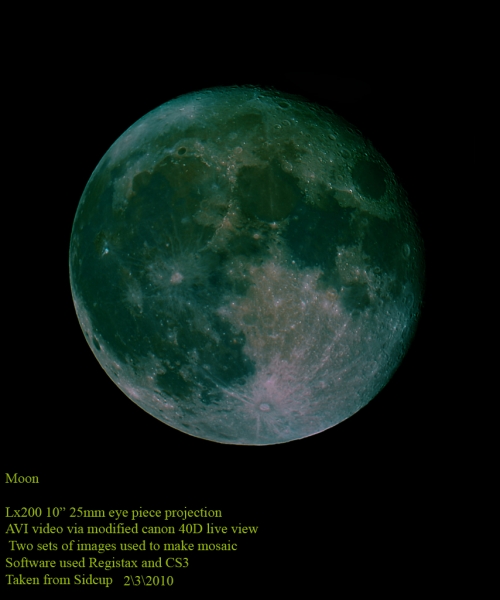
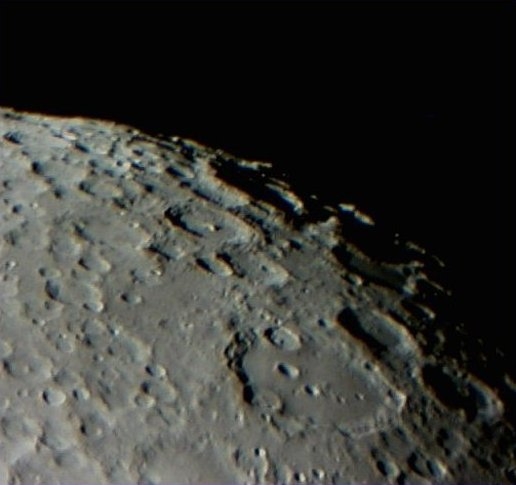
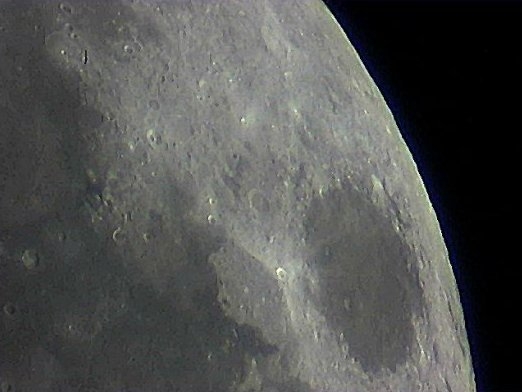
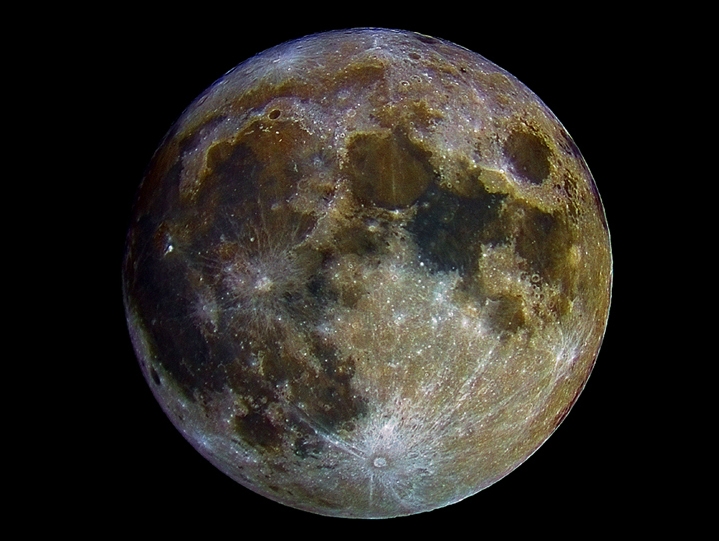
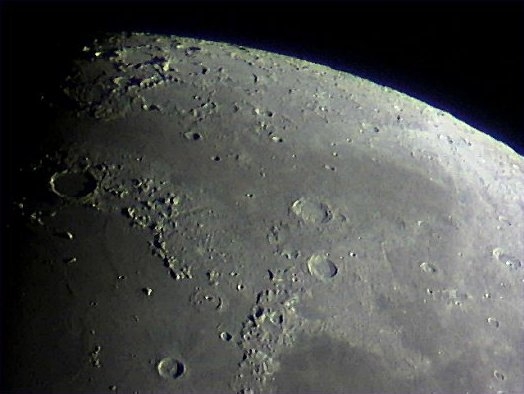
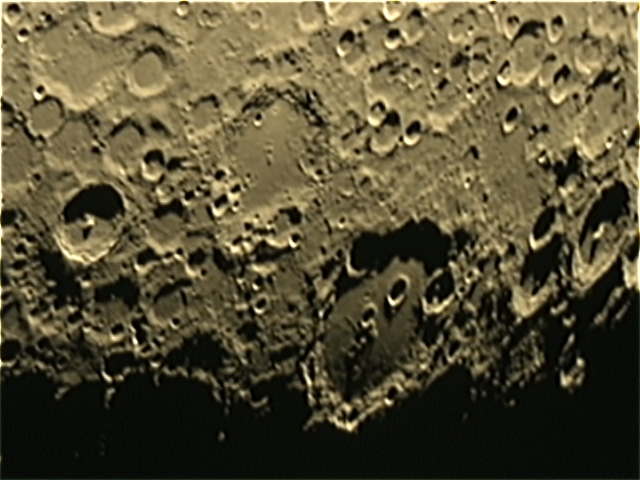
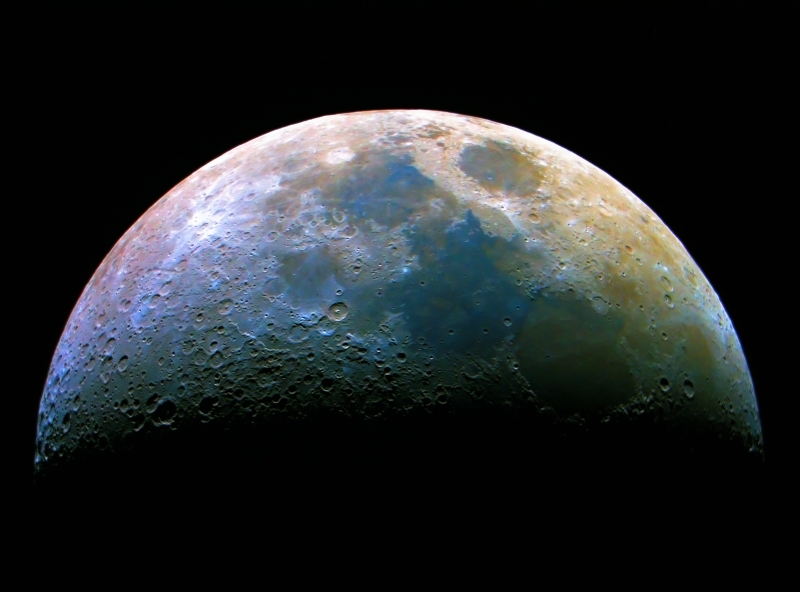
Lunar Images by Gordon Collins
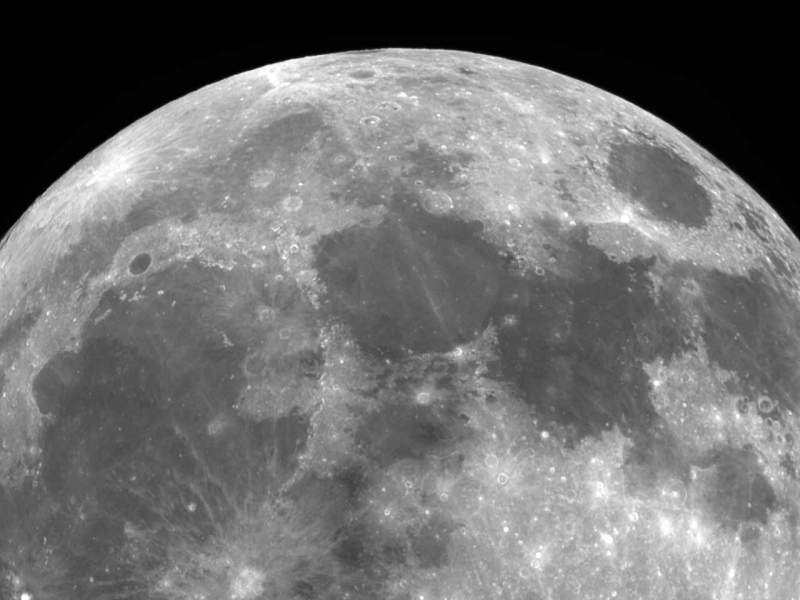
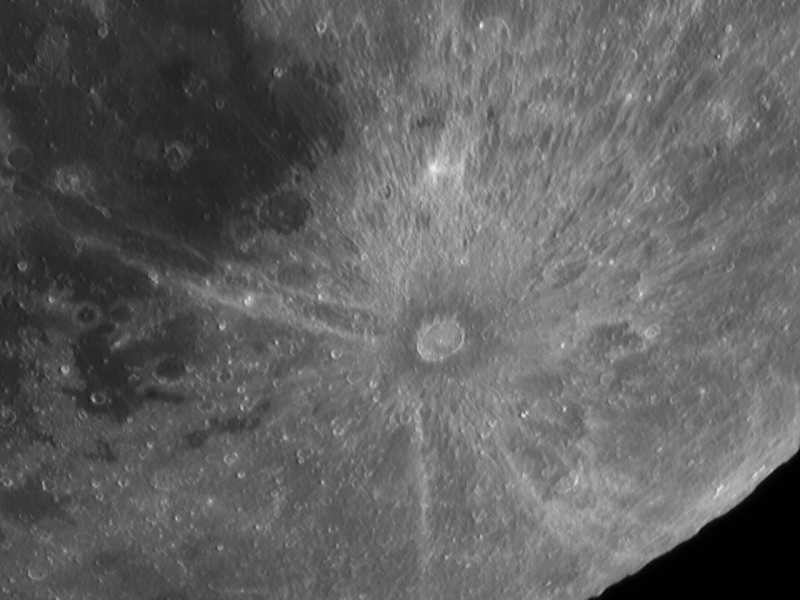
Diane Clarke’s Lunar Images
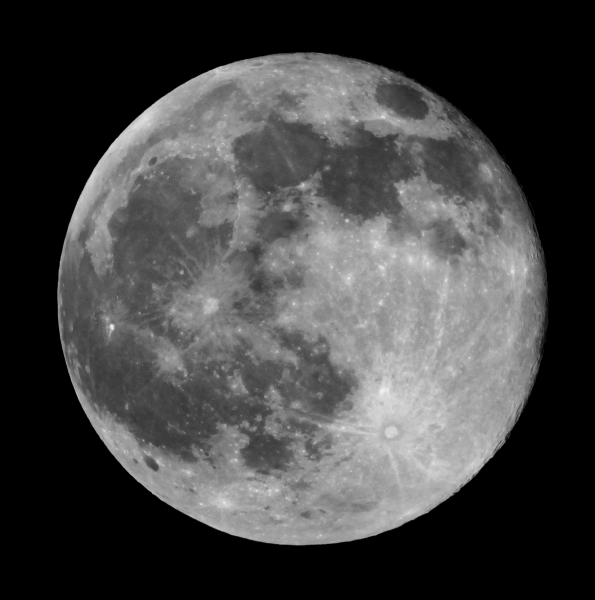
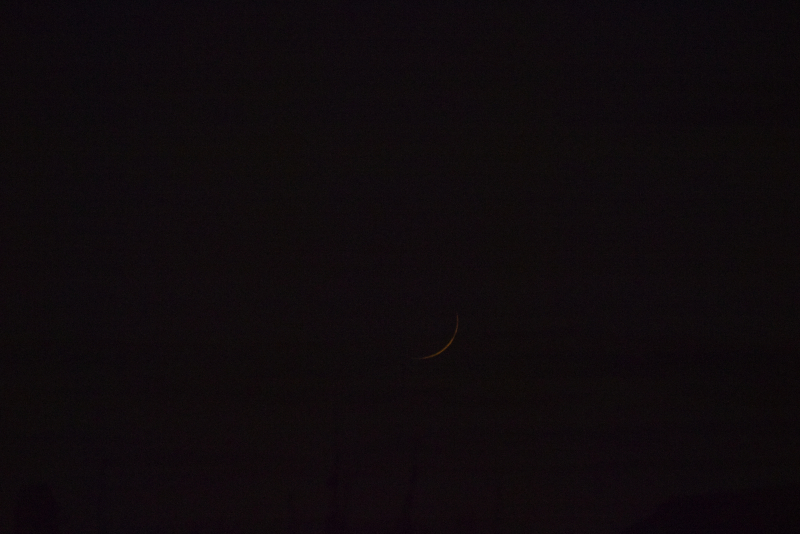
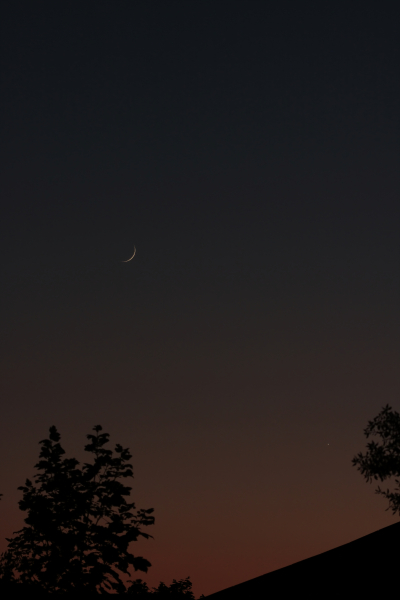
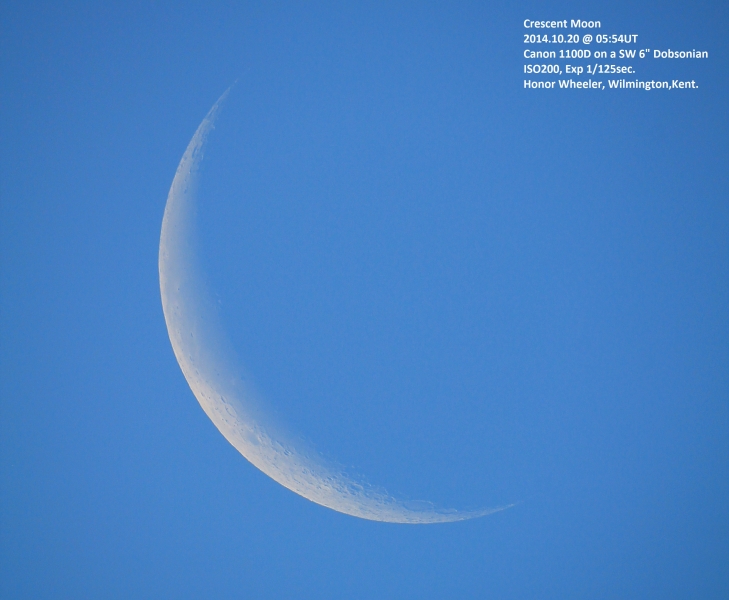
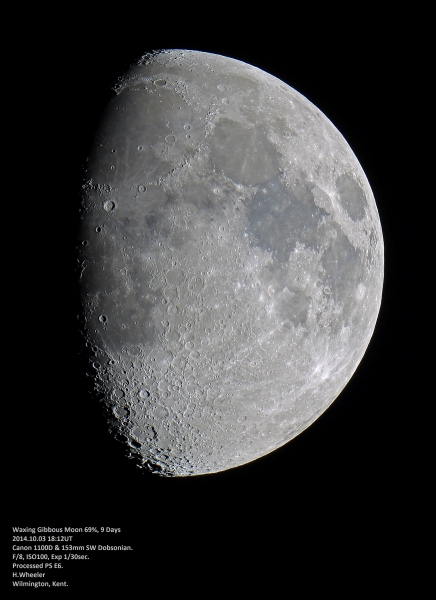
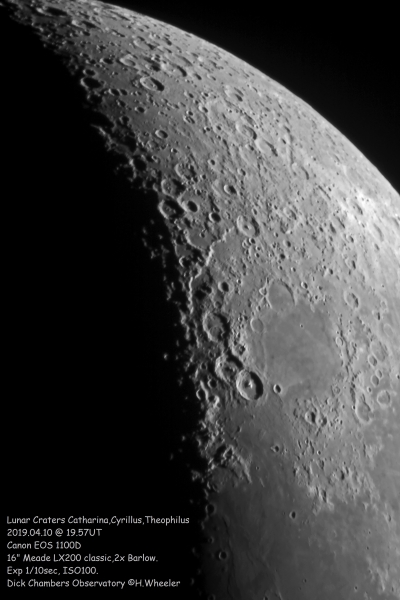
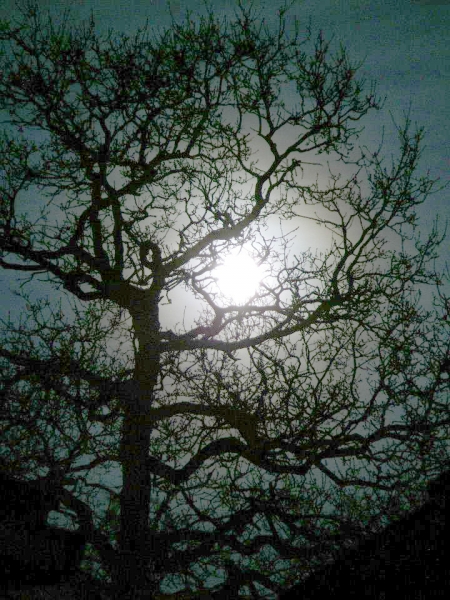
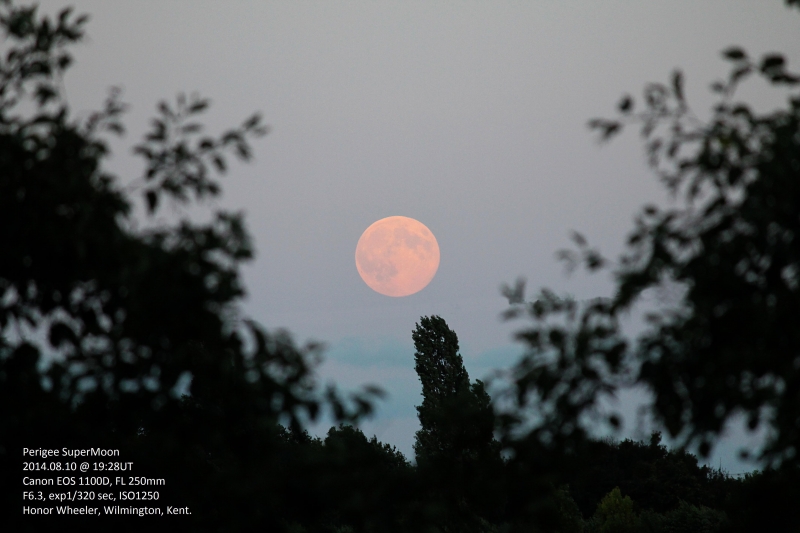
Honor Wheeler’s Images of the Moon
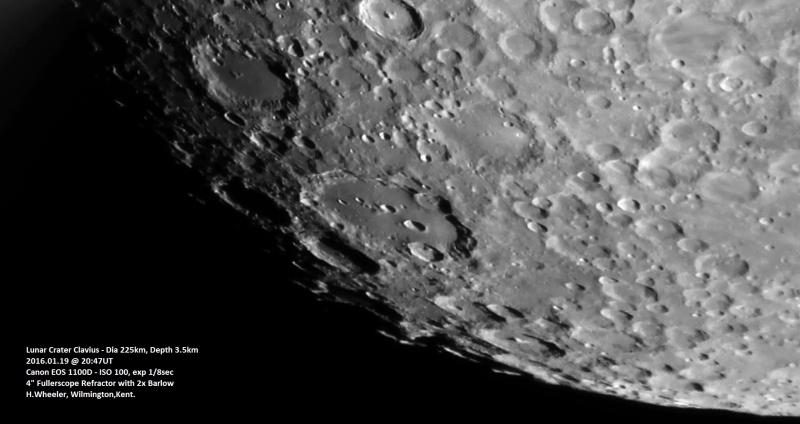
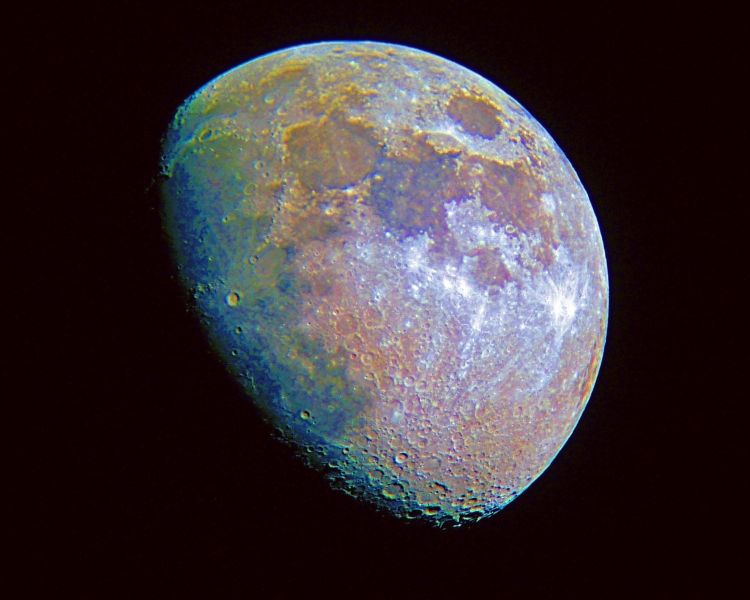
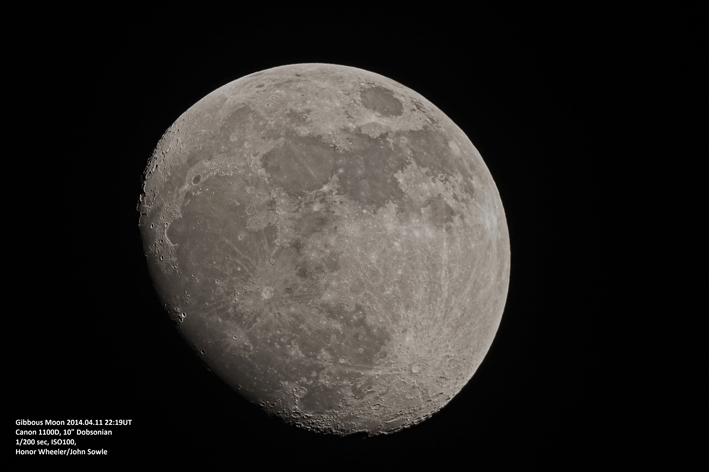
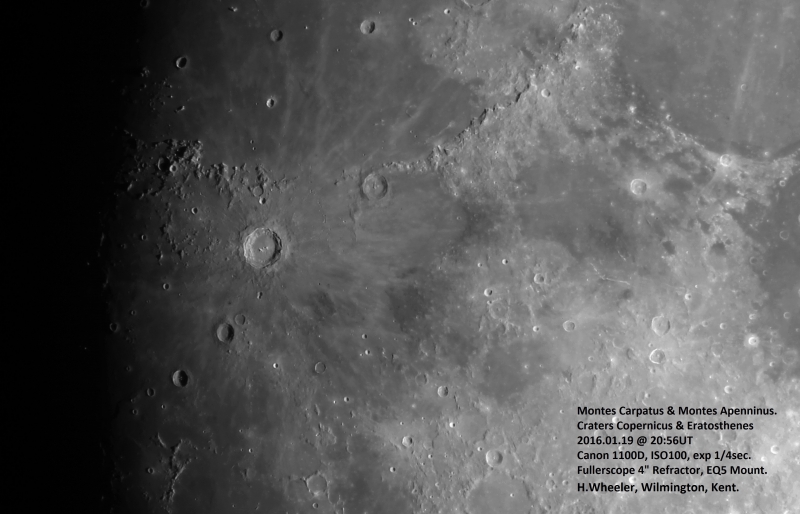
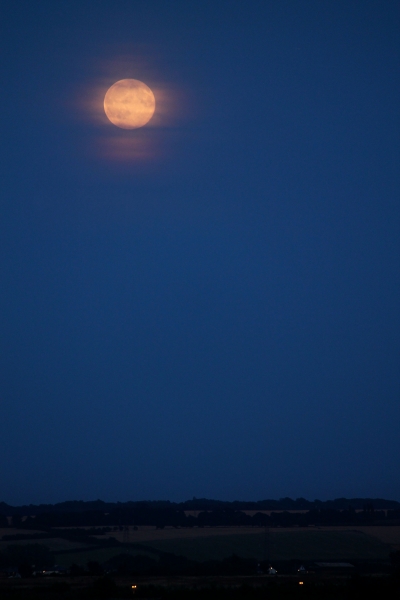
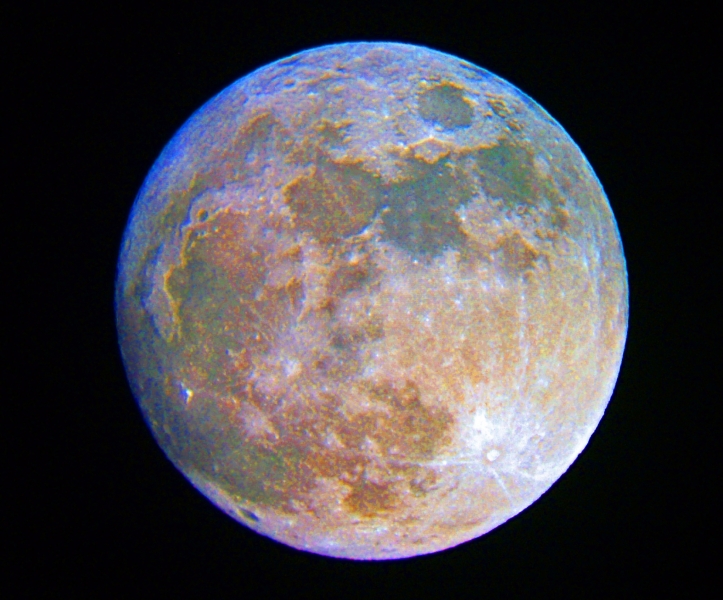
Lunar Images by Neil Webster
Other Images
Sun | Comets | Mercury | Venus | Atmospheric Optics | Meteors | Auroa and NLC | Moon | Minor Planets | Mars | Jupiter | Saturn | Uranus | Neptune | Messier | Caldwell | All Deep Sky | Conjunctions | Transits | Solar Eclipse | Lunar Eclipse | Wide Field |ISS & Space Junk | Exo-Planets
All images are copyright. Permission must be sought to from the image owner to the use of any of these images.