
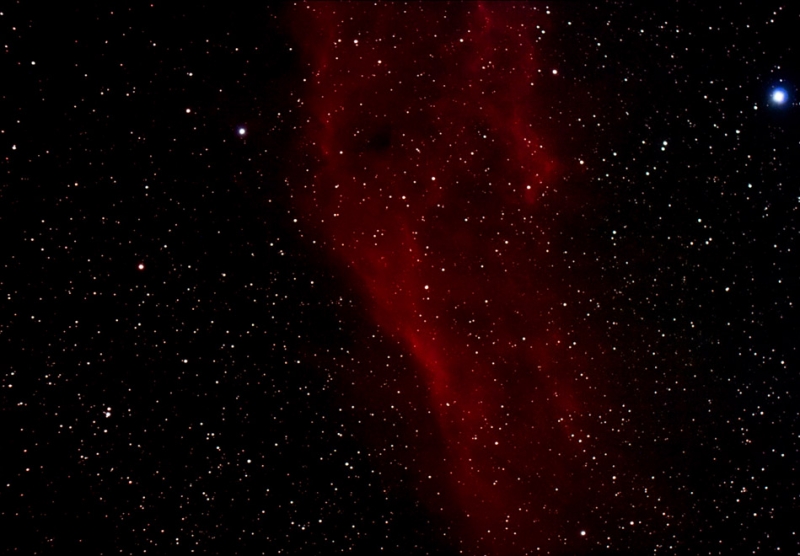
The Heart Nebula (IC1805) by Honor Wheeler
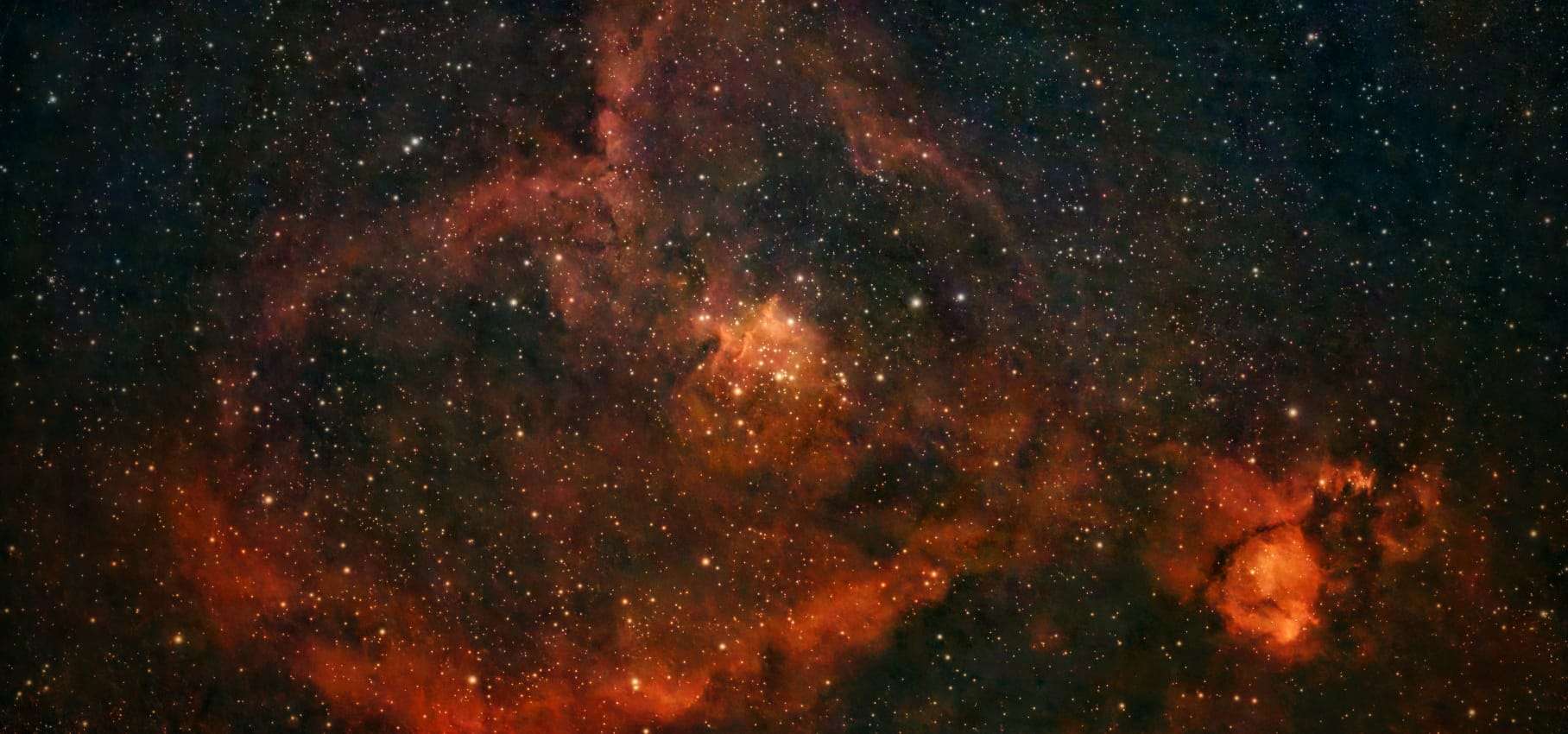
A stunning image of the Heart Nebula (IC 1805) taken by Honor Wheeler on the 25th February 2026 using a Dwarf3 smartscope.
The Heart Nebula is a vast emission nebula in the constellation Cassiopeia located approximately 7,500 light-years away in the Perseus Arm of the Milky Way. It glows with a characteristic red light from ionized hydrogen gas, spans roughly 300 light-years and resembles a human heart in appearance.
February’s deep sky images
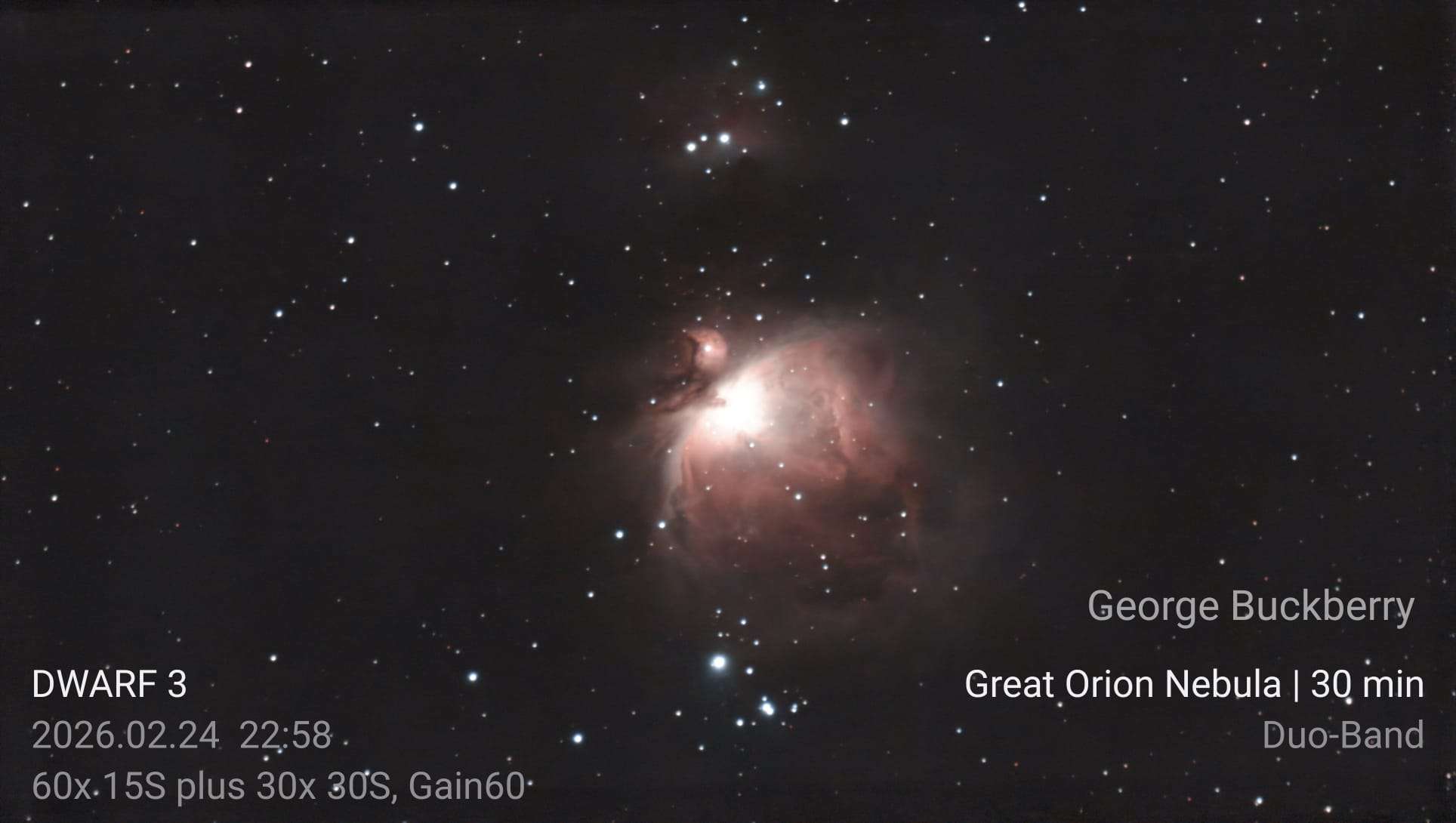
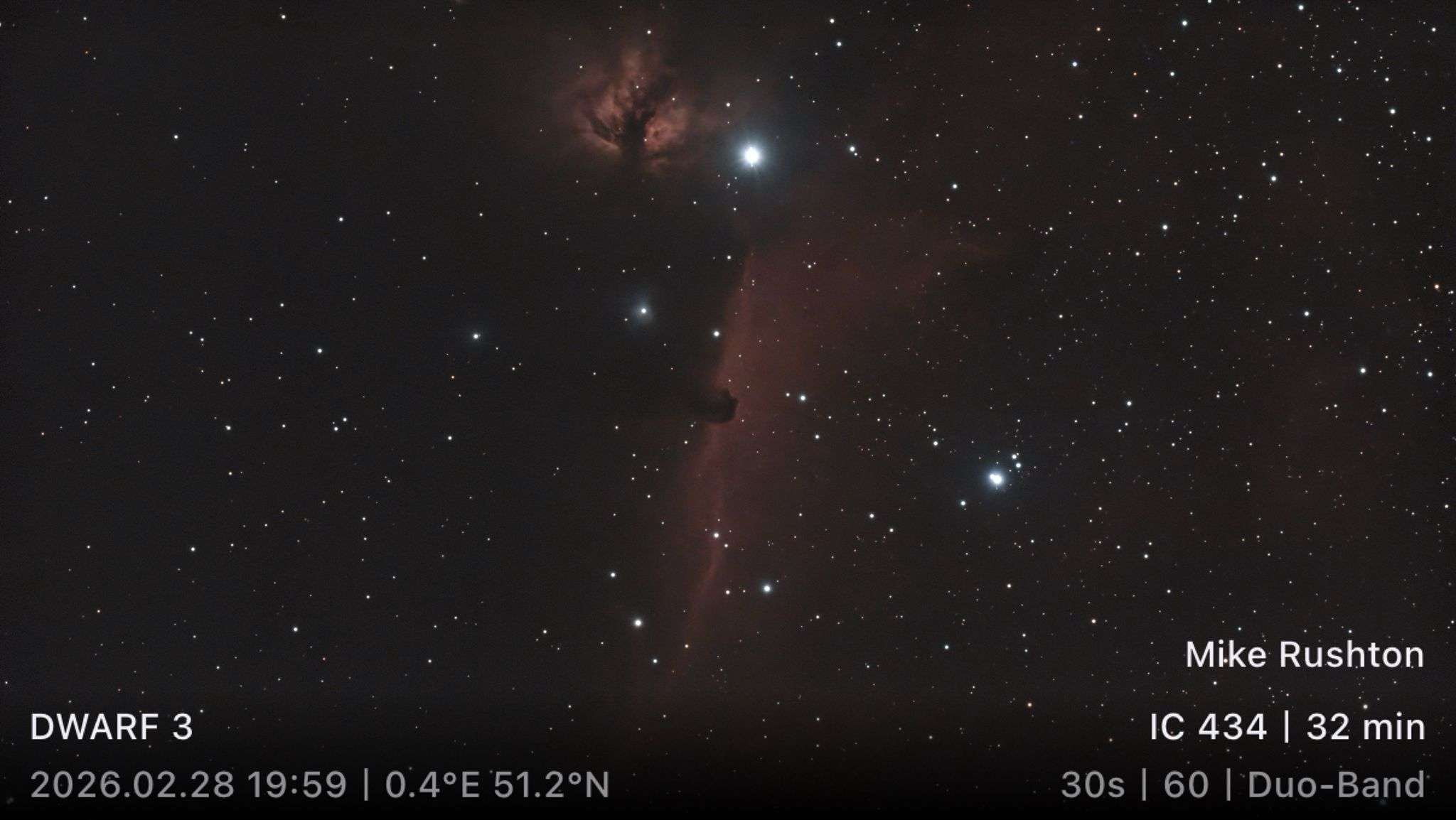
A superb selection of deep sky images taken by members during February 2026.
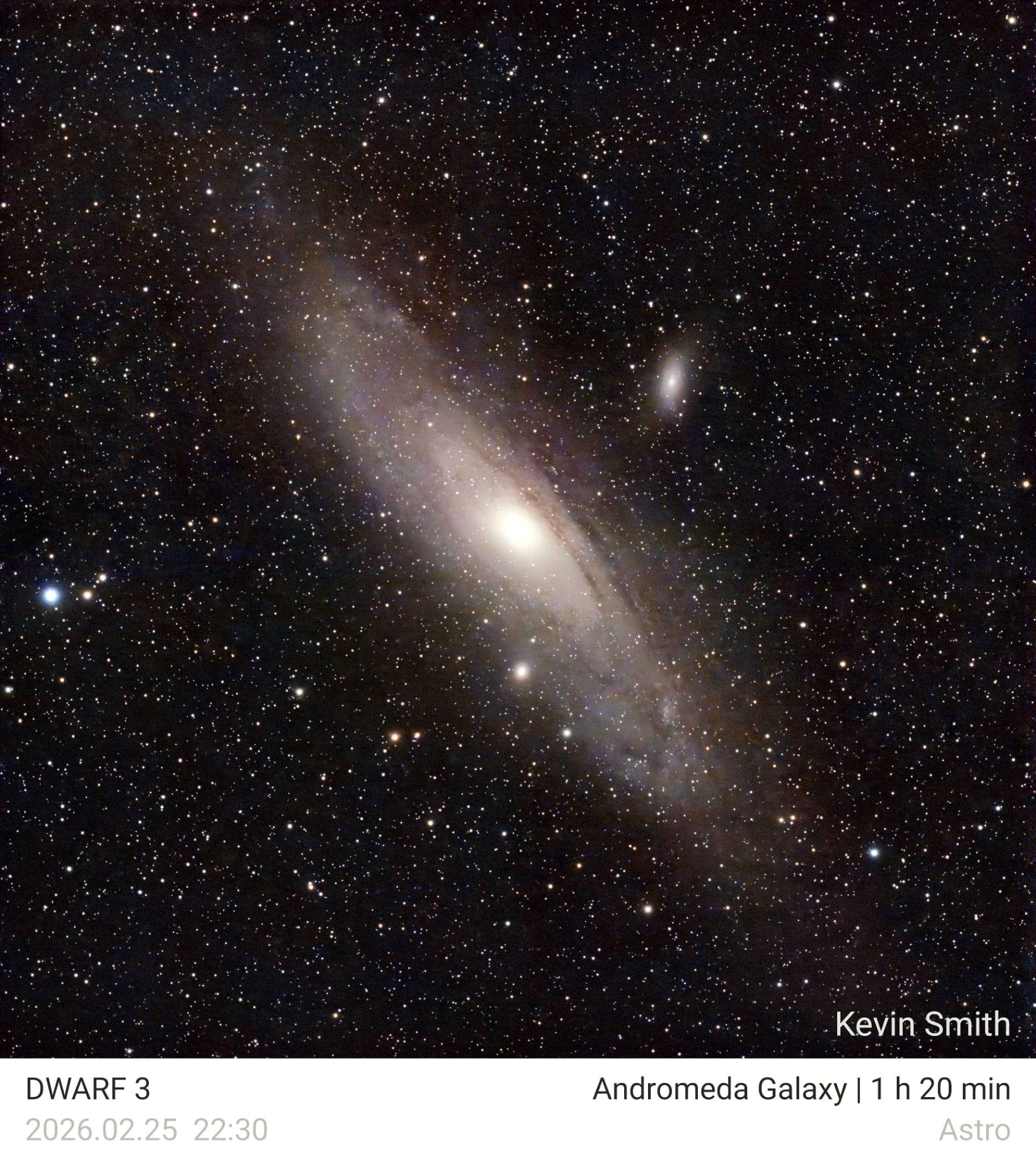
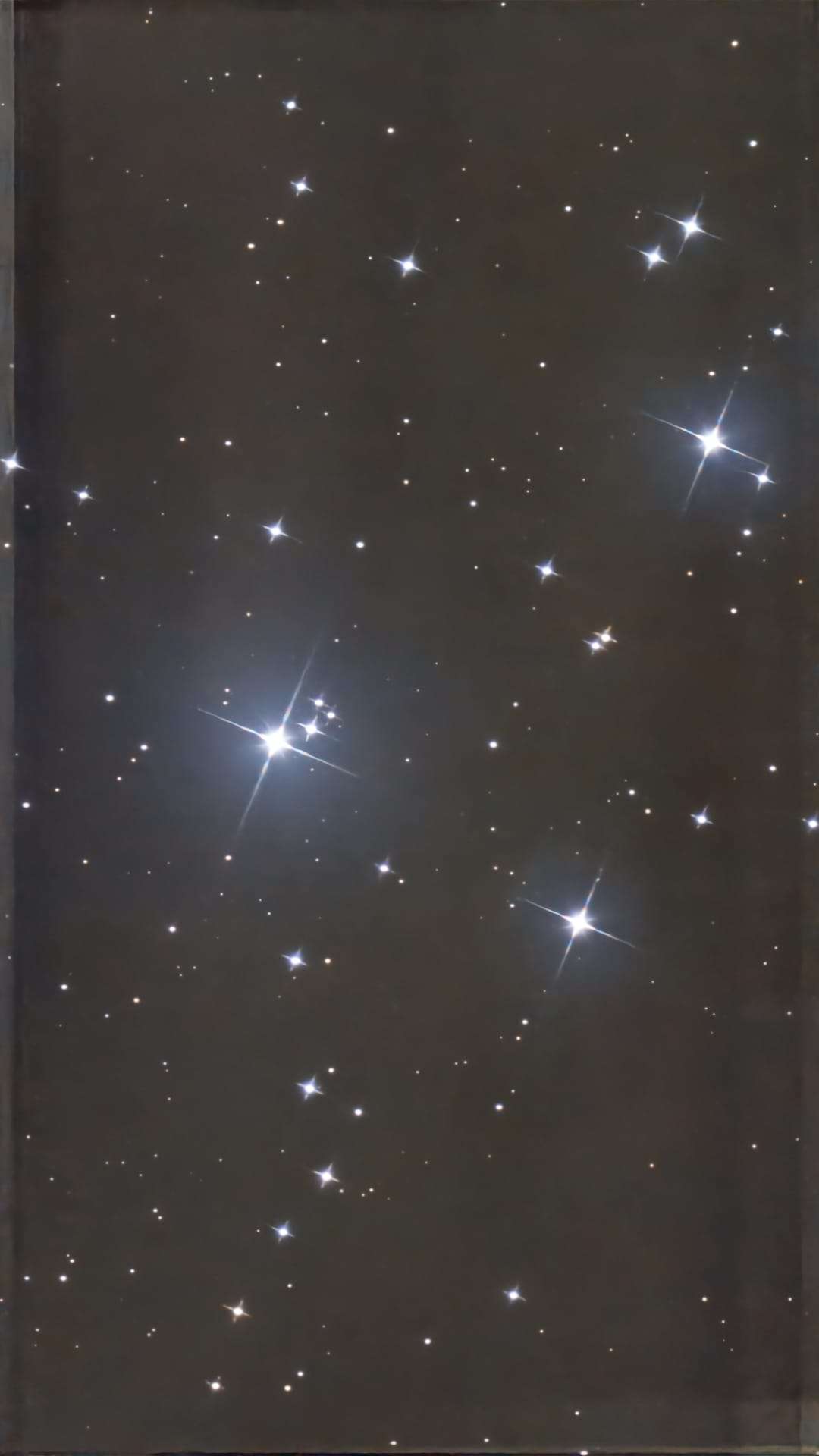
Part of the Pleiades (M45) taken by Diane Clarke using a Seestar s50 smartscope on the 25th February 2026.
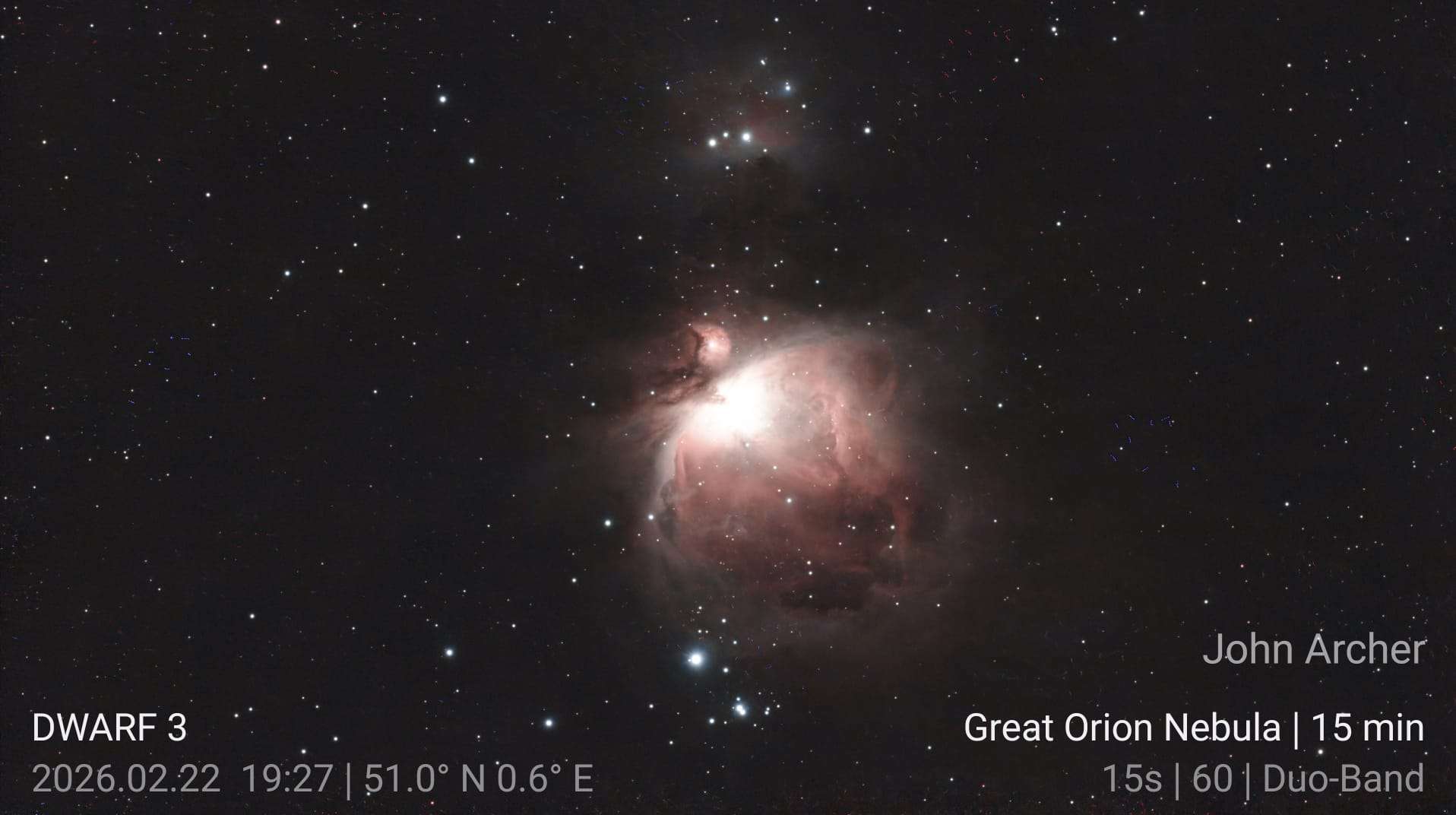
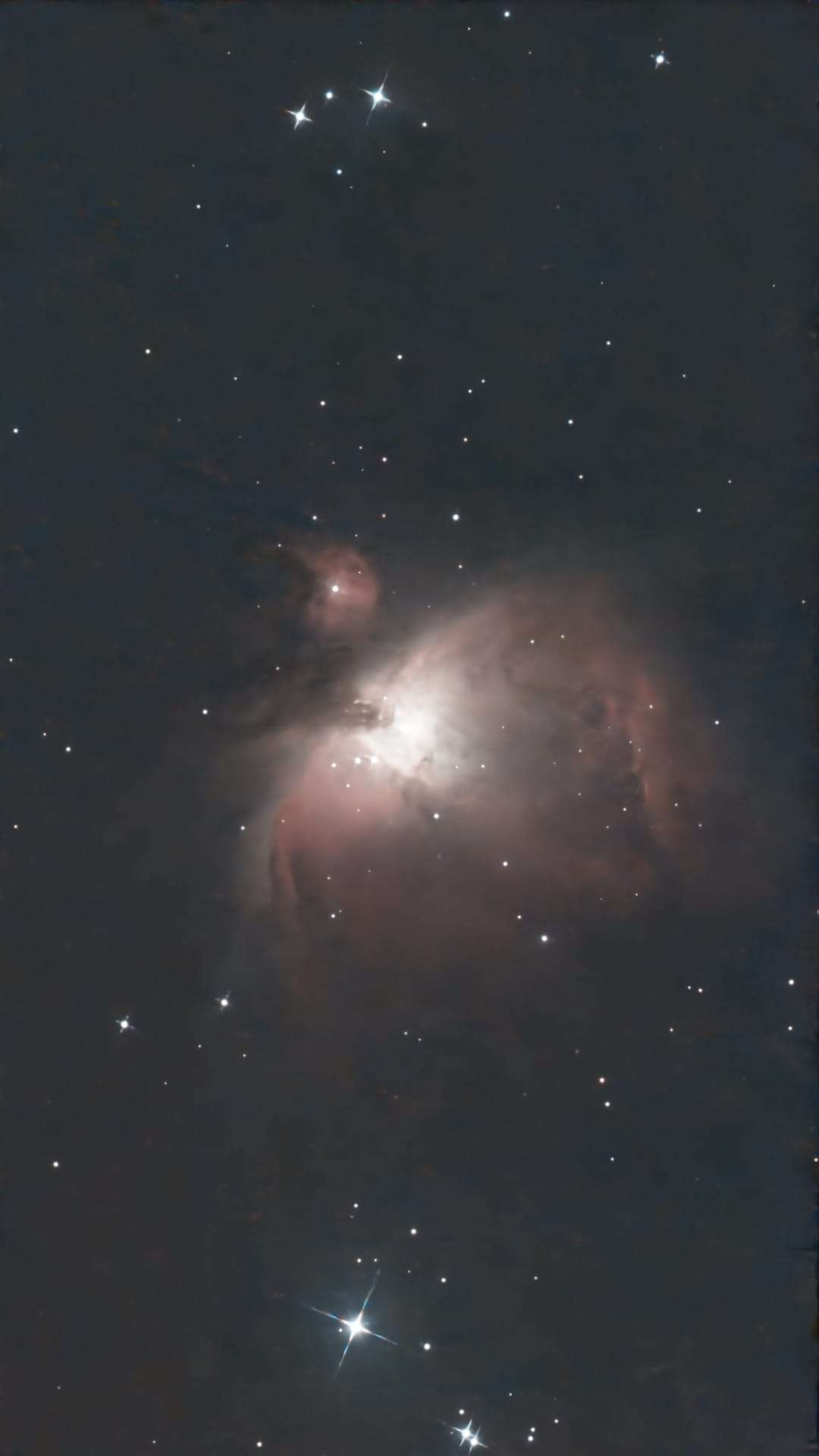
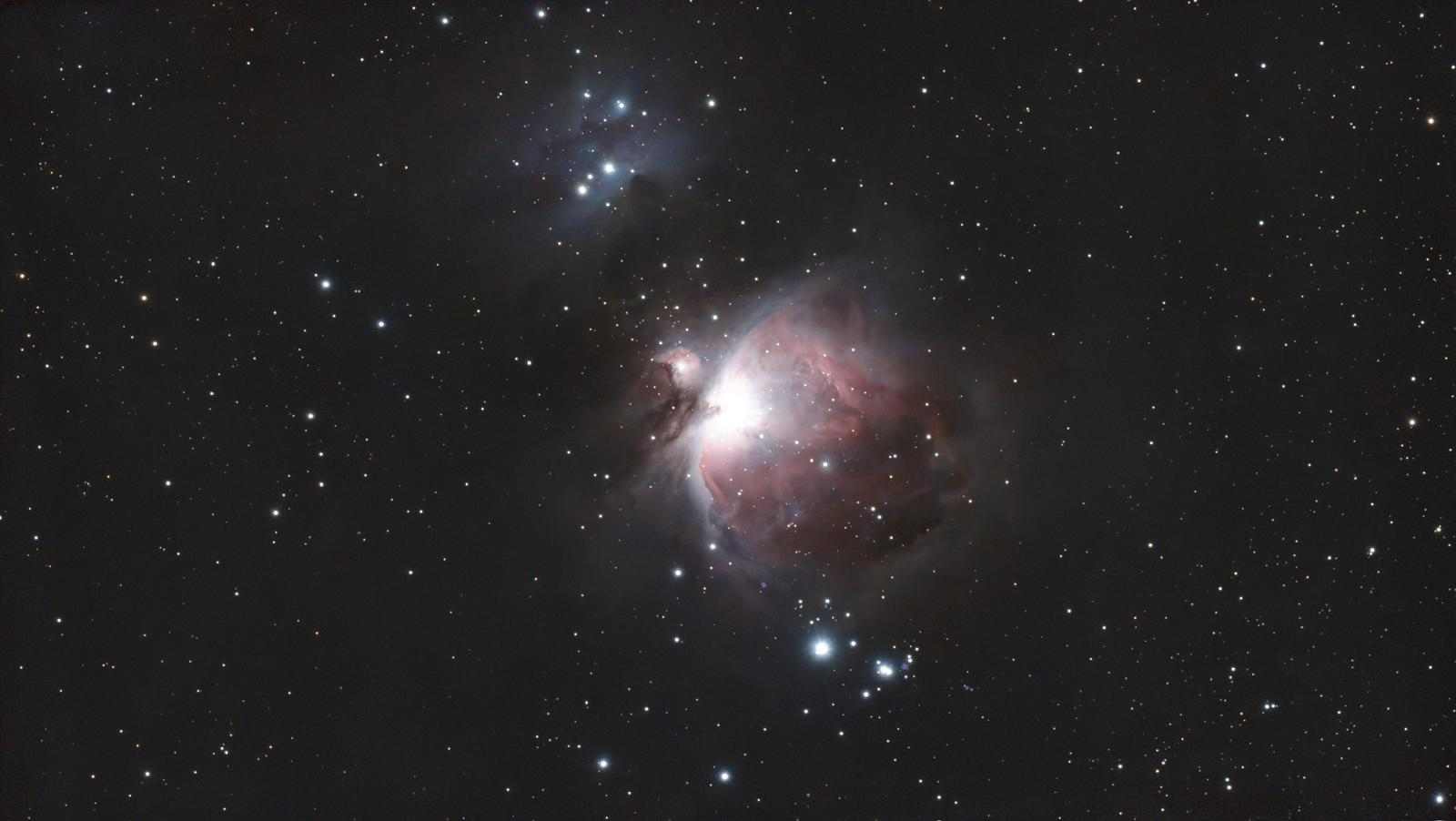
The Orion Nebula (M42) taken by Diane Clarke using a Seestar s50 smartscope on the 25th February 2026.
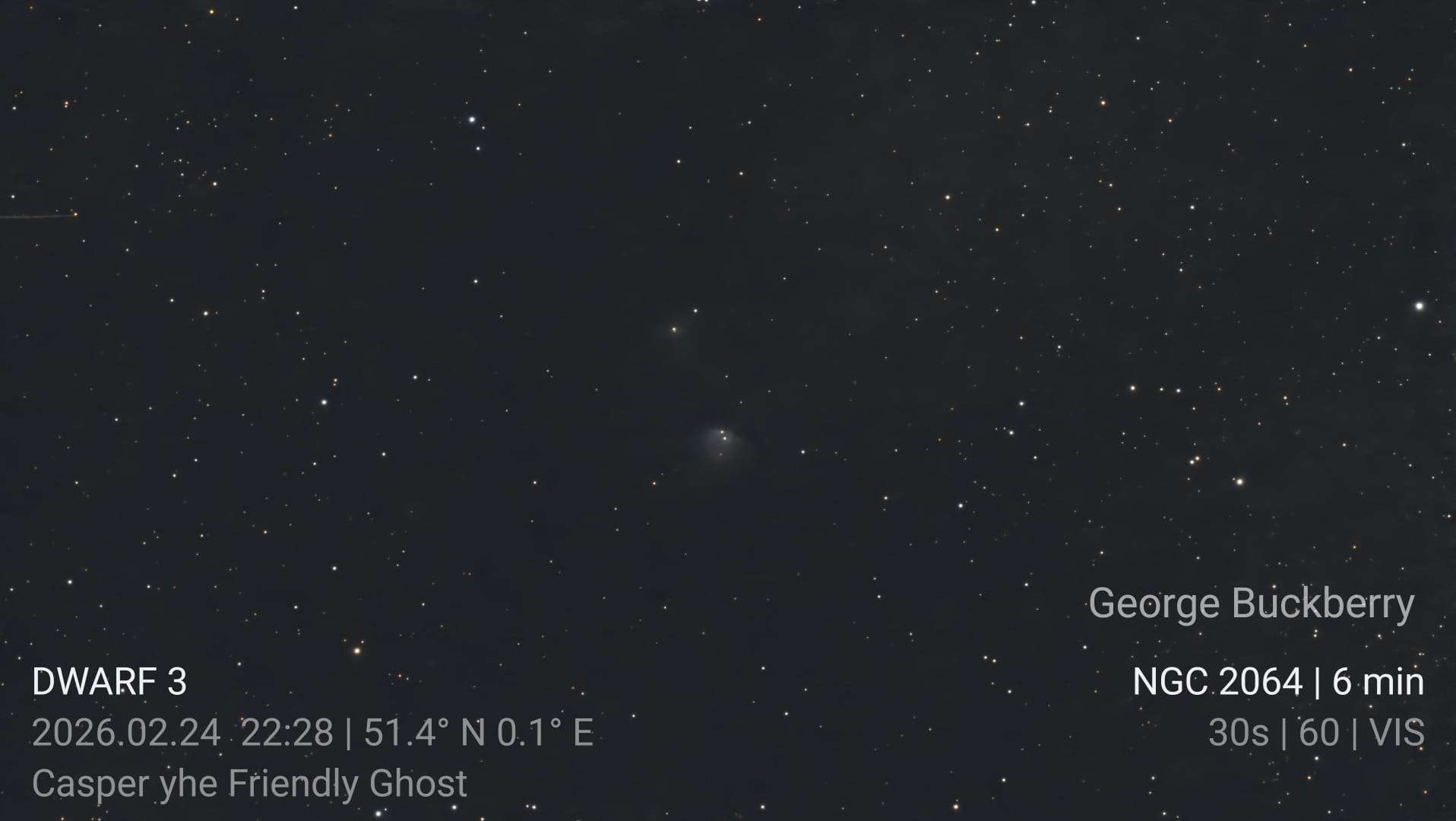
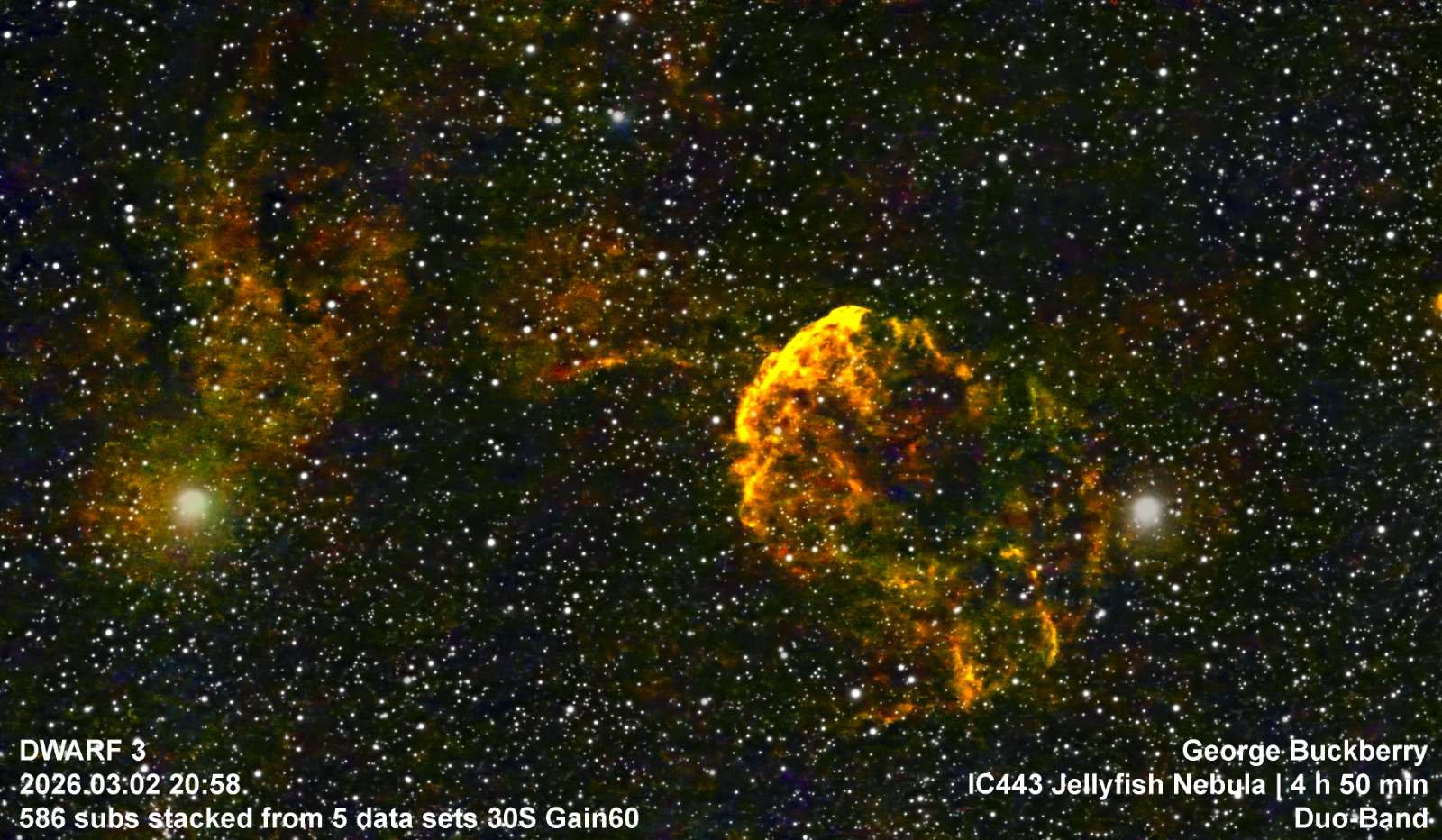
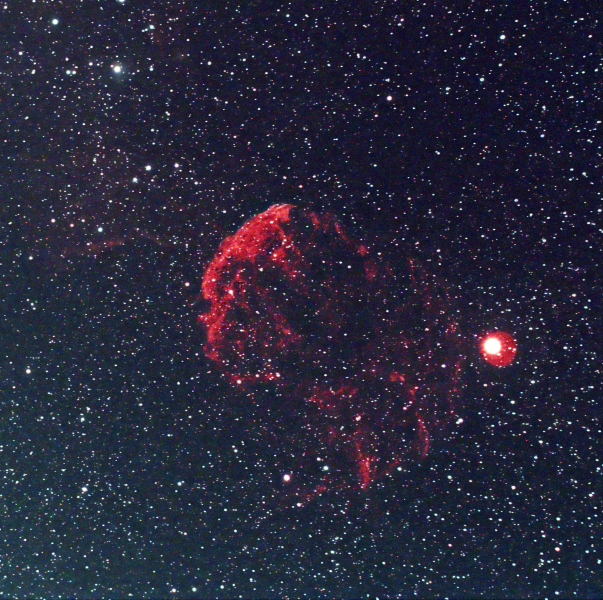
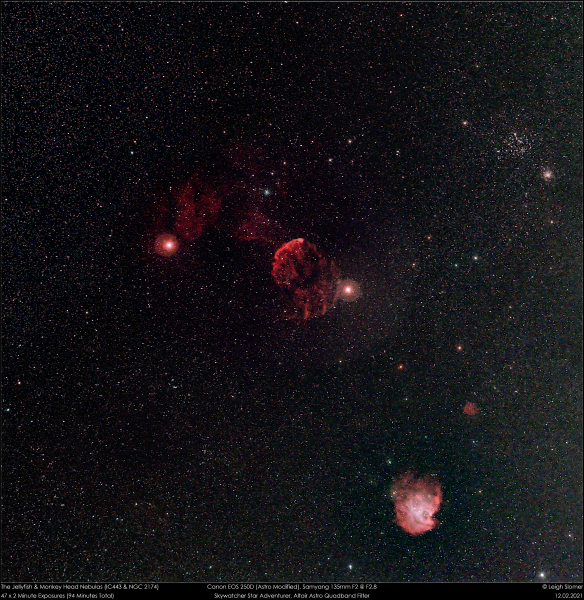
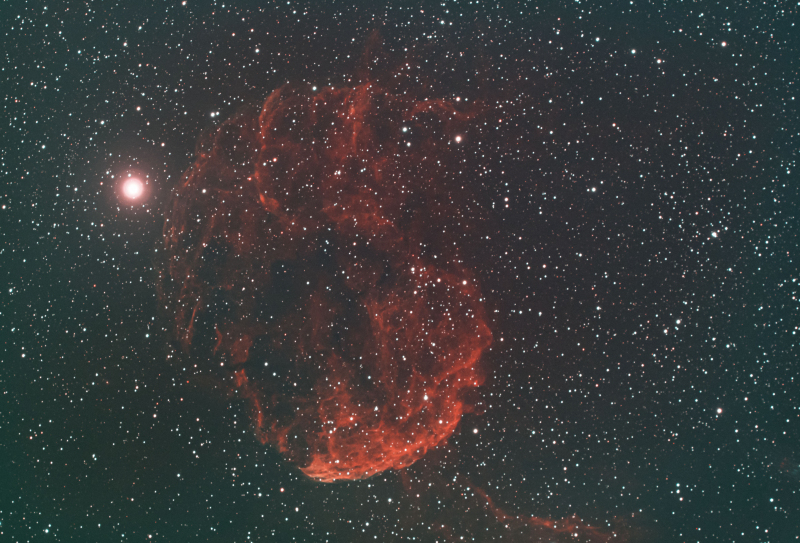
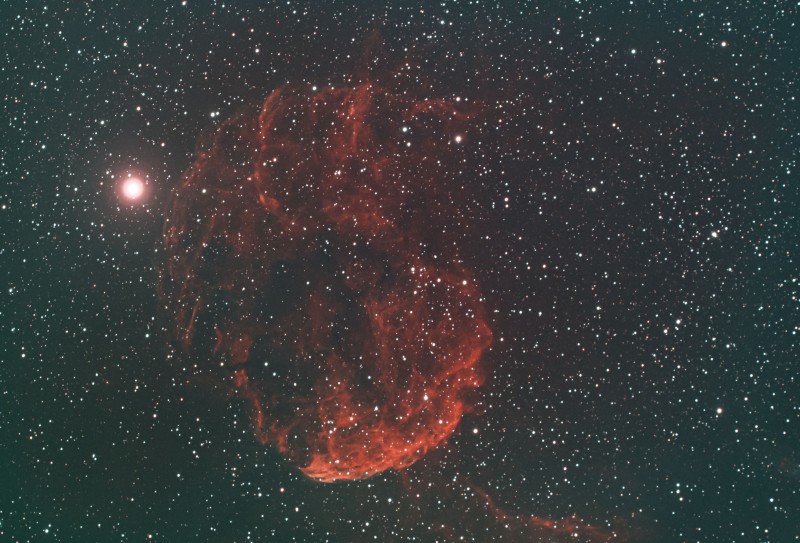
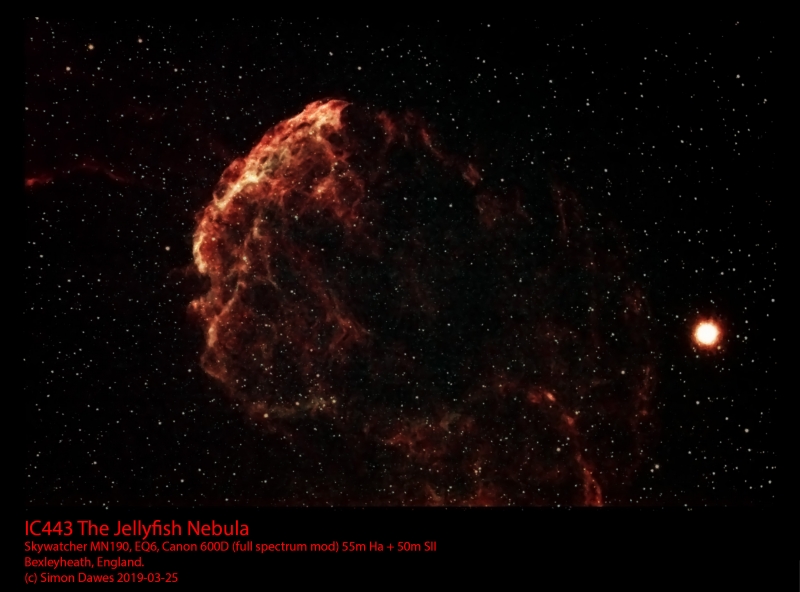
IC443 The Jellyfish Nebula by George Buckberry
A stunning image of IC443 – The Jellyfish Nebula taken by George Buckberry.
The Jellyfish Nebula (IC 443) is a supernova remnant located in the constellation Gemini. This nebula is approximately 5000 light-years from Earth and is estimated to be roughly 70 light-years in size.
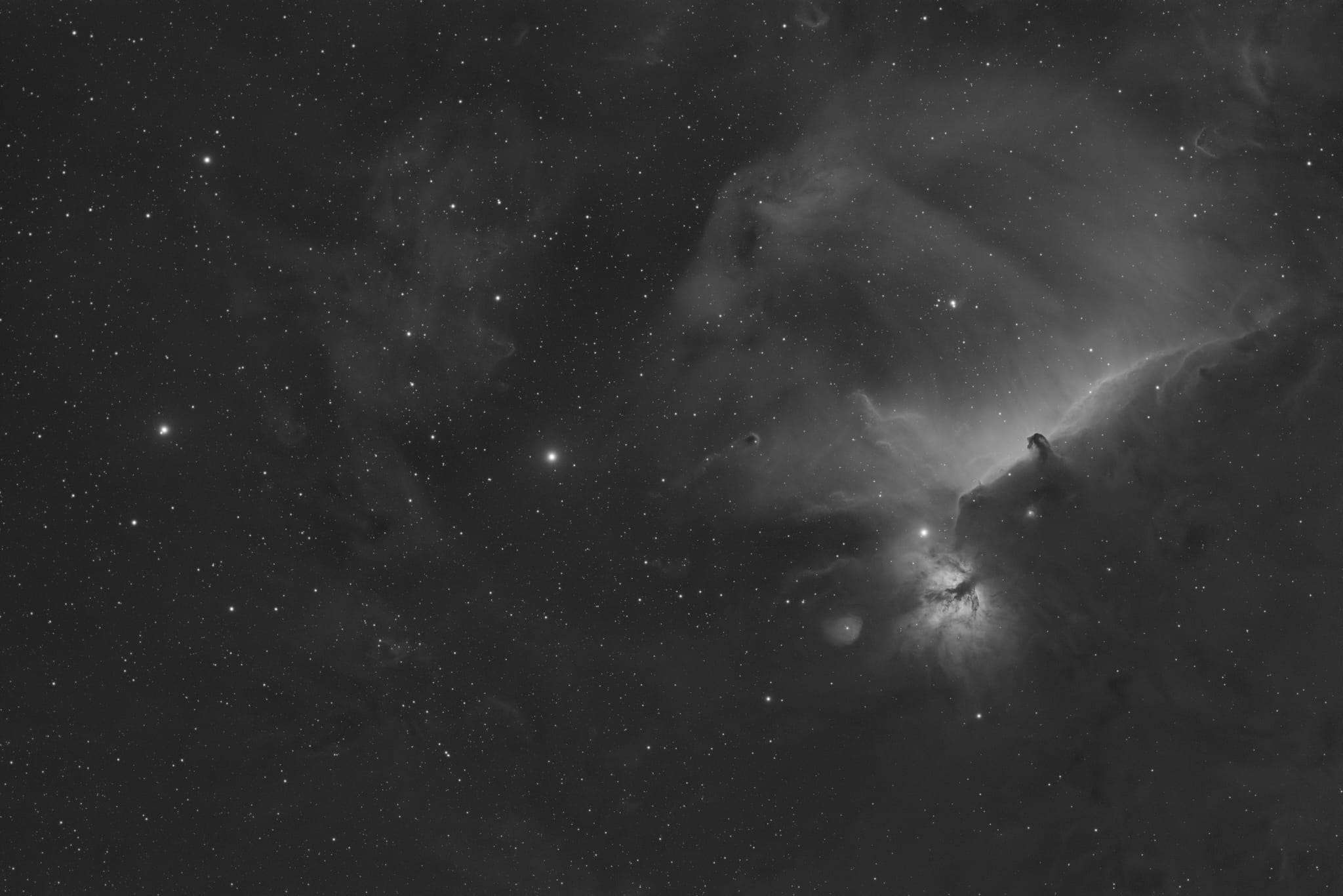
Orion’s belt by Danny Pearce
A stunning widefield view of Orion’s belt by Danny Pearce taken on the 28th Feb 2026. Danny used an Askar FRA400 on a HEQ5 mount with .7x reducer to give a FL of 280mm. The camera was a PlayerOne Poseidon-M mono (IMX571) and a Ha filter was used.
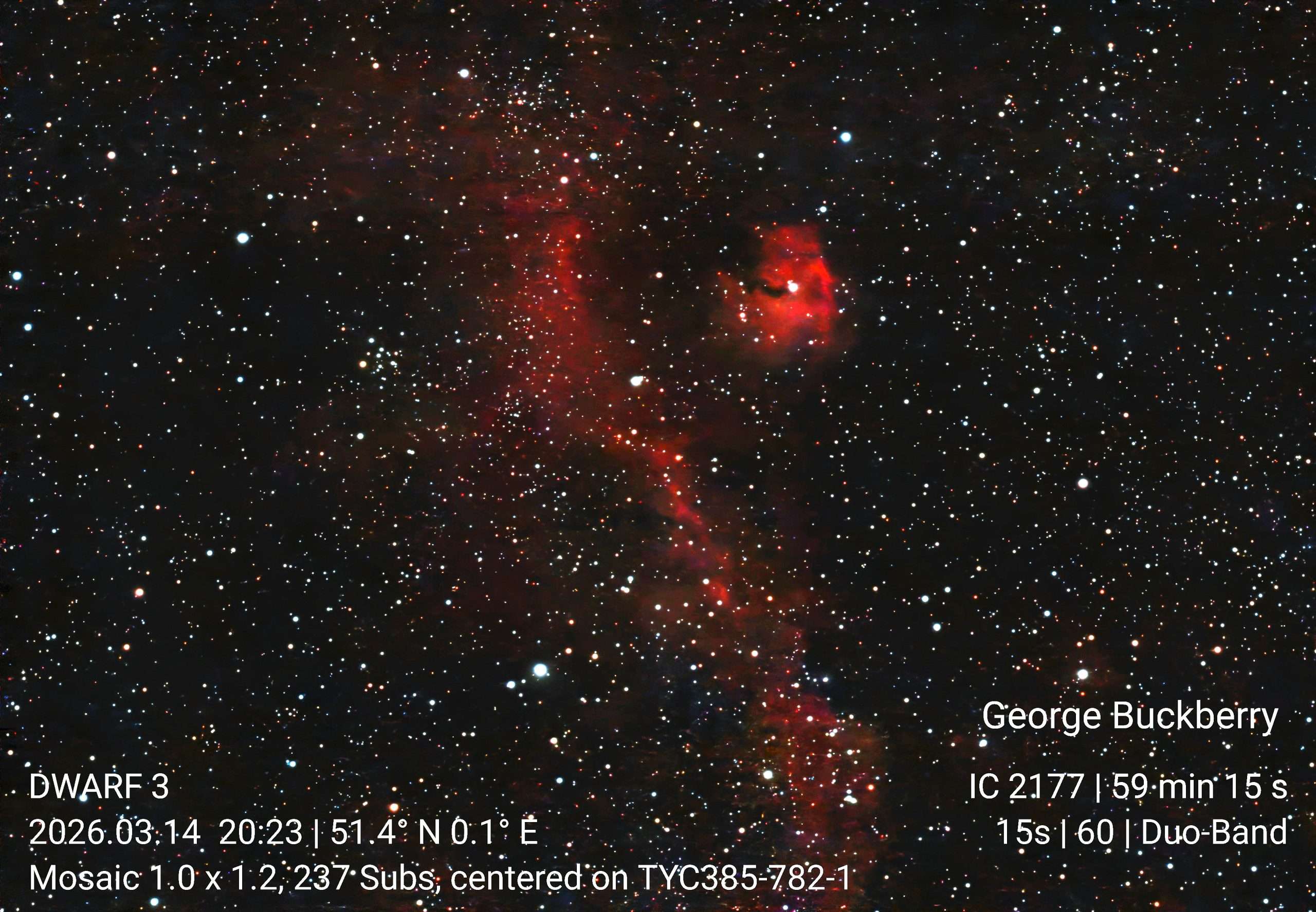
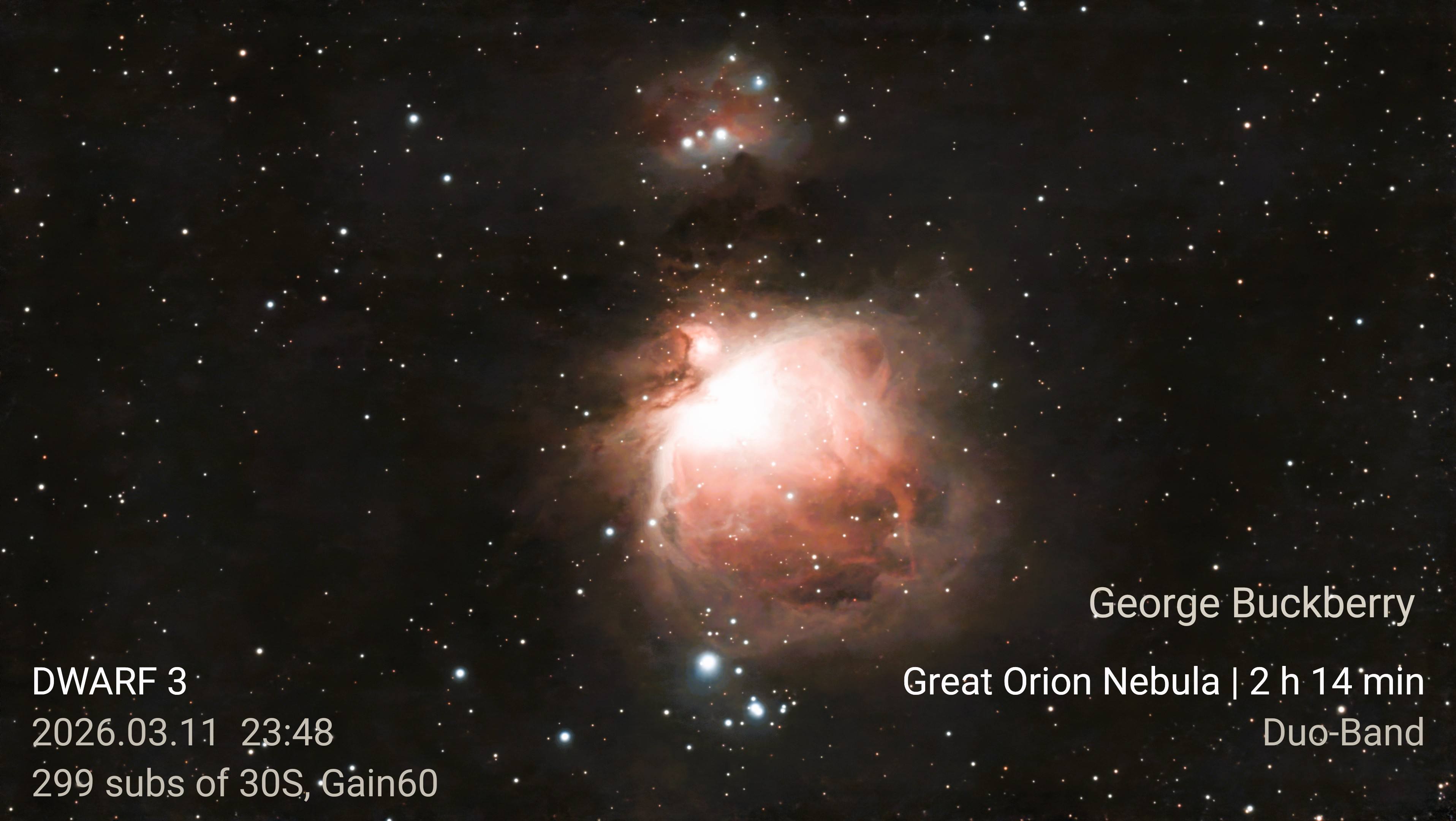
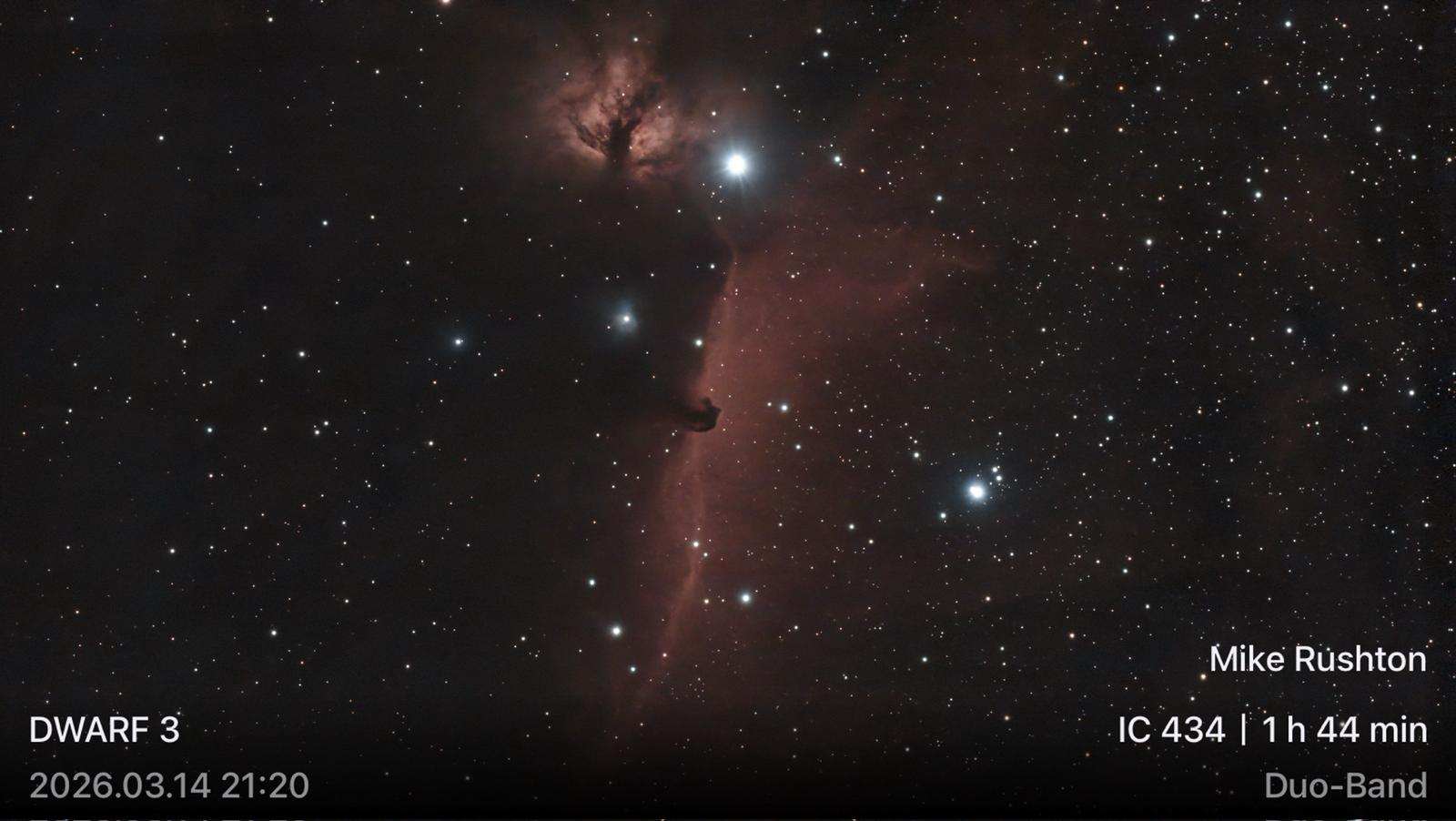
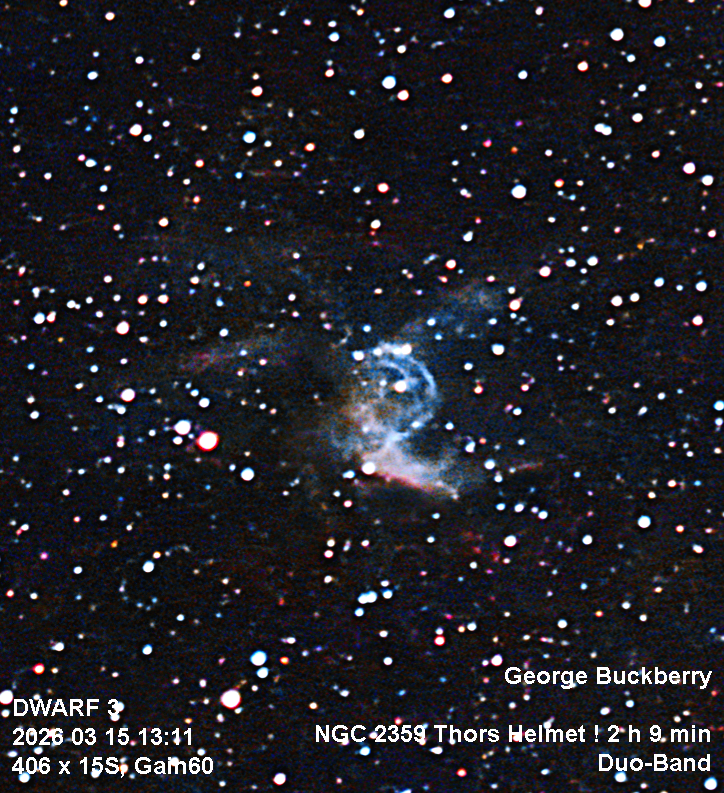
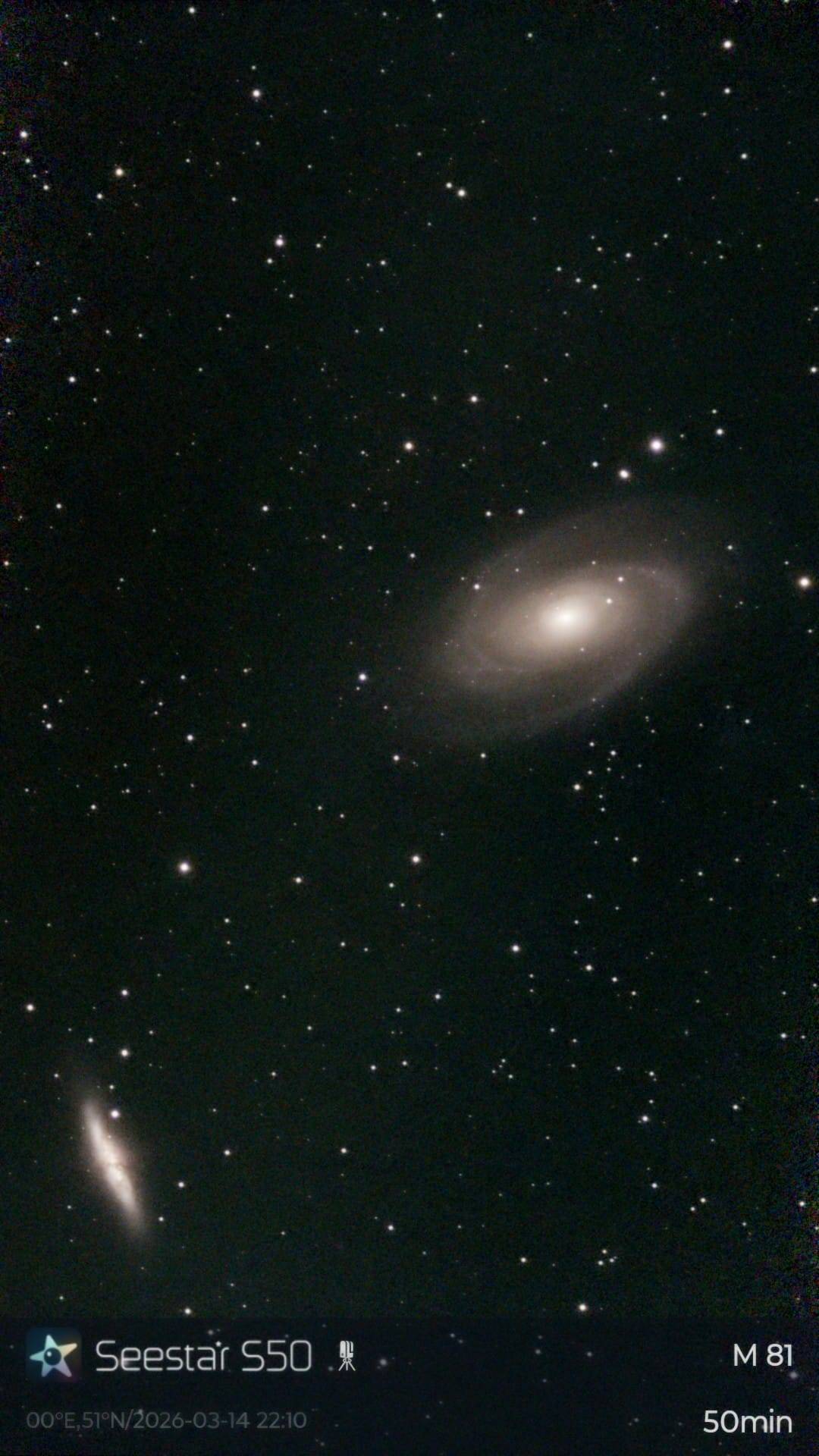
Latest deep sky images taken from the 11th to 15th March 2026
Here are the latest fantastic deep sky images from members taken from the 11th to the 15th March 2026.
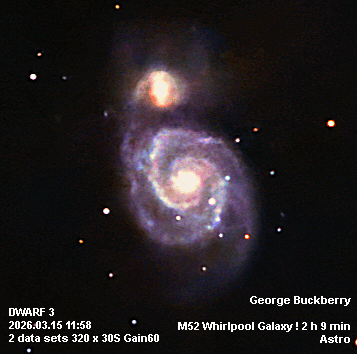
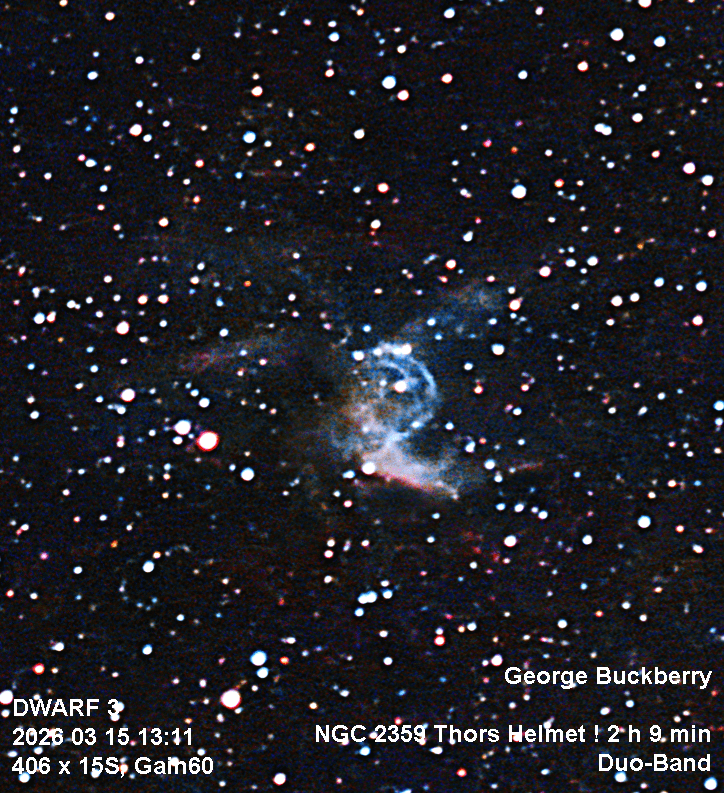
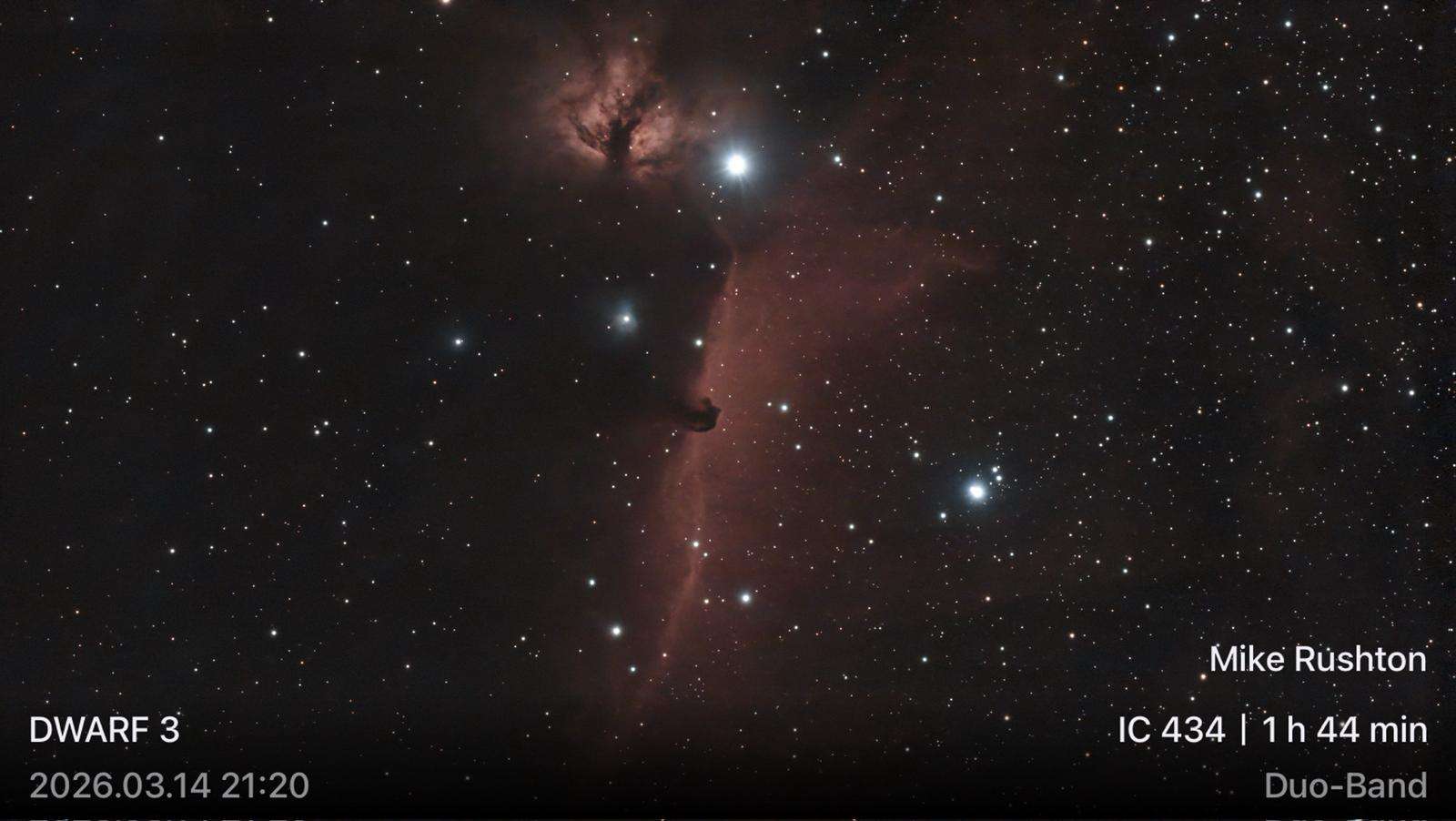
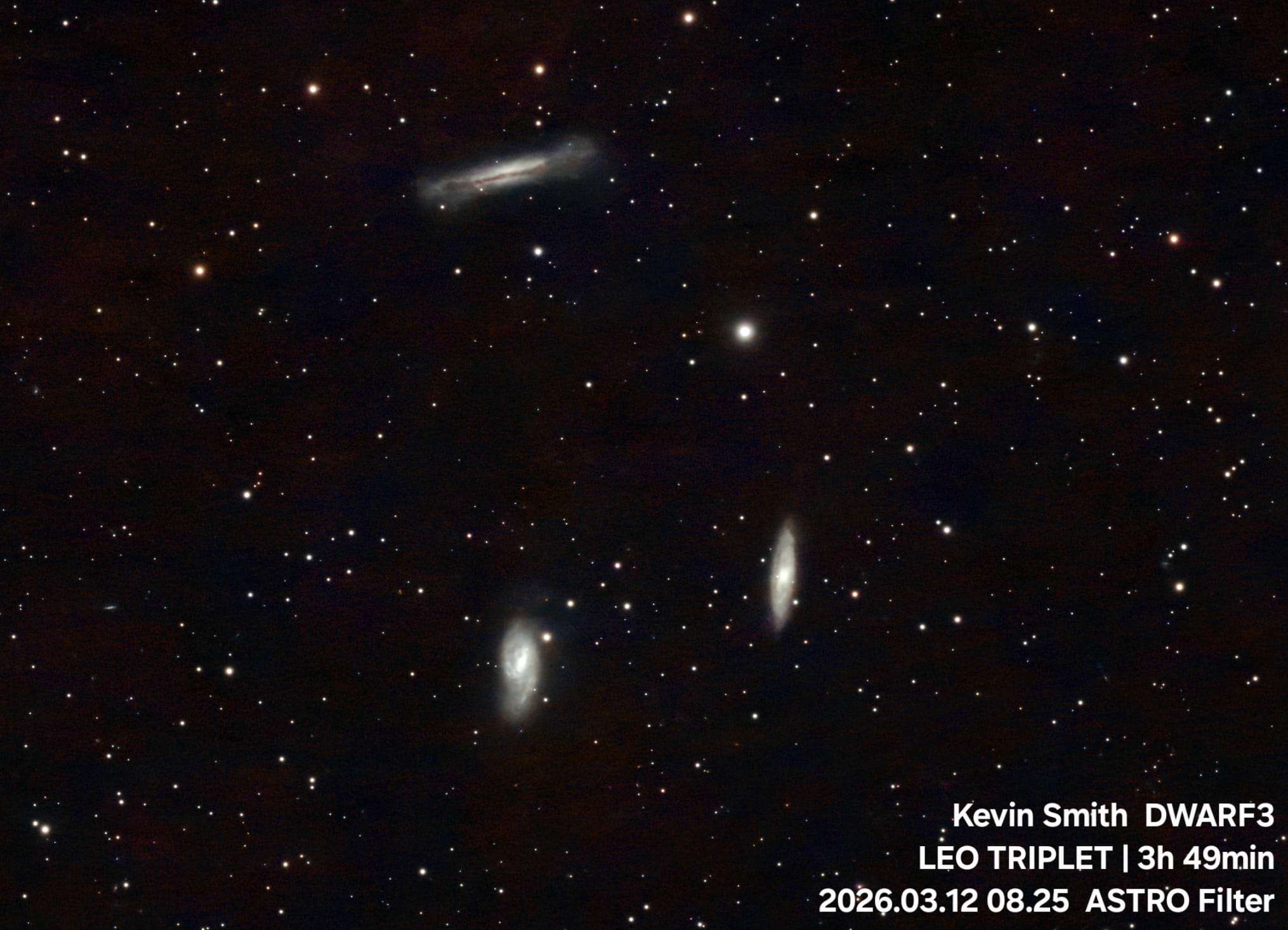
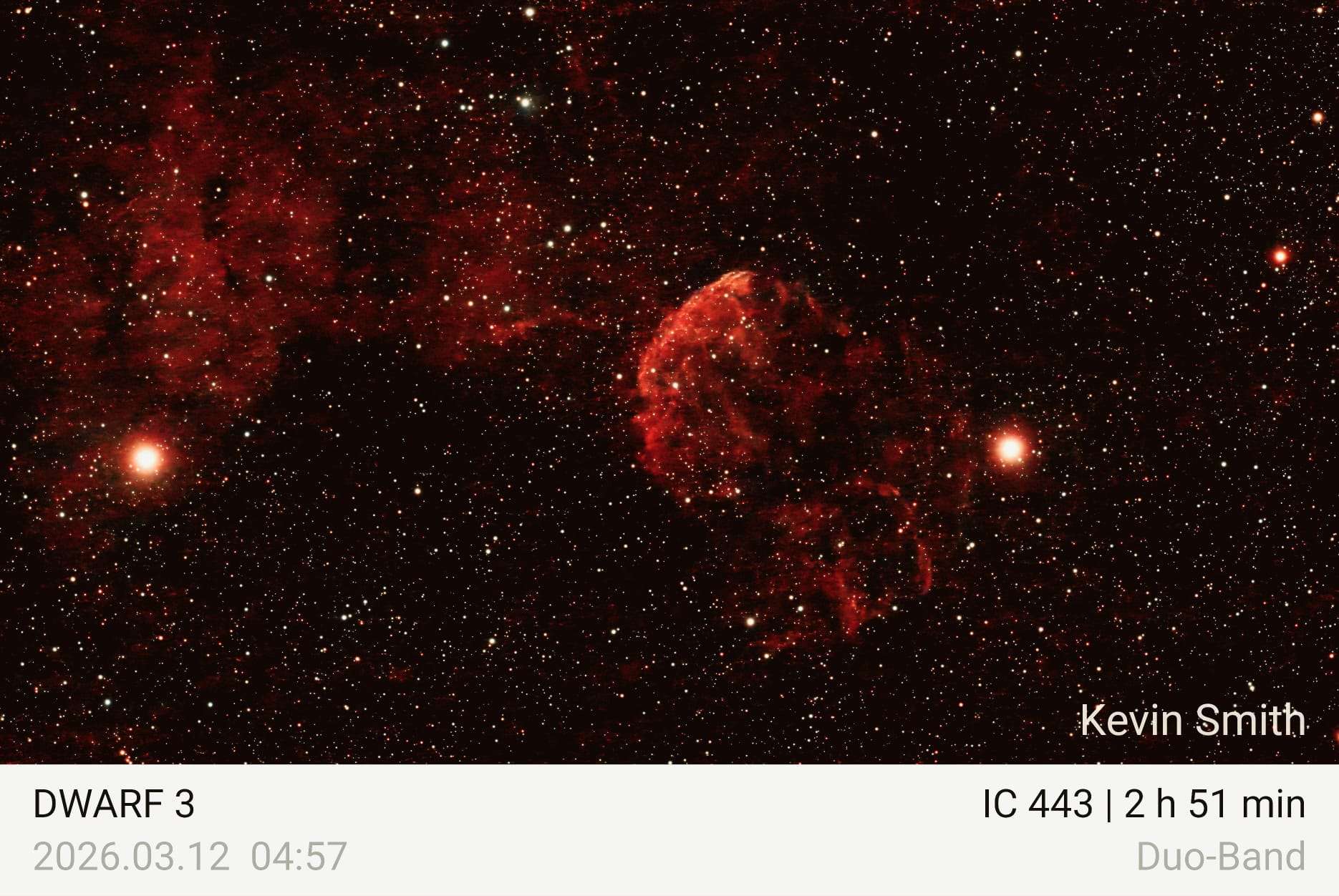
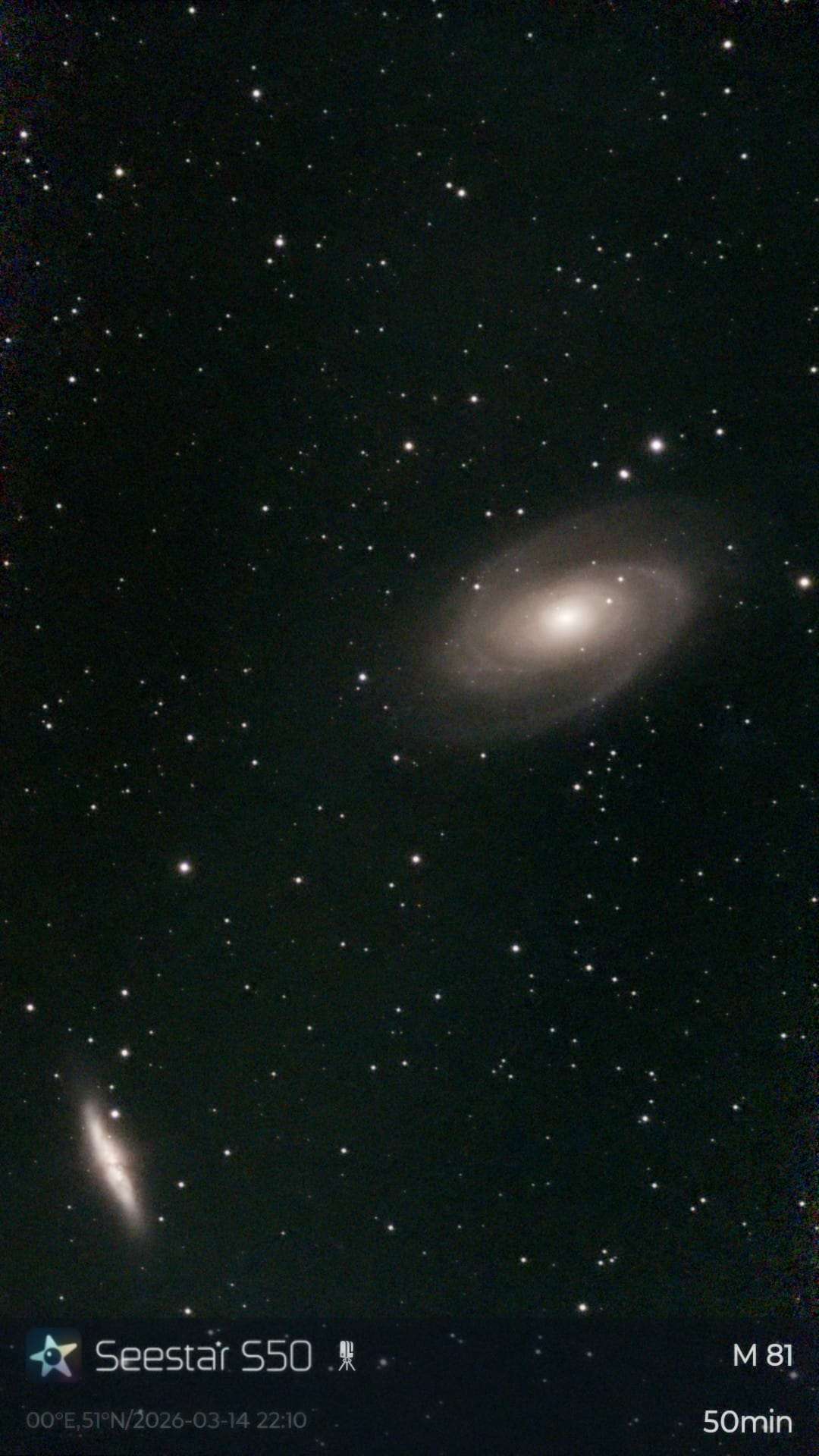
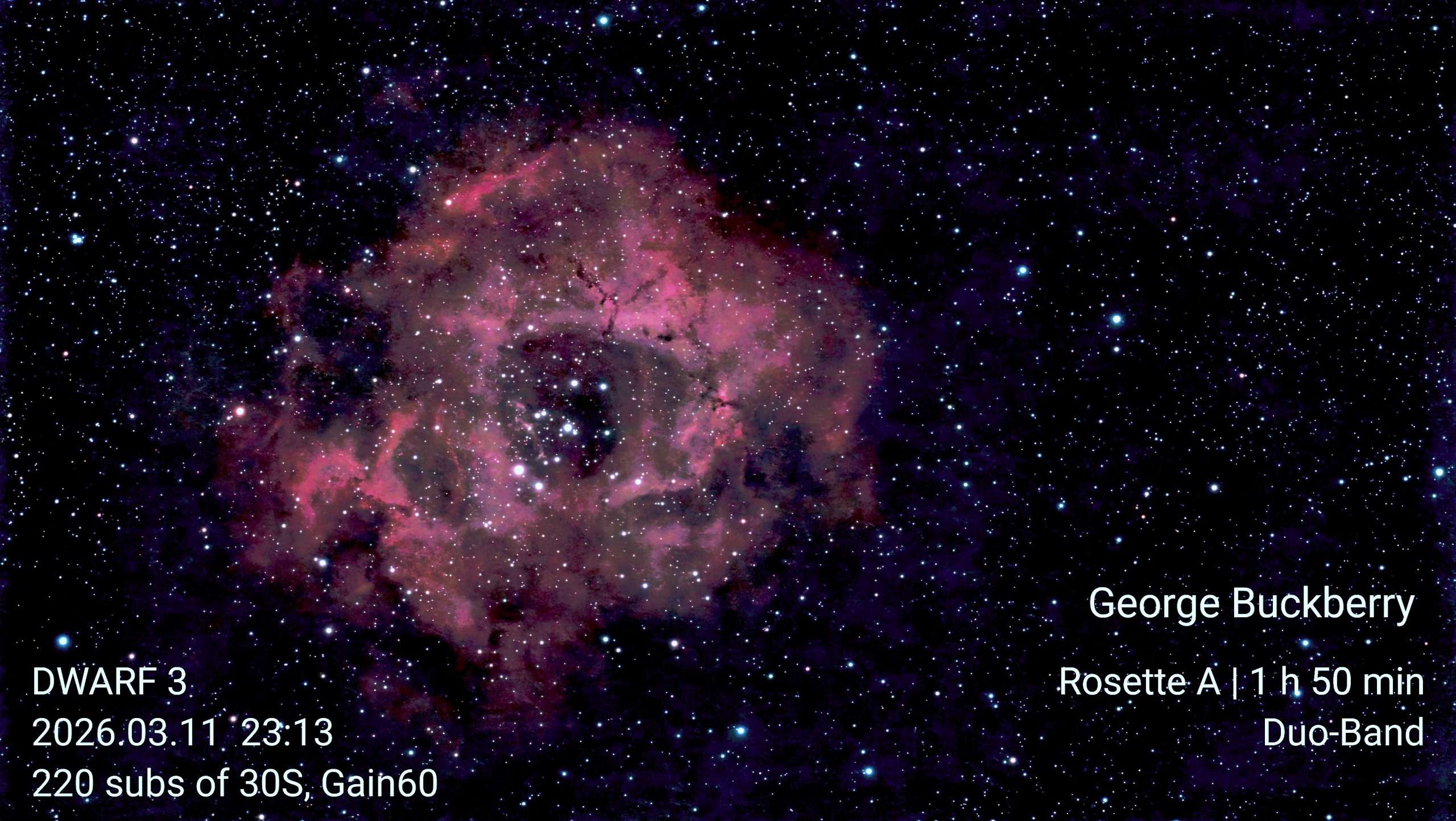
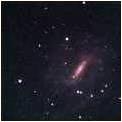
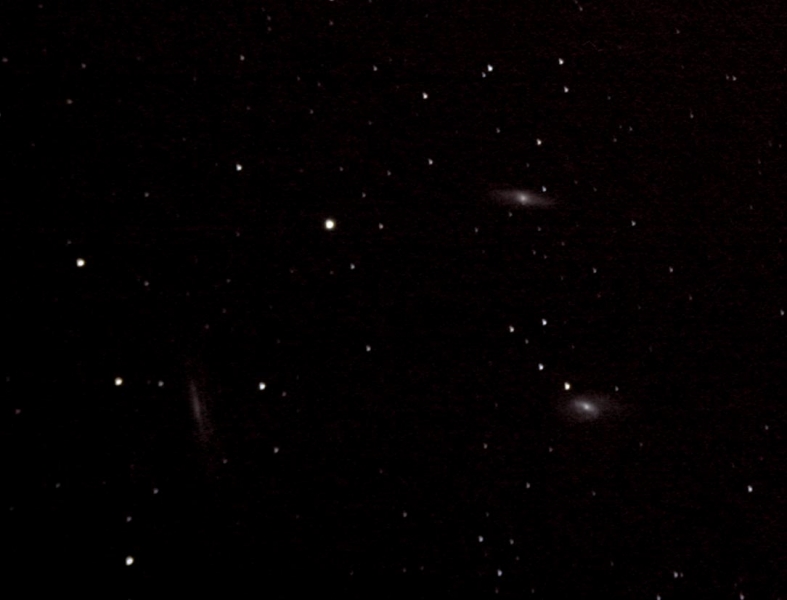
M81 (and M82) by Jim Burchell
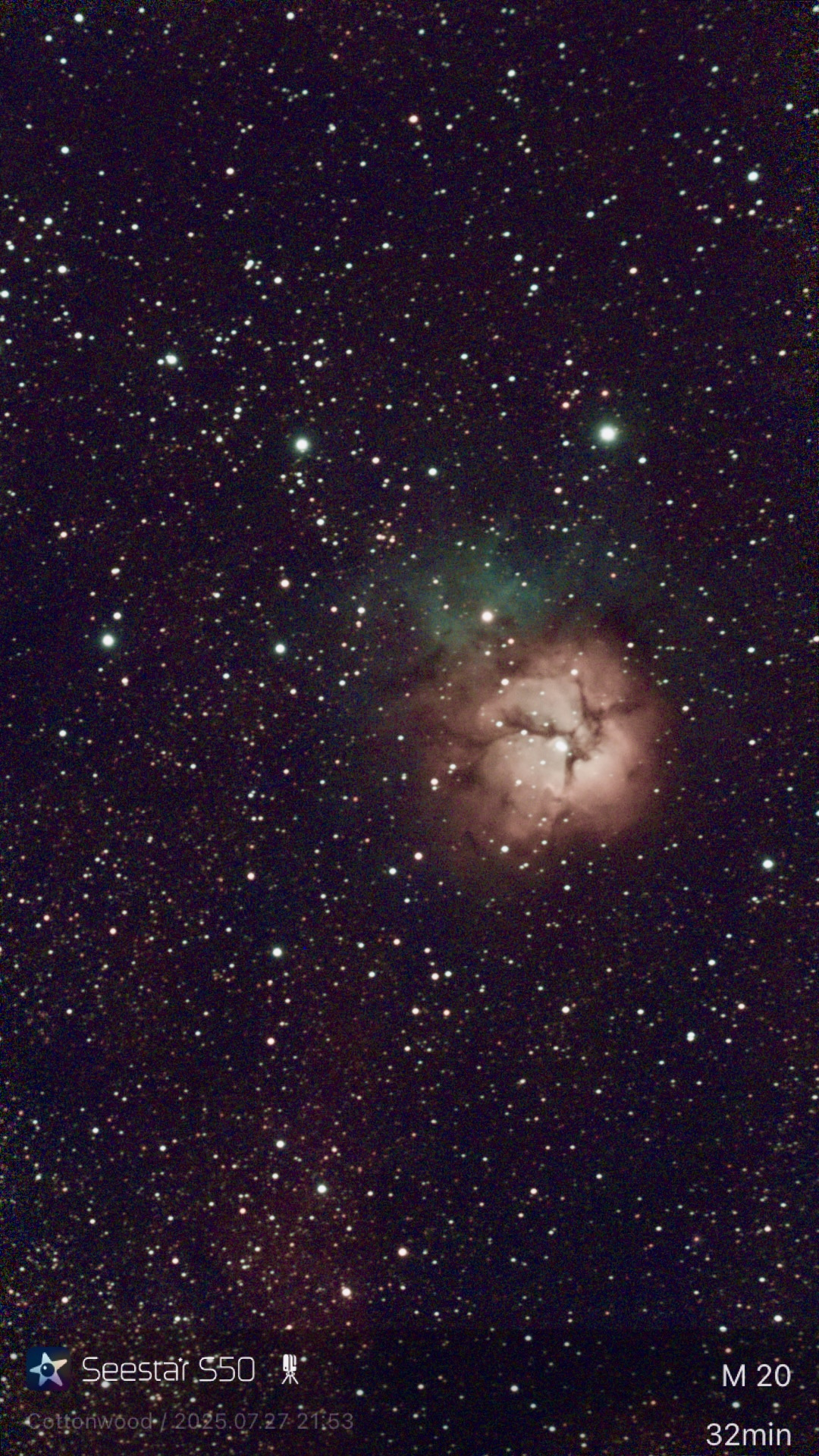
The Trifid Nebula by Richard Bohner
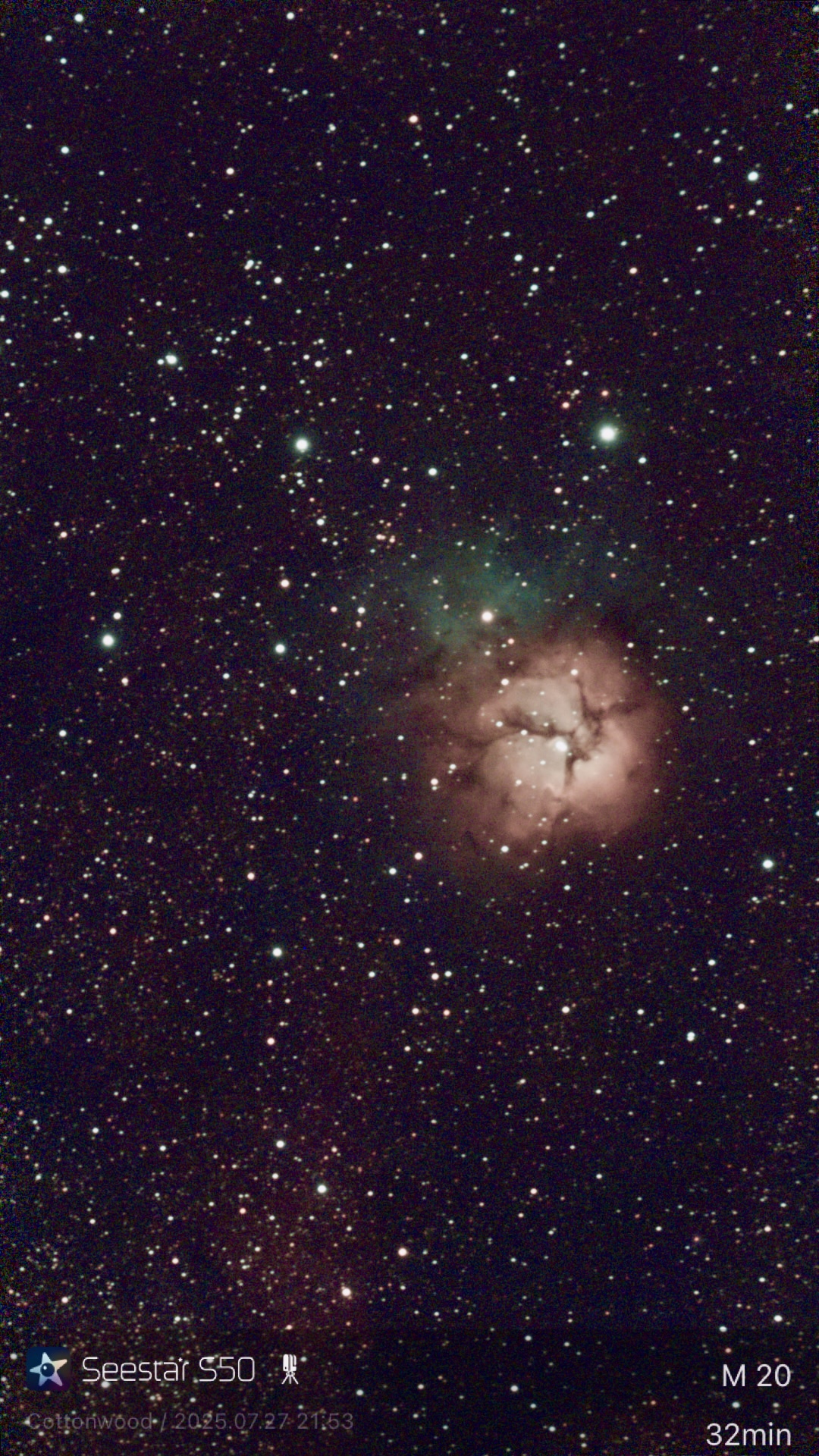
A fantastic image of the Trifid Nebula taken by Richard Bohner in July 2025 from Cottonwood in Arizona, USA.
Richard used a Seestar s50 smart scope to take the image.
The Trifid Nebula (catalogued as Messier 20 or M20 and as NGC 6514) is an H II region in the north-west of Sagittarius about 4100 light-years from Earth.
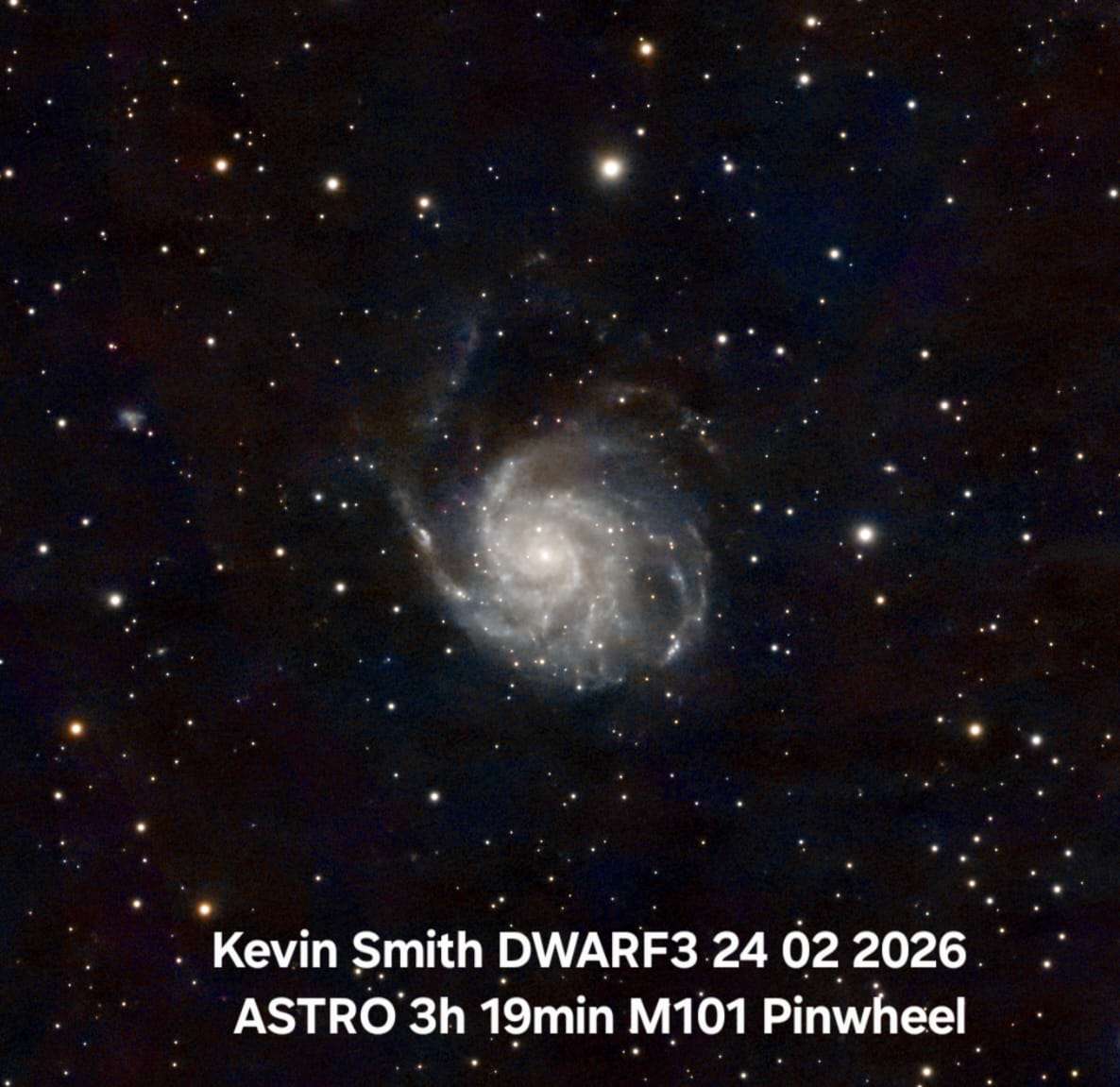
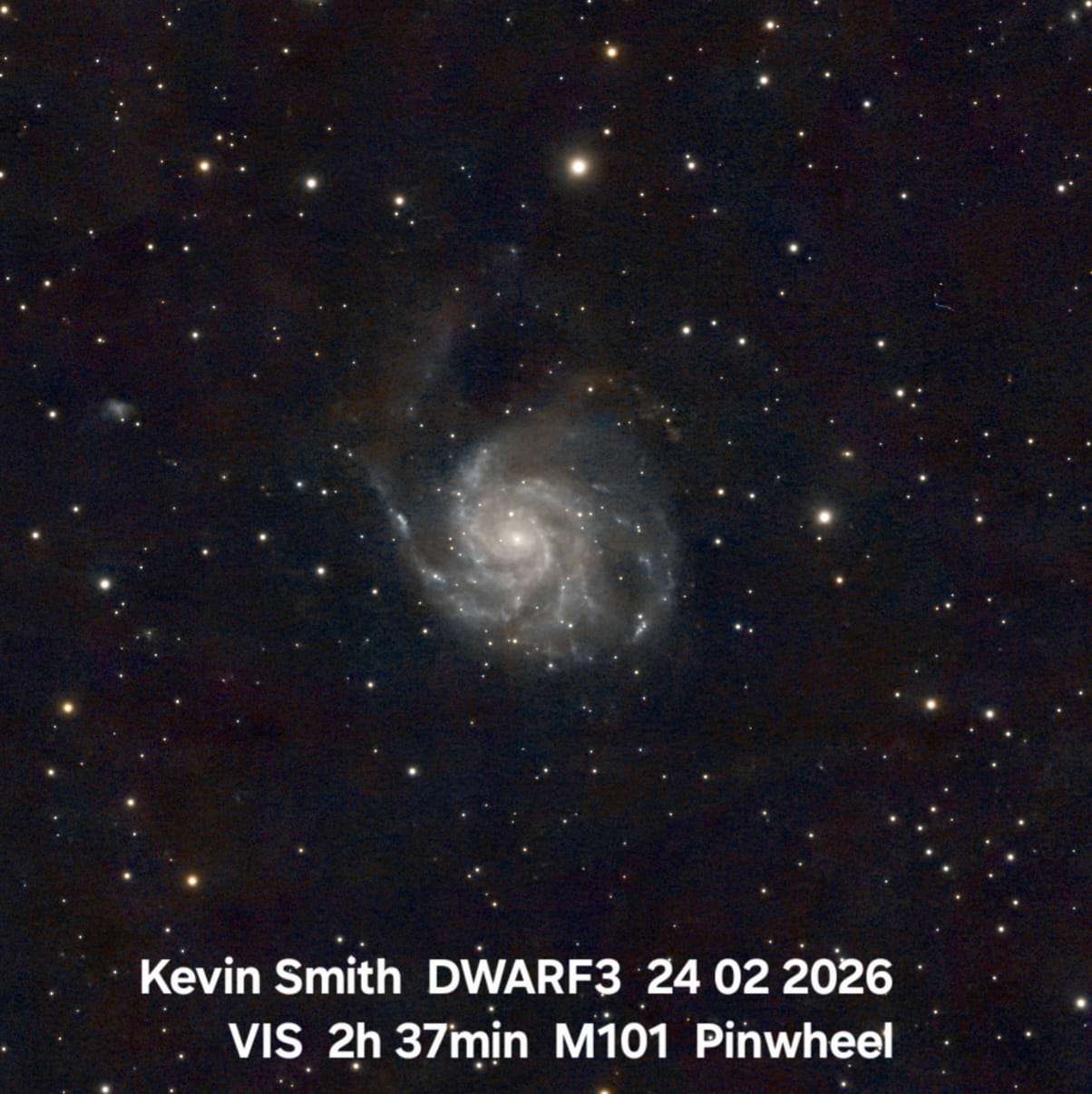
More deep sky images taken using a Dwarf3 smart scope
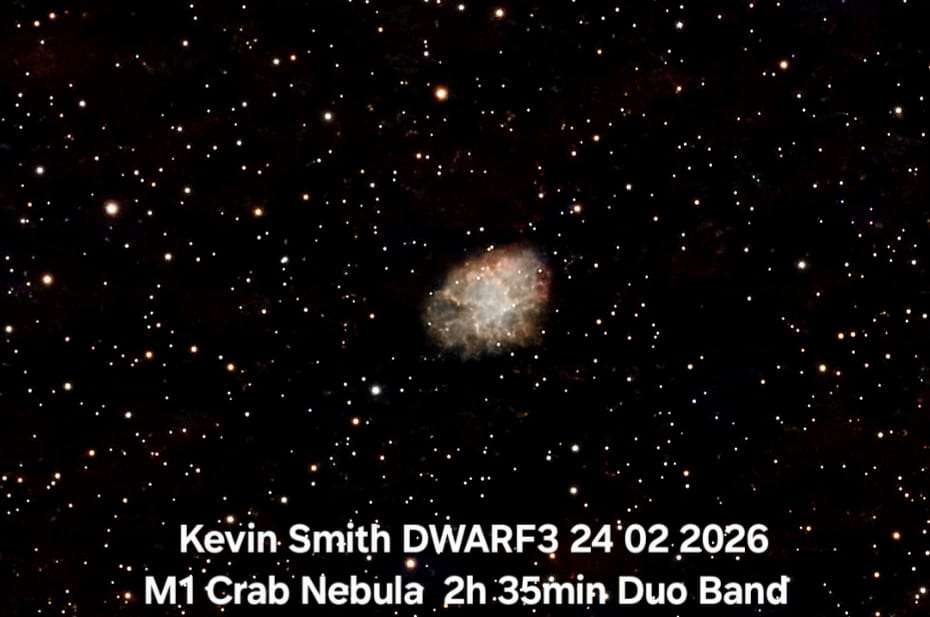
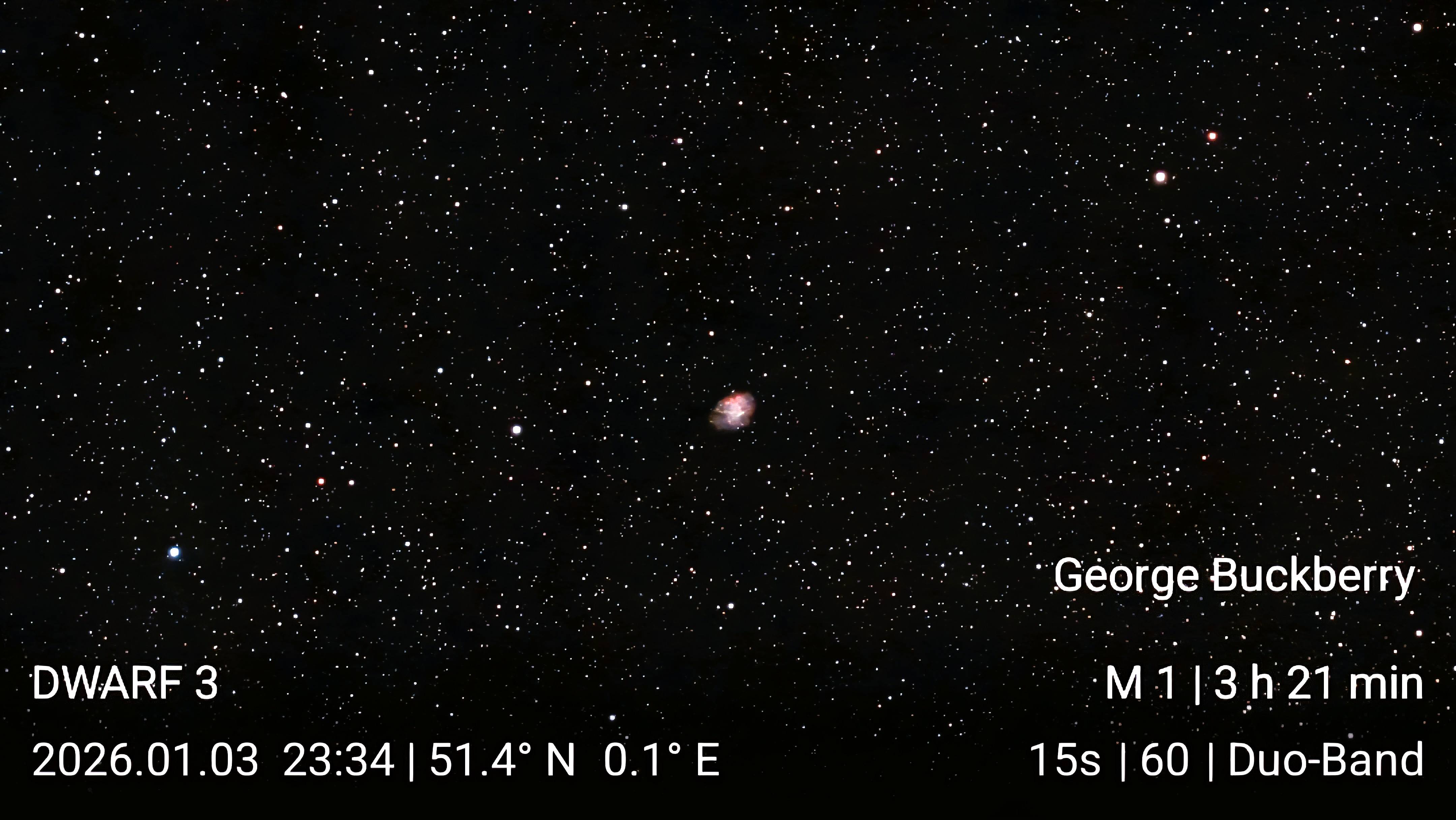
A super selection of deep sky images taken by member George Buckberry using a Dwarf3 smart scope on the 3rd & 5th January 2026.
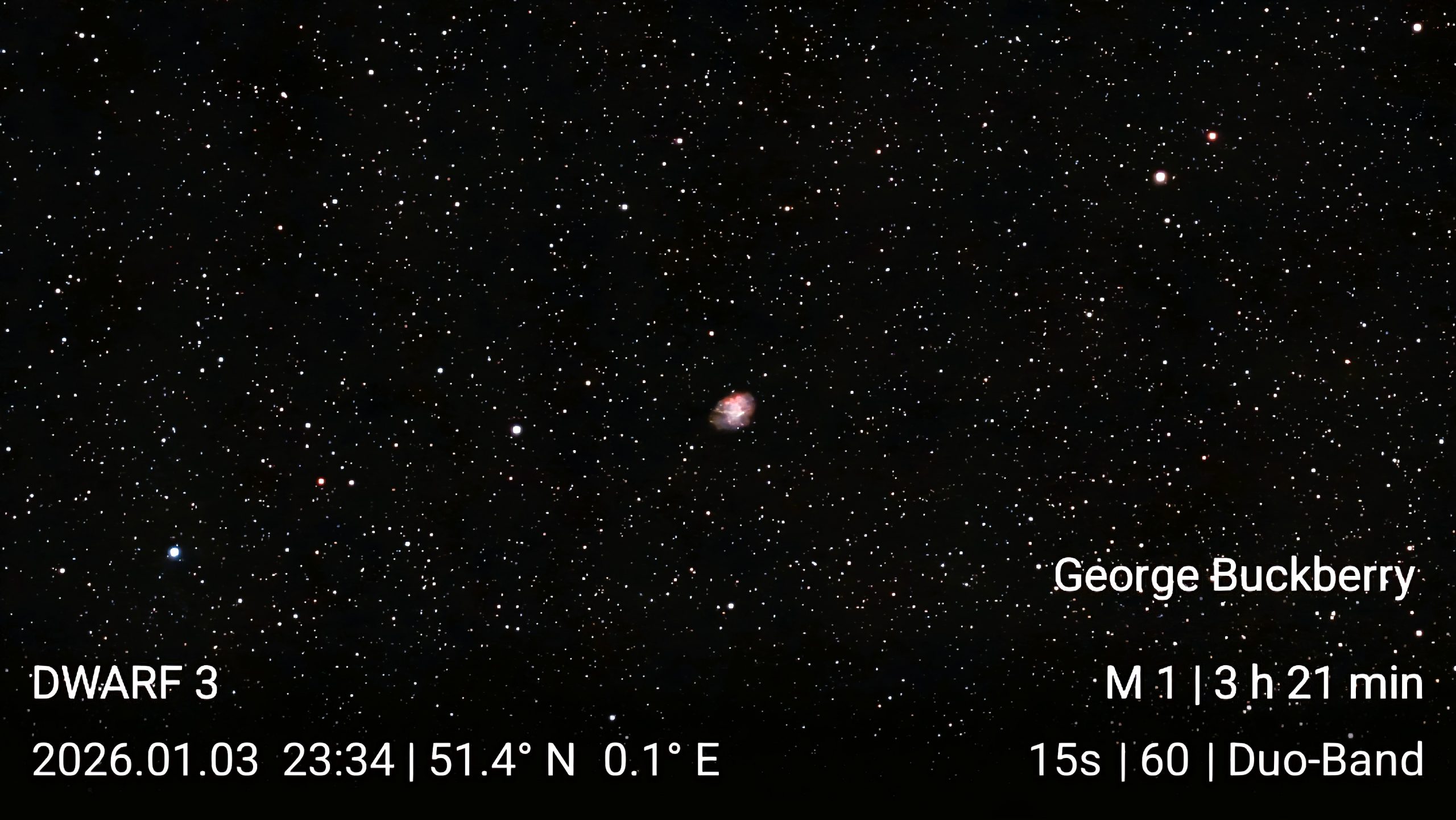
The Crab Nebula (catalogue designations M1, NGC 1952, Taurus A) is a supernova remnant and pulsar wind nebula in the constellation of Taurus. Ref:https://en.wikipedia.org/wiki/Crab_Nebula
A close up of the Crab Nebula.
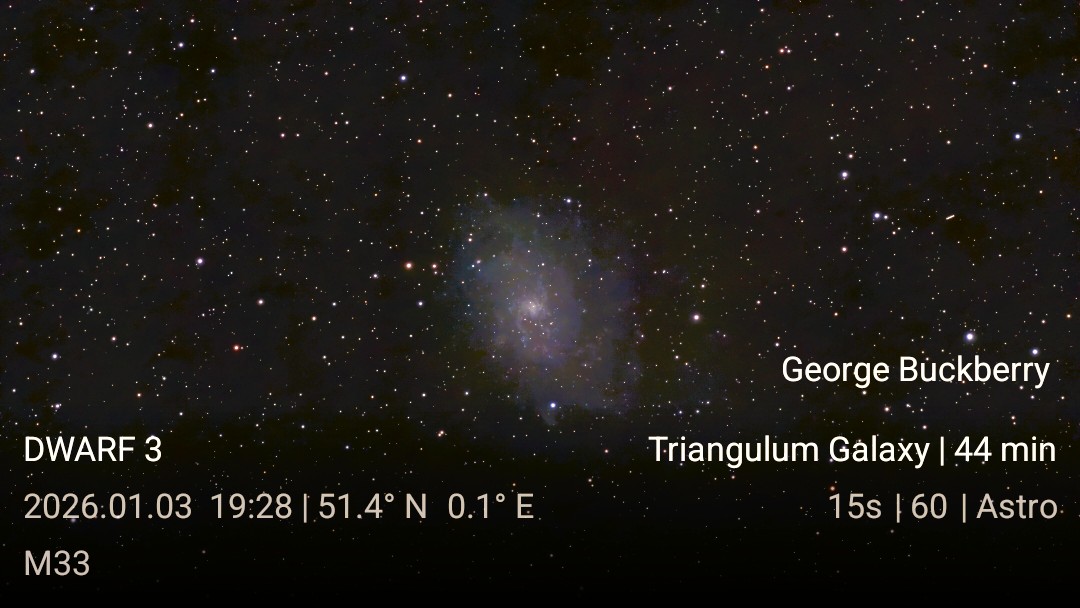
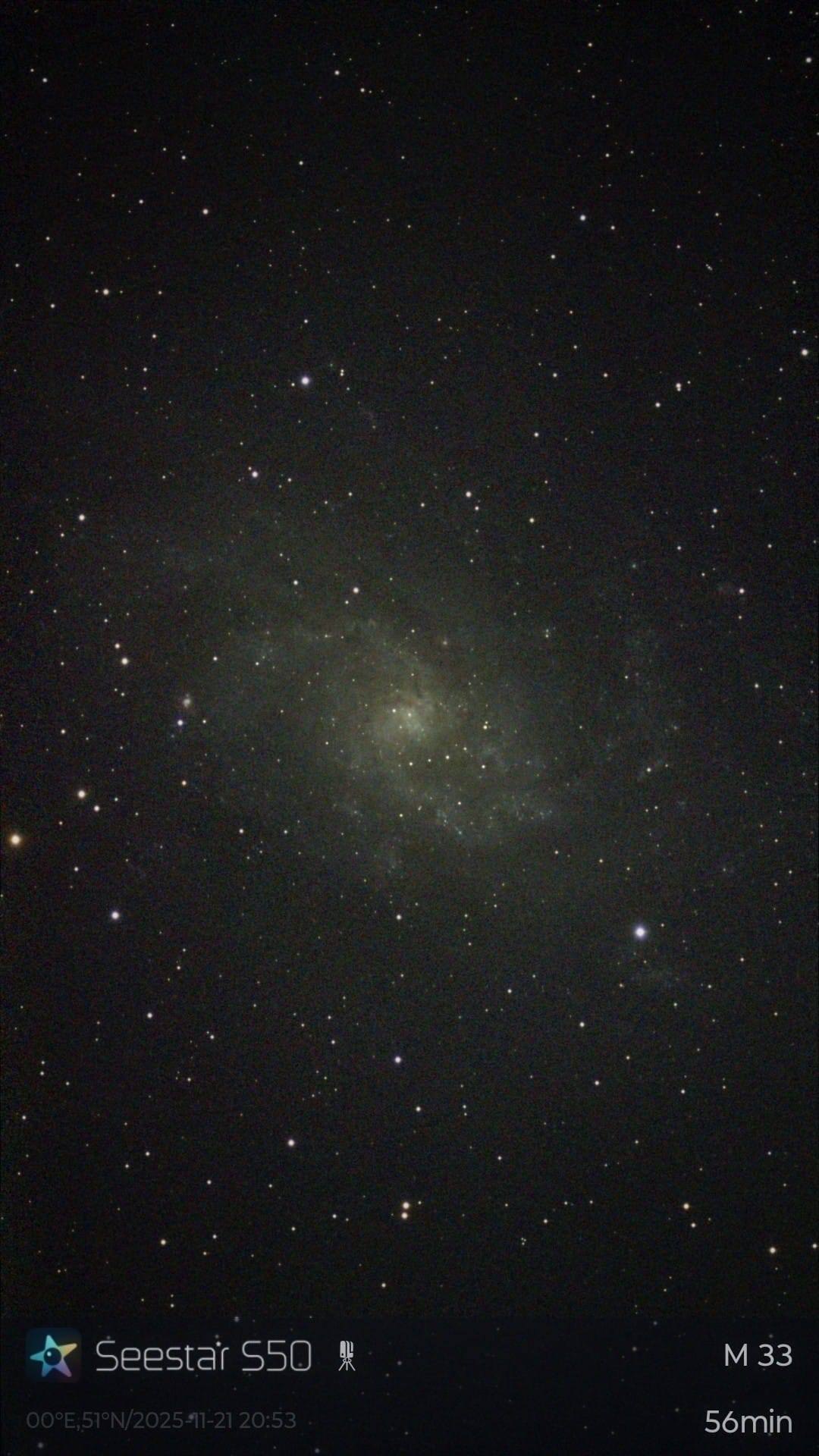
The Triangulum Galaxy is a spiral galaxy 2.878 million light-years (ly) from Earth in the constellation Triangulum. It is catalogued as Messier 33 or NGC 598. The Triangulum Galaxy is the third-largest member of the Local Group of galaxies, behind the Andromeda Galaxy and the Milky Way. Ref:https://en.wikipedia.org/wiki/Triangulum_Galaxy
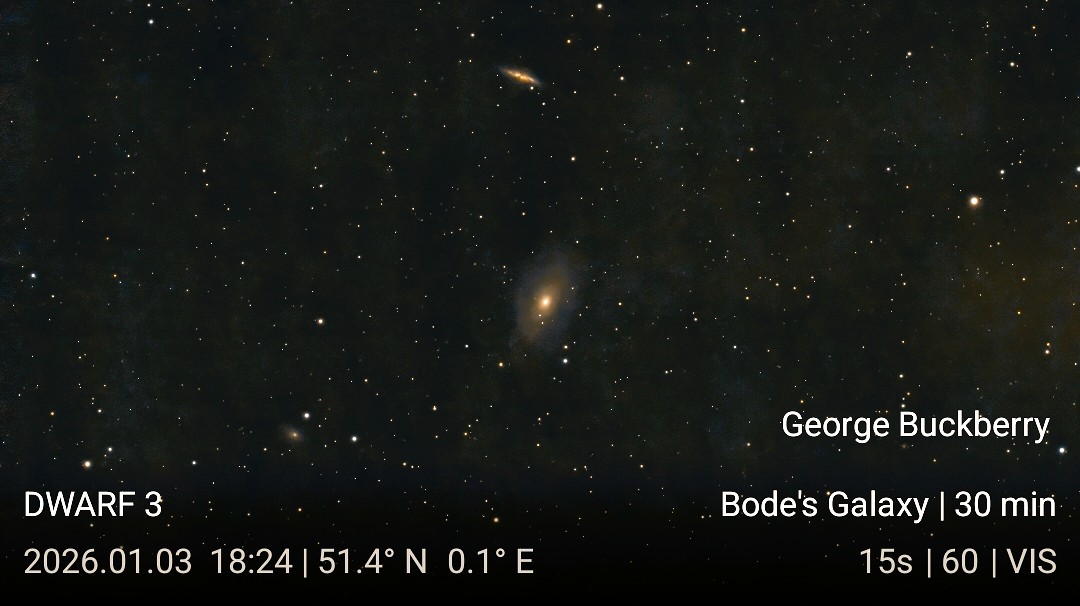
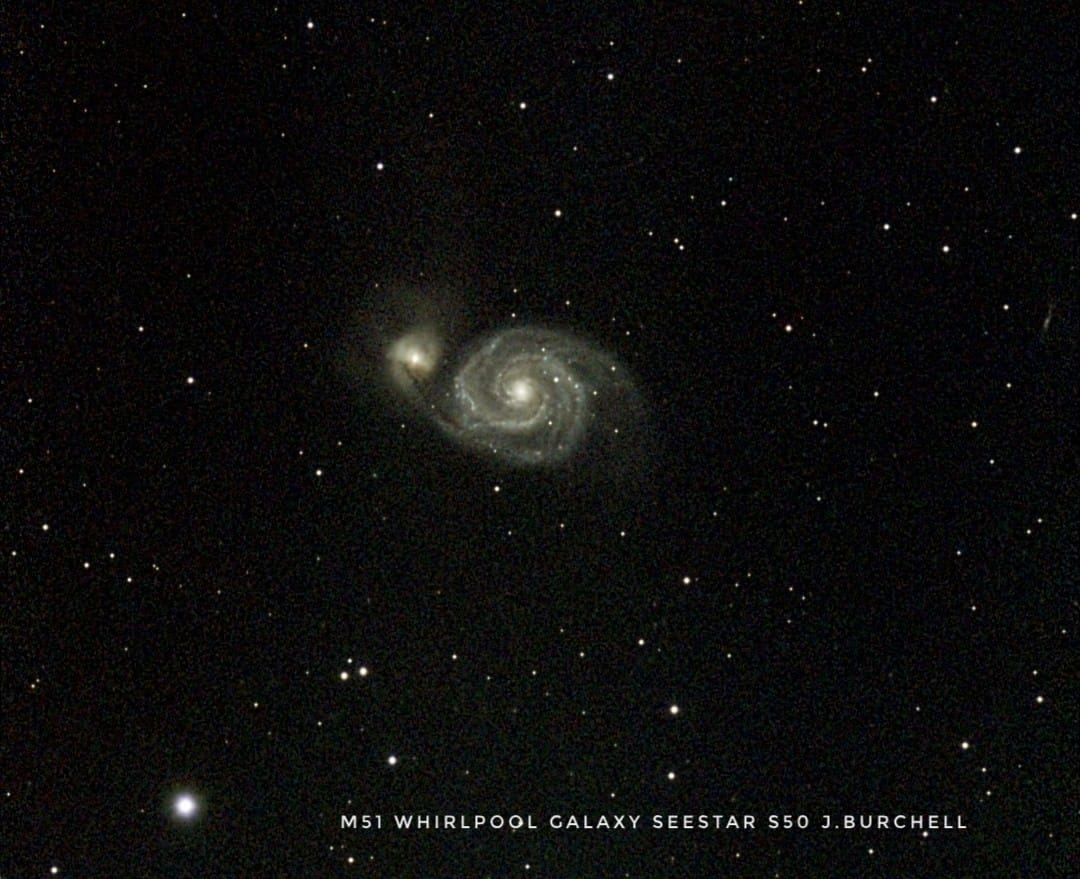
Bode’s Galaxy (also known as NGC 3031 or Messier 81) is a grand design spiral galaxy about 12 million light-years away in the constellation Ursa Major. Ref:https://en.wikipedia.org/wiki/Messier_81
The galaxy above it (centre top of image) is the Cigar Galaxy also known as Messier 82.
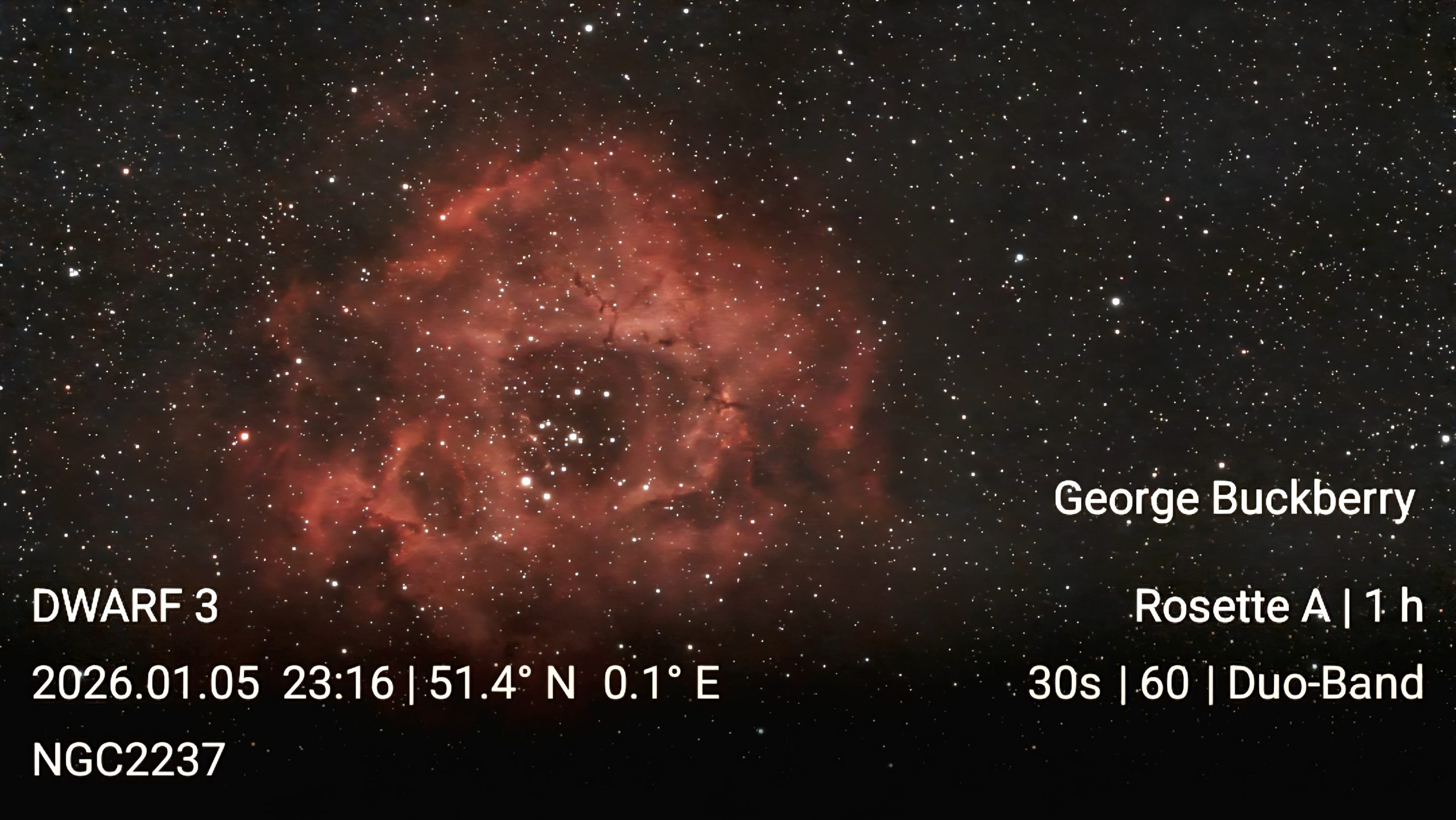
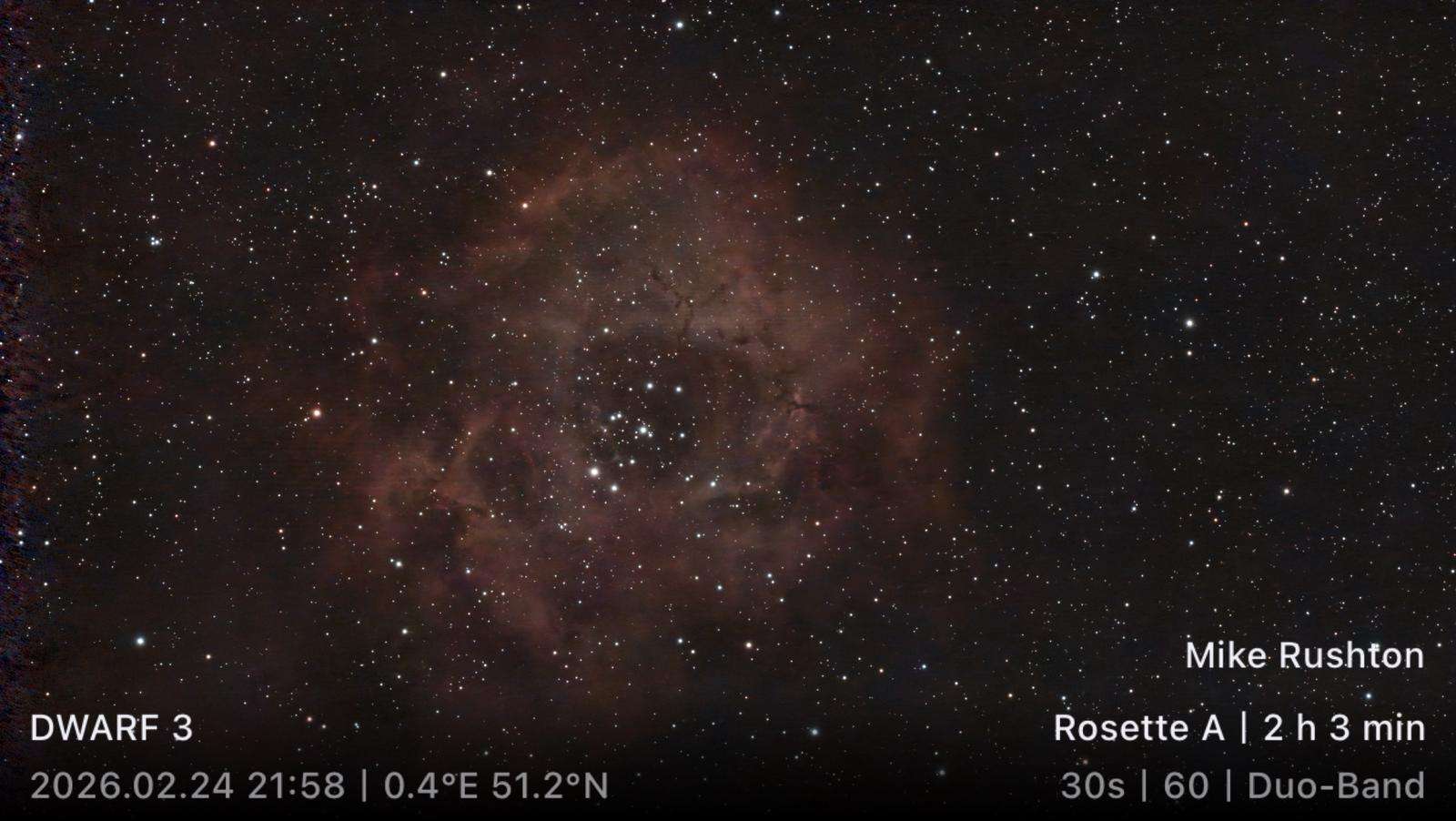
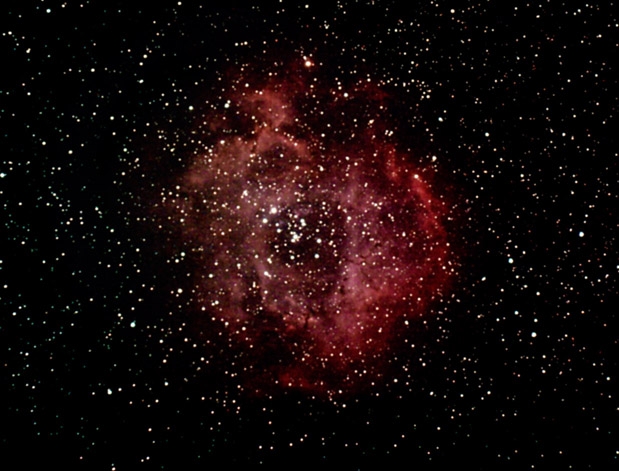
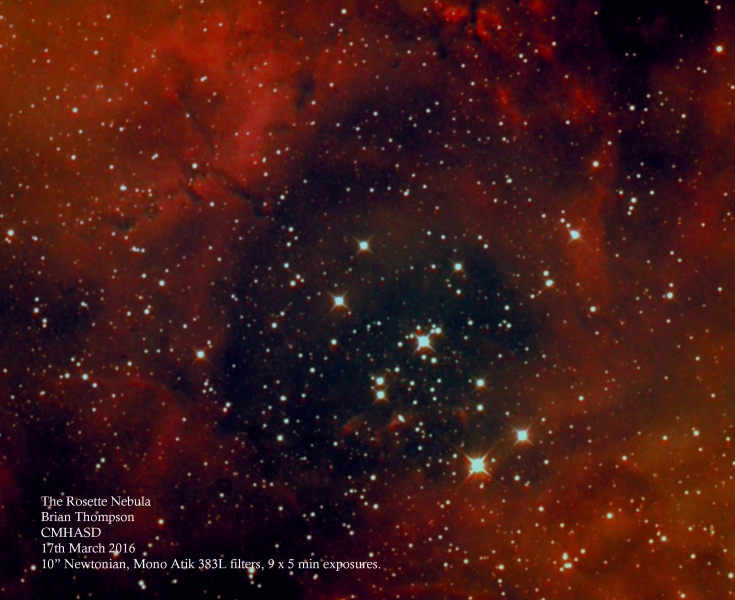
The Rosette Nebula (also known as Caldwell 49) is an H II region located near one end of a giant molecular cloud in the Monoceros region of the Milky Way Galaxy. Ref: https://en.wikipedia.org/wiki/Rosette_Nebula
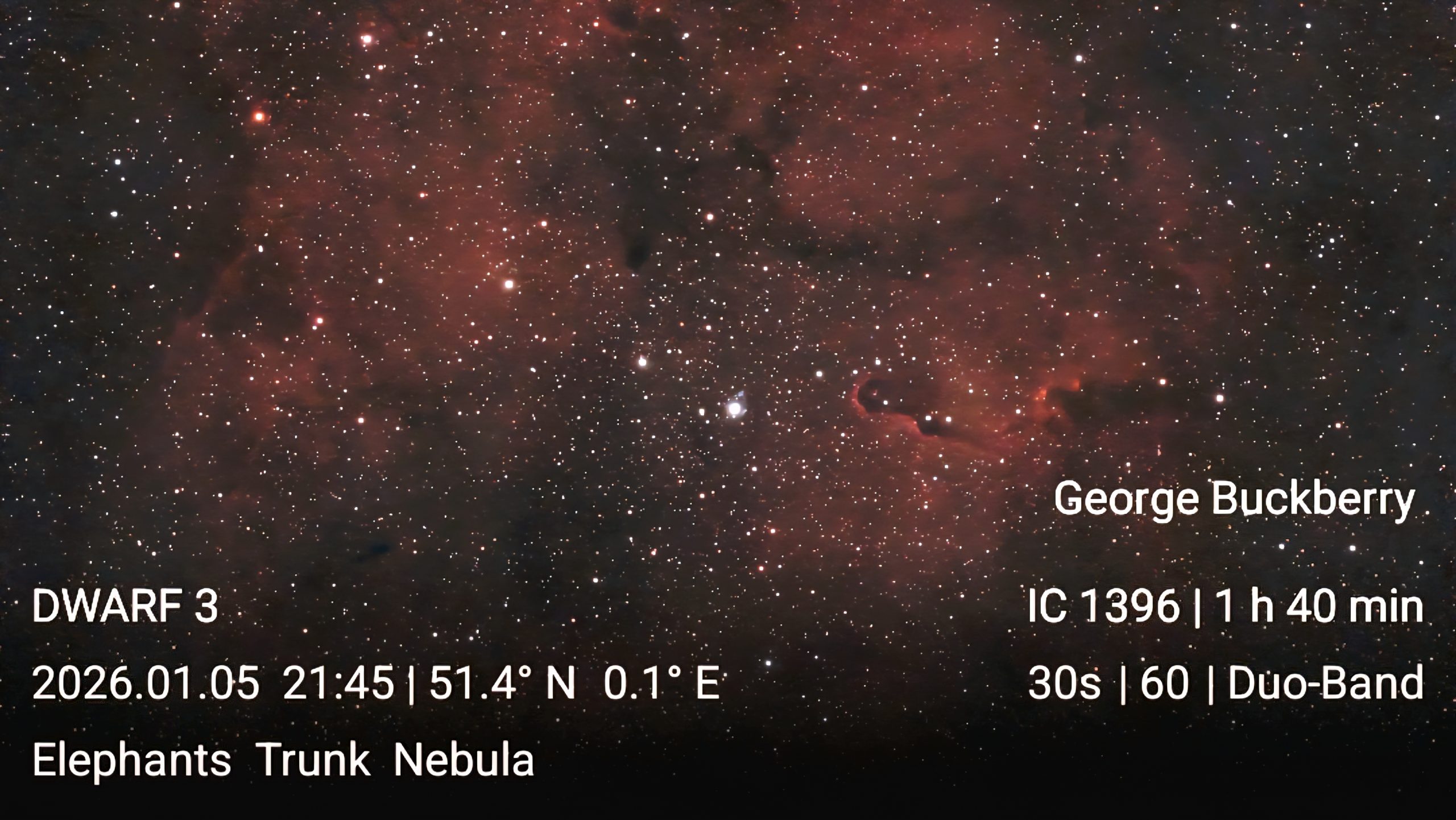
The Elephant’s Trunk Nebula (IC 1396A) is a concentration of interstellar gas and dust within the much larger ionized gas region IC 1396 located in the constellation Cepheus about 2,400 light-years away from Earth. Ref:https://en.wikipedia.org/wiki/Elephant%27s_Trunk_Nebula
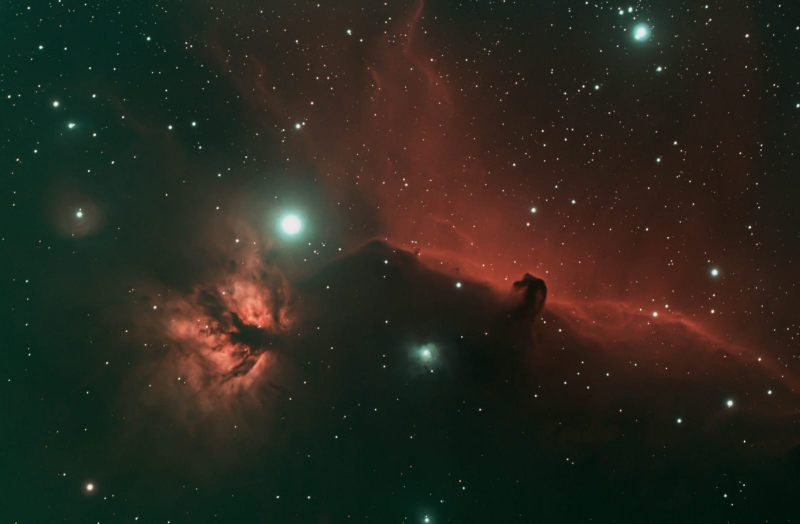
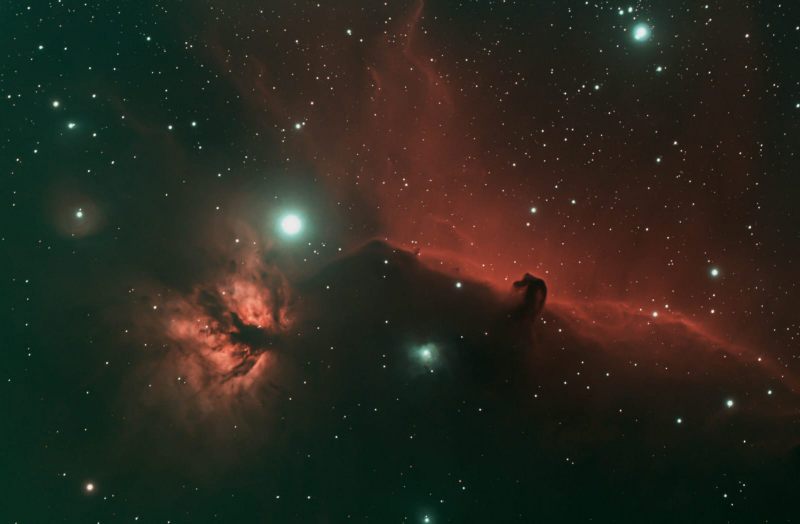
The Horsehead and Flame Nebula
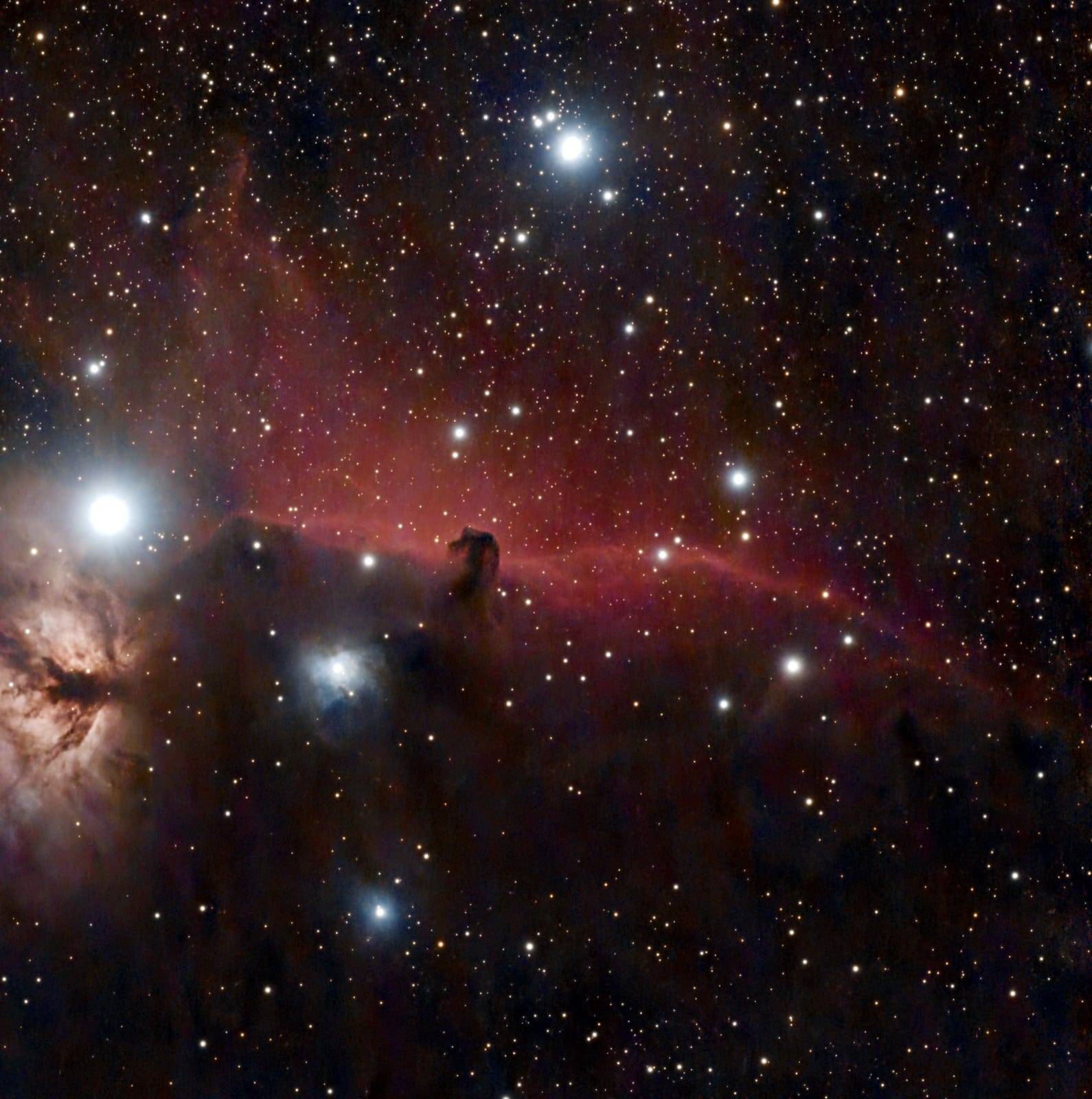
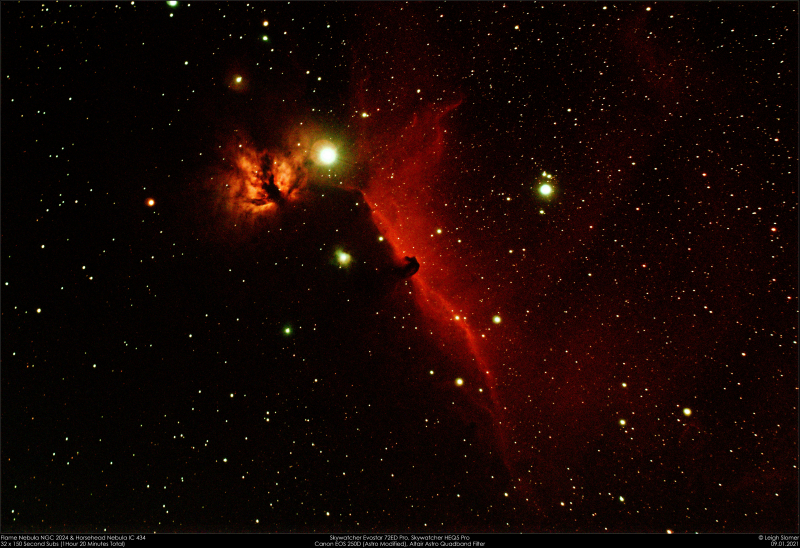
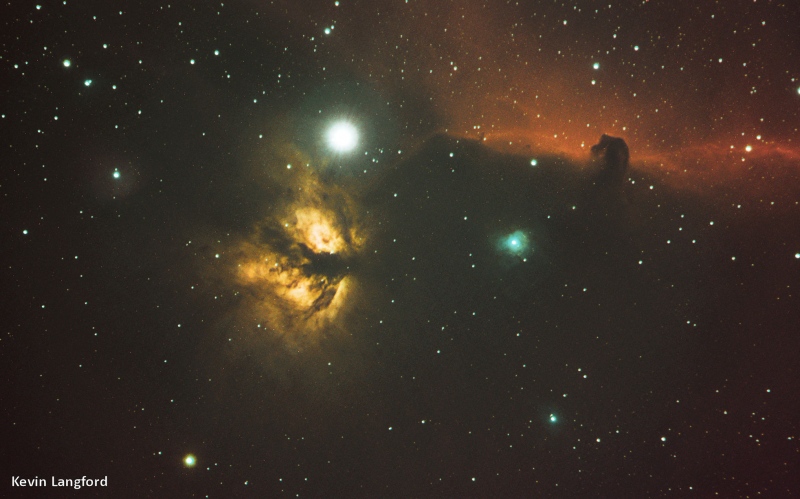
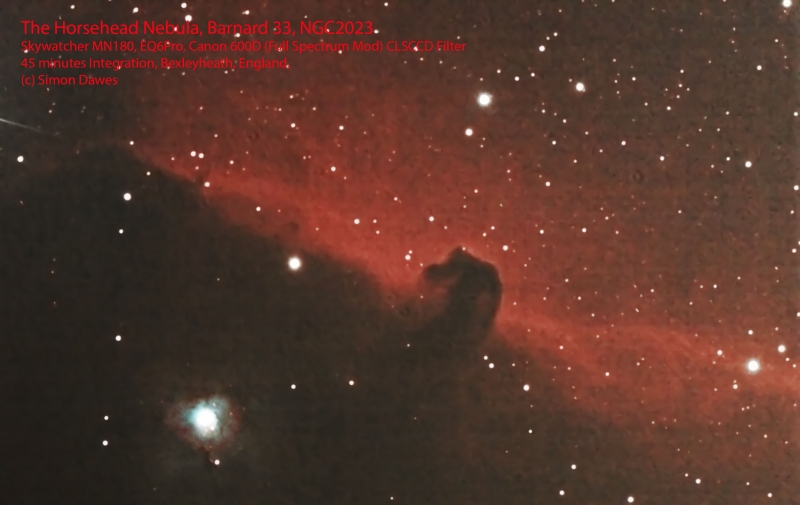
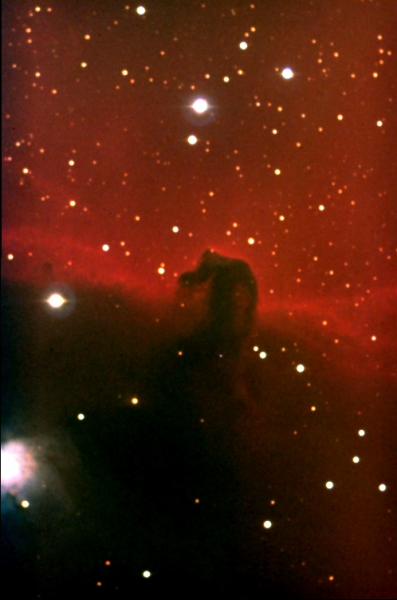
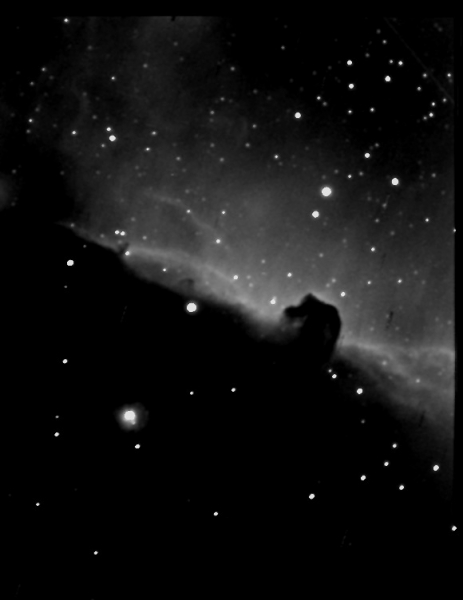
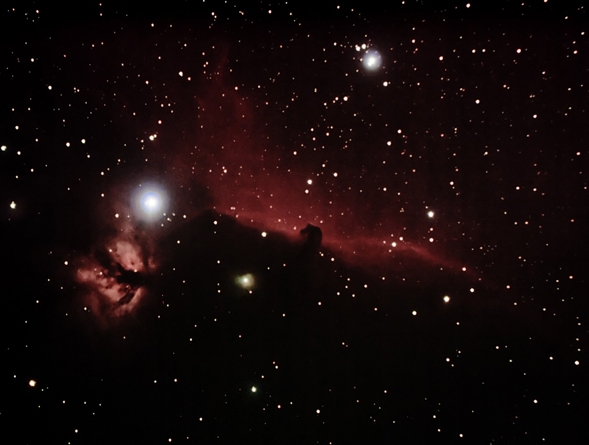
Below are 2 images of the Horsehead Nebula and Flame Nebula taken by member George Buckberry. The 1st on the 31st Dec 2025 having only 17mins and 45 seconds of total exposure and the 2nd on the 1st Jan 2026 having 1 hour and 15mins total exposure; both taken using a Dwarf3 smart scope. The Horsehead Nebula is located in the centre of the images and the Flame nebula is located at the top middle of the images.
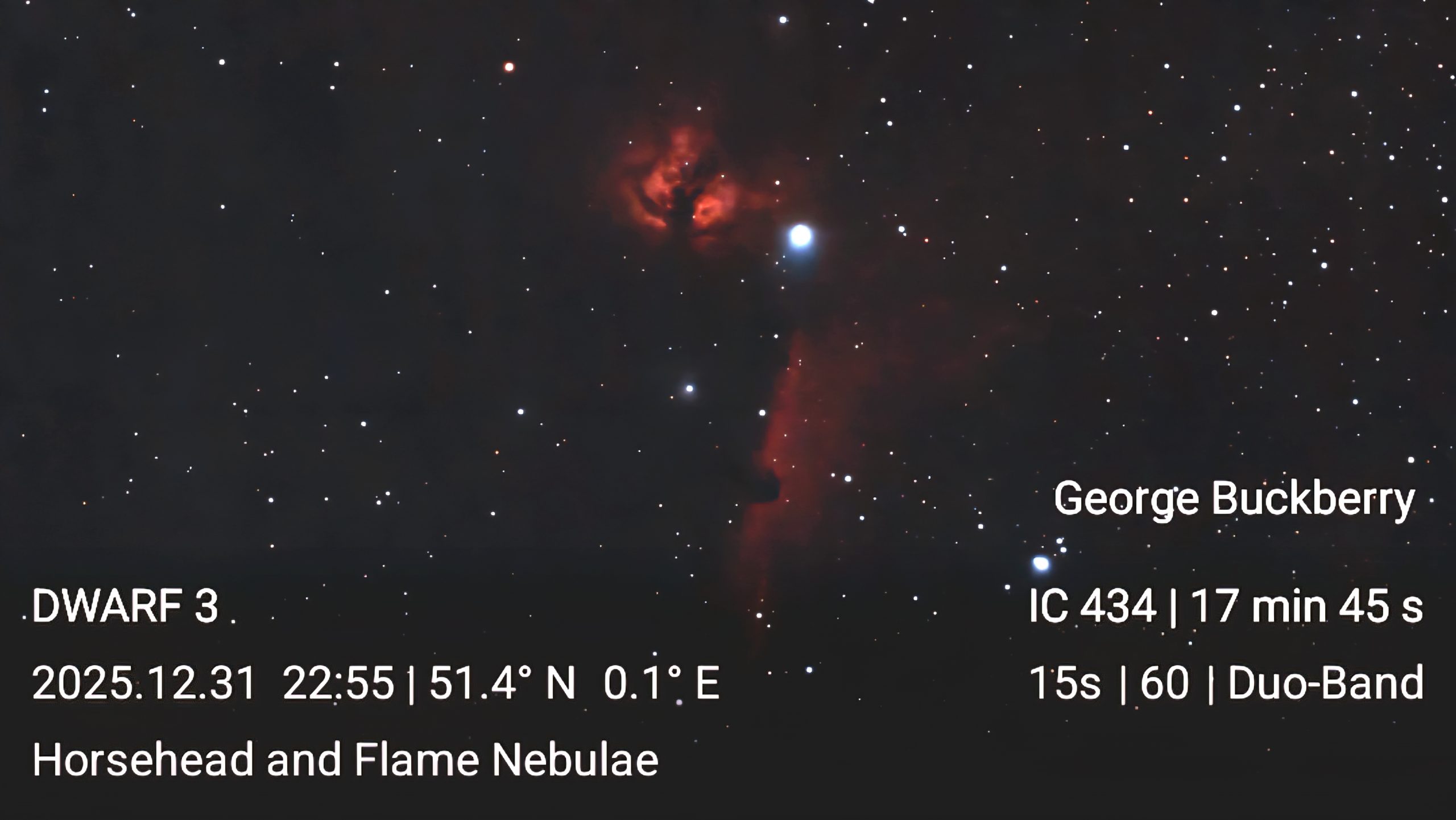
The Horsehead Nebula, also known as Barnard 33, and its companion, the Flame Nebula, sit near the star Alnitak in Orion’s Belt.
The Horsehead Nebula is a small dark nebula located about 1,375 light-years from Earth and is located just south of Alnitak, the easternmost star of Orion’s Belt and is part of the much larger Orion molecular cloud complex within the Orion B cloud. It is one of the most identifiable nebulae because of its resemblance to a horse’s head.
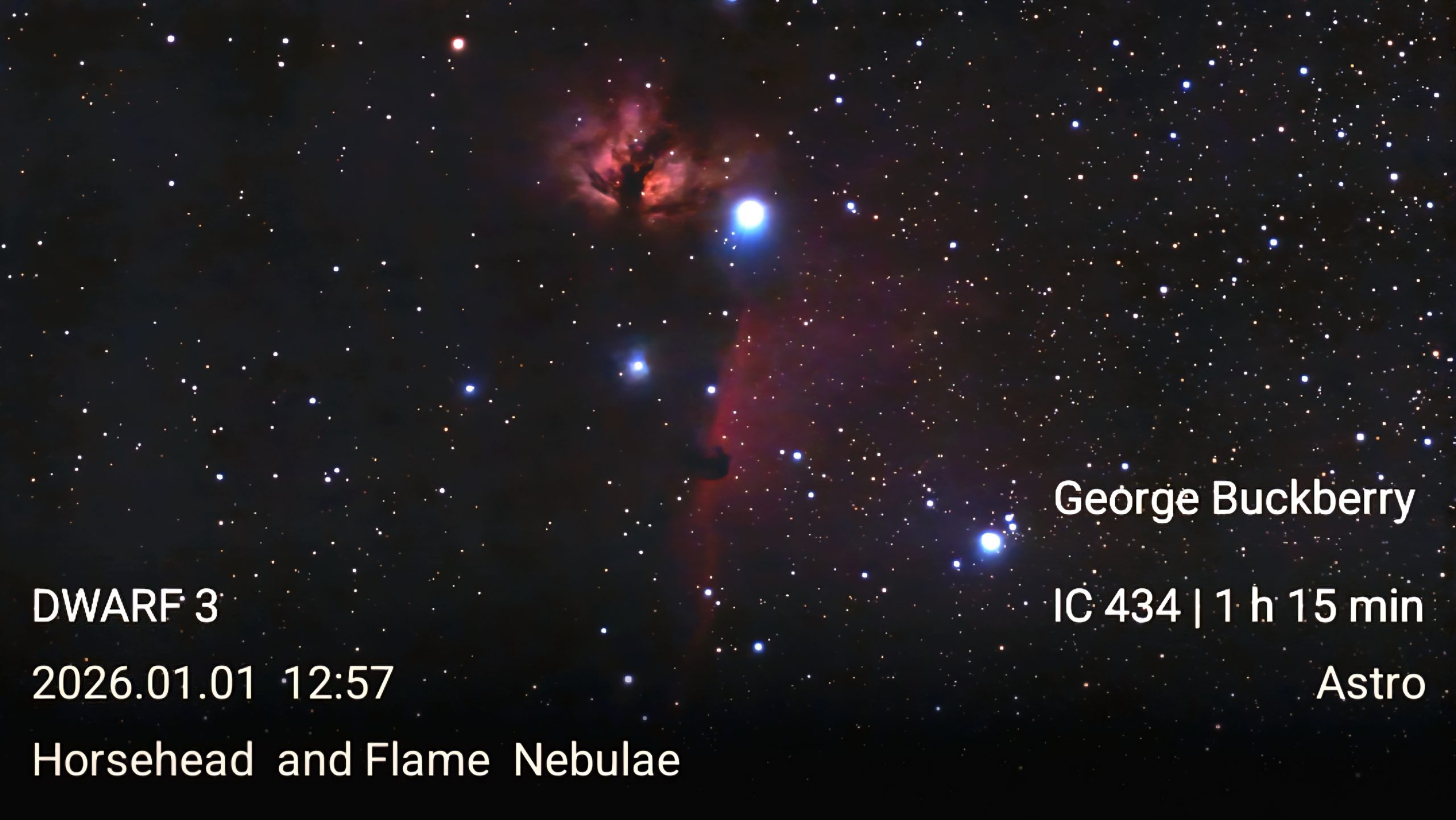
The Flame Nebula, designated as NGC 2024 and Sh2-277, is an emission nebula also in the constellation Orion. It is about 1350 light-years away. The Flame Nebula also lies within the Orion B cloud of the larger Orion Molecular Cloud Complex.
The bright star Alnitak the easternmost star in Orion’s Belt, appears very close to the Flame Nebula in the sky. But the star and nebula are not physically associated with one another. Alnitak lies 1260 light-years from Earth.
The Orion Nebula
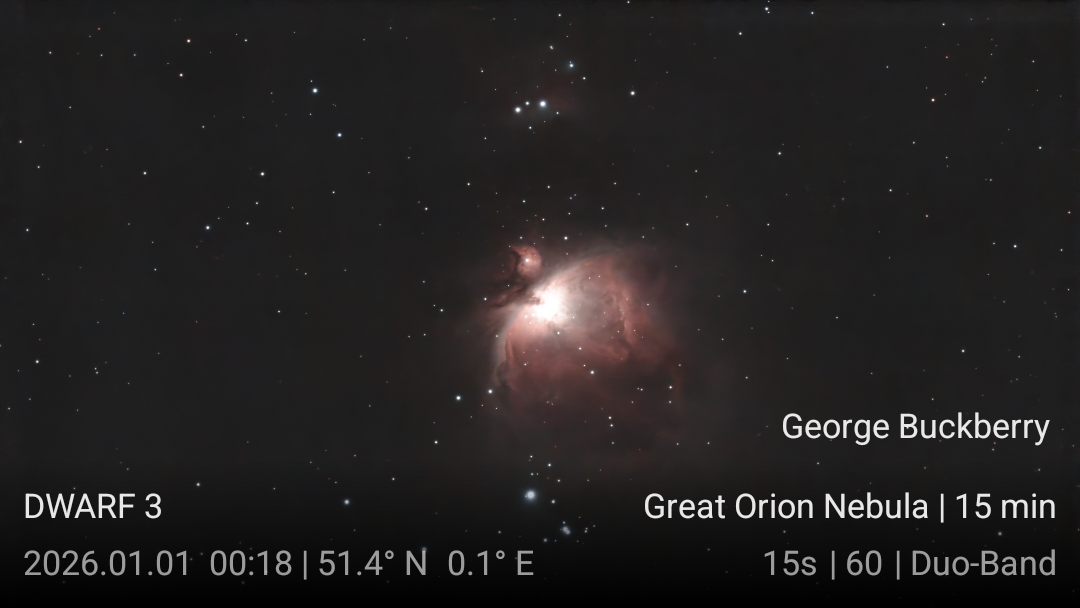
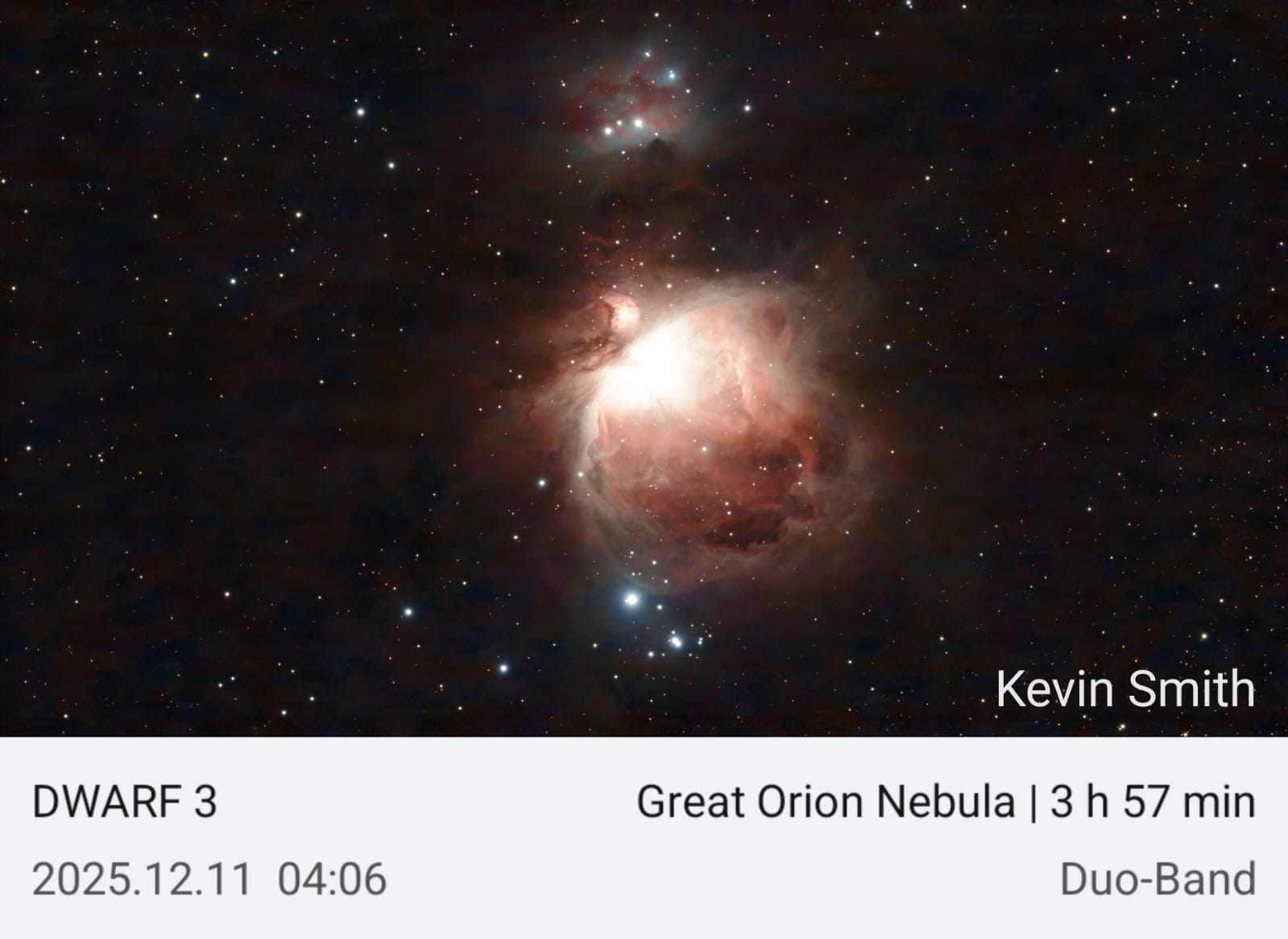
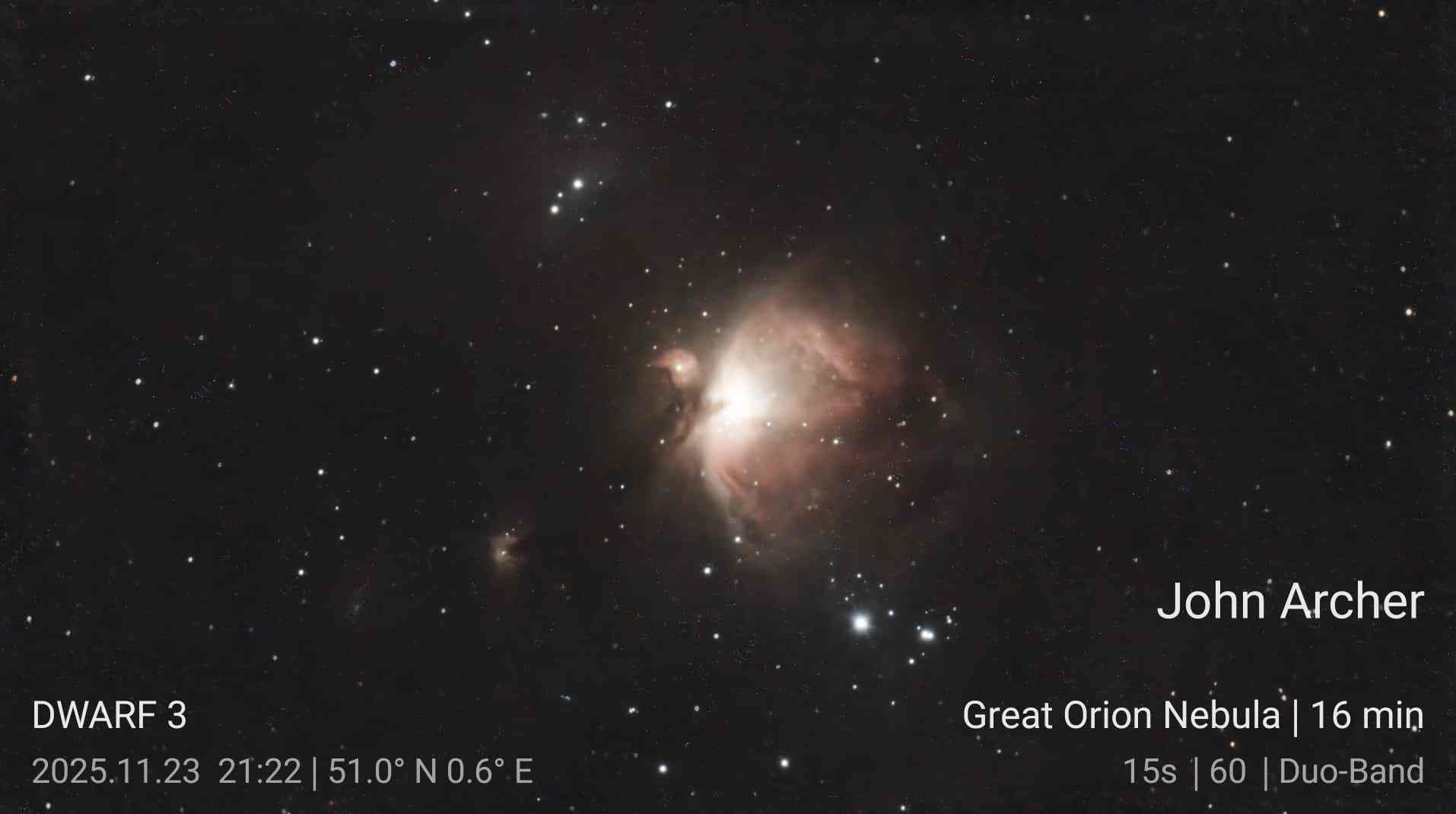
The Orion Nebula taken by George Buckberry on the 1st Jan 2026 using a Dwarf3 smart scope. This is a brilliant image as it was acquired just after a total of 15 mins of exposure. Just shows what smart scopes can do!
”The Orion Nebula (also known as Messier 42, M42, or NGC 1976) is a diffuse nebula situated south of Orion’s belt in the constellation of Orion. It is one of the brightest nebulae and is visible to the naked eye in the night sky with an apparent magnitude of 4.0. It is 1,344 ± 20 light-years (412.1 ± 6.1 pc) away and is the closest region of massive star formation to Earth. M42 is estimated to be 25 light-years across (so its apparent size from Earth is approximately 1 degree). It has a mass of about 2,000 times that of the Sun. Older texts frequently refer to the Orion Nebula as the Great Nebula in Orion or the Great Orion Nebula.” Ref:https://en.wikipedia.org/wiki/Orion_Nebula
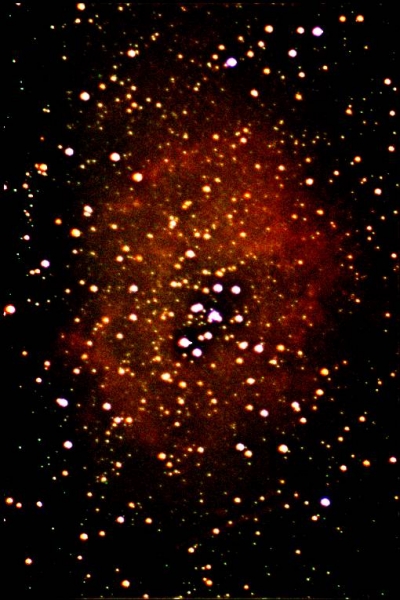
The Rosette Nebula
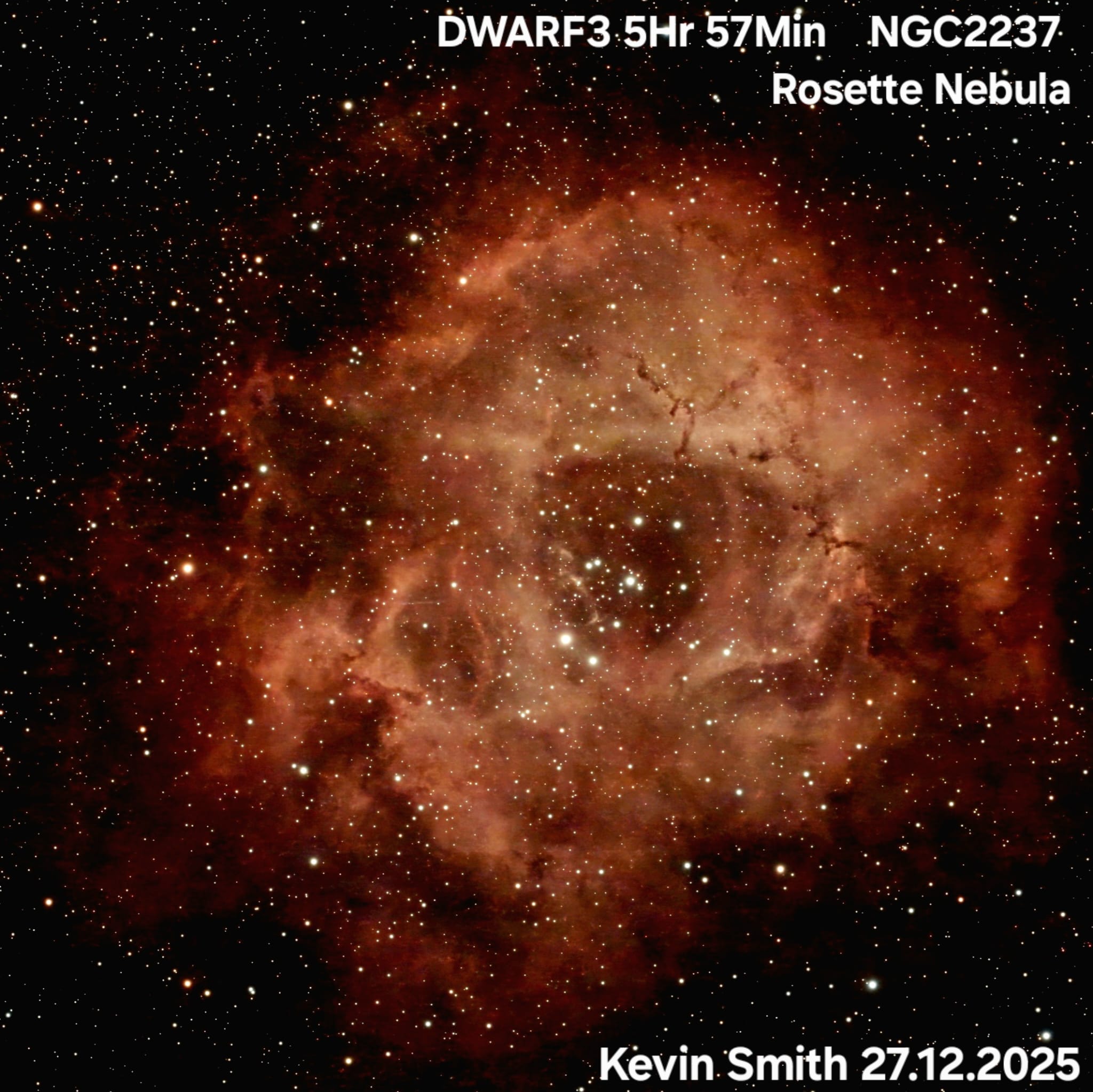
A stunning image of the Rosette Nebula taken by Kevin Smith on the 27th Dec 2025 using a Dwarf3 smartscope. The image is a total of 5 hours and 57 mins of exposure.
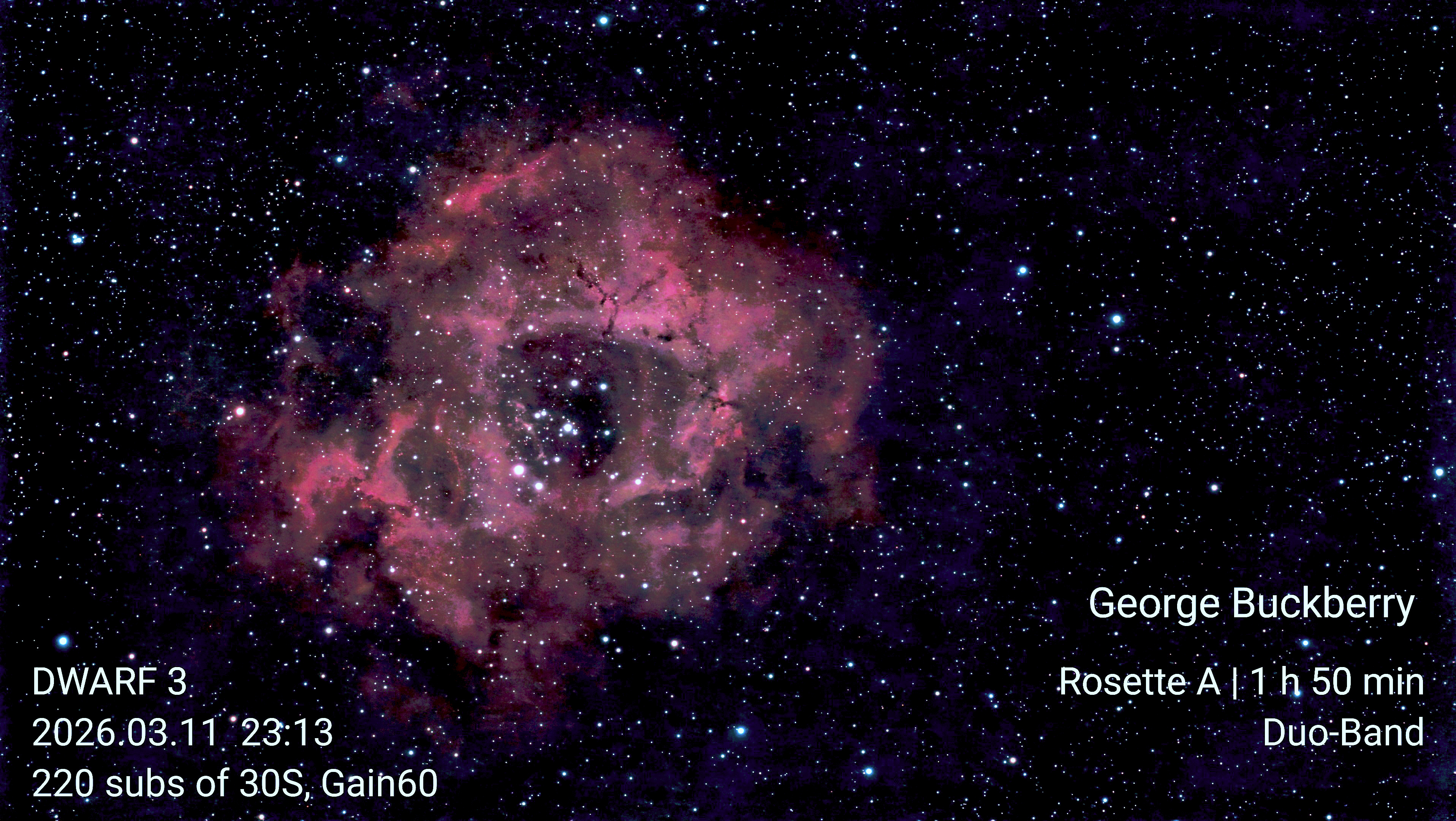
The Rosette Nebula (also known as Caldwell 49) is a huge star-forming region spanning 100 lightyears across and located 5,000 lightyears away.
It can be seen in the Monoceros constellation in the winter months and is located between stars Betelgeuse in Orion and Procyon in Canis Minor. Draw a line between Betelgeuse and Procyon, look just south of that line, about halfway along, and you will find it.



Other Images
Sun | Comets | Mercury | Venus | Atmospheric Optics | Meteors | Auroa and NLC | Moon | Minor Planets | Mars | Jupiter | Saturn | Uranus | Neptune | Messier | Caldwell | All Deep Sky | Conjunctions | Transits | Solar Eclipse | Lunar Eclipse | Wide Field |ISS & Space Junk | Exo-Planets
All images are copyright. Permission must be sought to from the image owner to the use of any of these images.