[et_pb_section fb_built="1" _builder_version="4.16" global_colors_info="{}"][et_pb_row _builder_version="4.16" global_colors_info="{}"][et_pb_column type="4_4" _builder_version="4.16" global_colors_info="{}"][et_pb_text _builder_version="4.16" global_colors_info="{}"]
Images of Saturn are from the same 2 minute long raw format video, but stacked and processed differently. The last version had a 1.5x drizzle applied to enlarge the size.
Equipment used:
•Skywatcher heq5 pro mount
•Skywatcher skymax 150 pro maksutov cassegrain telescope
•celestron 2× Barlow
•Zwo asi290mc one shot colour uncooled CMOS camera
•Captured with ASICAP for android
•First and second version stacked in registax, the last version in autostakkert with wavelets in registax
•Final processing in GIMP
Camera settings:
•Raw16 colour space
•Gain 300
•Exposure time 82000ųs
[/et_pb_text][/et_pb_column][/et_pb_row][et_pb_row column_structure="1_3,1_3,1_3" _builder_version="4.16" global_colors_info="{}"][et_pb_column type="1_3" _builder_version="4.16" global_colors_info="{}"][et_pb_text admin_label="Image" _builder_version="4.16" global_colors_info="{}"]
[caption id="" align="aligncenter" width="600"] Image by Leigh Slomer processed in RegiStax[/caption]
[/et_pb_text][/et_pb_column][et_pb_column type="1_3" _builder_version="4.16" global_colors_info="{}"][et_pb_text admin_label="Image" _builder_version="4.16" global_colors_info="{}"]
[caption id="" align="aligncenter" width="600"]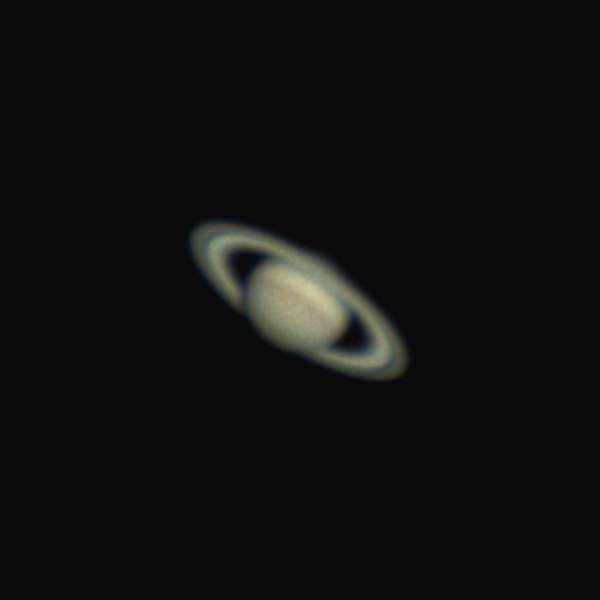 Image by Leigh Slomer processed in RegiStax[/caption]
[/et_pb_text][/et_pb_column][et_pb_column type="1_3" _builder_version="4.16" global_colors_info="{}"][et_pb_text admin_label="Image" _builder_version="4.16" global_colors_info="{}"]
[caption id="" align="aligncenter" width="600"]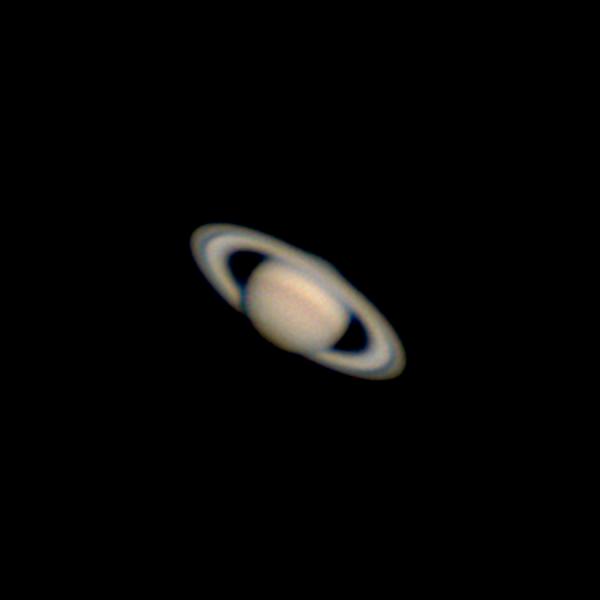 Image by Leigh Slomer processed in AutoStakkert[/caption]
[/et_pb_text][/et_pb_column][/et_pb_row][/et_pb_section]

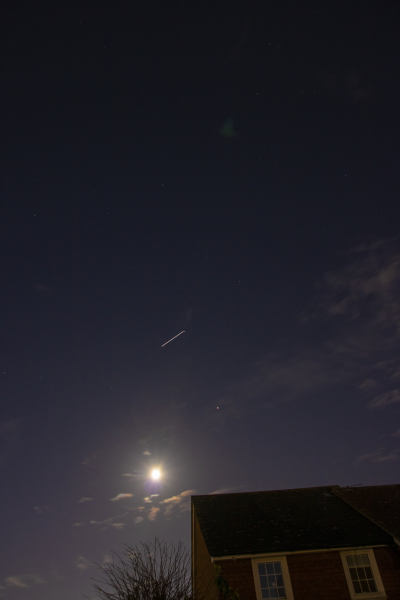 Image by Dianne. Mars, the Moon, & the ISS Canon 750d, Sigma 18-250mm lens, @18mm Exp 6 secs @ f/5.6, ISO-400 Static tripod[/caption]
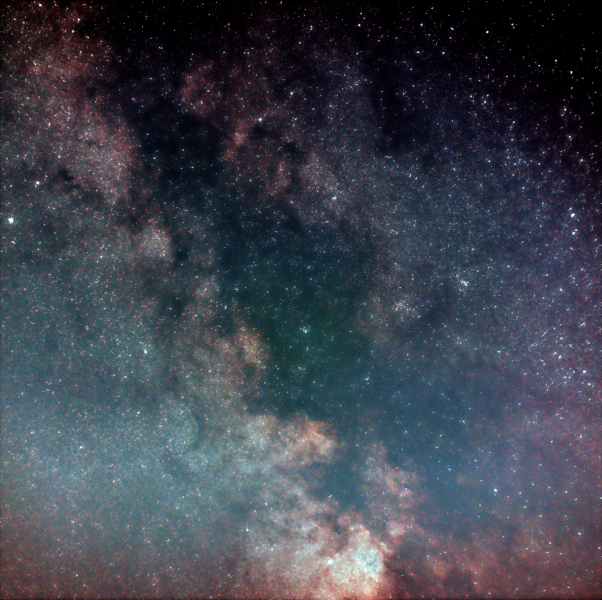 mage by Leigh Slomer 26 light frames at 75 seconds ISO 800. 15 darks frames 20 flat frames Equipment used: Canon EOS200D Sigma 30mm f1.4 EX DC HSM lens @ f2.2 Skywatcher Star Adventurer tracking mount. Processed in Deep Sky Stacker and GIMP[/caption][caption id="" align="aligncenter" width="800"]
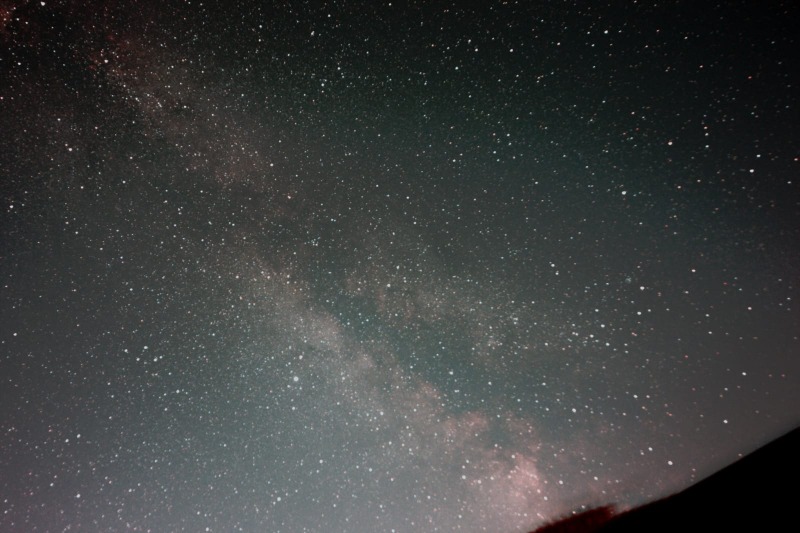 Image by Leigh Sloamer I made an attempt at capturing the milky way last night. This is a 14 x 3 minute stack at iso 3200. I would have captured more but my new lens is a dew magnet. I also had to crop the image a bit due to amp glow in the lower left corner.[/caption][caption id="" align="aligncenter" width="800"]
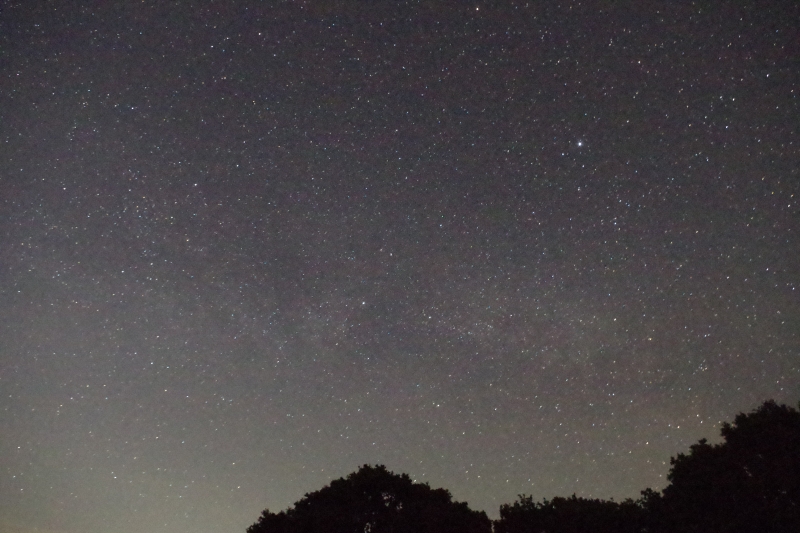 Image by John Archer Thought I would pop out and snap the Milky Way while the evening is still mild and the breeze has died down. Bit of a change from planet spotting....[/caption][caption id="" align="aligncenter" width="416"]
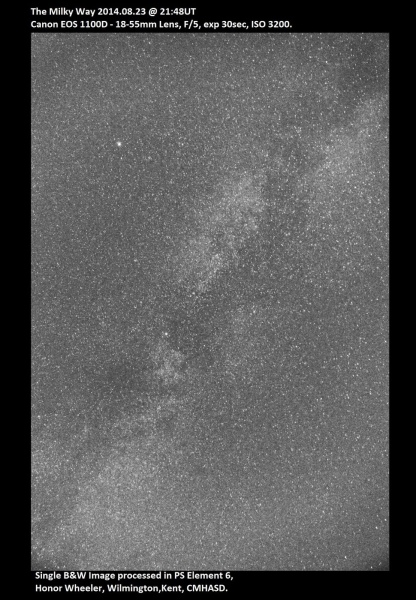 Image by Honor Wheeler finally found this image of the Milky Way taken from my back garden on the evening of the 23rd of August 2014. I'd just got back from the cinema and the sky was amazing. As you'll see it was a single shot with my Canon 1100D on a tripod, no tracking! Black and White as light pollution was an issue.[/caption][caption id="" align="aligncenter" width="800"]
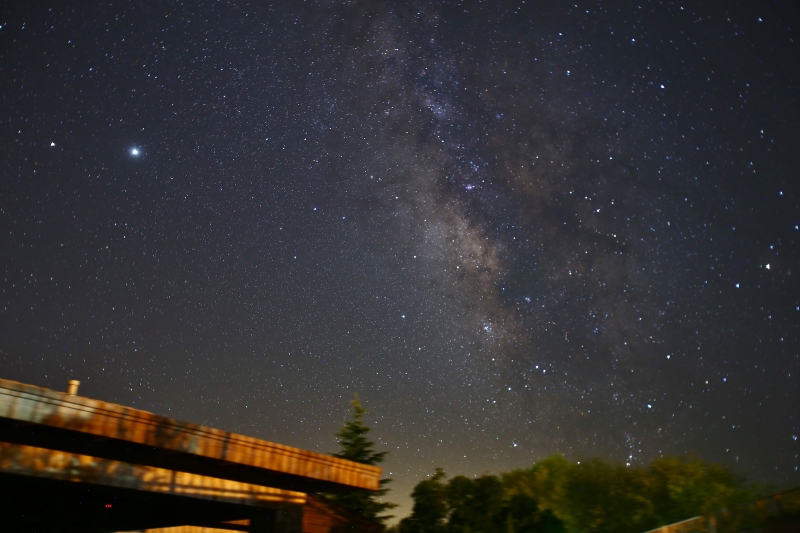 Image by Richard Bohner Taken with Canon 6D with wide angle lens at 24 mm at iso 1600 for 60 seconds. Jupiter & Saturn at far left with Sagittarius Teapot to left of galaxy and constellation Scorpius to right of galaxy. Taken on 15 June in Arizona, USA. (Richard lives in the USA so this is a valid entry)[/caption]
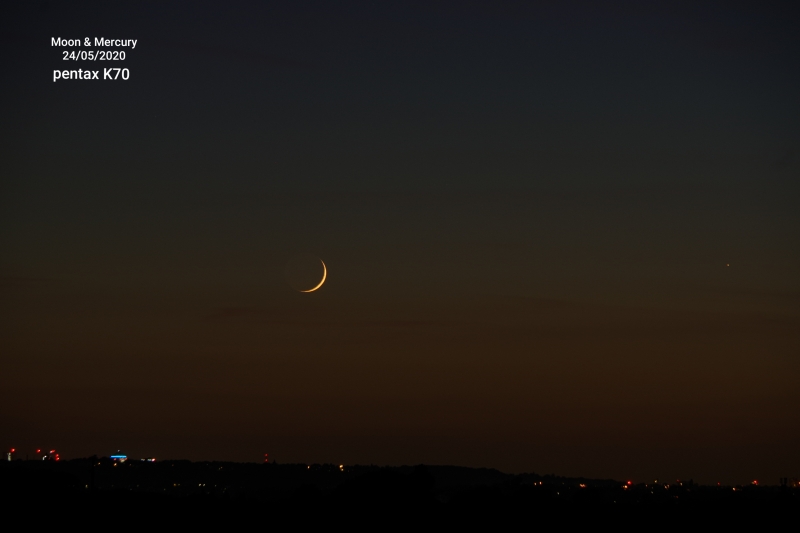 Image by Jim Burchell The Moon and Mercury showing Earthshine. Taken Dartford top road. Pentax K70.[/caption][caption id="" align="aligncenter" width="800"]
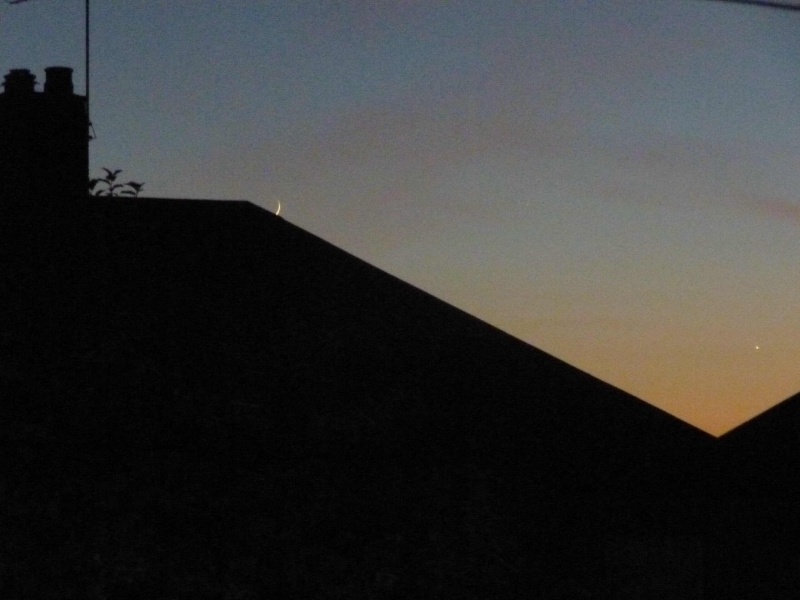 Image by John Howarth Venus is at lower right on both photos, Mercury (faint, but visible) is about equidistant from Venus and the moon, practically level with the moon.[/caption][caption id="" align="aligncenter" width="800"]
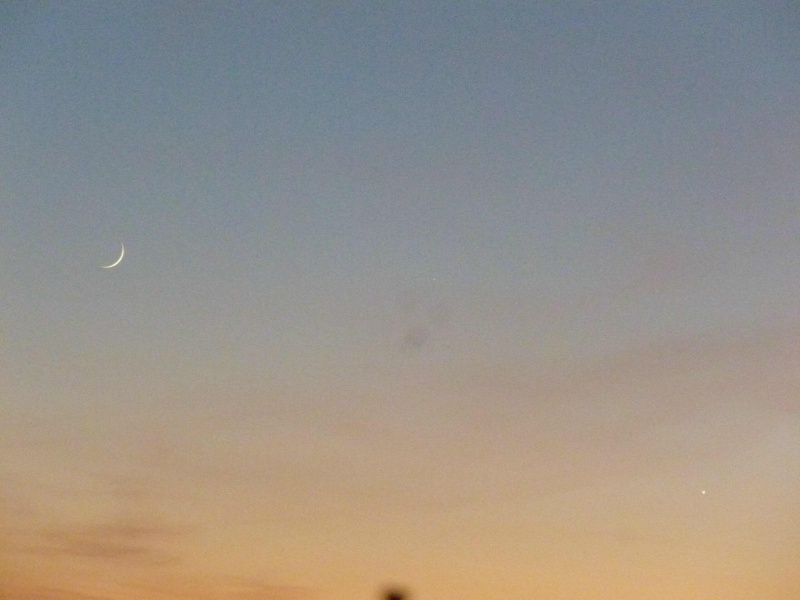 Image by John Howarth Venus is at lower right on both photos, Mercury (faint, but visible) is about equidistant from Venus and the moon, practically level with the moon. Taken from the park.[/caption]
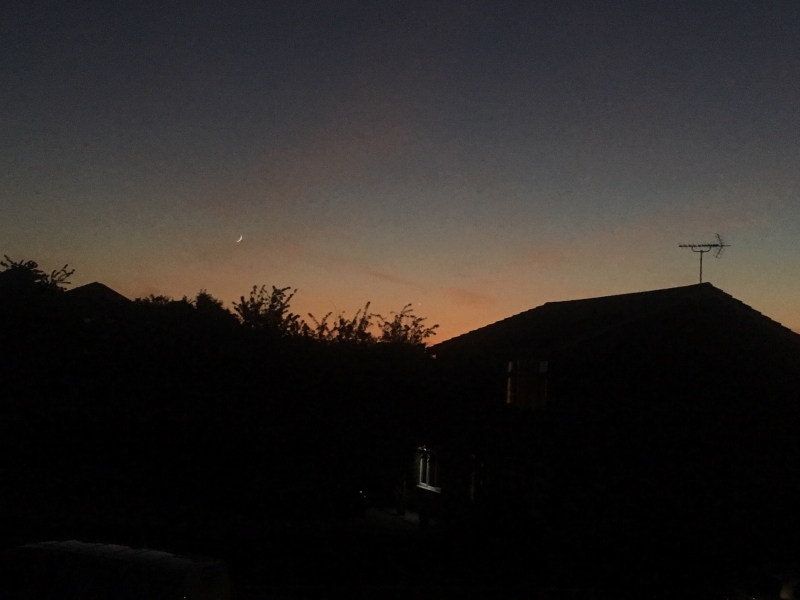 Image by Stephen Goldson 'First time I've seen Mercury clearly'[/caption]
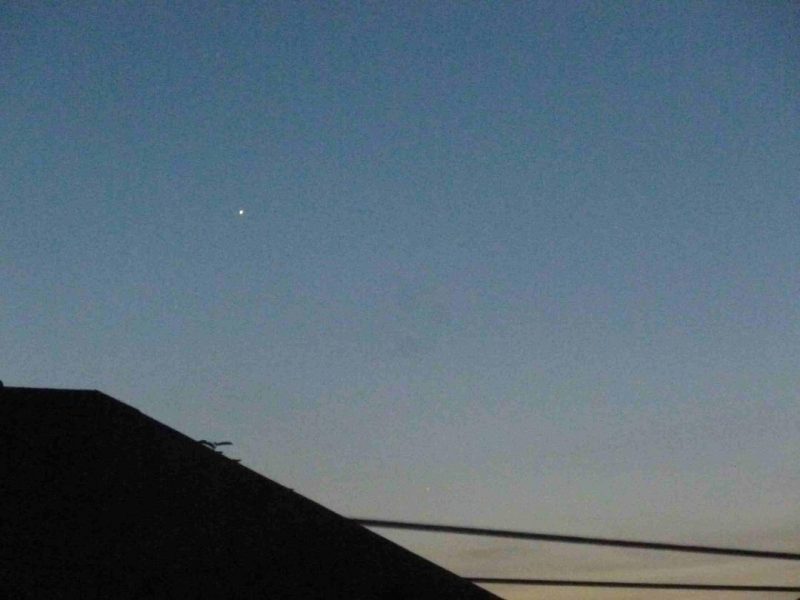 Image by John Howarth Image taken through glass in upstairs window. (Window will open but not in the right direction. Telephone wires are a nuisance too, just in wrong place..or perhaps Mercury's in the wrong place!)[/caption][caption id="" align="aligncenter" width="800"]
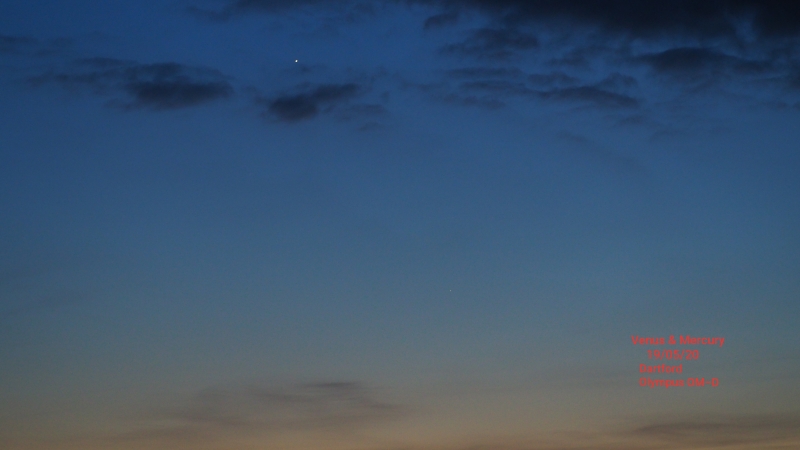 Image by Jim Burchell - no details provided[/caption][caption id="" align="aligncenter" width="800"]
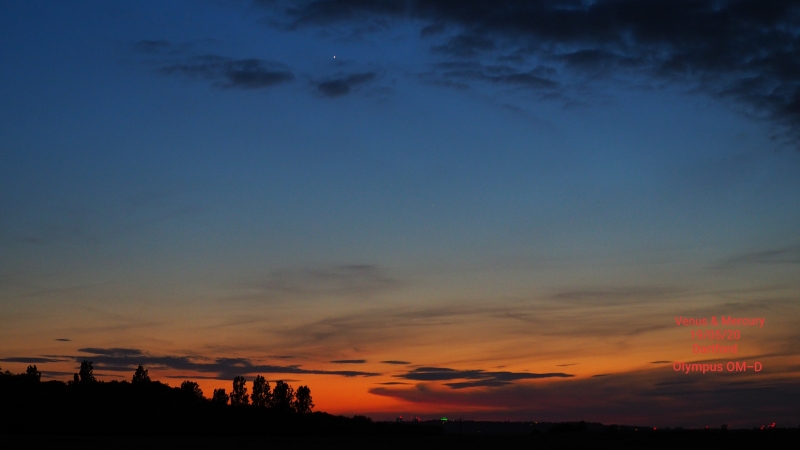 Image by Jim Burchell Image of Venus and Mercury taken this evening (2020,05/19) at Barn End Lane Dartford[/caption]
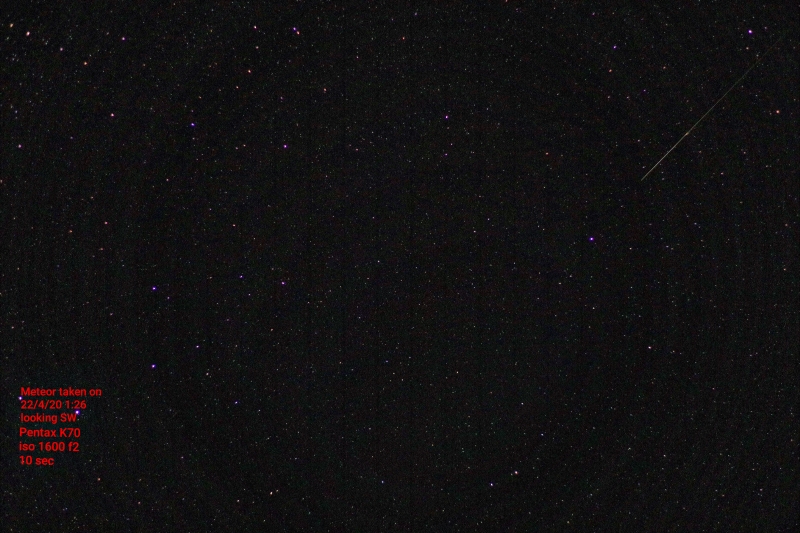 A Meteor captured by Jim Burchell[/caption]
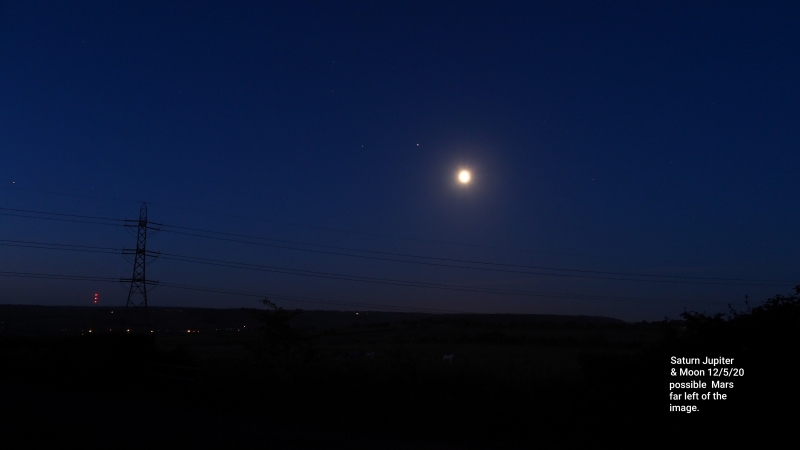 Image taken by Jim Burchell, in the early hours of 2020/05/12 capturing a conjunction of Saturn Jupiter and the moon .possible Mars far left of the image..[/caption]