HD209458

[et_pb_section bb_built="1"][et_pb_row][et_pb_column type="4_4"][et_pb_text _builder_version="3.9"]

HD 209458

HD 209458 is an 8th magnitude star in the constellation Pegasus. It is very similar to our Sun, and it is classified as a yellow dwarf (spectral class G0 V). The star is easily visible With good binoculars or small telescope.

Essential Details

Star Designation(s)

TYC 3198-1634-1 (TYC is also known as the Guide Star Catalog GSC)

Position

J2000 RA:22h 03m 10.7723s DEC:+18° 53' 03.548"

Magnitude (Vmag)

7.65

Expected variation

2%

Period

3.524748595 days

Results

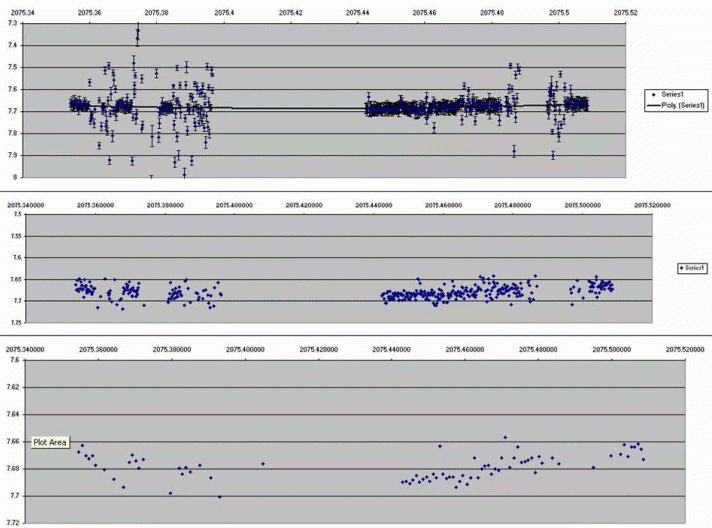
The observations below were obtained on 2009 Aug 31 by carrying out time series photometry using a C9.25 SCT @ f10 with a MX916 camera, 'V' filter and 10 sec exposures. The 'V' filter in this instance was only used because the target star is so bright for CCD work. The conditions (typically) were less than ideal with intermittent cloud and a long stretch of cloud cover interfering with the observations. The top plot shows all of the data obtained. The next set is the same data but with all of the scatter removed. The bottom plot is this data average every five data points. The dip due to the transit can be seen in this plot.

hd209458bResultsMC01


[/et_pb_text][/et_pb_column][/et_pb_row][/et_pb_section]

Detecting an extrasolar planet – X0-2b

[et_pb_section fb_built="1" _builder_version="3.22" global_colors_info="{}"][et_pb_row _builder_version="3.25" background_size="initial" background_position="top_left" background_repeat="repeat" global_colors_info="{}"][et_pb_column type="4_4" _builder_version="3.25" custom_padding="|||" global_colors_info="{}" custom_padding__hover="|||"][et_pb_text _builder_version="4.14.7" hover_enabled="0" global_colors_info="{}" sticky_enabled="0"]

X0-2b

XO-2b is an example of a transiting hot Jupiter orbiting an early K dwarf star (TYC 3413-5-1) Vmag 11.2. Orbiting close in it has a period of approx. 2.615 days and takes approx. 2 hours to complete the transit. So far only partial light curves have been obtained due to weather conditions. However, with all of the observations plotted (Keith Rickard, Martin Crow) about their local transit times a phase curve has been generated.

Star Designation(s)

TYC 3413-5-1 (TYC is also known as the Guide Star Catalog GSC)

Position

J2000 RA: 7h48m06.47s DEC:+50°13'32.9"

Magnitude (Vmag)

11.2

Expected variation

0.02 Vmag

Period

2.615857±0.000005 days (~2hr transit)

XO-2b_phase_plot_transits

[/et_pb_text][/et_pb_column][/et_pb_row][/et_pb_section]

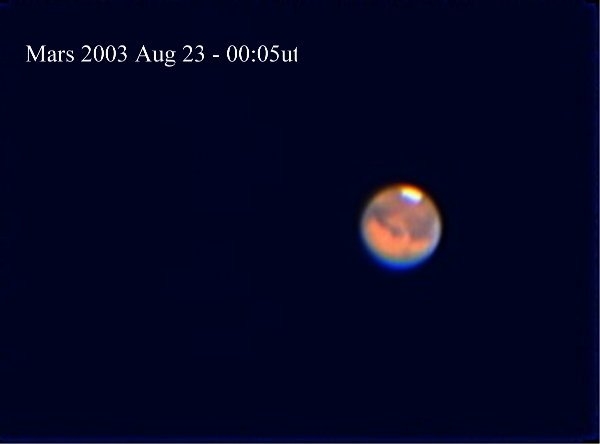
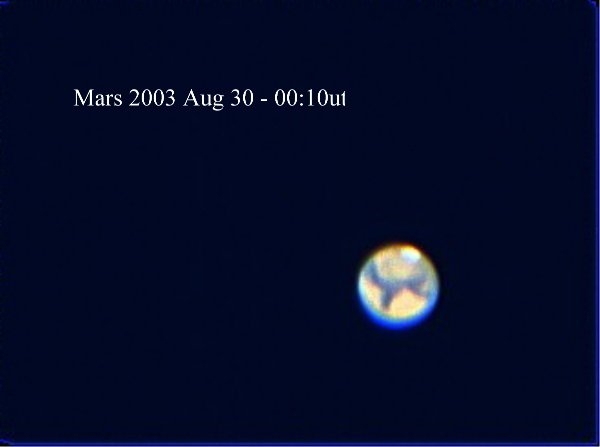
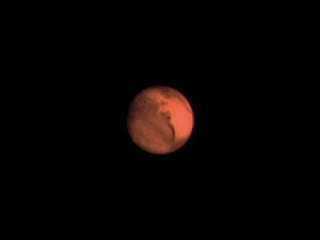
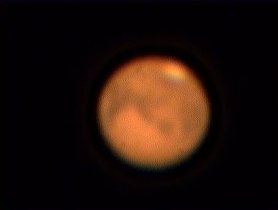
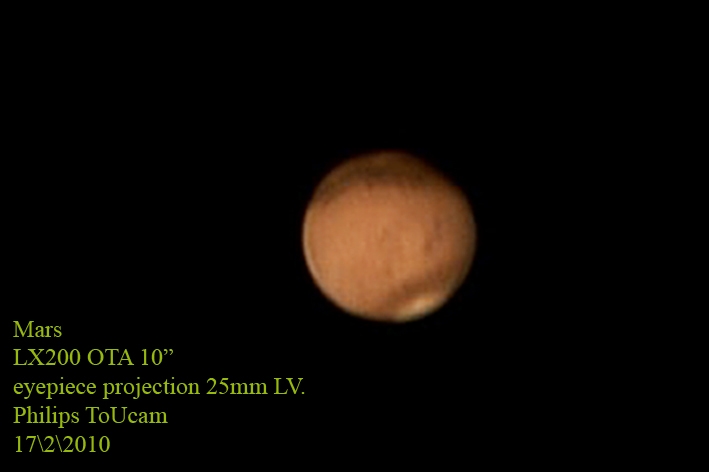
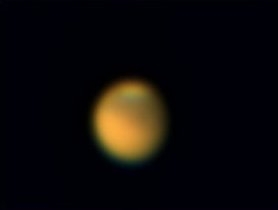
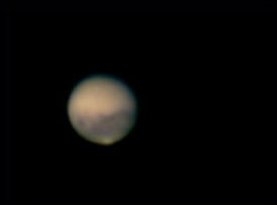
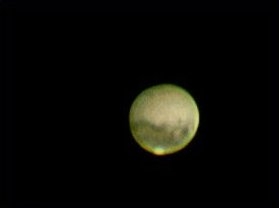
Julian Tworek’s Images of Mars

[et_pb_section bb_built="1"][et_pb_row][et_pb_column type="1_4"][et_pb_text _builder_version="3.9"]

Mars 2003-08-30

[/et_pb_text][et_pb_text _builder_version="3.9"]

Mars 2010-02-17

[/et_pb_text][/et_pb_column][et_pb_column type="1_4"][et_pb_text _builder_version="3.9"]

Mars 2003-07-10

[/et_pb_text][/et_pb_column][et_pb_column type="1_4"][et_pb_text _builder_version="3.9"]

Mars 2003-09-17

[/et_pb_text][/et_pb_column][et_pb_column type="1_4"][et_pb_text _builder_version="3.9"]

Mars 2003-09-17

[/et_pb_text][/et_pb_column][/et_pb_row][/et_pb_section]

Spectra Night

[et_pb_section fb_built="1" _builder_version="3.22" global_colors_info="{}"][et_pb_row _builder_version="3.25" background_size="initial" background_position="top_left" background_repeat="repeat" global_colors_info="{}"][et_pb_column type="4_4" _builder_version="3.25" custom_padding="|||" global_colors_info="{}" custom_padding__hover="|||"][et_pb_text _builder_version="4.14.7" global_colors_info="{}"]

Spectra Night - Thursday 13th August 2015

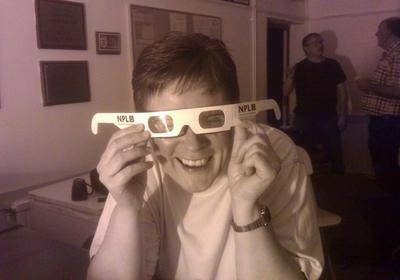
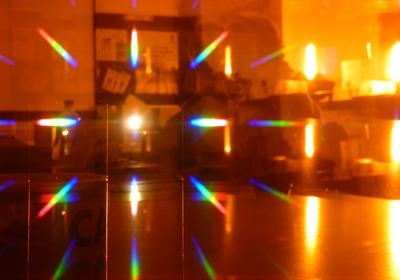
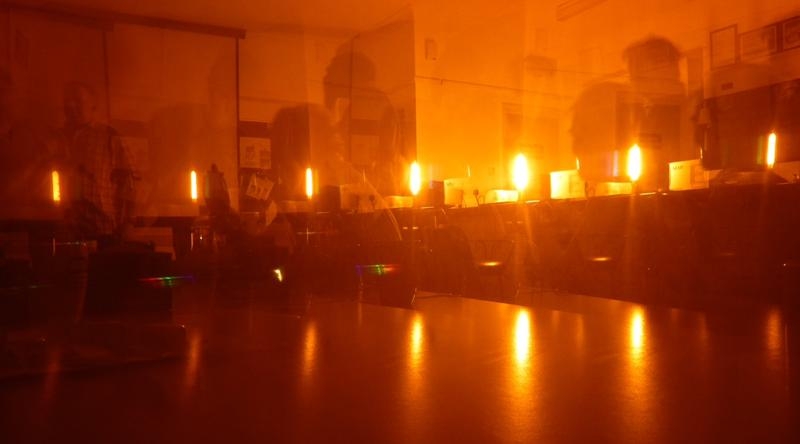
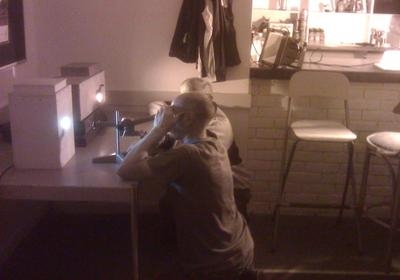
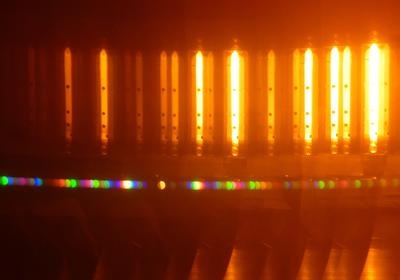
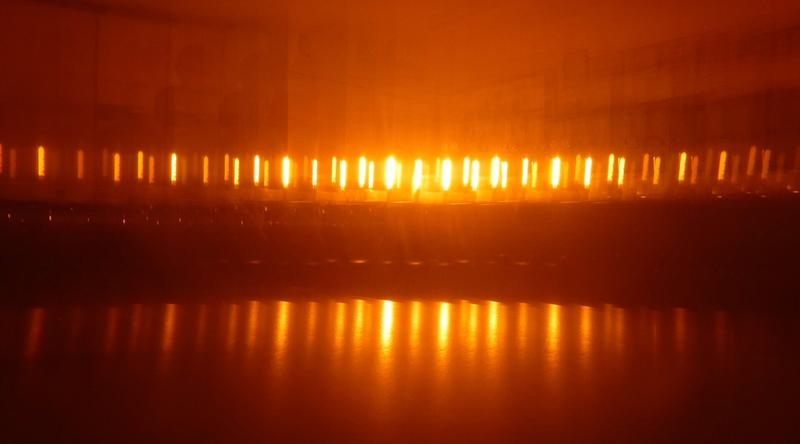
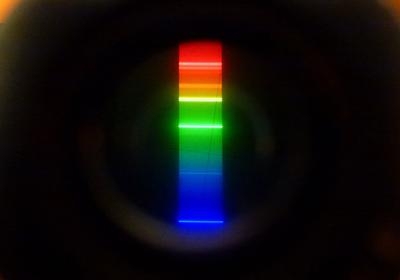
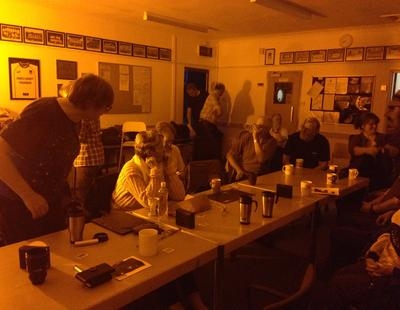
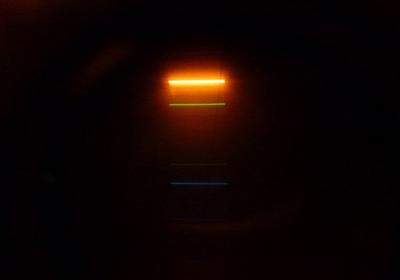
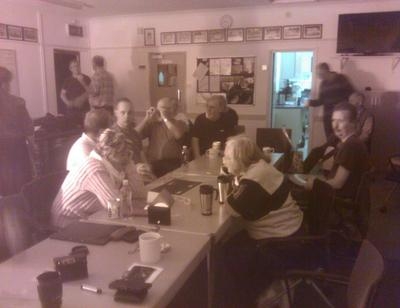
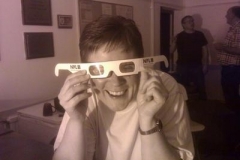
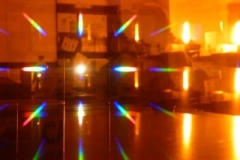
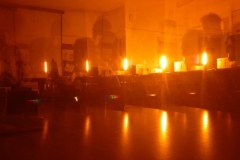
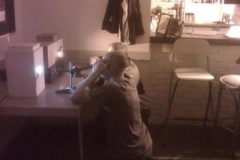
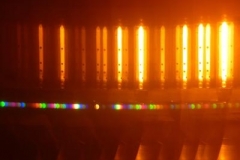
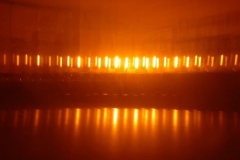
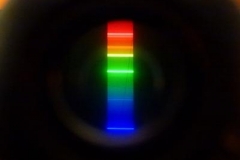
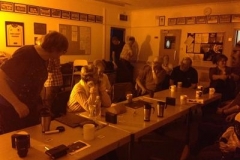
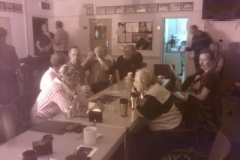
Below are a selection of fun photos from Honor Wheeler, Mike Rushton & Martin Crow of the evening member Debra Holton gave a talk about 'Spectra'.

Honor has also provided a great summary of evening too - Thank you Honor.

''As part of our Beginner primer talks given by members, our week 11 Informal meeting became a Spectra Spectacular! Member Debra Holton introduced us to the universe in light, the Electromagnetic Spectrum, the Doppler shift relating to redshift and blue shift and the distances & velocities of Stars and Galaxies.

The evening began with the members becoming acquainted with a number of interesting implements such as Diffraction gratings & glasses along with professional and homemade Spectroscopes.

Debra began with a simple introduction to the wavelengths of light from the Radio to Gamma rays and our very own rainbow of colours from our Sun, the visible spectrum. She then went on to describe how we see the elements that surround us, that atoms absorb and emit photons and in doing so how we can observe the emissions or absorption lines to learn what the distant Stars and Galaxies are made of.

After a little refresher on the spectra of stars and the Doppler shift using online resources, we progressed to a little more down to earth investigation.

Following on from a rather energetic display of the Doppler shift utilizing a hairdryer (you had to be there!) we moved on to the spectra of different light sources.

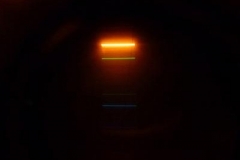
Thanks also go to member Gordon Collings, who many years ago rescued old laboratory spectroscopes, light boxes and lamps, as we had the opportunity to observe the spectra of a Mercury light & Sodium light and to bathe in the rather eerie light of a Sodium lamp.

Thank you to Debra for a fun and educational evening and to Gordon for his Light entertainment (Sorry couldn't resist!)''


[/et_pb_text][/et_pb_column][/et_pb_row][et_pb_row column_structure="1_4,1_4,1_4,1_4" _builder_version="3.25" background_size="initial" background_position="top_left" background_repeat="repeat" global_colors_info="{}"][et_pb_column type="1_4" _builder_version="3.25" custom_padding="|||" global_colors_info="{}" custom_padding__hover="|||"][et_pb_text admin_label="image" _builder_version="3.27.4" global_colors_info="{}"]
1stnight_02

[/et_pb_text][et_pb_text admin_label="image" _builder_version="3.27.4" global_colors_info="{}"]
SpectroscopyAug2015Attachment-1 (5)

[/et_pb_text][et_pb_text admin_label="image" _builder_version="3.27.4" global_colors_info="{}"]
SpectroscopyAug2015Attachment-1 (4) Large

[/et_pb_text][/et_pb_column][et_pb_column type="1_4" _builder_version="3.25" custom_padding="|||" global_colors_info="{}" custom_padding__hover="|||"][et_pb_text admin_label="image" _builder_version="3.27.4" global_colors_info="{}"]
SpectroscopyAug2015WP_001946

[/et_pb_text][et_pb_text admin_label="image" _builder_version="3.27.4" global_colors_info="{}"]
SpectroscopyAug2015Attachment-1 (2)

[/et_pb_text][et_pb_text admin_label="image" _builder_version="3.27.4" global_colors_info="{}"]
SpectroscopyAug2015Attachment-1 (3) Large

[/et_pb_text][/et_pb_column][et_pb_column type="1_4" _builder_version="3.25" custom_padding="|||" global_colors_info="{}" custom_padding__hover="|||"][et_pb_text admin_label="image" _builder_version="3.27.4" global_colors_info="{}"]
SpectroscopyAug2015MercuryAttachment-1

[/et_pb_text][et_pb_text admin_label="image" _builder_version="3.27.4" global_colors_info="{}"]
IMG_0697

[/et_pb_text][/et_pb_column][et_pb_column type="1_4" _builder_version="3.25" custom_padding="|||" global_colors_info="{}" custom_padding__hover="|||"][et_pb_text admin_label="image" _builder_version="3.27.4" global_colors_info="{}"]
SpectroscopyAug2015SodiumAttachment-1 (1)

[/et_pb_text][et_pb_text admin_label="image" _builder_version="3.27.4" global_colors_info="{}"]
WP_001945

[/et_pb_text][/et_pb_column][/et_pb_row][/et_pb_section]

Spectra of Comet C/2007 N3 Lulin

[et_pb_section fb_built="1" _builder_version="3.22" global_colors_info="{}"][et_pb_row _builder_version="3.25" background_size="initial" background_position="top_left" background_repeat="repeat" global_colors_info="{}"][et_pb_column type="4_4" _builder_version="3.25" custom_padding="|||" global_colors_info="{}" custom_padding__hover="|||"][et_pb_text admin_label="Lulin spectra" _builder_version="4.14.7" hover_enabled="0" global_colors_info="{}" sticky_enabled="0"]

cometLulinspectraMC01


Note the spectra from the comet’s tail is different from the coma.

The tail emitting prominently in the blue/green end of the spectrum.

[/et_pb_text][/et_pb_column][/et_pb_row][/et_pb_section]
Spectra of the Great Orion Nebula M42

[et_pb_section bb_built="1"][et_pb_row _builder_version="3.9"][et_pb_column type="4_4"][et_pb_text _builder_version="3.9"]

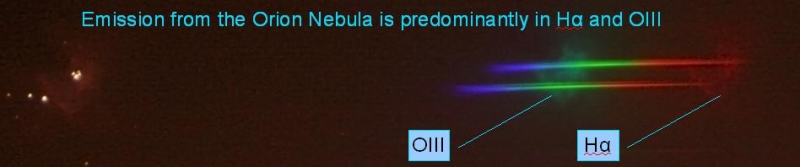
Imaging nebulae, like the Orion Nebula, shows why H alpha and OIII filters can really help in our light polluted skies.

DSLR Single Frame, 30s Exposure, limiting naked eye magnitude vMag = 4 By Simon Dawes

[/et_pb_text][et_pb_text admin_label="m42 spectra" _builder_version="3.9"]

SPECTRA_M42

[/et_pb_text][/et_pb_column][/et_pb_row][/et_pb_section]

TOP