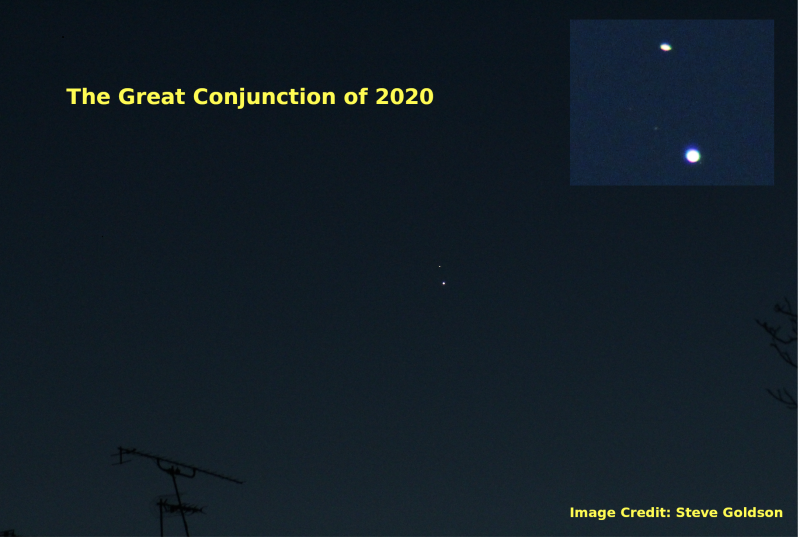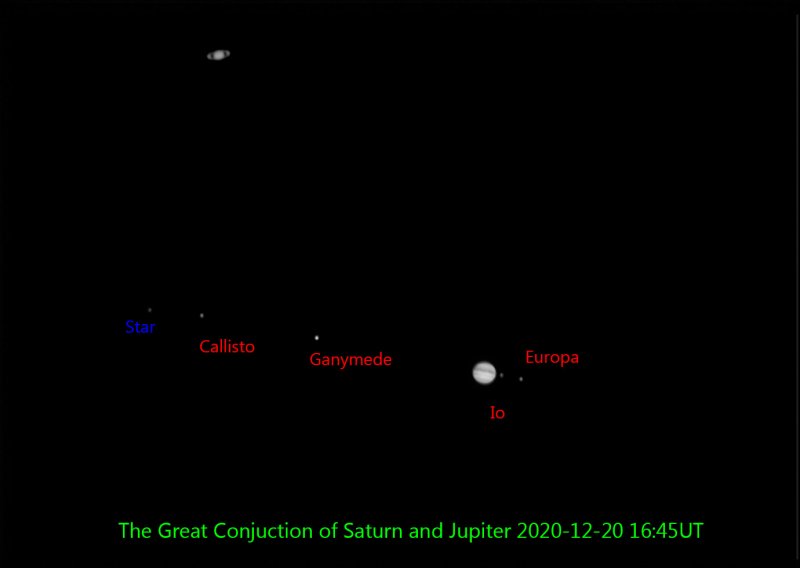
EXO-Planet Paper features observations from two members

[et_pb_section fb_built="1" _builder_version="4.7.4" _module_preset="default" global_colors_info="{}"][et_pb_row _builder_version="4.7.4" _module_preset="default" global_colors_info="{}"][et_pb_column type="4_4" _builder_version="4.7.4" _module_preset="default" global_colors_info="{}"][et_pb_text _builder_version="4.7.4" _module_preset="default" global_colors_info="{}"]

Members Simon Dawes and Martin Crow have been named as contributors on a scientific paper published this week, Martin and Simon along with other amateur and professional astronomers have been observing exo-planet transits - each observation takes between 4 and 5 hours typically so is quite a commitment. Well done Mrtin and Simon and all the other amateur astronomers who submitted observations.

Abstract 

The Ariel mission will observe spectroscopically around 1000 exoplanets to further characterise their atmospheres. For the mission to be as efficient as possible, a good knowledge of the planets' ephemerides is needed before its launch in 2028. While ephemerides for some planets are being refined on a per-case basis, an organised effort to collectively verify or update them when necessary does not exist. In this study, we introduce the ExoClock project, an open, integrated and interactive platform with the purpose of producing a confirmed list of ephemerides for the planets that will be observed by Ariel. The project has been developed in a manner to make the best use of all available resources: observations reported in the literature, observations from space instruments and, mainly, observations from ground-based telescopes, including both professional and amateur observatories. To facilitate inexperienced observers and at the same time achieve homogeneity in the results, we created data collection and validation protocols, educational material and easy to use interfaces, open to everyone. ExoClock was launched in September 2019 and now counts over 140 participants from more than 15 countries around the world. In this release, we report the results of observations obtained until the 15h of April 2020 for 119 Ariel candidate targets. In total, 632 observations were used to either verify or update the ephemerides of 83 planets. Additionally, we developed the Exoplanet Characterisation Catalogue (ECC), a catalogue built in a consistent way to assist the ephemeris refinement process. So far, the collaborative open framework of the ExoClock project has proven to be highly efficient in coordinating scientific efforts involving diverse audiences. Therefore, we believe that it is a paradigm that can be applied in the future for other research purposes, too.

Full article is available here


[/et_pb_text][/et_pb_column][/et_pb_row][/et_pb_section]
Two New Competitions

After the success of the last competition, we have decided to run another two.

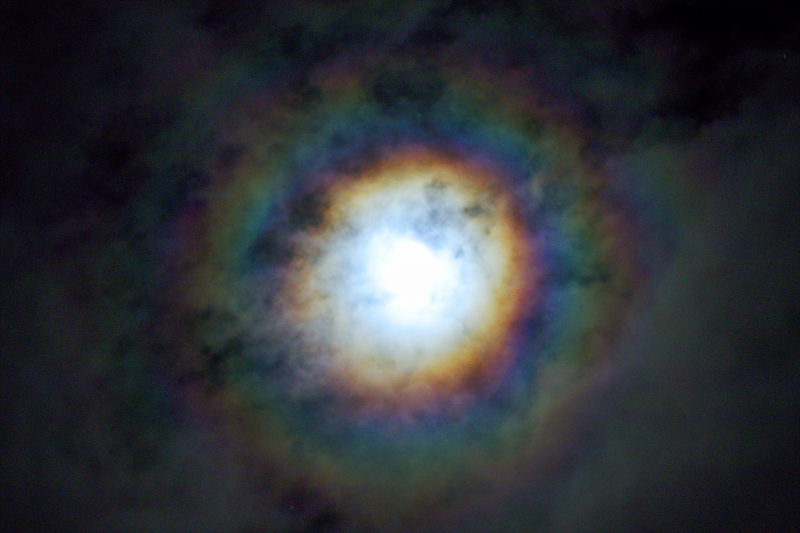
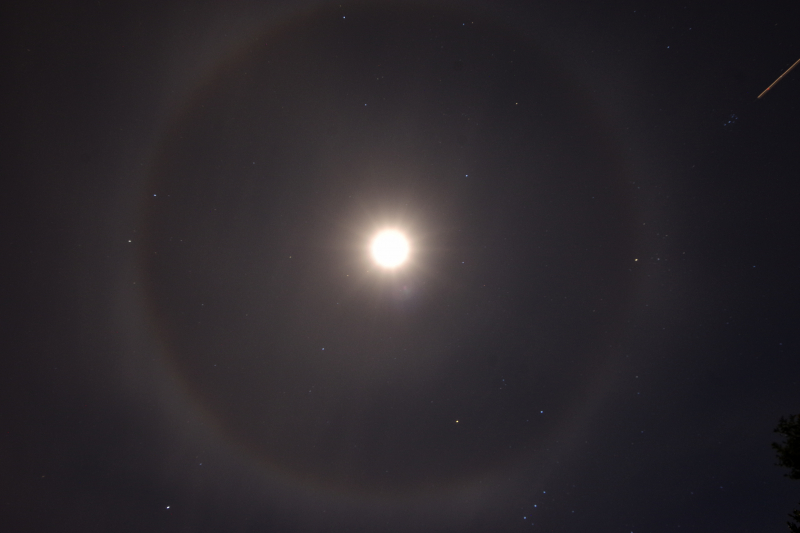
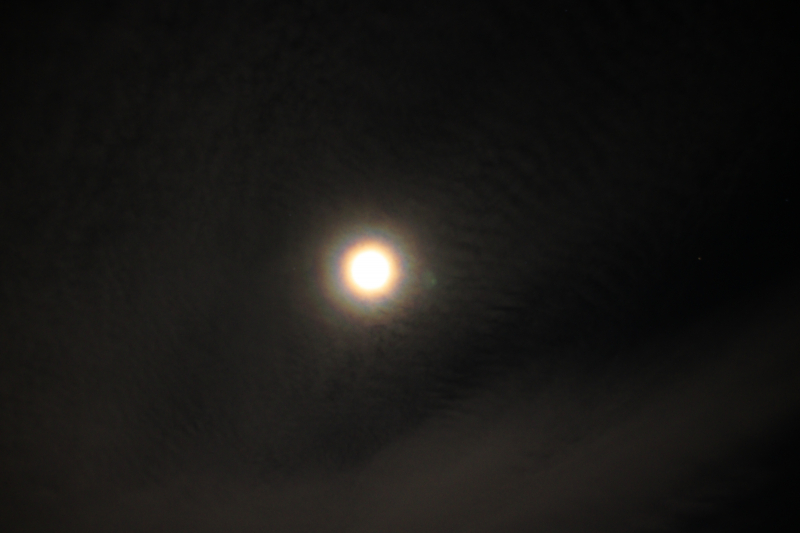
Lunar Halo Competition

As the name suggests, take an image of a Lunar Halo.

Rules:

Whilst the points awarding is somewhat ambiguous I'll be looking for the following...

  • Technically a good image (in focus)
  • Well composed 
  • Other points of interest (foreground or background)
  • A good story - if you have a story of how you took the image it can't hurt!

Entry criteria:

  • You can only enter if you are a paid up member (any tier of membership)
  • Entries must be to webmaster@crayfordmanorastro.com - feel free to post them on what's app as well!

Orion's Trapezium Competition

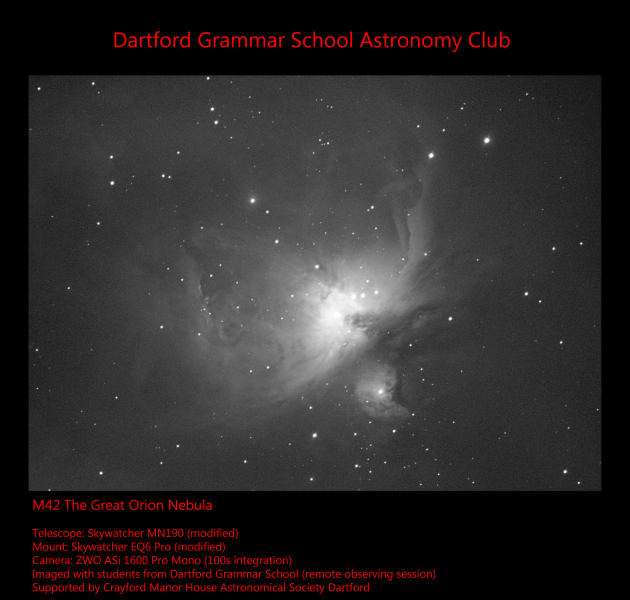
The Trapezium actually has more than 5 stars can you image them?

Rules:

Whilst the points awarding is somewhat ambiguous I'll be looking for the following...

  • Technically a good image (in focus)
  • you need to resolve at least 5 stars in the trapezium - this wil be challenging!

Entry criteria:

  • You can only enter if you are a paid up member (any tier of membership)
  • Entries must be to webmaster@crayfordmanorastro.com - feel free to post them on what's app as well!

Winner of the Milkyway from your backyard competition

[et_pb_section fb_built="1" _builder_version="4.7.4" _module_preset="default"][et_pb_row _builder_version="4.7.4" _module_preset="default"][et_pb_column _builder_version="4.7.4" _module_preset="default" type="4_4"][et_pb_text _builder_version="4.7.4" _module_preset="default" hover_enabled="0" sticky_enabled="0"]

The winner has been announced, every image was great but there has to be a winner and our congratulations goes to Richard Bohner of Arizona (yes he is a member of CMHASD) with this marvellous image taken from his back yard.

[caption id="" align="aligncenter" width="800"]MW_RichardBohner The Winner of the 'Milkyway from my back yard' competition. Image by Richard Bohner Taken with Canon 6D with wide angle lens at 24 mm at iso 1600 for 60 seconds. Jupiter & Saturn at far left with Sagittarius Teapot to left of galaxy and constellation Scorpius to right of galaxy. Taken on 15 June in Arizona, USA. (Richard lives in the USA so this is a valid entry)[/caption]


[/et_pb_text][/et_pb_column][/et_pb_row][/et_pb_section]
Meteor Report for November 2020

[et_pb_section fb_built="1" _builder_version="4.7.4" _module_preset="default"][et_pb_row _builder_version="4.7.4" _module_preset="default"][et_pb_column _builder_version="4.7.4" _module_preset="default" type="4_4"][et_pb_text _builder_version="4.7.4" _module_preset="default" hover_enabled="0" sticky_enabled="0"]

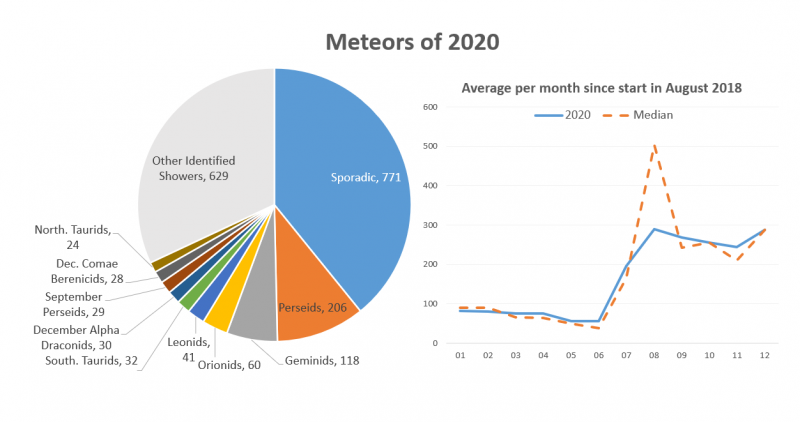
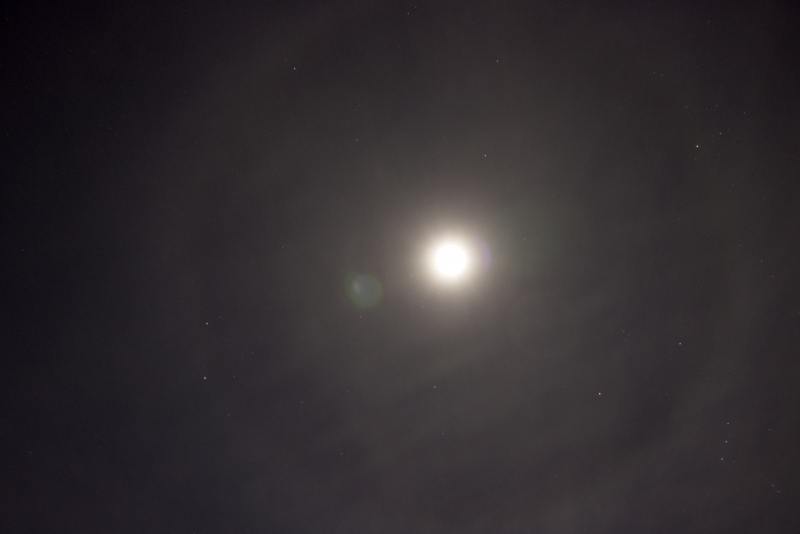
November 2020 was spent largely in lockdown due to the Corona virus, one thing keeping us from all going crazy is our astronomy and with our remotely operated meteor camera our members were still able to observe and had lots of candidates to look forward to, and it turned out this was our most productive November 'since records began' - ok the records only go back to August 2018 - so was it better weather, is COVID-19 actually space borne and arriving on the meteors, or perhaps it is just a useless fact? Personally I think it has something to do with 5G masts...

Sorry back to the report.

We observed 244 meteors, 39 of them Leonid's and you can watch them all - thanks to our members of the meteor team - without having to wade through all the false positive sightings.

I've embedded the video below, but if your attention span isn't what it was, then just check-out the highlights at the times listed below (if you click on them they will take you to the correct part of he video)

Highlights:

01:50     02:06      02:22     02:22     02:57     03:20     04:00     05:40     07:18     07:50 


[/et_pb_text][et_pb_code _builder_version="4.7.4" _module_preset="default" admin_label="youtube video" hover_enabled="0" sticky_enabled="0"][/et_pb_code][/et_pb_column][/et_pb_row][/et_pb_section]

Conjunction of Mars, Moon and ISS

[et_pb_section fb_built="1" _builder_version="4.6.6" _module_preset="default"][et_pb_row _builder_version="4.6.6" _module_preset="default"][et_pb_column type="4_4" _builder_version="4.6.6" _module_preset="default"][et_pb_text _builder_version="4.6.6" _module_preset="default"]

Image by Dianne

[caption id="" align="aligncenter" width="730"]Mars Moon ISS Image by Dianne. Mars, the Moon, & the ISS Canon 750d, Sigma 18-250mm lens, @18mm Exp 6 secs @ f/5.6, ISO-400 Static tripod[/caption]


[/et_pb_text][/et_pb_column][/et_pb_row][/et_pb_section]

Kelling Heath Autumn Equinox Star Party 2020

[et_pb_section fb_built="1" _builder_version="4.6.5" _module_preset="default" global_colors_info="{}"][et_pb_row _builder_version="4.6.5" _module_preset="default" global_colors_info="{}"][et_pb_column type="4_4" _builder_version="4.6.5" _module_preset="default" global_colors_info="{}"][et_pb_text _builder_version="4.6.5" _module_preset="default" global_colors_info="{}"]

7 members of the society attended the Kelling Heath Autumn Equinox Star Party, some booking camping pitches and others static caravans. The weather was overcast with showers with long dry spells and whilst the astronomical observations were very limited between clouds it was still a great event which I'd recommend any keen observers try to book.

[/et_pb_text][et_pb_code _builder_version="4.6.5" _module_preset="default" global_colors_info="{}"][/et_pb_code][/et_pb_column][/et_pb_row][/et_pb_section]

Meteor report for September 2020

[et_pb_section fb_built="1" _builder_version="4.6.5" _module_preset="default"][et_pb_row _builder_version="4.6.5" _module_preset="default"][et_pb_column _builder_version="4.6.5" _module_preset="default" type="4_4"][et_pb_text _builder_version="4.6.5" _module_preset="default" hover_enabled="0" sticky_enabled="0"]

This is the meteor report for the automated meteor camera operated by the Crayford manor house astronomical society Dartford, for the month of September 2020

This month we detected a total of 269 meteors, well over half were sporadic meteors, meteors from known showers only making a minor contribution to the total, the largest identified shower came from the September Perseids but contributed only 22 meteors to the months total

[/et_pb_text][et_pb_code _builder_version="4.6.5" _module_preset="default" hover_enabled="0" sticky_enabled="0"][/et_pb_code][/et_pb_column][/et_pb_row][/et_pb_section]

Perseid Meteor Shower Report 2020

[et_pb_section fb_built="1" _builder_version="4.6.1" _module_preset="default"][et_pb_row _builder_version="4.6.1" _module_preset="default"][et_pb_column _builder_version="4.6.1" _module_preset="default" type="4_4"][et_pb_text _builder_version="4.6.1" _module_preset="default" hover_enabled="0" sticky_enabled="0"]

The below video is a report for the perseid meteor shower, based on meteors captured by the semi-automated meteor camera operated by the society members.

[/et_pb_text][et_pb_code _builder_version="4.6.1" _module_preset="default" hover_enabled="0" sticky_enabled="0"][/et_pb_code][/et_pb_column][/et_pb_row][/et_pb_section]

Milkyway from my back yard competition

[et_pb_section fb_built="1" _builder_version="4.4.8"][et_pb_row _builder_version="4.4.8"][et_pb_column type="4_4" _builder_version="4.4.8"][et_pb_text _builder_version="4.4.8"]

This is a simple competition, take an image of the Milkyway from your back garden - or close to where you live. The winning image will be the one that the webmaster is most impressed with.

Rules:

  1. You have to be a member of the society
  2. No telescopes! This is for camera and lens only!
  3. Must be from your location not some superb dark sky you travelled to.
  4. Ends November-ish

What will impress the Webmaster most?

  • It's all about effort taken and obstacles overcome.
  • Local sky conditions vs image captured

Good luck!


[/et_pb_text][et_pb_text admin_label="Competition Entries" _builder_version="4.6.0"]

[caption id="" align="aligncenter" width="602"]Cygnus Rift Closeup mage by Leigh Slomer 26 light frames at 75 seconds ISO 800. 15 darks frames 20 flat frames Equipment used: Canon EOS200D Sigma 30mm f1.4 EX DC HSM lens @ f2.2 Skywatcher Star Adventurer tracking mount. Processed in Deep Sky Stacker and GIMP[/caption][caption id="" align="aligncenter" width="800"]Milkyway-Leigh-Sloamer Image by Leigh Sloamer I made an attempt at capturing the milky way last night. This is a 14 x 3 minute stack at iso 3200. I would have captured more but my new lens is a dew magnet. I also had to crop the image a bit due to amp glow in the lower left corner.[/caption][caption id="" align="aligncenter" width="800"]MW_JOhnArcher Image by John Archer Thought I would pop out and snap the Milky Way while the evening is still mild and the breeze has died down. Bit of a change from planet spotting....[/caption][caption id="" align="aligncenter" width="416"]milkywayHW Image by Honor Wheeler finally found this image of the Milky Way taken from my back garden on the evening of the 23rd of August 2014. I'd just got back from the cinema and the sky was amazing. As you'll see it was a single shot with my Canon 1100D on a tripod, no tracking! Black and White as light pollution was an issue.[/caption][caption id="" align="aligncenter" width="800"]MW_RichardBohner Image by Richard Bohner Taken with Canon 6D with wide angle lens at 24 mm at iso 1600 for 60 seconds. Jupiter & Saturn at far left with Sagittarius Teapot to left of galaxy and constellation Scorpius to right of galaxy. Taken on 15 June in Arizona, USA. (Richard lives in the USA so this is a valid entry)[/caption]

[/et_pb_text][/et_pb_column][/et_pb_row][/et_pb_section]

Conjunction of Mercury, Venus and the Moon.

[et_pb_section fb_built="1" _builder_version="4.4.7" global_colors_info="{}"][et_pb_row _builder_version="4.4.7" global_colors_info="{}"][et_pb_column type="4_4" _builder_version="4.4.7" global_colors_info="{}"][et_pb_text _builder_version="4.4.7" global_colors_info="{}"]

The recent conjunction of the Moon, Venus and Mercury in the evening sky has been delighting our members, below are some contributions from those who imaged it.

[caption id="" align="aligncenter" width="800"]JimBurchell-Moon-and-Mercury-20200525_095543 Image by Jim Burchell The Moon and Mercury showing Earthshine. Taken Dartford top road. Pentax K70.[/caption][caption id="" align="aligncenter" width="800"]John-Howarth-Moon-Mercury-Venus-May24_2056UT Image by John Howarth Venus is at lower right on both photos, Mercury (faint, but visible) is about equidistant from Venus and the moon, practically level with the moon.[/caption][caption id="" align="aligncenter" width="800"]John-Howarth-Moon-Mercury-Venus-May24_2045UT Image by John Howarth Venus is at lower right on both photos, Mercury (faint, but visible) is about equidistant from Venus and the moon, practically level with the moon. Taken from the park.[/caption]
[caption id="" align="aligncenter" width="800"]stephen-goldson-moonmercuryIMG_4569 Image by Stephen Goldson 'First time I've seen Mercury clearly'[/caption]

[/et_pb_text][/et_pb_column][/et_pb_row][/et_pb_section]

TOP