All Sky Cam Project

[et_pb_section fb_built="1" _builder_version="4.0.4"][et_pb_row _builder_version="4.0.4"][et_pb_column _builder_version="4.0.4" type="4_4"][et_pb_text _builder_version="4.0.4" admin_label="intro text" hover_enabled="0"]

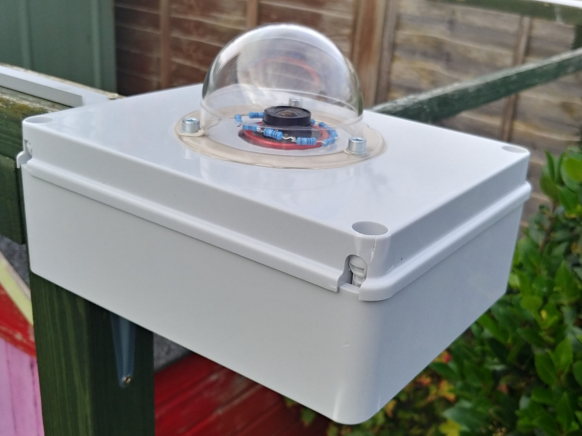
At a recent society night Keith described how he has built an all-sky camera, mainly from parts he had laying around, the camera is capable of producing a live view of the sky, time laps video summary of the night, can upload the images to a website for public viewing and can be used as an ASCOM compliant sky sensor.

This short article provides some notes to help others wishing to do the same.


[/et_pb_text][/et_pb_column][/et_pb_row][et_pb_row _builder_version="4.0.4" column_structure="1_2,1_2"][et_pb_column _builder_version="4.0.4" type="1_2"][et_pb_text _builder_version="4.0.4" hover_enabled="0"]

Parts needed:

  • PC/Laptop (windows)
  • A CCD/CMOS Astronomy camera (with ASCOM drivers)
  • Fish eye lens (Keith use a 2.1mm CCTV Cmount lens)
  • Long USB cable 
  • Rechargeable dehumidifier 
  • Water proof electrical junction box 
  • 3.5" Acrylic dome (from dewcontrol.com)
  • Plumbers Mate putty (to seal the dome to the junction box)
  • AllSkEye software 
  • Tektite Skies software (ASCOM cloud sensor software based on all sky camera)
  • 1 Ohm resistors (to make dew heater - although dewcontrol.com make them if you don't want to make your own)
  • Rain-X Plastic - to reduce raindrops and dew on the dome.
  • USB female panel mount connector
  • 12v power supply - for the dew heater


Key Features provided by AllSkEye 

  • Can run 24/7 automonously
  • Acquire images during pre-set or calculated (e.g. night) times
  • Place latest image on the Internet (FTP)
  • Can automatically creates video files of saved images
  • Add overlay on images (e.g. timestamp, compass, text)
  • Can save files in FITS format
  • Detects meteor trails

Key Features provided by Tektite Skies

  • Able to detect stars and clouds
  • Can send an email or sound an alert when sky is clear
  • Start and stop times
  • Optional free ASCOM interface

[/et_pb_text][/et_pb_column][et_pb_column _builder_version="4.0.4" type="1_2"][et_pb_text _builder_version="4.0.4" hover_enabled="0"]

[caption id="" align="aligncenter" width="582"]AllSkyCam_KR All sky camera built by Keith Rickard[/caption]
[/et_pb_text][/et_pb_column][/et_pb_row][et_pb_row _builder_version="4.0.4"][et_pb_column _builder_version="4.0.4" type="4_4"][et_pb_text _builder_version="4.0.4" hover_enabled="0"]

More information can be found in Keith's Original Presentation.

Have you made one? Have other ideas on how to make an all sky camera? Leave a comment below

[/et_pb_text][/et_pb_column][/et_pb_row][/et_pb_section]
AM or PM for meteor observations?

[et_pb_section fb_built="1" _builder_version="4.0.4"][et_pb_row _builder_version="4.0.4"][et_pb_column type="4_4" _builder_version="4.0.4"][et_pb_text _builder_version="4.0.4" hover_enabled="0"]

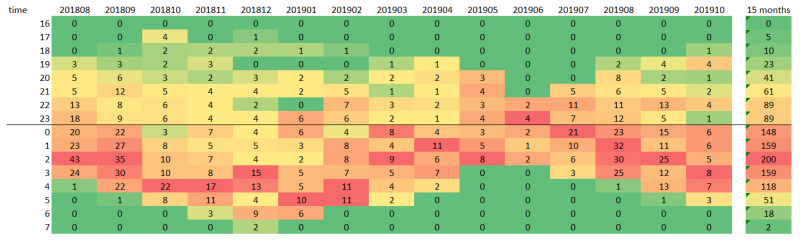
It is well known that you see fewer meteors before midnight than after. This is explained by the fact that before local midnight Meteors hitting the Earth's atmosphere must be travelling in the same direction as the Earth, so the relative speed of the meteor to the Earth is smaller, whereas after midnight the Earth is passing through Meteors on the Earth's leading edge, so the relative speed of the meteors are faster, and since the speed the meteor hits our atmosphere affects its brightness we should see more after midnight than before.

My own experience sifting through the meteor candidates from our camera and observing over long periods, suggest this bias should be easy to detect, so now that we have over 15 months of data, I thought I'd see if this bias in observations was real. 

The UFO analysis software categorises the meteors into named showers, if a shower can't be identified it is classed as a sporadic meteor. I have only used the sporadic meteors in the analysis to minimise any bias due to known meteor showers.

My (very simple) analysis suggests on average you are 2.7 times more likely to see a meteor after midnight than before, a much larger factor than I'd expected.

[caption id="" align="aligncenter" width="800"]AMPMMeteorPlot Plot showing the number of sporadic meteors per hour over a 15 month period as captured by the Meteor team using the Societies meteor camera. Overall you are 2.69 times more likely to see a meteor after midnight than before.[/caption]
Does this reflect your experience? Comment below.


[/et_pb_text][/et_pb_column][/et_pb_row][/et_pb_section]

Transit of Mercury, 11th November 2019

[et_pb_section fb_built="1" _builder_version="4.0.4" global_colors_info="{}"][et_pb_row _builder_version="4.0.4" global_colors_info="{}"][et_pb_column type="4_4" _builder_version="4.0.4" global_colors_info="{}"][et_pb_text admin_label="text" _builder_version="4.0.4" global_colors_info="{}"]

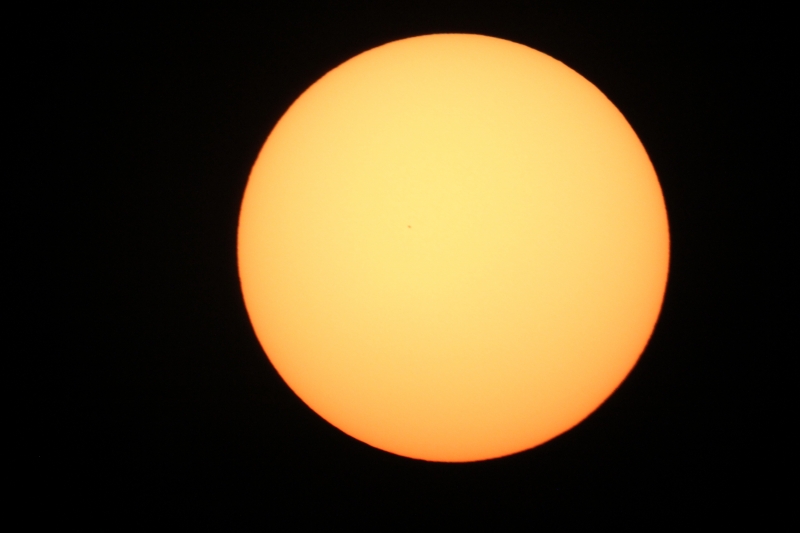
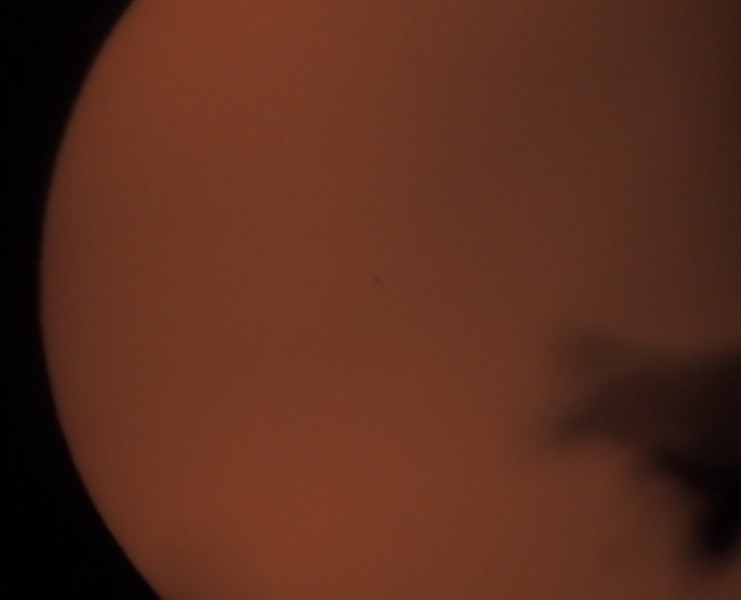
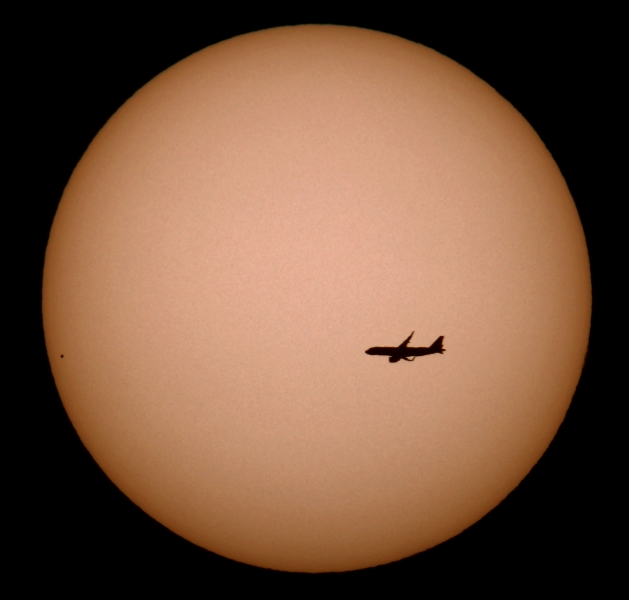
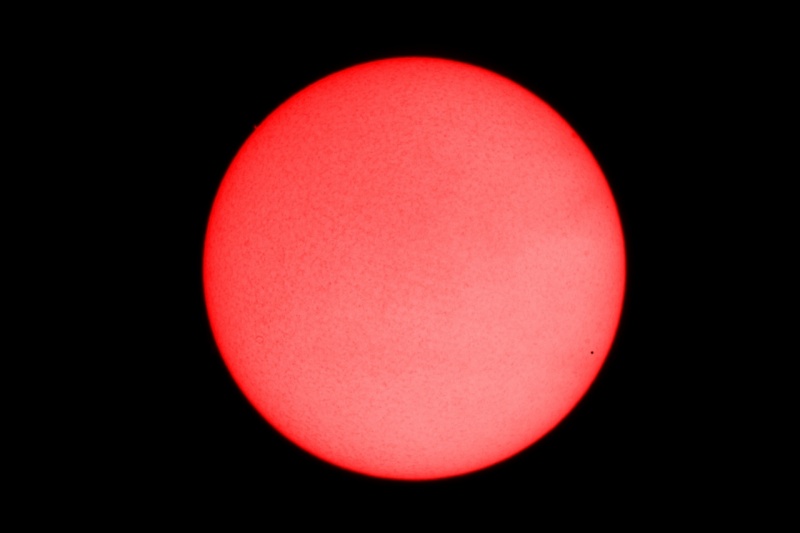
Despite the poor weather our members were out in force observing the transit of Mercury across the face of the Sun, something that has to be done carefully to be safe.

There were 8 members and 4 visitors at the Observatory with a variety of 'scopes . Rita and Honor also had their PST's on hand. Other members observed at their homes or online.

[/et_pb_text][et_pb_text admin_label="Mike Image" _builder_version="4.0.4" global_colors_info="{}"]

[caption id="" align="aligncenter" width="800"]TransitofMercury-MR White light photo by Mike Rushton taken 14:50 on 11/11/19. C8 with f/6.3 focal reducer on HEQ5 Pro. Full aperture glass solar filter Canon 60D at prime focus ISO 1600, Exp 1/400 sec.[/caption]
[/et_pb_text][et_pb_text admin_label="JM Image" _builder_version="4.0.4" global_colors_info="{}"]

[caption id="" align="aligncenter" width="741"]TransitofMercury-JM-2019-11-11 Image by Janice McClean[/caption]

[/et_pb_text][et_pb_text admin_label="Image MC" _builder_version="4.0.4" global_colors_info="{}"]

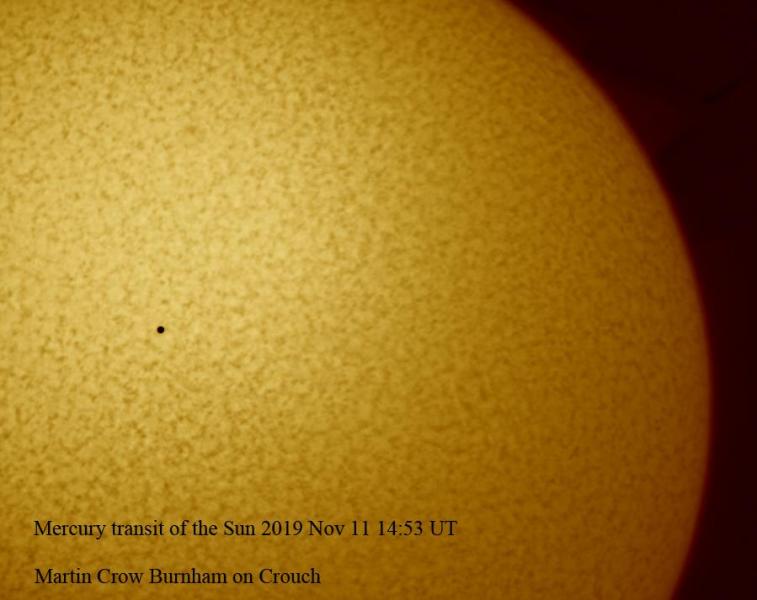
[caption id="" align="aligncenter" width="757"]TransitofMercury-MC2019-11-11-14-53 Image by Martin Crow 2019-11-11 14:53UT Ha Image[/caption]
[/et_pb_text][et_pb_text admin_label="HW Image" _builder_version="4.0.4" global_colors_info="{}"]

[caption id="" align="aligncenter" width="629"]20191111_ToM Image by Honor Wheeler in White Light[/caption]
[/et_pb_text][et_pb_text admin_label="Image RB" _builder_version="4.0.4" global_colors_info="{}"]

[caption id="" align="aligncenter" width="800"]ToMRichard Image of the Transit of Mercury 11/11/2019 by Richard Bohner[/caption]
[/et_pb_text][/et_pb_column][/et_pb_row][/et_pb_section]

Star gazing at Hall Place

[et_pb_section fb_built="1" _builder_version="4.0.4" global_colors_info="{}"][et_pb_row _builder_version="4.0.4" global_colors_info="{}"][et_pb_column type="4_4" _builder_version="4.0.4" global_colors_info="{}"][et_pb_text admin_label="text" _builder_version="4.0.4" global_colors_info="{}"]

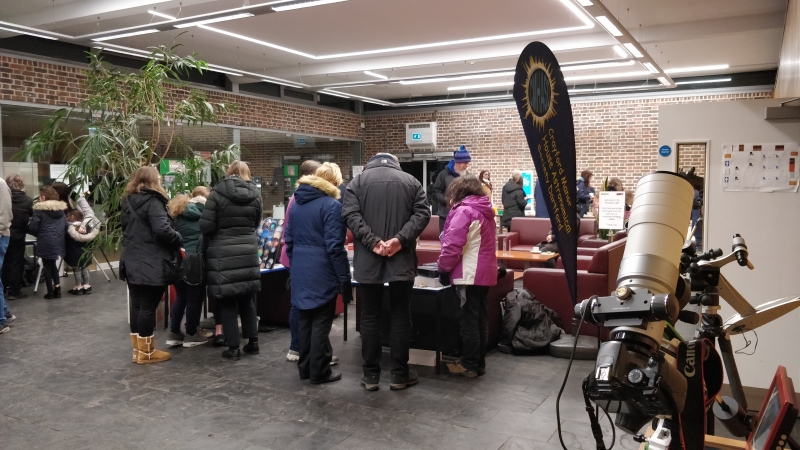
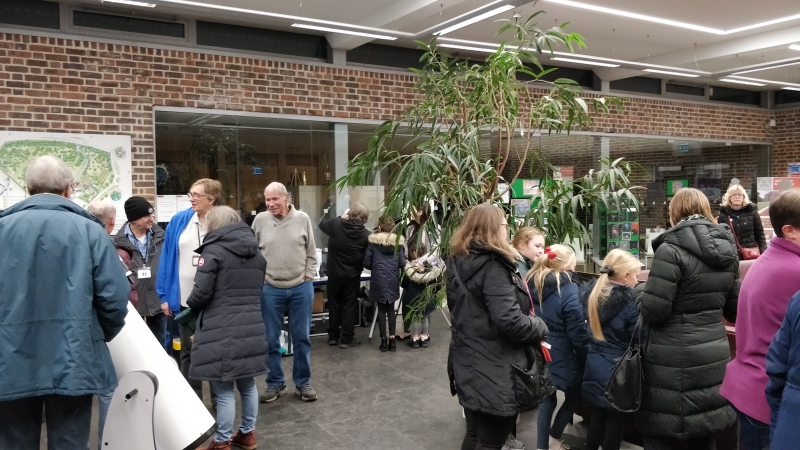
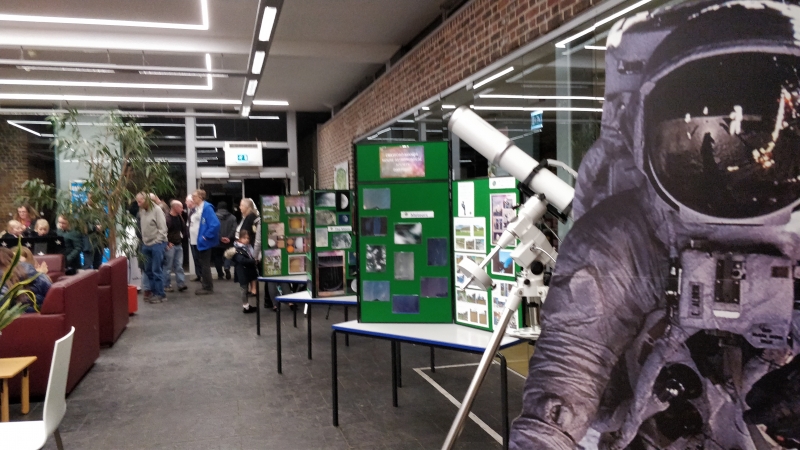
It was horizon - horizon cloud last Wednesday for the sold out star gazing event at Hall Place, however we were prepared for this and along with comet making, we held sessions on drawing objects in the night sky and a variety of talks about astronomy. We had brilliant support from our members - thanks to all - who bought a variety of telescopes, cameras, meteorites and other displays, overall the visitors went away happy despite not being able to view the heavens. 

[/et_pb_text][/et_pb_column][/et_pb_row][et_pb_row column_structure="1_2,1_2" _builder_version="4.0.4" global_colors_info="{}"][et_pb_column type="1_2" _builder_version="4.0.4" global_colors_info="{}"][et_pb_text admin_label="image" _builder_version="4.0.4" global_colors_info="{}"]

2019-OctStarGazingLiveatHallPlace4

[/et_pb_text][et_pb_text admin_label="image" _builder_version="4.0.4" global_colors_info="{}"]

2019-OctStarGazingLiveatHallPlace2

[/et_pb_text][/et_pb_column][et_pb_column type="1_2" _builder_version="4.0.4" global_colors_info="{}"][et_pb_text admin_label="image" _builder_version="4.0.4" global_colors_info="{}"]

2019-OctStarGazingLiveatHallPlace3

[/et_pb_text][et_pb_text admin_label="image" _builder_version="4.0.4" global_colors_info="{}"]

2019-OctStarGazingLiveatHallPlace1

[/et_pb_text][/et_pb_column][/et_pb_row][/et_pb_section]

Meteor Report for October 2019

[et_pb_section fb_built="1" _builder_version="4.0.4"][et_pb_row _builder_version="4.0.4"][et_pb_column type="4_4" _builder_version="4.0.4"][et_pb_text admin_label="text blurb" _builder_version="4.0.4"]

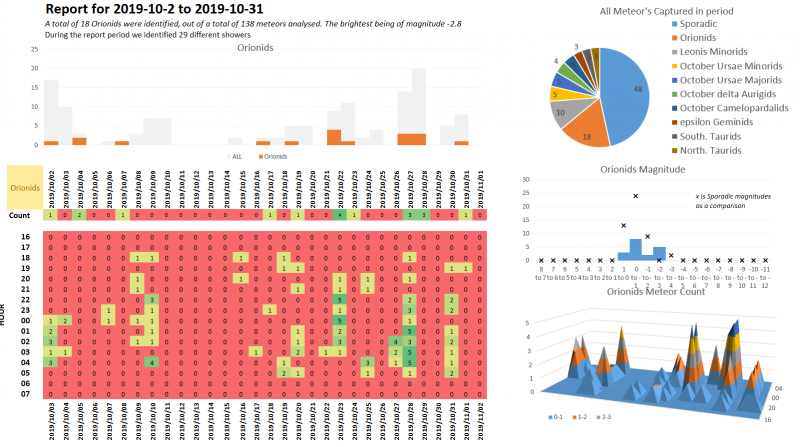
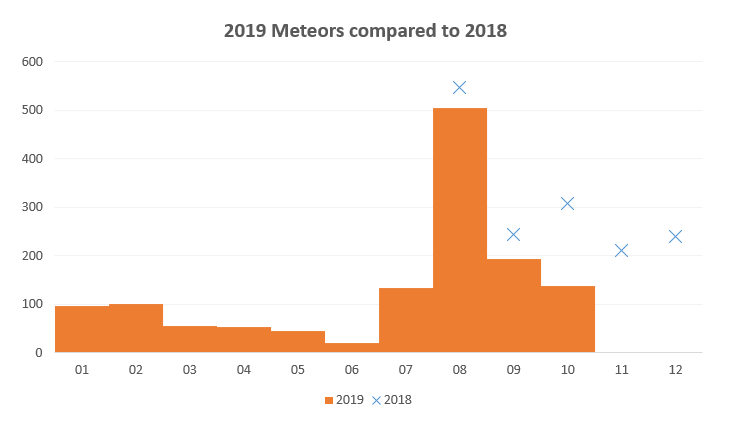
In October 2019 we detected a total of 138 meteors associated with 29 different showers.
 
We observed 18 Orionids, which was the most active shower in October, the brightest being of visual magnitude -2.8, however sporadic meteors dominated our detections.
Overall we detected fewer meteors this year than in October 2018.

[/et_pb_text][et_pb_text admin_label="charts" _builder_version="4.0.4"]

Meteor-Repor-Oct2019

Meteor-Repor-Oct2019-comparison

[/et_pb_text][et_pb_code admin_label="youtube video" _builder_version="4.0.4"][/et_pb_code][/et_pb_column][/et_pb_row][/et_pb_section]

Observation of Exo-Planet KELT 16b

[et_pb_section fb_built="1" _builder_version="3.29.3" global_colors_info="{}"][et_pb_row _builder_version="3.29.3" global_colors_info="{}"][et_pb_column type="4_4" _builder_version="3.29.3" global_colors_info="{}"][et_pb_text admin_label="Blurb" _builder_version="3.29.3" global_colors_info="{}"]

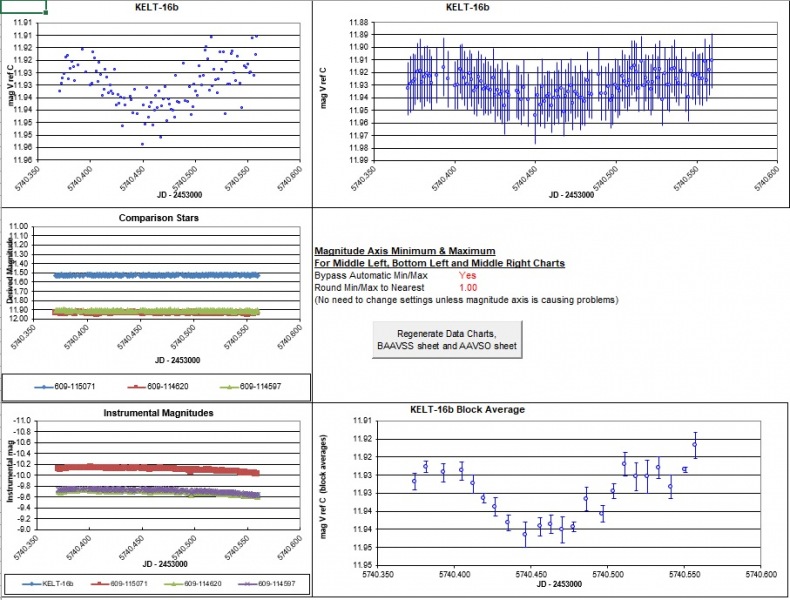
KELT-16b is an exo-planet in Cygnus, member Martin Crow measured the brightness of the parent star (KELT48) in order to capture the small drop in brightness when the planet transits the face of the star, this is a very subtle observation that requires a lot of attention to detail in order to capture such a small change in brightness.

KELT-16b

[/et_pb_text][/et_pb_column][/et_pb_row][/et_pb_section]

Observation of Exo-Planet WASP-48b

[et_pb_section fb_built="1" _builder_version="3.29.3" global_colors_info="{}"][et_pb_row _builder_version="3.29.3" global_colors_info="{}"][et_pb_column type="4_4" _builder_version="3.29.3" global_colors_info="{}"][et_pb_text admin_label="Blurb" _builder_version="3.29.3" global_colors_info="{}"]

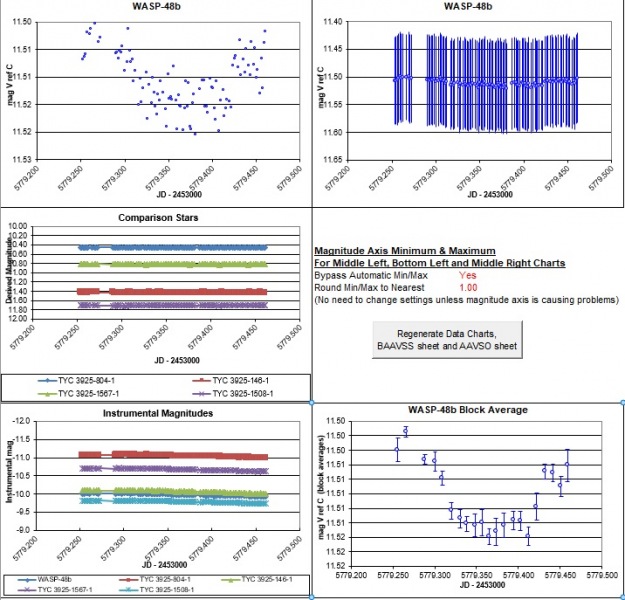
Exo-Planet WASP 48b is a planet discovered around star WASB 48 in the constellation of Cygnus. Member, Martin Crow measured the brightness of WASP 48, using the same techniques used for variable star observations - although the changed in brightness are very small, in order to detect the drop in brightness of the star as the exo-planet transits across the face of the star. 

WASP-48b-2019oct22-results

[/et_pb_text][/et_pb_column][/et_pb_row][/et_pb_section]

Observation of Exo-Planet HD 189733b

[et_pb_section fb_built="1" _builder_version="3.29.3" global_colors_info="{}"][et_pb_row _builder_version="3.29.3" global_colors_info="{}"][et_pb_column type="4_4" _builder_version="3.29.3" global_colors_info="{}"][et_pb_text admin_label="blurb" _builder_version="3.29.3" global_colors_info="{}"]

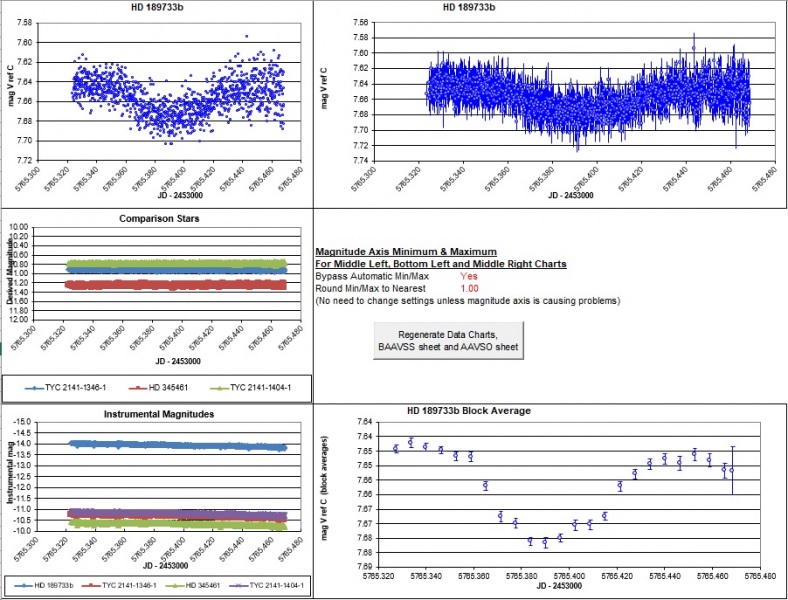
HD 189733 b is an extrasolar planet, in the constellation of Vulpecula. According to Wikipedia it is 64.5 light years away. Member, Martin Crow, used the same techniques used for observing variable stars to detect the drop in light from the parent star as the planet crossed in front of it. If you have data you want to share please contact the webmaster.

HD-189733b-results-2019oct08

[/et_pb_text][/et_pb_column][/et_pb_row][/et_pb_section]

Meteor Report for September 2019

[et_pb_section fb_built="1" _builder_version="3.22" _i="0" _address="0"][et_pb_row _builder_version="3.25" background_size="initial" background_position="top_left" background_repeat="repeat" _i="0" _address="0.0"][et_pb_column type="4_4" _builder_version="3.25" custom_padding="|||" _i="0" _address="0.0.0" custom_padding__hover="|||"][et_pb_text _builder_version="3.27.4" background_size="initial" background_position="top_left" background_repeat="repeat" _i="0" _address="0.0.0.0"]

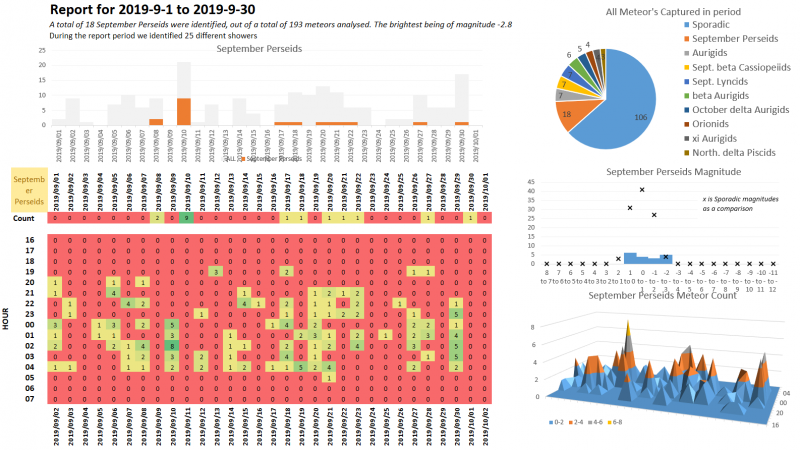
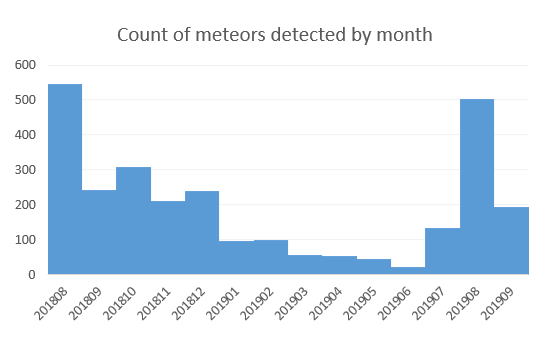
Lots of meteors in September including some very bright ones, so worth checking out the video!


[/et_pb_text][et_pb_text _builder_version="3.29.3" admin_label="Report Image" hover_enabled="0"]

MeteorReport2019-09

[/et_pb_text][et_pb_text _builder_version="3.29.3" admin_label="Yearly report" hover_enabled="0"]

YearlyratesofMeteors2019-09

[/et_pb_text][et_pb_code _builder_version="3.29.3" admin_label="Youtube video" hover_enabled="0"][/et_pb_code][/et_pb_column][/et_pb_row][/et_pb_section]

“Fun Palace” event at Bexleyheath Library

[et_pb_section fb_built="1" _builder_version="3.29.3" global_colors_info="{}"][et_pb_row _builder_version="3.29.3" global_colors_info="{}"][et_pb_column type="4_4" _builder_version="3.29.3" global_colors_info="{}"][et_pb_text admin_label="Text" _builder_version="3.29.3" global_colors_info="{}"]

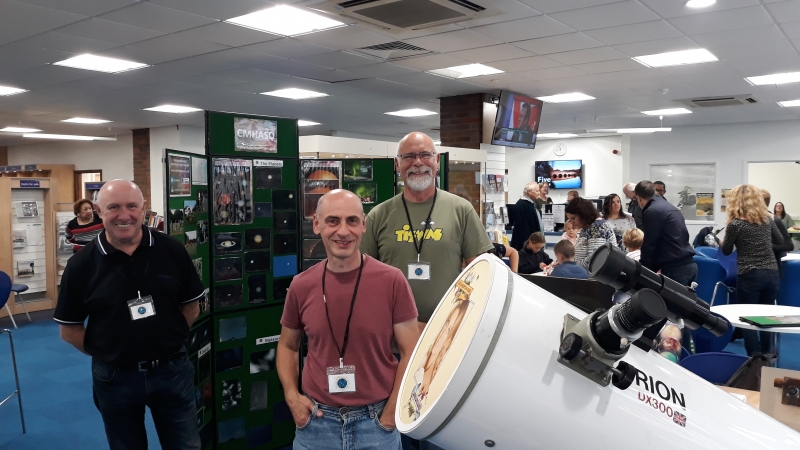
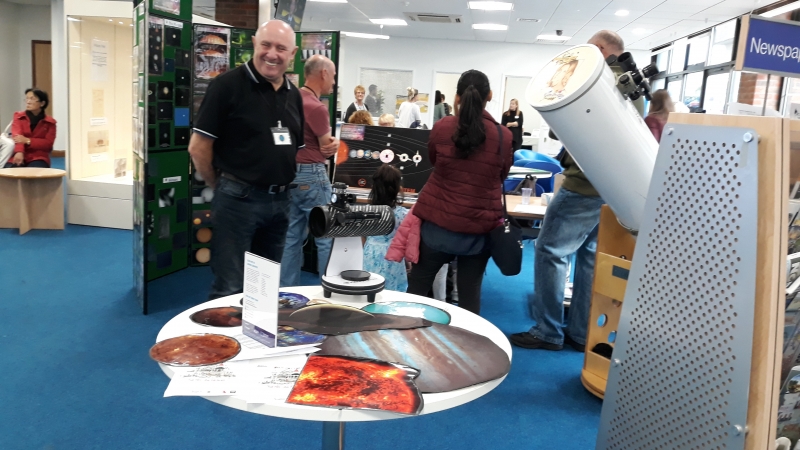
As part of our public outreach, a few of us represented the Society at a "Fun Palace" event at Bexleyheath Library on Saturday. These relatively low-key events are intended to showcase small, local interest groups such as arts & crafts, therapies, lizard / snake keeping and in our case, all things Astronomy!
 
We had a prominent and large display which meant good foot-fall and a lot of interest from the public. Former members from the 1960's and 1970's came by to say hello - these gents were quite elderly as you can appreciate but knew Dick Chambers, Dr Wilkins and John Wall.
 
Our telescope Olivia drew in visitors as did the planet game. It was encouraging to watch young children complete the planet game with little or no help. (Ask us about the 5-year-old and 3-year-olds completing it!)
We had Saturn sketched by one of the youngsters and also imaged a planet mounted at the far end of the Fiction section!
 
All in all, a very positive event - we received feedback from the Library team to say that we were a hit with their customers.  Likely we will pick up some future visitors or even members, so watch this space.
 
I want to thank the team who helped on the day - Steve, Terry, Andy and Rita - really appreciate you giving up your time. We presented the Society in a very positive light.

[/et_pb_text][et_pb_text content_tablet="" content_phone="" content_last_edited="on|desktop" _builder_version="3.29.3" global_colors_info="{}"]

FunPalaces1FunPalaces2

[/et_pb_text][/et_pb_column][/et_pb_row][/et_pb_section]

TOP