[et_pb_section fb_built="1" _builder_version="4.16" global_colors_info="{}"][et_pb_row _builder_version="4.16" background_size="initial" background_position="top_left" background_repeat="repeat" global_colors_info="{}"][et_pb_column type="4_4" _builder_version="4.16" custom_padding="|||" global_colors_info="{}" custom_padding__hover="|||"][et_pb_text _builder_version="4.16" z_index_tablet="500" global_colors_info="{}"]
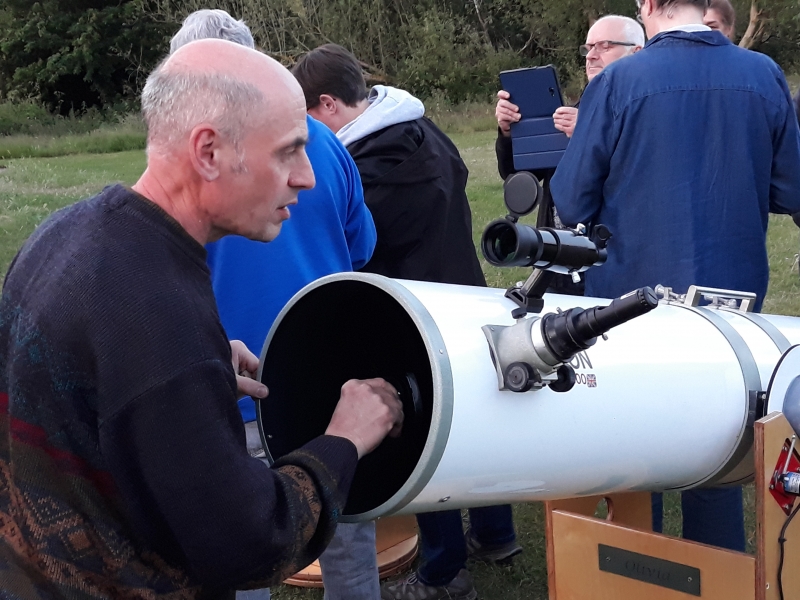
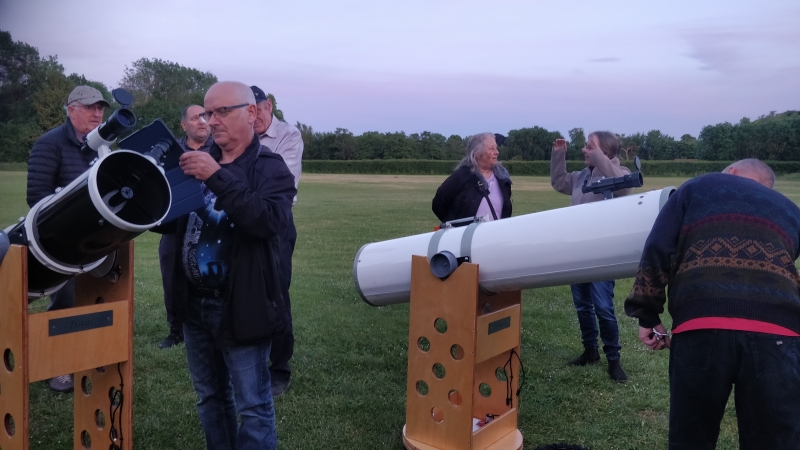
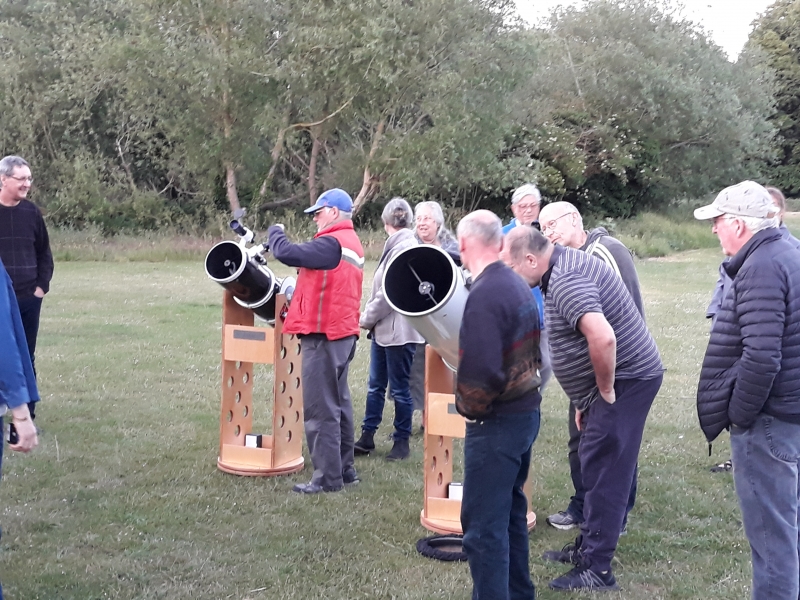
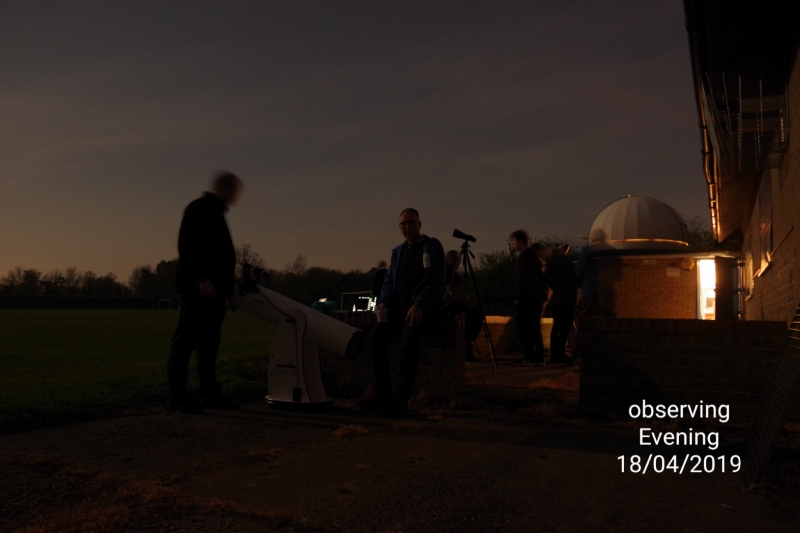
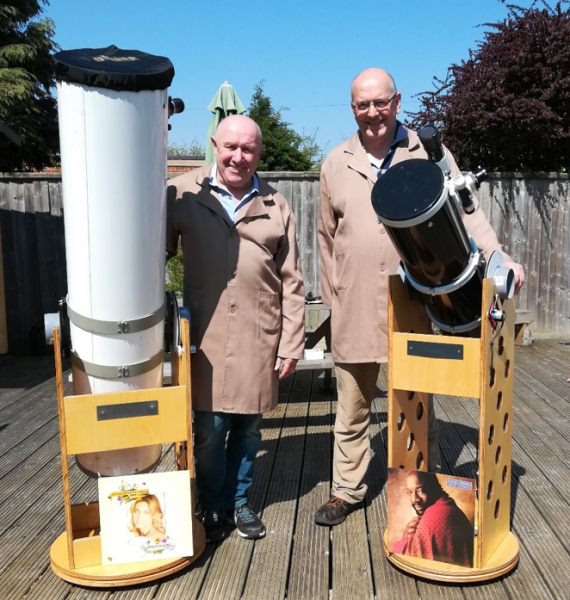
Members Steve and Dave with some technical support from Keith have built another two Dobsonian telescopes for the society using donated Newtonian tubes, one is a 200mm F5 Skywatcher the other a 300mm F5.3 Orion Optics.
The design is the same as the previous Dobsonian mount they presented to the society last year, which is affectionately known as Anita.
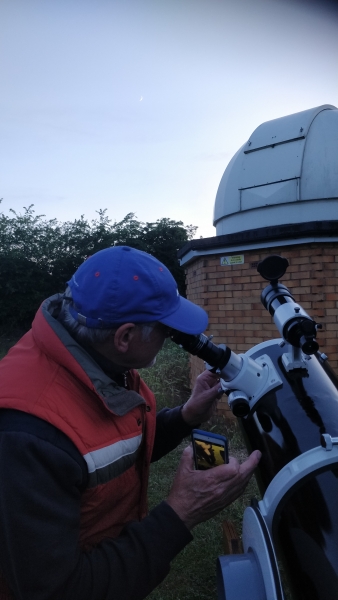
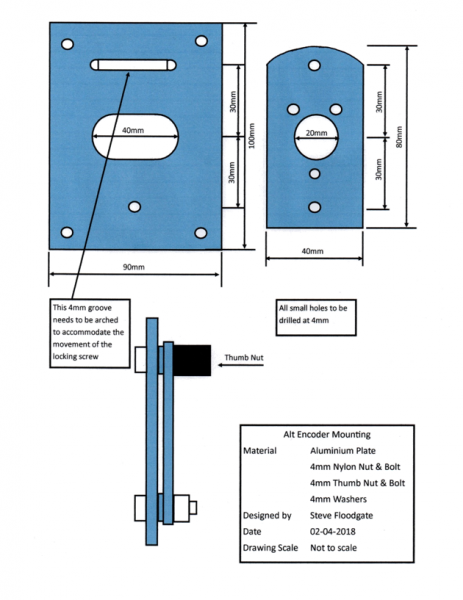
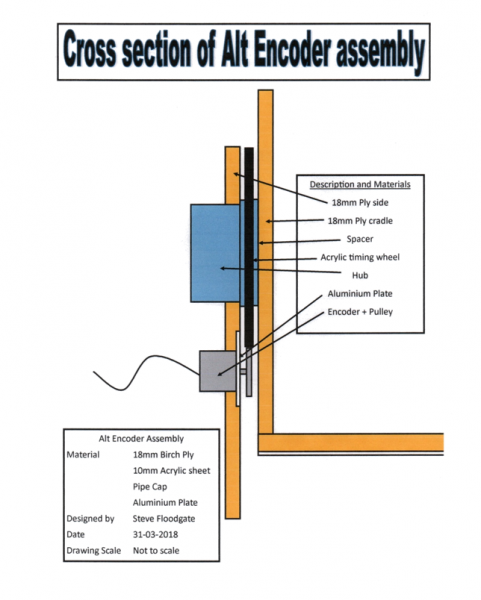
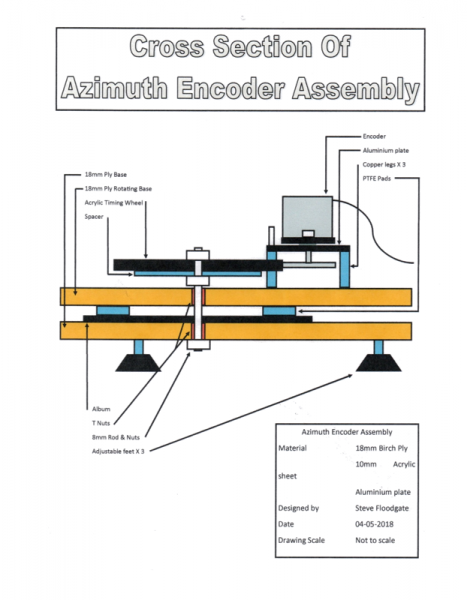
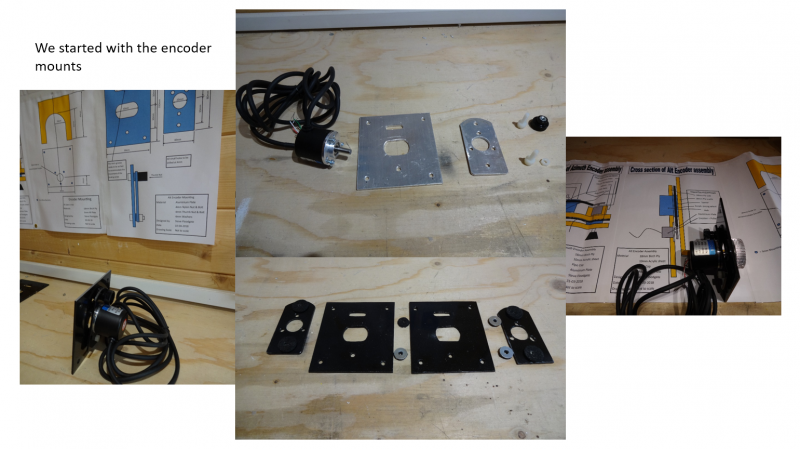
The Telescopes are equipped with a 'push-to' system we call 'Dob Buddy' which was originally presented to the society by fellow member Simon. The Dob buddy allows members using an Android or Apple mobile device, equipped with Sky Safari Pro to locate difficult to find objects in the night sky with ease.
[/et_pb_text][/et_pb_column][/et_pb_row][et_pb_row column_structure="1_3,1_3,1_3" _builder_version="4.16" background_size="initial" background_position="top_left" background_repeat="repeat" global_colors_info="{}"][et_pb_column type="1_3" _builder_version="4.16" custom_padding="|||" global_colors_info="{}" custom_padding__hover="|||"][et_pb_text admin_label="Image Dob Buddy" _builder_version="4.16" z_index_tablet="500" global_colors_info="{}"]
[/et_pb_text][/et_pb_column][et_pb_column type="1_3" _builder_version="4.16" custom_padding="|||" global_colors_info="{}" custom_padding__hover="|||"][et_pb_text admin_label="Image Dob Buddy" _builder_version="4.16" z_index_tablet="500" global_colors_info="{}"]
[/et_pb_text][/et_pb_column][et_pb_column type="1_3" _builder_version="4.16" custom_padding="|||" global_colors_info="{}" custom_padding__hover="|||"][et_pb_text admin_label="Image Dob Buddy" _builder_version="4.16" z_index_tablet="500" global_colors_info="{}"]
[/et_pb_text][/et_pb_column][/et_pb_row][et_pb_row _builder_version="4.16" background_size="initial" background_position="top_left" background_repeat="repeat" global_colors_info="{}"][et_pb_column type="4_4" _builder_version="4.16" custom_padding="|||" global_colors_info="{}" custom_padding__hover="|||"][et_pb_text _builder_version="4.16" z_index_tablet="500" global_colors_info="{}"]
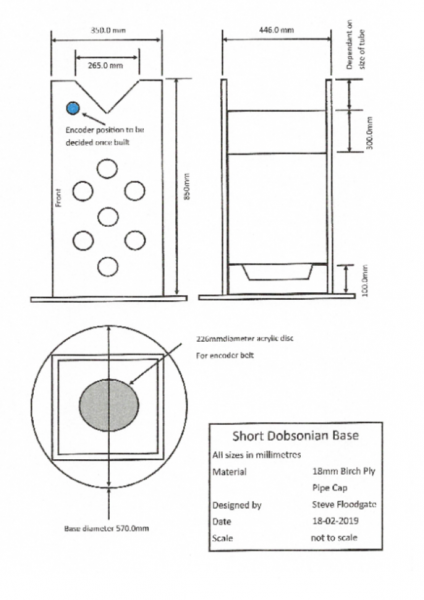
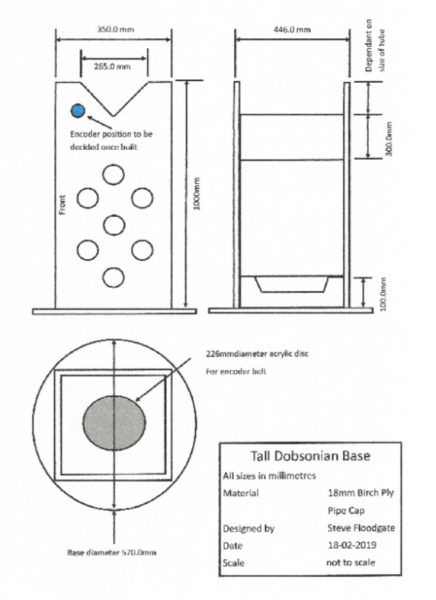
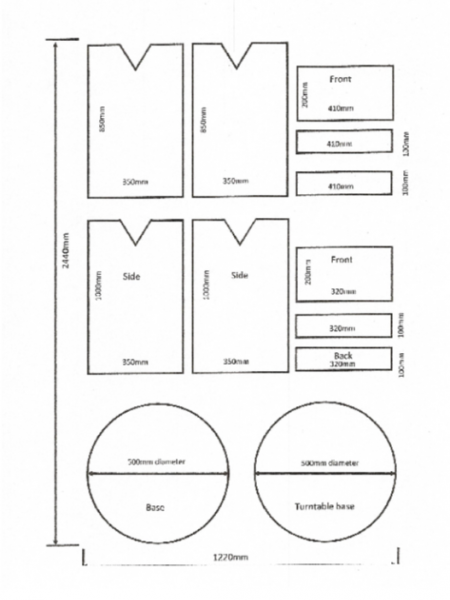
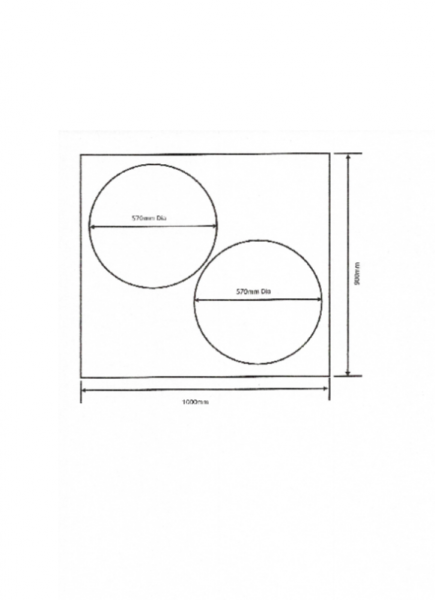
The Plans
[/et_pb_text][/et_pb_column][/et_pb_row][et_pb_row column_structure="1_2,1_2" _builder_version="4.16" background_size="initial" background_position="top_left" background_repeat="repeat" global_colors_info="{}"][et_pb_column type="1_2" _builder_version="4.16" custom_padding="|||" global_colors_info="{}" custom_padding__hover="|||"][et_pb_text admin_label="Image plan" _builder_version="4.16" z_index_tablet="500" global_colors_info="{}"]
[/et_pb_text][/et_pb_column][et_pb_column type="1_2" _builder_version="4.16" custom_padding="|||" global_colors_info="{}" custom_padding__hover="|||"][et_pb_text admin_label="Image plan" _builder_version="4.16" z_index_tablet="500" global_colors_info="{}"]
[/et_pb_text][/et_pb_column][/et_pb_row][et_pb_row column_structure="1_2,1_2" _builder_version="4.16" background_size="initial" background_position="top_left" background_repeat="repeat" global_colors_info="{}"][et_pb_column type="1_2" _builder_version="4.16" custom_padding="|||" global_colors_info="{}" custom_padding__hover="|||"][et_pb_text admin_label="Image plan" _builder_version="4.16" z_index_tablet="500" global_colors_info="{}"]
[/et_pb_text][/et_pb_column][et_pb_column type="1_2" _builder_version="4.16" custom_padding="|||" global_colors_info="{}" custom_padding__hover="|||"][et_pb_text admin_label="Image plan" _builder_version="4.16" z_index_tablet="500" global_colors_info="{}"]
[/et_pb_text][/et_pb_column][/et_pb_row][et_pb_row _builder_version="4.16" background_size="initial" background_position="top_left" background_repeat="repeat" global_colors_info="{}"][et_pb_column type="4_4" _builder_version="4.16" custom_padding="|||" global_colors_info="{}" custom_padding__hover="|||"][et_pb_text _builder_version="4.16" z_index_tablet="500" global_colors_info="{}"]
[/et_pb_text][et_pb_text _builder_version="4.16" z_index_tablet="500" global_colors_info="{}"]
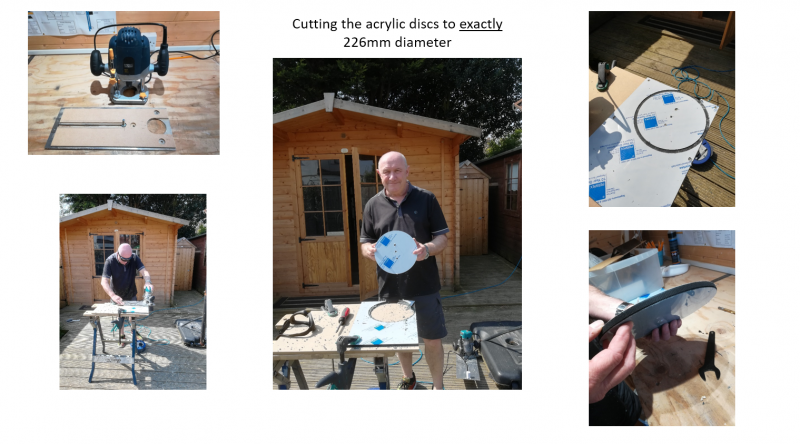
The Dob buddy system uses an Arduino with low resolution encoders couples to the mount with timing belts, this system results in a very high resolution encoder system for a fraction of the costs (the encoders are £8!), all the heavy lifting in terms of tracking the telescopes position is managed by the Sky Safari Pro software. The limitations of the Apple IOS operating system not being able to send data over Bluetooth are circumvented by providing Wi-fi access to Dob Buddy.
[/et_pb_text][et_pb_text _builder_version="4.16" z_index_tablet="500" global_colors_info="{}"]
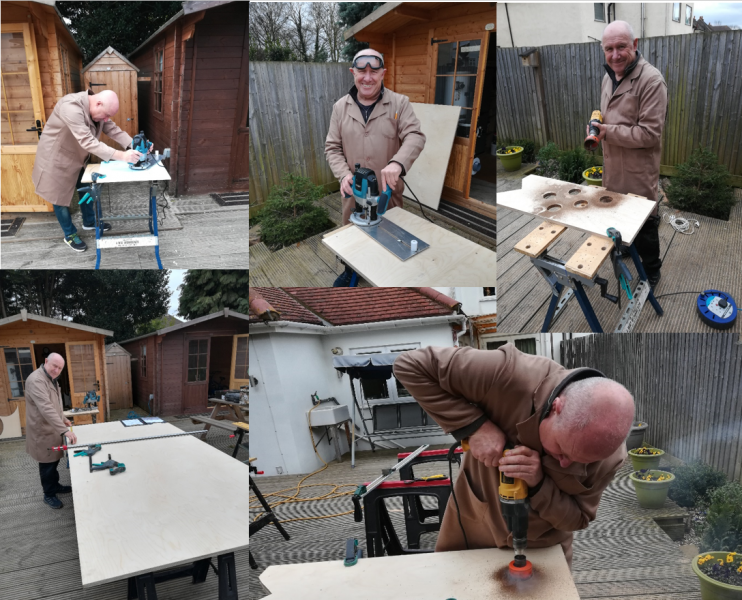
Two mounts were constructed from Birch faced ply. It was decided that Anita (our first Dobsonian) was a bit heavy, so the new Dob's were put on a diet, by cutting holes in the ply.
[/et_pb_text][et_pb_text _builder_version="4.16" z_index_tablet="500" global_colors_info="{}"]
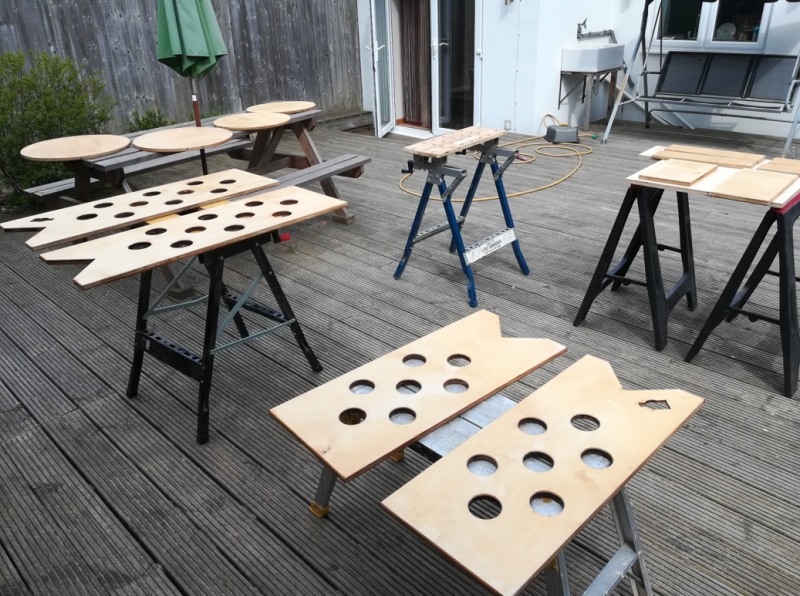
Parts ready for assembly.
[/et_pb_text][et_pb_text _builder_version="4.16" z_index_tablet="500" global_colors_info="{}"]
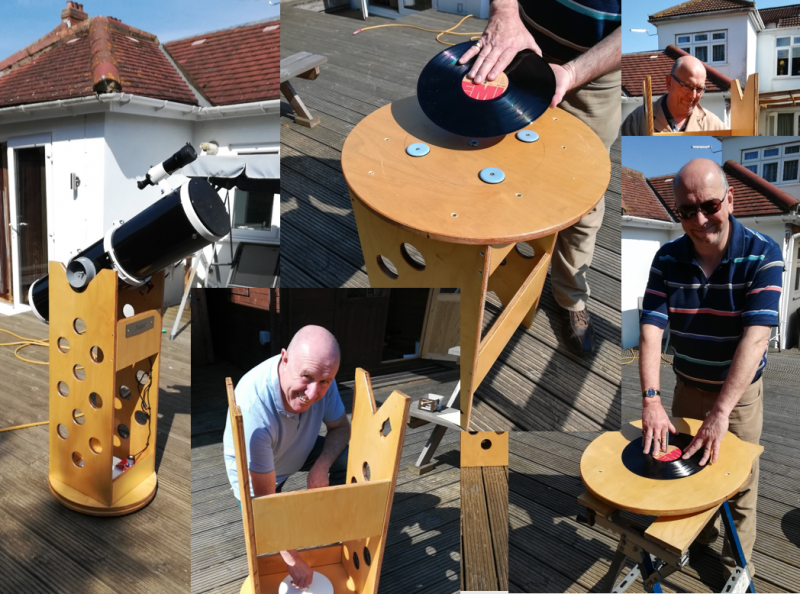
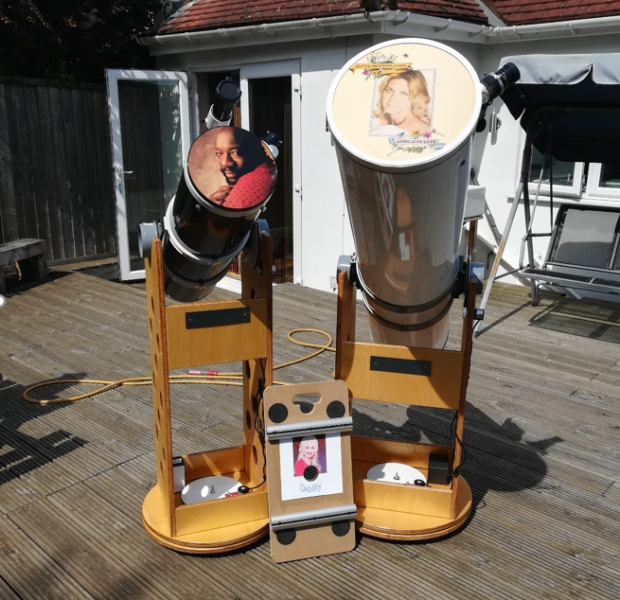
Our Dobs are named after gifted musicians, because we used their vinyl LPs as a bearing for the azimuth mount.
[/et_pb_text][et_pb_text admin_label="altitude bearings" _builder_version="4.16" z_index_tablet="500" global_colors_info="{}"]
The design of the mounts for the altitude bearings was changed (compared to 'Anita') to again reduce weight and reuse as much as possible of the old 'scopes.
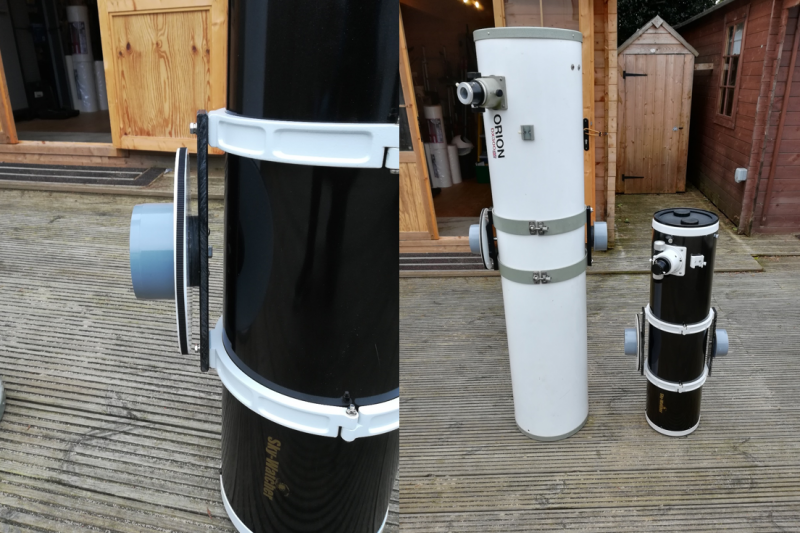 Our Dobs are named after gifted musicians, because we used their vinyl LPs as a bearing for the azimuth mount.
[/et_pb_text][et_pb_text admin_label="completed" _builder_version="4.16" z_index_tablet="500" global_colors_info="{}"]
Isaac and Olivia complete.
[/et_pb_text][et_pb_text admin_label="completed" _builder_version="4.16" z_index_tablet="500" global_colors_info="{}"]
Isaac and Olivia complete.
[/et_pb_text][et_pb_text admin_label="Steve & Dave's BAA Winchester 2022 PowerPoint presentation as a PDF" _builder_version="4.18.0" _module_preset="default" hover_enabled="0" global_colors_info="{}" sticky_enabled="0"]
BAA Winchester Weekend 2022
At this years 2022 BAA Winchester weekend members Steve Floodgate and Dave Grist presented an update about their experiences of building Dobsonian telescopes for the society. Below is a link that you can click on to download a PDF version of the PowerPoint presentation they used at the event.
Winchester presentation update1
[/et_pb_text][/et_pb_column][/et_pb_row][/et_pb_section]