
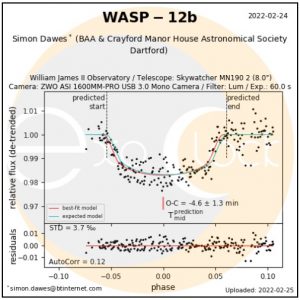
Here is the latest exoplanet transit observed by member & trustee Simon Dawes for the ExoClock project. It is of WASP-12b a doomed EGG shaped planet.
WASP-12b is a hot Jupiter that orbits so close to its parent star, it is being torn apart and it takes this sizzling gas giant alien world only 1.1 days to completely circle its parent star!
The doomed planet is being eaten by its parent star, according to observations made by NASA's Hubble Space Telescope, the Cosmic Origins Spectrograph (COS). The planet may only have another 10 million years left before it is completely devoured.
The planet WASP-12b, is so close to its sun like parent star that it is superheated to nearly 2,800 degrees Fahrenheit and stretched into an egg shape by enormous tidal forces. The atmosphere has ballooned to nearly three times Jupiter's radius and is spilling material onto the parent star. The planet is 40 percent more massive than Jupiter.
"We see a huge cloud of material around the planet, which is escaping and will be captured by the star. We have identified chemical elements never before seen on planets outside our own solar system," says team leader Carole Haswell of The Open University in Great Britain.
WASP-12b reflects just 6% of the light that shines on its surface. As a result, the exoplanet has been described as "black as asphalt", and as "pitch black."
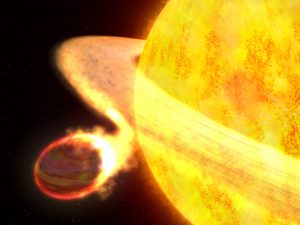
Photo Credit: NASA/ESA/G Bacon artist's concept of WASP-12b & parent star.
Simon along with other amateur and professional astronomers have been observing exo-planet transits as part of the ExoClock project for the Ariel Mission due for launch in 2028. Each observation takes between 4 and 5 hours typically so is quite a commitment. Well done Simon.
The Ariel mission will observe spectroscopically around 1000 exoplanets to further characterise their atmospheres. For the mission to be as efficient as possible, a good knowledge of the planets’ ephemerides is needed before its launch in 2028. While ephemerides for some planets are being refined on a per-case basis, an organised effort to collectively verify or update them when necessary does not exist. In this study, we introduce the ExoClock project, an open, integrated and interactive platform with the purpose of producing a confirmed list of ephemerides for the planets that will be observed by Ariel.
Click here for more information about the project.
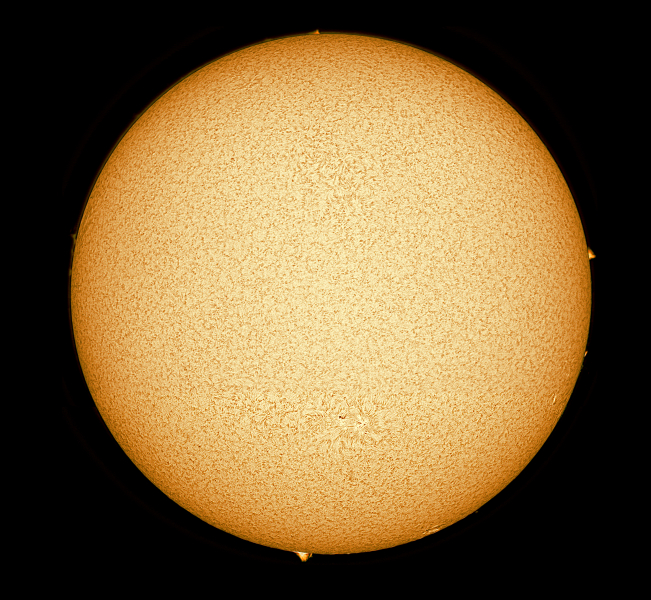 Taken on the 8th of June with a Daystar Solar Scout SS60-DS and a ZWO ASI174MM camera. My 1st proper attempt at imaging the sun in H-Alpha.
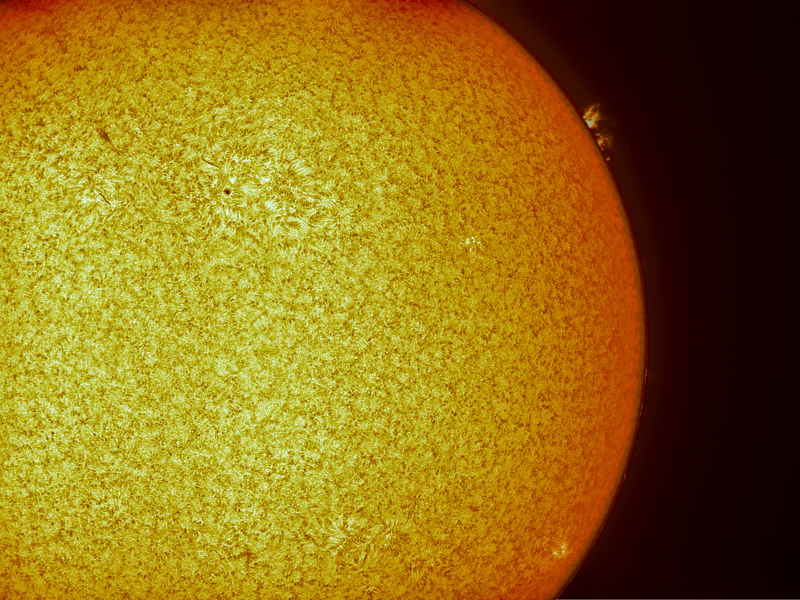 Taken on the 16th of July with a Daystar Solar Scout SS60-DS and a ZWO ASI174MM camera.[/caption]
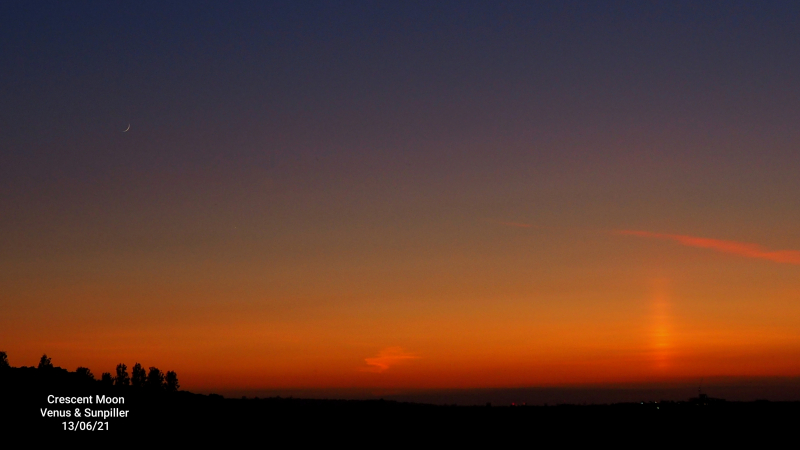 Image by Jim Burchell Image of Crescent Moon and Venus and Sunpillar taken on 13/6/21 Olympus E-M10 Mark ll.[/caption]
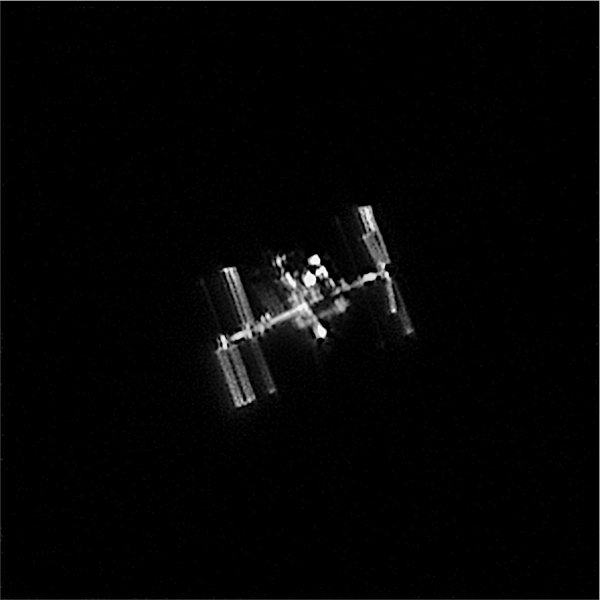 The International Space Station. Taken on the 17th of July with a Skywatcher Skyliner 200P Dobsonian Telescope and a ZWO ASI174MM[/caption]
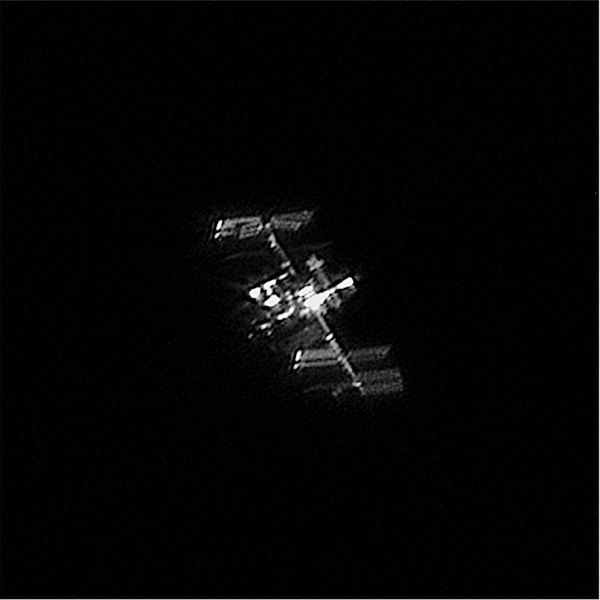 The International Space Station. Taken on the 17th of July with a Skywatcher Skyliner 200P Dobsonian Telescope and a ZWO ASI174MM[/caption]
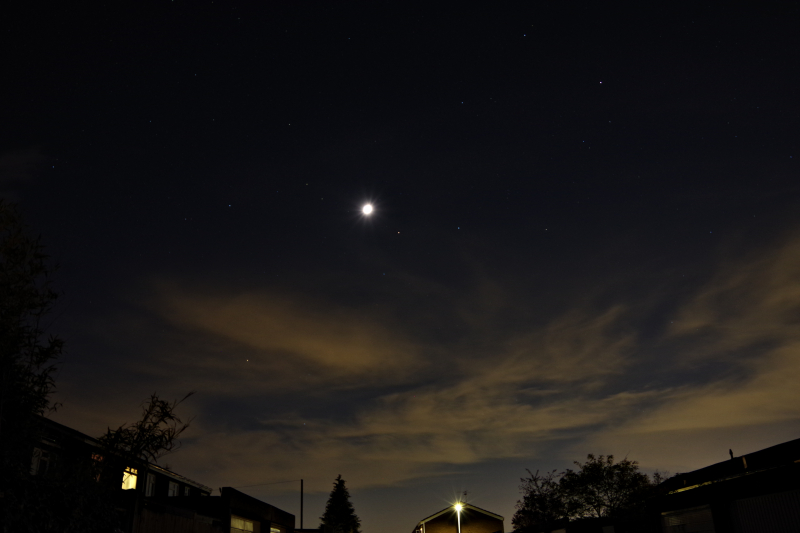 Crescent Moon and Mars near the constellation of Auriga taken on 13/05/21 with a pentax K70 . 135mm /f8.0 iso 800 1/5 sec.[/caption]
 Image of the Crescent Moon and Mercury taken on the 13/05/21 Pentax K70 135mm f8.0 iso 800 1/5 sec.[/caption]
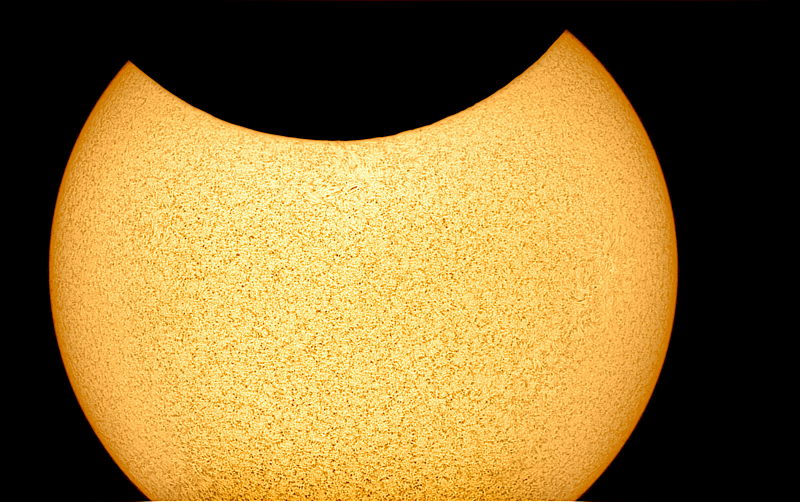 Partial Solar eclipse. Taken on the 10th of June with a Daystar Solar Scout SS60-DS and a ZWO ASI174MM.
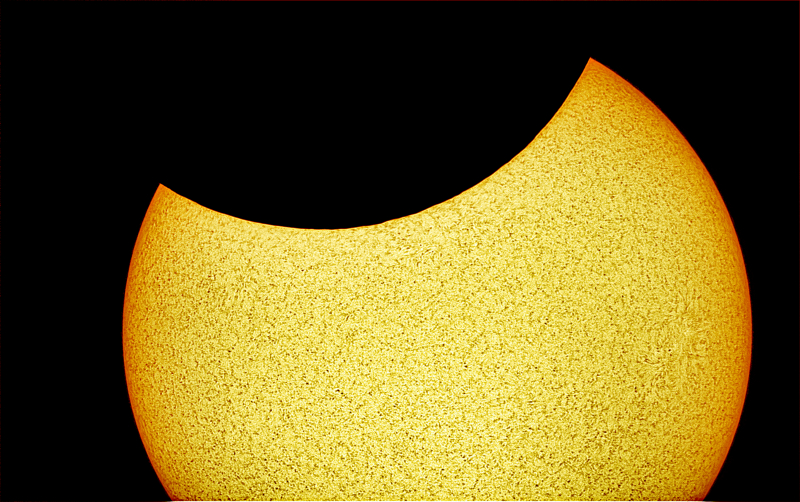 Partial Solar eclipse. Taken on the 10th of June with a Daystar Solar Scout SS60-DS and a ZWO ASI174MM.[/caption]
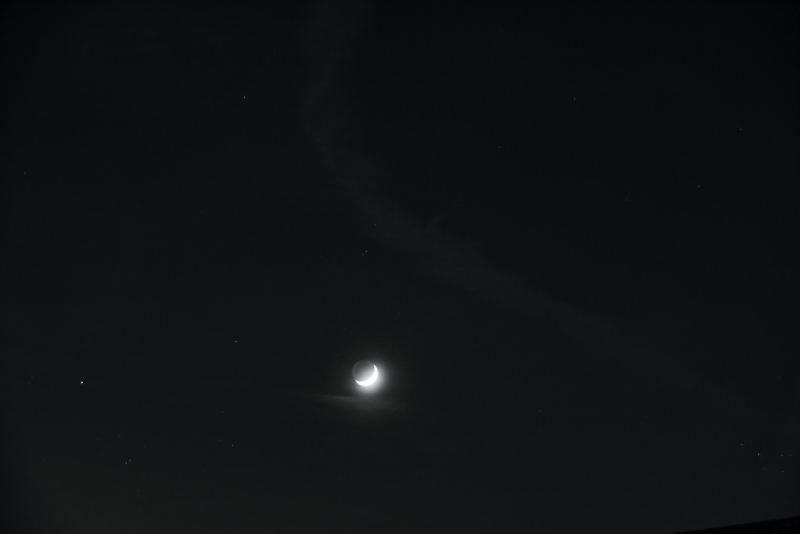 This image shows, Aldebaran also known as "the eye of Taurus" to the far left of the 12% lit waxing crescent Moon with the Hyades to the lower left, and M45 also known as The Pleiades/ Seven Sisters in the lower right of the image, Fortunately I had a reasonably clear sky with some cloud, as well as a vantage point that enabled me to see the Pleiades as they are currently quite low in the WNW part of the sky, I was also able to capture some earthshine. Canon 750D, ISO 800, f5.6, @ 2 sec Sigma 18 - 250mm lens @ 75mm Static tripod Taken at 22.30Hrs 15.04.21 Jpeg from RAW file Diane Clarke Belvedere[/caption]