[et_pb_section fb_built="1" _builder_version="3.22"][et_pb_row _builder_version="3.25" background_size="initial" background_position="top_left" background_repeat="repeat"][et_pb_column type="4_4" _builder_version="3.25" custom_padding="|||" custom_padding__hover="|||"][et_pb_text admin_label="intro Text" _builder_version="3.27.4"]
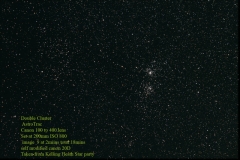
The Double Cluster is the common name for the naked-eye (OK you will need Binoculars in light polluted areas such as Crayford) open clusters NGC 884 and NGC 869, which are close together in the constellation Perseus. NGC 884 and NGC 869 are at distances of 7600 and 6800 light-years away, respectively, so they are close to one another in space as well.
They are relatively young clusters, with NGC 869 5.6 million years and NGC 884 at 3.2 million years according to the 2000 Sky Catalogue. In comparison, the Pleiades have an estimated age ranging from 75 million years to 150 million years.
They are also blue-shifted, with NGC 869 approaching Earth at a speed of 22 km/s and NGC 884 approaching at a similar speed of 21 km/s. Their hottest main sequence stars are of spectral type B0.
[/et_pb_text][/et_pb_column][/et_pb_row][et_pb_row _builder_version="3.25" background_size="initial" background_position="top_left" background_repeat="repeat" column_structure="1_4,3_4"][et_pb_column type="1_4" _builder_version="3.25" custom_padding="|||" custom_padding__hover="|||"][et_pb_text admin_label="JT Image" _builder_version="3.27.4"]
[/et_pb_text][/et_pb_column][et_pb_column type="3_4" _builder_version="3.25" custom_padding="|||" custom_padding__hover="|||"][et_pb_text admin_label="Julian Tworek Text" _builder_version="3.27.4"]
Imaged by: Julian Tworek
Method: AstroTrac Canon 100-400 lens @ 200mm ISO800, 9 x 120s self modified Canon 20D DSLR
[/et_pb_text][/et_pb_column][/et_pb_row][et_pb_row _builder_version="3.25" background_size="initial" background_position="top_left" background_repeat="repeat" column_structure="1_4,3_4"][et_pb_column type="1_4" _builder_version="3.25" custom_padding="|||" custom_padding__hover="|||"][et_pb_text admin_label="SD Image" _builder_version="3.27.4"]
[/et_pb_text][/et_pb_column][et_pb_column type="3_4" _builder_version="3.25" custom_padding="|||" custom_padding__hover="|||"][et_pb_text admin_label="Simon Dawes Text" _builder_version="3.27.4"]
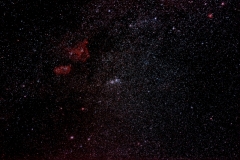
Image of the Double Cluster taken from Kelling Heath with a Canon 600D, Modified with the Full Spectrum Mod and a Clip-in CLSCCD filter
[/et_pb_text][/et_pb_column][/et_pb_row][et_pb_row _builder_version="3.25" background_size="initial" background_position="top_left" background_repeat="repeat" column_structure="1_4,3_4"][et_pb_column type="1_4" _builder_version="3.25" custom_padding="|||" custom_padding__hover="|||"][et_pb_text admin_label="SD Image" _builder_version="3.27.4"]
[/et_pb_text][/et_pb_column][et_pb_column type="3_4" _builder_version="3.25" custom_padding="|||" custom_padding__hover="|||"][et_pb_text admin_label="Simon Dawes Text" _builder_version="3.27.4"]
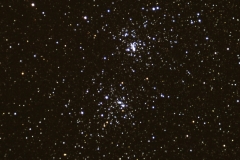
Image by Simon Dawes taken on 2010-09-13
Taken at Kelling heath using a Williams Optics ED80 and Canon 650D on a vixen GPDX mount (unguided)
[/et_pb_text][/et_pb_column][/et_pb_row][et_pb_row _builder_version="4.7.7" _module_preset="default"][et_pb_column _builder_version="4.7.7" _module_preset="default" type="4_4"][et_pb_text admin_label="Images by Neil Webster" _builder_version="3.27.4" saved_tabs="all" global_module="3174"]
Images by Neil Webster
[/et_pb_text][/et_pb_column][/et_pb_row][et_pb_row _builder_version="4.7.7" _module_preset="default" column_structure="1_4,3_4"][et_pb_column _builder_version="4.7.7" _module_preset="default" type="1_4"][et_pb_text _builder_version="4.7.7" _module_preset="default" hover_enabled="0" sticky_enabled="0" admin_label="NW Image"]
[/et_pb_text][/et_pb_column][et_pb_column _builder_version="4.7.7" _module_preset="default" type="3_4"][et_pb_text _builder_version="4.7.7" _module_preset="default" hover_enabled="0" sticky_enabled="0"]
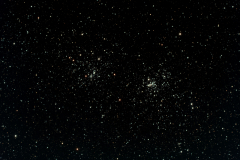
Image by Neil Webster - No Details Provided
[/et_pb_text][/et_pb_column][/et_pb_row][/et_pb_section]

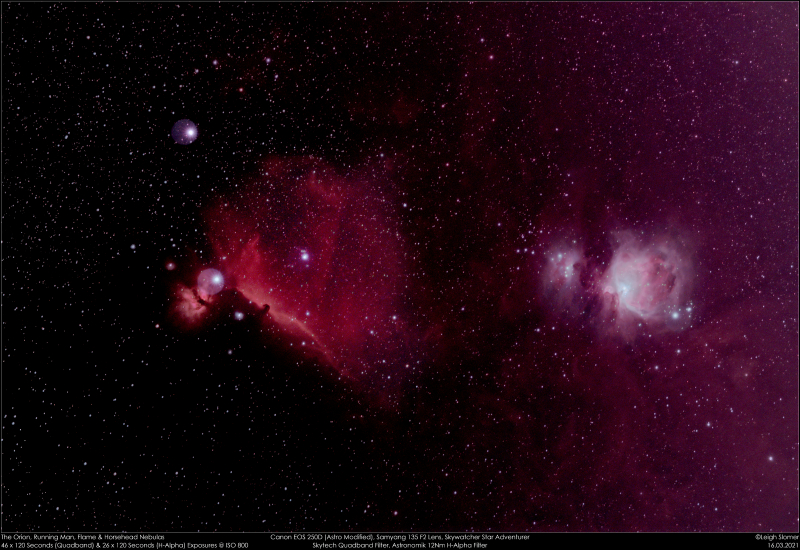 Image by Leigh Slomer - no details provided[/caption]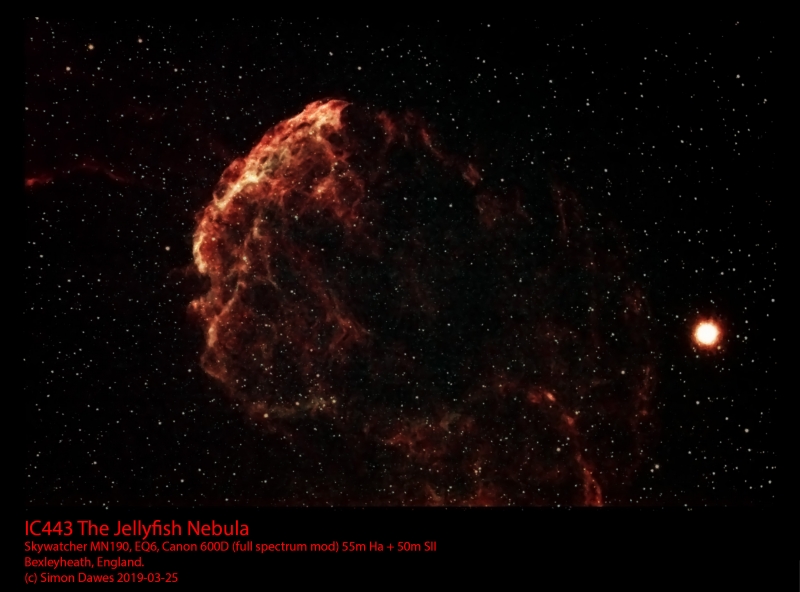
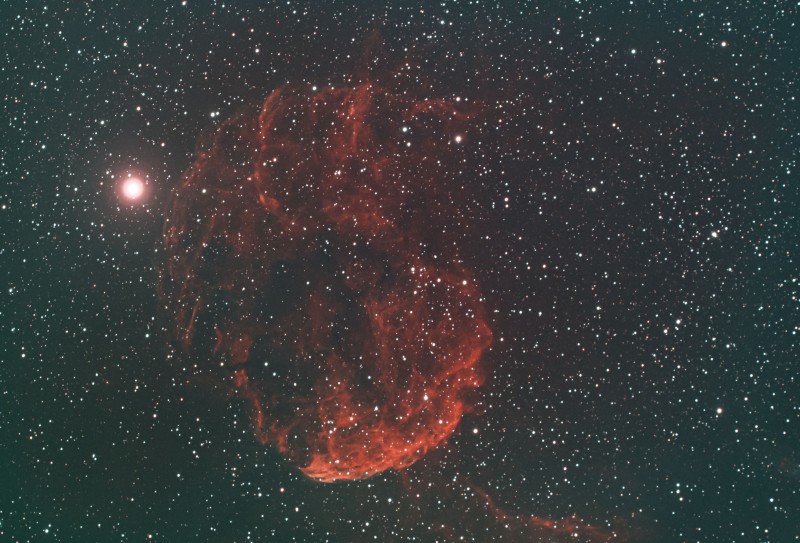 Image by Neil Webster No details provided[/caption]
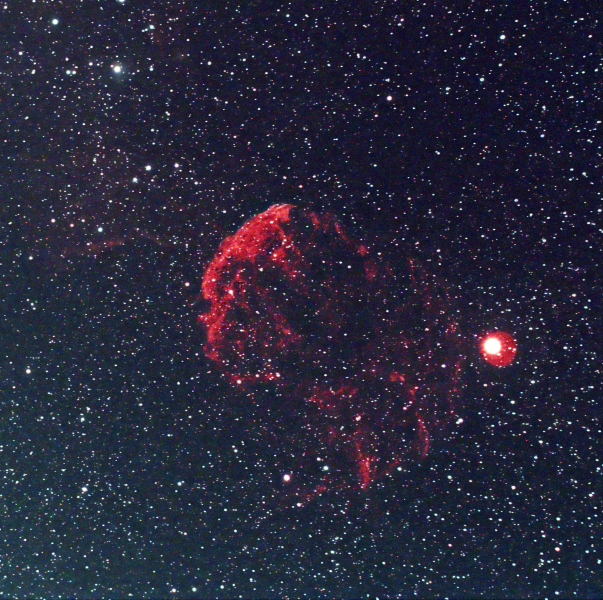 Image by Leigh Slomer - no details provided[/caption]
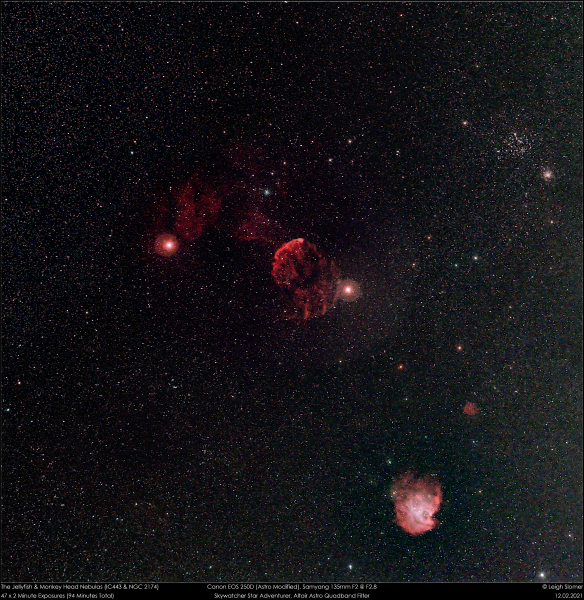 Image by Leigh Slomer - no details provided[/caption]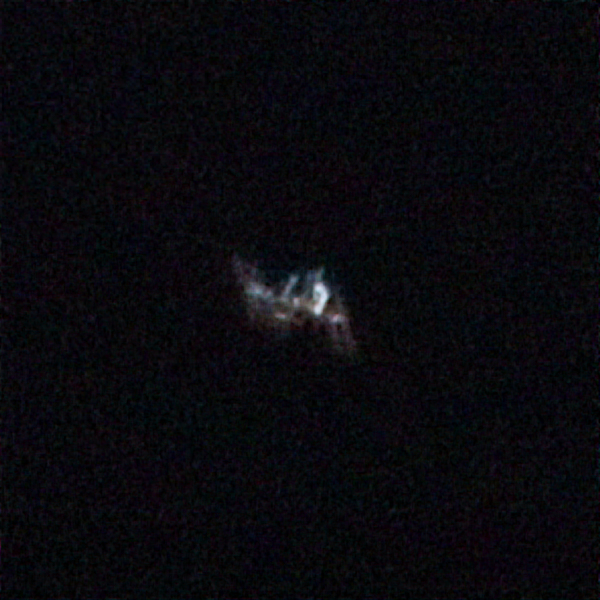
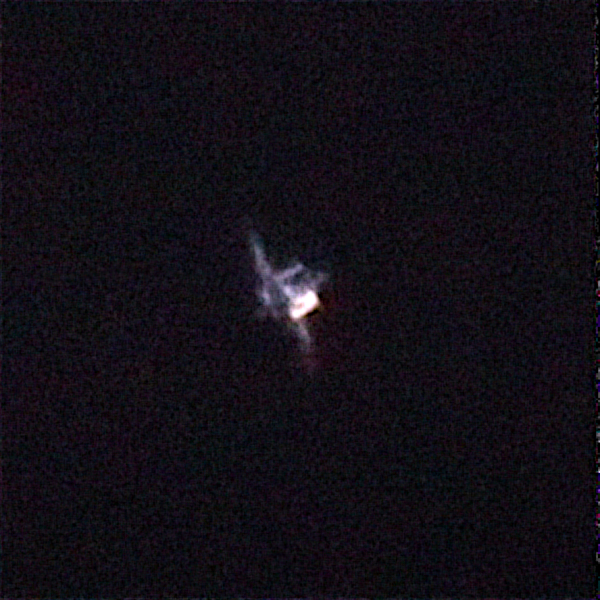

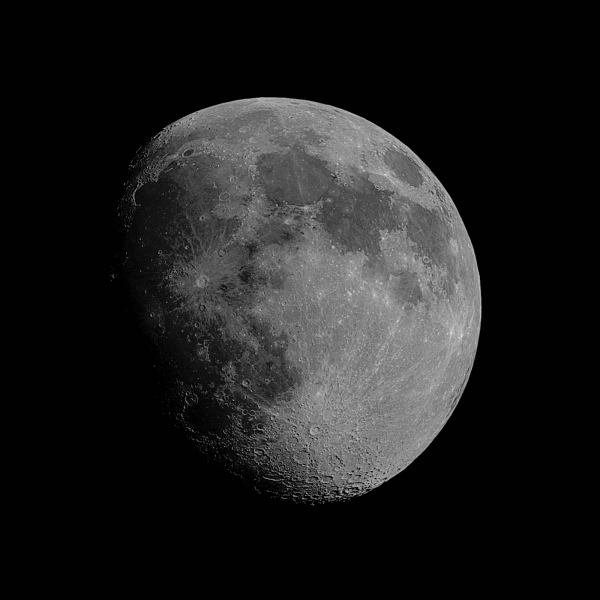
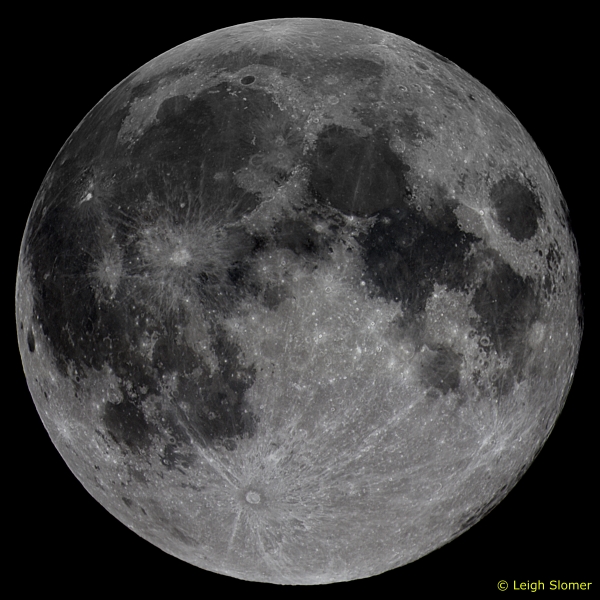
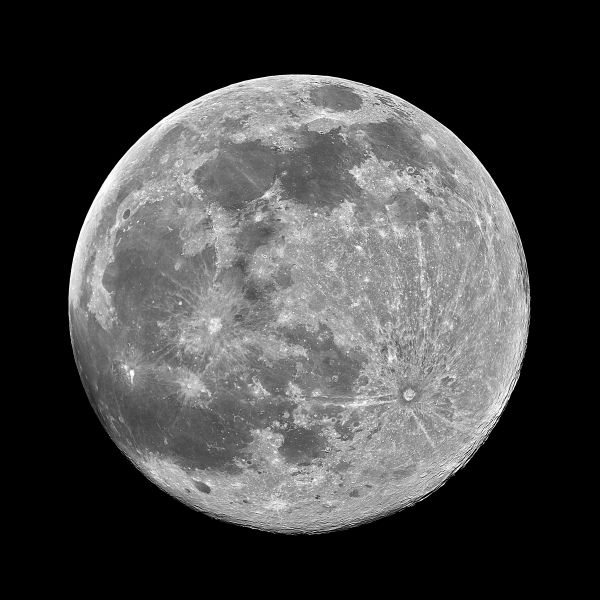
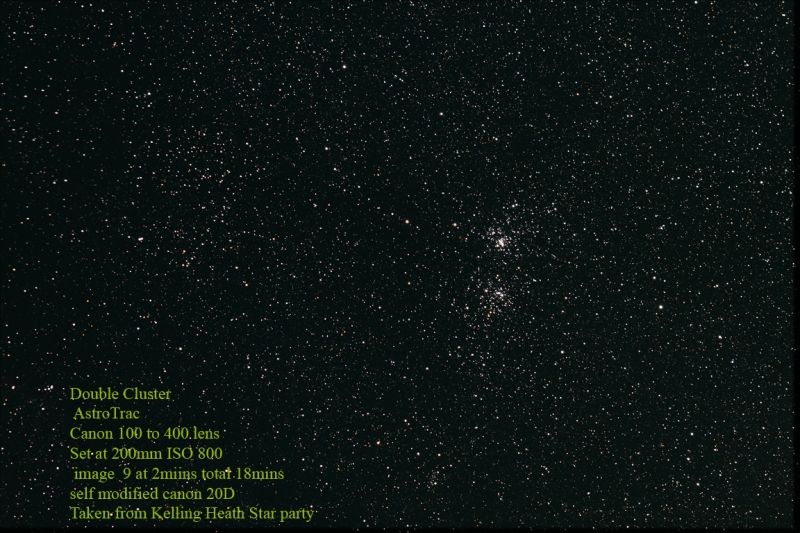
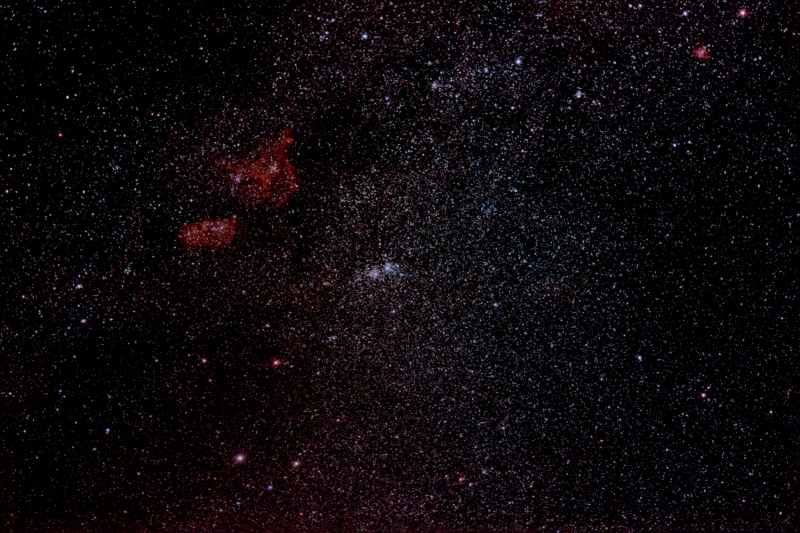
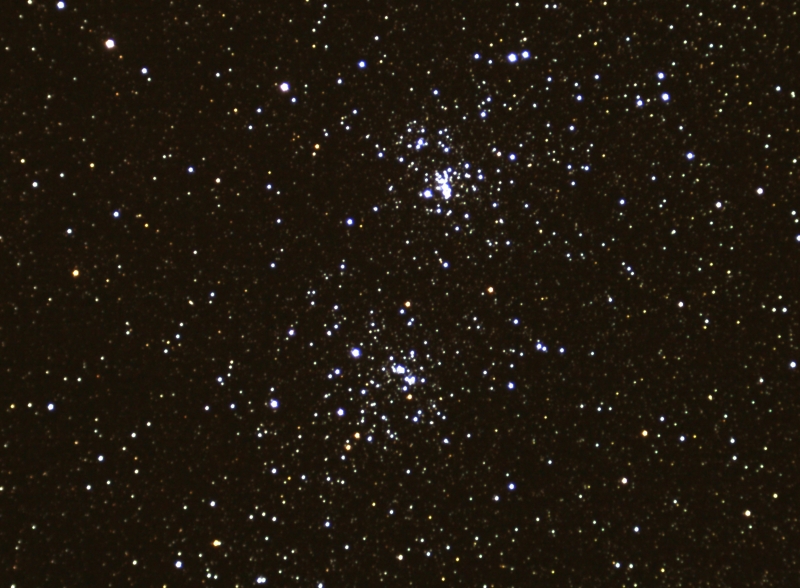
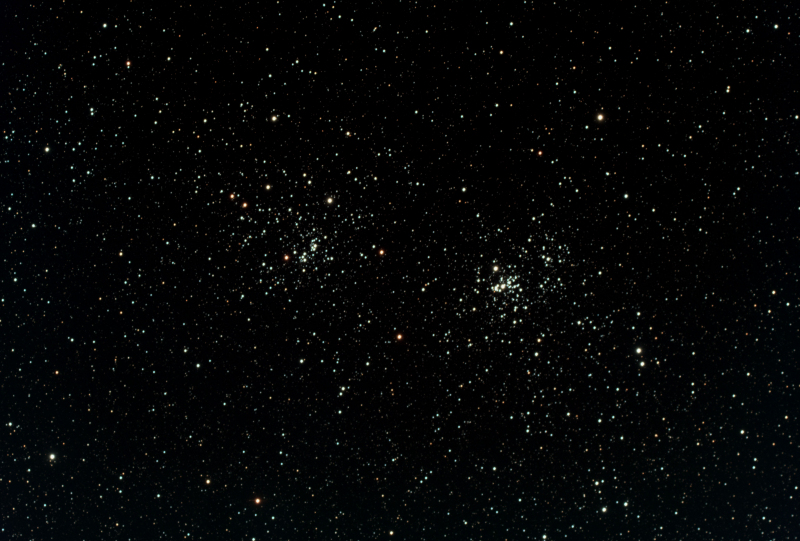
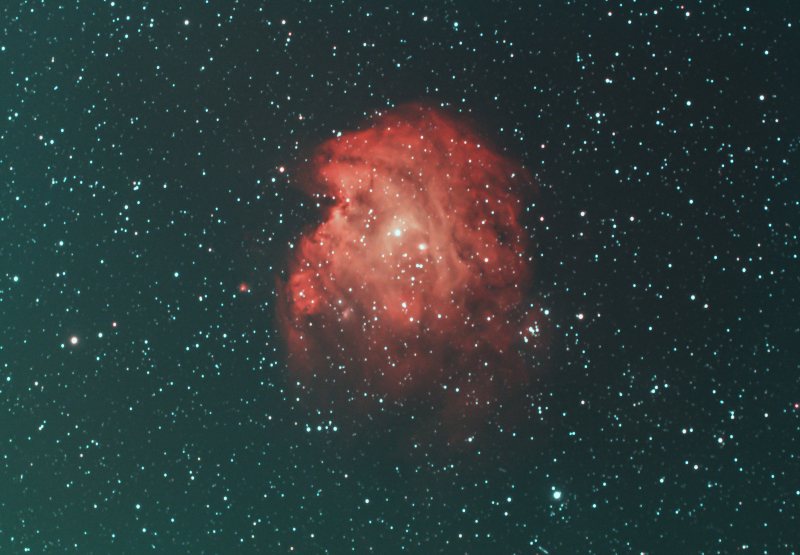 Image by Neil Webster no details provided[/caption]
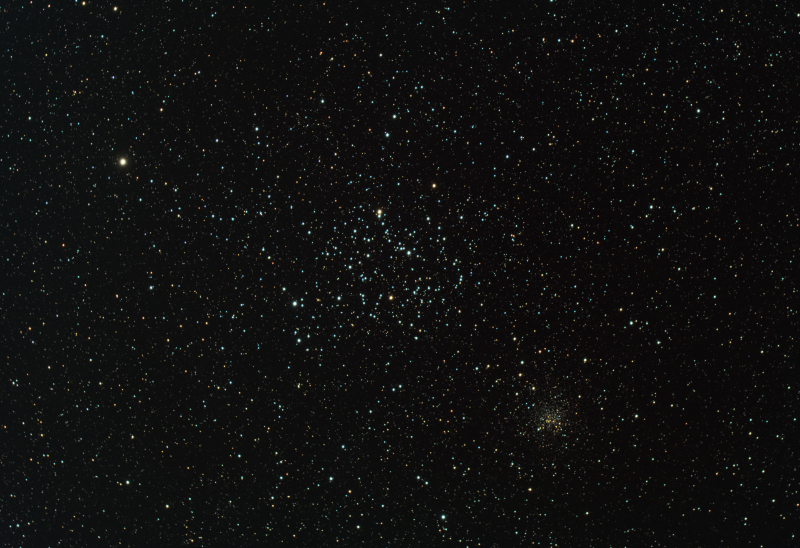 Image by Neil Webster - No details provided[/caption]
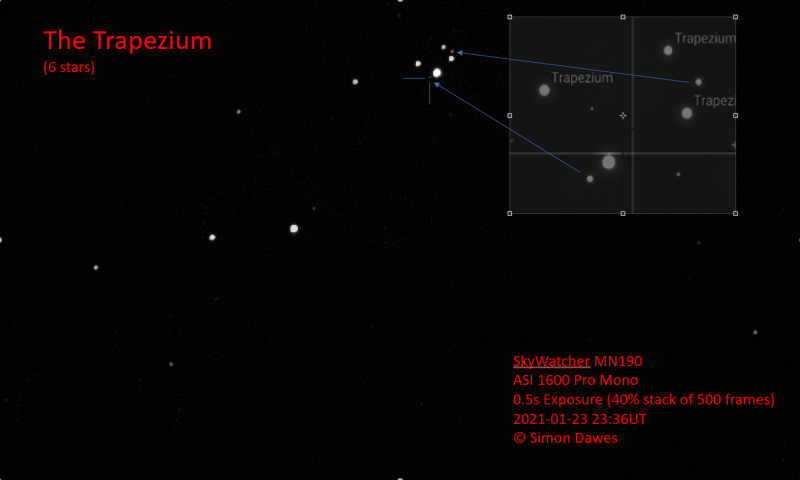 Image by Simon Dawes EQ6 Pro, MN190mm, ZWO ASI1600, 500x 0.5s exposures. THIS IMAGE IS DISQUALIFIED FROM THE COMPETITION - SIMON IS THE JUDGE![/caption]
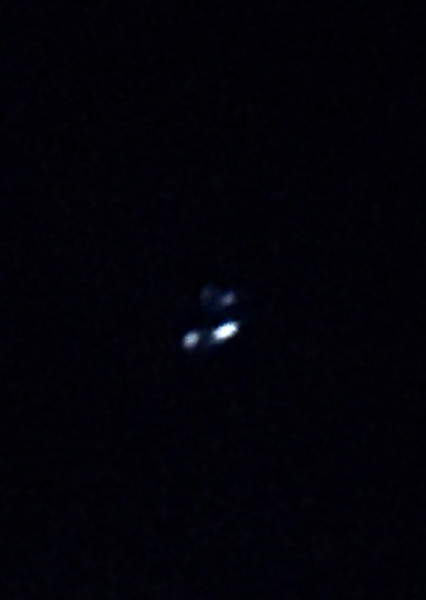 Here is a photo of Trapezium cluster I took a few weeks ago with my iPhone through my 102mm Maksutov scope. I think the magnification is about 100X. Don’t know ISO because it was taken with phone camera. You can see five stars. I plan to take out my bigger scope and try again. “Cheers”[/caption]
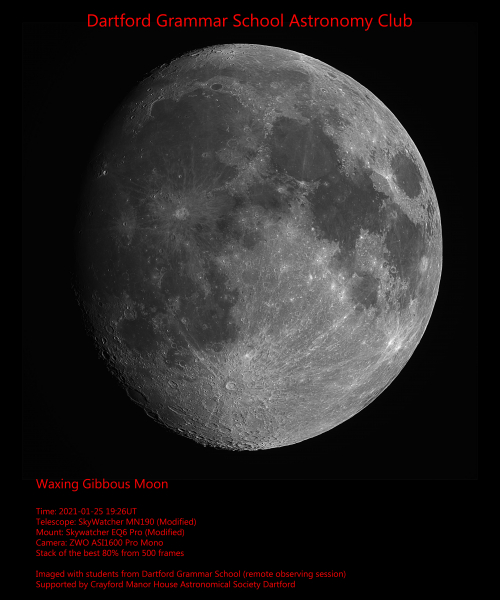 Image by Simon Dawes & Dartford Grammar School Astronomical Society[/caption][caption id="" align="aligncenter" width="384"]
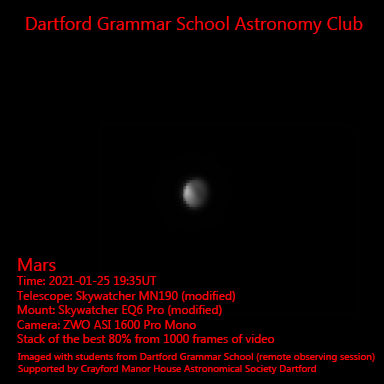 Image by Simon Dawes & Dartford Grammar School Astronomical Society[/caption][caption id="" align="aligncenter" width="630"]
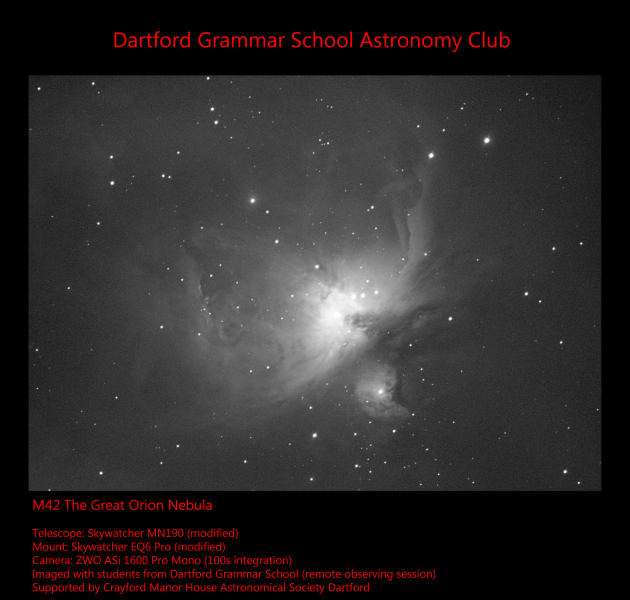 Image by Simon Dawes & Dartford Grammar School Astronomical Society[/caption]