[et_pb_section bb_built="1"][et_pb_row][et_pb_column type="4_4"][et_pb_text]
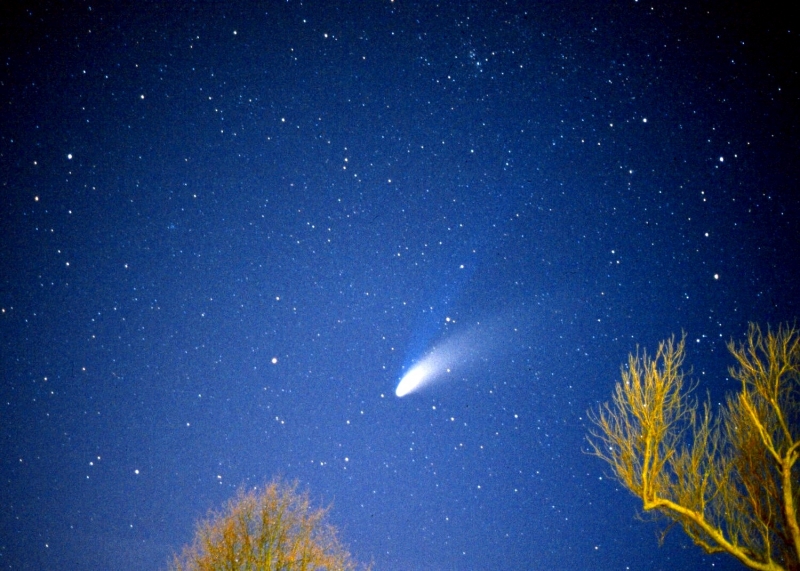
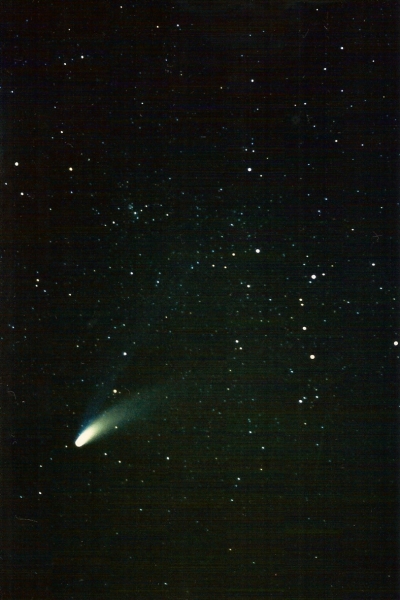
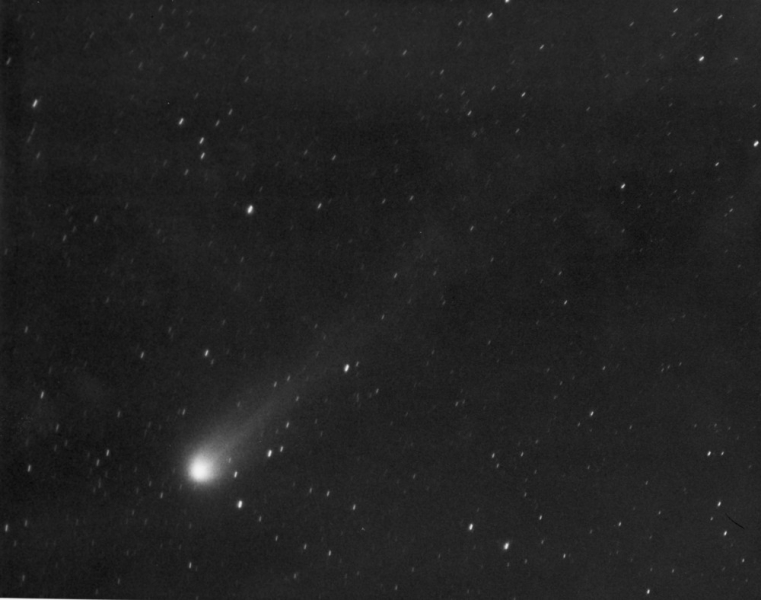
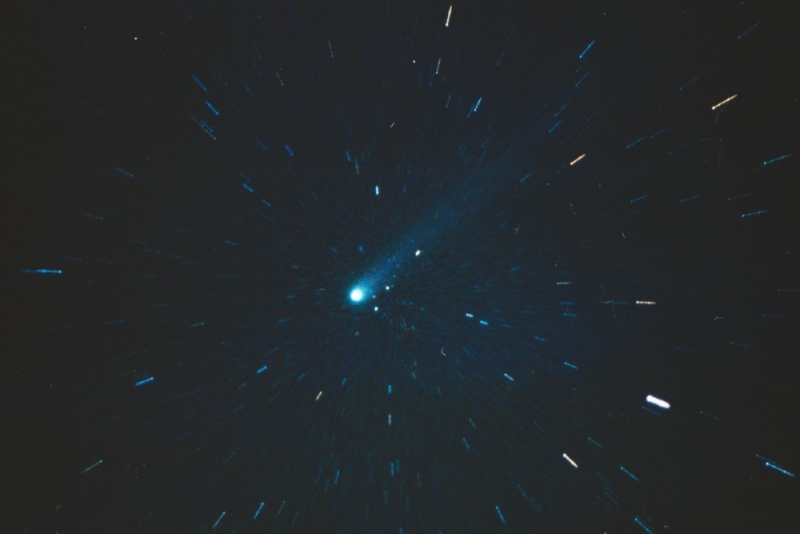
17P/Holmes is a periodic comet (designated by the P in its name), discovered Edwin Holmes on November 6, 1892. Normally a very faint object, Holmes brightened by a factor of half a million, in October 2007 and became visible to the naked eye.
[/et_pb_text][/et_pb_column][/et_pb_row][et_pb_row][et_pb_column type="1_3"][et_pb_text admin_label="Image" _builder_version="3.9"]
[/et_pb_text][/et_pb_column][et_pb_column type="2_3"][et_pb_text _builder_version="3.9"]
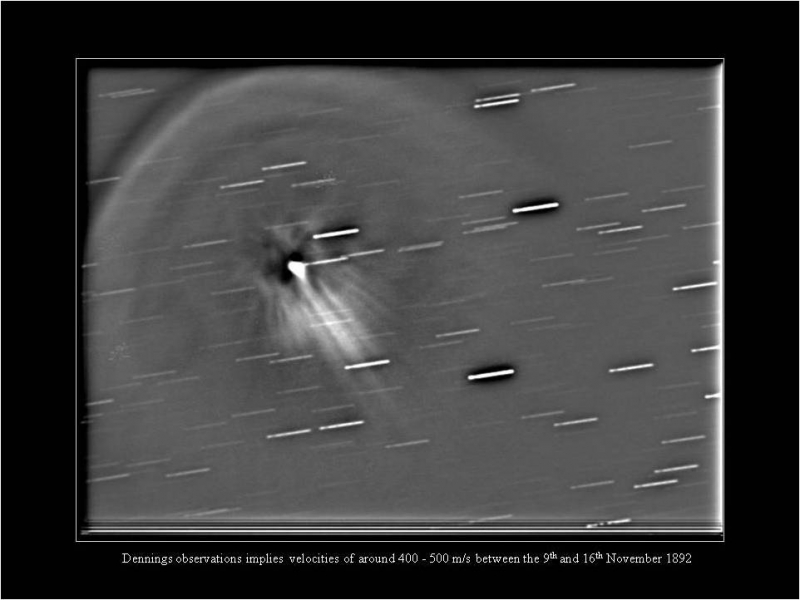
Image by Martin Crow.
Dennings observations implies velocities of around 400 - 500 m/s between the 9th and 16th November 1892
[/et_pb_text][/et_pb_column][/et_pb_row][et_pb_row][et_pb_column type="1_3"][et_pb_text admin_label="Image" _builder_version="3.9"]
[/et_pb_text][/et_pb_column][et_pb_column type="2_3"][et_pb_text _builder_version="3.9"]
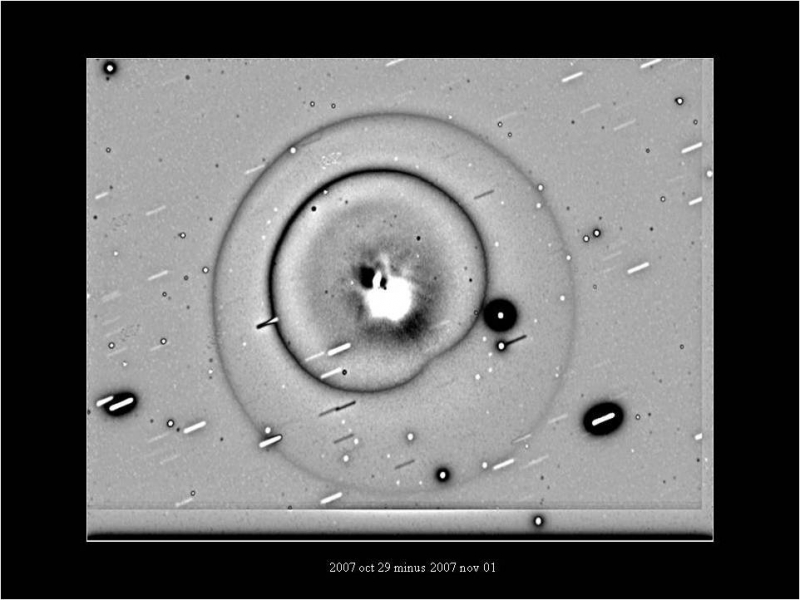
This image by Martin Crow is a subtraction of a 2007/10/29 image against a 2007/11/01 image, in effect it shows the changes in the comet over this short period.
[/et_pb_text][/et_pb_column][/et_pb_row][et_pb_row][et_pb_column type="1_3"][et_pb_text admin_label="Image" _builder_version="3.9"]
[/et_pb_text][/et_pb_column][et_pb_column type="2_3"][et_pb_text _builder_version="3.9"]
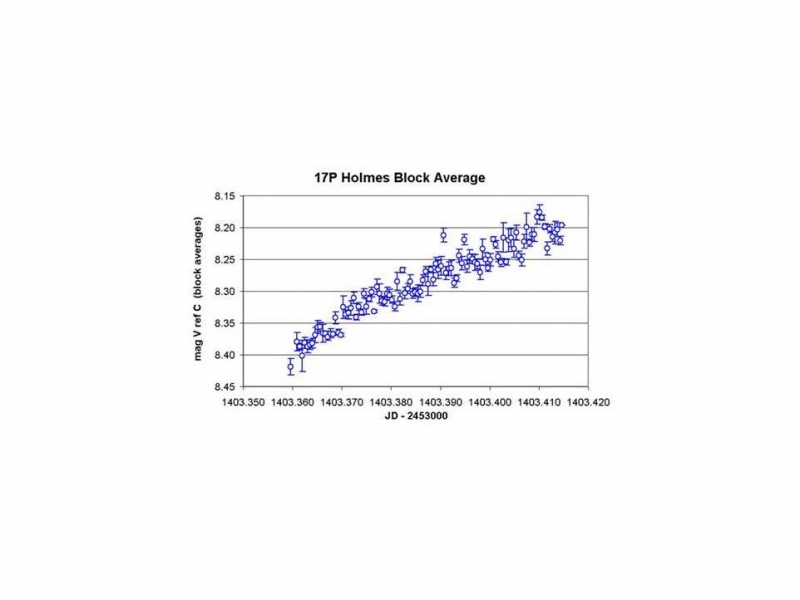
Brightness measurements of Comet Holmes by Martin Crow. The numbers are in the astronomy unit of 'Magnitude' so smaller numbers represent a brighter object.
[/et_pb_text][/et_pb_column][/et_pb_row][et_pb_row][et_pb_column type="1_3"][et_pb_text admin_label="Image" _builder_version="3.9"]
[/et_pb_text][/et_pb_column][et_pb_column type="2_3"][et_pb_text _builder_version="3.9"]
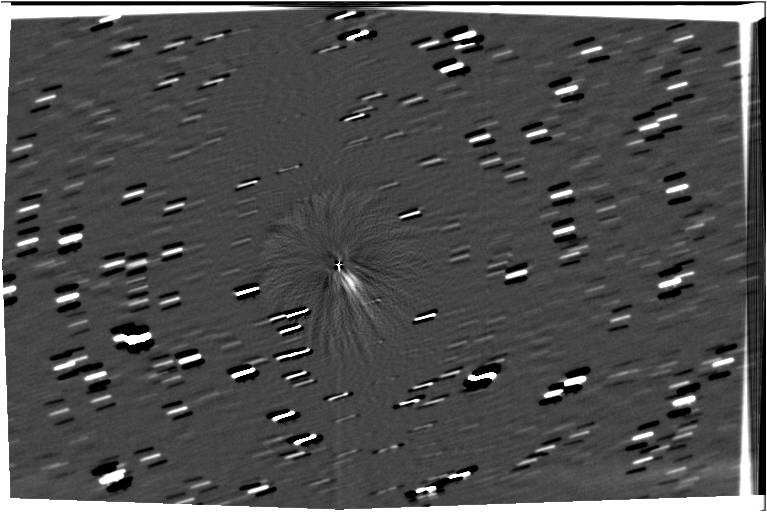
Image Keith Rickard, this image is 'Larson - Sekanina' processed to show the radial detail in the coma
[/et_pb_text][/et_pb_column][/et_pb_row][et_pb_row][et_pb_column type="1_3"][et_pb_text admin_label="Image" _builder_version="3.9"]
[/et_pb_text][/et_pb_column][et_pb_column type="2_3"][et_pb_text _builder_version="3.9"]
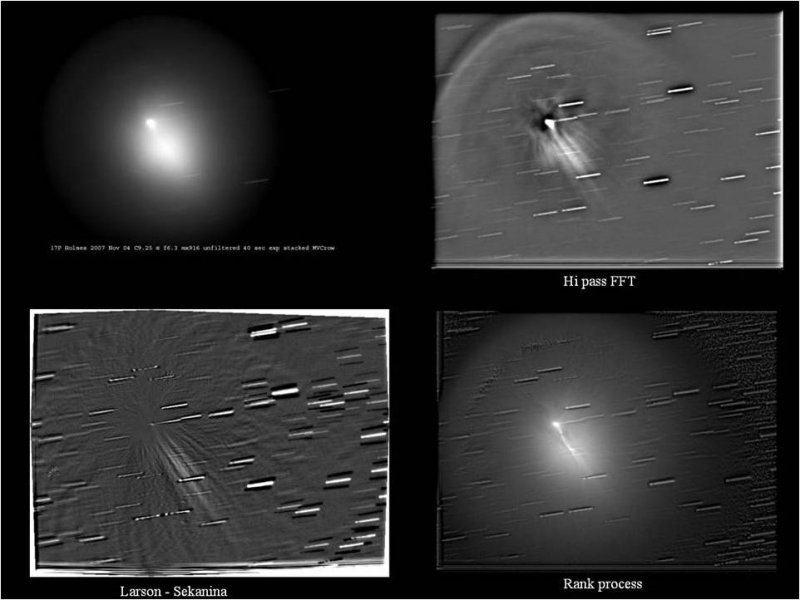
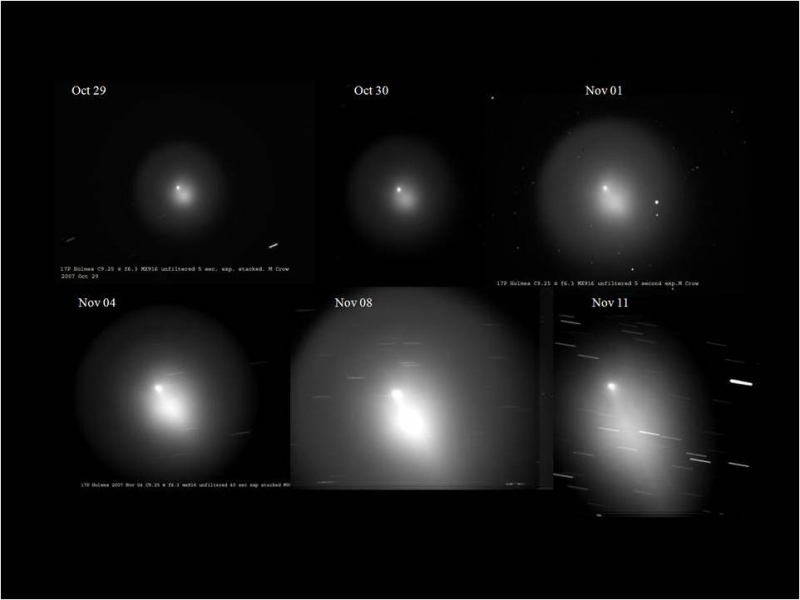
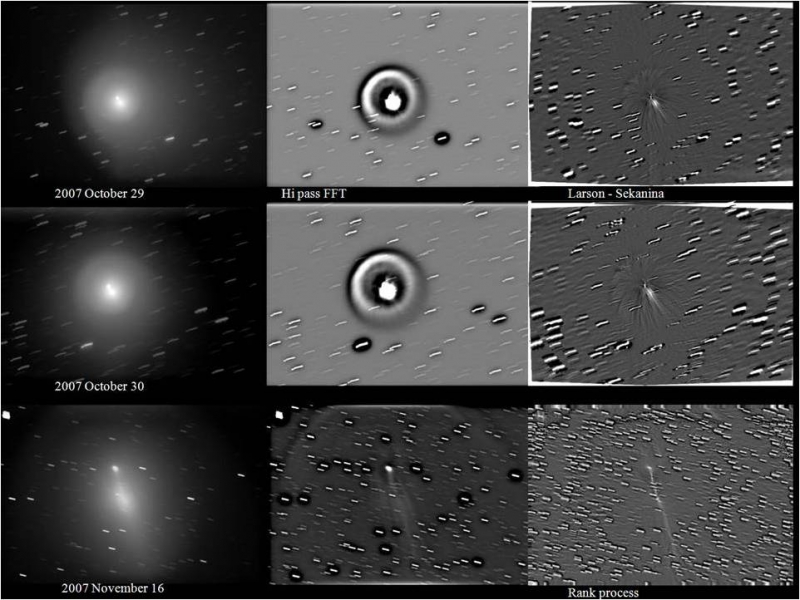
Image by Martin Crow showing some different image processing techniques to bring out specific features of the comet
[/et_pb_text][/et_pb_column][/et_pb_row][et_pb_row][et_pb_column type="1_3"][et_pb_text admin_label="Image" _builder_version="3.9"]
[/et_pb_text][/et_pb_column][et_pb_column type="2_3"][et_pb_text _builder_version="3.9"]
Image by Martin Crow showing some different image processing techniques to bring out specific features of the comet
[/et_pb_text][/et_pb_column][/et_pb_row][et_pb_row][et_pb_column type="1_3"][et_pb_text admin_label="Image" _builder_version="3.9"]
[/et_pb_text][/et_pb_column][et_pb_column type="2_3"][et_pb_text _builder_version="3.9"]
Image by Martin Crow showing some different image processing techniques to bring out specific features of the comet
[/et_pb_text][/et_pb_column][/et_pb_row][/et_pb_section]
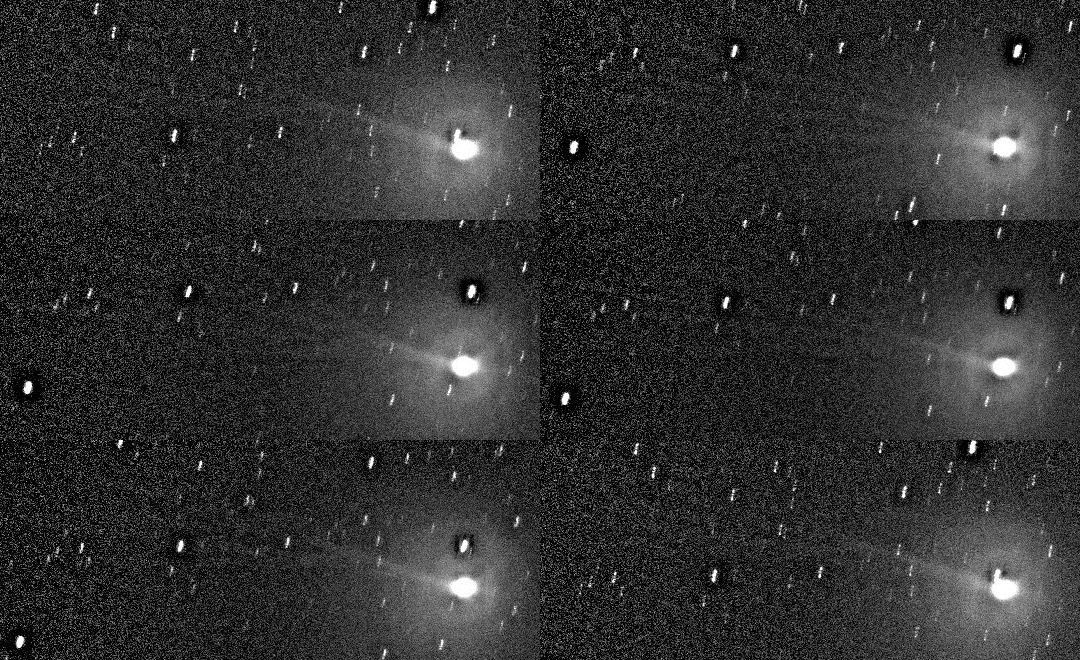 The images were taken on 2 January 2005 between 20:03UT and 21:23UT. In the animation shows the comet tracking across the sky and its tail dynamically changing shape with a possible hint of a detachment.[/caption]